Dlaczego jesteśmy ateistami
- 408bladzijden
- 15 uur lezen


Victor Stenger was een Amerikaanse deeltjesfysicus, uitgesproken atheïst en auteur die zich verdiepte in filosofie en populair religieus scepticisme. Zijn productieve schrijfwerk voor een algemeen publiek verkende natuurkunde, kwantummechanica, kosmologie, filosofie, religie, atheïsme en pseudowetenschap. Stengers werk onderzocht vaak de grenzen tussen wetenschap en geloof, en pleitte voor een rationele benadering van het begrijpen van het universum. Hij wordt erkend voor zijn scherpe kritiek op religieuze beweringen en zijn vurige verdediging van een wetenschappelijke wereldvisie.

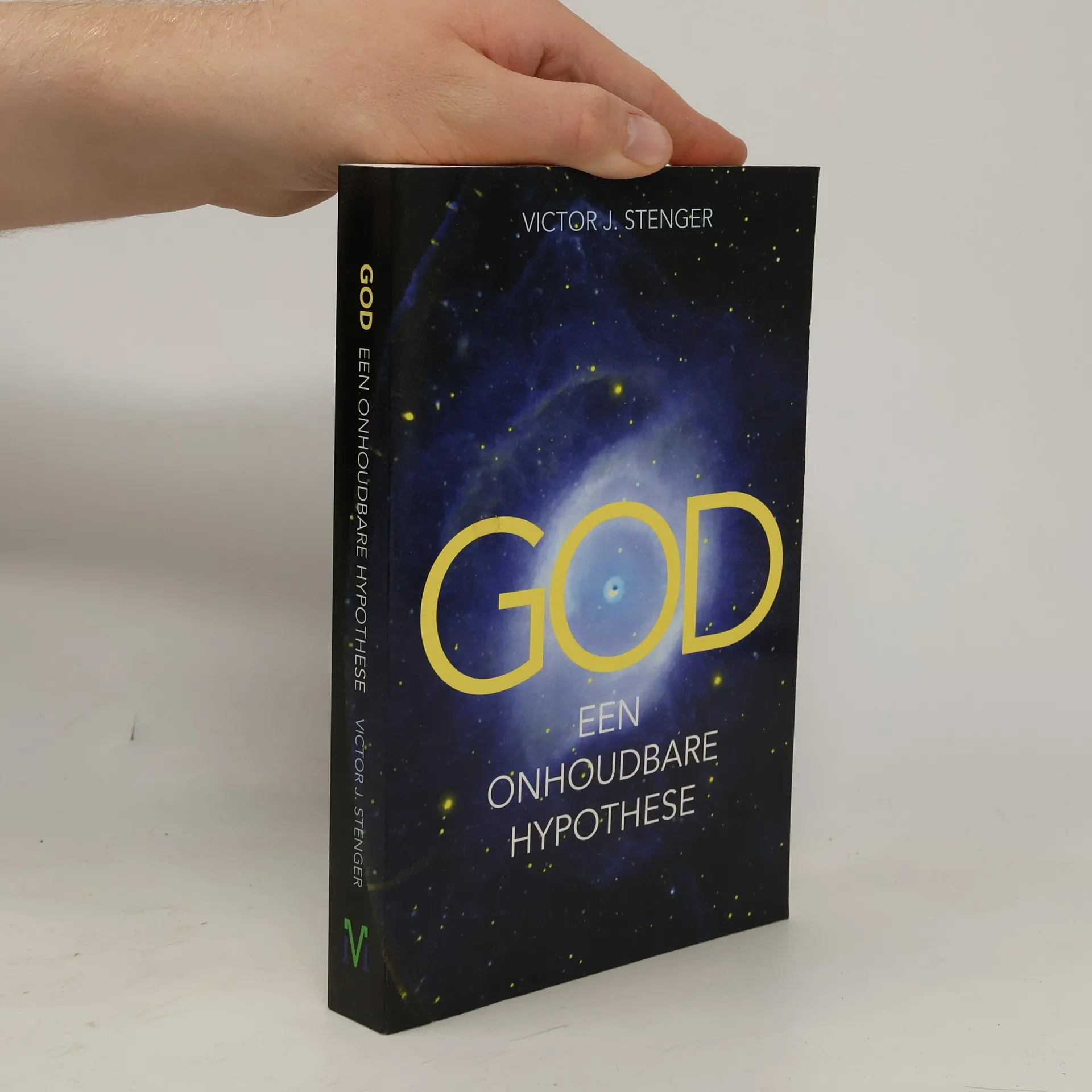
Hoe de wetenschap bewijst dat God niet bestaat
Throughout history, debates about God's existence have primarily taken place in philosophy and theology, while science has remained on the sidelines. Despite its revolutionary impact on human understanding, the idea persists that science has nothing to contribute to discussions about a supreme being, whom many view as the source of all reality. Physicist Victor J. Stenger argues that if God exists, there should be detectable evidence for this existence through scientific means, given the significant role attributed to God in the universe and human lives. He treats the traditional concept of God, as presented in Judeo-Christian and Islamic traditions, as a scientific hypothesis and scrutinizes the claims made for God's existence. Stenger evaluates Intelligent Design arguments for evidence of divine influence in biology, examines human behavior for signs of immaterial souls and the effects of prayer, and analyzes findings in physics and astronomy regarding the universe's creation and humanity's special status. After thoroughly assessing the scientific evidence, Stenger concludes that the universe and life appear as we would expect if there were no God, suggesting a lack of support for the existence of a deity.
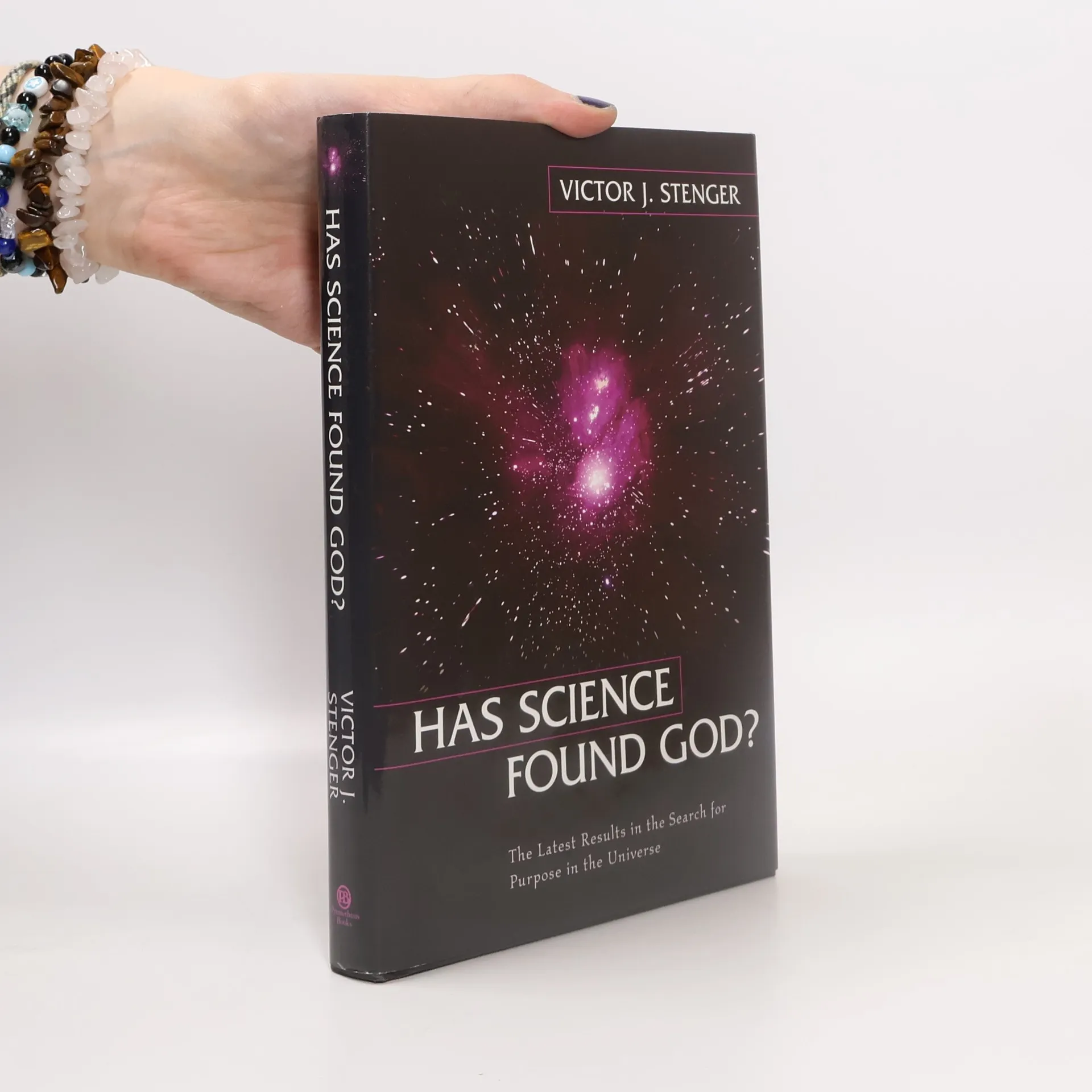
In the past few years a number of scientists have claimed that there is credible scientific evidence for the existence of God. In 1998 Newsweek went so far as to proclaim on its cover, "Science Finds God." Is this true? Are scientists close to solving the greatest of all mysteries? Physicist Victor J. Stenger delves into this fascinating question from a skeptical point of view in this lucid and engrossing presentation of the key scientific facts.Stenger critically reviews the attempts of many contemporary theologians and some scientists to resurrect failed natural theologies in new guises. Whether these involve updated arguments from design, "anthropic" coincidences, or modern forms of deism, Stenger clearly shows that nothing in modern science requires supernatural explanation. He offers naturalistic explanations for empirical observations that are frequently given theistic for example, that information in the universe implies an intelligent designer, that a universe with a beginning requires a Creator, and that the elegant laws of physics suggest a transcendent realm. He shows that alleged spiritual, nonmaterial phenomena do not lie beyond the experimental reach of physics.This thorough and careful consideration of scientific evidence covers much ground yet remains accessible and highly informative to the educated lay reader.