


Bookbot

Ferruccio Masini

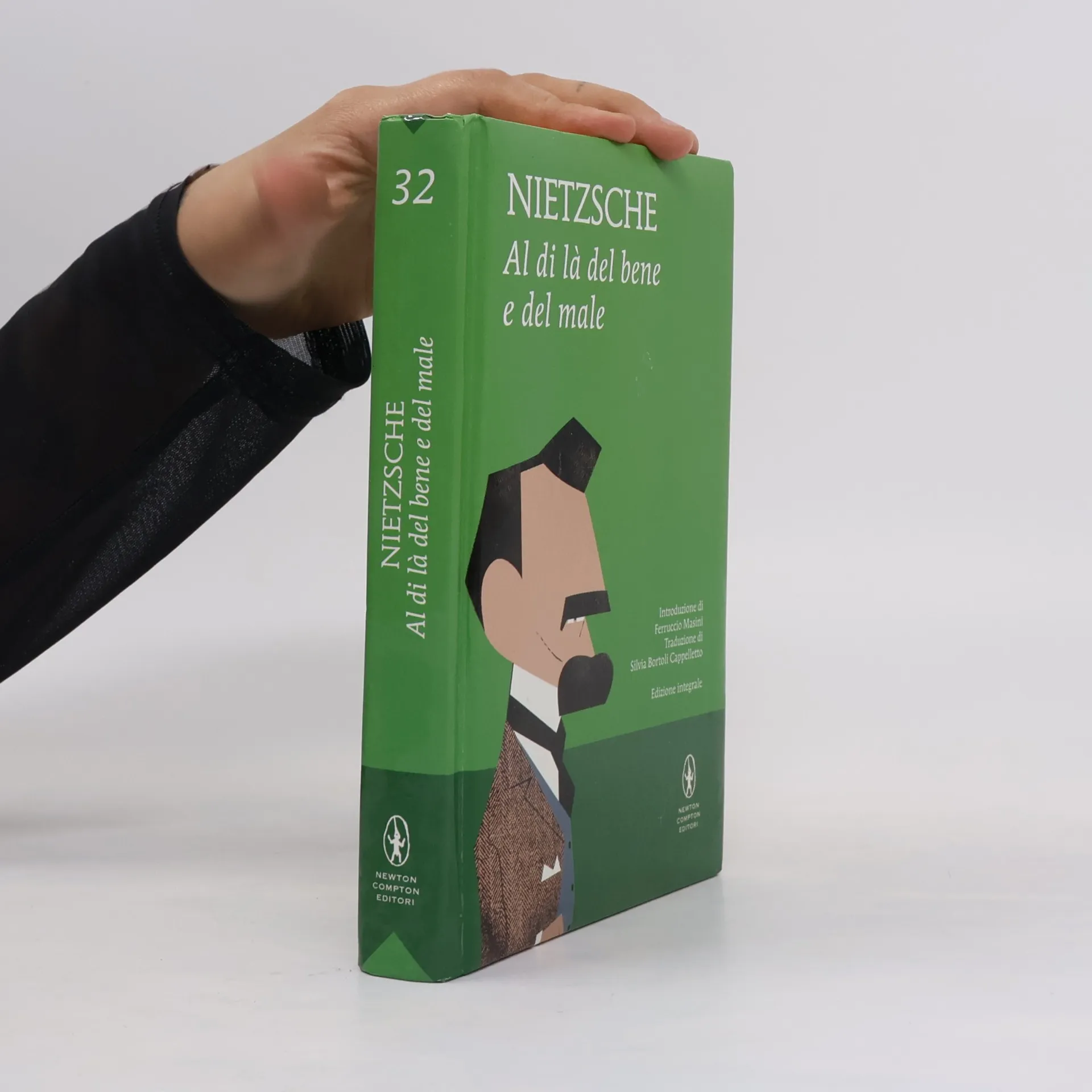
    Al di là del bene e del male
    I grandi libri: La metamorfosi e altri racconti
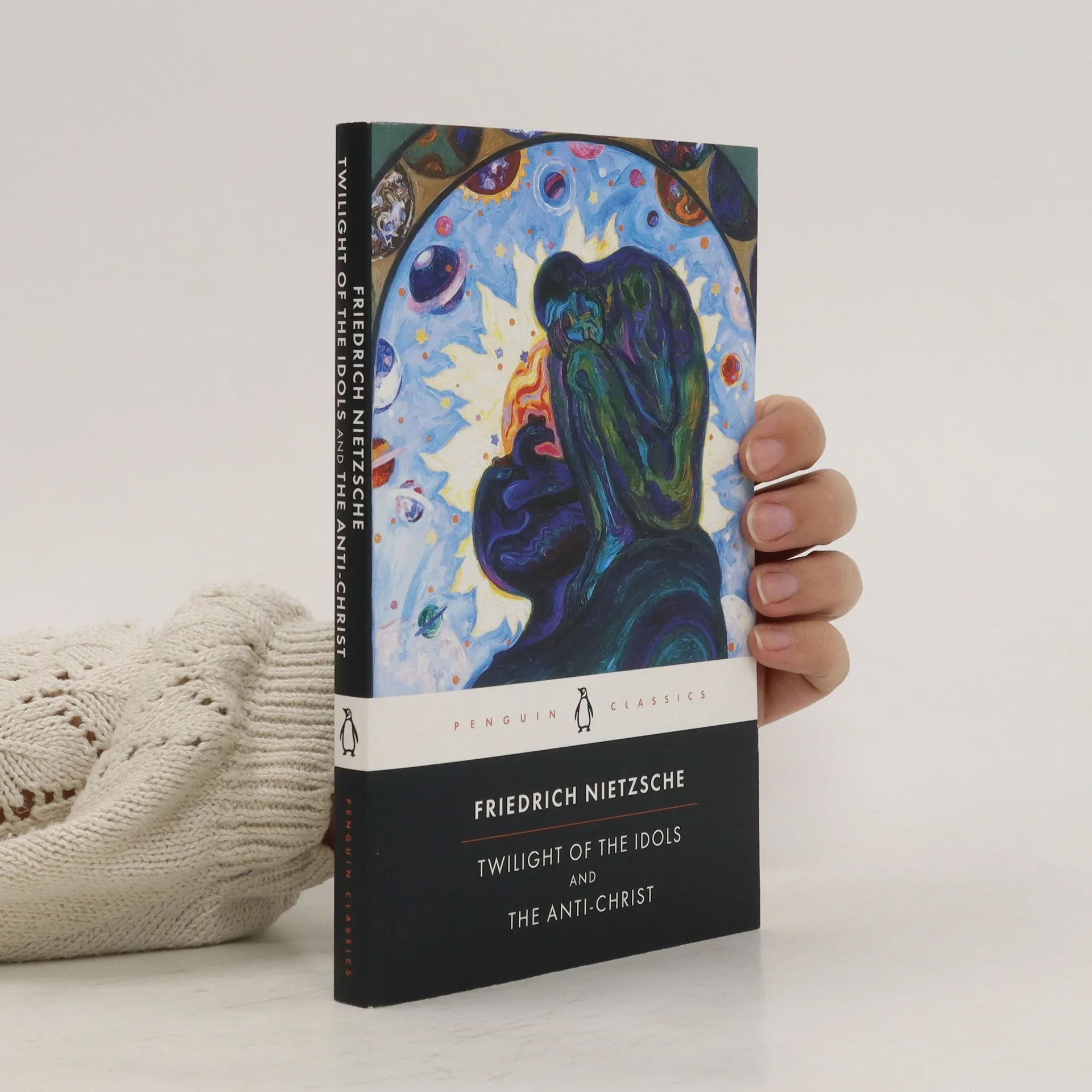
    The Twilight of the Idols and the Anti-Christ
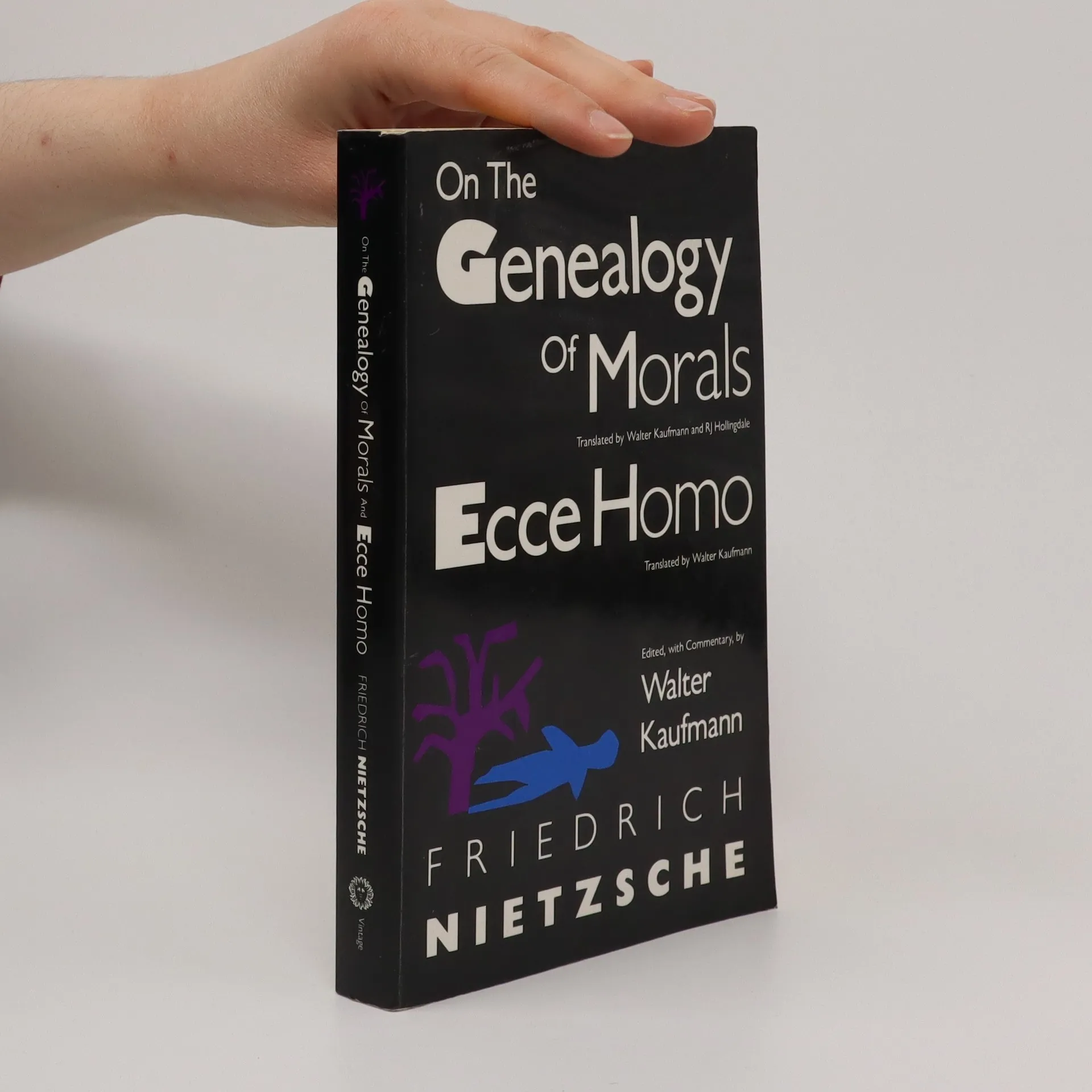
    On the Genealogy of Morals
    Così parlò Zarathustra Al di là del bene e del male L'Anticristo - Edizioni integrali - Tre libri in uno
    The Aphorisms of Franz Kafka
    • The Aphorisms of Franz Kafka

      • 256bladzijden
      • 9 uur lezen

      This splendid new translation presents an extraordinary work of modern literature, featuring facing-page commentary by Kafka's acclaimed biographer. Written in 1917 and 1918, the Zürau aphorisms consist of over 100 philosophical reflections composed in a Bohemian village. Among Kafka's most enigmatic writings, they delve into profound questions about truth, morality, and the spiritual and sensory realms. This bilingual volume is the first annotated edition, offering valuable insights into Kafka's mind. Edited and introduced by renowned biographer Reiner Stach, and translated by Shelley Frisch, each aphorism is displayed on its own page in both English and the original German, accompanied by enlightening notes. The aphorisms blend literary and analytical thought, showcasing radical ideas and original imagery, all conveyed in exceptionally condensed language. They evoke Kafka's unsettling charm, often leading readers into unfamiliar territory that can transform into moments of clarity: "I have never been in this place before: breathing works differently, and a star shines next to the sun, more dazzlingly still." Ultimately, this volume reveals that these multifaceted gems are deeply connected to Kafka's novels and stories, situated at the very heart of his literary cosmos. Long overlooked by readers and scholars, these aphorisms finally receive the attention they deserve.

      The Aphorisms of Franz Kafka
      4,5
    • Masterful translations of the great philosopher’s major work on ethics, along with his own remarkable review of his life and works. On the Genealogy of Morals (1887) shows Nietzsche using philsophy, psychology, and classical philology in an effort to give new direction to an ancient discipline. The work consists of three essays. The first contrasts master morality and slave morality and indicates how the term "good" has widely different meanings in each. The second inquiry deals with guilt and the bad conscience; the third with ascetic ideals—not only in religion but also in the academy. Ecce Homo, written in 1898 and first published posthumously in 1908, is Nietzsche's review of his life and works. It contains chapters on all the books he himself published. His interpretations are as fascinating as they are invaluable. Nothing Nietzsche wrote is more stunning stylistically or as a human document. Walter Kaufmann's translations are faithful of the word and spirit of Nietzsche, and his running footnote commentaries on both books are more comprehensive than those in his other Nietzsche translations because these two works have been so widely misunderstood.

      On the Genealogy of Morals
      4,2
    • "Twilight of the Idols, 'a grand declaration of war' on all the prevalent ideas of Nietzsche's time, offers a lightning tour of his whole philosophy. It also prepares the way for The Anti-Christ, a final assault on institutional Christianity. Yet although Nietzsche makes a compelling case for the 'Dionysian' artist and celebrates magnificently two of his great heroes, Goethe and Cesare Borgia, he also gives a moving, almost ecstatic portrait of his only worthy opponent: Christ. Both works show Nietzsche lashing out at self-deception, astounded at how often morality is based on vengefulness and resentment. Both combine utterly unfair attacks on individuals with amazingly acute surveys of the whole contemporary cultural scene. Both reveal a profound understanding of human mean-spiritedness which still cannot destroy the underlying optimism of Nietzsche, the supreme affirmer among the great philosophers."--BOOK JACKET

      The Twilight of the Idols and the Anti-Christ
      3,6