

Fullerova práce se vzpírá jednoduchému oborovému zařazení. Jeho přístup k hledání inovativních a efektivních východisek z globálních problémů v oblastech bydlení, dopravy, energetiky, ekologie, vzdělávání a chudoby je ojedinělý svou komplexností. Ta se kromě designérských řešení prokazuje i v dlouhé řadě Fullerových textů. Návod k obsluze vesmírné lodi Země je jedním z autorových čtenářsky nejpřístupnějších titulů, ale zároveň představuje brilantní syntézu jeho celostního pohledu na svět a na úkoly, které leží před designéry. Zkoumá zde velké výzvy, kterým lidstvo čelí: Jak může lidstvo přežít? Jak ovlivňuje automatizace individualizaci? Jak můžeme efektivněji využívat naše zdroje? Autor v textu zpochybňuje koncept specializace, volá po proměně designérského myšlení a nabízí rady, jak vést „vesmírnou loď Zemi“ k udržitelné budoucnosti.
R. Buckminster Richard Buckminster Fuller Volgorde van de boeken (chronologisch)
Richard Buckminster Fuller was een visionaire denker wiens werk een brug sloeg tussen architectuur, systeemtheorie en design. Door zijn geschriften en uitvindingen, waaronder de algemeen bekende geodetische koepel, verkende Fuller mogelijkheden voor duurzaamheid en efficiënt gebruik van hulpbronnen. Hij populariseerde concepten als "Spaceship Earth" en "efemeralisatie", waarbij hij onze wereldwijde onderlinge verbondenheid en de behoefte aan innovatieve oplossingen benadrukte. Zijn denken biedt een tijdloos perspectief op hoe we beter kunnen opereren binnen de eindige middelen van onze planeet.
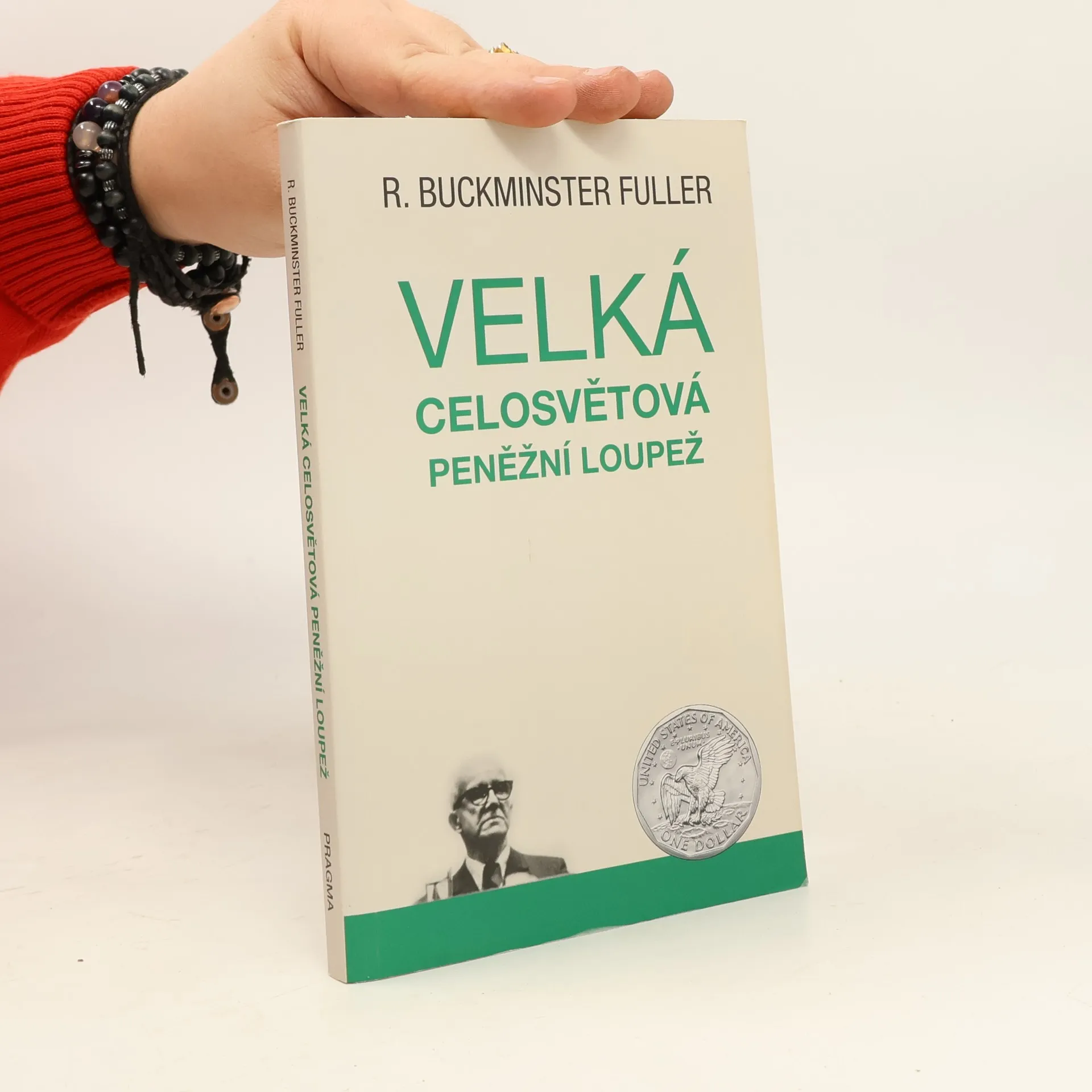

Velká celosvětová peněžní loupež
- 128bladzijden
- 5 uur lezen
V knize Velká celosvětová peněžní loupež se slavný americký architekt, matematik, vynálezce a myslitel Buckminster Fuller staví proti obrovským korporacím, které, jak v tomto textu autor dokazuje, v současném světě přebírají kontrolu nad stále větším počtem aspektů našeho každodenního života. Fuller se zabývá vývojem těchto nadnárodních gigantů od poválečné doby, kdy převládal vojensko-průmyslový komplex, až do současnosti, kdy hlavní roli hraje armáda abstraktních právních subjektů v podobě mocných soukromých firem. Kniha Velká celosvětová peněžní loupež je tak v konečném důsledku soudobou alegorií o hanebnosti bezohledného kapitalismu a bezradnosti klasické ekonomie.
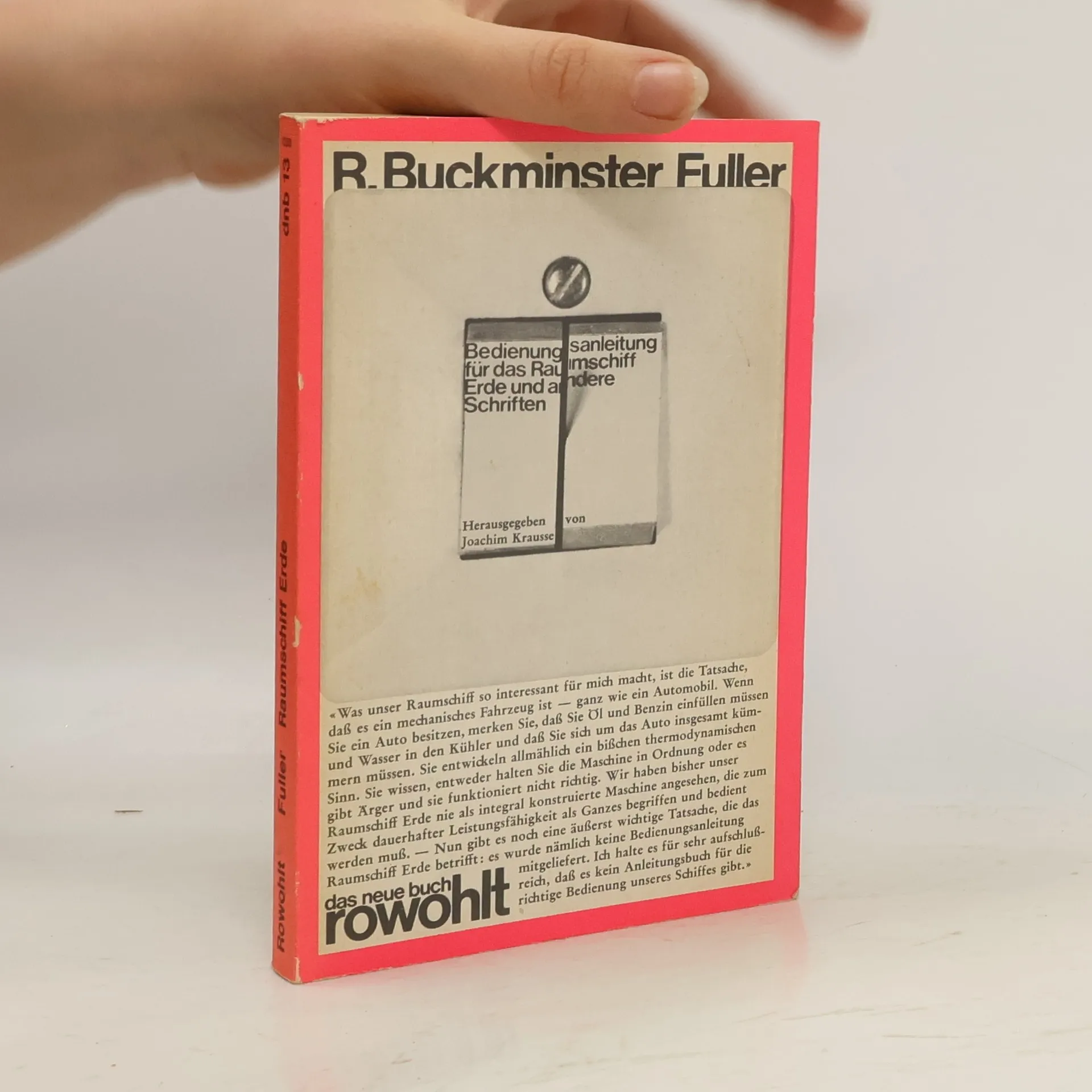
Bedienungsanleitung für das Raumschiff Erde. und andere Schriften
- 318bladzijden
- 12 uur lezen
R. Buckminster Fuller (1895–1983) lehnte es ab, sich auf eine Rolle wie Architekt oder Ingenieur festzulegen, da er die Grenzen des Spezialistentums als einschränkend betrachtete. Mit seinen "Artefakten" wollte er ganzheitliches Denken fördern. Frank Lloyd Wright und Ezra Pound lobten sein Empfinden und seine Vision.
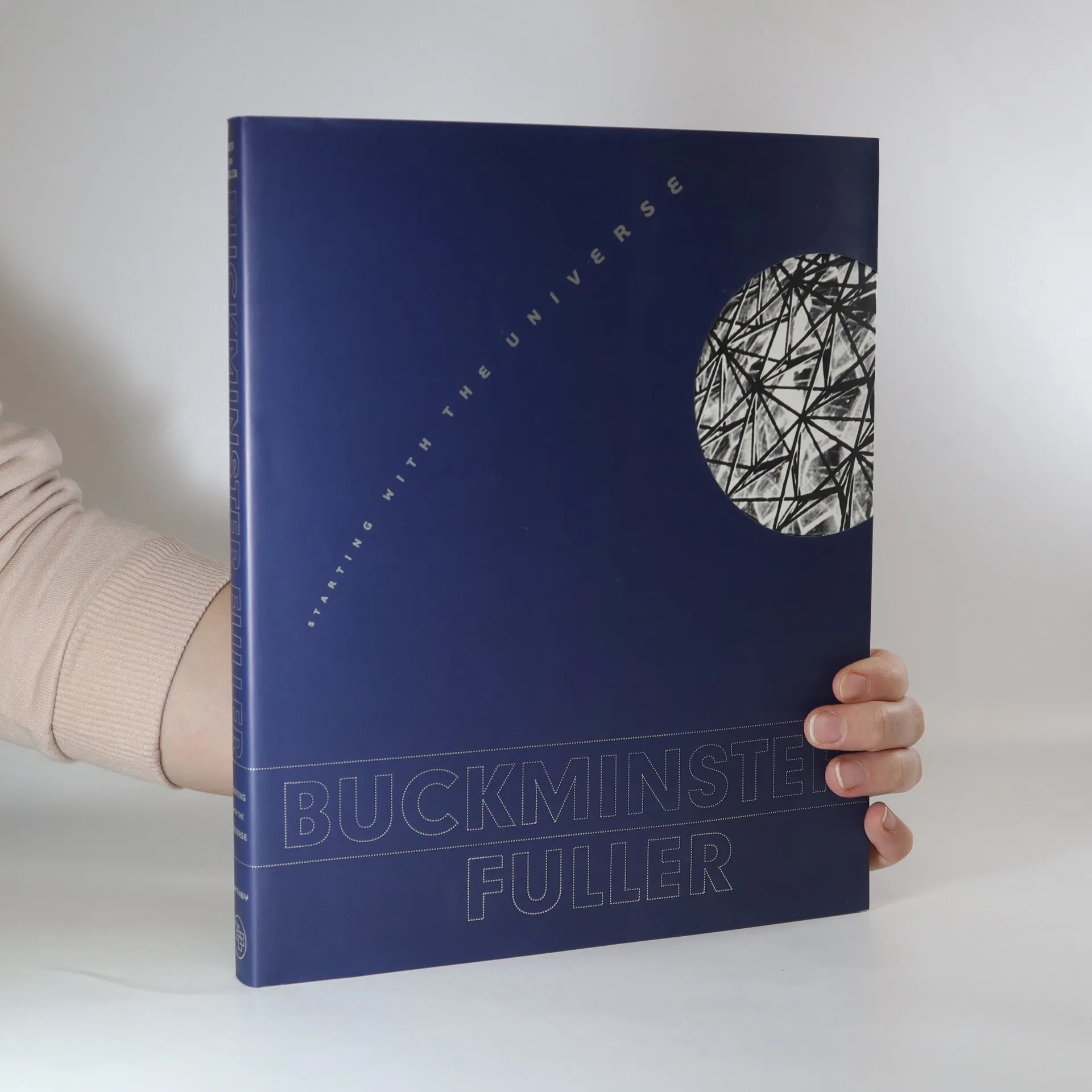
Buckminster Fuller: Starting with the universe
- 257bladzijden
- 9 uur lezen
From his geodesic dome to books popularizing the terms “spaceship earth” and “synergetics,” the life mission of R. Buckminster Fuller (1895–1983) was to create living environments that minimized consumption of the earth’s resources while maximizing interconnections with global systems of information and transportation. This book explores Fuller's extraordinary body of work focusing on his wide-ranging and sometimes controversial role within the worlds of art, architecture, and utopian thought. The book chronicles Fuller’s profound, often prophetic contributions, including his environmentally sensitive building designs. The essays illuminate the underappreciated thematic interactions of many sculptors, painters, musicians, and architects with this self-described “comprehensive anticipatory design scientist,” including contemporary artists wrestling with Fuller’s legacy today. Reproductions of original drawings and models—including those for Fuller’s 4D house, Wichita House, the Montreal Expo dome, and the sole extant Dymaxion car—plus a reprinted 1966 New Yorker profile on Fuller by Calvin Tomkins, complete the fascinating tribute.