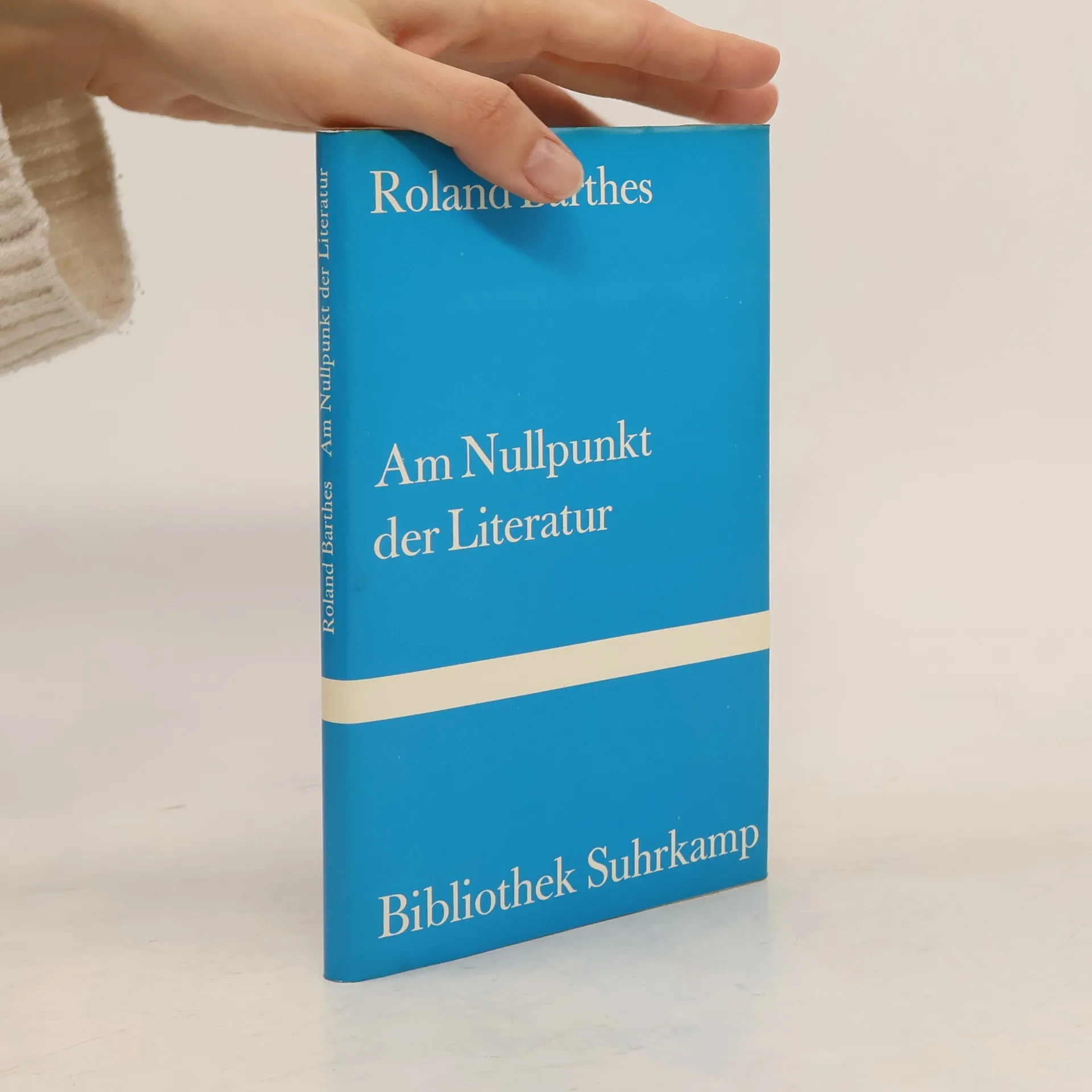
Briefe und unveröffentlichte Texte
- 360bladzijden
- 13 uur lezen


Roland Barthes was een Franse literatuurtheoreticus wiens ideeën een divers scala aan velden verkenden en de ontwikkeling van theoretische scholen beïnvloedden, waaronder structuralisme, semiotiek, sociale theorie en poststructuralisme. Zijn denken behandelde een breed spectrum aan onderwerpen, en zijn benadering van de analyse van teksten en cultuur vormde de moderne literatuurkritiek. Barthes' invloed is duidelijk zichtbaar in verschillende disciplines, en zijn werk blijft zowel academici als lezers inspireren met zijn innovatieve perspectief op taal en betekenis.


Exploring the evolution of thought, this collection showcases the essays and interviews of Roland Barthes, a pivotal 20th-century philosopher known for his innovative approach to cultural criticism. Spanning five volumes, the work includes Barthes' reflections on mass culture, literary semiology, and interactions with contemporaries like Derrida. Translator Chris Turner brings these significant writings to English readers for the first time, beginning with "A Very Fine Gift," which encapsulates Barthes' theoretical inquiries throughout his career.
The collection features essays and interviews from Roland Barthes, a pivotal 20th-century philosopher known for his innovative approach to cultural criticism. Spanning five themed volumes, it includes Barthes' influential writings on mass culture and literary semiology, showcasing his evolution from a structuralist outsider to a celebrated academic. The fifth volume, Simply a Particular Contemporary, presents four diverse interviews from the 1970s, highlighting his dynamic engagement with various ideas and concepts. This comprehensive collection is now available in English for the first time.
Masculine, Feminine, Neuter focuses on Roland Barthes' insights into literature, exploring his relationships with peers and influences across various languages and eras. This volume is part of a comprehensive five-volume collection, showcasing Barthes' evolution as a cultural critic and his transition from structuralism to literary semiology. The essays, interviews, and reviews highlight his innovative approach and enduring impact on literary theory, making this collection a significant resource for understanding his contributions to 20th-century thought.
Aufsätze und Notizen | Das Dokument einer bedeutenden literarischen Wahlverwandtschaft
Während seines Lebens veröffentlichte Roland Barthes wenig über Proust – fünf Texte oder Artikel – obwohl er selbst gesteht, dass er ohne Zweifel der Autor war, den er am meisten las, bereits in der Jugend, aber besonders in seinen letzten Jahren, während der Trauer um seine Mutter, von der er ständig in Verbindung mit der Mutter von Proust sprach. Dieser Band versammelt die zu Lebzeiten veröffentlichten Texte von Barthes, die Transkription von drei Sendungen, die er bei France Culture machte, einige unveröffentlichte Werke, Fragmente eines Kurses, den er am Collège de France hielt, und eine wichtige Auswahl seiner bekannten persönlichen Archive. Barthes eröffnet Wege, nimmt Abkürzungen, übernimmt, verwirft und bietet eine perfekt moderne Sicht auf einen außergewöhnlich modernen Autor. Grundsätzlich füllt er ein fehlendes Vakuum, das den „Proust von Barthes“ betrifft, und hier haben wir ihn, funkelnd, lebendig, bahnbrechend.
Am 12. November 2015 wäre Roland Barthes (1915—1980), der bedeutende französische Literat und Kulturtheoretiker, hundert Jahre alt geworden. Aus diesem Anlass widmet ihm der Schriftsteller Hanns-Josef Ortheil (geb.1951) eine ganz besondere Hommage. Er folgt Roland Barthes auf dessen weiten und melancholischen Streifzügen durch 'Pariser Abende': auf der Suche nach dem Glück und der Schönheit der Nacht. Ergänzt durch Fotografien aus dem Jahr 2015 (und die deutsche Übersetzung der „Soirées de Paris“ von Hans-Horst Henschen) ist dieses Buch ein einzigartiges Dokument einer Deutung des Pariser Stadtraums aus dem Blickwinkel zweier Autoren.
Essays and Interviews, Volume 3
Last season, Seagull Books published the first three volumes in a new series collecting essays and interviews by the late French thinker Roland Barthes. This season they'll bring the five-volume set to completion with the publication of "Masculine, Feminine, Neuter" and Signs and Images. "Masculine, Feminine, Neuter, " consists of Barthes's writing on literature, covering his peers and influences, writers in French and other languages, contemporary and historical writers, and world literature. This volume comprises Barthes critical articles and interviews previously unavailable in English. Taken together, the five volumes in this series are a gift to Barthes' many fans, helping to round out our understanding of this restless, protean thinker and his legacy.-- Provided by Publisher
A major collection of essays and interviews from an iconic 20th-century philosopher in five volumes, now all available together in paperback. Roland Barthes was a restless, protean thinker. A constant innovator--often as a daring smuggler of ideas from one discipline to another--he first gained an audience with his pithy essays on mass culture and then went on to produce some of the most suggestive and stimulating cultural criticism of the late twentieth century, including Empire of Signs, The Pleasure of the Text, and Camera Lucida. In 1976, this one-time structuralist outsider was elected to a chair at France's preeminent Collège de France, where he chose to style himself as a professor of literary semiology until his death in 1980. The greater part of Barthes's published writings has been available to a French audience since 2002, but now, translator Chris Turner presents a collection of essays, interviews, prefaces, book reviews, and other journalistic material for the first time in English and divided into five themed volumes. Volume four, Signs and Images, gathers pieces related to his central concerns--semiotics, visual culture, art, cinema, and photography--and features essays on Marthe Arnould, Lucien Clergue, Daniel Boudinet, Richard Avedon, Bernard Faucon, and many more.
însemnări despre fotografie
A major discovery: The lost diary of a great mind—and an intimate, deeply moving study of grief The day after his mother's death in October 1977, the influential philosopher Roland Barthes began a diary of mourning. Taking notes on index cards as was his habit, he reflected on a new solitude, on the ebb and flow of sadness, and on modern society's dismissal of grief. These 330 cards, published here for the first time, prove a skeleton key to the themes he tackled throughout his work. Behind the unflagging mind, "the most consistently intelligent, important, and useful literary critic to have emerged anywhere" (Susan Sontag), lay a deeply sensitive man who cherished his mother with a devotion unknown even to his closest friends.
Completed just weeks before his death, the lectures in this volume mark a critical juncture in the career of Roland Barthes, in which he declared the intention, deeply felt, to write a novel. Unfolding over the course of two years, Barthes engaged in a unique pedagogical experiment: he combined teaching and writing to "simulate" the trial of novel-writing, exploring every step of the creative process along the way. Barthes's lectures move from the desire to write to the actual decision making, planning, and material act of producing a novel. He meets the difficulty of transitioning from short, concise notations (exemplified by his favorite literary form, haiku) to longer, uninterrupted flows of narrative, and he encounters a number of setbacks. Barthes takes solace in a diverse group of writers, including Dante, whose La Vita Nuova was similarly inspired by the death of a loved one, and he turns to classical philosophy, Taoism, and the works of François-René Chateaubriand, Gustave Flaubert, Franz Kafka, and Marcel Proust. This book uniquely includes eight elliptical plans for Barthes's unwritten novel, which he titled Vita Nova, and lecture notes that sketch the critic's views on photography. Following on The Neutral: Lecture Course at the Collège de France (1977-1978) and a third forthcoming collection of Barthes lectures, this volume provides an intensely personal account of the labor and love of writing.
"Notes for a lecture course and seminar at Collaege de France (1976-1977)"-- T.p
Im Zentrum der hier versammelten Essays stehen die für Roland Barthes zentralen Problematiken der Sprache und des Schreibens.
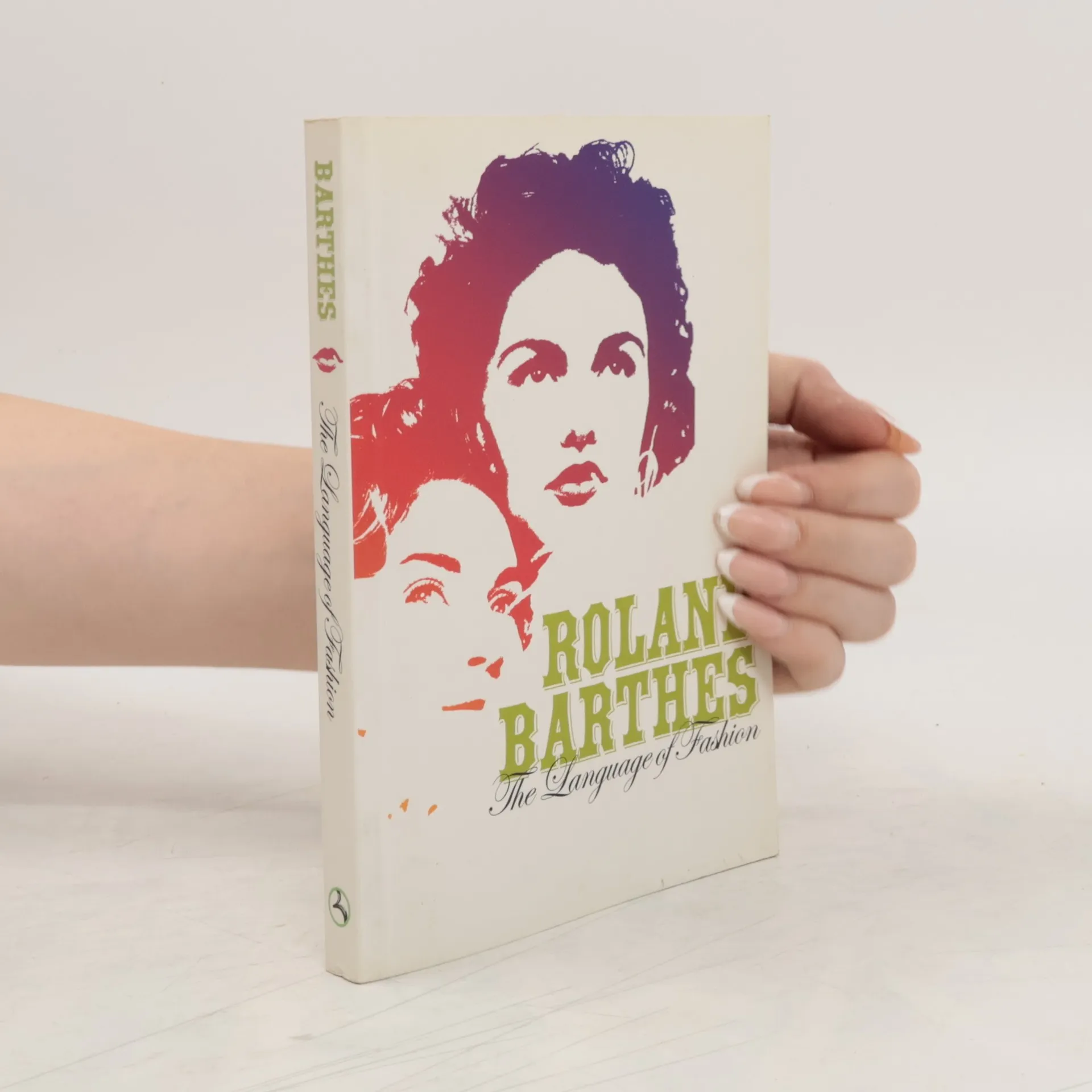
Roland Barthes, widely regarded as one of the most subtle and perceptive critics of the 20th Century, was particularly fascinated by fashion and clothing. The Language of Fashion brings together all Barthes' untranslated writings on fashion.The Language of Fashion presents a set of remarkable essays, revealing the breadth and insight of Barthes' long engagement with the history of clothes. The essays range from closely argued essays laying down the foundations for a structural and semiological analysis of clothing to a critical analysis of the significance of gemstones and jewellery, from an exploration of how the contrasting styles of Courrges and Chanel replayed the clash between ancient and modern to a discussion of the meaning of hippy style in Morocco, and from the nature of desire to the role of the dandy and colour in fashion.Constantly questioning, always changing, Barthes' ideas about clothes and fashion remain to provoke another generation of readers seeking to understand not only the culture of fashion but the fashion of culture.
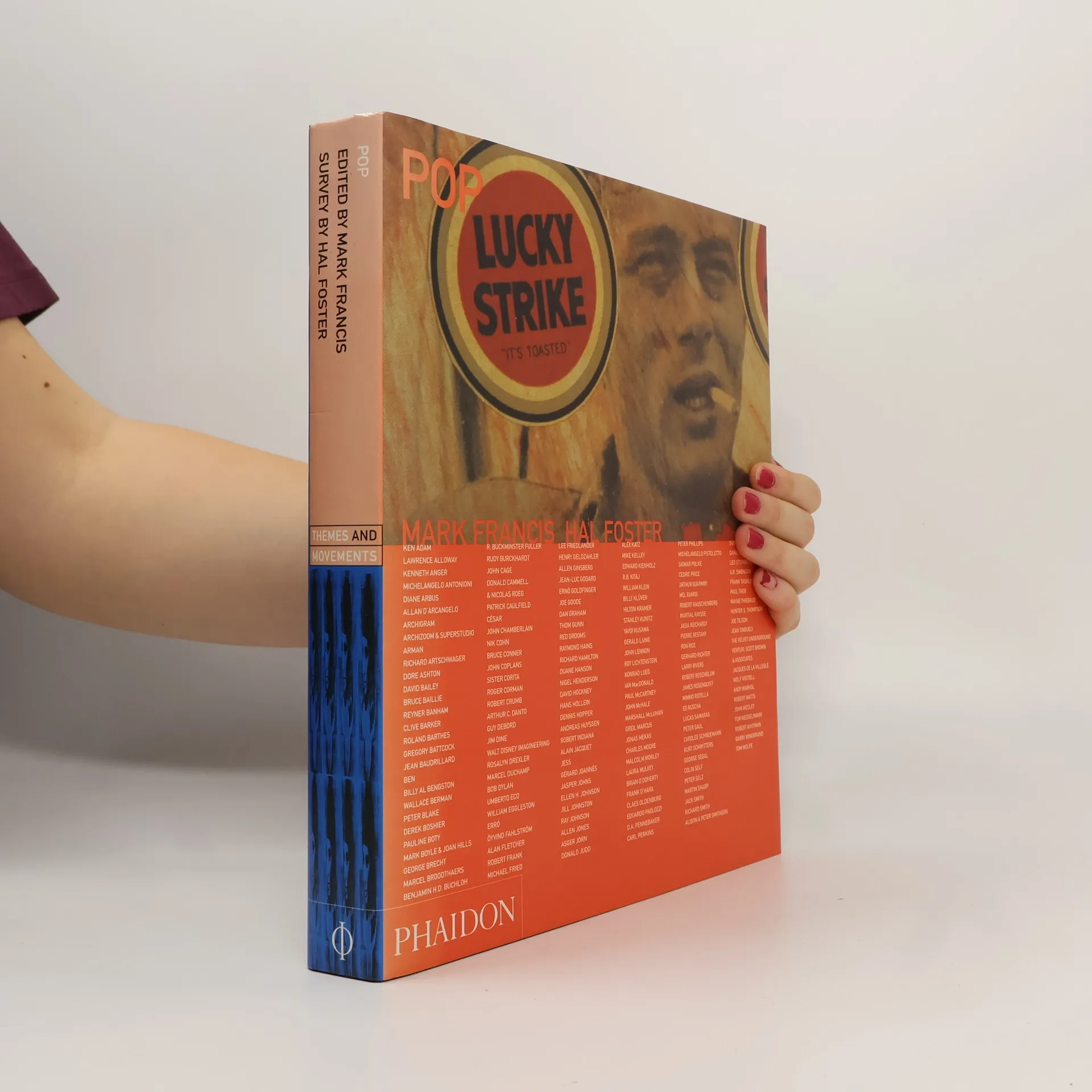
Exploring the evolution of Pop culture from the late 1950s to the late 1960s, this comprehensive survey examines its impact on art, film, photography, and architecture, highlighting the interplay between mass production and mass media. Unlike other works that focus solely on Pop art, it offers a holistic view of the movement's influence across America, Britain, and Europe, showcasing its diverse manifestations and cultural significance during this transformative era.
The Neutral ( le neutre) escapes or undoes the paradigmatic binary oppositions that structure and produce meaning in Western thought and discourse. This book centers around 23 figures, also referred to as traits or twinklings, that are possible embodiments of the Neutral or of the anti-Neutral.
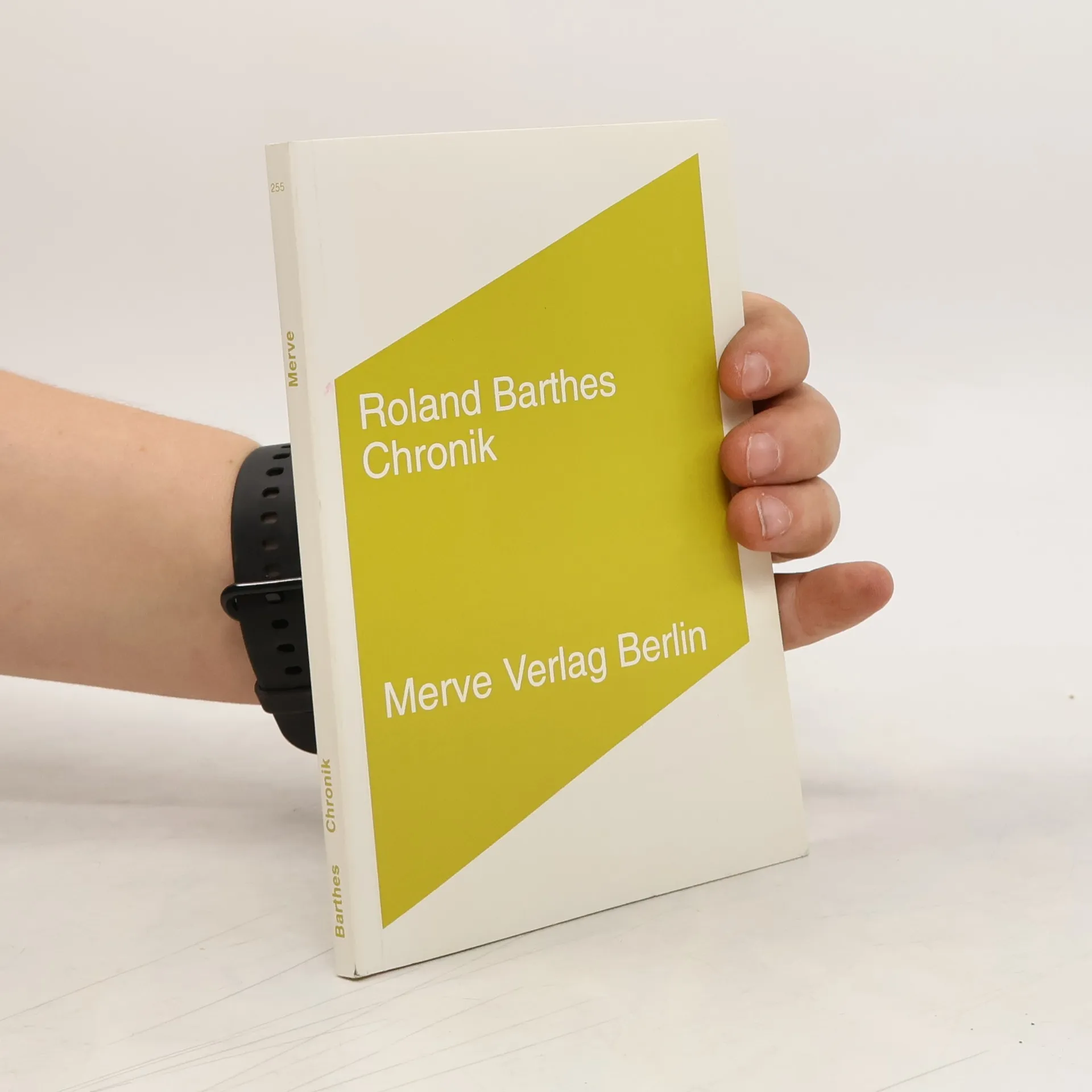
Roland Barthes veröffentlichte ab dem 18. Dezember 1978 eine Chronik im "Nouvel Observateur", die bis Ende März 1979 auf 55 Fragmente anwuchs. Er konzentriert sich auf persönliche, unscheinbare Ereignisse und strebt eine "sanfte" Form der Berichterstattung an, die an Haikus und Tagebuchnotizen erinnert. Barthes reflektiert über die Bedeutung der Kleinigkeiten im Alltag.
«Savoir qu'on n'écrit pas pour l'autre, savoir que ces choses que je vais écrire ne me feront jamais aimer de qui j'aime, savoir que l'écriture ne compense rien, ne sublime rien, qu'elle est précisément là où tu n'es pas - c'est le commencement de l'écriture.»R. B.
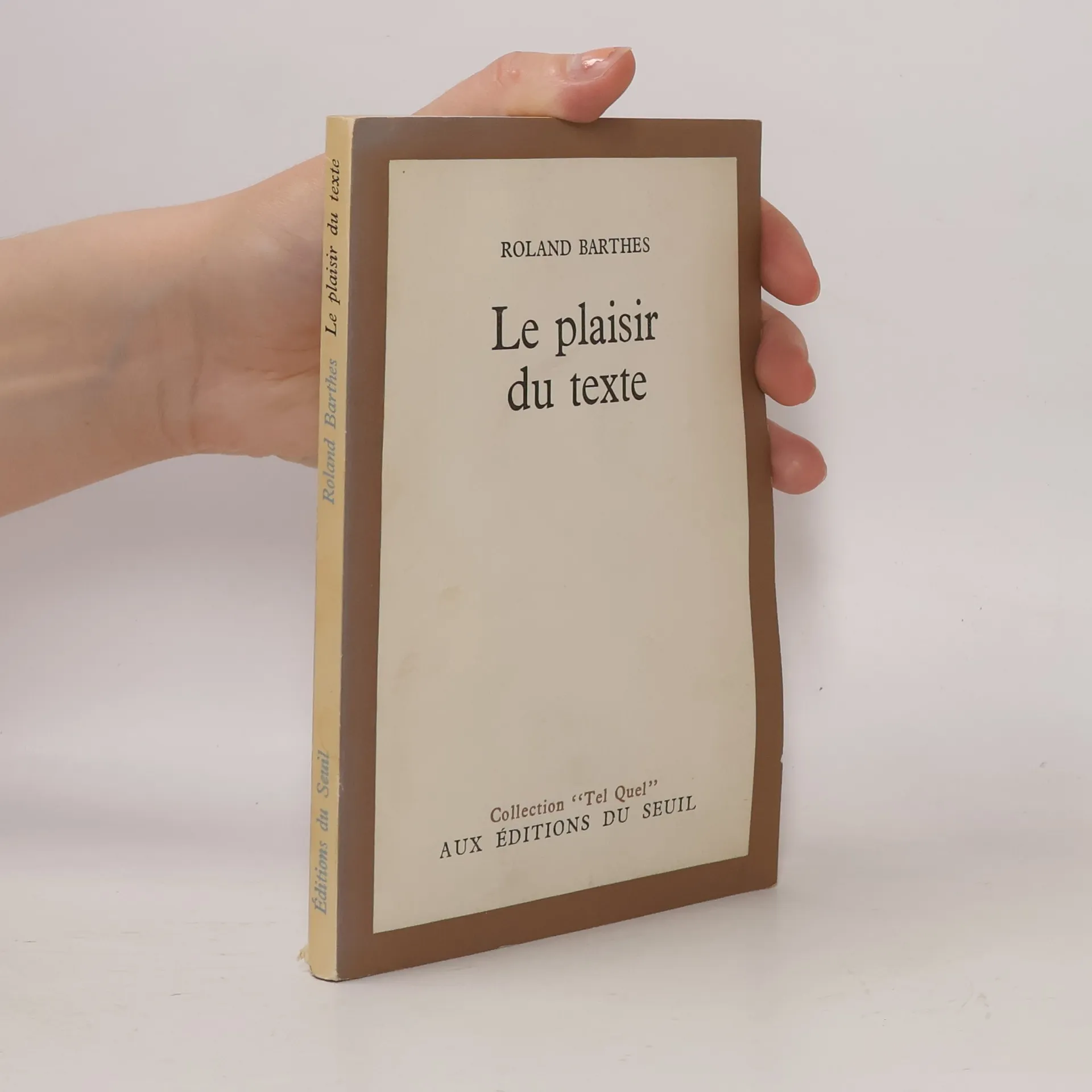
Le plaisir du texte, c'est ce moment où mon corps va suivre ses propres idées - car mon corps n'a pas les mêmes idées que moi.
«Il est cependant un point où la Femme de Mode diffère d'une façon décisive des modèles de culture de masse : elle ne connaît pas le mal, à aucun degré que ce soit. Pour n'avoir pas à traiter de ses fautes, et de ses drames, la Mode ne parle jamais d'amour, elle ne connaît ni l'adultère, ni la liaison, ni le flirt : en Mode, on ne voyage qu'avec son mari.» R. B.
Textes réunis et présentés par Jean-Loup Rivière
EssaisEcrits sur le théâtreRoland Barthes a porté un intérêt passionné au théâtre, comme spectateur, témoin, critique, animateur de revue, et ceci, à une époque exceptionnelle où se dessinaient les grandes lignes qui constituent le paysage théâtral actuel. Dominé par le modèle de la Grèce antique et l'éblouissement brechtien, l'ensemble de ces textes, qu'il s'agisse d'éditoriaux ou de critiques de spectacles à jamais invisibles, d'éléments d'histoire, de théorie ou de politique, touche à l'essence du théâtre, tel qu'il peut concerner chacun dans sa vie intime et son existence sociale.
Bataille's first novel, published under the pseudonym 'Lord Auch', is still his most notorious work. In this explicit pornographic fantasy, the young male narrator and his lovers Simone and Marcelle embark on a sexual quest involving sadism, torture, orgies, madness and defilement, culminating in a final act of transgression. Shocking and sacrilegious, Story of the Eye is the fullest expression of Bataille's obsession with the closeness of sex, violence and death. Yet it is also hallucinogenic in its power, and is one of the erotic classics of the twentieth century. This edition also includes Susan Sontag's superb study of pornography as art, 'The Pornographic Imagination', as well as Roland Barthes' essay 'The Metaphor of the Eye'.Georges Bataille (1897-1962), French essayist and novelist, was born in Billom, France. He converted to Catholicism, then later to Marxism, and was interested in psychoanalysis and mysticism, forming a secret society dedicated to glorifying human sacrifice. Leading a simple life as the curator of a municipal library, Bataille was involved on the fringes of Surrealism, founding the Surrealist magazine Documents in 1929, and editing the literary review Critique from 1946 until his death. Among his other works are the novels Blue of Noon (1957) and My Mother (1966), and the essays Eroticism (1957) and Literature and Evil (1957).
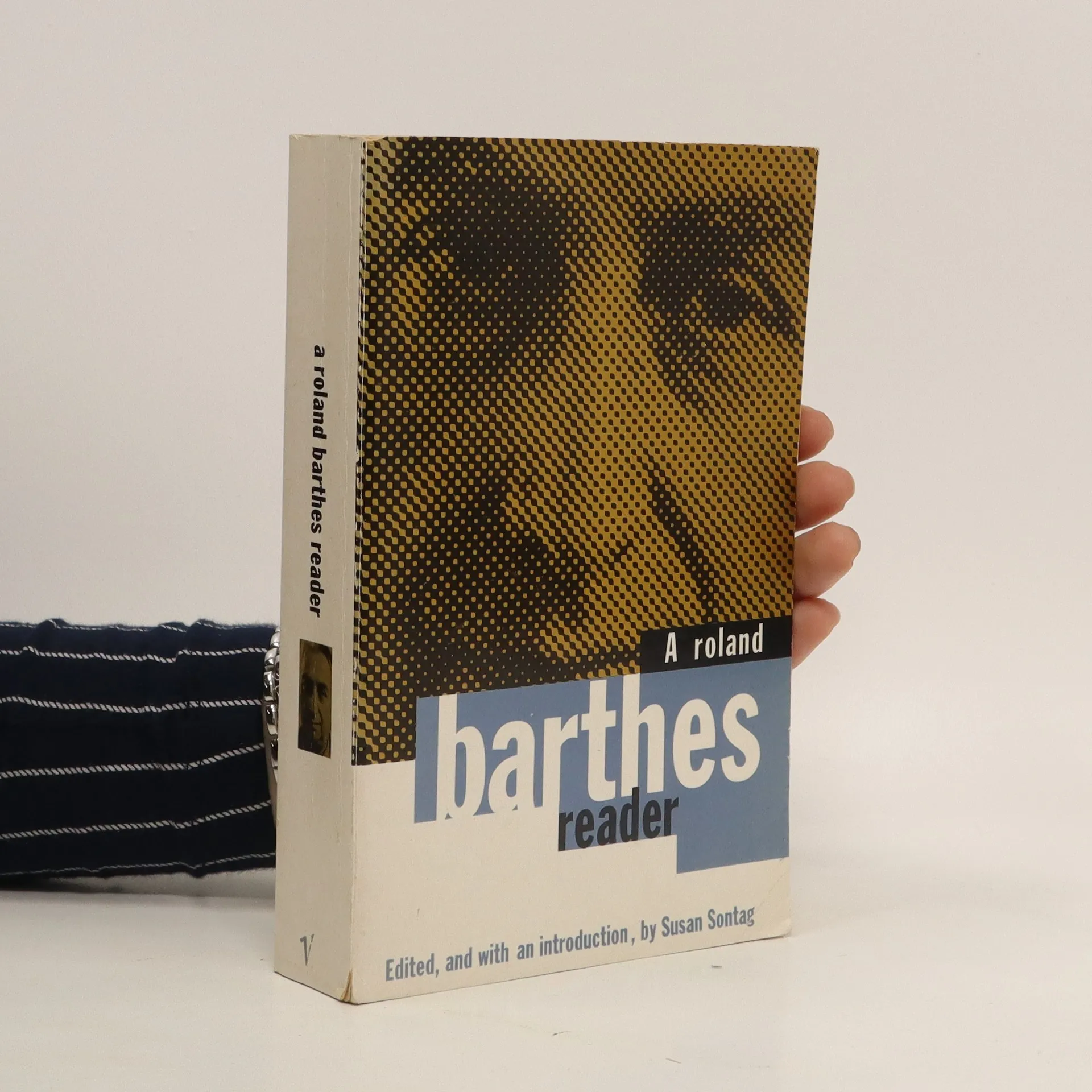
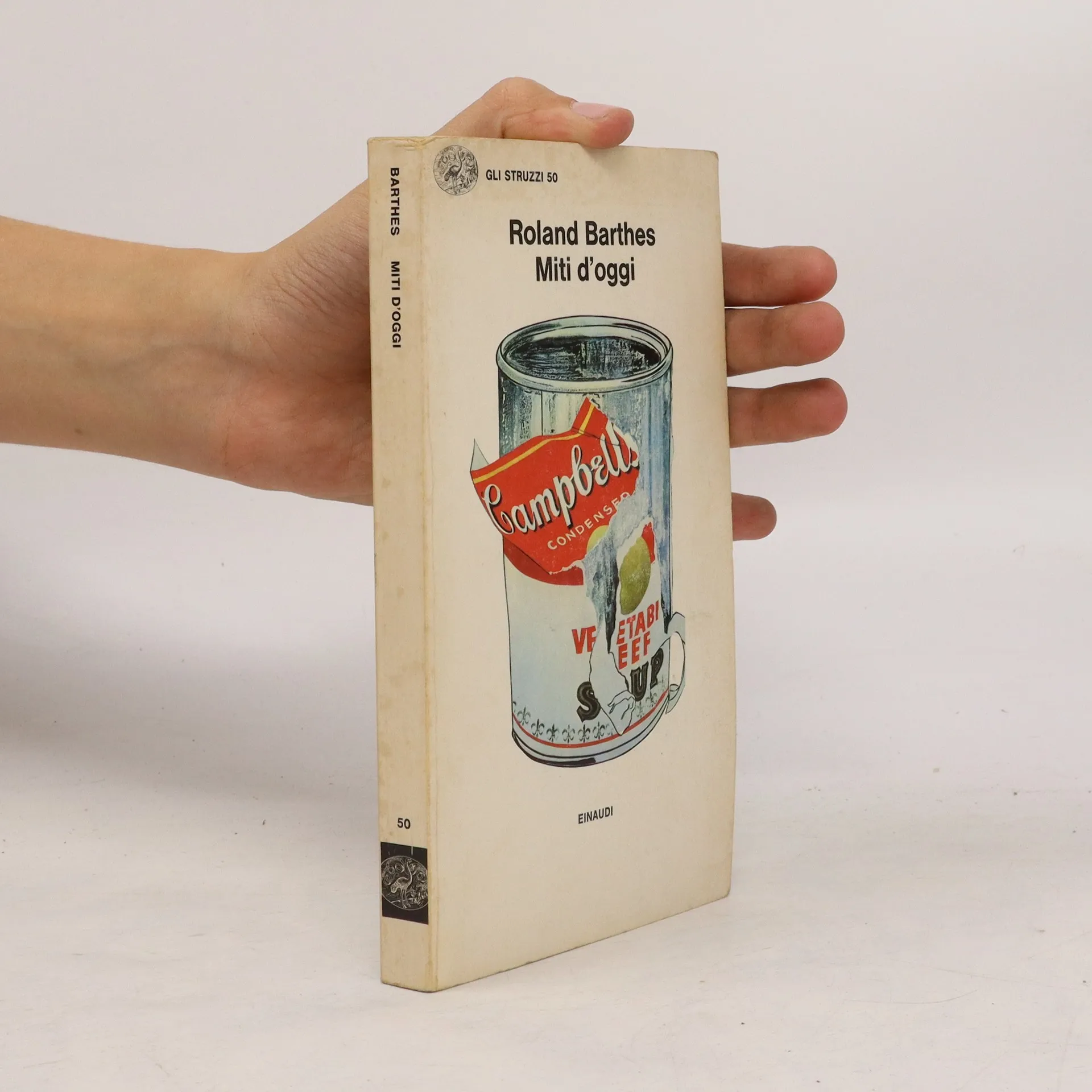
An introduction to the thinking of the French intellectual, Roland Barthes, as applied to such diverse topics as Gide, Garbo, striptease, photography and the Eiffel Tower. The pieces in this collection were written over a period of three decades.
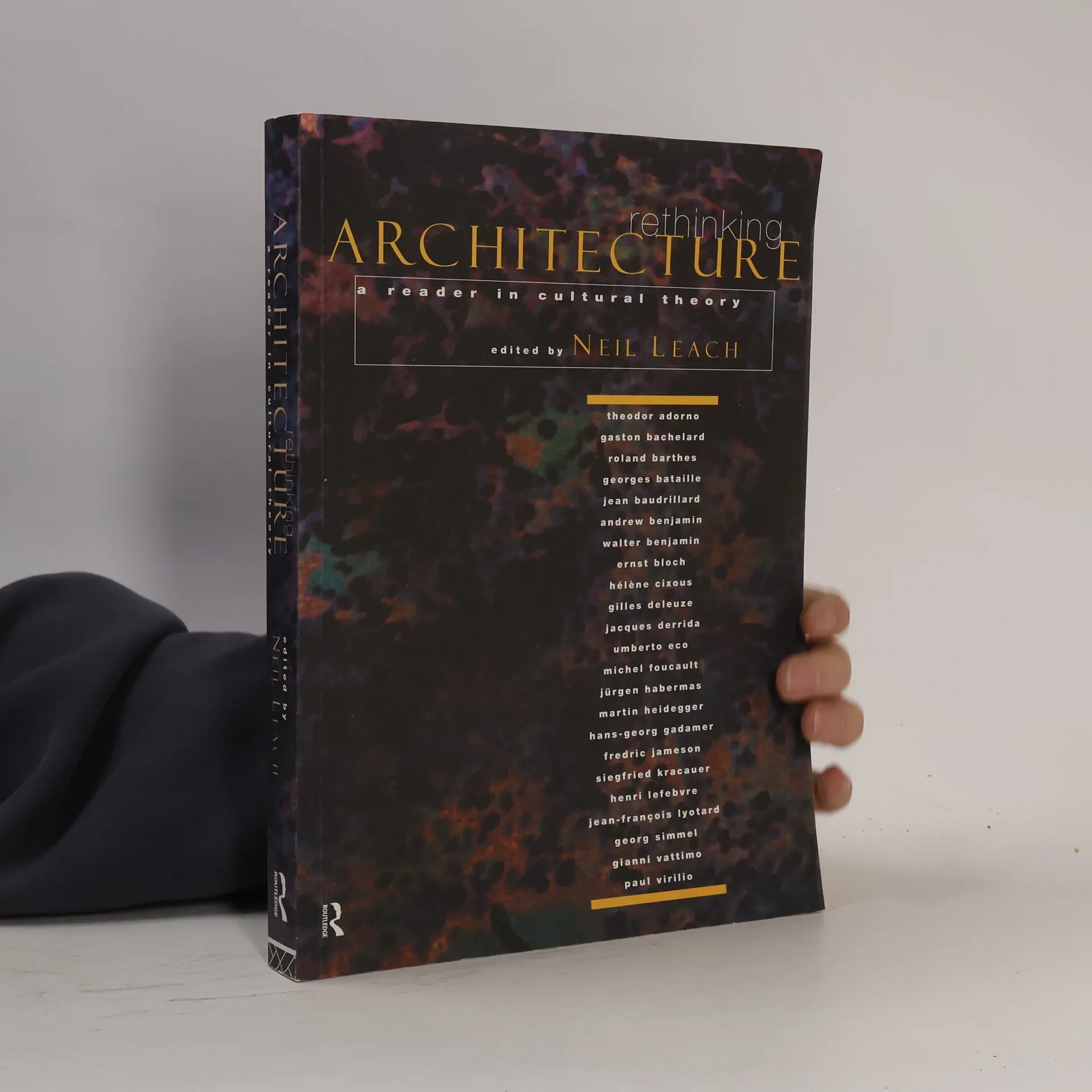
The collection features essential writings from influential philosophers and cultural theorists of the twentieth century, exploring the foundational ideas that have shaped urban environments and architectural experiences. It delves into the theoretical frameworks that underpin contemporary architecture, offering insights into the cultural and philosophical contexts that inform our understanding of space and design. This compilation serves as a critical resource for those interested in the intersection of architecture, philosophy, and urban theory.
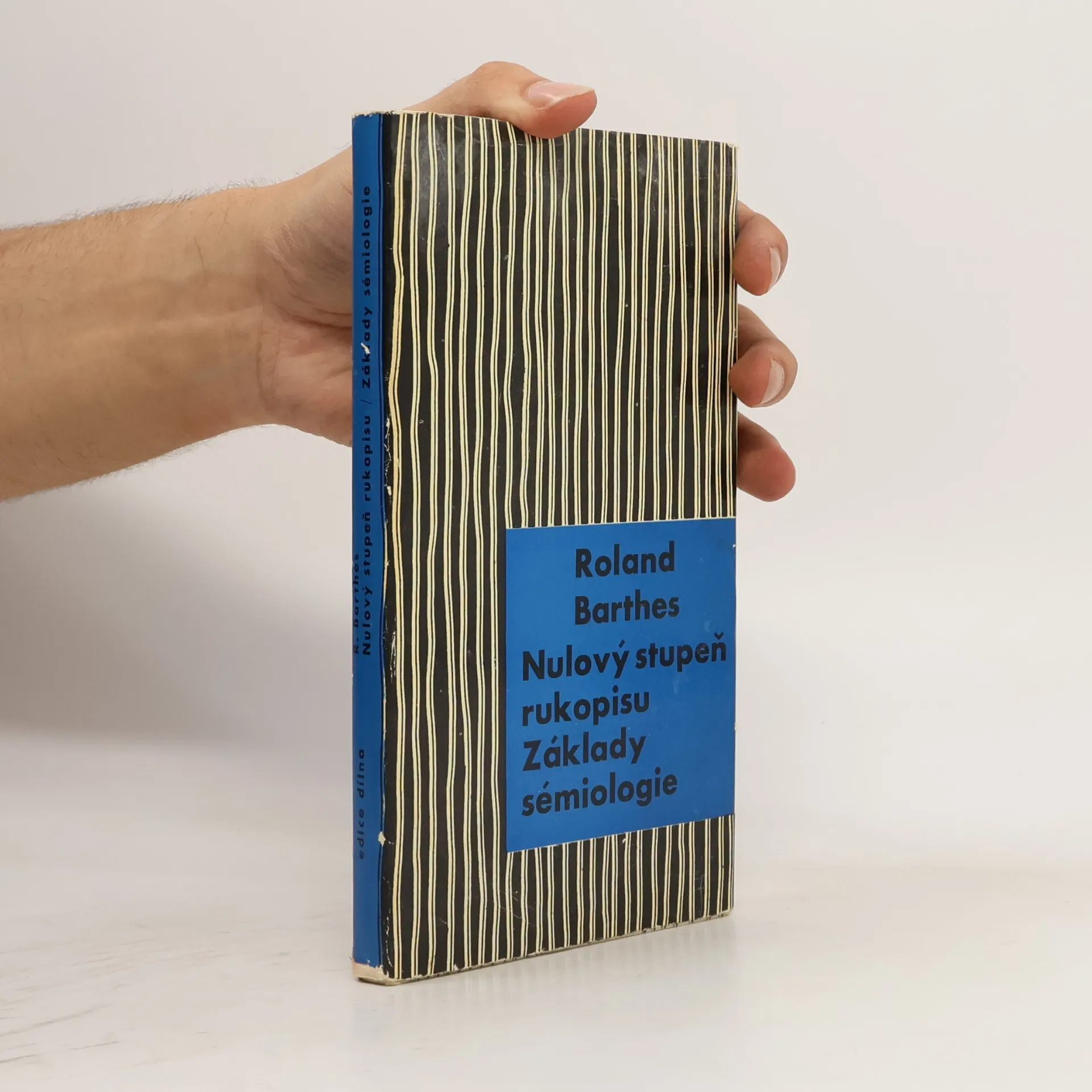
Souborné vydání základních prací filozofa, filologa a lingvisty zasvěcených strukturální analýze literárního díla: Nulový stupeň rukopisu (1953) — Základy sémiologie (1965) — Kritika a pravda (1966).
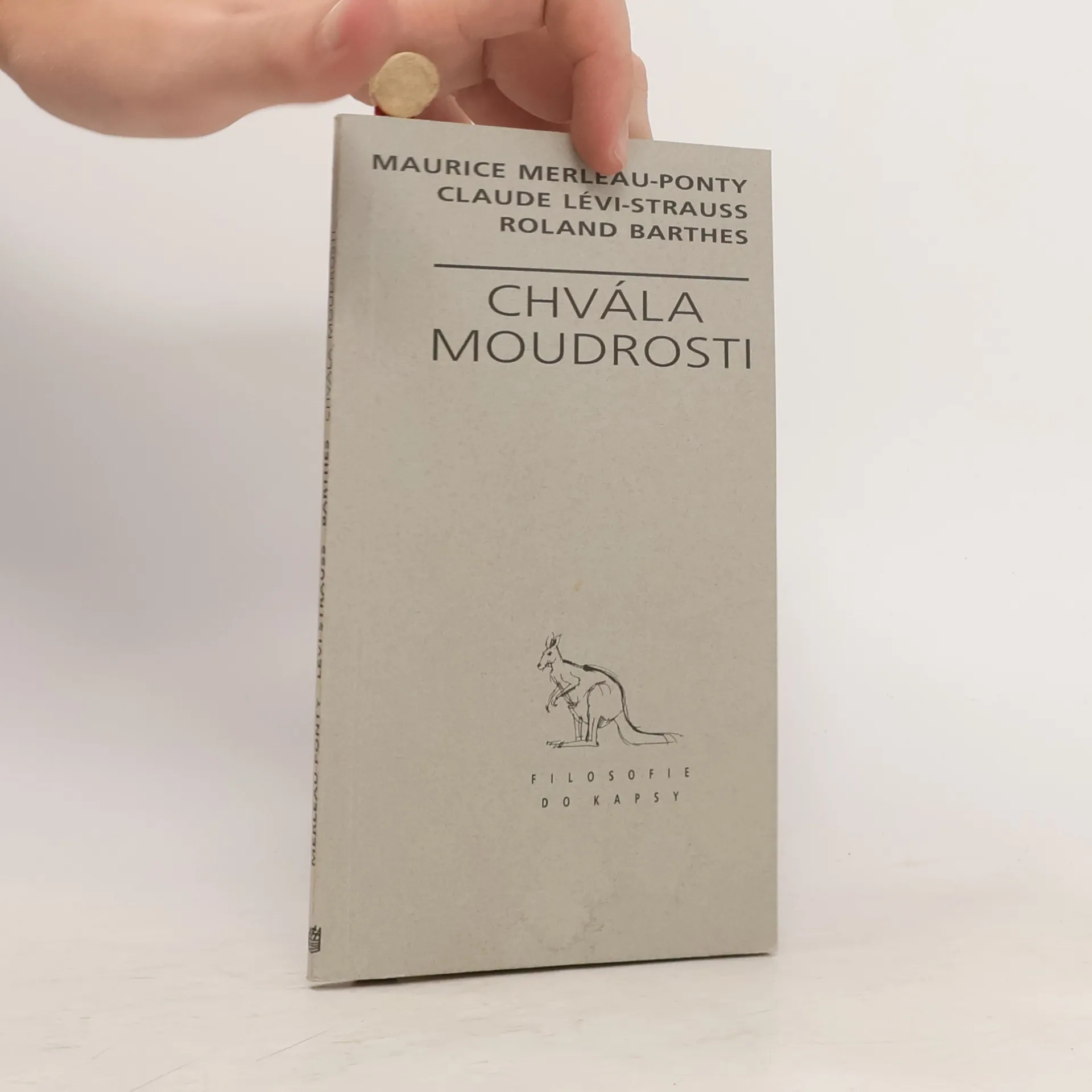
Přednášky tří významných filozofů - Maurice Merleau-Ponty, Claude Lévi-Strauss, Roland Barthes, na téma sociální antropologie, semiologie a filozofie bytí.
These late essays of Roland Barthes's are concerned with the visible and the audible, and here the preoccupations are particularly intense and rewarding, in part because Barthes was himself, by predilection, an artist and a musician, and in part because he was of two minds about the very possibility of attaching to art and to music a written text, a criticism.
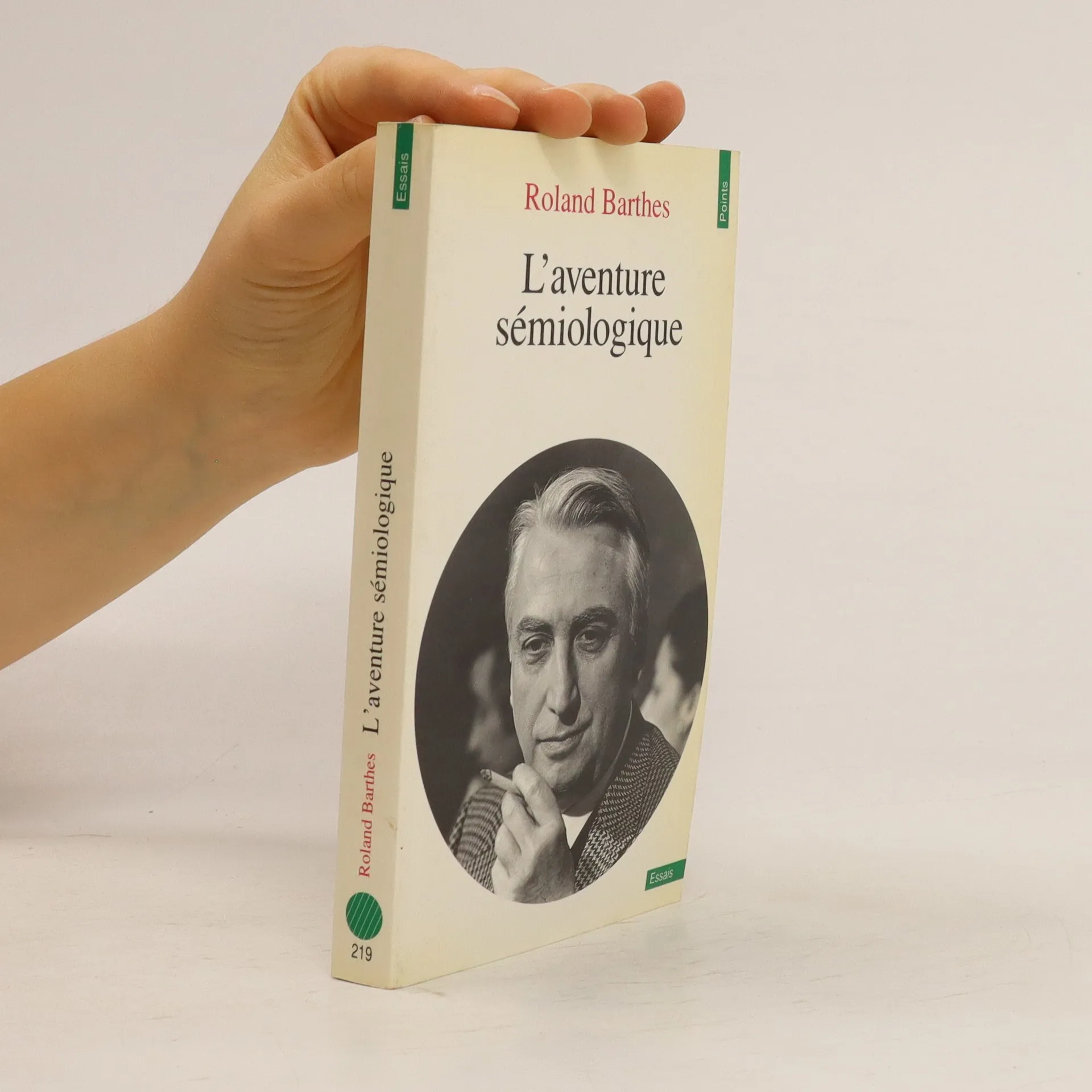
Ce volume d’essais critiques est consacré aux domaines du visible (image, photo, peinture) et de la musique. « Le sens symbolique s’impose à moi par une double détermination : il est intentionnel (c’est ce qu’a voulu dire l’auteur) et il est prélevé dans une sorte de lexique général, commun, des symboles : c’est un sens qui va au devant de moi. Je propose d’appeler ce signe complet le sens obvie. Quant à l’autre sens, celui qui vient “en trop”, comme un supplément que mon intellection ne parvient pas bien à absorber, à la fois têtu et fuyant, lisse et échappé, je propose de l’appeler le sens obtus. » R. B.
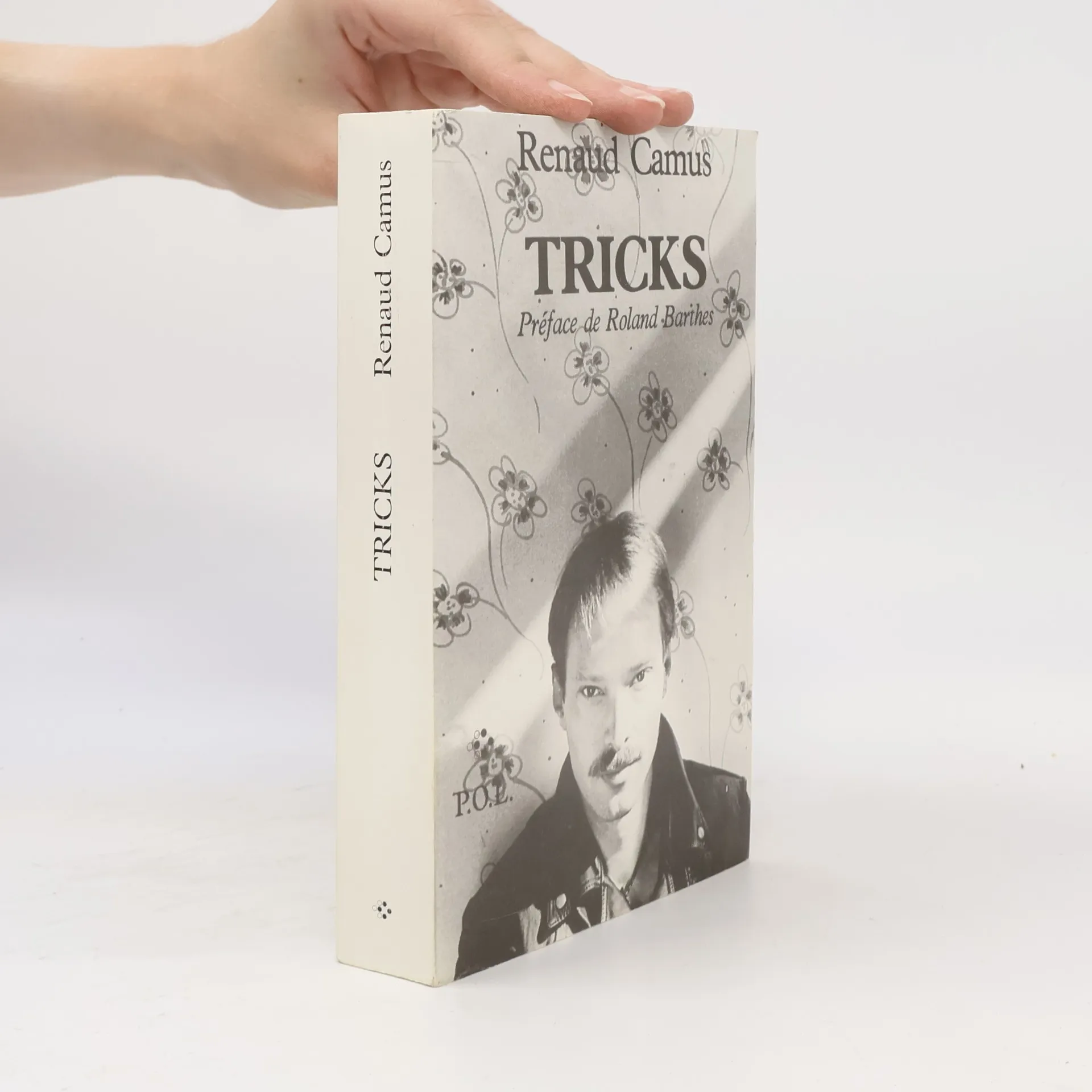
Ceci n’est pas un livre pornographique. Ni exploitation commerciale du sexe, ni tentative de titillation du lecteur : ratages et demi-fiascos, contingences et ridicules sont relatés au même titre que les plaisirs les plus heureusement partagés. Nulle prouesse. Ceci n’est pas un livre érotique. L’art du narrateur, si art il y a, ne consiste pas en un effort pour rendre plus poétique le récit, plus culturel, plus relevé ni, partant, plus acceptable socialement. Pas d’esthétisme. Ceci n’est pas un livre scientifique, certes, pas même un document sociologique. Les épisodes rapportés ne doivent leur agencement qu’au hasard, ou aux déterminations les plus subjectives. Ce livre essaie de dire la sexualité, en l’occurrence l’homosexualité comme si ce combat-là était déjà gagné, et résolus les problèmes que pose un tel projet : tranquillement.
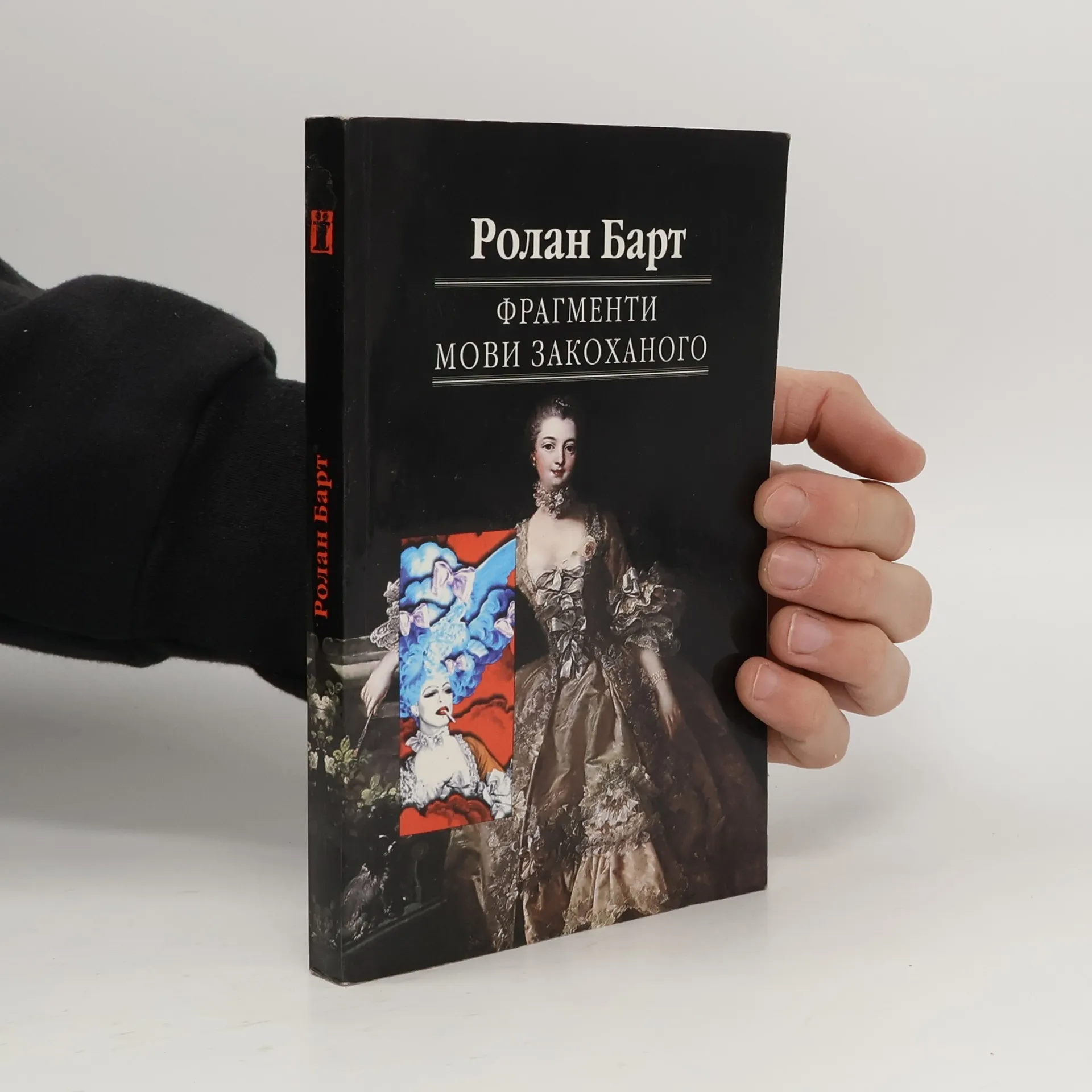
"Je me mets dans la position de celui qui fait quelque chose, et non plus de celui qui parle sur quelque chose : je n'étudie pas un produit, j'endosse une production ; j'abolis le discours sur le discours ; le monde ne vient plus à moi sous la forme d'un objet, mais sous celle d'une écriture, c'est-à-dire d'une pratique ; je passe à un autre type de savoir (celui de l'Amateur)..." R.B. Longtemps je me suis couché de bonne heure.
This book is part of a collection of classic works from the early 1900s and earlier, which are now rare and costly. The publisher is reissuing these timeless texts in affordable, high-quality editions, preserving the original content and artwork.
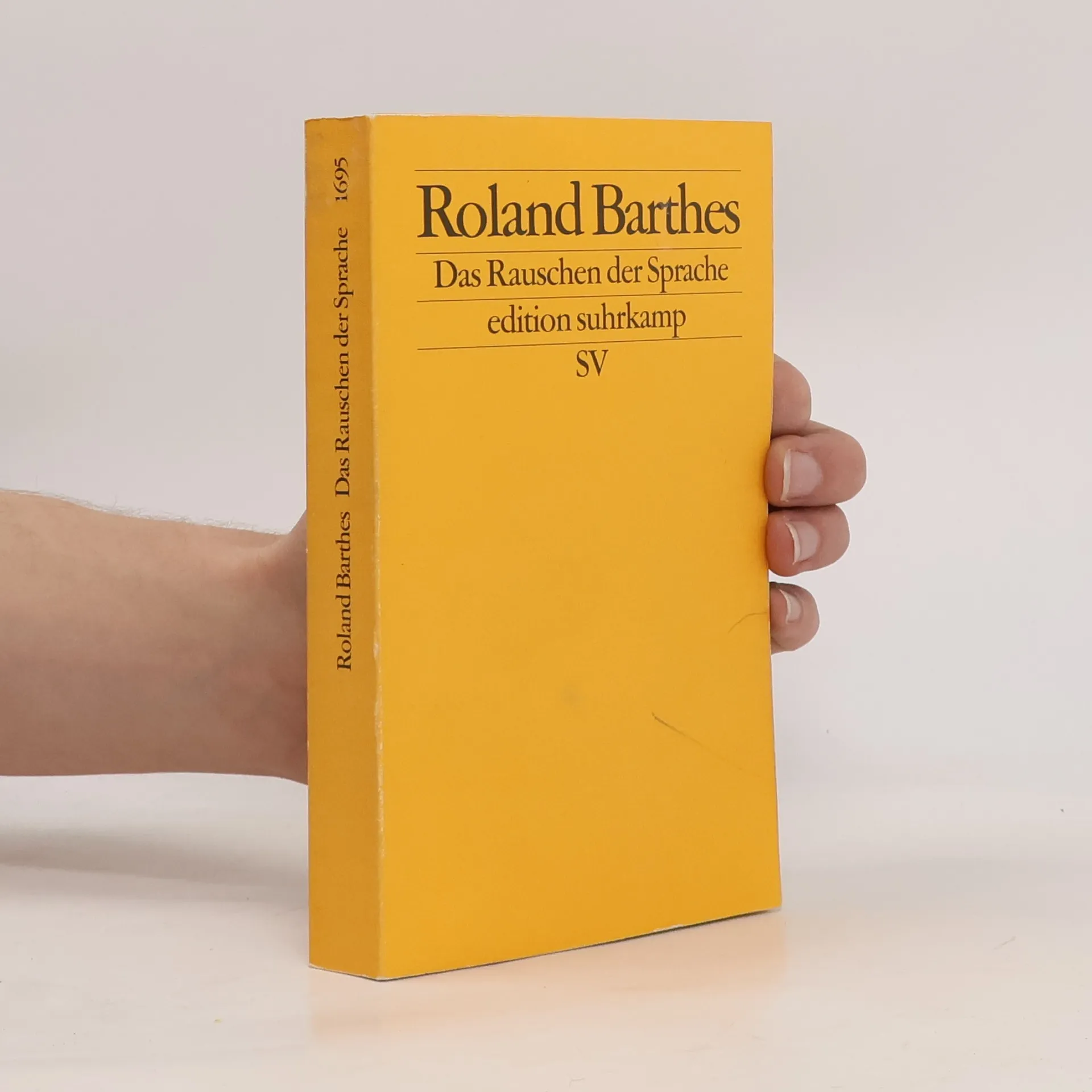
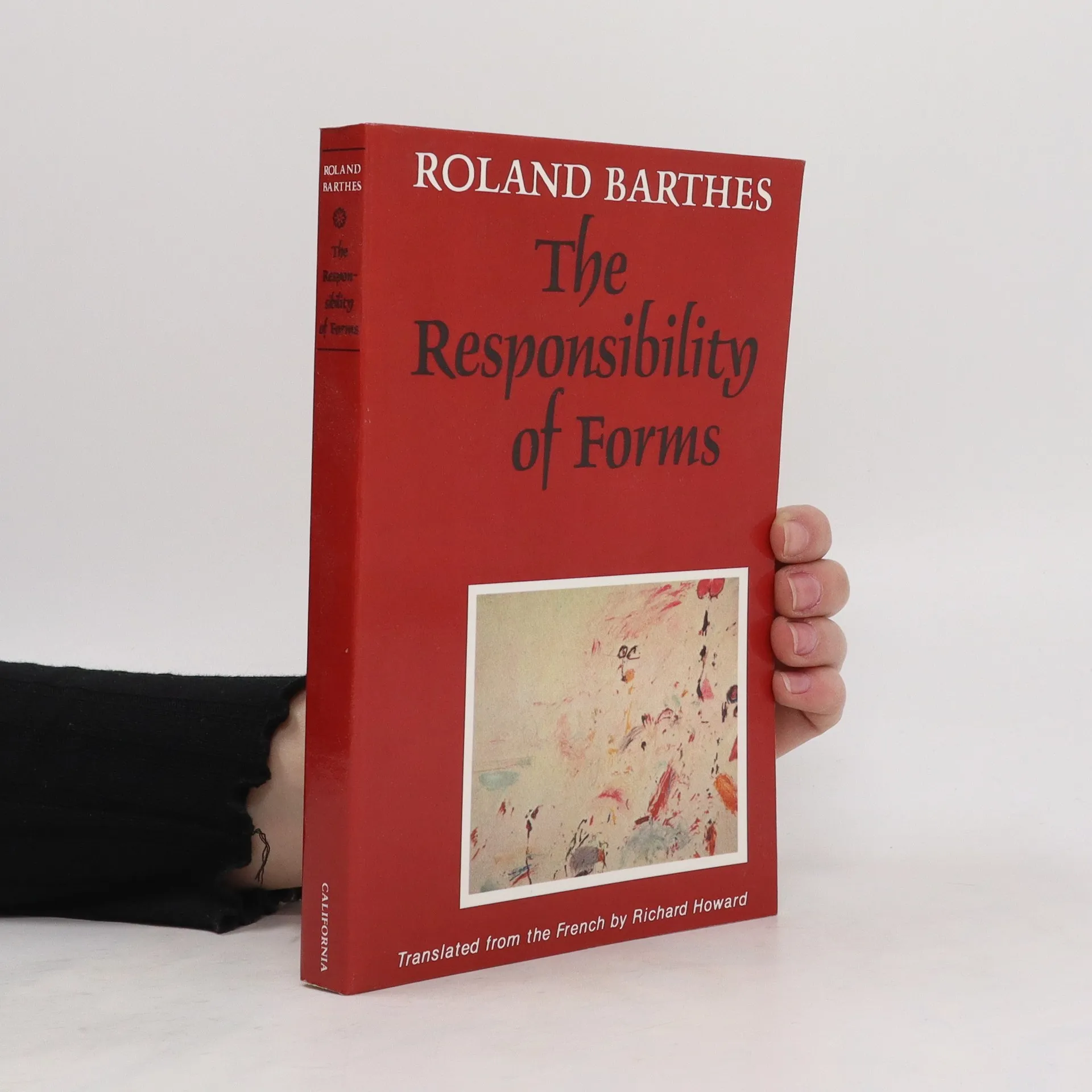
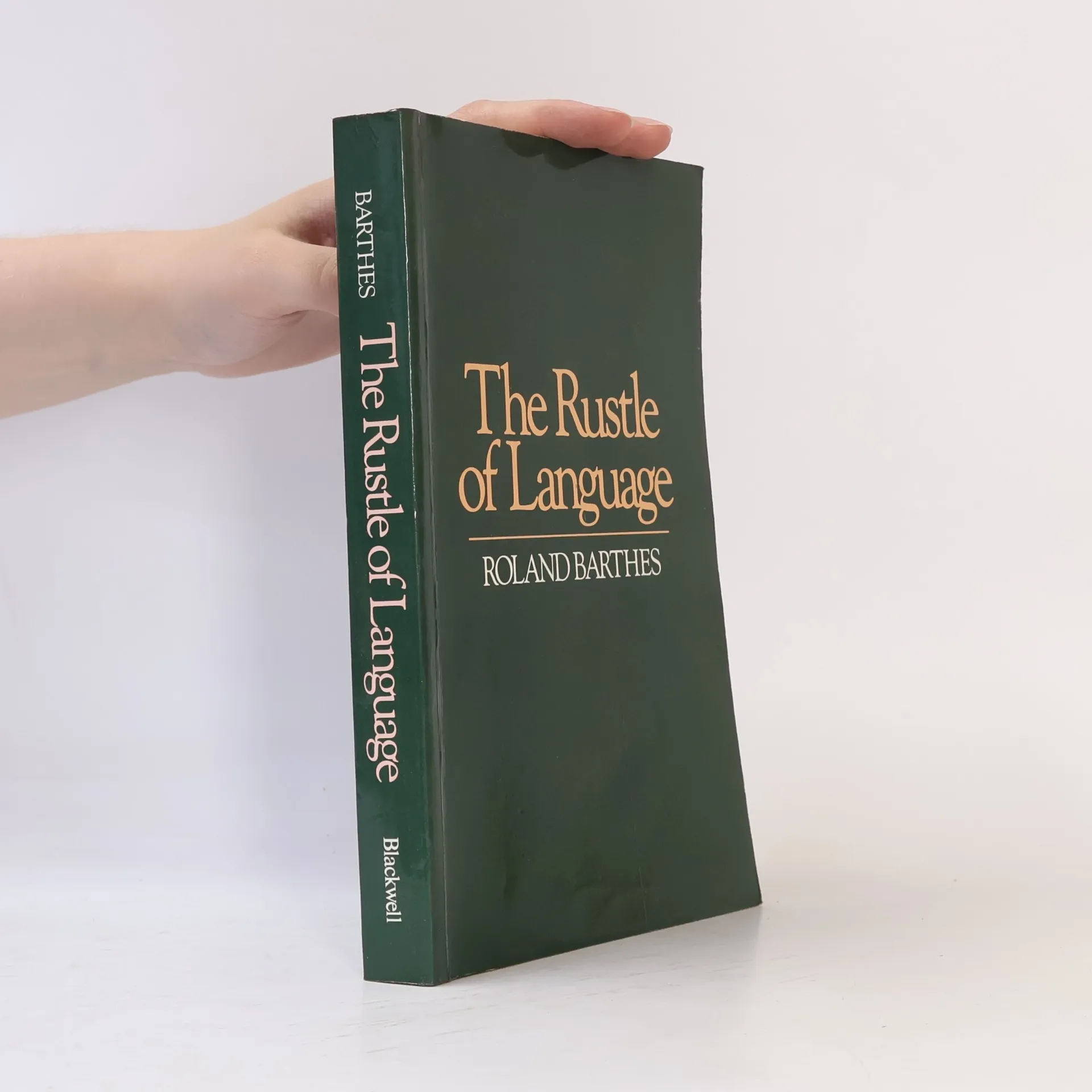
The Rustle of Language is a collection of forty-five essays, written between 1967 and 1980, on language, literature, and teaching—the pleasure of the text—in an authoritative translation by Richard Howard.
Roland Barthes a été aussi un chercheur au plein sens du terme, un de ceux qui, après Saussure et Greimas, ont fondé la sémiologie. Ce sont les travaux où il pose les assises de cette discipline nouvelle qui sont ici réunis, et notamment Eléments de sémiologie, L'Ancienne Rhétorique, Introduction à l'analyse structurale des récits. Autant de textes proprement fondateurs et auxquels toute recherche doit désormais s'adosser. On trouvera, à côté d'eux, une série de projets sur ce que pourrait être l'enquête sémiologique méthodique dans des domaines aussi divers que la réflexion sur l'objet, la publicité, l'ethnologie, l'urbanisme, la médecine. Enfin, la mise en œuvre de l'analyse structurale sur deux fragments de la Bible et sur un conte de Poe. Il y eut, chez Roland Barthes, un bonheur de la science ; il y eut aussi l'anxiété de la dépasser, de ne pas laisser se refermer le sens. Et c'est ce double mouvement qu'on verra ici à l'œuvre.
„Die materia prima ist das was der Teilung des Sinns vorausliegt: enormes Paradox, denn in der menschlichen Ordnung gibt es nichts, was dem Menschen zufällt und nicht gleich von einem Sinn begleitet wird: der Sinn, dem andere Menschen ihm gegeben haben, und so weiter, zurück, endlos.“
In his consideration of the language of the fashion magazine―the structural analysis of descriptions of women's clothing by writers about fashion―Barthes gives us a brief history of semiology. At the same time, he identifies economics as the underlying reason for the luxuriant prose of the fashion "Calculating, industrial society is obliged to form consumers who don't calculate; if clothing's producers and consumers had the same consciousness, clothing would be bought (and produced) only at the very slow rate of its dilapidation."
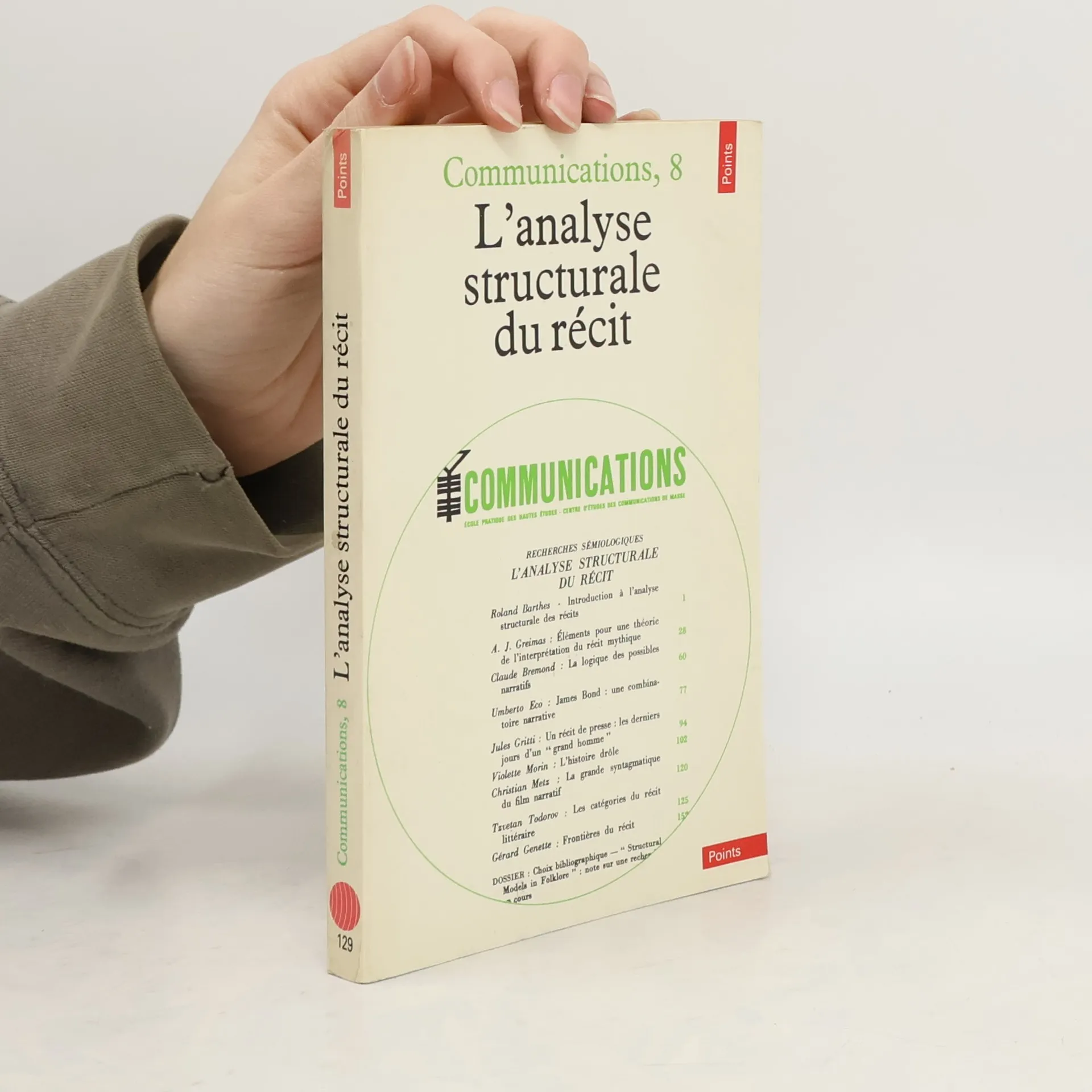
Rarement un numéro de revue aura fait date comme celui-ci. Dans les années 1960, sur la trace des formalistes russes et en particulier de Propp et de Jakobson, se développait le projet d’une analyse structurale du récit. Ce numéro de Communications publié en 1966 a marqué l’avènement d’une École française à laquelle les théoriciens du monde entier n’allaient plus cesser de se référer. Il y a là tout à la fois des textes fondamentaux, des exemples concrets et déjà l’exploration de cas limites. Il n’est pas exagéré de dire que tout ce qui s’est fait depuis dans ce champ se définit par rapport à ce qui est énoncé ici. Ont participé à ce numéro : R. Barthes, A. J. Greimas, C. Bremond, U. Eco, J. Gritti, V. Morin, Ch. Metz, T. Todorov, G. Genette.
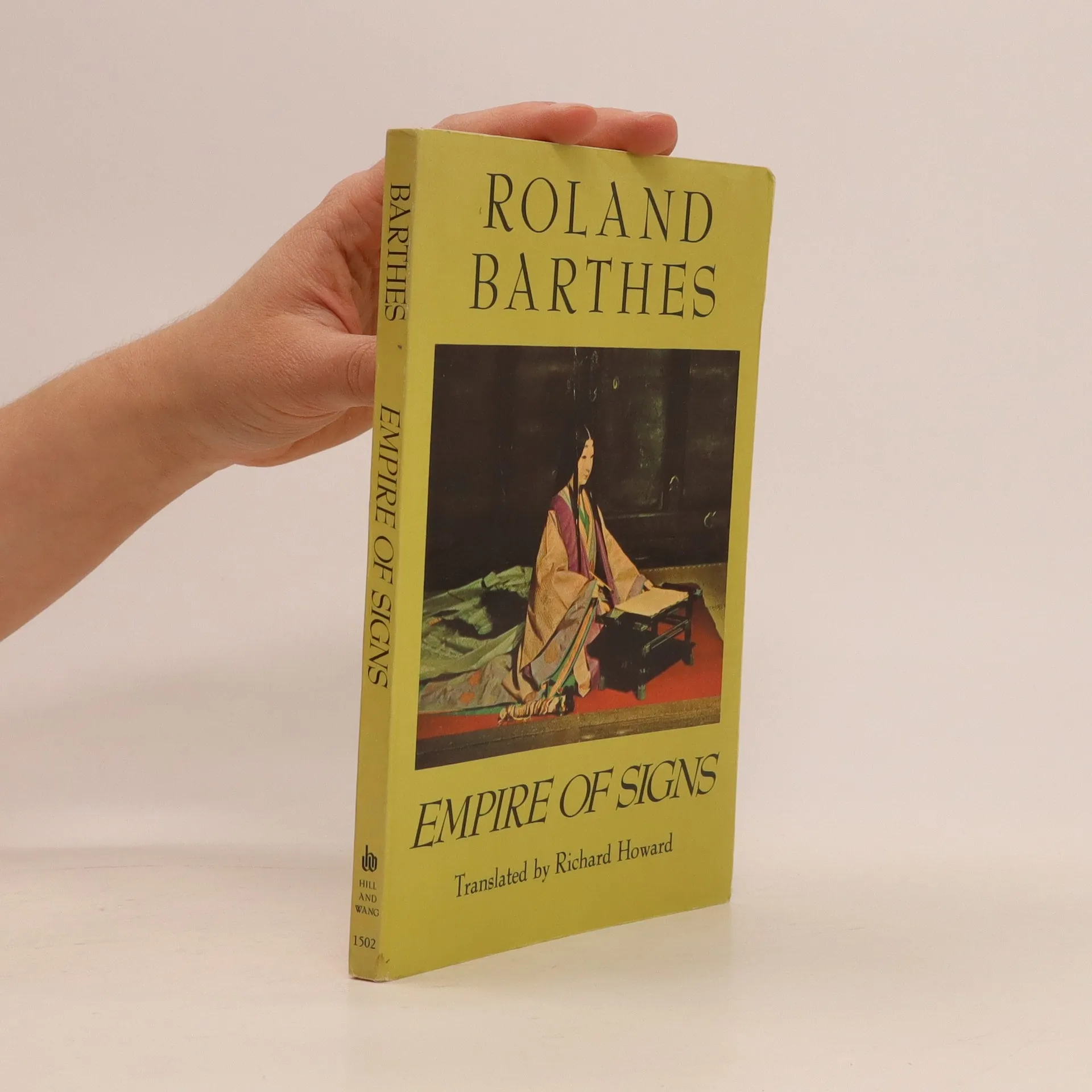
This anthology by Roland Barthes is a reflection on his travels to Japan in the 1960s. In twenty-six short chapters he writes about his encounters with symbols of Japanese culture as diverse as pachinko, train stations, chopsticks, food, physiognomy, poetry, and gift-wrapping. He muses elegantly on, and with affection for, a system "altogether detached from our own." For Barthes, the sign here does not signify, and so offers liberation from the West's endless creation of meaning. Tokyo, like all major cities, has a center--the Imperial Palace--but in this case it is empty, "both forbidden and indifferent ... inhabited by an emperor whom no one ever sees." This emptiness of the sign is pursued throughout the book, and offers a stimulating alternative line of thought about the ways in which cultures are structured.
The collection features a majority of Roland Barthes's interviews from various French publications, showcasing his distinctive voice and perspectives on topics such as cinema, fashion, writing, and criticism. Through these conversations, readers gain insight into Barthes's profound intelligence and influence, revealing his thoughts and reflections in a direct and engaging manner. This compilation offers a unique glimpse into the mind of one of the 20th century's most significant intellectuals.
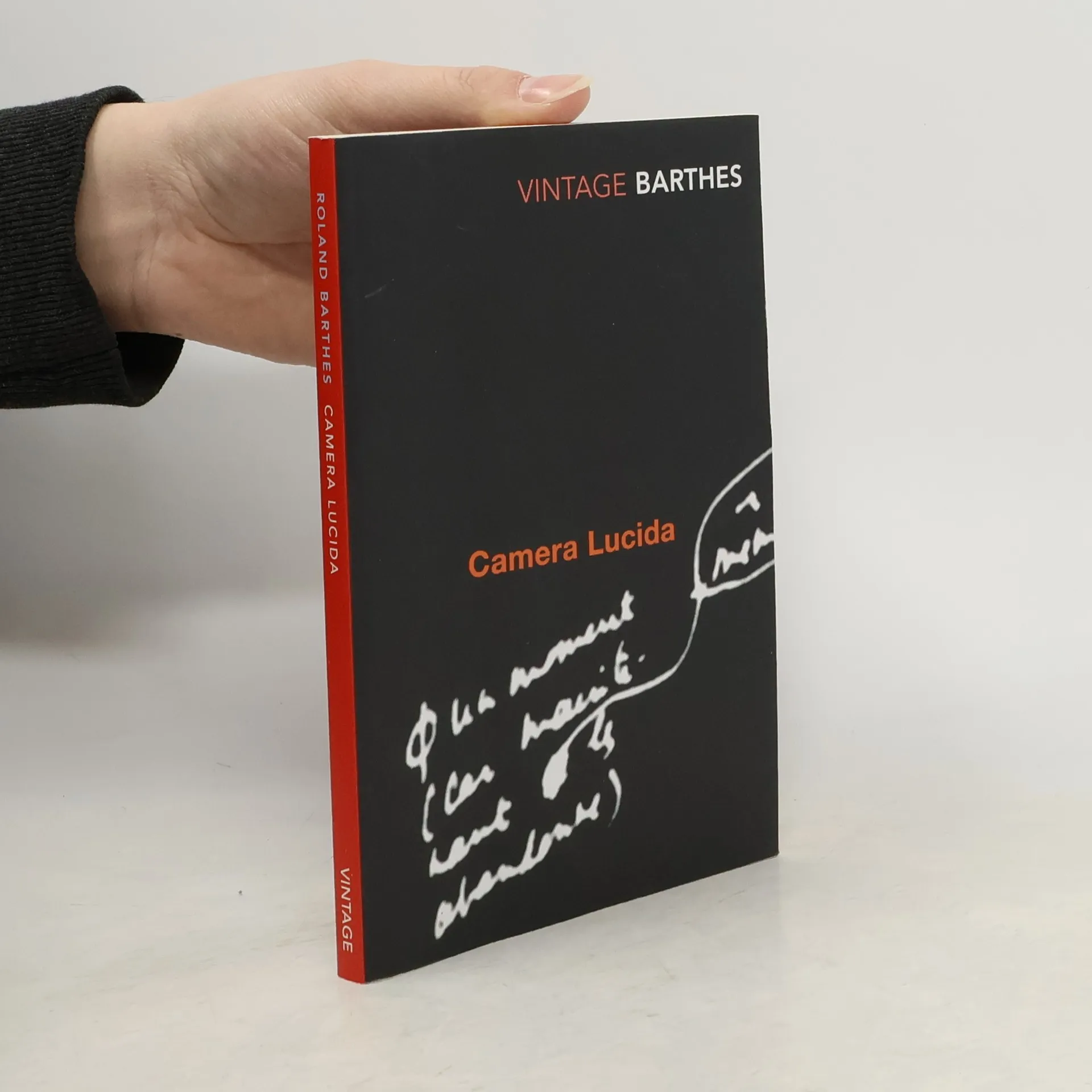
Examining the themes of presence and absence, the relationship between photography and theatre, history and death, these 'reflections on photography' begin as an investigation into the nature of photographs. Then, as Barthes contemplates a photograph of his mother as a child, the book becomes an exposition of his own mind.
Publié en 1954, Michelet de Roland Barthes est une tentative de donner au lecteur un sentiment pour l'ensemble de l'homme. Ce n'est ni une biographie ni une critique, mais une réflexion sur le grand historien français du XIXe siècle.
Künstler aus Mailand, Sohn eines Malers, der an der Fabrik des Doms von Mailand tätig war, Giuseppe Arcimboldo (1526-1593) begann seine künstlerische Ausbildung in seiner Heimat, um sich dann in Wien am Hof von Maximilian II. von Habsburg niederzulassen, als Ersatz für den alten Hofmaler J. Seisenegger. Seine Tätigkeit am Hof ging über die Grenzen der Malerei hinaus: Er entwarf Wappen, Herzogswappen, Entwürfe für Fenster und Wandteppiche. In diesem unbeschwerten Klima entstanden die berühmten Kompositionen aus Köpfen, die meisterhaft natürliche Elemente – pflanzliche und tierische – mit menschlichen Produkten kombinierten.
The only autobiography by the great Roland Barthes, philosopher, literary theorist and semiotician. This is the autobiography of one of the greatest minds of the twentieth century.
Image-Music-Text brings together major essays by Roland Barthes on the structural analysis of narrative and on issues in literary theory, on the semiotics of photograph and film, and on the practice of music and voice.Throughout the volume runs a constant movement from work to text: an attention to the very ‘grain’ of signifying activity and the desire to follow – in literature, image, film, song and theatre – whatever turns, displaces, shifts, disperses.Stephen Heath, whose translation has been described as ‘skilful and readable’ (TLS) and ‘quite brilliant’ (TES), is the author of Vertige du déplacement, a study of Barthes. His selection of essays, each important in its own right, also serves as ‘the best... introduction so far to Barthes’ career as the slayer of contemporary myths’. (John Sturrock, New Statesman)
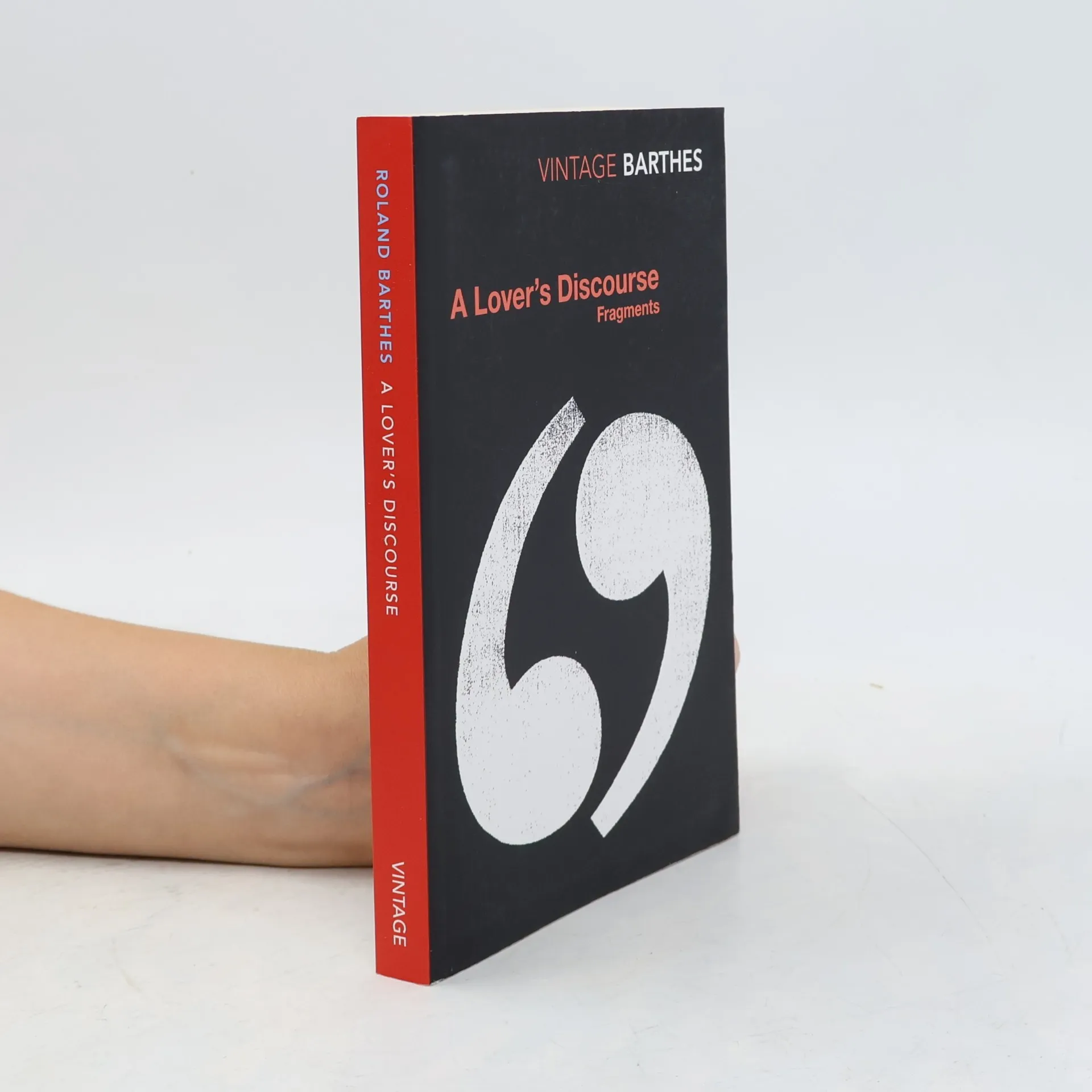
'May be the most detailed, painstaking anatomy of desire that we are ever likely to see or need again... An ecstatic celebration of love and language' Washington Post The language we use when we are in love is not a language we speak. It is a language addressed to ourselves and to our imaginary beloved. It is a language of solitude, of mythology, of what Barthes calls an 'image repertoire'. Reviving the notion of the amorous subject beyond psychological or clinical enterprises, Barthes' A Lover's Discourse is a book for everyone who has ever been in love, or indeed, thought themselves to be immune to its power.
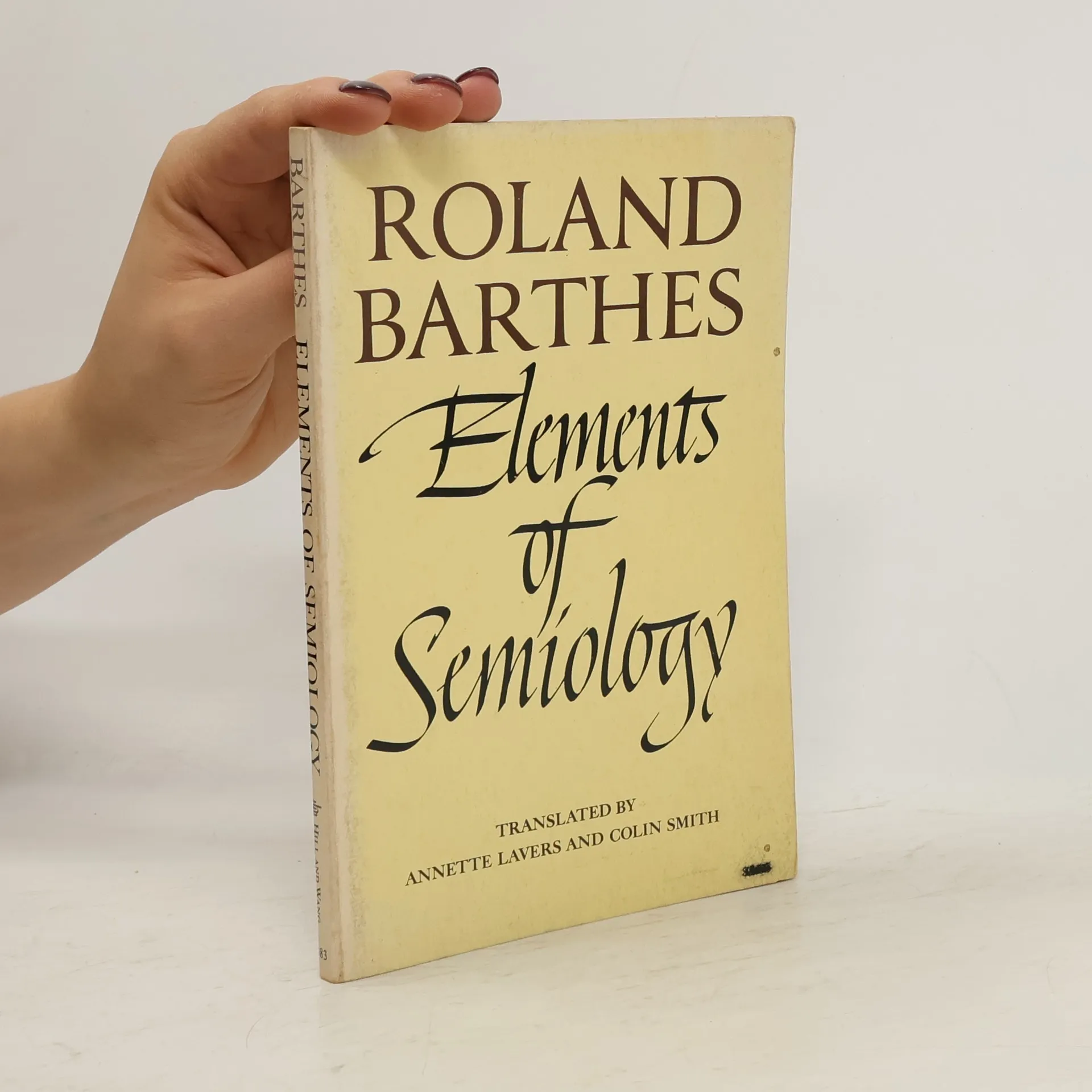
"In his Course in General Linguistics, first published in 1916, Saussure postulated the existence of a general science of signs, or Semiology, of which linguistics would form only one part. Semiology, therefore aims to take in any system of signs, whatever their substance and limits; images, gestures, musical sounds, objects, and the complex associations of all these, which form the content of ritual, convention or public entertainment: these constitute, if not languages, at least systems of signification . . . The Elements here presented have as their sole aim the extraction from linguistics of analytical concepts which we think a priori to be sufficiently general to start semiological research on its way. In assembling them, it is not presupposed that they will remain intact during the course of research; nor that semiology will always be forced to follow the linguistic model closely. We are merely suggesting and elucidating a terminology in the hope that it may enable an initial (albeit provisional) order to be introduced into the heterogeneous mass of significant facts. In fact what we purport to do is furnish a principle of classification of the questions. These elements of semiology will therefore be grouped under four main headings borrowed from structural linguistics: I. Language and Speech; II. Signified and Signifier; III. Syntagm and System; IV. Denotation and Connotation."--Roland Barthes, from his Introduction
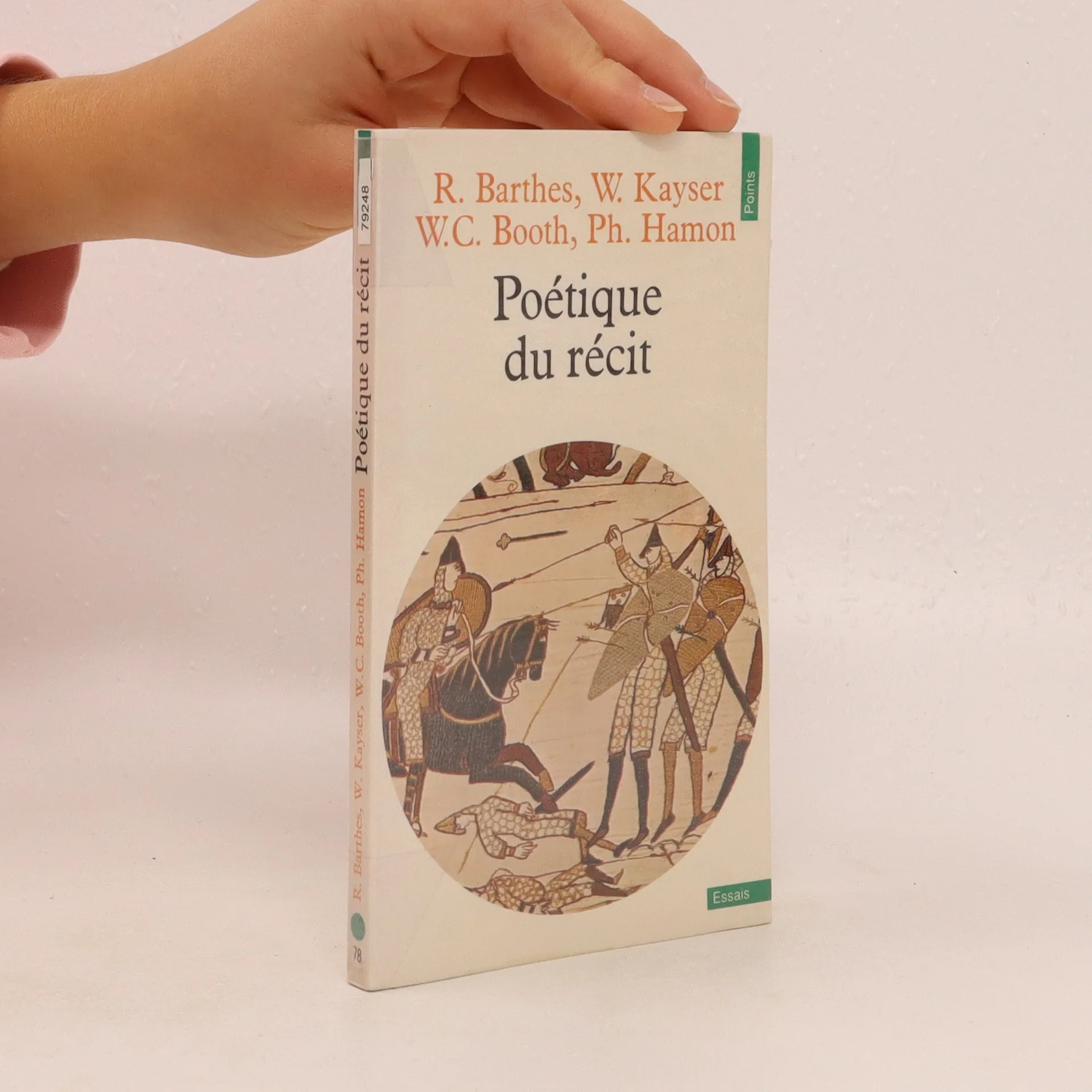
Sous ses formes presque infinies, le récit est présent dans tous les temps, dans tous les lieux, dans toutes les sociétés ; le récit commence avec l'histoire même de l'humanité ; il n'y a pas, il n'y a jamais eu nulle part aucun peuple sans récit ; toutes les classes, tous les groupes humains ont leurs récits, et bien souvent ces récits sont goûtés en commun, par des hommes de culture différente, voire opposée : le récit se moque de la bonne et de la mauvaise littérature : international, transhistorique, transculturel, le récit est là, comme la vie.Les spécialistes de plusieurs pays (France, Etats-Unis, Allemagne) se trouvent réunis ici autour d'une problématique commune : récit, narrateur, narration, personnage.
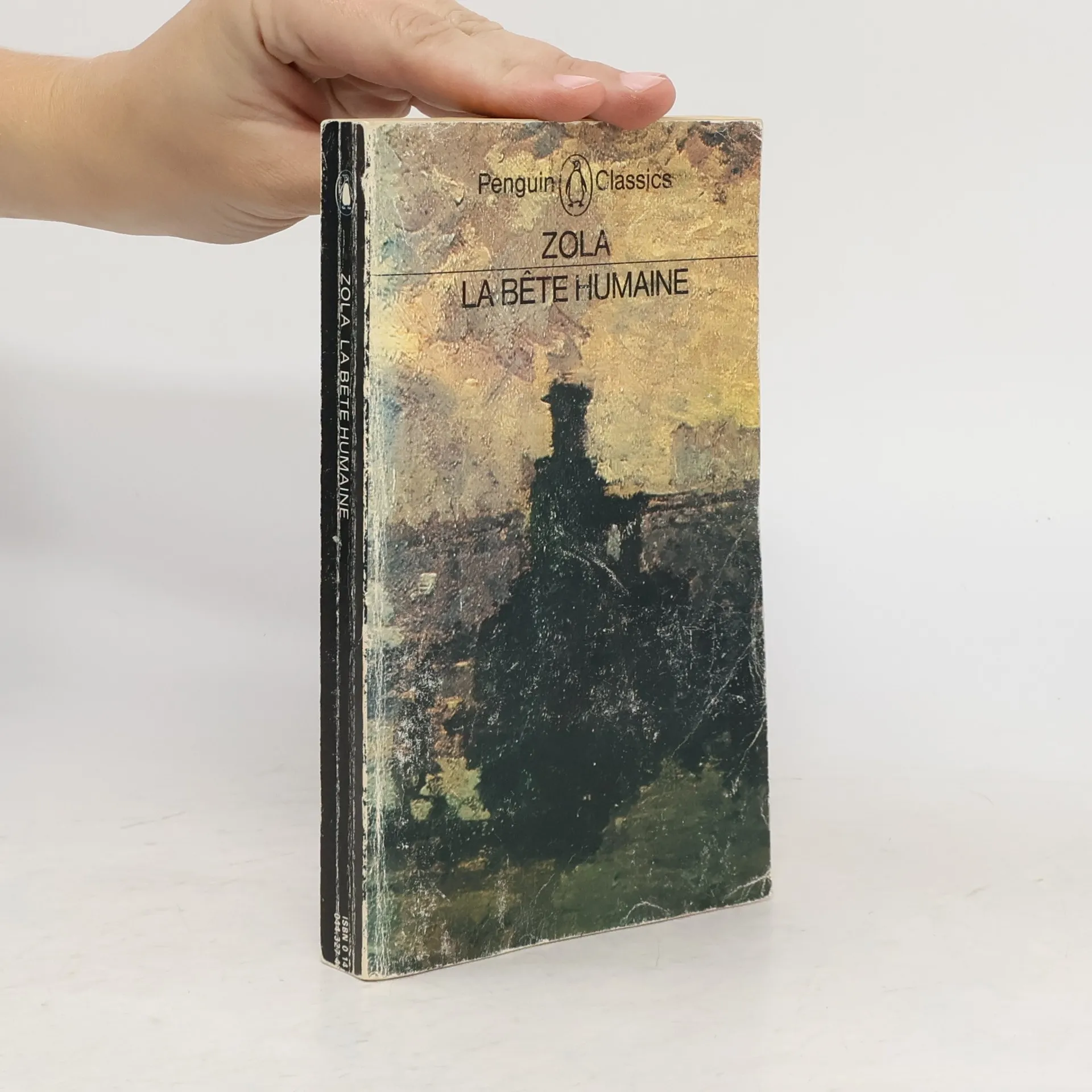
One of Zola's most violent works, this novel is on one level a tale of murder and possession, and on another a compassionate study of individuals derailed by atavistic forces beyond their control. It evokes life at the end of the Second Empire in France, and a society hurtling towards the future.
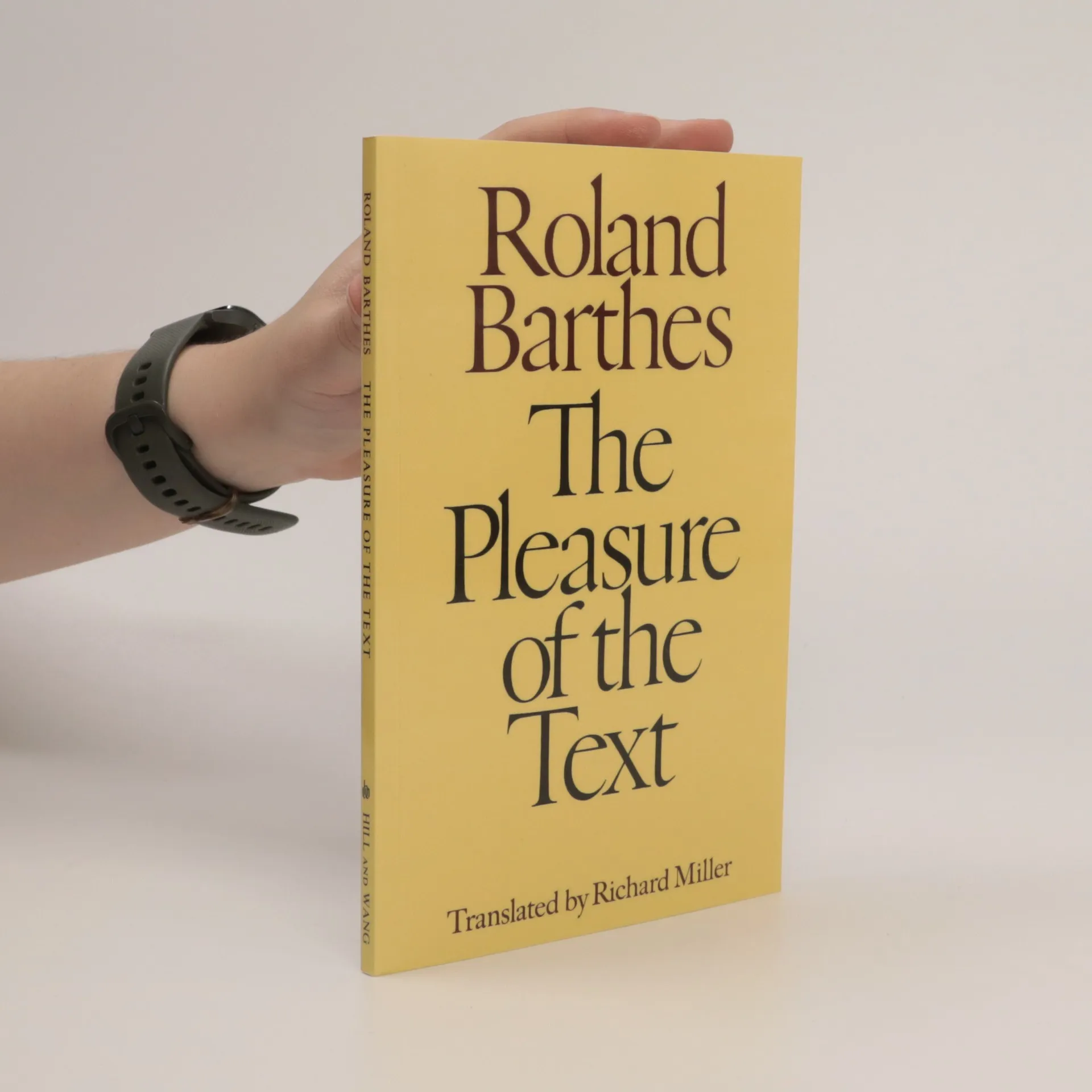
What is it that we do when we enjoy a text? What is the pleasure of reading? The French critic and theorist Roland Barthes's answers to these questions constitute "perhaps for the first time in the history of criticism . . . not only a poetics of reading . . . but a much more difficult achievement, an erotics of reading . . . . Like filings which gather to form a figure in a magnetic field, the parts and pieces here do come together, determined to affirm the pleasure we must take in our reading as against the indifference of (mere) knowledge." --Richard Howard
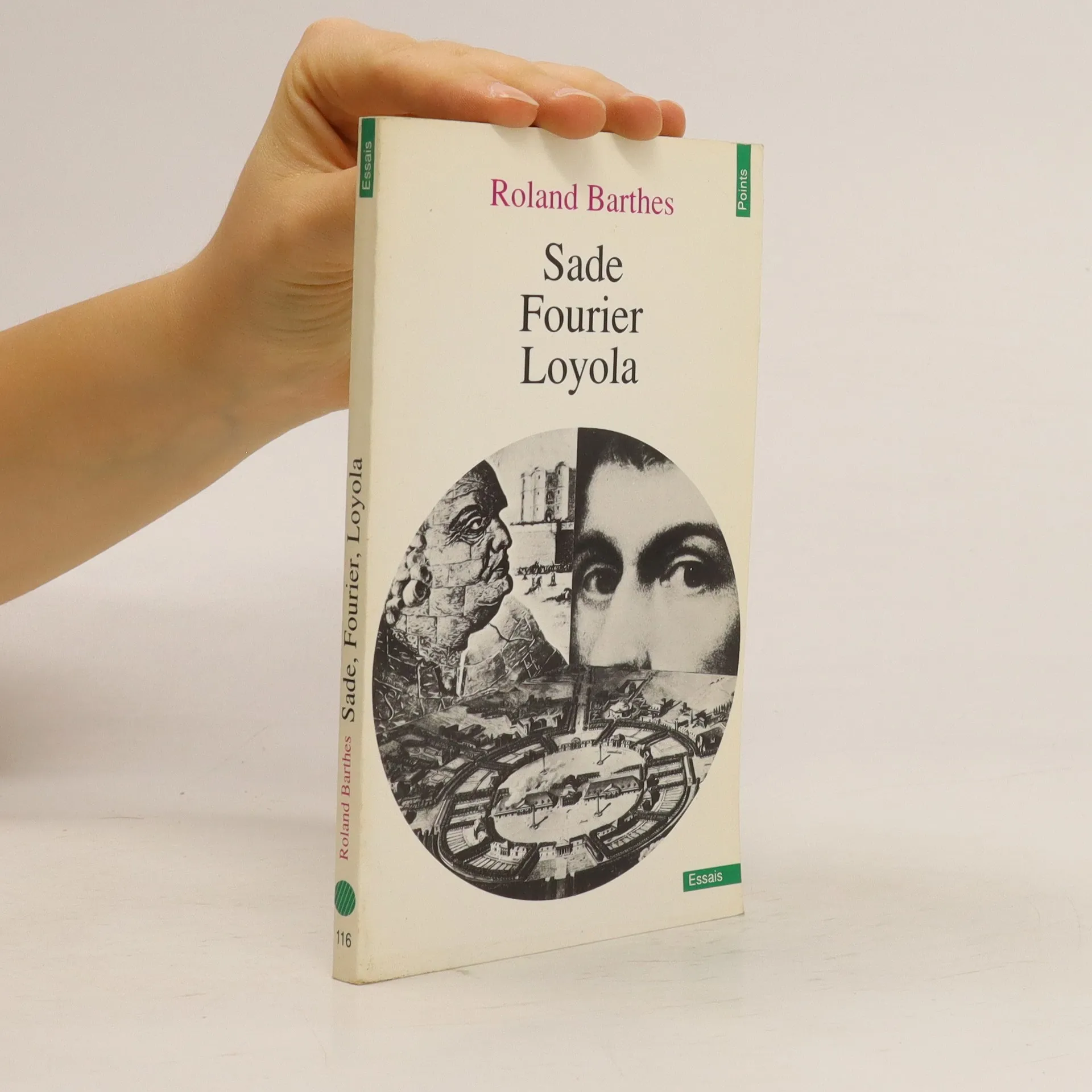
« Sade, Fourier et Ignace de Loyola ont été des classificateurs, des fondateurs de langues : langue du plaisir érotique, langue du bonheur social, langue de l’interpellation divine, chacun a mis dans la construction de cette langue seconde toute l’énergie d’une passion. […] L’objet de ce livre n’est pas de revenir sur les propositions de contenu dont on crédite ordinairement nos trois auteurs, à savoir une philosophie du Mal, un Socialisme utopique, une mystique de l’obéissance, mais de tenir Sade, Fourier et Loyola pour des formulateurs, des inventeurs d’écriture, des opérateurs de texte. Je crois ainsi poursuivre un projet ancien, dont l’intention théorique pourra se lire à travers ces études concrètes et spéciales : jusqu’où peut-on aller d’un texte en ne parlant que de son écriture ? » Roland Barthes (1915-1980) Il a publié toute son œuvre au Seuil, de Mythologiesà La Chambre claire en passant par Fragments d’un discours amoureux.
In dieser ansprechenden und leuchtenden Sammlung von Essays untersucht Roland Barthes das Alltägliche und legt verborgene Texte offen, wodurch der Leser den berühmten Wahrzeichen und das Symbol von Paris sowie die Tour de France, den Besuch von Billy Graham in Paris, die Überschwemmung der Seine und andere gemeinsame Ereignisse und Aspekte des Alltags neu betrachtet.
Kniha obsahuje dvě teoretická díla z tzv. raného období francouzského sémiotika Rolanda Barthese: Nulový stupeň rukopisu (1953) a Základy sémiologie (1965).
Ce que Racine exprime immédiatement, c’est donc l’aliénation, ce n’est pas le désir. Ceci est évident si l’on examine la sexualité racinienne, qui est de situation plus que de nature. Dans Racine, le sexe est lui-même soumis à la situation fondamentale des figures tragiques entre elles, qui est une relation de force. Le sexe est un privilège tragique dans la mesure où il est le premier attribut du conflit originel : ce ne sont pas les sexes qui font le conflit, c’est le conflit qui définit les sexes.
Excerto «Sabemos que a língua é um corpo de prescrições e de hábitos, comum a todos os escritores de uma época. Isto quer dizer que a língua é como uma natureza que passa inteiramente através da fala do escritor, sem contudo lhe dar nenhuma forma, e sem mesmo a alimentar: é como um círculo abstracto de verdades, fora do qual começa a depositar-se a densidade de um verbo solitário.» R. B. O Grau Zero da Escrita de Roland Barthes
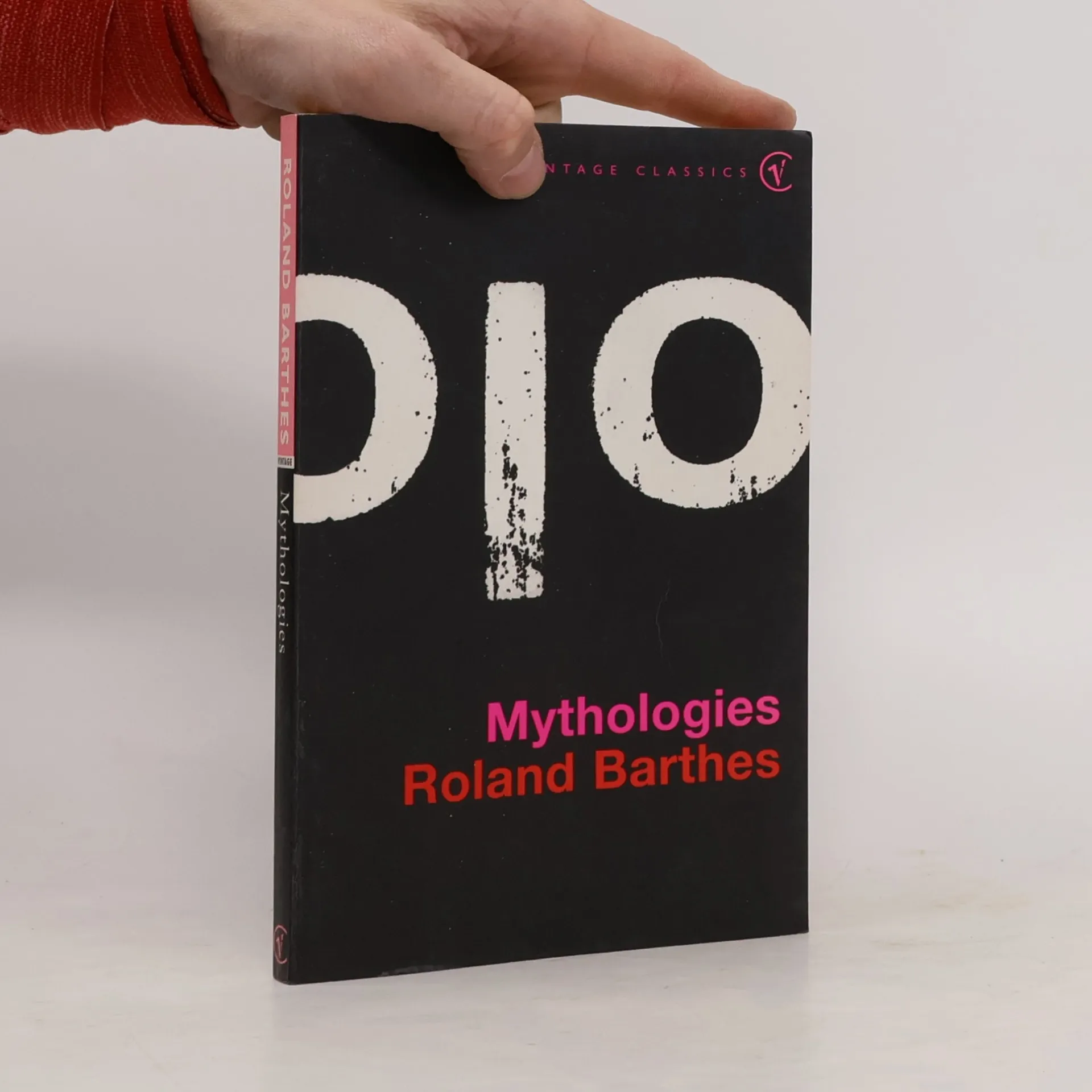
"[ Mythologies ] illustrates the beautiful generosity of Barthes's progressive interest in the meaning (his word is signification) of practically everything around him, not only the books and paintings of high art, but also the slogans, trivia, toys, food, and popular rituals (cruises, striptease, eating, wrestling matches) of contemporary life . . . For Barthes, words and objects have in common the organized capacity to say something; at the same time, since they are signs, words and objects have the bad faith always to appear natural to their consumer, as if what they say is eternal, true, necessary, instead of arbitrary, made, contingent. Mythologies finds Barthes revealing the fashioned systems of ideas that make it possible, for example, for 'Einstein's brain' to stand for, be the myth of, 'a genius so lacking in magic that one speaks about his thought as a functional labor analogous to the mechanical making of sausages.' Each of the little essays in this book wrenches a definition out of a common but constructed object, making the object speak its hidden, but ever-so-present, reservoir of manufactured sense."--Edward W. Said