Koop 10 boeken voor 10 € hier!
Bookbot

Linda Asher

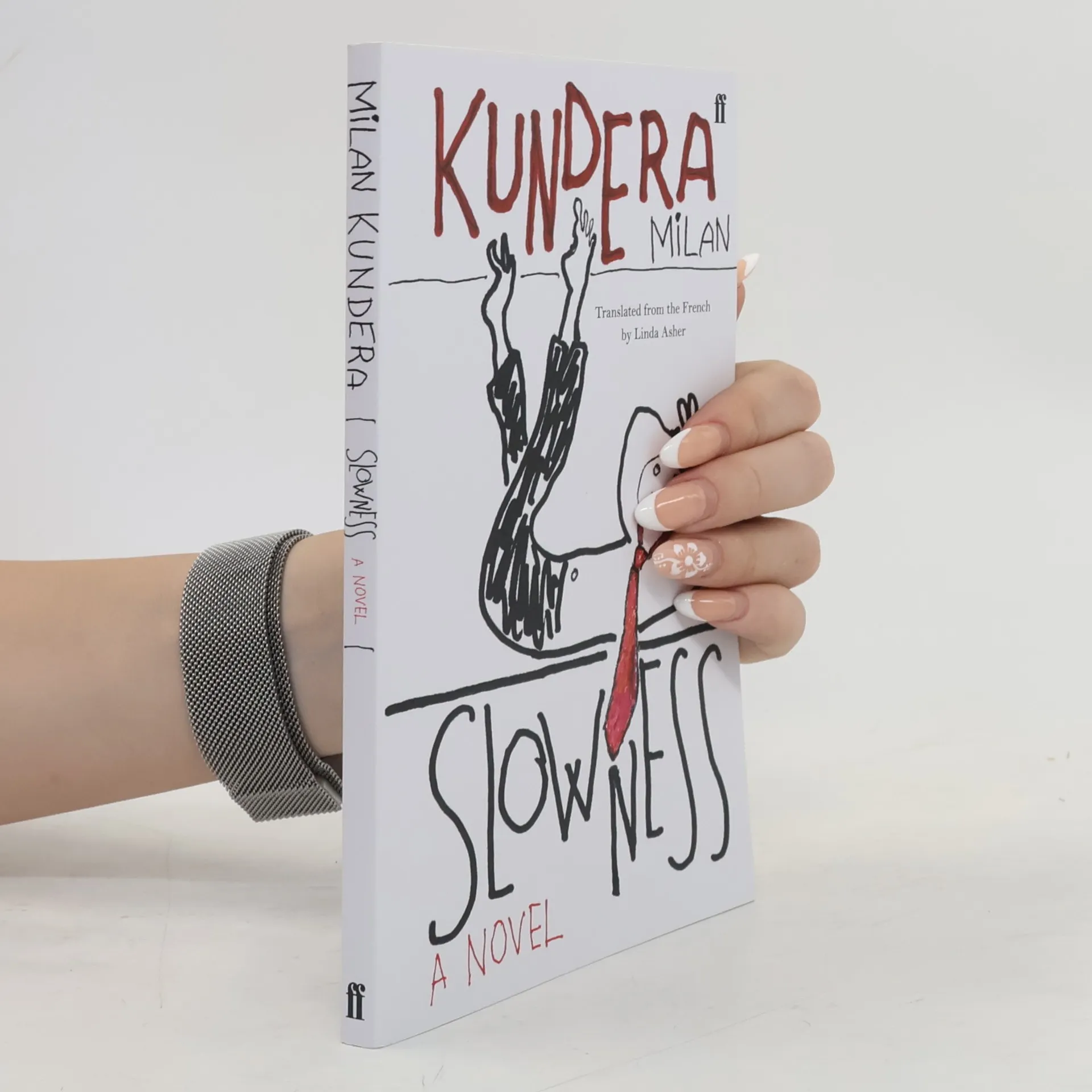
    Slowness
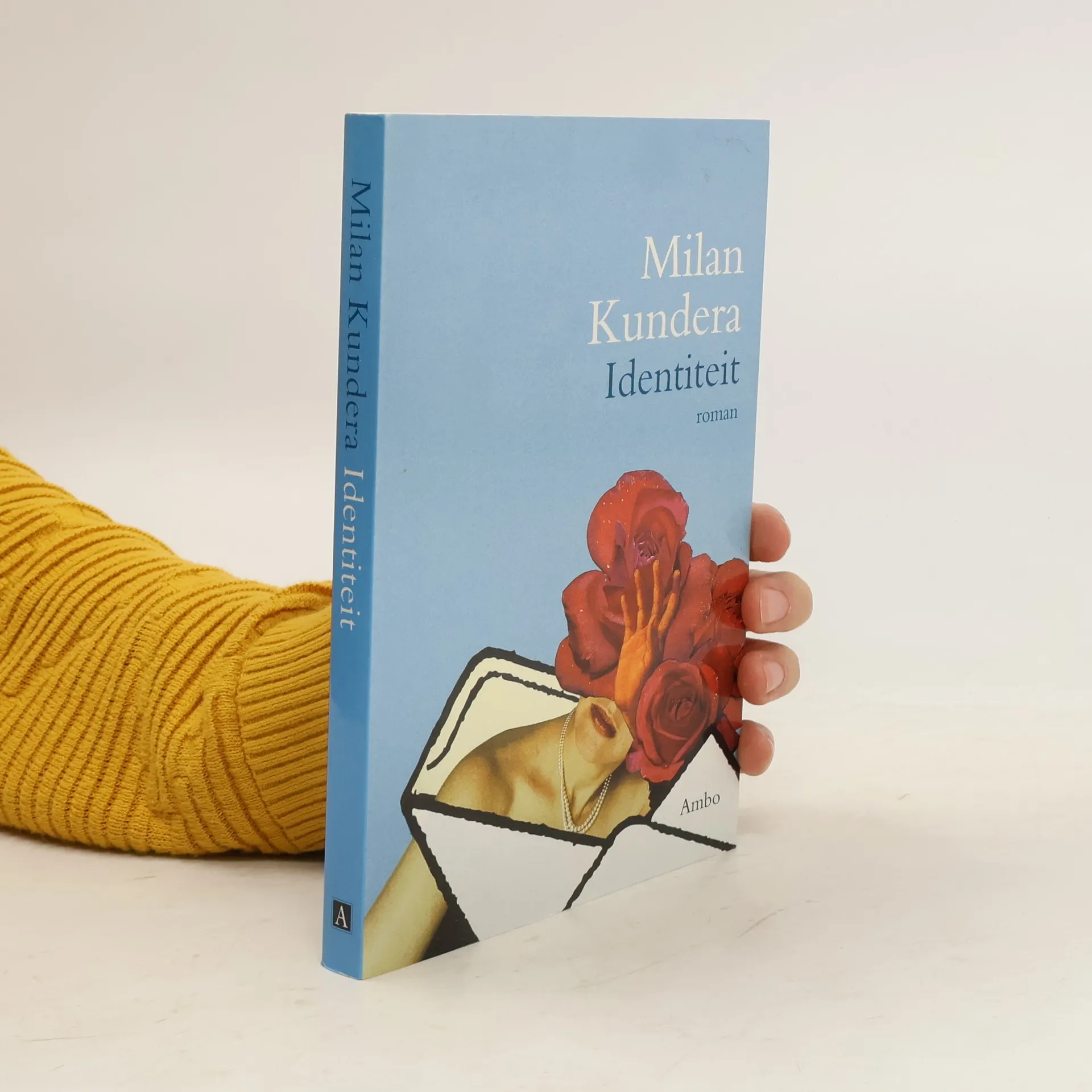
    Identiteit
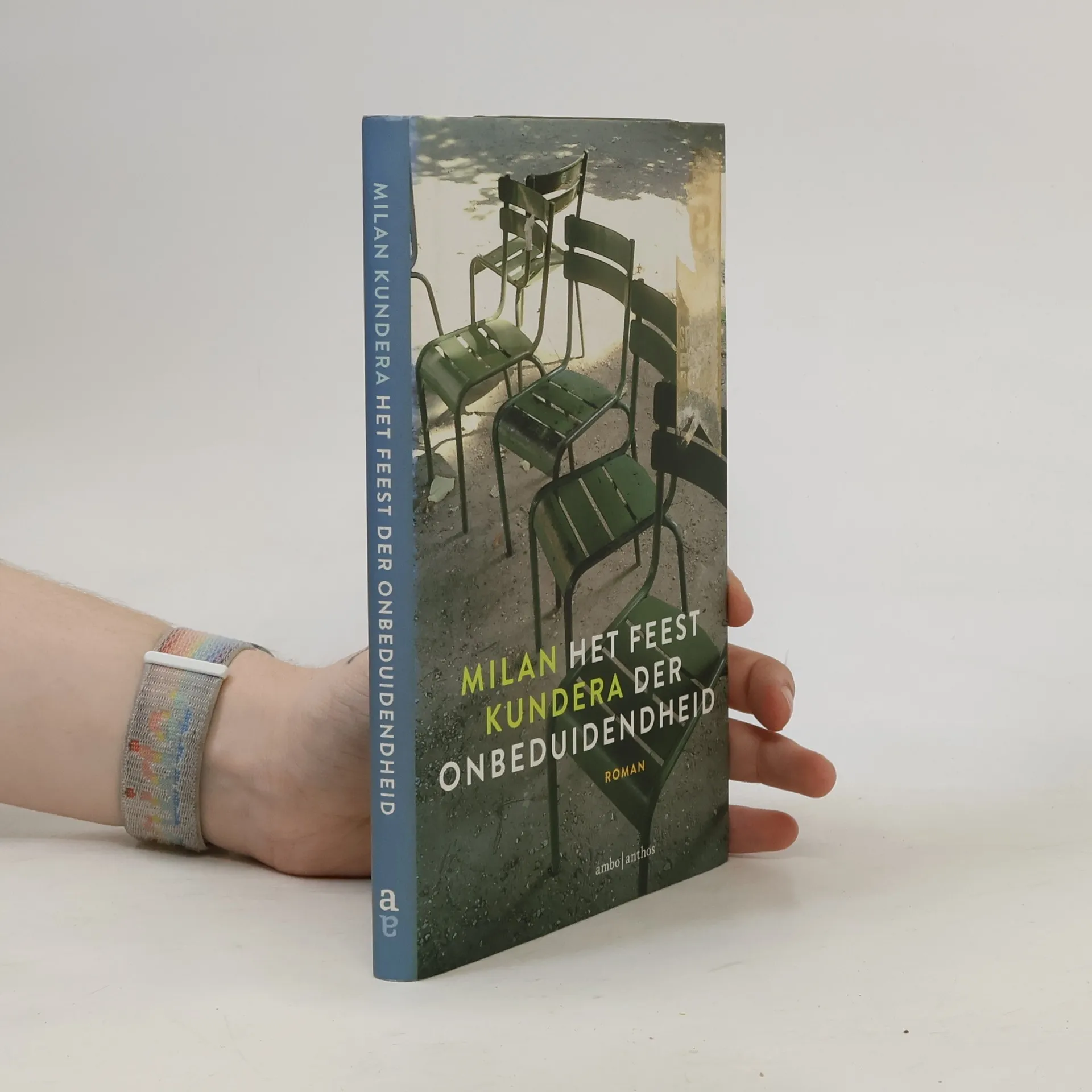
    Onwetendheid
    The Curtain
    The art of the novel
    Testaments Betrayed
    • 2015
    • 2006

      The Curtain

      • 176bladzijden
      • 7 uur lezen
      4,0(1564)Tarief

      "A magic curtain, woven of legends, hung before the world," writes Milan Kundera in The Curtain, his fascinating new book on the art of the novel. "Cervantes sent Don Quixote journeying and tore through the curtain. The world opened before the knight-errant in all the comical nakedness of its prose." For Kundera, that curtain represents a ready-made perception of the world that each of us has—a pre-interpreted world. The job of the novelist, he argues, is to rip through the curtain and reveal what it hides. In this entertaining and always stimulating essay, Kundera cleverly sketches out his personal view of the history and value of the novel in Western civilization. Too often, he suggests, a novel is thought about only within the confines of the language and nation of its origin, when in fact the novel's development has always occurred across borders: Laurence Sterne learned from Rabelais, Henry Fielding from Cervantes, Joyce from Flaubert, García Márquez from Kafka. The real work of a novel is not bound up in the specifics of any one language: what makes a novel matter is its ability to reveal some previously unknown aspect of our existence. In The Curtain, Kundera skillfully describes how the best novels do just that.

      The Curtain
    • 2002

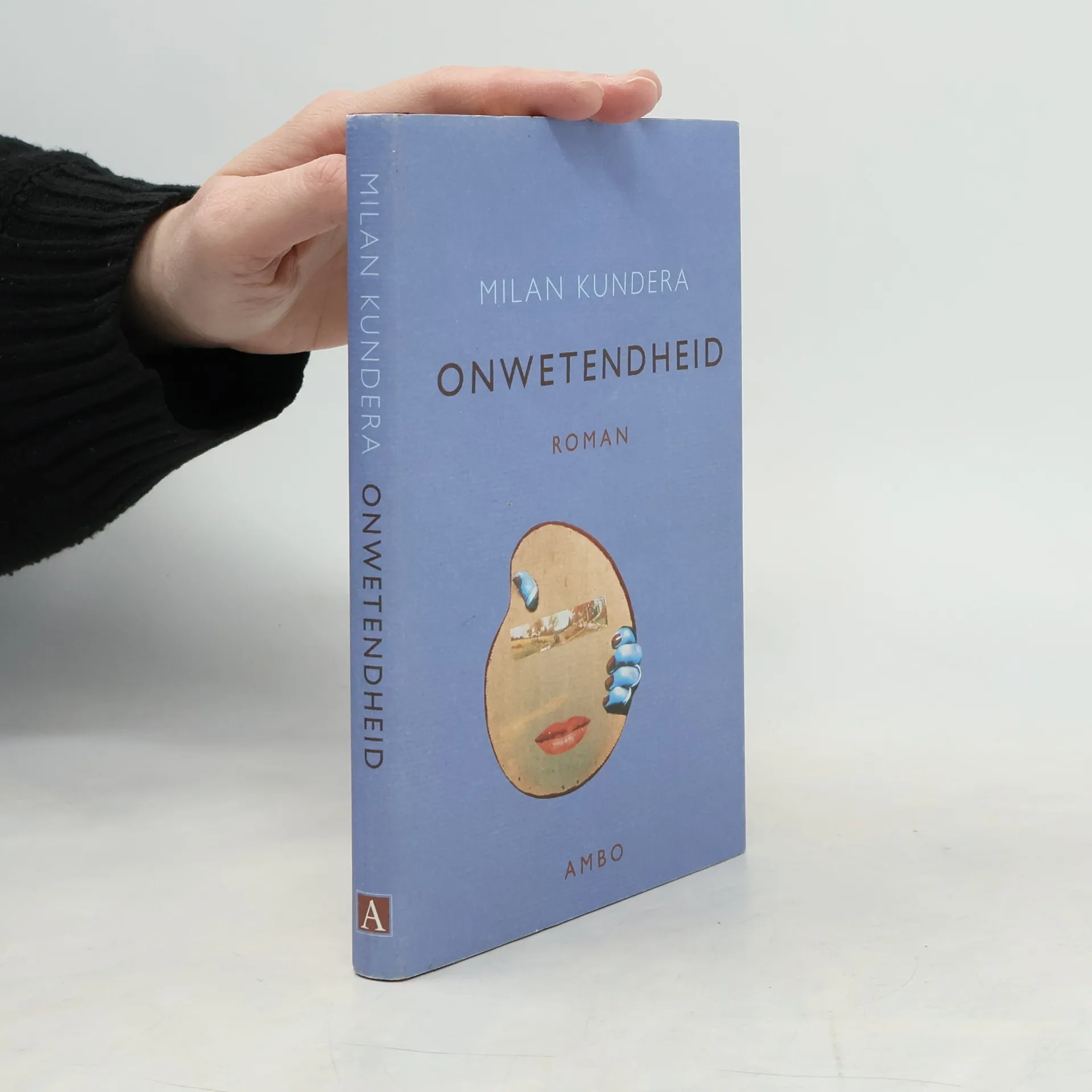
      Als een politieke vluchtelinge na de val van het communisme naar haar geboorteland Tsjechië terugkeert, wacht haar een deceptie.

      Onwetendheid
    • 1998

      Identiteit

      • 172bladzijden
      • 7 uur lezen
      3,8(17381)Tarief

      Identiteit vertelt het verhaal van een crisis. Een crisis tussen een man en een vrouw, Jean-Marc en Chantal, die veel van elkaar houden. Beiden hebben ze in het bestaan van de ander de voorwaarde voor hun evenwicht en ontwikkeling gevonden. Hij neigt naar een leven in de marginaliteit en heeft een rijke verbeelding. Zij is op haar hoede, fragiel en realistisch. Sinds jaren leven ze samen in de rustige zekerheid van hun geluk. De problemen ontstaan uit het niets, althans uit bijna niets. Er is geen ramp, geen overspel en toch belanden Jean-Marc en Chantal in een proces vol misverstanden dat, juist omdat ze van elkaar houden, op hun scheiding lijkt af te koersen. Alleen Milan Kundera kan zo'n verontrustend gegeven in een mooie, heldere liefdesroman omzetten.

      Identiteit
    • 1996

      Testaments Betrayed

      • 256bladzijden
      • 9 uur lezen
      4,1(1532)Tarief

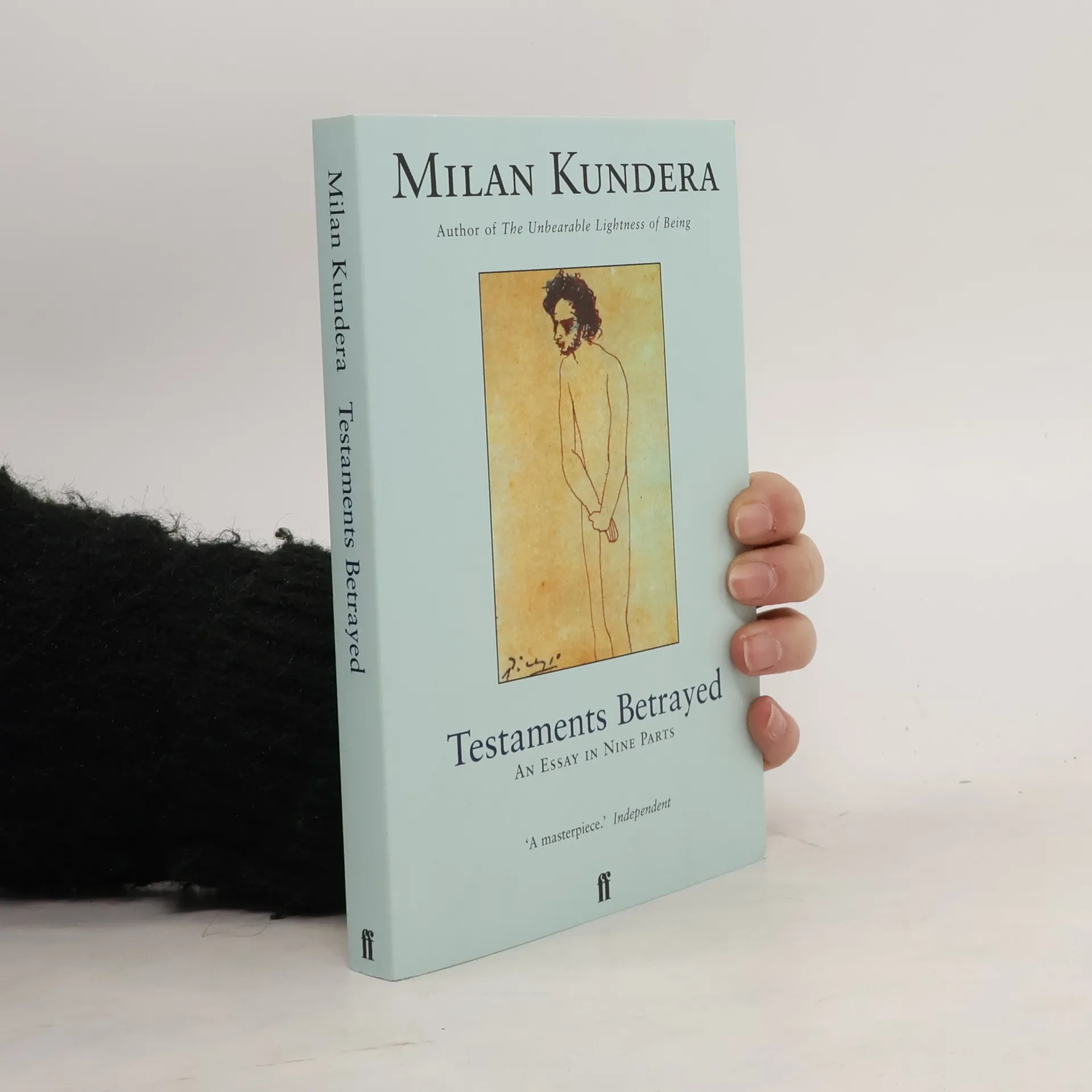
      Kundera's essay has been written like a novel. In the course of nine separate sections, the same characters meet and cross paths with each other. Stravinsky and Kafka with their odd friends Ansermet and Brod; Hemingway with his biographer; Janácek with his little nation; and Rabelais with his heirs - the great novelists. In the light of their wisdom this book examines some of the great situations of our time. The moral trial of the twentieth century's art, from Celine to Mayakovsky; the passage of time which blurs the boundaries between the 'I' of the present day and the 'I' of the past; modesty as an essential concept in an age based on the individual and indiscretion which, as it becomes the habit and the norm, heralds the twilight of individualism; the testaments, the betrayed testaments - of Europe, of art, of the art of the novel and of artists.

      Testaments Betrayed
    • 1996
      3,7(12162)Tarief

      Readers are taken through a midsummer's night in which two tales of seduction, separated by more than 200 years, interweave and oscillate between the sublime and the ridiculous. They provide merely a narrative framework for Kundera's novel, within which is condensed existential analysis.

      Slowness
    • 1986

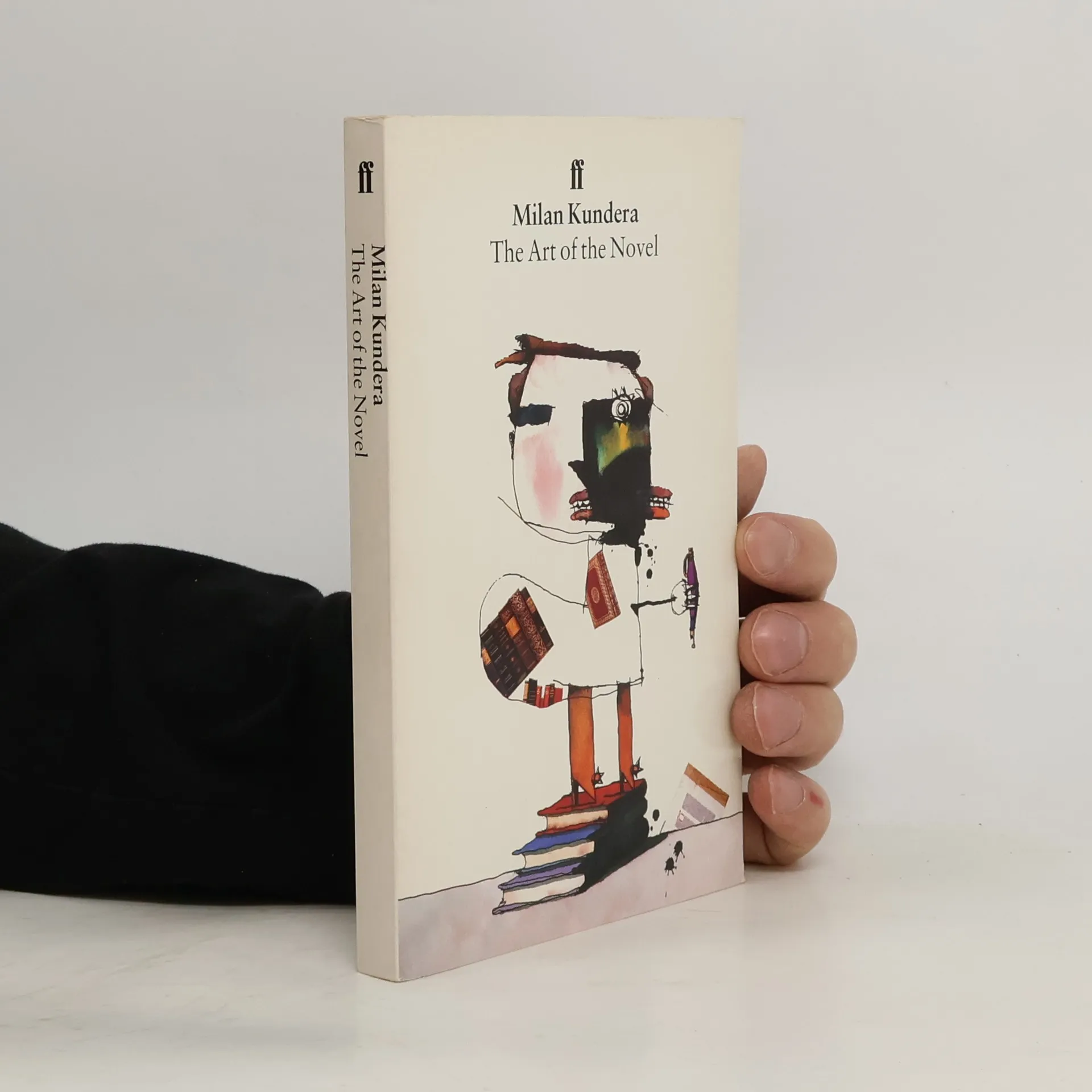
      In this first work of nonfiction, Milan Kundera offers a "practitioner's confession" on the art of the novel. "Every novelist's work contains an implicit vision of the history of the novel, an idea of what the novel is," Kundrea writes. "I have tried to express here the idea of the novel that is inherent in my own novels." Kundrea brilliantly examines the work of such important and diverse figures as Rabelais, Cervantes, Sterne, Diderot, Flaubert, Tolstoy, and Musil. He is especially penetrating on "perhaps the least known of all the great novelists of our time," Herman Broch, and his exploration of the world of Kafka's novels vividly reveals the comic terror of Kafka's bureaucratized universe. Kundrea's discussion of his own work includes his views on the role of historical events in fiction, the meaning of action, and the creation of character in the postpsychological novel. His reflections on the state of the modern European novel in an era of "terminal paradoxes" are as witty, original, and far-reaching as his unique fiction.

      The art of the novel