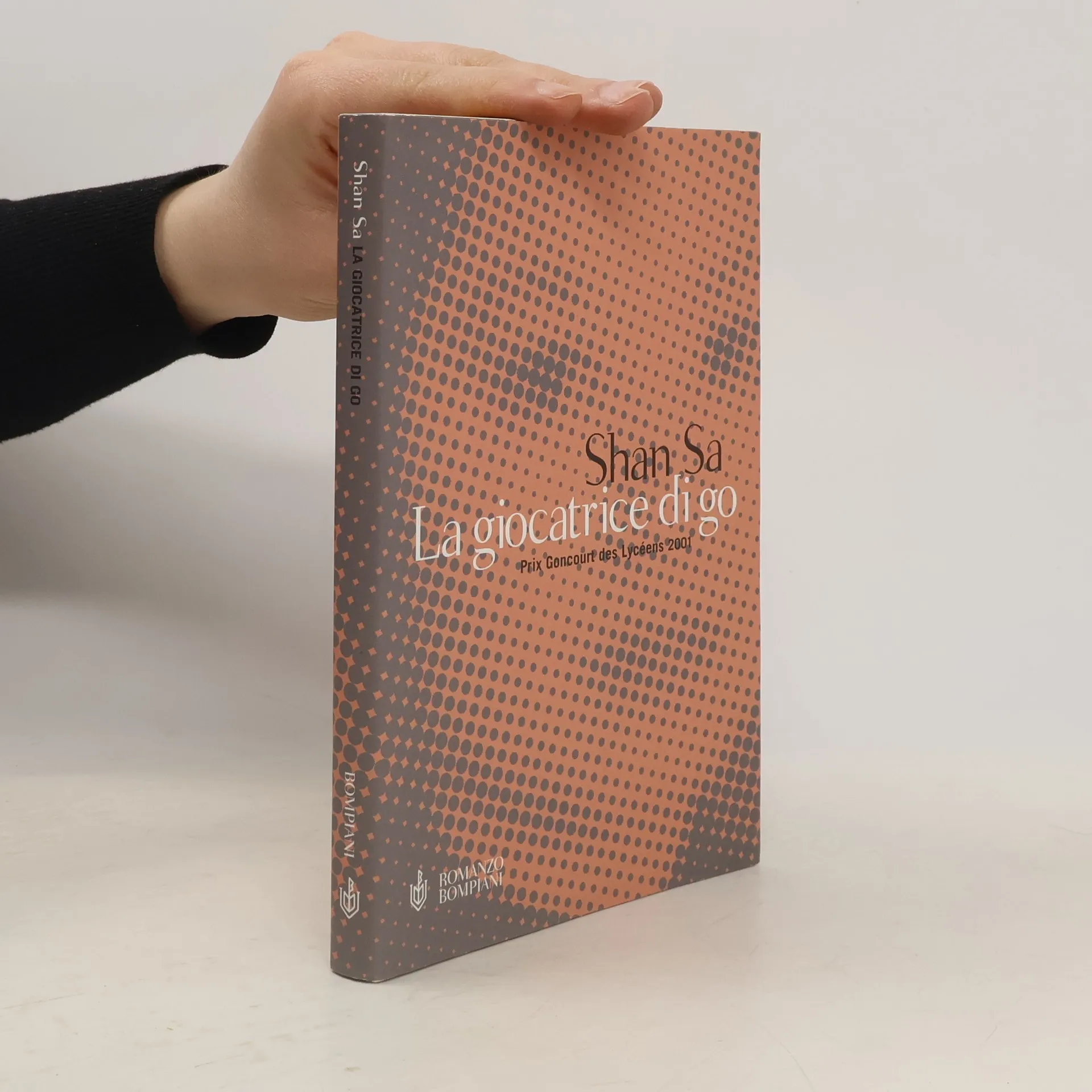
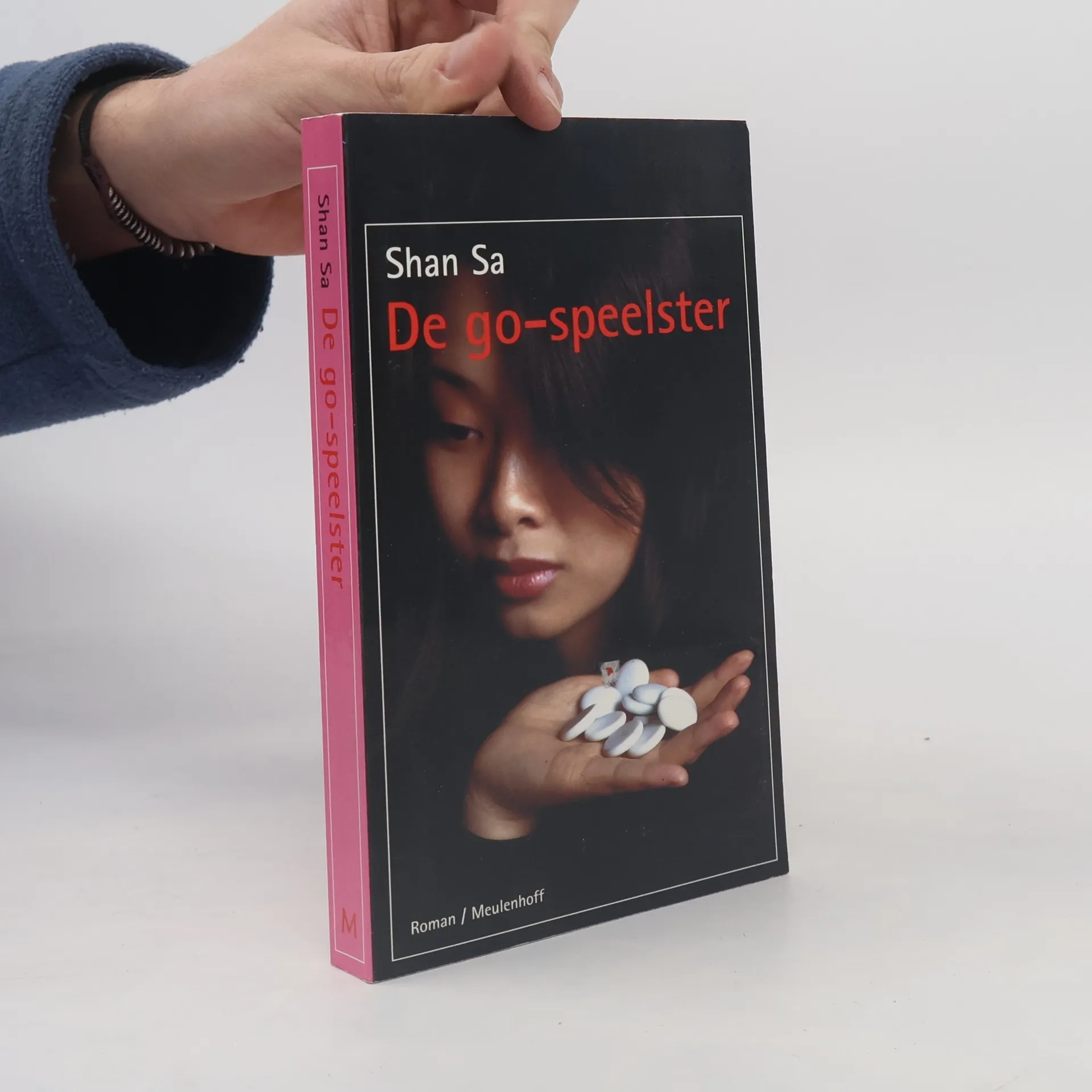
Tijdens de bezetting van Mantsjoerije door Japan in de jaren dertig van de 20e eeuw wordt een Japanse soldaat verliefd op een Chinese scholiere die briljant het go-spel kan spelen.
Sa Shan Boeken
26 oktober 1972
Shan Sa is een Franse auteur wiens werk thema's als identiteit, herinnering en culturele kruispunten onderzoekt. Haar prozastijl is lyrisch en poëtisch, waarbij ze vaak metaforen en beeldspraak gebruikt om de complexiteit van menselijke relaties en geschiedenis te verkennen. Sa richt zich op diepgaande psychologische portretten van personages die zich begeven in liminale ruimtes tussen werelden en tradities, en onderzoekt hun innerlijke worstelingen en zoektocht naar betekenis. Haar schrijven is scherpzinnig en suggestief, en biedt lezers een tot nadenken stemmende beschouwing van het verleden en het heden.

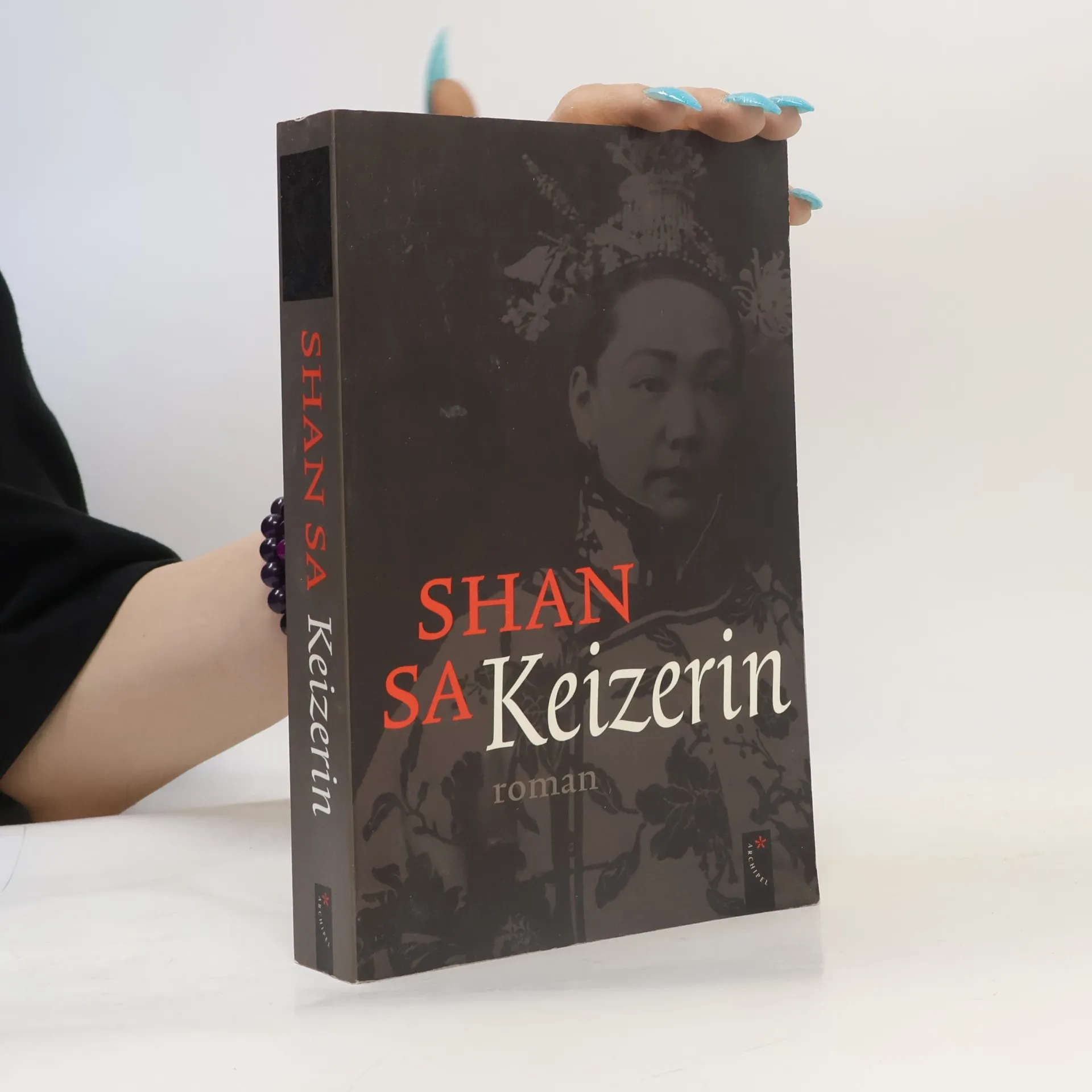
Keizerin
- 341bladzijden
- 12 uur lezen
Empress
- 336bladzijden
- 12 uur lezen
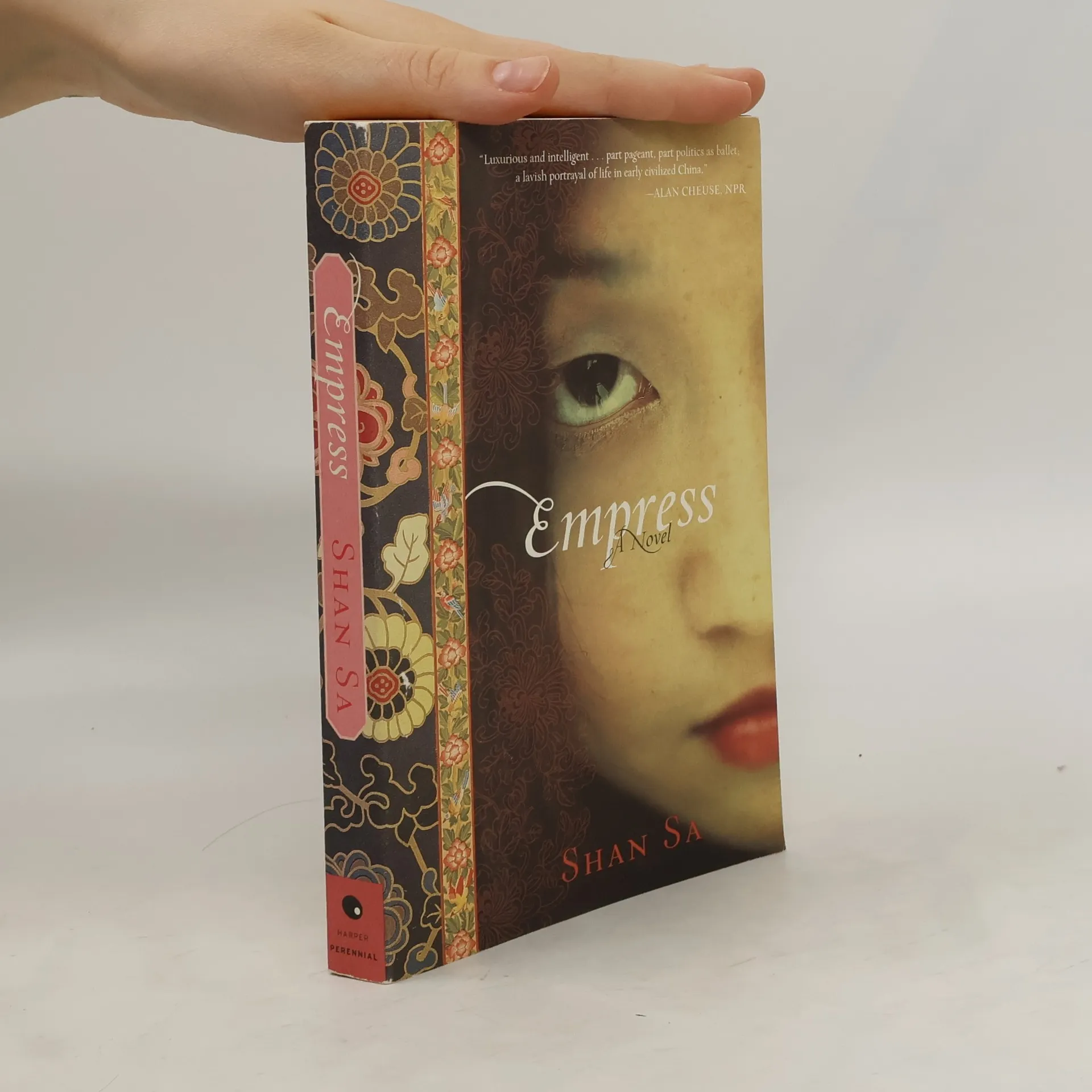
Such is the voice of Shan Sa's unforgettable heroine in her latest literary masterpiece, Empress . Empress Wu, one of China's most controversial figures, was its first and only female emperor, who emerged in the seventh century during the great Tang Dynasty and ushered in a golden age. Throughout history, her name has been defamed and her story distorted by those taking vengeance on a woman who dared to become emperor. But now, for the first time in thirteen centuries, Empress Wu (or Heavenlight, as we come to know her) flings open the gates of the Forbidden City and tells her own astonishing tale—revealing a fascinating, complex figure who in many ways remains modern to this day. Writing with epic assurance, poetry, and vivid historic detail, Shan Sa plumbs the psychological and philosophical depths of what it means to be a striving mortal in a tumultuous, power-hungry world. Empress is a great literary feat and a revelation for the ages.
The Girl Who Played Go
- 288bladzijden
- 11 uur lezen
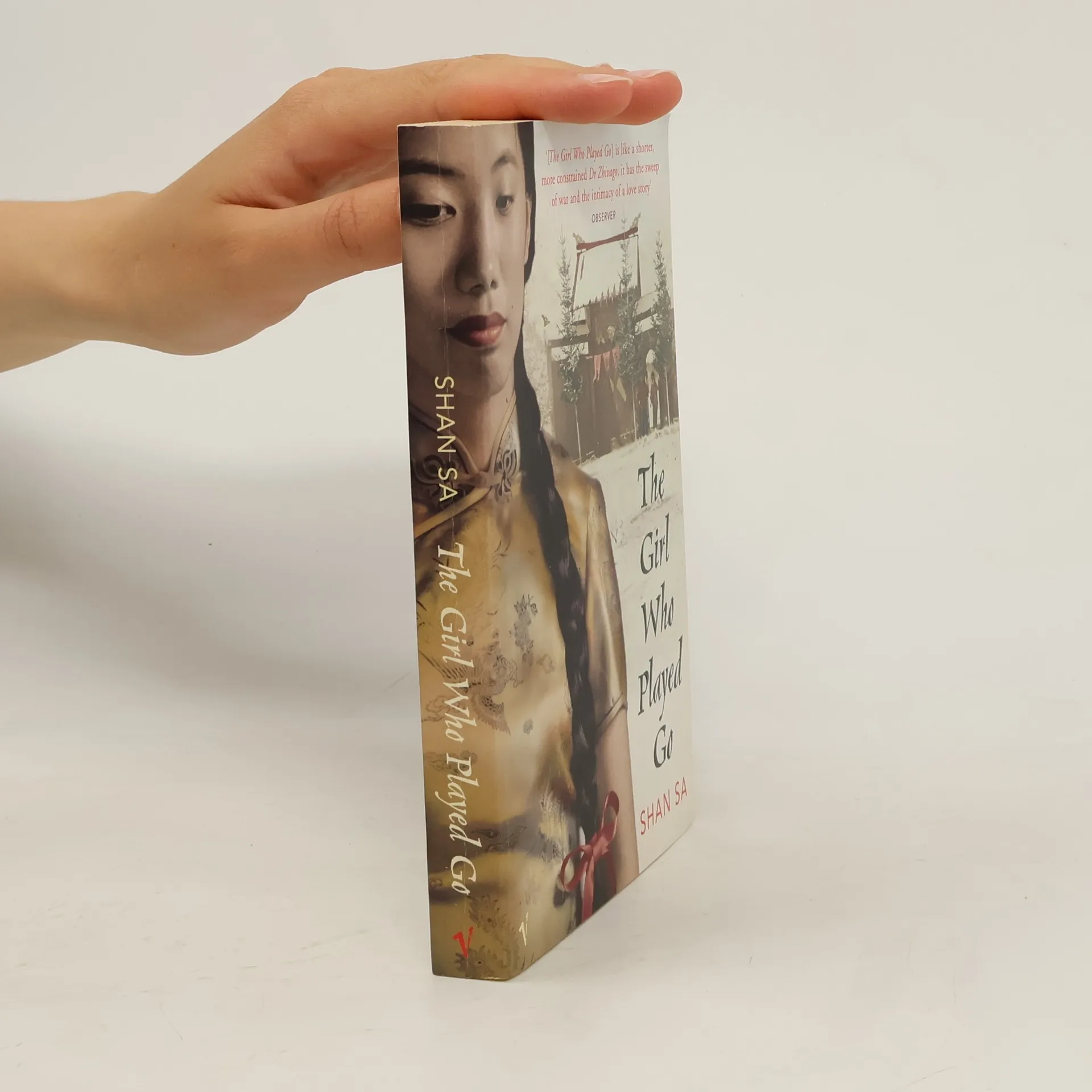
Set in Japanese-occupied Manchuria in the 1930s, The Girl who Played Go is a haunting tragedy, a shocking tale of love and war reflected in the age-old game of go. In the Square of a Thousand Winds, snow falls as a sixteen-year-old Chinese girl beats all-comers at the game of go. One of her opponents is, unknown to her, a young Japanese officer of the occupying power, rigidly militaristic, imbued with the imperial ethic, but far from home and intrigued by this young opponent. Their encounters are like the game itself, restrained, subtle and surprisingly fierce. But as their two stories unfold the Japanese army moves inexorably through their huge land, in the vanguard of a greater war, leaving blood and destruction in its wake.
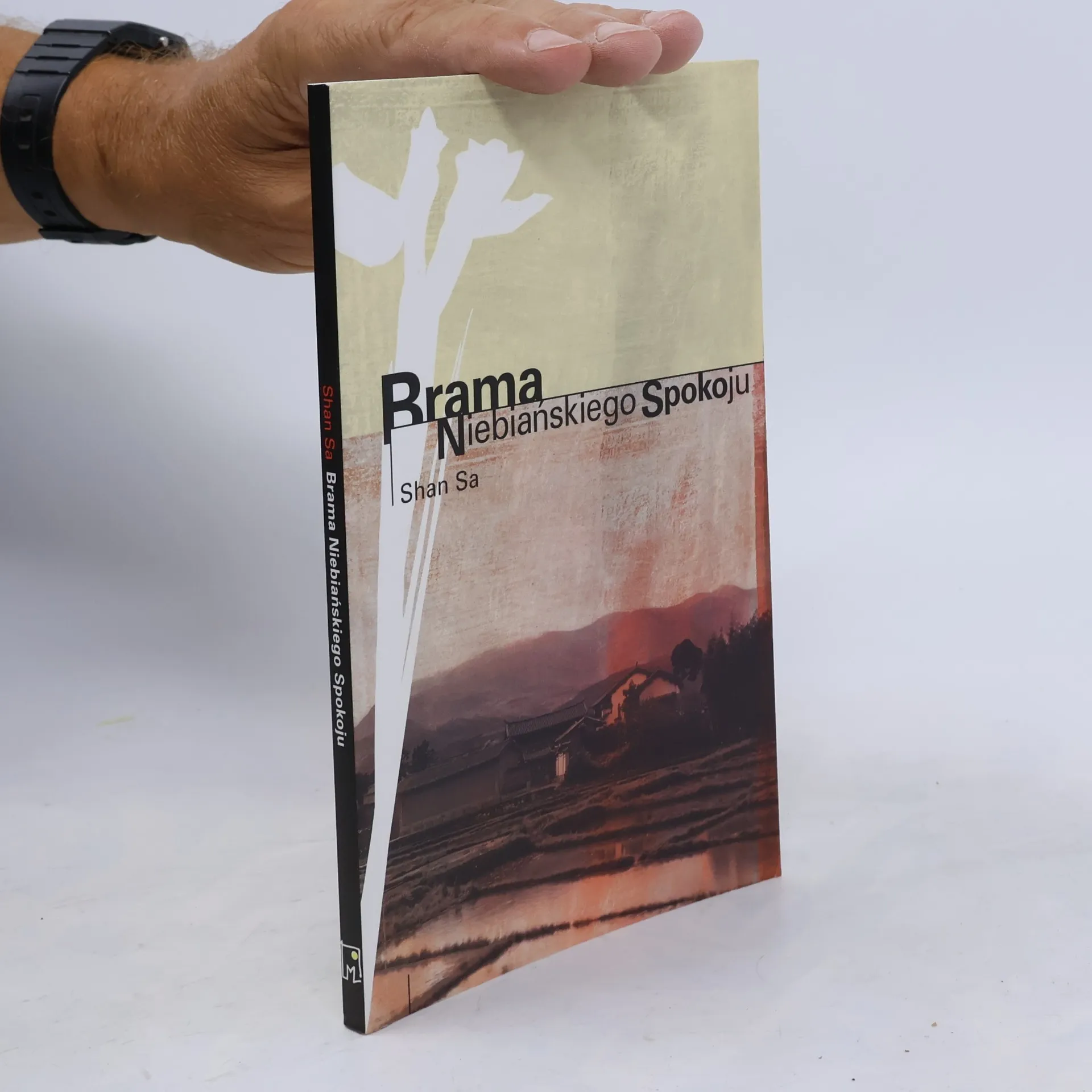
Brama Niebiańskiego Spokoju
- 128bladzijden
- 5 uur lezen
"The soldier Zhao and the young rebel Ayamei are wandering through the gloomy streets of Peking. The Place of Heavenly Peace[Tiananmen Square] is full of the students' blood. The blood of the children of the new China, brought up in the stifling ideology of Maoist regime. Ayamei goes into hiding, leaves Beijing, stays about 60 miles away, ultimately escapes to the mountains. Zhao untiringly follows her; her treads on her heels. His persistence matches his faith in the regime; it is blind and infinite ..."--Translated from p. [4] of cover.
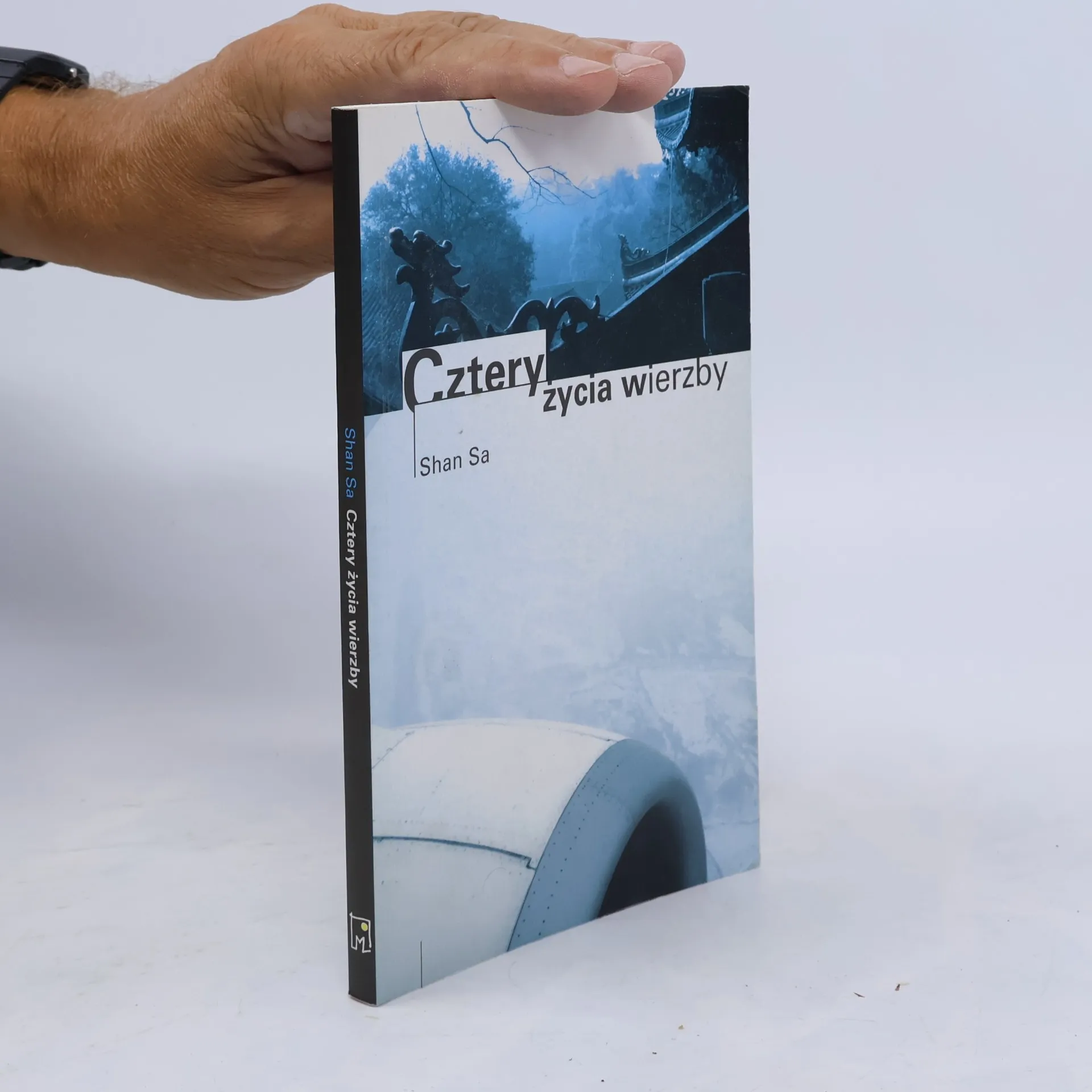
Cztery życia wierzby
- 175bladzijden
- 7 uur lezen
En Chine, le saule pleureur symbolise la mort et la renaissance. Faut-il croire qu'une branche de saule puisse devenir une femme condamnée à poursuivre l'amour de siècle en siècle ? D'un Pékin bruissant dans les songes et la poussière au silence de la Cité interdite, de l'ère des courtisanes vêtues de soie à la Révolution culturelle, des steppes où galopent les Tartares aux rizières qu'arrose le sang des gardes rouges, deux êtres se cherchent et se perdent. Tout les sépare. Toutes les tragédies d'un peuple ancien. Dans ce tumulte, il faudrait un miracle pour les réunir... Roman d'amour ? Oui. Mais ce roman lyrique est aussi une traversée de la Chine éternelle. C'est une fable qui a parfois le goût du thé amer.
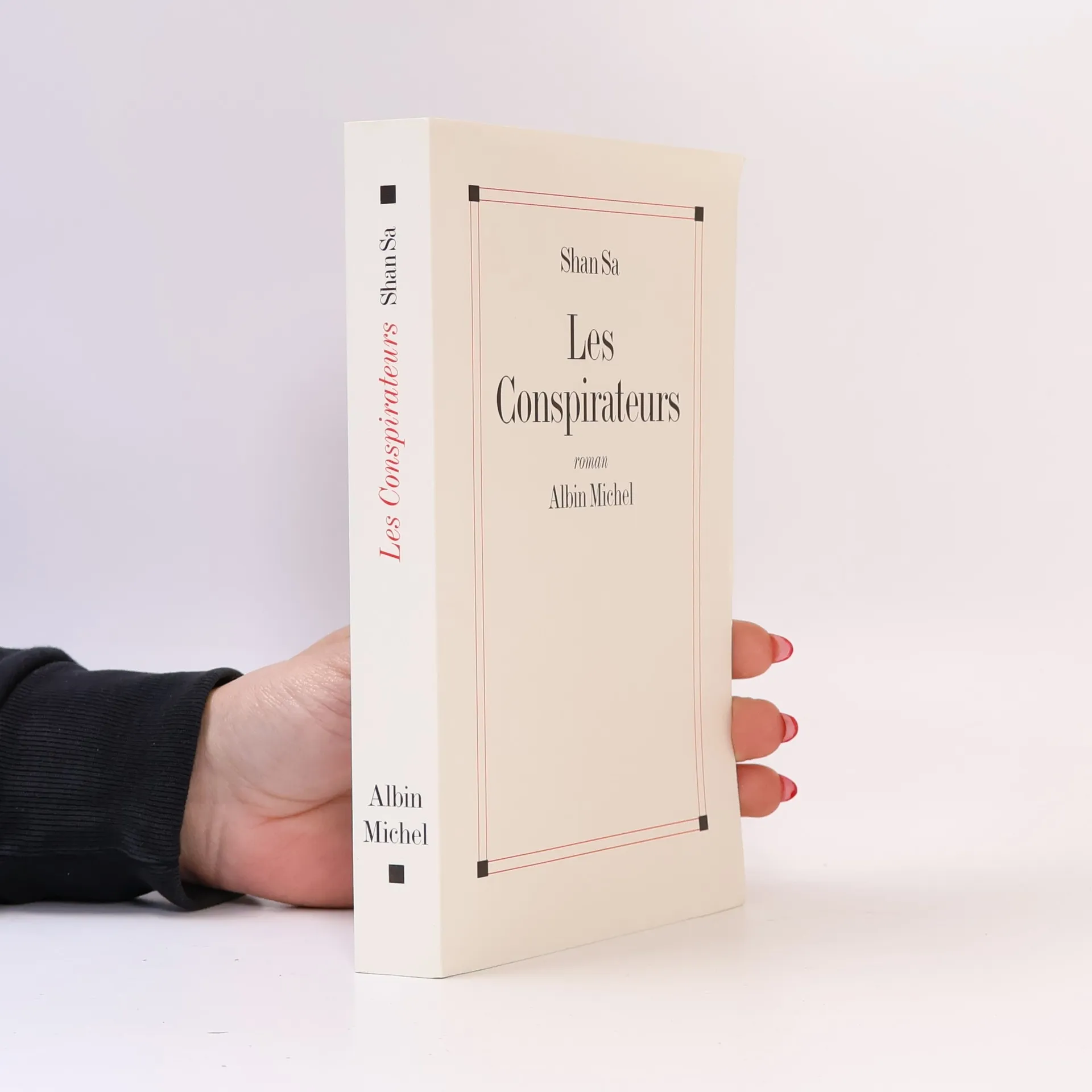
Les conspirateurs
- 288bladzijden
- 11 uur lezen
Blond, yeux bleus, sourire triomphant. Un Américain. Belle, déterminée, cruelle. Une Chinoise. Désabusé, cynique, ambitieux. Un Français. Paris, Pékin, Washington. Sur le grand échiquier planétaire, trois espions lancés dans un jeu de rôles et une course poursuite sans pitié, où plus personne ne sait qui est qui, qui aime qui.
Elle est issue d’un illustre clan de la plaine du Milieu. Dans ses veines coule le sang des plus hautes castes. Otage d’un capitaine de guerre, elle le suit à travers un pays ravagé, de champs de bataille en cités détruites jusqu’aux portes de la Cité Interdite, du trône impérial.Il est orphelin, pauvre, mais le seul luthier en ces temps d’invasions et de violence à pouvoir fabriquer la fabuleuse cithare aux sept cordes de soie inventée par le dieu Fu Xi. Sous ses doigts, le bois précieux du sarcophage de l’impératrice oubliée se transforme en musique, et l’amour renait, au-delà des siècles.
La giocatrice di go
- 221bladzijden
- 8 uur lezen