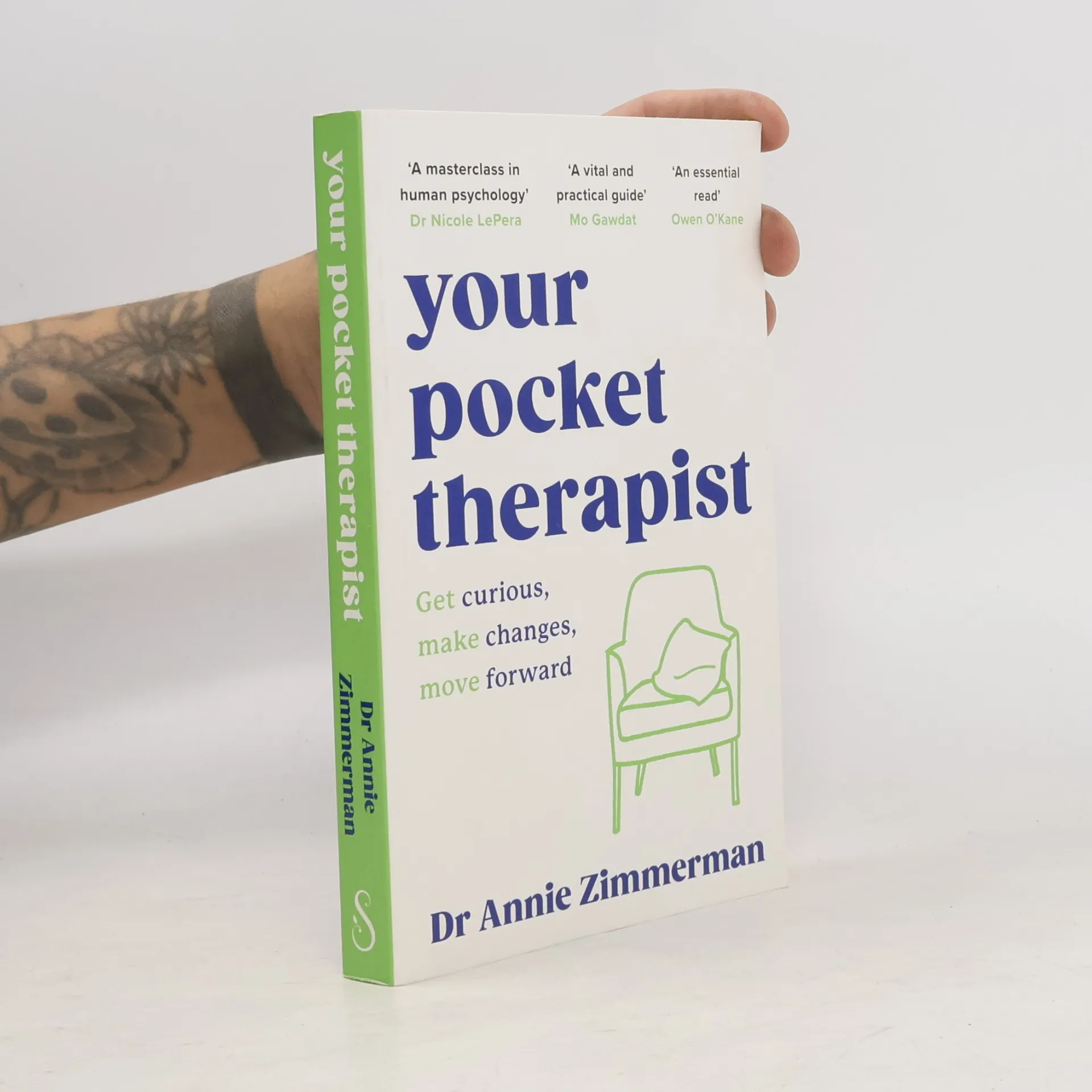
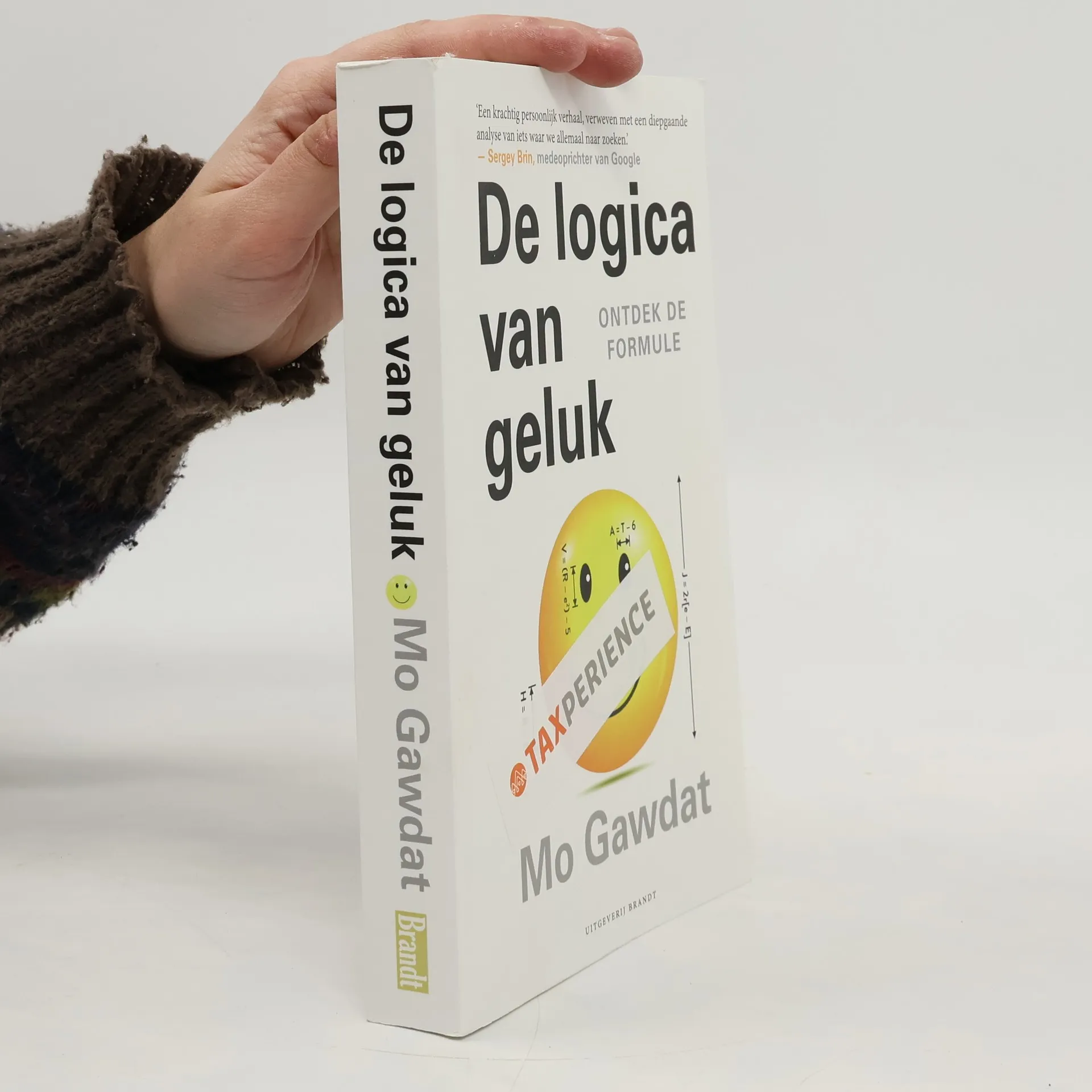
Hij was gezond, extreem rijk en succesvol, maar Mo Gawdat voelde zich diep ongelukkig. De huidige Chief Business Officer van de futuristische 'dromenfabriek' Google [X] besloot het fenomeen van gelukservaring te benaderen als een ingenieur: onderzoek de bewijsbare feiten en pas een analytische logica toe. Hij stelde zichzelf ten doel om een geluksformule te vinden die keer op keer zou kunnen worden toegepast op ieders leven, met geluk als voorspelbaar resultaat - telkens weer. Mo's zoektocht naar geluk kreeg een onverwachte wending toen zijn 21-jarige zoon Ali plotseling overleed. Zijn jarenlange onderzoek zou hem en zijn familie redden van de totale wanhoop. En tijdens de verwerking van dit grote verlies vond Mo een nieuwe missie: hij zou zijn bevindingen delen met de hele wereld om zo veel mogelijk mensen te helpen gelukkiger te worden. Zijn statement is duidelijk: ongeacht de hindernissen op ons pad, de lasten die we met ons meedragen en de beproevingen die we doorstaan, bezit ieder van ons het vermogen om gelukkig te zijn met het bestaan zoals het is. Hoe hij tot die overtuiging komt, lees je in dit positieve en optimistische boek.
Mo Gawdat Boeken

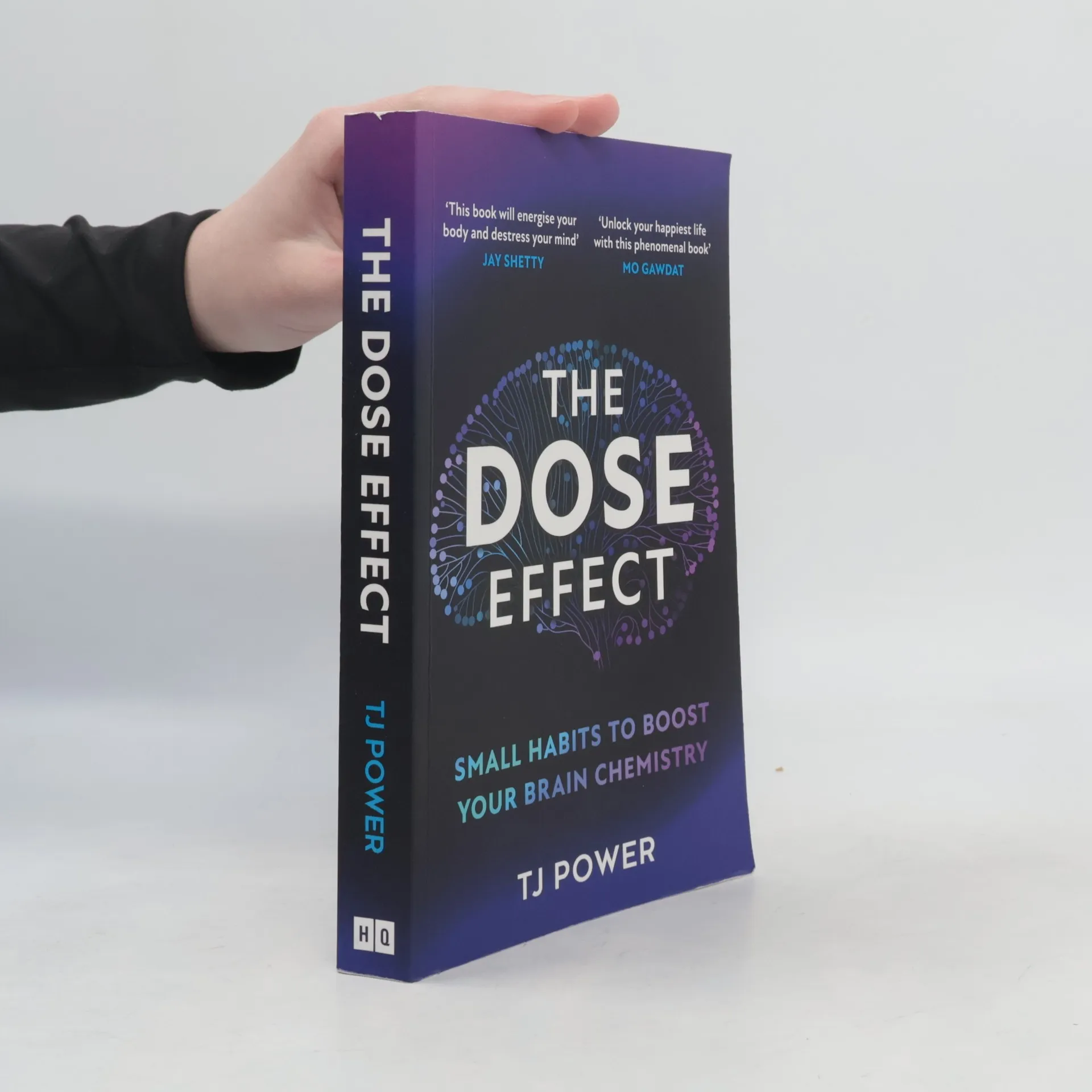
It's time to change your life in just four simple steps Optimise your brain chemistry in just 4 simple steps. Following practical step-by-step techniques and challenges, neuroscientist Tj Power will rewire your thinking for a happier, helathier and more productive life. [Bokinfo].
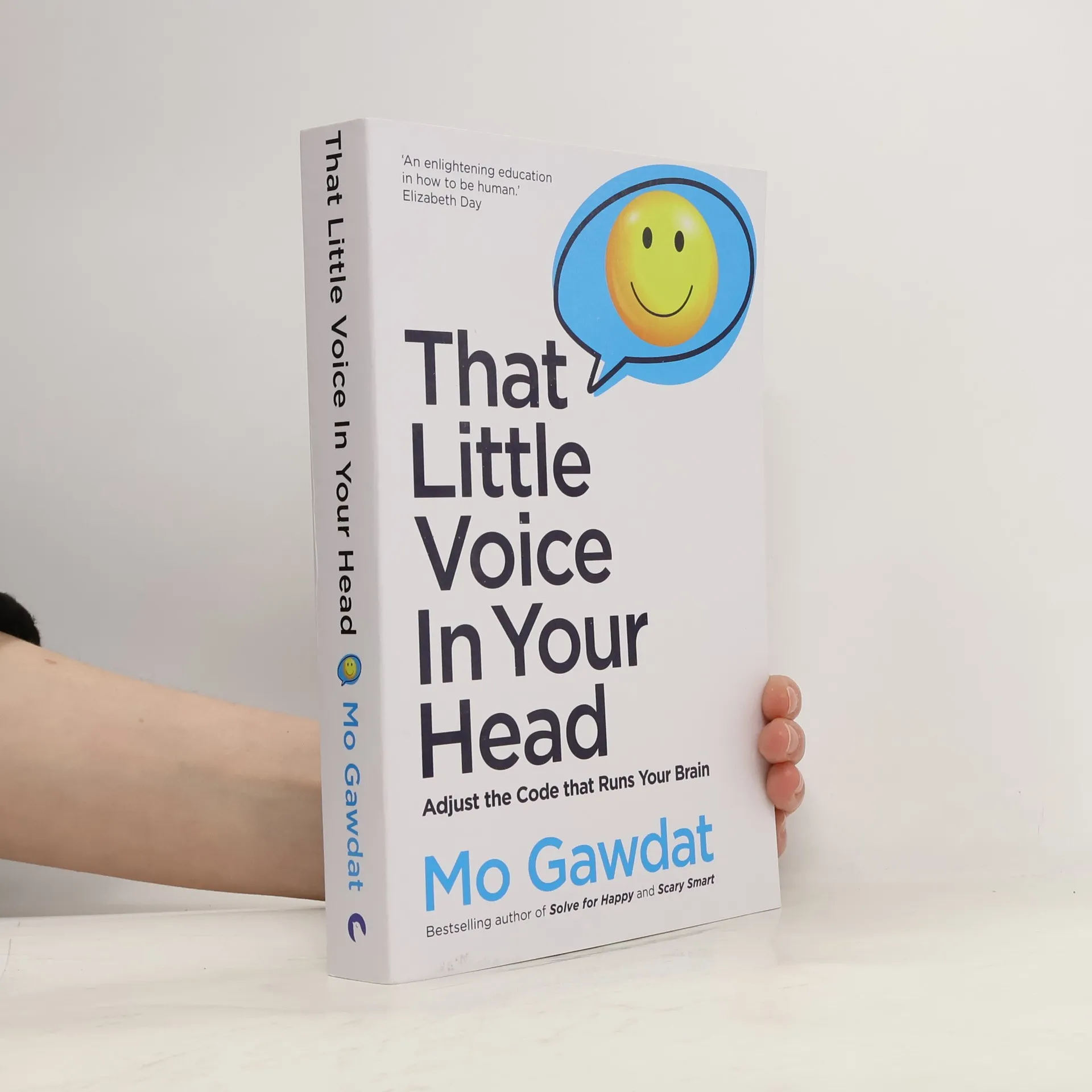
That Little Voice in Your Head is the practical guide to achieving joy from Mo Gawdat, the internationally bestselling author of Solve for Happy. In this book, Mo reveals how by beating negative self-talk, we can optimize our thinking, turning our greed into generosity, our apathy into compassion, and investing in our own happiness. This book provides readers with exercises to help reshape their mental processes. Drawing on his expertise in programming, his extensive study of neuroscience and of different spiritual teachings, Mo explains how - despite their incredible complexity - our brains behave in ways that are largely predictable. From these insights, he delivers this user manual for personal happiness. Inspired by the life of his late son, Ali, Mo Gawdat has set out to share a model for happiness based on generosity and peacefulness towards ourselves and others. Using his experience as a former Google executive, this book reveals part of his 'code' for reprogramming our brain and moving away from the misconceptions modern life gives us.
Unstressable
- 368bladzijden
- 13 uur lezen
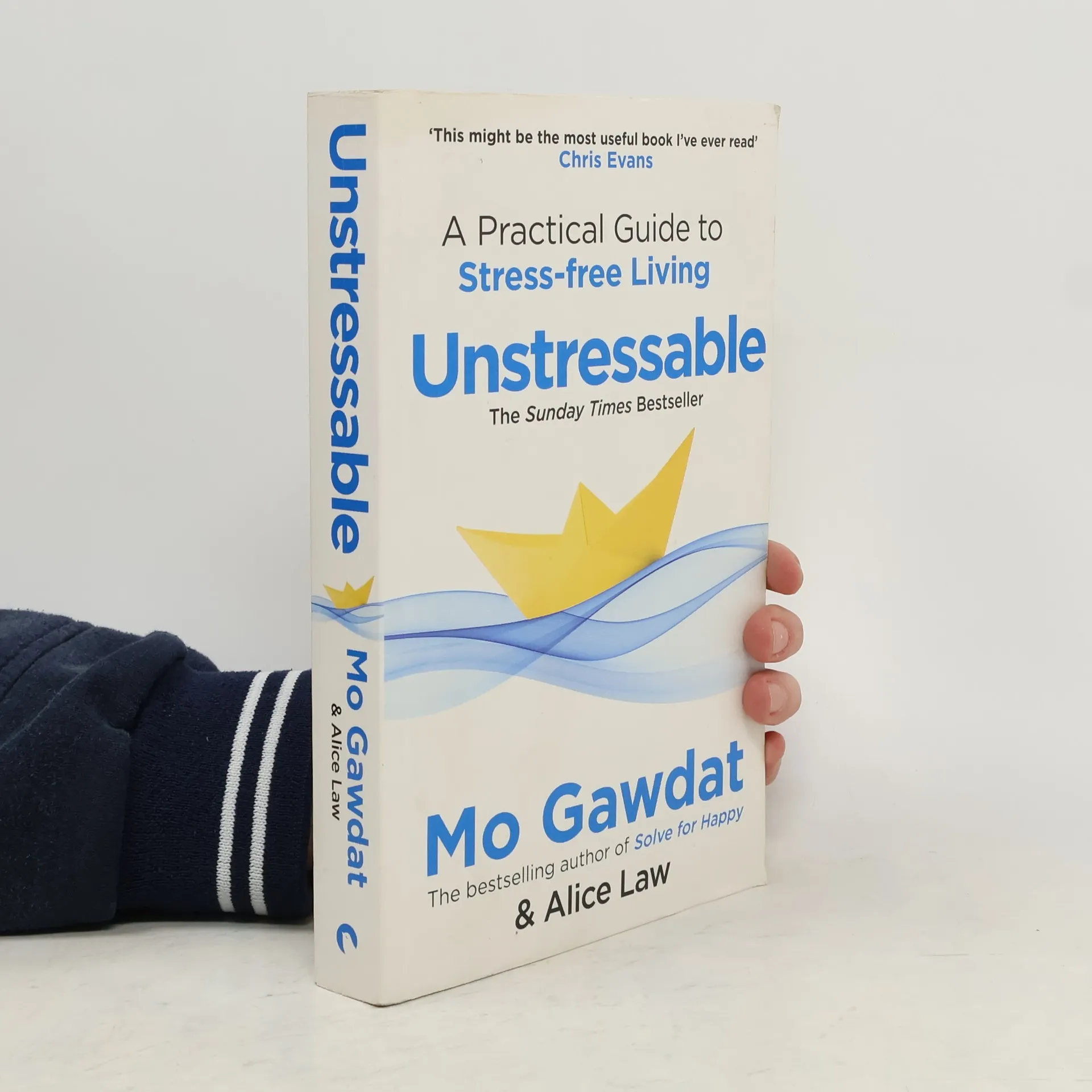
Unstressable applies author of Solve for Happy and Scary Smart Mo Gawdat's brilliant engineering mind and Alice Law's psychology and stress-management expertise to the 'stress pandemic'. 'Everything he writes is an enlightening education in how to be human.' - Elizabeth Day This follow up to bestselling Solve For Happy will show you that chronic stress is not an unavoidable part of modern life, but a predictable - and therefore preventable - response, often as much to do with negative thought patterns as external circumstances. Mo explains how he made it through the most acutely stressful times in his own life, and the book touches on the idea of post-traumatic growth - both on a personal level and in response to huge events that affected all of us, such as the COVID pandemic and subsequent economic turmoil. Practical exercises will help you build up the skills to manage stress no matter your circumstances, backed up by neuroscience and accessible psychology.
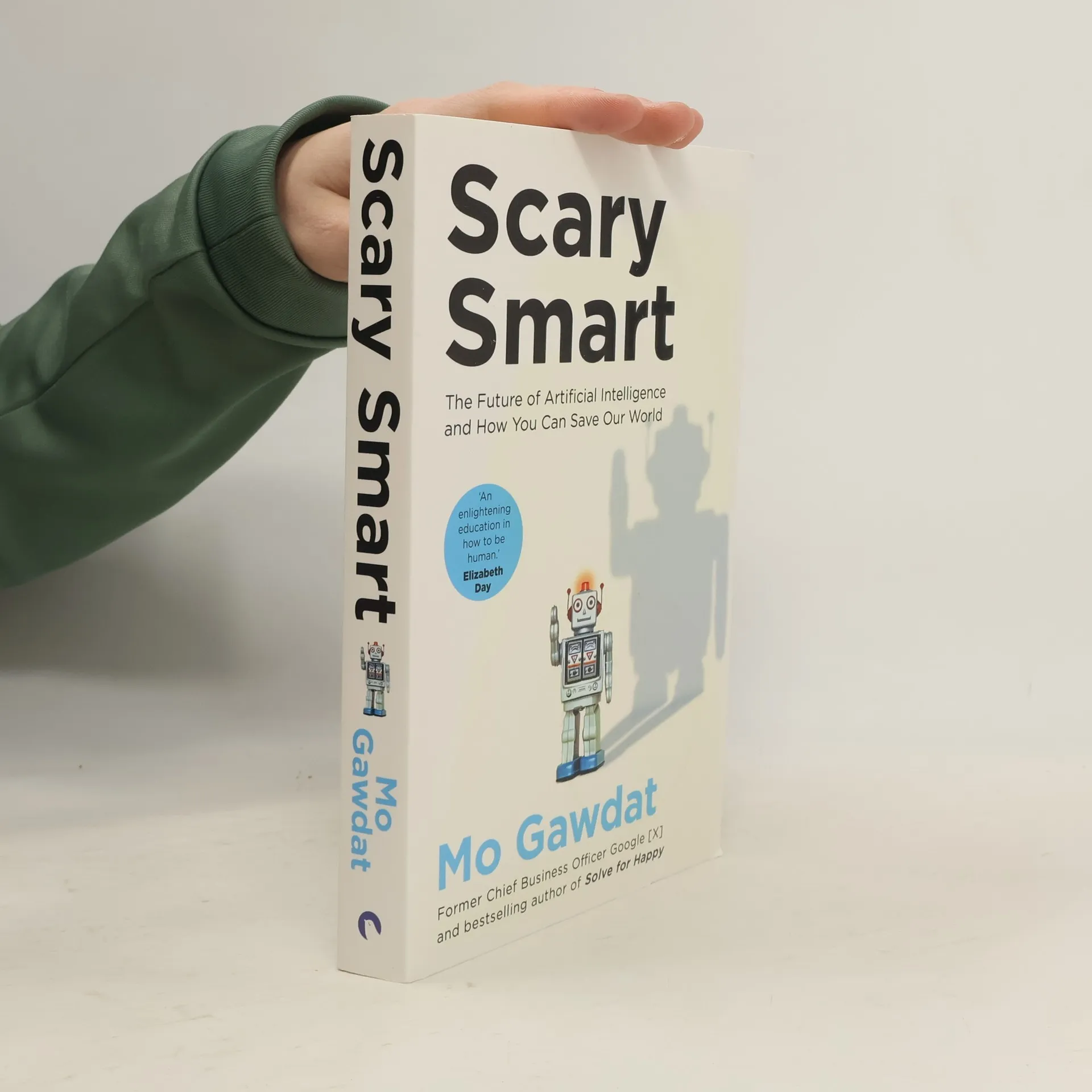
'There has never been a time when the risk of technology ruining our humanity has been bigger. This book is not for the engineers that write the code, the policy makers who claim they can regulate it or the experts that keep creating the buzz around it. They all know what I'm about to tell you. This is a book for you. Because, believe it or not, you are the only one that can fix it' Mo Gawdat No one is better placed than Mo Gawdat to explain how the technology of the future works, how it could be designed to work against us and what we can do to change that. The internationally bestselling author of Solve for Happy and former chief business officer of Google X (the 'moonshot' innovation arm of Google) with more than thirty years' experience working at the cutting-edge of technology, turns his attention to cyber innovation; what it gets right and the many, many things it gets wrong. Artificial intelligence is already smarter than humans in many ways, but, like so much of life, the output is designed by the input, with automated algorithms reflecting an imperfect world. So, how can we change that? In Scary Smart, Mo Gawdat draws on his considerable expertise to answer this question and to show what we can all do now to teach ourselves and our machines how to live better.
Unstressbar
- 416bladzijden
- 15 uur lezen
In "Unstressbar" bieten Mo Gawdat und Alice Law Strategien zur Stressbewältigung in einer hektischen Welt. Sie identifizieren vier Stressoren und zeigen, wie man diese frühzeitig erkennt und vermeidet. Mit praktischen Übungen und neurowissenschaftlichen Erkenntnissen wird Stress als behandelbar dargestellt.
Děsivě chytré
- 304bladzijden
- 11 uur lezen
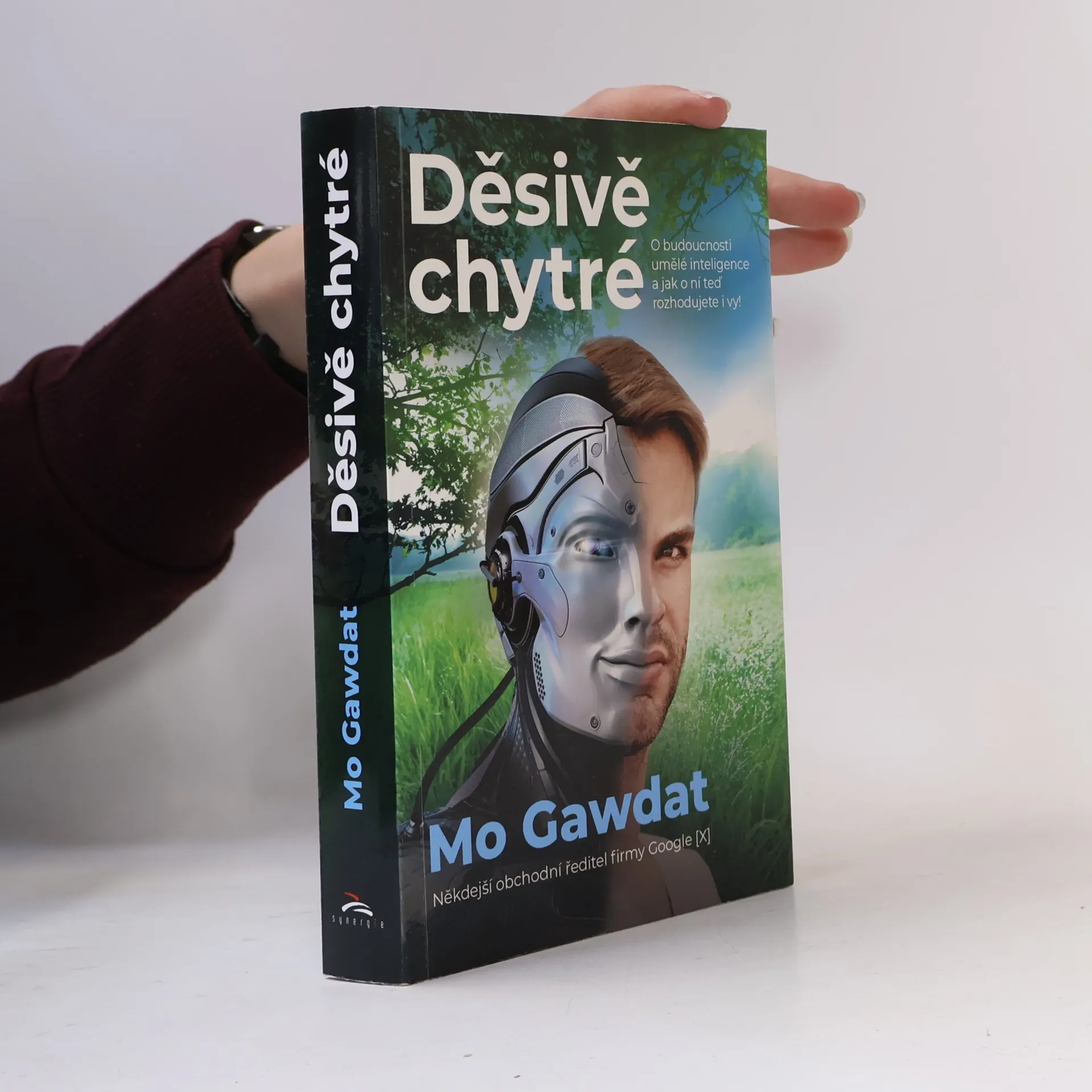
O budoucnosti umělé inteligence a jak o ní teď rozhodujete i vy! AI je tou největší změnou, jakou kdy lidstvo zažilo. Bez přehánění. Všechny zásadní změny jsme dosud prováděli my. AI se vytváří sama. Bude se zdokonalovat nad rámec našich možností. A výsledky budou ze samé podstaty nepředstavitelné. Každý obyvatel naší planety by se měl na tuto změnu připravit. Více než třicetiletá zkušenost na špičce technologického vývoje a jeho bývalá role obchodního ředitele společnosti Google [X] dává Mo Gawdatovi jedinečnou schopnost srozumitelně vysvětlit, jak bude umělá inteligence v budoucnosti fungovat a co můžeme udělat, abychom naučili sebe i naše stroje žít lépe – přece jen jsme to my, kdo navrhujeme algoritmy, řídíme fungování AI a sytíme ji otázkami a úkoly, jejichž povaha a charakter určují i povahu a charakter umělé inteligence. Do roku 2049 bude umělá inteligence miliardkrát inteligentnější než člověk, ale zásadní bude to, co ji naučíme. Tato kniha nám přináší naději, že pokud budeme jednat moudře, můžeme zajistit, že technologie bude sloužit lidstvu, nikoli ho ohrožovat. Je plná moudrosti a vyzývá nás k zamyšlení nad tím, zda jsou prodávání, zabíjení a narcisismus opravdu těmi nejvyššími cíli, pro které chceme AI využít.
Die kleine Stimme im Kopf
Wie man sein Denken neu ausrichtet – und glücklicher wird
- 224bladzijden
- 8 uur lezen