Robert D. Kaplan offers up a vivid snapshot of the nations surrounding the South China Sea, the conflicts brewing in the region at the dawn of the twenty-first century, and their implications for global peace and stability.
Robert Kaplan Volgorde van de boeken (chronologisch)
Robert en Ellen Kaplan beschikken over een schat aan ervaring in wiskundeonderwijs, waarbij ze studenten van alle leeftijden hebben onderwezen aan gerenommeerde instellingen, waaronder Harvard University. Hun gezamenlijke werk is erop gericht complexe wiskundige ideeën te demystificeren en te verhelderen voor een algemeen publiek. Door middel van hun schrijven verkennen ze diepgaande concepten zoals oneindigheid en de aard van getallen, waardoor deze toegankelijk en boeiend worden. Hun benadering onthult de inherente schoonheid en onderlinge verbondenheid van wiskunde in onze wereld.


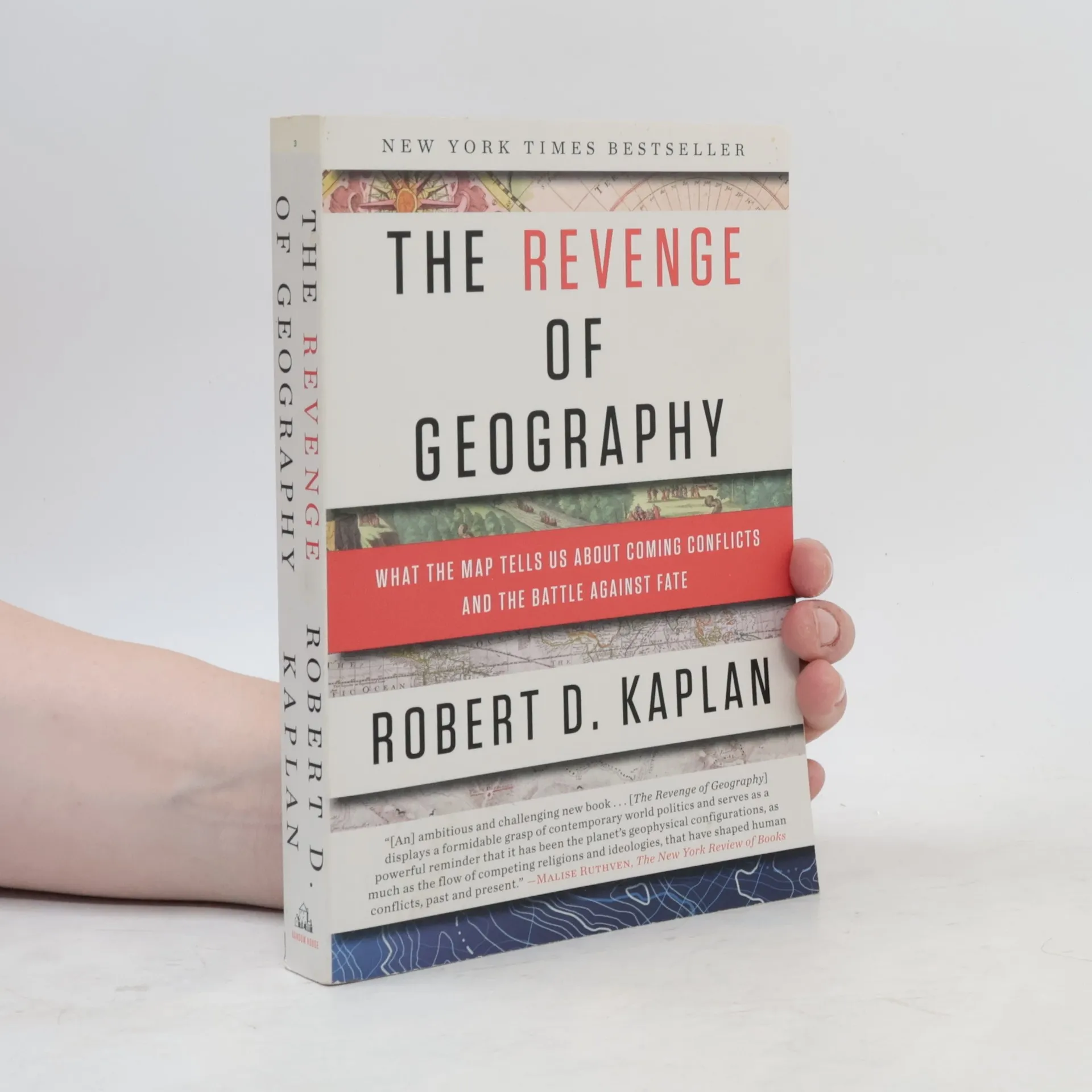
The Revenge of Geography
- 448bladzijden
- 16 uur lezen
The insights, discoveries and theories of great geographers and geopolitical thinkers of the past look back at critical pivotal events in history and then look forward at the evolving global scene
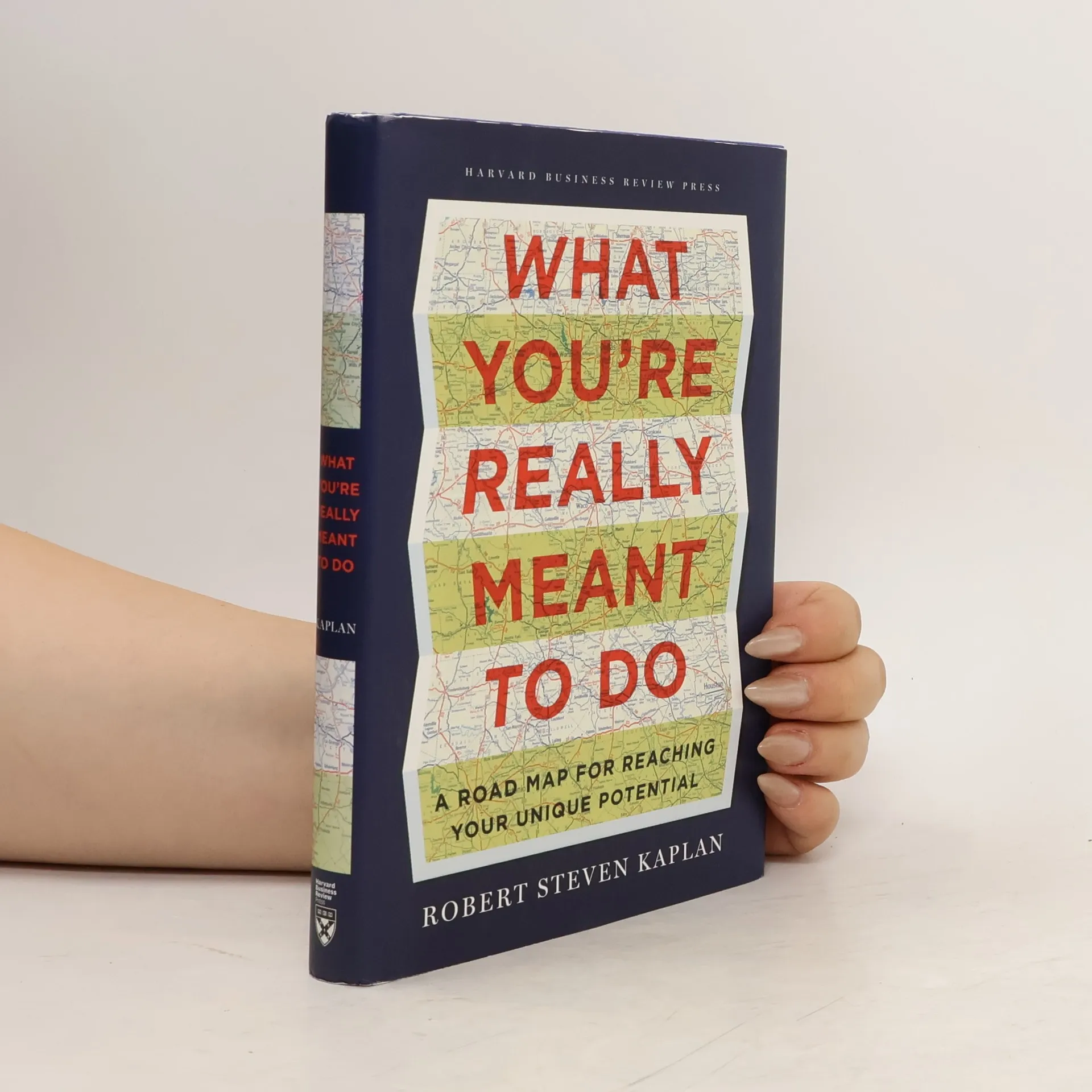
What You're Really Meant to Do
- 219bladzijden
- 8 uur lezen
Kaplan describes a specific and actionable roadmap for helping readers define their own success and reach their unique potential. This effort requires several key steps in an integrated process, as well as a high level of motivation and hard work.
Hidden Harmonies
- 304bladzijden
- 11 uur lezen
A squared plus b squared equals c squared. It sounds simple, doesn't it? Yet this familiar expression is a gateway into the riotous garden of mathematics, and sends us on a journey of exploration in the company of two inspired guides, who trace the life of the Pythagorean theorem from ancient Babylon to the present, visiting along the way Leonardo da Vinci, Albert Einstein, President James Garfield, and the Freemasons--not to mention the elusive Pythagoras himself. Why does this theorem have more than two hundred proofs--or is it four thousand? And it has even more applications than proofs: Ancient Egyptians used it for surveying, and today astronomers call on it to measure the distance between stars. It works not just in two dimensions, but any number you like, up to infinity. And perhaps most intriguing of all, it opened the door to the world of irrational numbers.--From publisher description
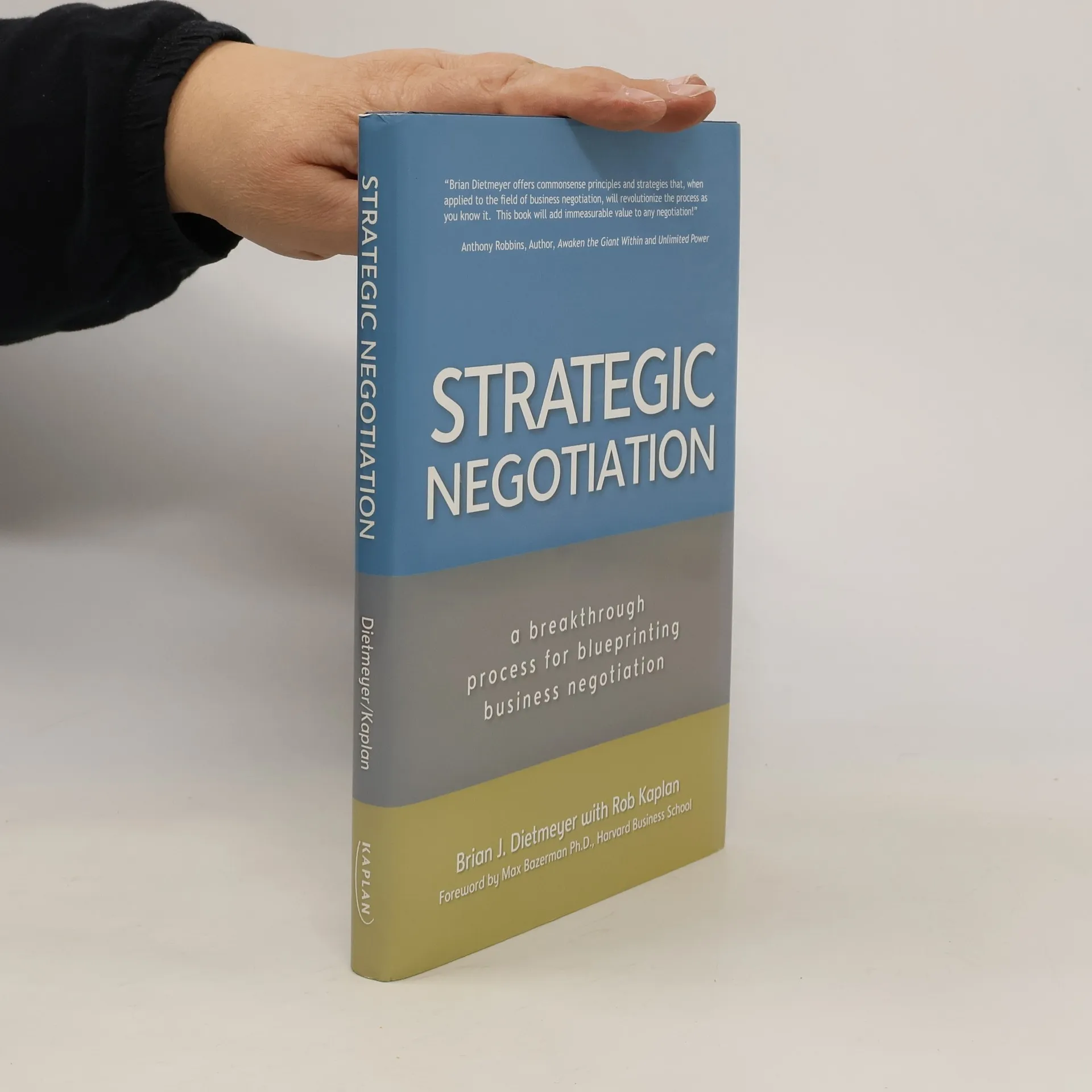
Strategic Negotiation
- 224bladzijden
- 8 uur lezen
Klinische Ökonomik : Effektivität & Effizienz von Gesundheitsleistungen
- 372bladzijden
- 14 uur lezen
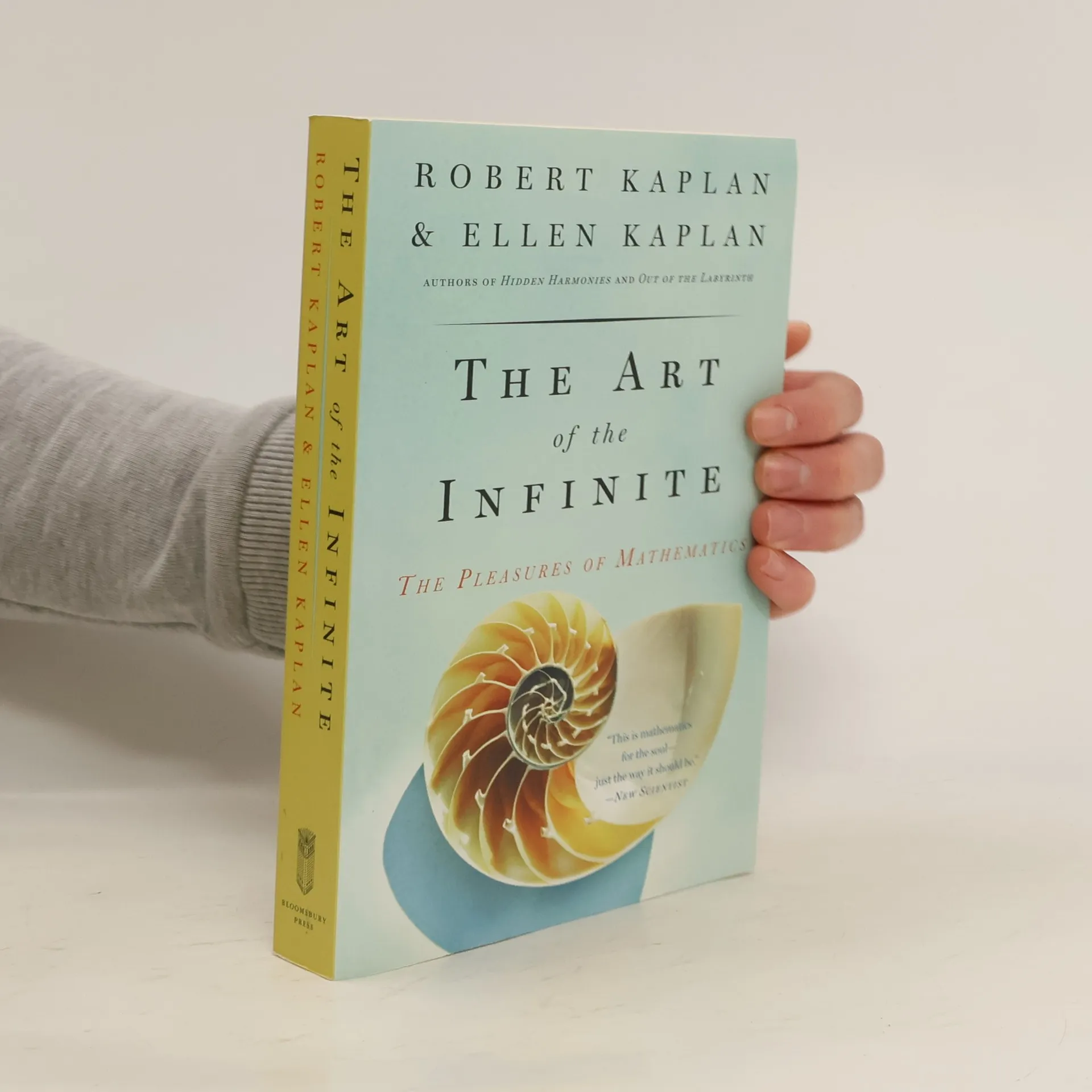
Traces the development of mathematical thinking and describes the characteristics of the "republic of numbers" in terms of humankind's fascination with, and growing knowledge of, infinity.
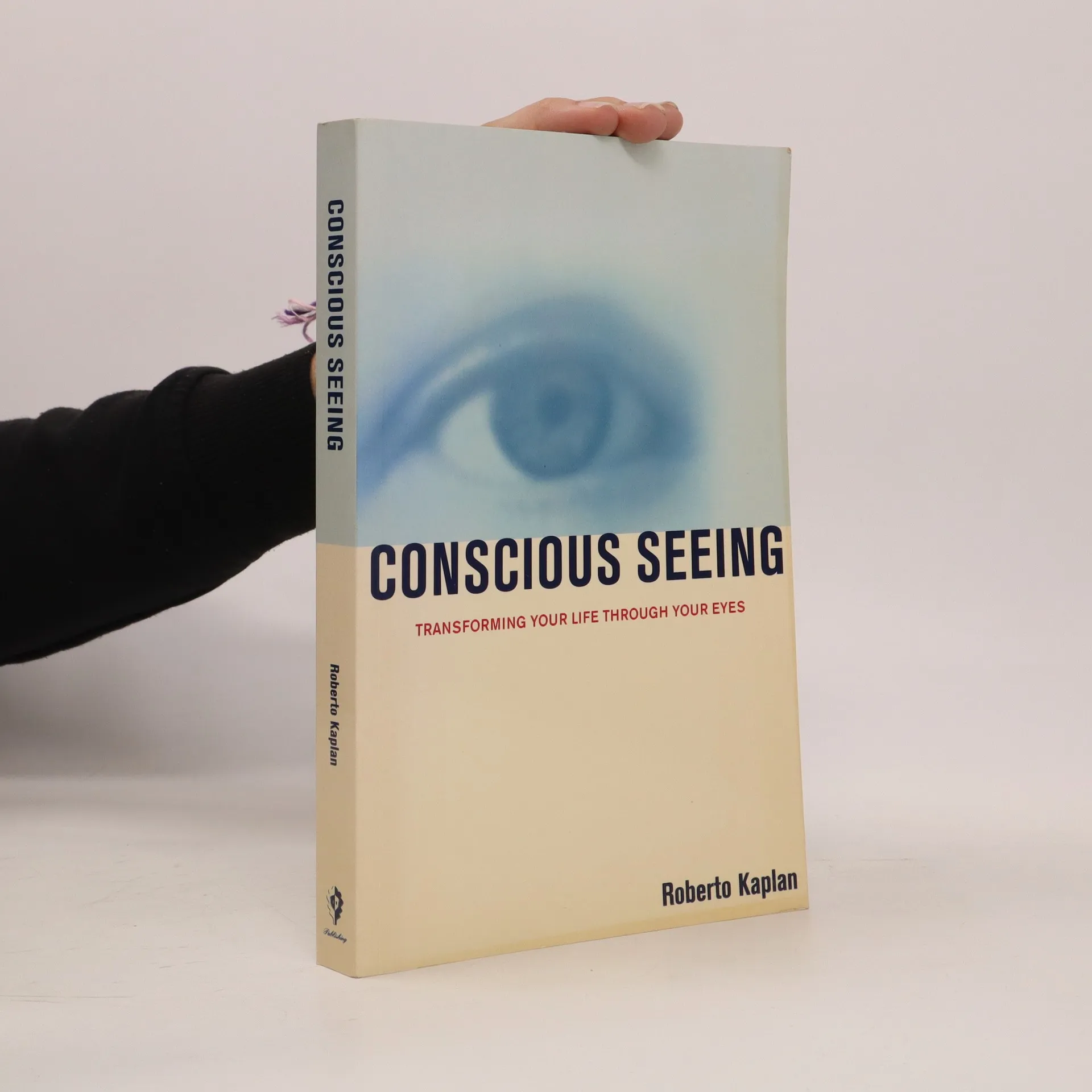
Conscious Seeing
- 224bladzijden
- 8 uur lezen
If the eyes are indeed the “windows to the soul,” then there might be a deeper significance to the emergence of an eye problem like nearsightedness than one might think. In Conscious Seeing , Dr. Roberto Kaplan explains that how we see is the largest determining factor in what we see. When we look at our eyes beyond the diagnosis of a problem, we can come to understand that visual symptoms are valuable messages through which we can be more aware of our true nature. An insightful, practical, and holistic approach to eye care, Conscious Seeing gives you the tools to reprogram your consciousness and gain skills for modifying your perception.
Zero. Storia di una cifra
- 325bladzijden
- 12 uur lezen
The Nothing That Is
- 256bladzijden
- 9 uur lezen
The 'invention' of zero made arithmetic infinitely easier - try doing division in Roman numerals - and it now forms part of the binary code which powers all our computers. Robert Kaplan traces 'the nothing that is' back to its origins as two wedges pressed into a wet lump of Sumerian clay. He explores the contributions of Greeks, Mayans, Hindus and humanists, and shows how zero opened the door to the strange complexities of irrational, infinitesimal and imaginary numbers. 'If you look at zero,' he writes, 'you see nothing; but look through it and you will see the world.'
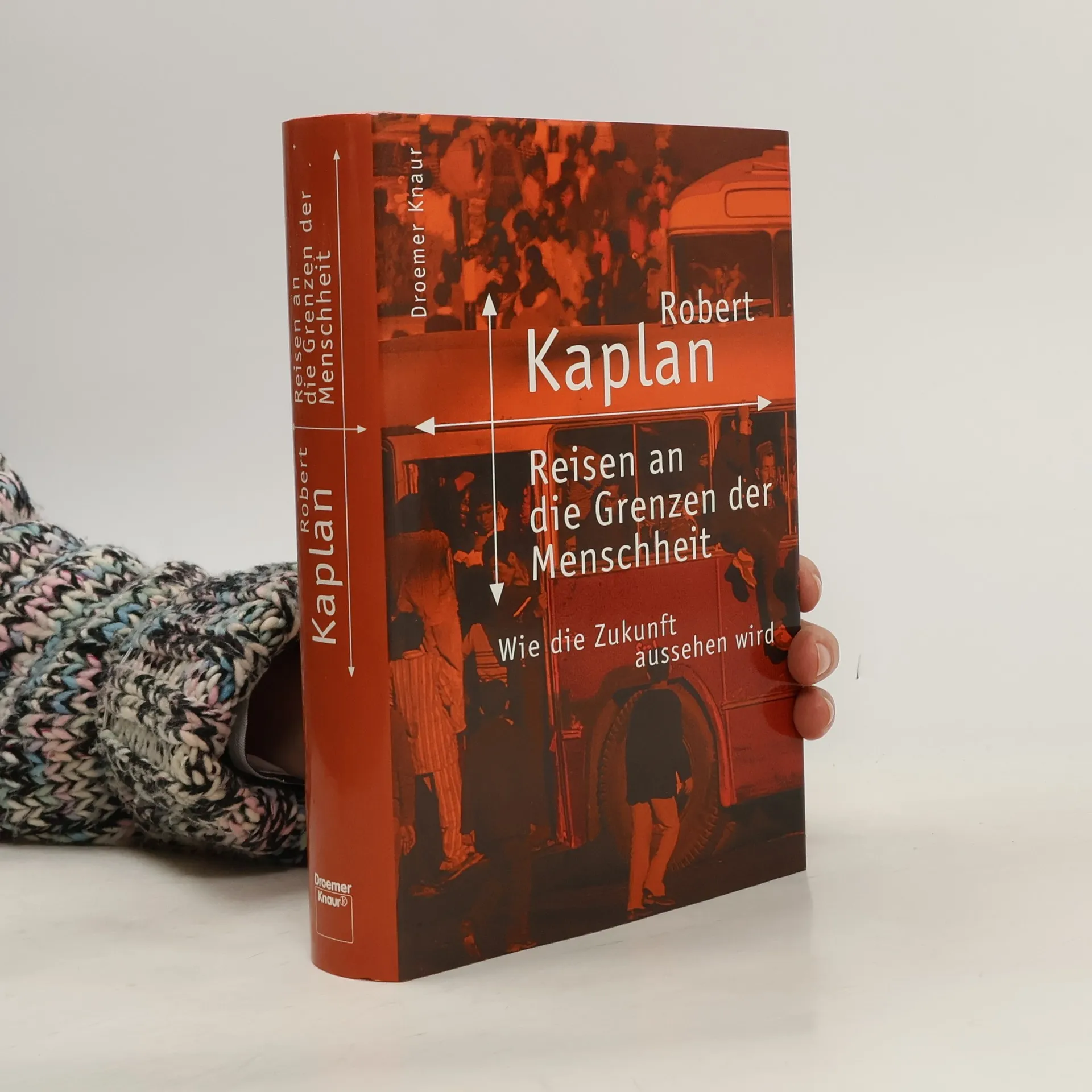
Reisen an die Grenzen der Menschheit
- 496bladzijden
- 18 uur lezen
Zdravie a správanie človeka
- 456bladzijden
- 16 uur lezen
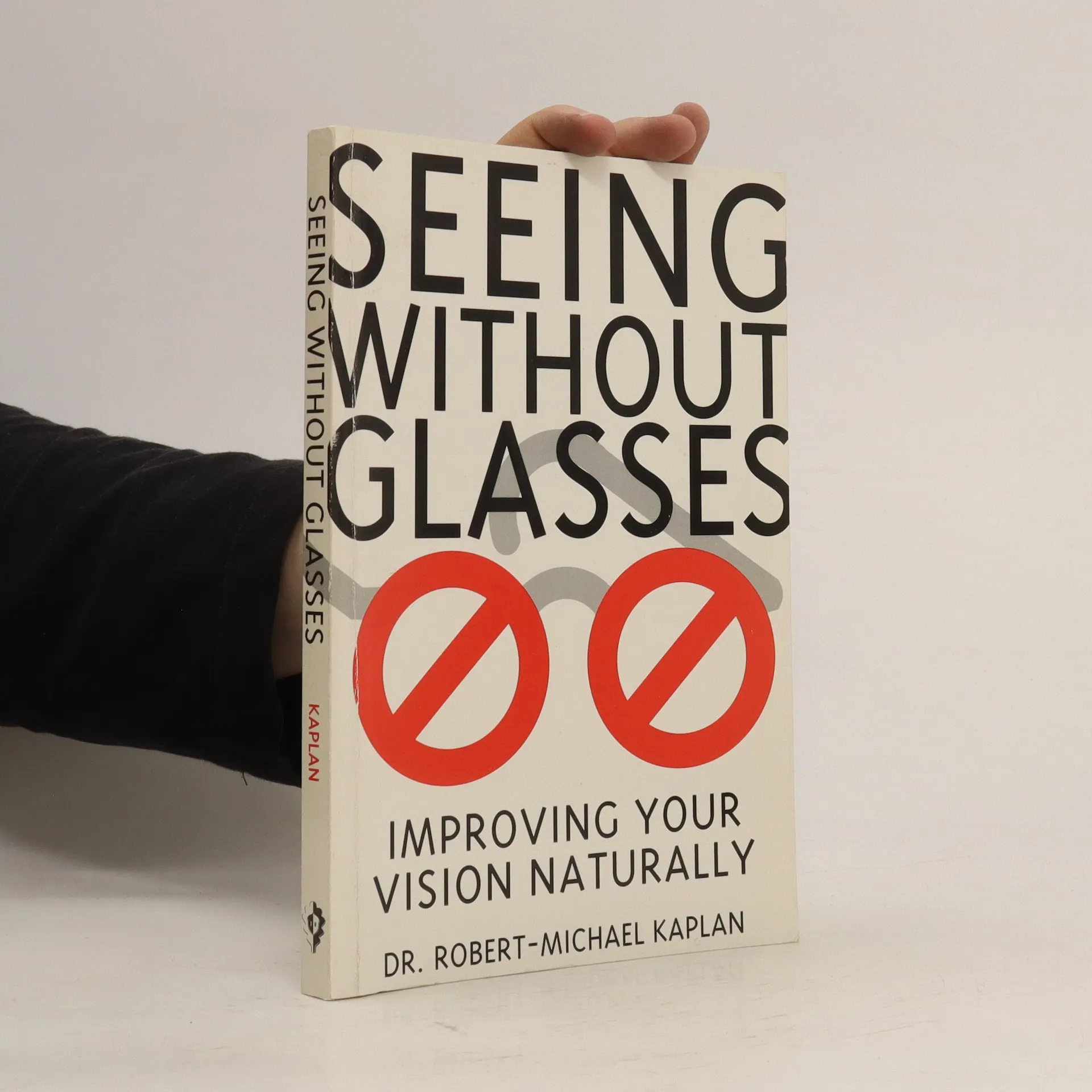
Seeing Without Glasses
- 188bladzijden
- 7 uur lezen
According to the author you can improve your vision through unique exercises, proper diet and even by modifying your thought patterns. B/W illus.