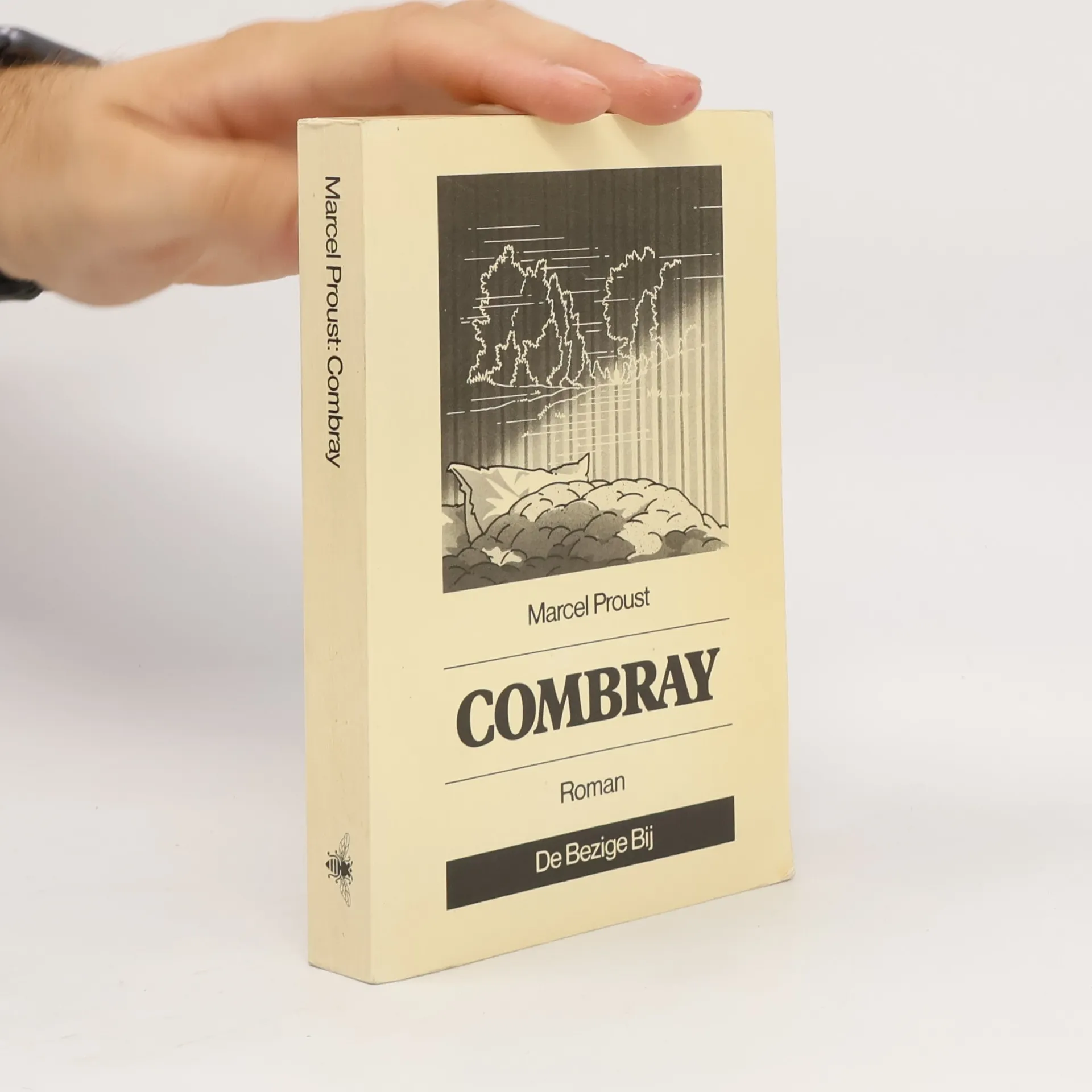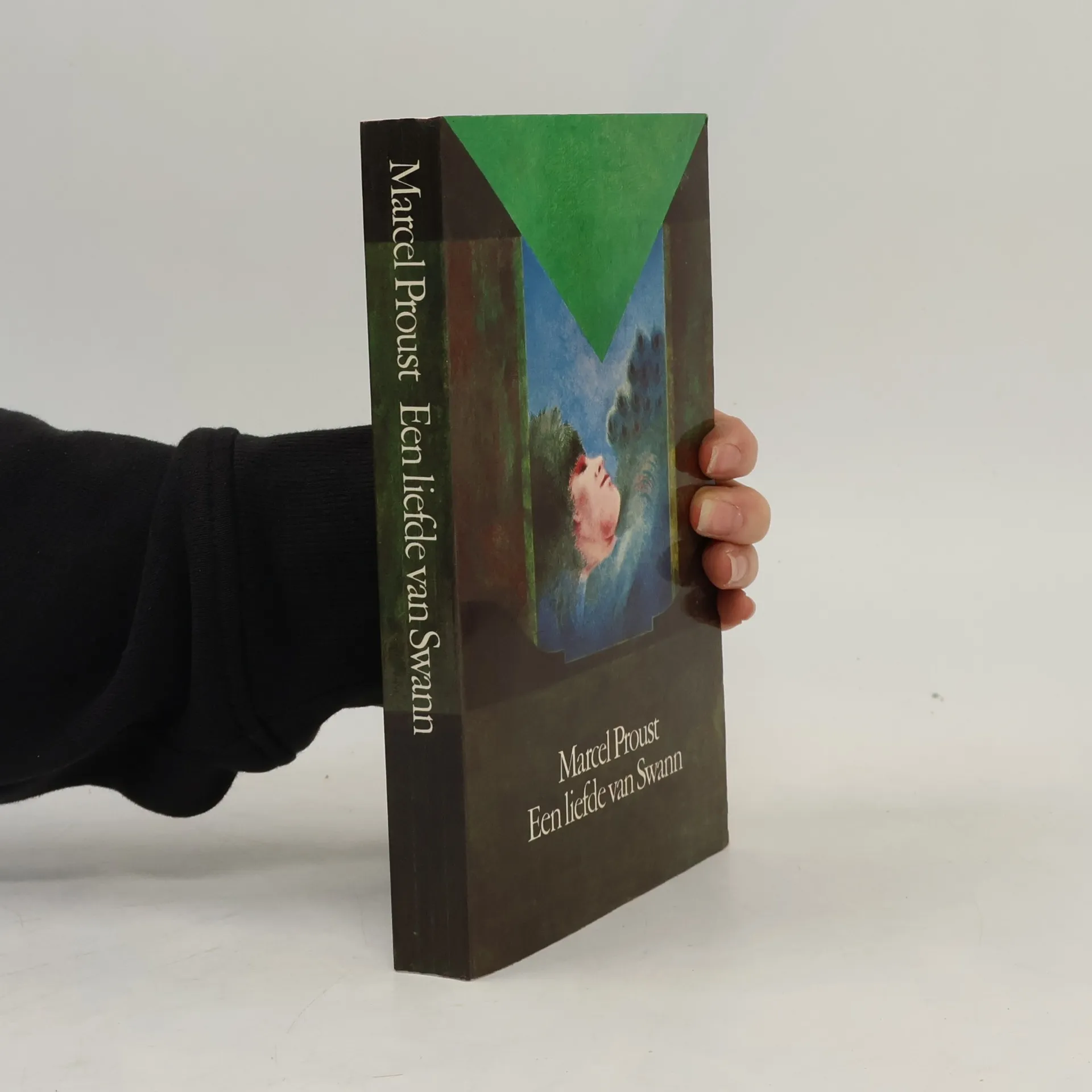
Bookbot

Marcel Proust

    10 juli 1871 – 18 november 1922

    Deze Franse romanschrijver wordt algemeen erkend als een van de grootste auteurs van de 20e eeuw. Zijn monumentale werk, grotendeels geschreven in een stroom van bewustzijn-stijl, wordt beschouwd als een van de meest oogverblindende en belangrijke literaire prestaties van de moderne tijd. Door zijn unieke stem duikt hij in thema's als herinnering, tijd en maatschappelijke nuances, en biedt hij diepgaand inzicht in de menselijke psyche. Zijn onderscheidende aanpak en ongeëvenaarde toewijding hebben zijn plaats als een torenhoge figuur in de literaire geschiedenis verstevigd.

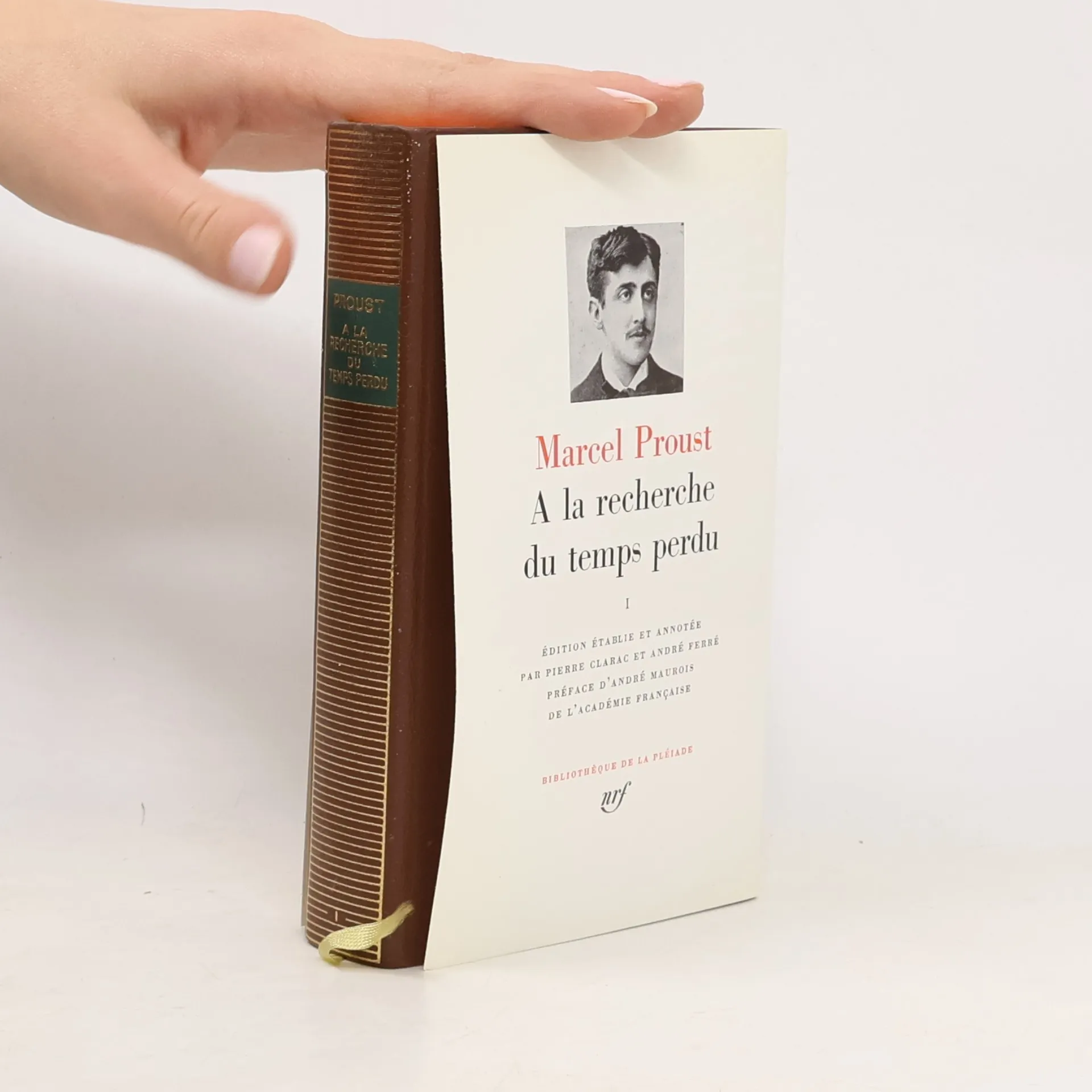
    Marcel Proust
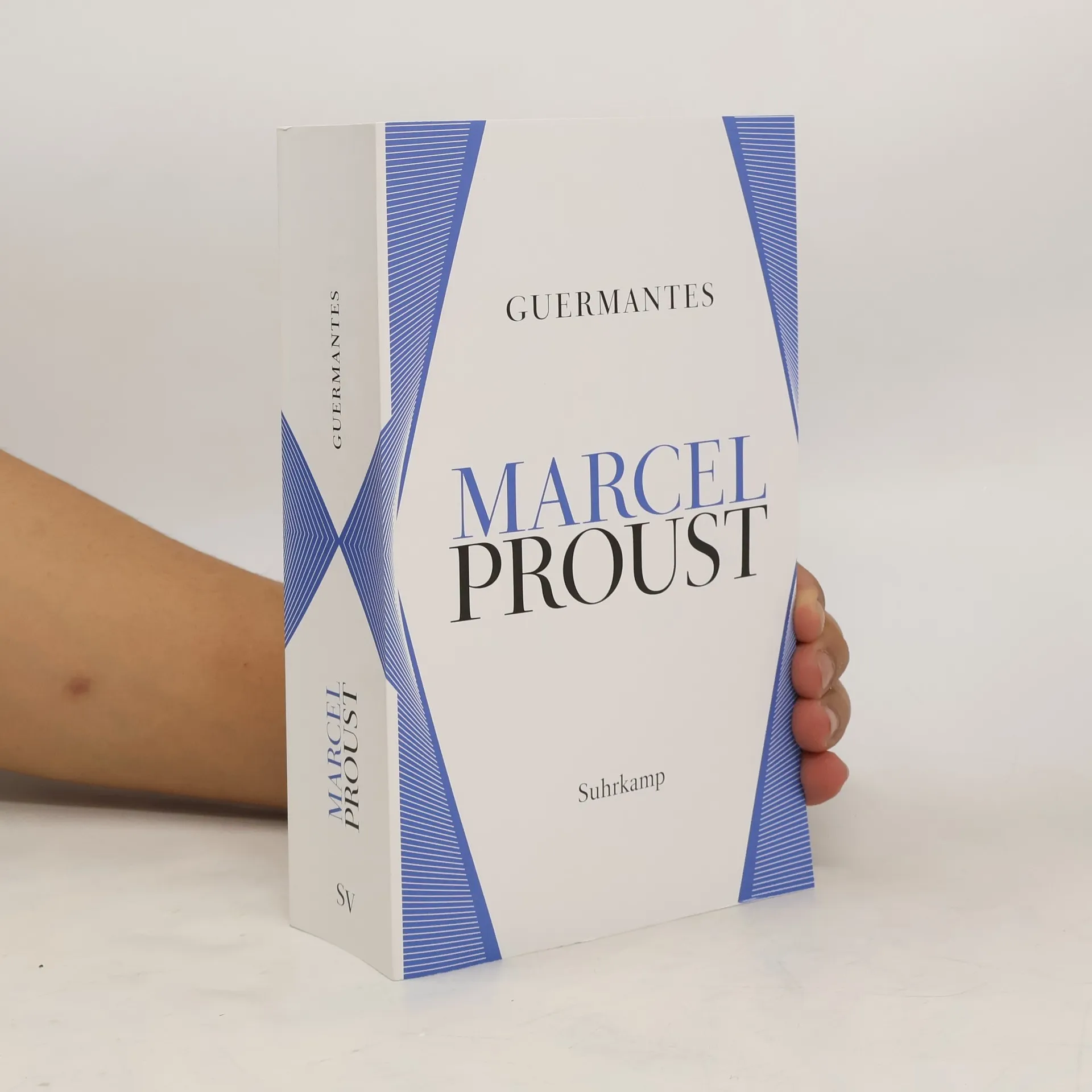
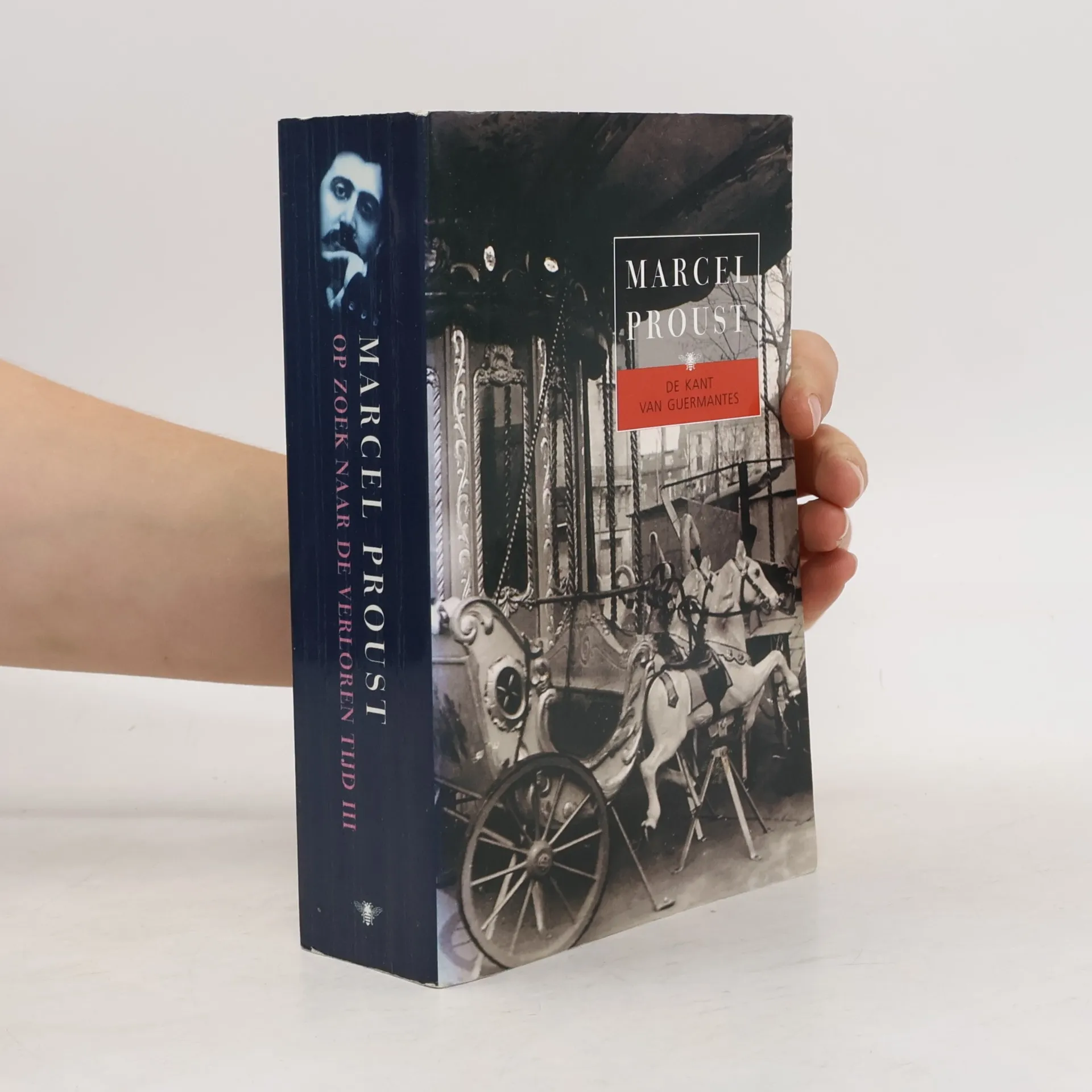
    Op zoek naar de verloren tijd - 1: De Kant van Guermantes
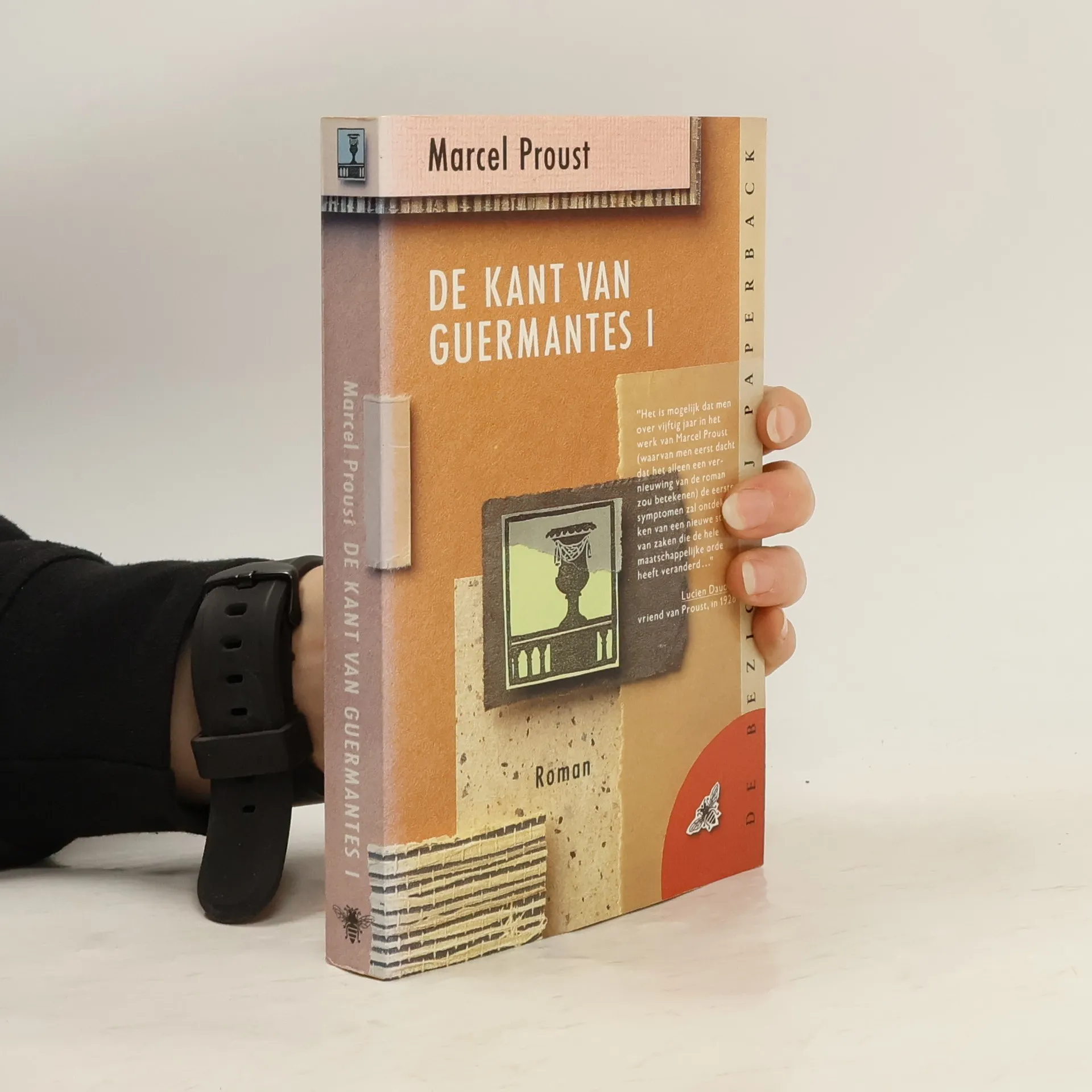
    De kant van Guermantes I
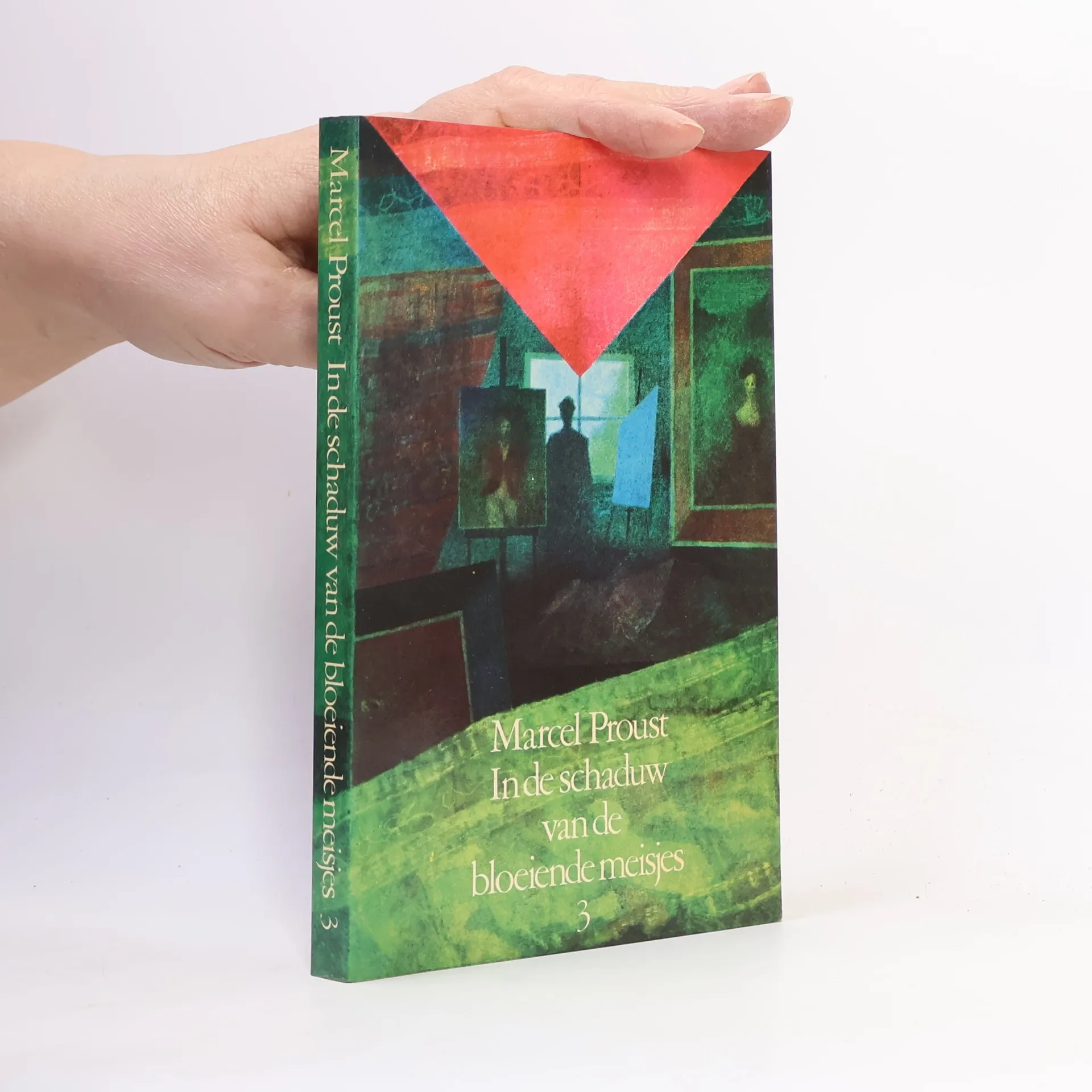
    In de schaduw van de bloeiende meisjes 3
    De gevangene
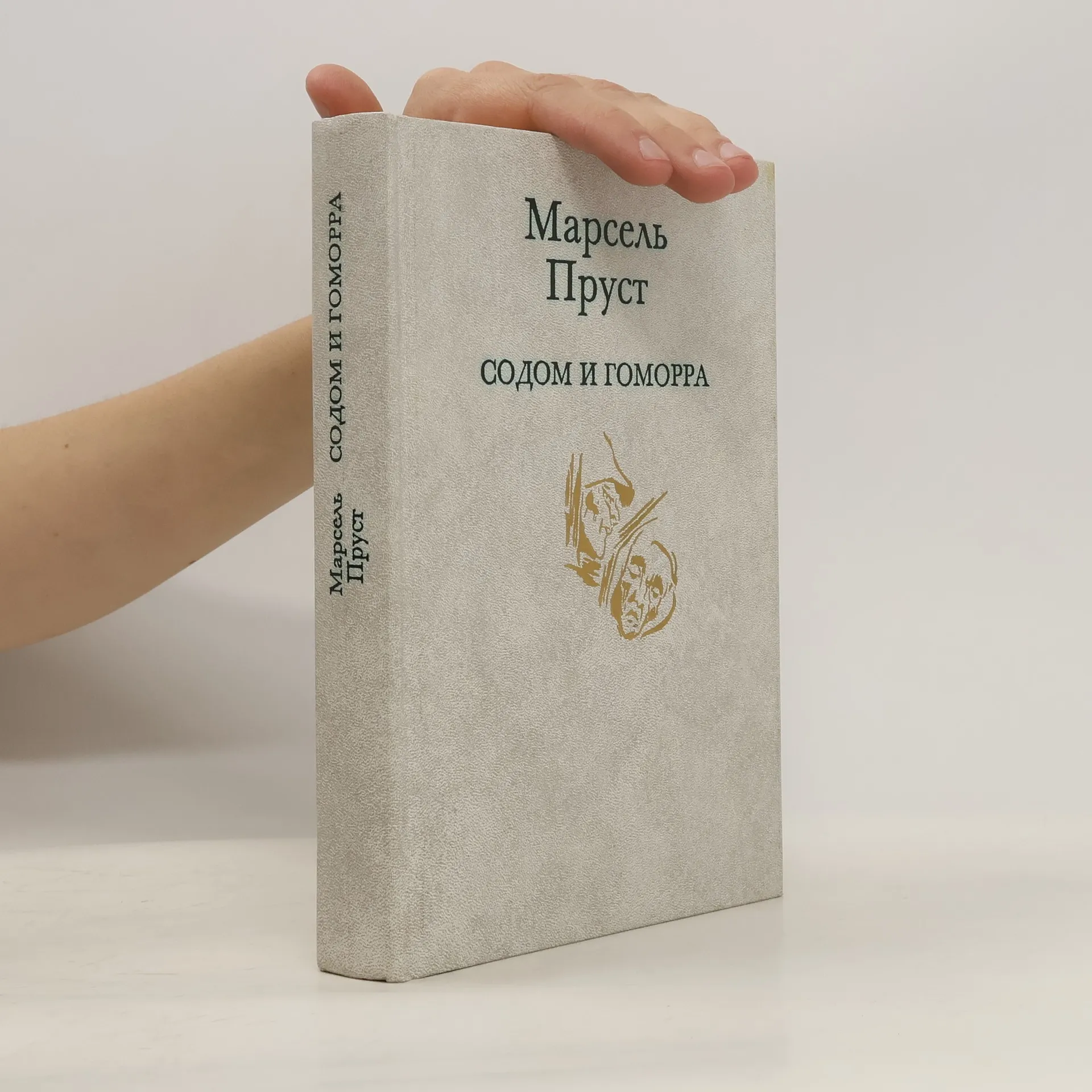
    Sodom en Gomorra
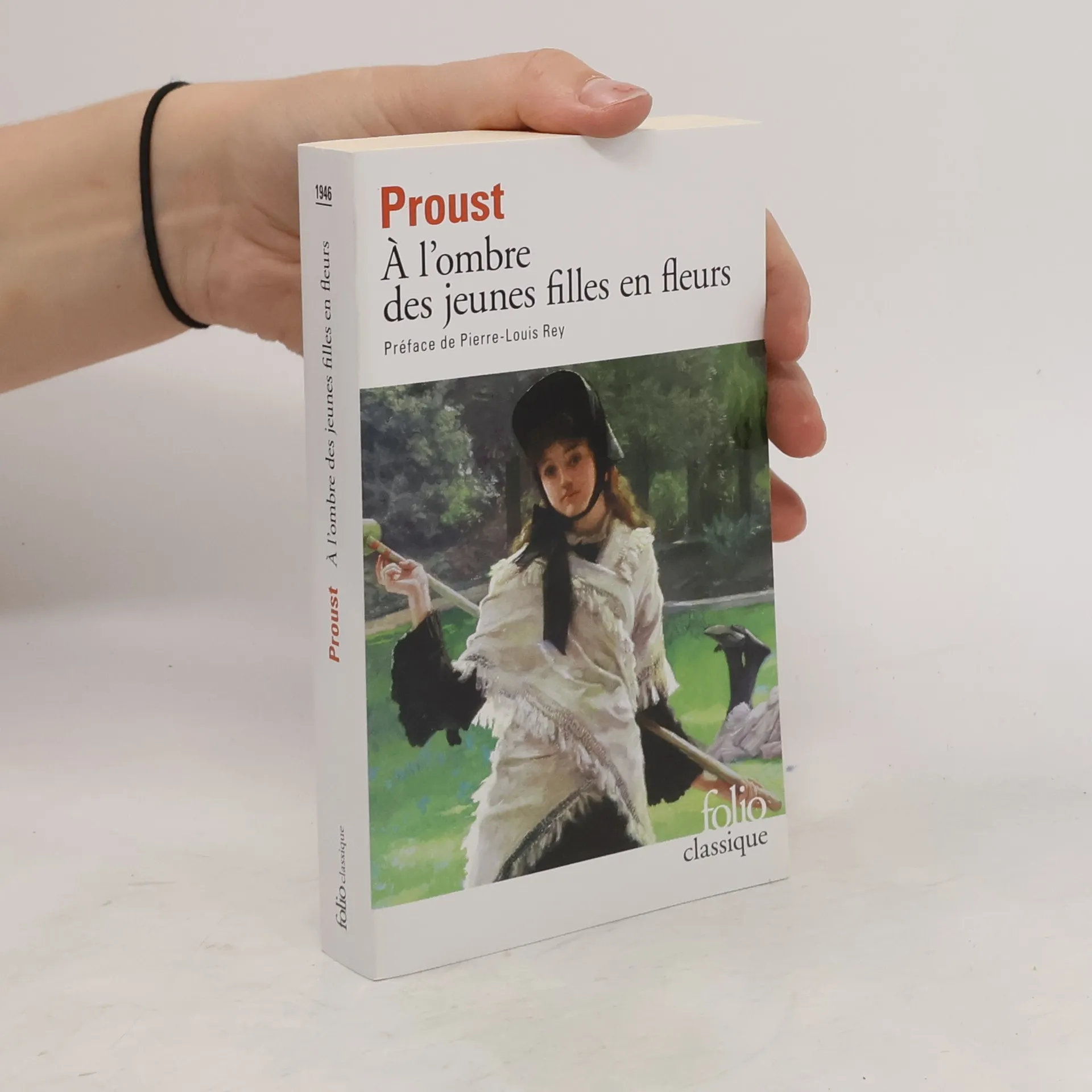
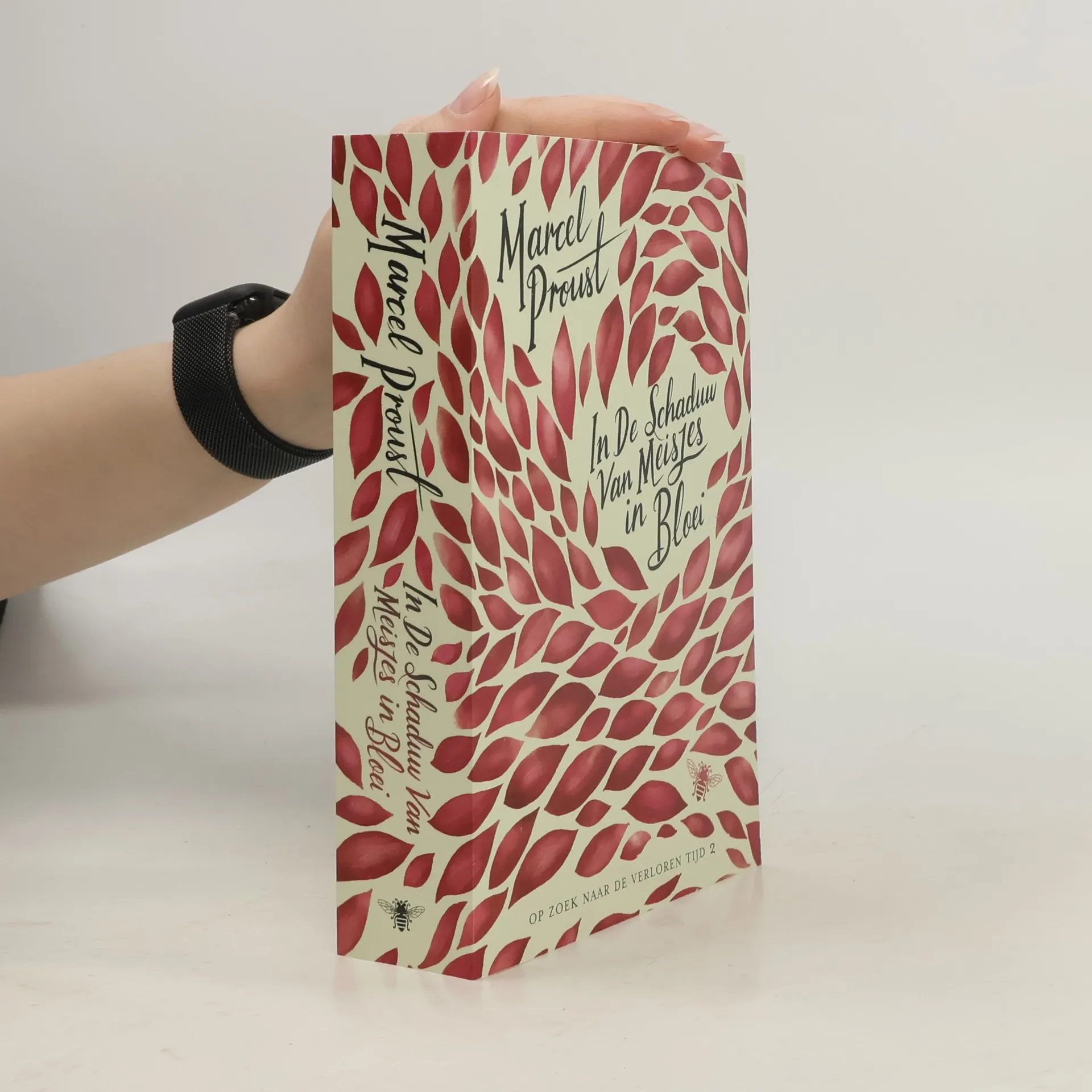
    Op zoek naar de verloren tijd - 2: In de schaduw van meisjes in bloei
    • Op zoek naar de verloren tijd is een van de grootste triomfen van de wereldliteratuur. In deze romancyclus wordt de lezer door het zintuiglijke proza van Marcel Proust gevangen in een web van subtiliteiten, onvergetelijke personages, verfijnde ironie, glasheldere zinnen en messcherpe observaties. In de schaduw van meisjes in bloei , het tweede deel van de cyclus, beschrijft de volwassenwording van de verteller Marcel. Zijn herinneringen aan Parijs, de Normandische kust en zijn relatie met zijn grootmoeder en de familie Swann leiden tot schitterende beschouwingen over de liefde, literatuur en schilderkunst. Ook de kennismaking met de baron de Charlus en de mysterieuze Albertine zal van groot belang blijken voor het verdere leven van Marcel.
      Op zoek naar de verloren tijd - 2: In de schaduw van meisjes in bloei
      4,4
    • Sodom en Gomorra

      • 544bladzijden
      • 20 uur lezen

      In Sodom en Gomorra, Boek IV van Proust's romancyclus Op zoek naar de verloren tijd, wordt de passie van baron de Charlus ontleed. Zijn homofilie (Sodom) dwingt hem ertoe zijn aristocratische milieu te verlaten, terwijl men in het burgerlijke milieu waar hij terechtkomt de aristocratie benijdt. Ook de liefde van de verteller voor Albertine wordt ontleed. Marcel lijdt onder de vlinderachtige trouweloosheid van Albertine en hij vreest dat hij alleen op haar verliefd is uit angst haar te verliezen. Bovendien verdenkt hij Albertine van een lesbische verhouding. Gomorra, in Proustiaanse zin.

      Sodom en Gomorra
      4,4
    • De gevangene

      • 432bladzijden
      • 16 uur lezen

      Para muchos historiadores y criticos, EN BUSCA DEL TIEMPO PERDIDO no solo es una obra cumbre de las letras francesas del siglo XX, sino tambien una de las mas grandes creaciones literarias de todas las epoca, en la que la trasposicion en el relato de la vida de Marcel Proust (1871-1922), asi como de personajes y ambientes sociales de su tiempo, se pone al servicio de un proposito radicalmente innovador del genero novelistico. LA PRISIONERA es el quinto volumen de la serie que completan, por este orden, Por el camino de Swann, A la sombre de las muchachas en flor y El mundo de Guermantes, Sodoma y Gomorra, La fugitiva y El tiempo recobrado.

      De gevangene
      4,3
    • pubOne.info present you this new edition. Une fois M. de Charlus parti, nous pûmes enfin, Robert et moi, aller Une fois M. de Charlus parti, nous pûmes enfin, Robert et moi, aller dîner chez Bloch. Or je compris pendant cette petite fête que les histoires trop facilement trouvées drôles par notre camarade étaient des histoires de M. Bloch, père, et que l'homme «tout à fait curieux» était toujours un de ses amis qu'il jugeait de cette façon. Il y a un certain nombre de gens qu'on admire dans son enfance, un

      In de schaduw van de bloeiende meisjes 3
      4,0
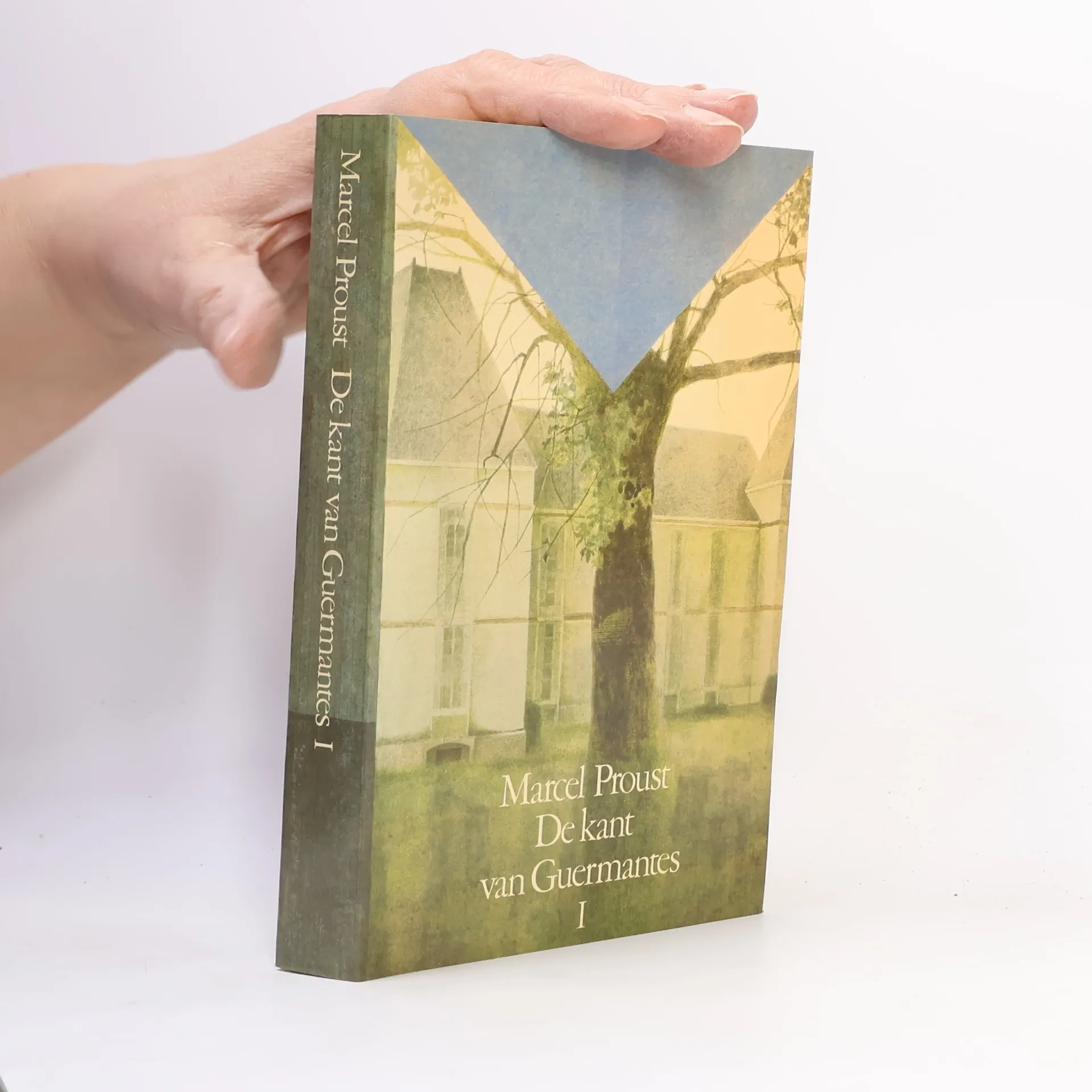
    • De kant van Guermantes I

      • 326bladzijden
      • 12 uur lezen

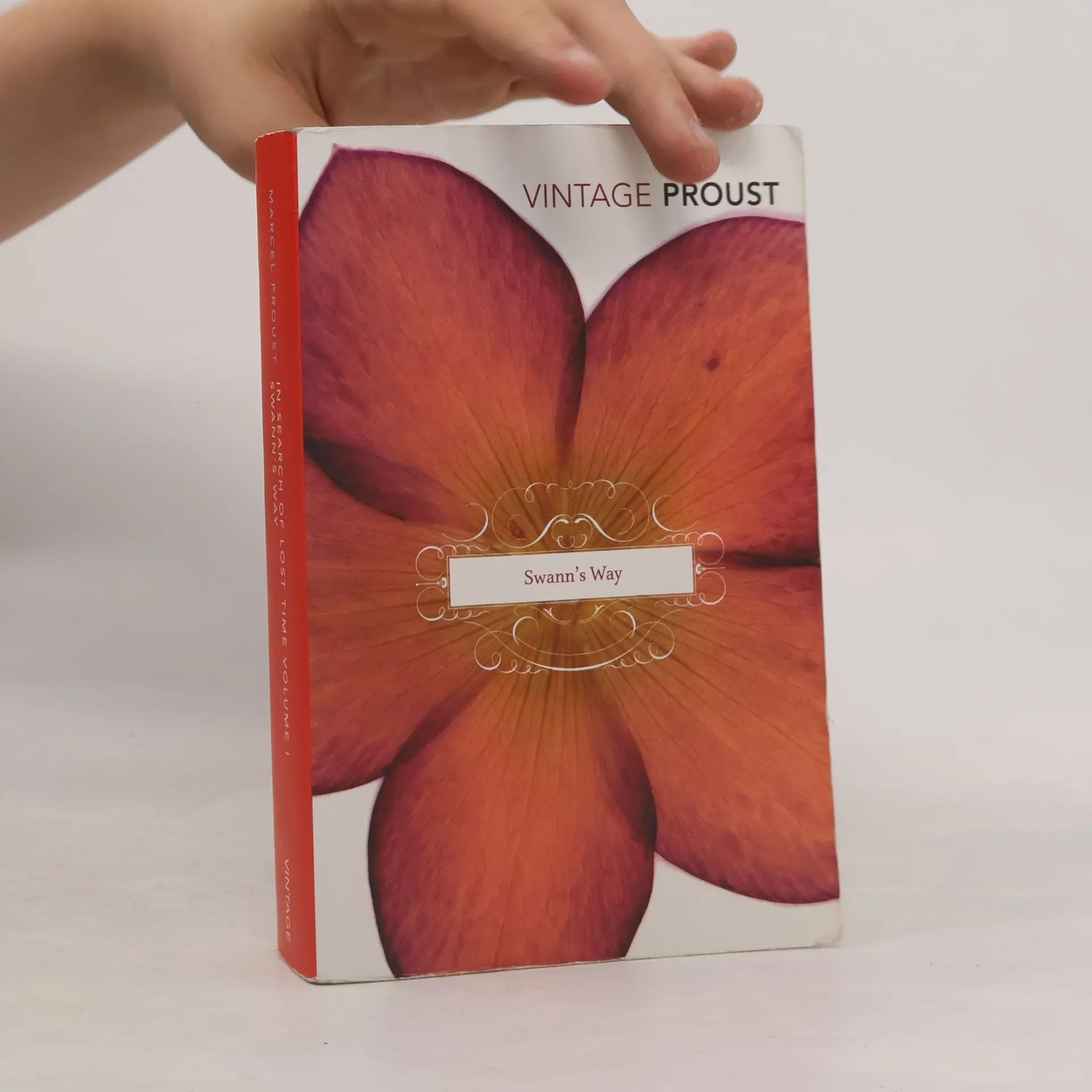
      In the overture to Swann's Way, the themes of the whole of In Search of Lost Time are introduced, and the narrator's childhood in Paris and Combray is recalled, most memorably in the evocation of the famous maternal good-night kiss. The recollection of the narrator's love for Swann's daughter Gilberte leads to an account of Swann's passion for Odette and the rise of the nouveaux riches Verdurins.

      De kant van Guermantes I
      3,5
    • In the overture to Swann's Way, the themes of the whole of In Search of Lost Time are introduced, and the narrator's childhood in Paris and Combray is recalled, most memorably in the evocation of the famous maternal good-night kiss. The recollection of the narrator's love for Swann's daughter Gilberte leads to an account of Swann's passion for Odette and the rise of the nouveaux riches Verdurins.

      Op zoek naar de verloren tijd - 1: De Kant van Guermantes
      4,0
    • Bekentenis van een jong meisje

      • 87bladzijden
      • 4 uur lezen

      Qu'il est troublant ce passage de l'innocence enfantine aux émois féminins, du giron d'une mère chérie aux passions dévorantes ! De la confession de cette jeune fille naissent une tendresse, une émotion tout intérieures, comme a su si précisément les décrire Marcel Proust. Retraçant toute une époque de fastes, de riches dîners et de mondanités, il sonde et démasque les cœurs. De l'indifférence blessante à la jalousie sournoise, les sentiments sont traqués jusqu'en leurs profondeurs les plus intimes : dans un climat d'insouciance et de frivolité, l'amour est conçu comme une incurable entrave au bonheur, peut-être une malédiction de laquelle seule la mort peut libérer. Dans ces écrits de jeunesse, Proust excelle déjà dans l'art d'explorer les consciences. Ces courts textes annoncent brillamment la grande œuvre de l'écrivain.

      Bekentenis van een jong meisje
      3,5
    • In Search of Lost Time

      • 784bladzijden
      • 28 uur lezen

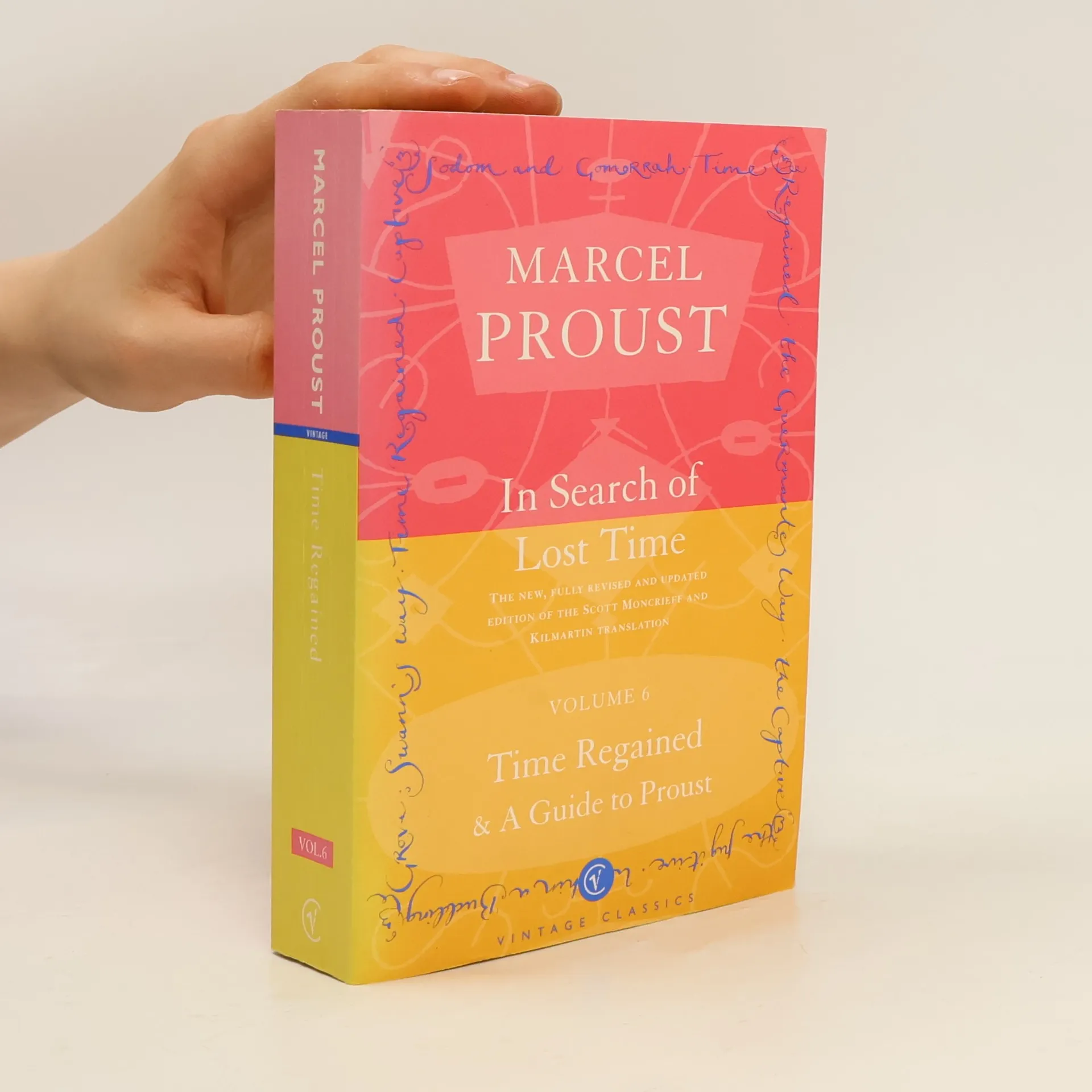
      Time Regained, the final volume of In Search of Lost Time, begins in the bleak and uncertain years of World War I. Years later, after the war’s end, Proust’s narrator returns to Paris and reflects on time, reality, jealousy, artistic creation, and the raw material of literature—his past life. This Modern Library edition also includes the indispensable Guide to Proust, compiled by Terence Kilmartin and revised by Joanna Kilmartin. For this authoritative English-language edition, D. J. Enright has revised the late Terence Kilmartin’s acclaimed reworking of C. K. Scott Moncrieff’s translation to take into account the new definitive French editions of Á la recherché du temps perdu (the final volume of these new editions was published by the Bibliothèque de la Pléiade in 1989).

      In Search of Lost Time
      4,6
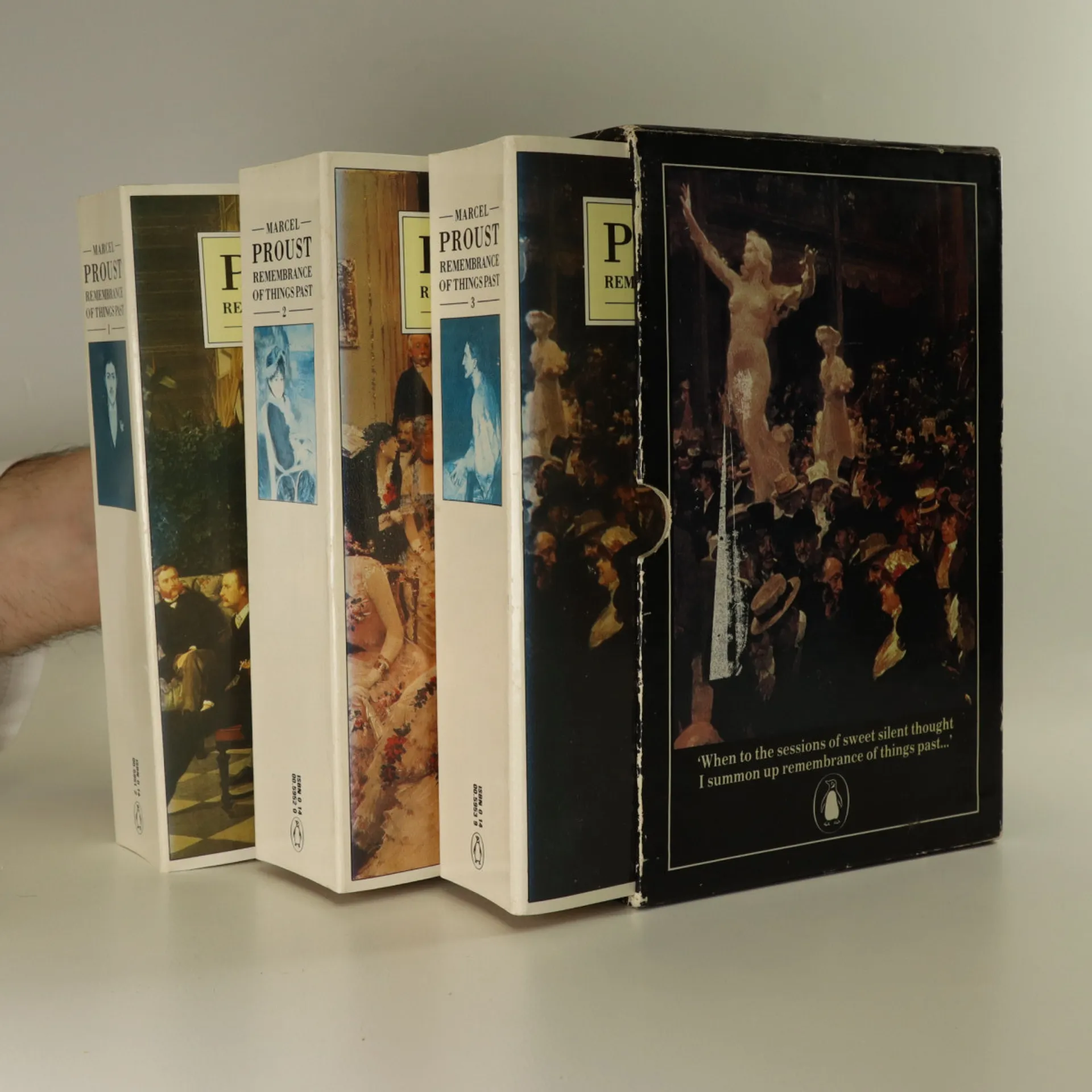
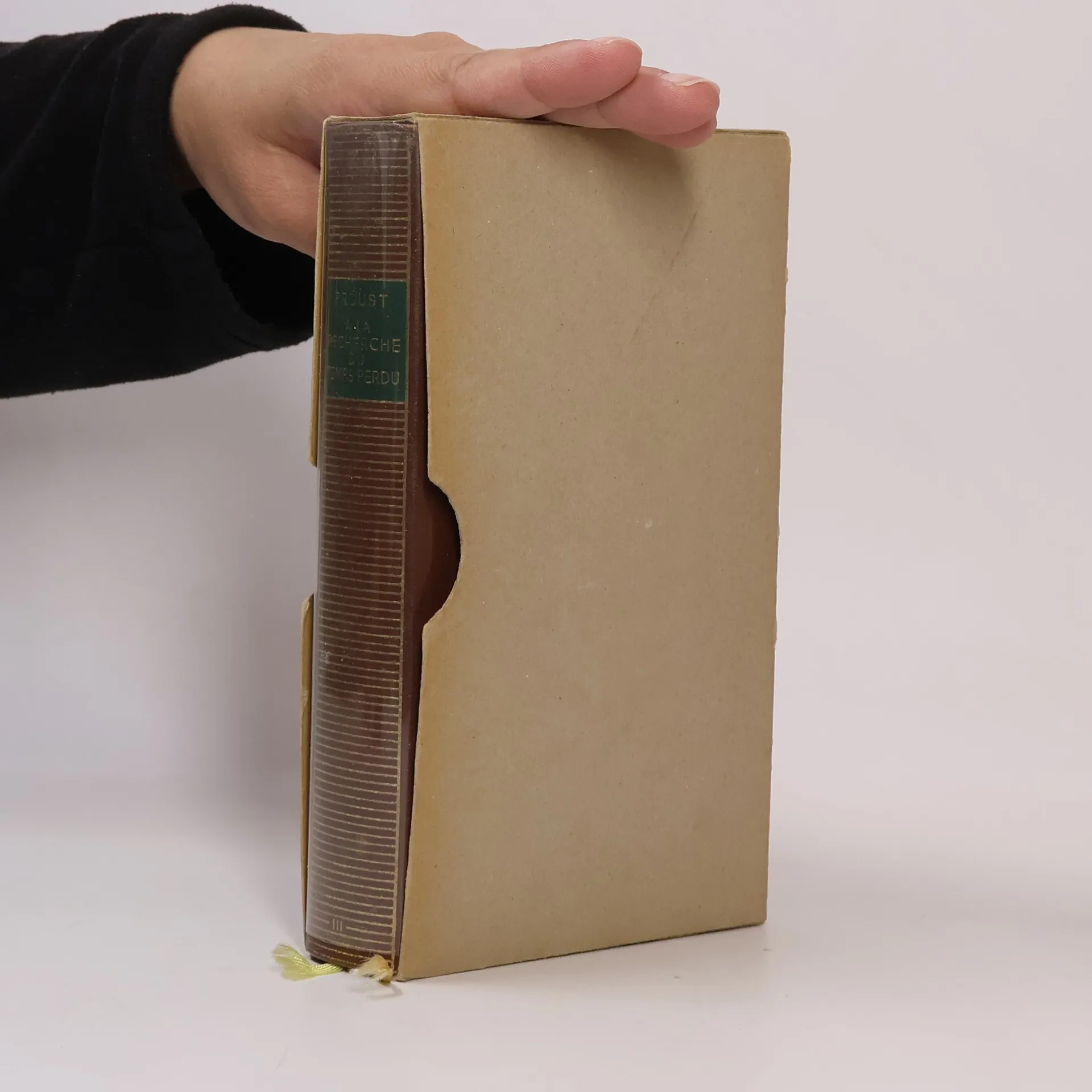
    • Remembrance of Things Past: Volume 3

      • 1072bladzijden
      • 38 uur lezen

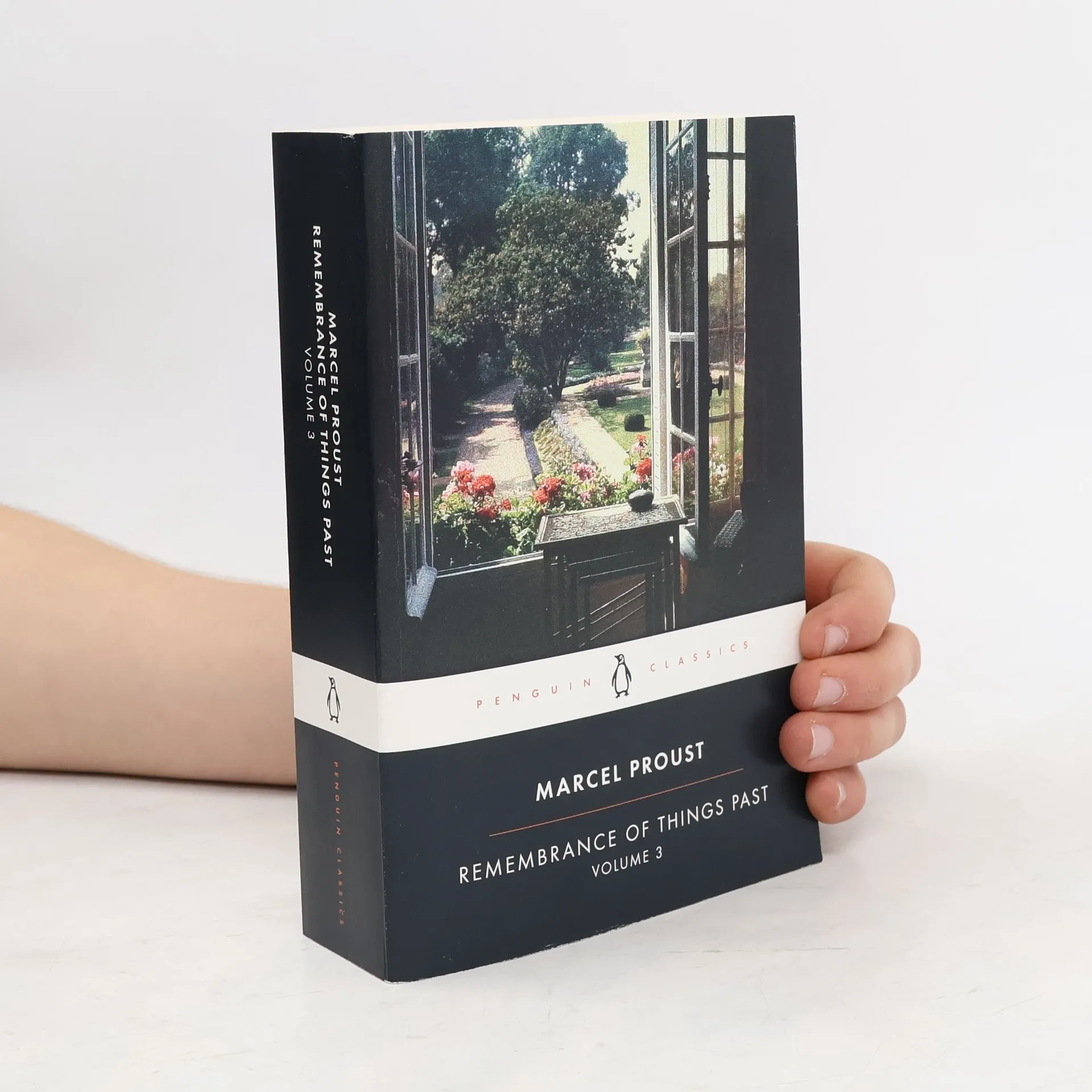
      Proust's masterpiece is one of the seminal works of the twentieth century, recording its narrator's experiences as he grows up, falls in love and lives through the First World War. A profound reflection on art, time, memory, self and loss, it is often viewed as the definitive modern novel. C. K. Scott Moncrieff's famous translation from the 1920s is today regarded as a classic in its own right and is now available in three volumes in Penguin Classics. This third volume includes The Captive, The Sweet Cheat Gone and Time Regained.
      Remembrance of Things Past: Volume 3
      4,6
    • Remembrance of Things Past: Volume 1

      • 1072bladzijden
      • 38 uur lezen

      Proust's masterpiece is one of the seminal works of the twentieth century, recording its narrator's experiences as he grows up, falls in love and lives through the First World War. A profound reflection on art, time, memory, self and loss, it is often viewed as the definitive modern novel, and C. K. Scott Moncrieff's famous translation from the 1920s is now regarded as a classic in its own right.

      Remembrance of Things Past: Volume 1
      4,5
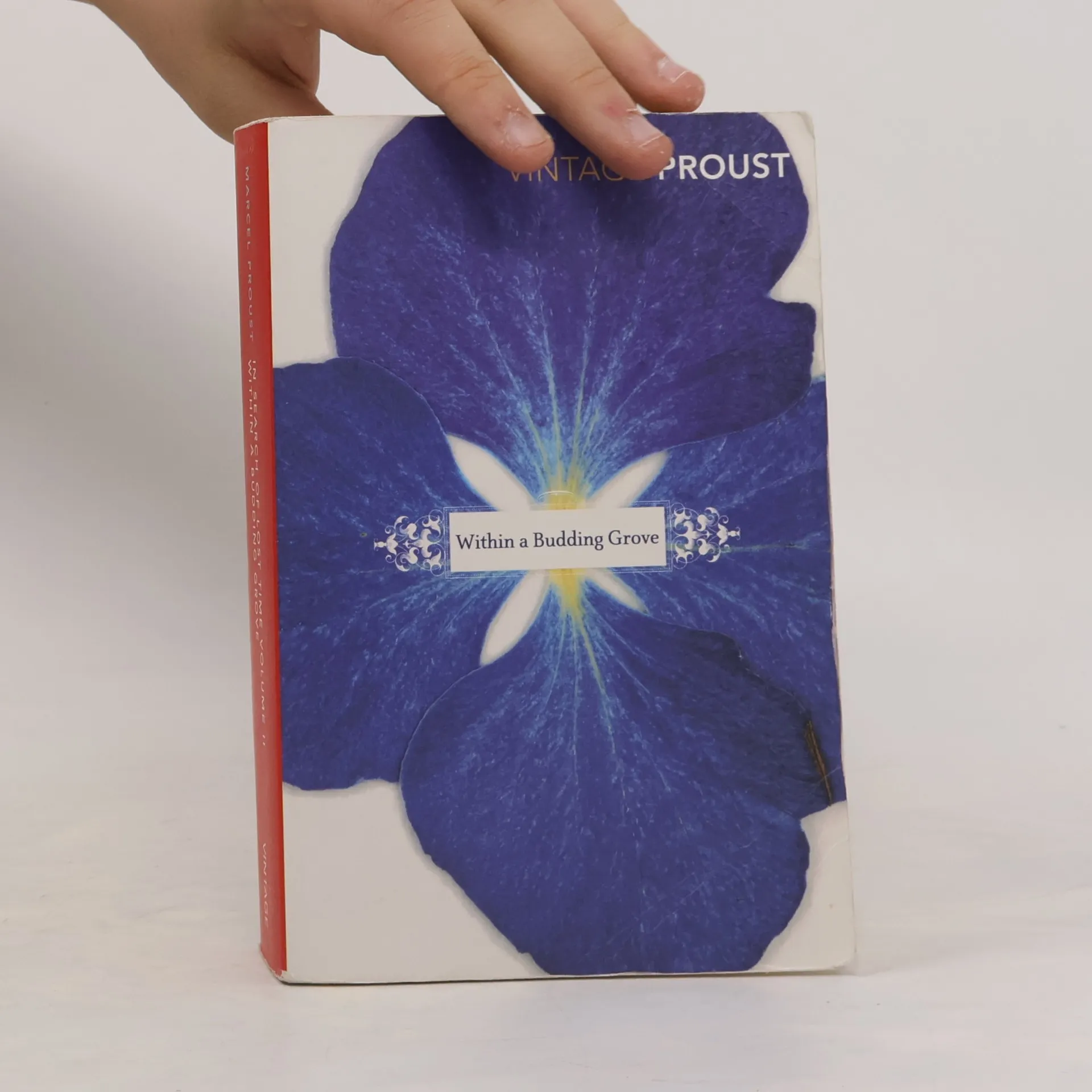
    • First published in 1919, Within a Budding Grove was awarded the Prix Goncourt, bringing the author immediate fame. In this second volume of In Search of Lost Time, the narrator turns from the childhood reminiscences of Swann’s Way to memories of his adolescence. Having gradually become indifferent to Swann’s daughter Gilberte, the narrator visits the seaside resort of Balbec with his grandmother and meets a new object of attention—Albertine, “a girl with brilliant, laughing eyes and plump, matt cheeks.”For this authoritative English-language edition, D. J. Enright has revised the late Terence Kilmartin’s acclaimed reworking of C. K. Scott Moncrieff’s translation to take into account the new definitive French editions of Á la recherché du temps perdu (the final volume of these new editions was published by the Bibliothèque de la Pléiade in 1989).

      À l'ombre des jeunes filles en fleurs. Anglicky In search of lost time. Volume II, Within a budding grove
      4,4
    • The Captive & the Fugitive

      • 992bladzijden
      • 35 uur lezen

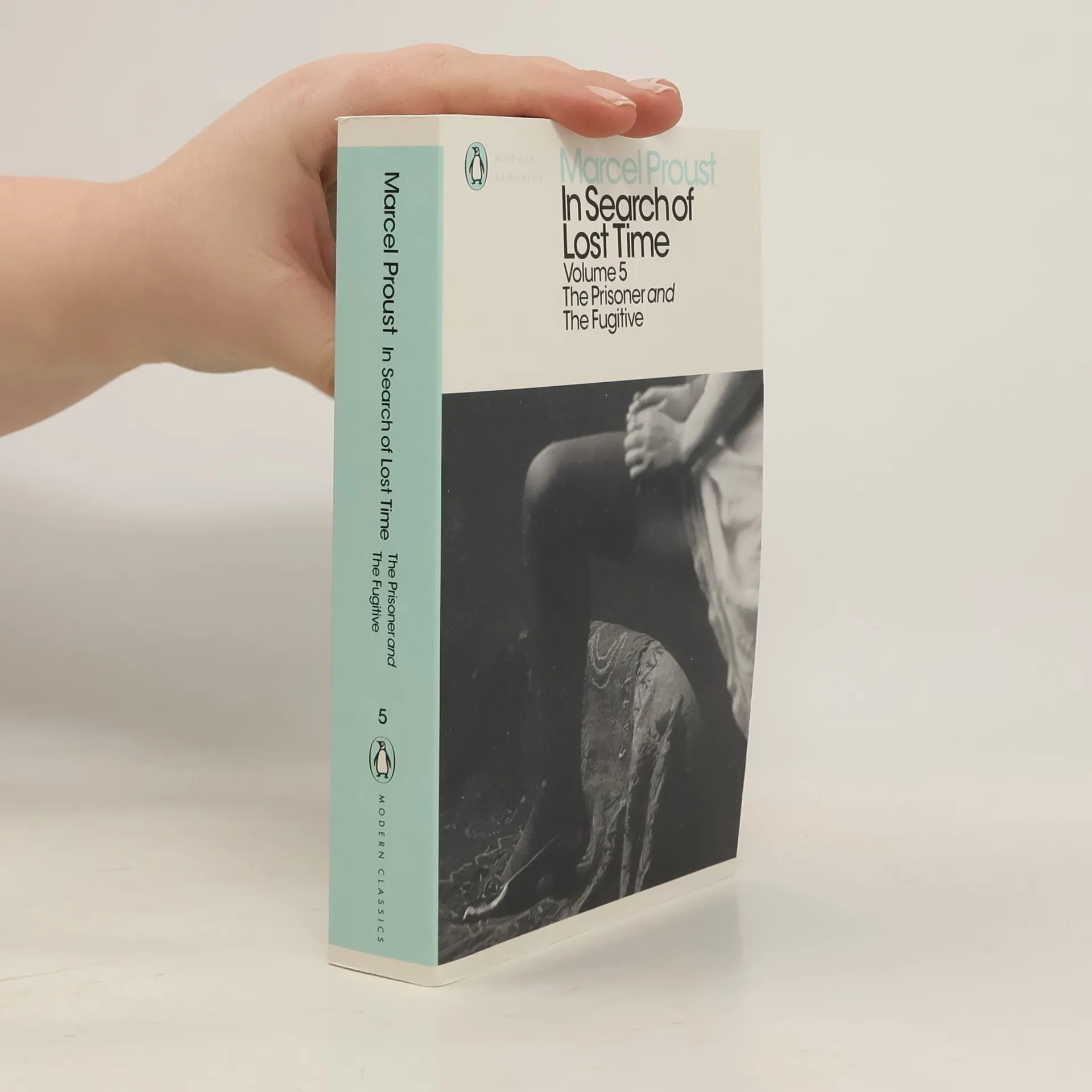
      The Modern Library’s fifth volume of In Search of Lost Time contains both The Captive (1923) and The Fugitive (1925). In The Captive, Proust’s narrator describes living in his mother’s Paris apartment with his lover, Albertine, and subsequently falling out of love with her. In The Fugitive, the narrator loses Albertine forever. Rich with irony, The Captive and The Fugitive inspire meditations on desire, sexual love, music, and the art of introspection. For this authoritative English-language edition, D. J. Enright has revised the late Terence Kilmartin’s acclaimed reworking of C. K. Scott Moncrieff’s translation to take into account the new definitive French editions of Á la recherché du temps perdu (the final volume of these new editions was published by the Bibliothèque de la Pléiade in 1989).

      The Captive & the Fugitive
      4,4
    • THE ACCLAIMED FULLY REVISED EDITION OF THE SCOTT MONCRIEFF AND KILMARTIN TRANSLATIONIn the two novels - The Captive and The Fugitive - contained in this volume, Proust's narrator is living in his mother's apartment in Paris with his lover, Albertine.

      In Search Of Lost Time, Vol 5
      4,4
    • Remembrance of Things Past

      • 1216bladzijden
      • 43 uur lezen

      Marcel Proust whiled away the first half of his life as a self-conscious aesthete and social climber. The second half he spent in the creation of the mighty roman-fleuve that is Remembrance of Things Past, memorializing his own dandyism and parvenu hijinks even as he revealed their essential hollowness. Proust begins, of course, at the beginning--with the earliest childhood perceptions and sorrows. Then, over several thousand pages, he retraces the course of his own adolescence and adulthood, democratically dividing his experiences among the narrator and a sprawling cast of characters. Who else has ever decanted life into such ornate, knowing, wrought-iron sentences? Who has subjected love to such merciless microscopy, discriminating between the tiniest variations of desire and self-delusion? Who else has produced a grief-stricken record of time's erosion that can also make you laugh for entire pages? The answer to all these questions is: nobody.

      Remembrance of Things Past
      4,4
    • The Captive and The Fugitive

      In Search of Lost Time, Volume 5

      • 784bladzijden
      • 28 uur lezen

      This edition presents two interconnected narratives, "The Captive" and "The Fugitive," exploring themes of love, obsession, and the complexities of human relationships. Proust delves into the psychological intricacies of his characters, particularly focusing on the protagonist's turbulent emotions and the impact of desire and possession. As part of the broader tapestry of "In Search of Lost Time," these volumes continue to unravel the intricate dynamics of memory and identity within the context of early 20th-century French society.

      The Captive and The Fugitive
      5,0
    • In Search Of Lost Time, Vol 3

      • 706bladzijden
      • 25 uur lezen

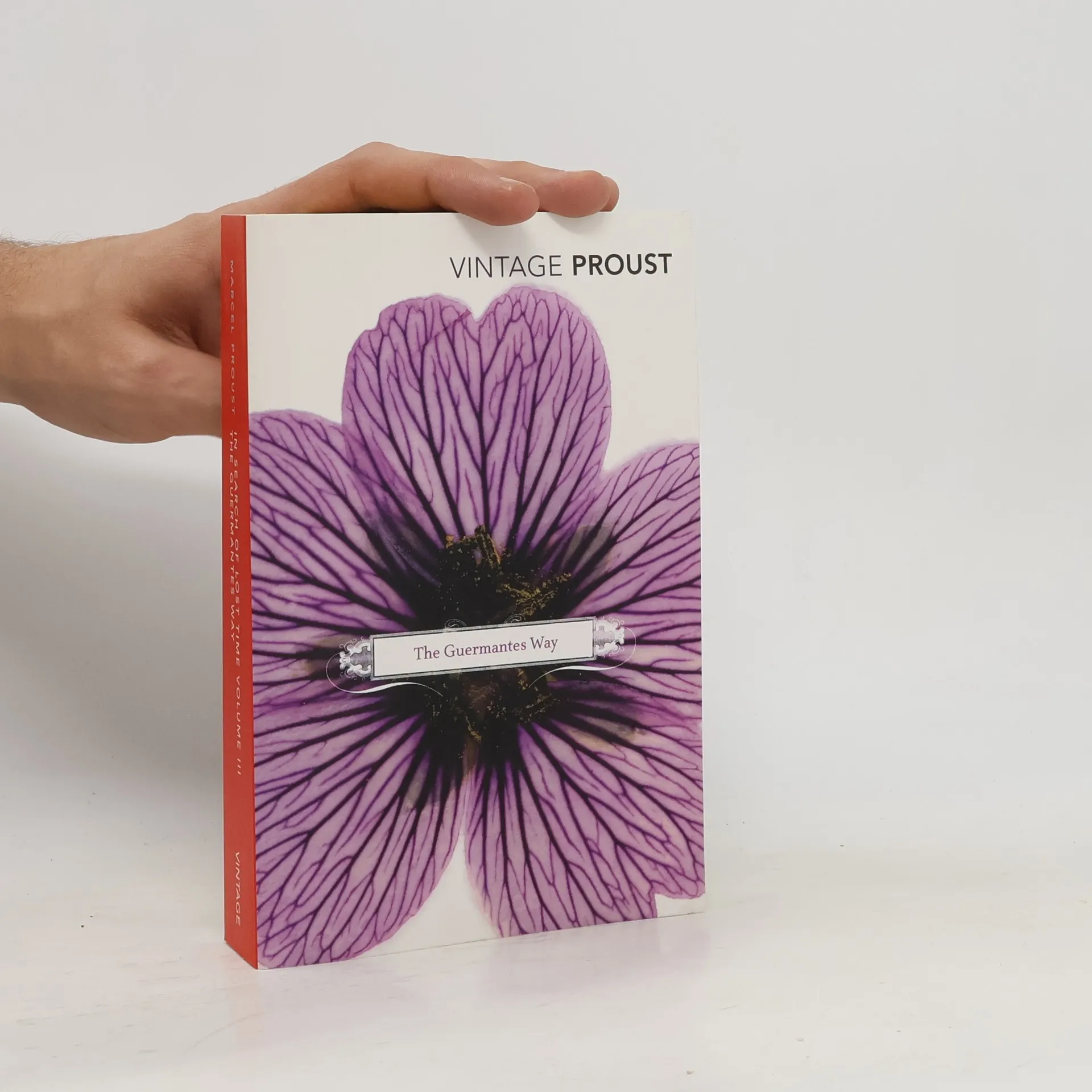
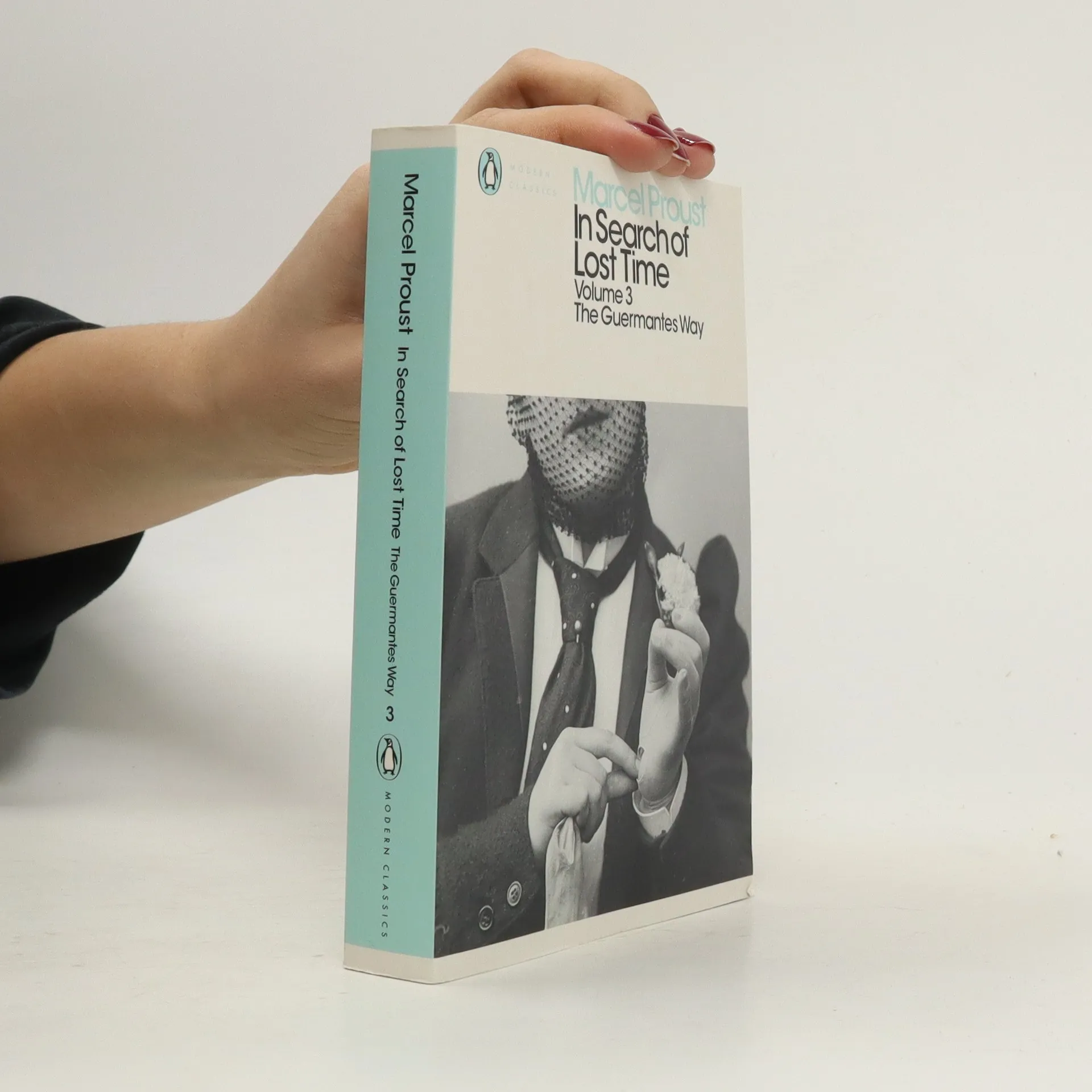
      THE ACCLAIMED FULLY REVISED EDITION OF THE SCOTT MONCRIEFF AND KILMARTIN TRANSLATIONIn The Guermantes Way Proust's narrator recalls his initiation into the dazzling world of Parisian high society. Looking back over his time in the glamorous salons of the aristocracy, he satirises this shallow world and his own youthful infatuation with it.

      In Search Of Lost Time, Vol 3
      4,3
    • The Guermantes Way

      • 680bladzijden
      • 24 uur lezen

      An authoritative new edition of the third volume in Marcel Proust's epic masterwork, In Search of Lost Time

      The Guermantes Way
      4,3
    • Remembrance of Things Past 1

      • 1040bladzijden
      • 37 uur lezen

      'The transmutation of sensation into sentiment, the ebb tide of memory, waves of emotion such as desire, jealousy, and artistic euphoria — this is the material of this enormous and yet singularly light and translucid work' — Vladimir Nabokov Originally rendered by C.K. Scott Moncrieff from an early and unrealiable French edition, Proust’s masterpiece has now been flawlessly translated by Terence Kilmartin in this acclaimed version.

      Remembrance of Things Past 1
      4,3
    • In Search Of Lost Time Volume 3

      • 900bladzijden
      • 32 uur lezen

      In The Guermantes Way Proust's narrator recalls his initiation into the dazzling world of Parisian high society. Looking back over his time in the glamorous salons of the aristocracy, he satirises this shallow world and his own youthful infatuation with it. schovat popis

      In Search Of Lost Time Volume 3
      4,3
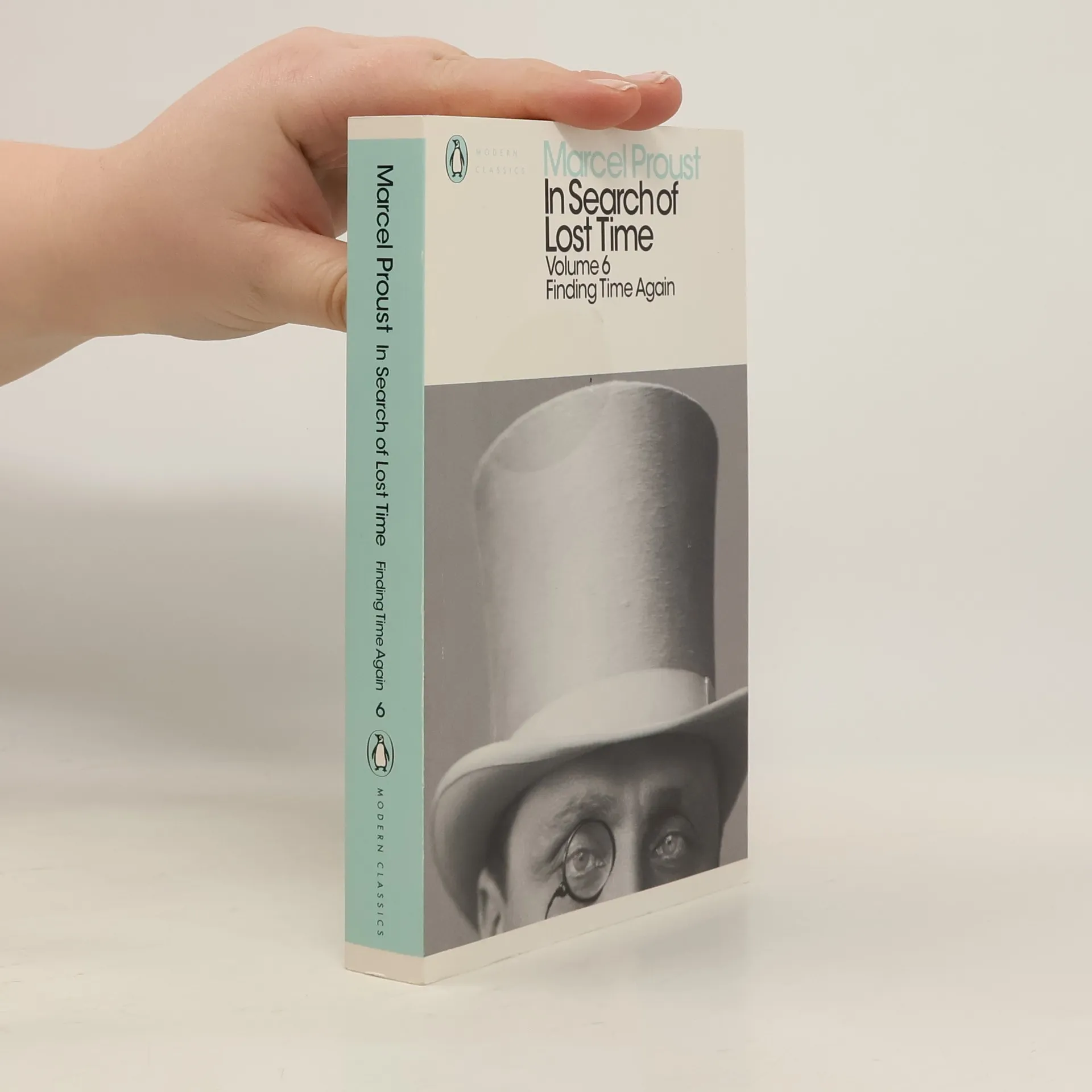
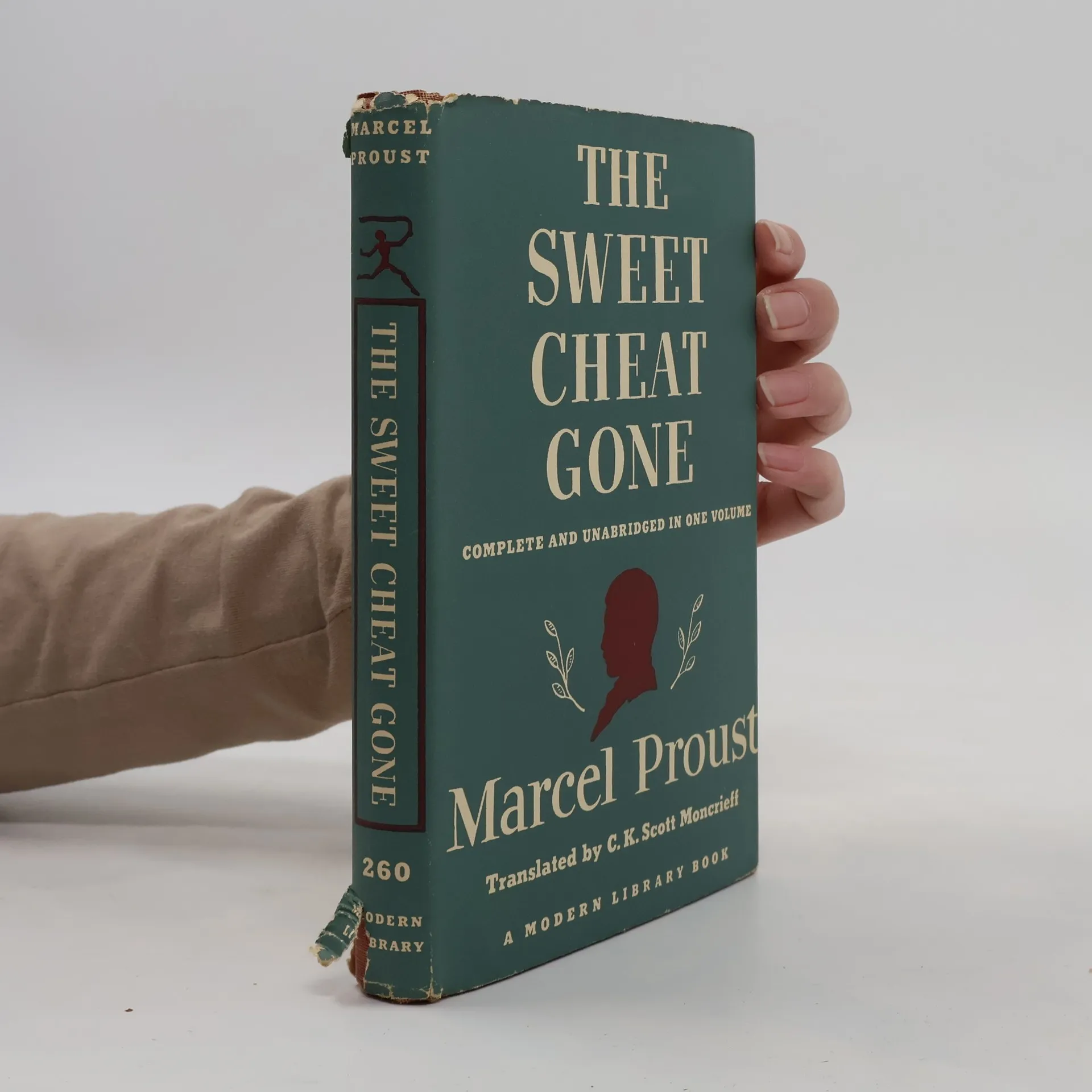
    • Celebrating the 150th anniversary of Marcel Proust's birth, this penultimate volume showcases the pinnacle of his literary artistry. It is part of the highly regarded Penguin translation, offering readers a chance to engage with Proust's intricate narrative and profound themes. The book promises to deepen the exploration of memory, time, and human experience, solidifying its place as a significant contribution to modern literature.

      The Sweet Cheat Gone (Albertine Disparue)
      4,3
    • The Proust Screenplay

      À la recherche du temps perdu

      • 166bladzijden
      • 6 uur lezen

      In the early 1970s Harold Pinter joined forces with director Joseph Losey and Proust scholar Barbara Bray to develop a screenplay of Proust's masterpiece, Remembrance of Things Past. Pinter took more than a year to conceive and write the screenplay and called the experience "the best working year of my life." Although never produced, Harold Pinter's The Proust Screenplay is considered one of the greatest adaptations for the cinema ever written.With fidelity to Proust's text, the screenplay is an extraordinary re-creation by one of the leading playwrights of our time. It is, in its way, a unique collaboration between two extraordinary writers united across more than half a century and two different cultures by a special concern for time and memory.

      The Proust Screenplay
      3,0
    • In Search of Lost Time is one of the greatest, most entertaining reading experiences in any language. This book is an English translation of the French original.

      In Search of Lost Time: v. 4 - Sodom and Gomorrah
      4,0
    • Pleasures and Days

      • 256bladzijden
      • 9 uur lezen

      Rich in language and detail, and by turns satirical and moving, Proust's stories - presented here in Andrew Brown's nuanced translation, the only edition currently in print - are layered with imagery and feeling and foreshadow the themes and psychological atmosphere of his later masterpiece.

      Pleasures and Days
      3,9
    • A stunning hardback gift edition of the first volume of Proust's In Search of Lost Time.

      Swann in Love
      4,0
    • Marcel Proust, renowned primarily for his extensive cycle "In Search of Lost Time," wrote this novel intermittently between 1895 and 1901. The manuscript was discovered several decades after the author's death and was first arranged and published in 1952. Young Proust left this work unfinished, and some sections were later used as the foundation for certain passages in his monumental multi-volume masterpiece. The book serves not only as a remarkable depiction of the maturation of a young protagonist with autobiographical traits but also offers an intriguing insight into the author's own literary development.

      Jean Santeuil
      3,6
    • The definitive translation of the bestselling and best-known book of Marcel Proust's sequence Remembrance of Things Past.

      Swann's Way
      3,6
    • Days of Reading

      • 128bladzijden
      • 5 uur lezen

      In these inspiring essays about why people read, Proust explores all the pleasures and trials that readers take from books and the joys of losing oneself in literature.

      Days of Reading
      3,7
    • The Mysterious Correspondent

      • 144bladzijden
      • 6 uur lezen

      Newly discovered stories from one of the great storytellers of the twentieth century Throughout Proust's life, nine of his short stories remained unseen - the writer never spoke of them. Why did he choose not to publish them along with the others? One possible answer is that he was developing his themes in preparation for his masterpiece, In Search of Lost Time; another is that the stories were too audacious - too near to life - for the censorious society of the time. In these stories, published here for the first time, we find an intimate picture of a young author full of darkness and melancholy, longing to reveal his true self to the world.

      The Mysterious Correspondent
      3,4
    • Swann's Way; Remembrance of Things Past

      Volume 1 - in large print

      • 704bladzijden
      • 25 uur lezen

      This book is a reproduction of a historical work, published by Megali, a company dedicated to creating accessible large print editions for individuals with impaired vision. The focus on enhancing readability allows a broader audience to engage with important historical texts.

      Swann's Way; Remembrance of Things Past
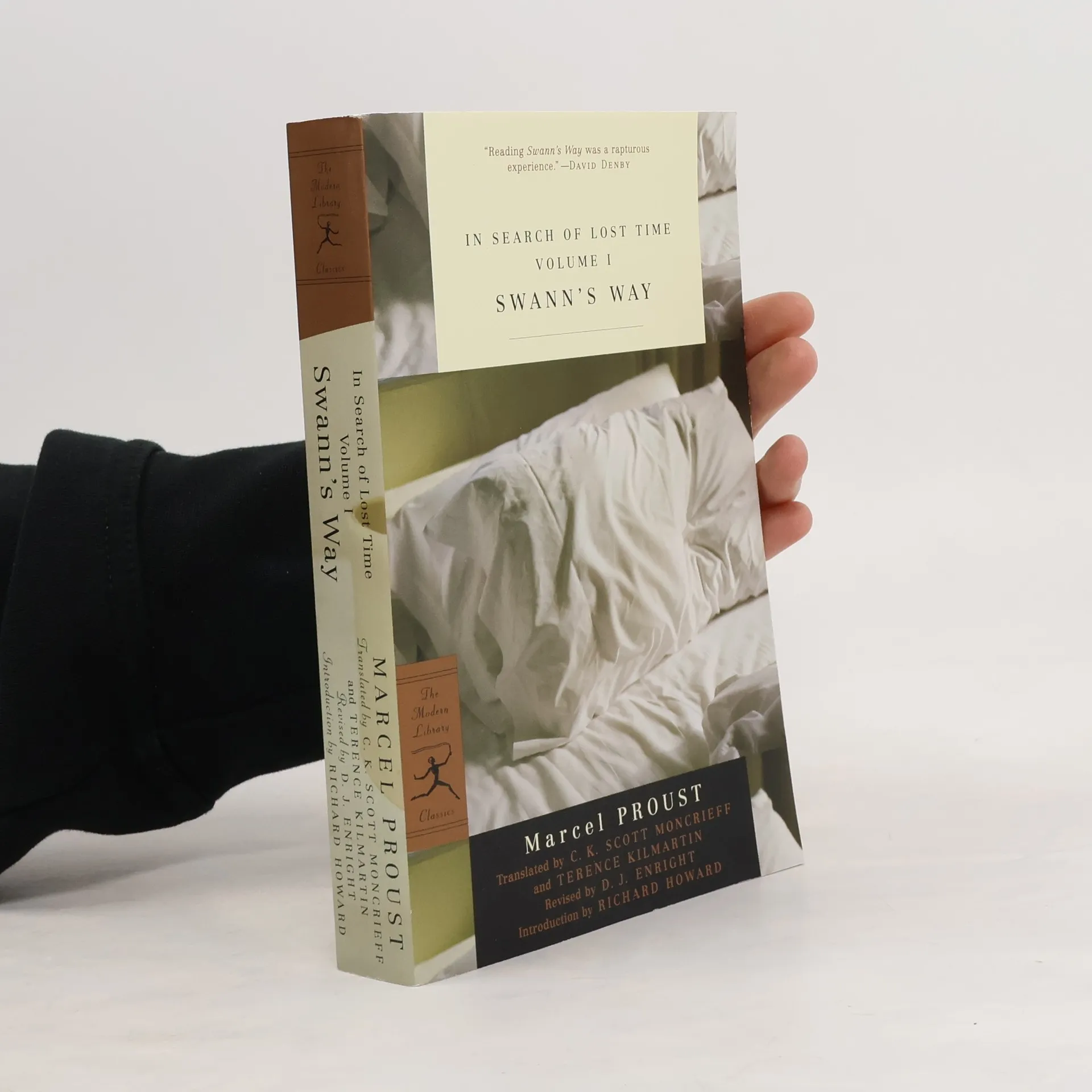
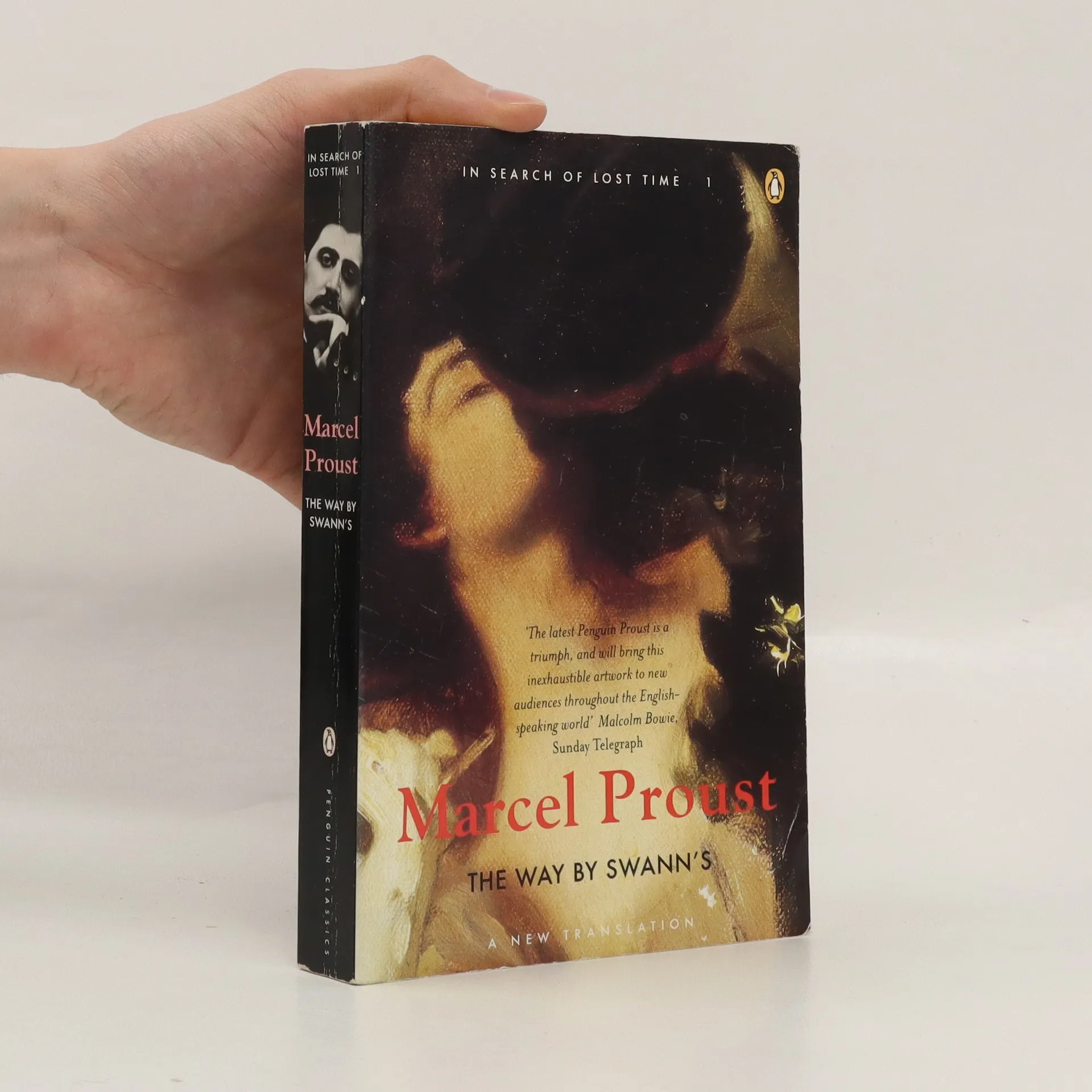
    • In Swann’s Way, the themes of Proust’s masterpiece are introduced, and the narrator’s childhood in Paris and Combray is recalled, most memorably in the evocation of the famous maternal good-night kiss. The recollection of the narrator’s love for Swann’s daughter Gilberte leads to an account of Swann’s passion for Odette and the rise of the nouveaux riches Verdurins. For this authoritative English-language edition, D. J. Enright has revised the late Terence Kilmartin’s acclaimed reworking of C. K. Scott Moncrieff’s translation to take into account the new definitive French editions of Á la recherché du temps perdu (the final volume of these new editions was published by the Bibliothèque de la Pléiade in 1989).

      In Search of Lost Time Volume I Swann's Way
    • Jealousy

      • 96bladzijden
      • 4 uur lezen

      Can we truly know the one we love? The author looks straight into the green eye of every lover's jealous struggle. He broods on why we are driven to try possess one another, how jealousy can outlive death, and whether we can ever reclaim those careless days of first love.

      Jealousy
    • In search of lost time I. Swann's way

      • 546bladzijden
      • 20 uur lezen

      The definitive translation of one of the greatest French novels of the twentieth century In the opening volume of Proust's great novel, the narrator travels backwards in time in order to tell the story of a love affair that had taken place before his own birth. Swann's jealous love for Odette provides a prophetic model of the narrator's own relationships. All Proust's great themes - time and memory, love and loss, art and the artistic vocation - are here in kernel form. 'Surely the greatest novelist of the 20th century' Telegraph

      In search of lost time I. Swann's way
    • "In Search of Lost Time" is one of the greatest, most entertaining reading experiences in any language. This book offers an English translation of the French original.

      In Search of Lost Time: The Guermantes Way
    • The exploration of memory, love, and the passage of time deepens in Part 2 of Marcel Proust's monumental work. Spanning Volumes 4 to 7, this segment continues to weave intricate characters into the rich tapestry of human experience. Proust's masterful storytelling captures profound emotions and introspective narratives, inviting readers to engage with the timeless themes that resonate intellectually and emotionally. This continuation of the journey promises to enchant and provoke thought as it unfolds the complexities of existence.

      In Search of Lost Time [volumes 1 to 7] - Part II
    • In Search of Lost Time [volumes 1 to 7]

      • 1022bladzijden
      • 36 uur lezen

      Memory and the passage of time are central themes in this monumental work, which spans seven volumes. Proust intricately explores human experiences through captivating prose, revealing how even the smallest moments can carry profound meaning. The narrative weaves together love and nostalgia, inviting readers to reflect on the essence of life itself in a beautifully crafted literary tapestry.

      In Search of Lost Time [volumes 1 to 7]
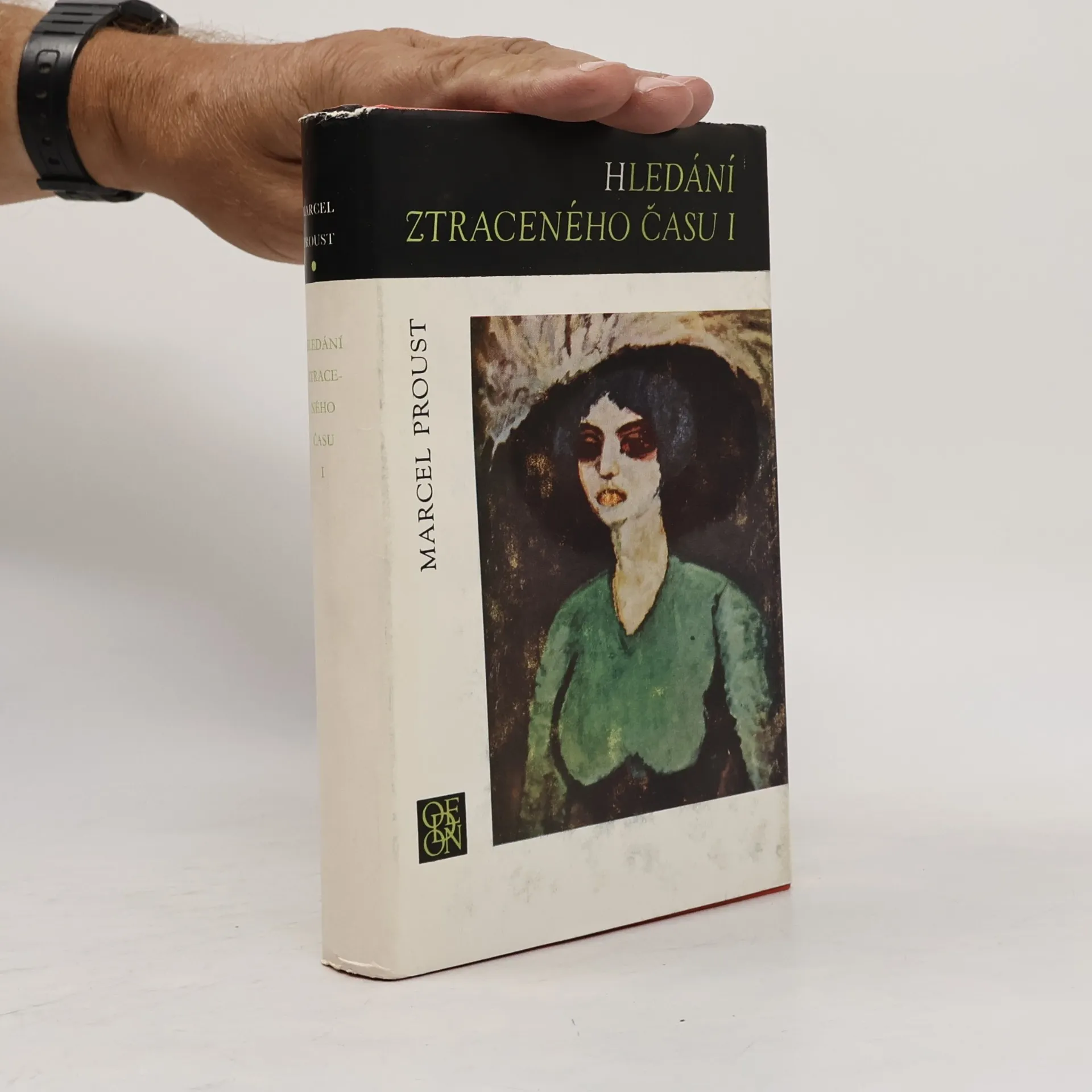
    • Nové kompletní vydání stěžejního díla světové literatury. Sedmidílný román Hledání ztraceného času, považovaný za jedno ze základních děl nejen francouzské, ale i světové literatury, vznikal v letech 1909 až 1922 a byl uveřejňován postupně v letech 1913 až 1927. Proustův románse odehrává v prostředí francouzské vyšší společnosti na přelomu 19. a 20. století. Lze-li o něm říci, že podává po Balzacově Lidské komedii nejúplnější „obraz mravů“ své doby, zároveň platí, že autorovi jde o mnohem víc než o realistické zobrazení společnosti: hlavními tématy jeho díla jsou čas, paměť, umění a poznání. Hlavním "hrdinou" tohoto románu-řeka, či spíše románu-katedrála, který čítá 3120 stran a v němž figuruje více než 200 postav, je lidské vědomí. Vydání je doplněno o rozsáhlý doslov, jehož autorem je Josef Fulka, jeden z našich největších znalců Proustova díla.

      Hledání ztraceného času VI. - Uprchlá
      4,8
    • Závěrečný díl románové řady zastihuje zestárlého vypravěče, který pozoruje a konstatuje proměny, kterých společnost za jeho života doznala - pád staré aristokracie, vzestup dříve opovrhované zbohatlické kasty a také pohled na 1. světovou válku, tuto definitivní tečku za starými časy. Druhým těžištěm závěrečné části jsou úvahy nad literární poetikou i smyslem a důležitostí umělecké tvorby, která jediná může znovu nalézt čas, ztracený v malicherných peripetiích skutečného života.

      Hledání ztraceného času VII. Čas znovu nalezený
      4,8
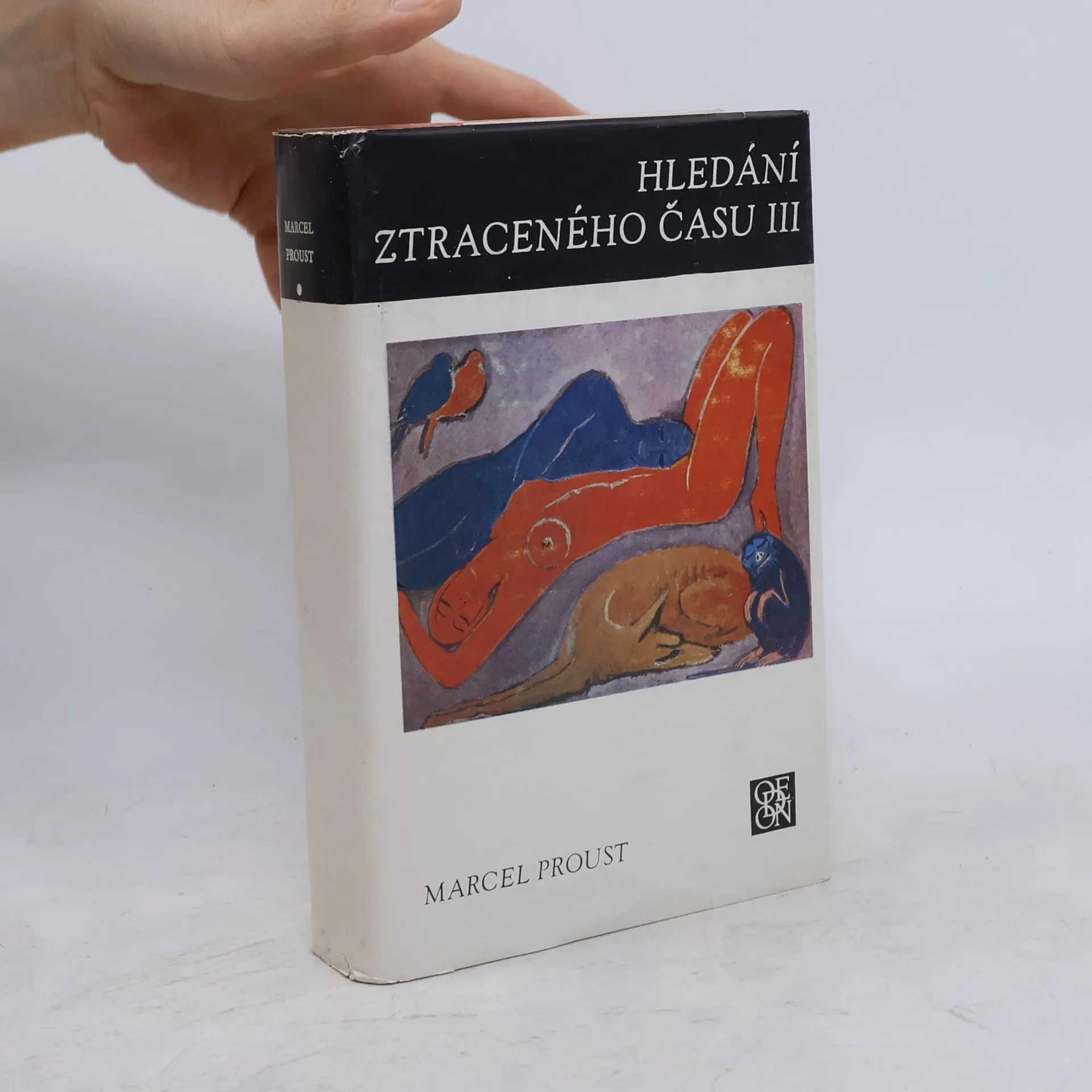
    • Hledání ztraceného času III.

      Svět Guermantových

      • 609bladzijden
      • 22 uur lezen

      Nové kompletní vydání stěžejního díla světové literatury. Sedmidílný román Hledání ztraceného času, považovaný za jedno ze základních děl nejen francouzské, ale i světové literatury, vznikal v letech 1909 až 1922 a byl uveřejňován postupně v letech 1913 až 1927. Proustův románse odehrává v prostředí francouzské vyšší společnosti na přelomu 19. a 20. století. Lze-li o něm říci, že podává po Balzacově Lidské komedii nejúplnější „obraz mravů“ své doby, zároveň platí, že autorovi jde o mnohem víc než o realistické zobrazení společnosti: hlavními tématy jeho díla jsou čas, paměť, umění a poznání. Hlavním "hrdinou" tohoto románu-řeka, či spíše románu-katedrála, který čítá 3120 stran a v němž figuruje více než 200 postav, je lidské vědomí. Vydání je doplněno o rozsáhlý doslov, jehož autorem je Josef Fulka, jeden z našich největších znalců Proustova díla.

      Hledání ztraceného času III.
      4,8
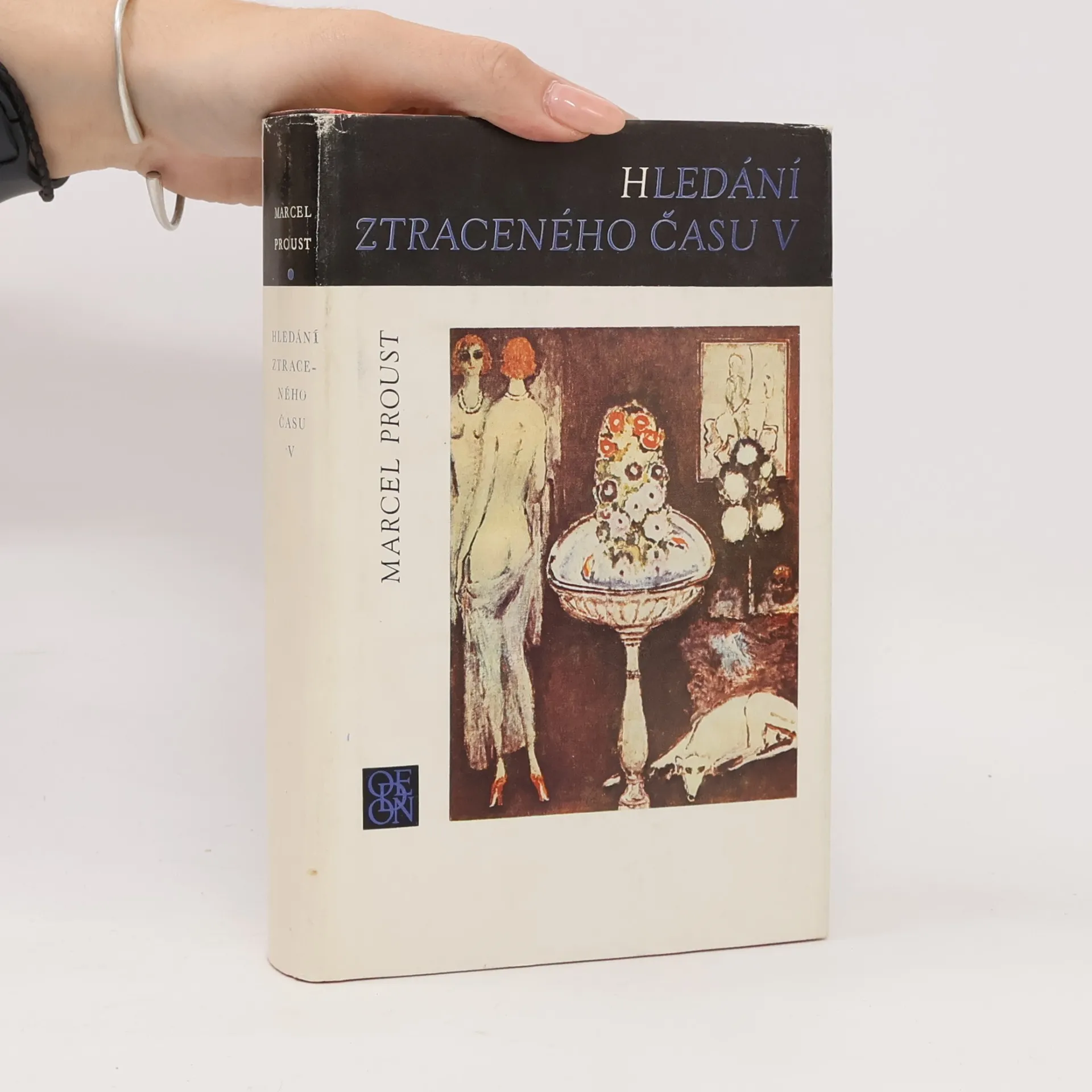
    • Pátá část rozsáhlého románového cyklu, který je jedním ze základních děl světové literatury.

      Hledání ztraceného času V
      4,8
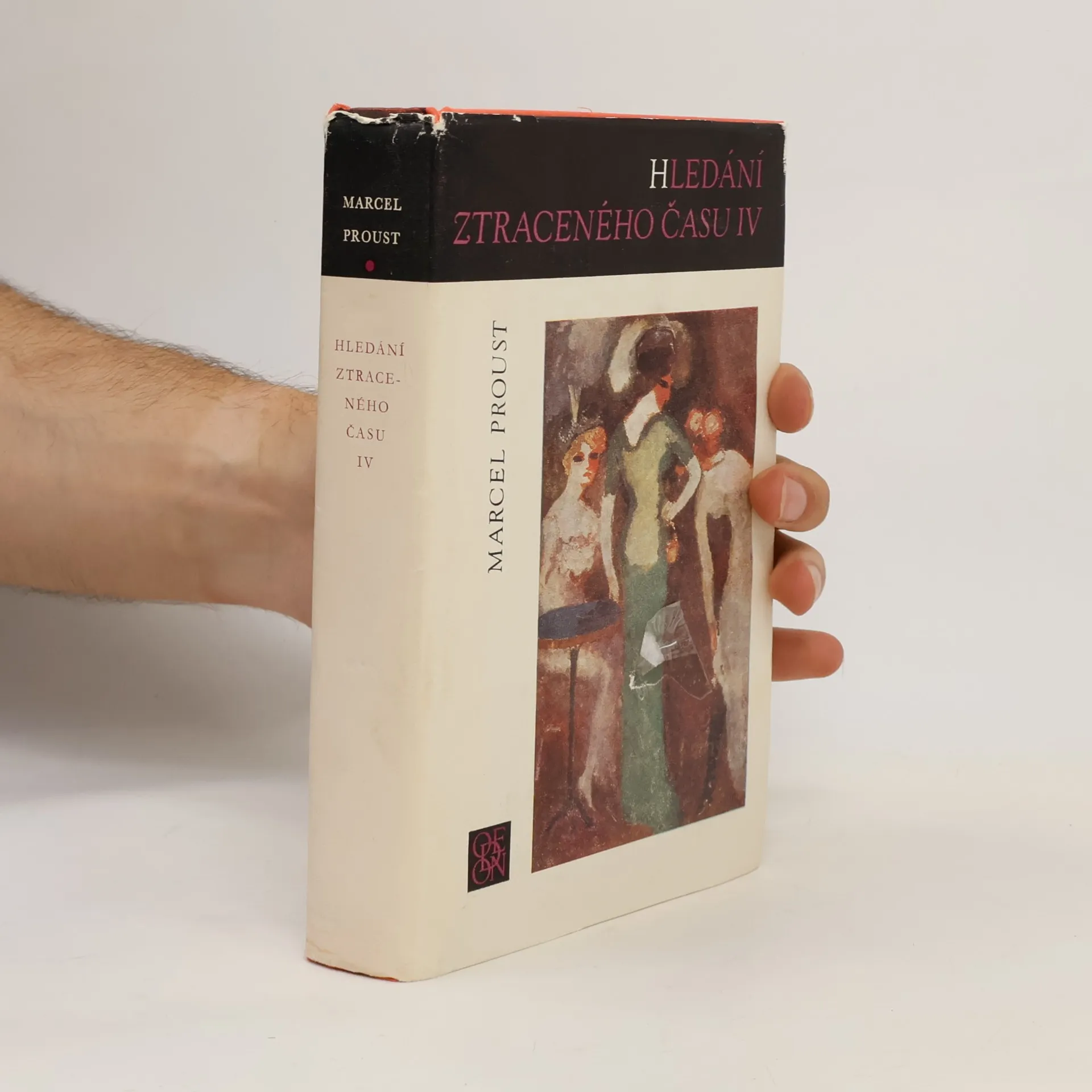
    • V Sodomě a Gomoře Proust odkrývá skryté stránky povahy a života jedné ze svých nejpřízračnějších postav –⁠ barona Charluse. Znovu sledujeme vypravěčův život v přímořském Balbecu, jeho rozporuplnou lásku k Albertině a jeho úspěchy v salónech okolních záměčků.

      Hledání ztraceného času IV.
      4,8
    • La deuxième partie d'A l'ombre des jeunes filles en fleurs : " Noms de pays : le pays ". en faisant écho à la dernière partie de Du côté de chez Swann : " Noms de pays : le nom ", annonce un progrès dans la connaissance des réalités. La ville rêvée, enveloppée de brumes, se révèle bien différente, illuminée par un soleil éclatant. Mais ce Balbec au nom oriental permet au héros d'accéder à un autre orient de ses rêves. Mme de Villeparisis, amie d'enfance de sa grand-mère, lui présente le marquis de Saint-Loup et le baron de Charlus qui, comme elle, appartiennent à l'aristocratique famille des Guermantes. La découverte de l'univers d'Elstir, peintre de génie, lui dévoile - sans qu'il en ait pleinement conscience - quelques-unes des vérités essentielles qu'il avait jusqu'alors vainement cherchées. Et Elstir lui permet encore d'aller au bout d'un rêve en l'introduisant auprès de la petite bande des jeunes filles en fleurs qui se profilent le long de la plage de Balbec. Au plaisir de leur compagnie le jeune homme est prêt à tout sacrifier : parents, amis, travail. A-t-il vraiment tort ?

      A l'ombre des jeunes filles en fleurs II
      4,9
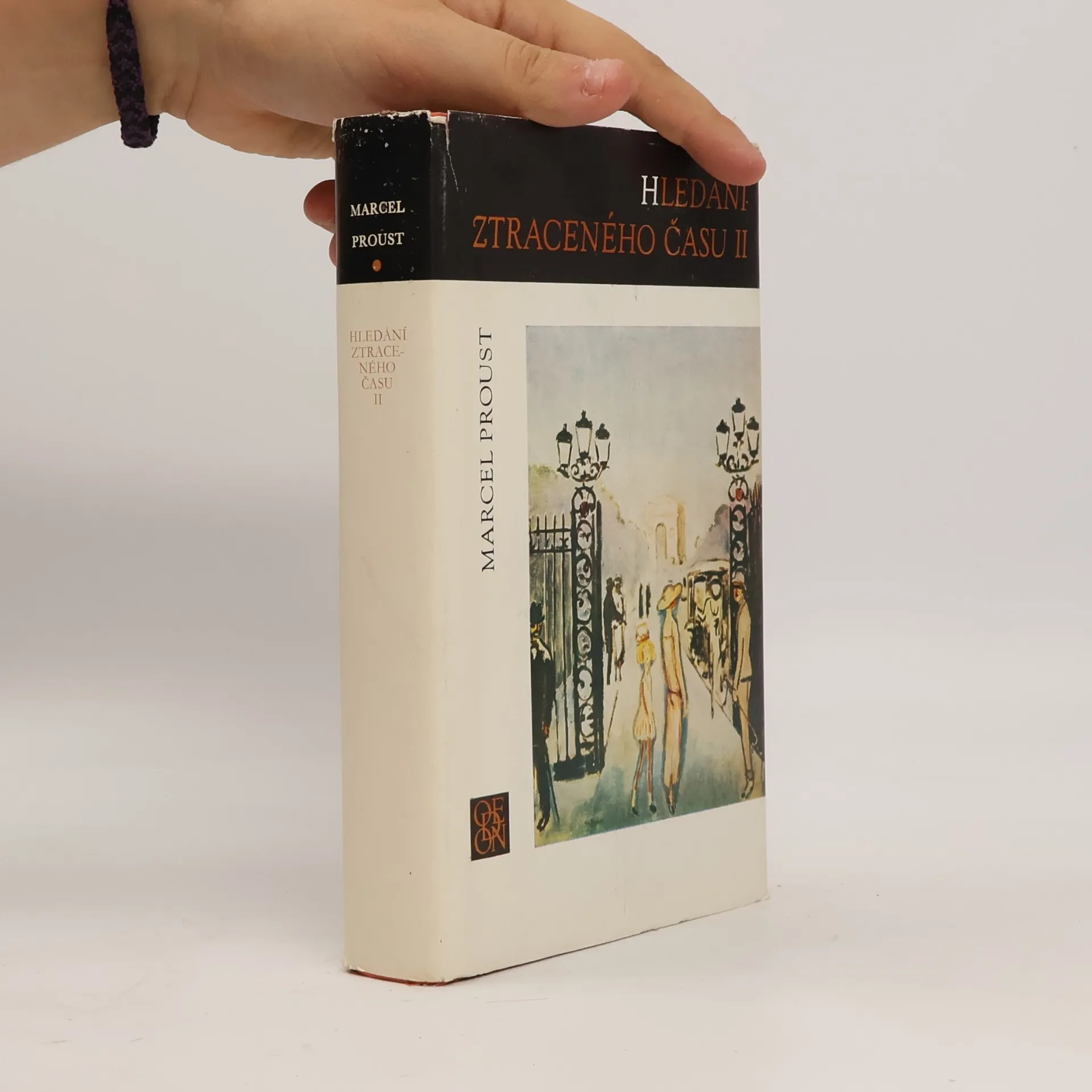
    • Hledání ztraceného času II.

      Ve stínu kvetoucích dívek

      Druhý díl, poctěný r. 1919 Goncourtovou cenou, se odehrává z větší části v normandských mořských lázních. Autor opět uvádí na scénu zámožného Pařížana a další postavy a podává mj. analýzu rozdílu mezi spisovatelem-člověkem a jeho dílem, analýzu lidských a rodinných vztahů, pohled na chováni měšťáka a šlechtice a detailní rozbor rodící se lásky mezi mužem a ženou.

      Hledání ztraceného času II.
      4,7
    • À la recherche du temps perdu III

      • 1952bladzijden
      • 69 uur lezen

      Sodome et Gomorrhe ouvre une nouvelle phase de À la recherche du temps perdu. Tout en observant la pollinisation de l'orchidée de la duchesse de Guermantes, le narrateur observe secrètement une rencontre sexuelle entre deux hommes. « Fleur et plante n'ont pas de volonté consciente », a écrit Samuel Beckett à propos de la représentation de la sexualité par Proust. « Ils sont sans vergogne, exposant leurs organes génitaux. Et ainsi, en un sens, les hommes et les femmes de Proust... sont sans vergogne. Il n'est pas question de bien et de mal. »

      À la recherche du temps perdu III
      4,6
    • « Tout d'un coup, dans le petit chemin creux, je m'arrêtai touché au cœur par un doux souvenir d'enfance : je venais de reconnaître, aux feuilles découpées et brillantes qui s'avançaient sur le seuil, un buisson d'aubépines défleuries, hélas, depuis la fin du printemps. Autour de moi flottait une atmosphère d'anciens mois de Marie, d'après-midi du dimanche, de croyances, d'erreurs oubliées. J'aurais voulu la saisir. Je m'arrêtai une seconde et Andrée, avec une divination charmante, me laissa causer un instant avec les feuilles de l'arbuste. Je leur demandai des nouvelles des fleurs, ces fleurs de l'aubépine pareilles à de gaies jeunes filles étourdies, coquettes et pieuses. "Ces demoiselles sont parties depuis déjà longtemps", me disaient les feuilles. » À l'ombre des jeunes filles en fleurs (deuxième partie) - Le Côté de Guermantes - Esquisses

      A la recherche du temps perdu II
      4,6
    • V prvním dílu románového cyklu, postihujícího vývoj francouzské společnosti od Dreyfusovy aféry až po první světovou válku a stojícího u základů psychologického románu 20. století, představuje autor hrdinu, zámožného Pařížana, člověka ušlechtilého, ale zároveň neúprosně logického a pravdivého. Na jeho příběhu podává studii milostného citu, žárlivosti, společenských vztahů a mravů.

      Hledání ztraceného času I. Svět Swannových
      4,8
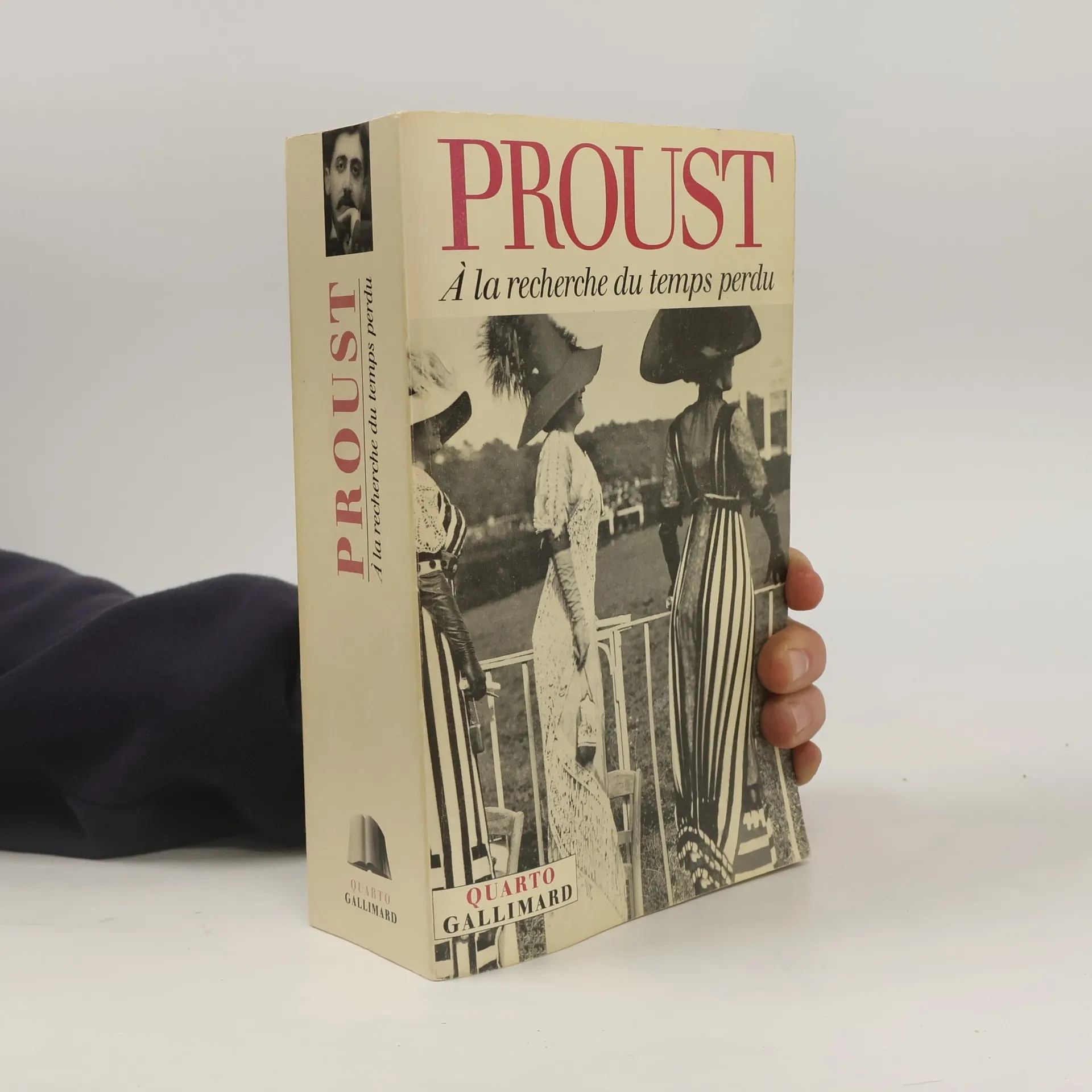
    • Quarto: À la recherche du temps perdu

      • 2400bladzijden
      • 84 uur lezen

      L'expression roman fleuve devrait, sans connotation péjorative, désigner une œuvre qui prend le temps de charrier mille petites particules d'impression pour les infuser dans l'esprit d'un lecteur captivé. En somme, elle devrait avoir été créée pour désigner La Recherche proustienne, qui s'ouvre Du côté de chez Swann et s'achève une fois Le Temps retrouvé . Dans le premier tome de ce superbe travail sur la mémoire et la métaphore, œuvre à part entière mais aussi amorce dramatique d'un joyau de la langue française, le narrateur s'aperçoit fortuitement, à l'occasion d'un goûter composé d'une tasse de thé et d'une madeleine désormais célèbre, que les sens ont la faculté de faire ressurgir le souvenir. Grâce aux senteurs d'un buisson d'aubépines, il prend confusément conscience de la distinction entre le souvenir et la réminiscence, pour ensuite s'exercer à manier les mots comme de petits papiers japonais qui, touchés par la grâce de l'eau, se déploient en corolle pour faire place à tout un univers. Tout comme se déploie un roman fleuve à partir de cette toute petite phrase légendaire : "Longtemps, je me suis couché de bonne heure". --Sana Tang-Léopold Wauters

      Quarto: À la recherche du temps perdu
      4,5
    • En busca del tiempo perdido

      • 315bladzijden
      • 12 uur lezen

      Giudicato da Proust stesso "ciò che ho scritto di meglio", Albertine scomparsa chiude il dittico della ragazza di Balbec narrando il lutto del Narratore per la sua morte e il lento trascolorare della sofferenza nell'oblio, sullo sfondo di una Venezia insieme immaginata, rievocata e reale. Ispirato a un episodio autobiografico e permeato di un potente erotismo, il penultimo libro della Recherche permette all'autore di approfondire il registro tragico dell'opera, indagando in profondità il dolore del mondo e dando il via a un percorso di autoanalisi che ha pochi pari nella storia della letteratura.

      En busca del tiempo perdido
      4,4
    • Auf der Suche nach der verlorenen Zeit (Band 5)

      Im Schatten junger Mädchenblüte – Im Umkreis von Madame Swann, Teil I

      • 48bladzijden
      • 2 uur lezen

      Nach seiner Begegnung mit dem Marquis de Norpois und dem ersten Theaterbesuch, bei dem er die Berma in Racines Phädra bewundert, erinnert sich Marcel an seine erste Liebe, Gilbert. Sie ist die Tochter des feinen Herrn Swann, seiner Frau Odette, die der Halbwelt entstammt. Die komplizierte Liebe zu ihr ist von zahlreichen Geheimnissen umgeben und bindet ihn immer enger an die Familie Swann. Marcels jugendlichen Erwartungen, seine Illusionen und sein Ehrgeiz sind immer wieder Enttäuschungen und Ernüchterungen ausgesetzt. Gewohnt gekonnt setzt Stéphane Heuet in seinem Stil der »Ligne claire« einen weiteren Teil von Marcel Prousts Werk Auf der Suche nach der verlorenen Zeit um und setzt damit die Teilserie »Im Schatten junger Mädchenblüte« fort.

      Auf der Suche nach der verlorenen Zeit (Band 5)
      5,0
    • První část knihy s názvem Combray zachycuje vzpomínky a reflexe dětství ve stejnojmenném venkovském městečku a představuje postavy, významné pro další děj: zejména obchodníka a milovníka umění Charlese Swanna a jeho manželku Odettu, bývalou kurtizánu. Druhý oddíl, Swannova láska, zachycuje příběh jejich seznámení a vztahu a často bývá vydáván jako samostatné dílo. Stručná závěrečná část je pak především vypravěčovou úvahou nad subjektivitou míst a vzpomínek.

      Hledání ztraceného času I. Svět Swannovvých
      4,4
    • Eseje

      • 205bladzijden
      • 8 uur lezen

      Žáner eseje tvorí významnú súčasť životného diela Marcela Prousta (1871-1922), ktorý sa už od mladosti venoval písaniu glos, článkov, kroník a esejí. Tieto texty sa zaoberajú výstavami, koncertmi, literárnymi dielami a otázkami umeleckej tvorby, pričom približujú aj aristokratické salóny a spoločenské udalosti. Proust začal prispievať do revue Le Banquet a La Revue blanche, neskôr do La Chronique des arts et de la curiosité, Le Gaulois a Les Lettres. Jeho noticky sa pravidelne objavovali v Le Figaro a neskôr v La Nouvelle Revue française. Počas svojho života vydal jedinú zbierku esejistických útvarov, Pastiše a rozmanitosti (1919), ktorá obsahuje kolekciu pastišov a rôznych esejí, vrátane pozoruhodných Dní čítania. Po jeho smrti vyšli Kroniky (1927) a nedokončená esej Proti Sainte-Beuvovi (1954). Súbor tridsiatich esejí a článkov preložil Boris Mihalkovič z francúzskeho vydania Marcel Proust: Contre Sainte-Beuve précédé de Pastiches et mélanges et suivi de Essais et articles. Tento výber sa zameriava na Proustove estetické záujmy (literatúra, hudba, výtvarné umenie, portréty, nekrológy, recenzie) a zachytáva jeho literárny vývoj od začiatkov po neskoré povojnové texty, chronologicky usporiadané ako vo francúzskom origináli.

      Eseje
      4,5
    • A translation of the second volume of "In Search of Lost Time" captures the intricacies and challenges of male and female adolescence and awakening love, based on the narrator's reminiscences about Paris and the Normandy coast.

      Под сенью девушек в цвету
      5,0
    • Werke. Frankfurter Ausgabe Werke II. Band 3

      Auf der Suche nach der verlorenen Zeit 3. Guermantes

      • 1000bladzijden
      • 35 uur lezen

      In Guermantes folgen die Leser den Wegen und Irrwegen des schwärmerisch verliebten und gesellschaftlich ambitiösen Romanhelden durch die Salons des Faubourg Saint-Germain und spüren sozusagen am eigenen Leib, dass es sich um vertane, vertrödelte Zeit handelt, temps perdu . Dennoch sind diese unnützen Jahre nicht verloren, bilden sie doch die eigentliche Substanz von Prousts Roman: raffinierte Schilderungen der mondänen Welt; satirische Charakterporträts von den Größen der adligen Gesellschaft, von Ärzten oder von Bohemiens; dazwischen auch Landschaftsbilder und Genreszenen; psychologische, soziologische und politische Betrachtungen; und dazu zwei Themen, deren Bedeutung weit über den engeren Kontext hinausreicht: der als Romanszene explizit dargestellte Tod der Großmutter und die vorerst nur andeutungsweise bezeichnete Homosexualität. Für die Frankfurter Ausgabe wurde Eva Rechel-Mertens' bis heute gültige Übersetzung von Auf der Suche nach der verlorenen Zeit von Luzius Keller und Sibylla Laemmel korrigiert und teilweise neu gefasst. Der Kommentar erklärt Anspielungen und Zitate, weist auf wichtige Erzählstrukturen hin und zeigt das Zusammenspiel der einzelnen Teile, Themen und Stilnuancen auf.

      Werke. Frankfurter Ausgabe Werke II. Band 3
      4,4
    • Le Temps retrouvé ist der siebte und letzte Band von À la recherche du temps perdu von Marcel Proust, veröffentlicht 1927 posthum. Die Handlung beginnt mit dem Aufenthalt des Erzählers bei Gilberte de Saint-Loup in Tansonville. Eine Lesung eines unveröffentlichten Abschnitts aus dem Journal der Goncourt führt den Erzähler zu Überlegungen über Kunst und Literatur, aus denen er schlussfolgert, dass die Menschen, die wir bedauern, nicht gekannt zu haben, weil Balzac sie in seinen Büchern darstellt, uns möglicherweise als unbedeutende Personen erschienen wären, entweder aufgrund einer Schwäche meiner Natur oder weil ihr Prestige nur einer illusorischen Magie der Literatur zu verdanken wäre. Die Handlung setzt sich anschließend in Paris im Jahr 1916 fort.

      Auf der Suche nach der verlorenen Zeit. Tl.7
      4,4
    • «Tout d'un coup, dans le petit chemin creux, je m'arrêtai touché au cœur par un doux souvenir d'enfance : je venais de reconnaître, aux feuilles découpées et brillantes qui s'avançaient sur le seuil, un buisson d'aubépines défleuries, hélas, depuis la fin du printemps. Autour de moi flottait une atmosphère d'anciens mois de Marie, d'après-midi du dimanche, de croyances, d'erreurs oubliées. J'aurais voulu la saisir. Je m'arrêtai une seconde et Andrée, avec une divination charmante, me laissa causer un instant avec les feuilles de l'arbuste. Je leur demandai des nouvelles des fleurs, ces fleurs de l'aubépine pareilles à de gaies jeunes filles étourdies, coquettes et pieuses. "Ces demoiselles sont parties depuis déjà longtemps", me disaient les feuilles.»

      A l'ombre des jeunes filles en fleur. Im Schatten junger Mädchenblüte, französische Ausgabe
      4,3
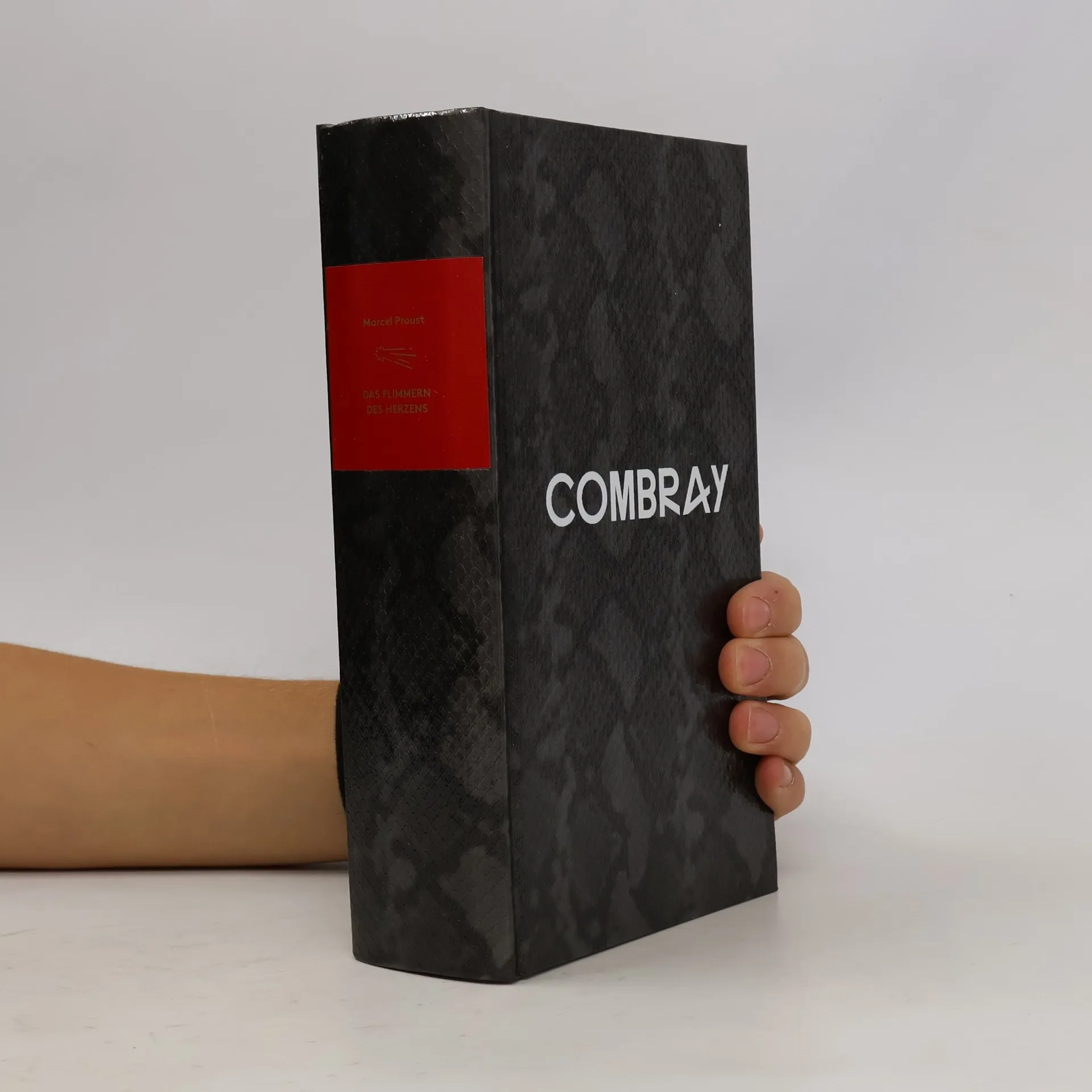
    • Das Flimmern des Herzens

      Auf der Suche nach der verlorenen Zeit - in der Urfassung

      • 732bladzijden
      • 26 uur lezen

      Anfang April 1913 erhielt Proust die ersten Druckbogen seines monumentalen Romans, damals noch unter dem Titel »Flimmern des Herzens«. Nach mehreren Ablehnungen durch Verlage wollte Bernard Grasset das Buch schließlich veröffentlichen. Die Genfer Stiftung Bodmeriana bewahrt die Korrekturbögen der ersten Fassung, die ein großes Rätsel der Literaturgeschichte darstellen: Anstatt nur Anpassungen vorzunehmen, entwarf Proust auf den Druckfahnen handschriftlich ein neues Werk. Aus der »Verlorenen Zeit« wurde »Auf der Seite von Swann«, und die Suche nach der verlorenen Zeit entstand. Zum ersten Mal kann die verschollene Version in deutscher Übersetzung gelesen werden, und die Transformation in das Jahrhundertwerk kann Seite für Seite verfolgt werden. Die Neuübersetzung von Stefan Zweifel stellt die beiden Versionen des Romans gegenüber: die Druckfahnen von 1913 und die endgültige Fassung. Proust entwickelte damals seine literarische Methode und komponierte sein Buch neu. Der Band präsentiert eindrucksvoll die Keimzelle seines Schaffens: das mit Lindenblütentee getränkte Gebäck Madeleine, das seine Kindheitserinnerungen weckt, die sadistischen Rituale von Mlle de Vinteuil, das Ringen um einen Gutenachtkuss von Maman, die erste Liebe und die Beschreibung der Flusslandschaft von Combray, inspiriert von Claude Monet.

      Das Flimmern des Herzens
      4,5
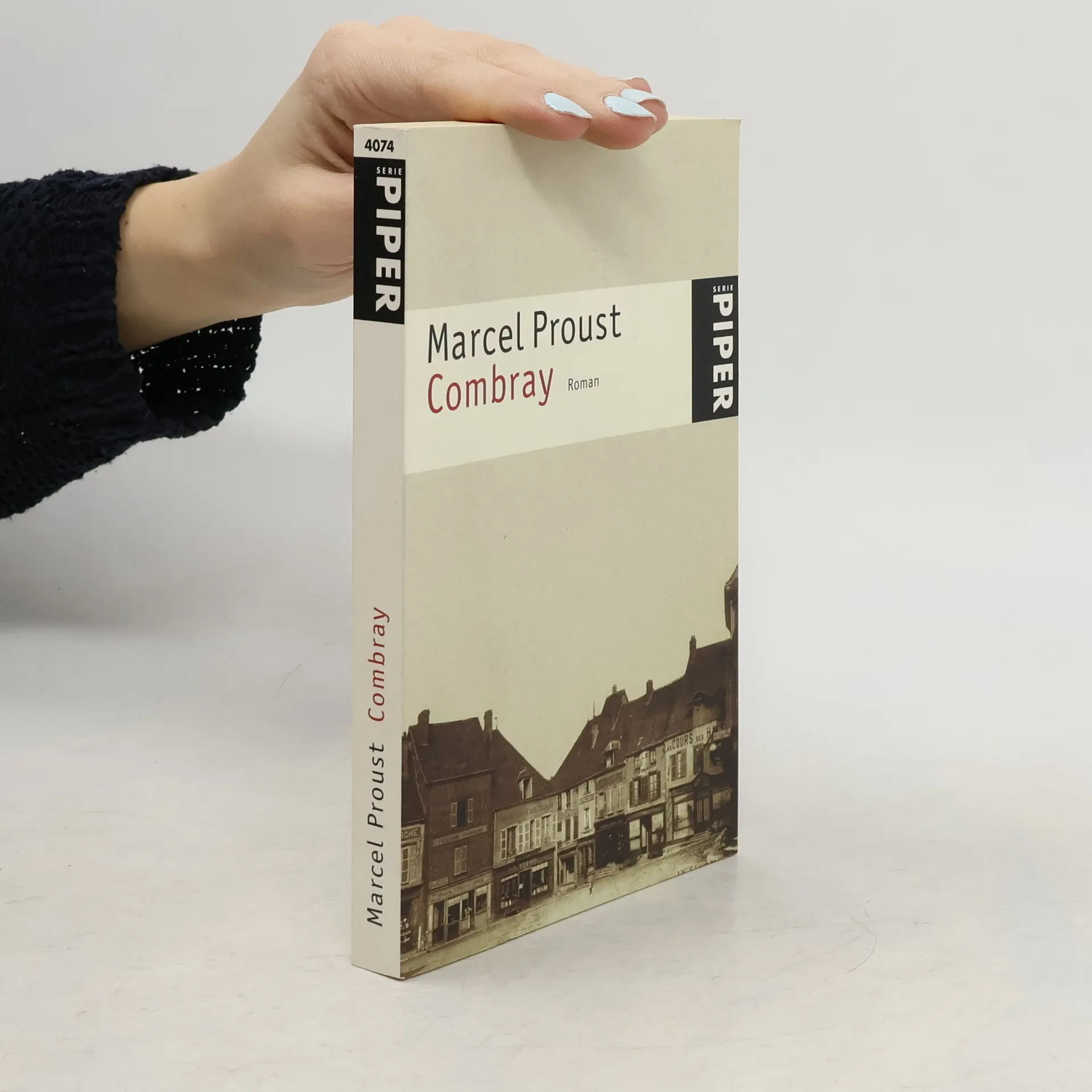
    • Serie Piper - 4074: Combray

      Auf der Suche nach der verlorenen Zeit, in Swanns Welt, erster Teil; Roman

      • 286bladzijden
      • 11 uur lezen

      A guide to "Combray," the opening section of Proust's "A La Recherche Du Temps Perdu." This text helps students to encounter in context the highlights of the book that have so often been anthologized: the madeleine dipped in the narrator's tear - the quintessential Proustian experience of affective memory - the scene of the goodnight kiss, the appearance of Swann, the evocation of the little town, the old servant, Francoise, and the charming landscapes. Suitable for both undergraduates and the general reader, an introduction clarifies the historical background to this masterpiece of French literature. It examines the ways in which the complexities of biography, literary transformation and the structural importance of its many themes may be approached and appreciated. The text is supported by full explanatory notes and frequent translations.

      Serie Piper - 4074: Combray
      4,0
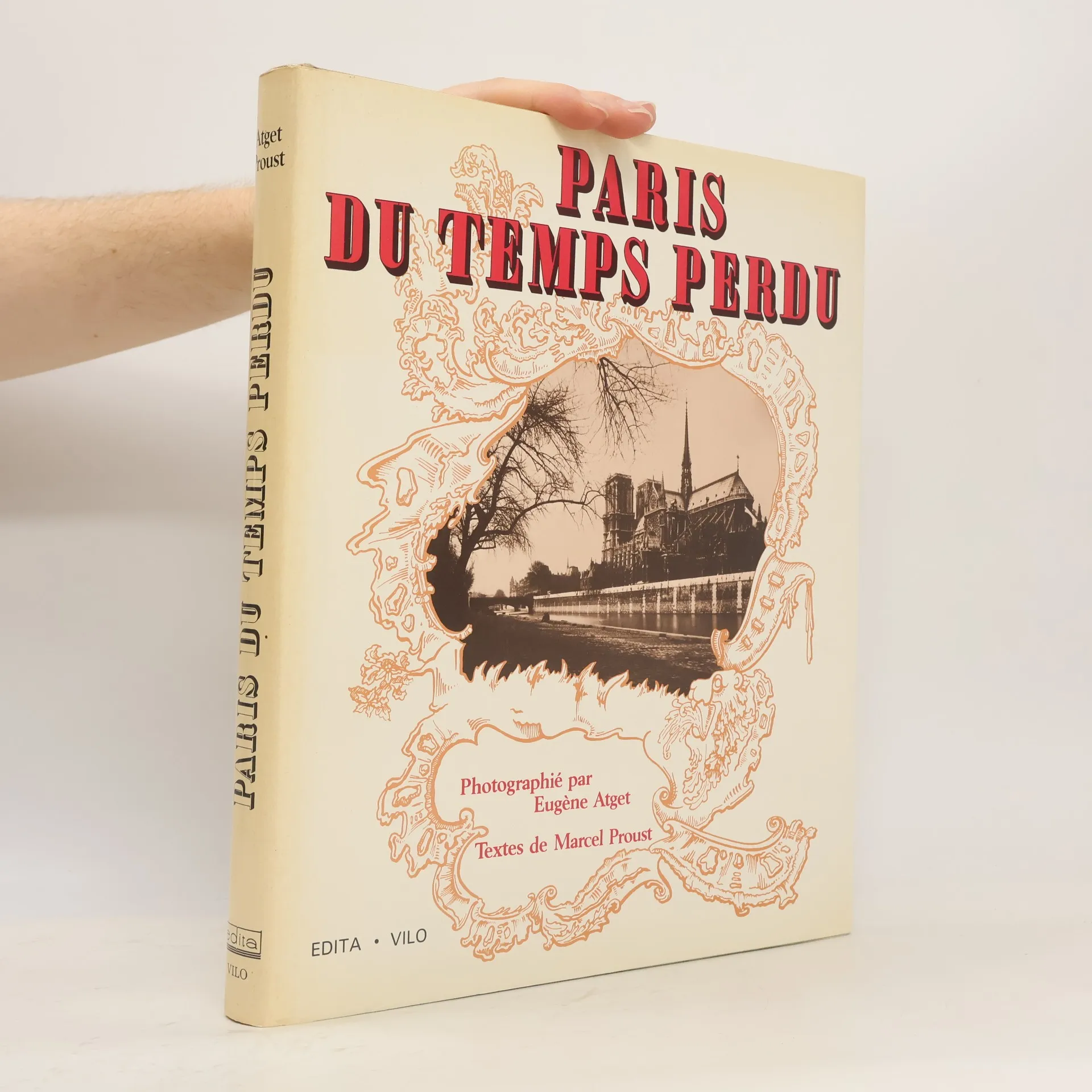
    • Paris du temps perdu

      • 117bladzijden
      • 5 uur lezen

      Marcel Proust et Eugène Atget, bien que contemporains, ne se connaissaient pas. Toutefois, leurs oeuvres monumentales témoignent d'une même volonté patiente et méticuleuse de restituer la vie de leur temps, ce Paris légendaire de la Belle Époque. Tandis que Proust s'attache à décrire la complexité de l'âme humaine dans sa Recherche du temps perdu, Atget, lui, photographie dès 1895 les rues, les places, les jardins, les échoppes qui servent de décor au peuple parisien. Deux projets à l'ambition colossale, qui allaient se révéler d'autant plus précieux que la Première Guerre mondiale devait bientôt profondément bouleverser la vie des Parisiens et leur ville. Les photographies de l'un font subtilement écho aux mots de l'autre, c'est Odette ou Albertine que l'on croit reconnaître derrière les passantes furtives, c'est l'hôtel de la duchesse de Guermantes que dissimulent les lourdes portes cochères. Ces deux regards croisés sur un Paris irrémédiablement perdu suscitent une émotion teintée de mélancolie.

      Paris du temps perdu
      4,0
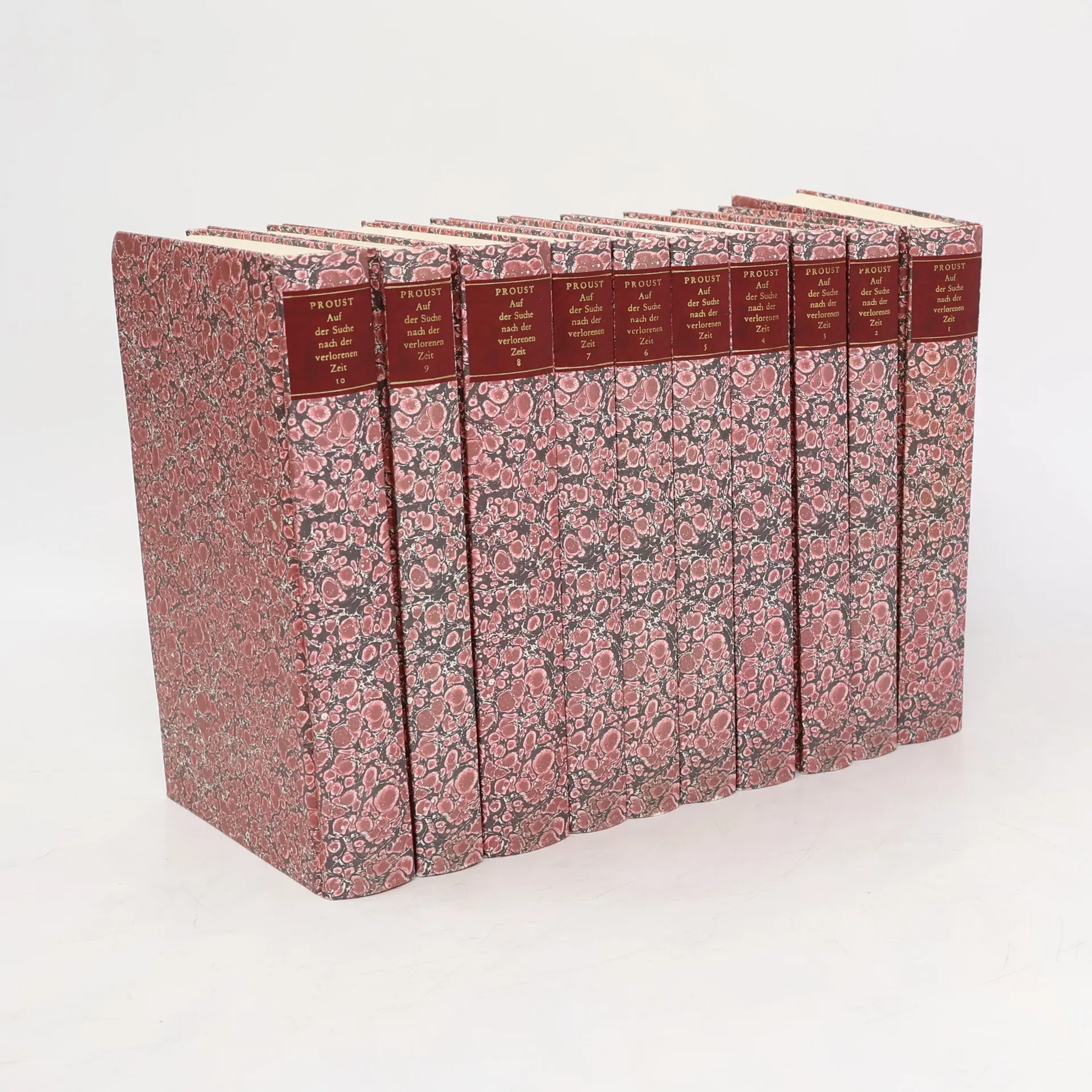
    • Auf der Oberfläche ein traditioneller "Bildungsroman", der die Reise des Erzählers zur Selbstentdeckung beschreibt, ist dieses riesige und komplexe Buch auch ein panoramisches und reichhaltig komisches Porträt Frankreichs zur Zeit des Autors und eine tiefgehende Meditation über die Natur von Kunst, Liebe, Zeit, Erinnerung und Tod. Doch für die meisten Leser sind es die Figuren des Romans, die am stärksten in den Vordergrund treten: Swann und Odette, Monsieur de Charlus, Morel, die Duchesse de Guermantes, Françoise, Saint-Loup und viele andere — Riesen, wie der Autor sie nennt, in der Zeit versunken. "Auf der Suche nach der verlorenen Zeit" ist ein Roman in sieben Bänden. Der Roman begann 1909 Gestalt anzunehmen. Proust arbeitete bis zu seiner letzten Krankheit im Herbst 1922 daran, die ihn zwang, die Arbeit abzubrechen. Proust legte die Struktur früh fest, aber selbst nachdem Bände zunächst fertiggestellt waren, fügte er weiterhin neues Material hinzu und bearbeitete einen Band nach dem anderen zur Veröffentlichung. Die letzten drei der sieben Bände enthalten Unachtsamkeiten und fragmentarische oder ungeschliffene Passagen, wie sie im Entwurf zum Zeitpunkt des Todes des Autors existierten; die Veröffentlichung dieser Teile wurde von seinem Bruder Robert überwacht.

      Auf der Suche nach der verlorenen Zeit, 10 Bde.
      4,0
    • Auf der Suche nach der verlorenen Zeit (Band 6)

      Im Schatten junger Mädchenblüte – Im Umkreis von Madame Swann, Teil II

      • 48bladzijden
      • 2 uur lezen

      Marcel ist nun ein gern gesehener Gast im Hause Swann und verbringt viel Zeit mit Gilberte. Auf Spaziergängen im Bois de Boulogne begegnen sie dabei namhaften Personen, wie etwa Prinzessin Mathilde, der Nichte von Napoleon I. Bei einem Abendessen trifft Marcel den Schriftsteller Bergotte, den er sehr verehrt. Zu seiner Enttäuschung entspricht dieser so gar nicht seinen Vorstellungen, sodass dessen literarisches Werk mit einem Mal seinen Reiz verliert. Nach einiger Zeit bemerkt Marcel, dass seine Freundschaft zu Gilberte erkaltet und sie ihn immer mehr meidet. Er schreibt ihr wütende Briefe, mit der Absicht, sich von ihr abzukehren, doch bereut er dies bald darauf und hofft auf Versöhnung. Gilberte jedoch geht ihm aus dem Weg und so versinkt Marcel in Liebeskummer. Doch der nahende Frühling verspricht Linderung … Gewohnt gekonnt setzt Stéphane Heuet in seinem Stil der »Ligne claire« einen weiteren Teil von Marcel Prousts Werk Auf der Suche nach der verlorenen Zeit um und setzt damit die Teilserie »Im Schatten junger Mädchenblüte« fort.

      Auf der Suche nach der verlorenen Zeit (Band 6)
      4,0
    • À la recherche du temps perdu

      • 1728bladzijden
      • 61 uur lezen

      La présente édition critique présente trois nouveautés importantes. Elle donne un texte définitif réétabli sur les manuscrits, dactylographies et épreuves, l'essentiel des textes inédits de Marcel Proust, et, sous forme de notes et de commentaires, la documentation la plus complète possible sur son roman.

      À la recherche du temps perdu
      4,3
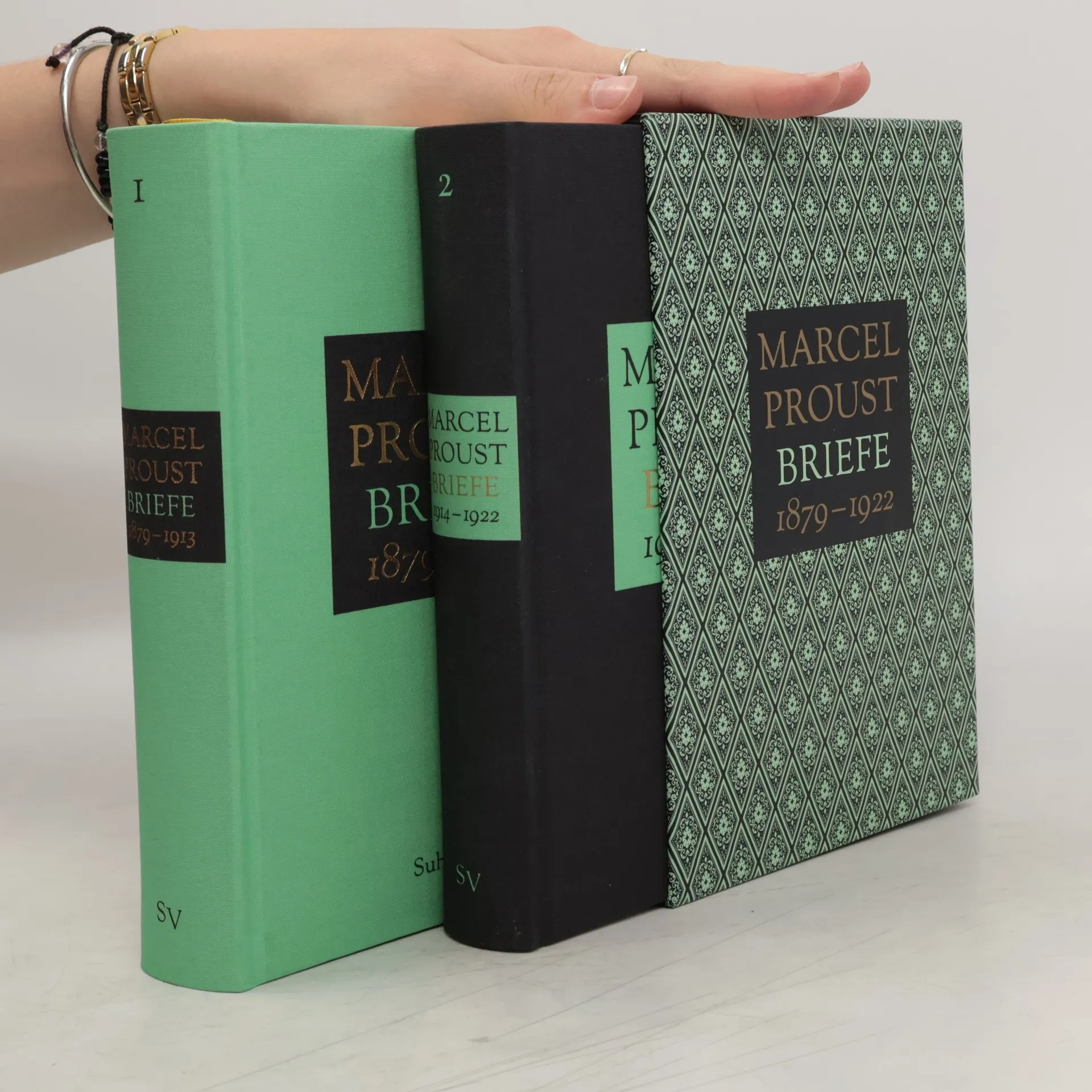
    • Briefe

      1879 - 1922 (2 Bde.)

      • 1479bladzijden
      • 52 uur lezen

      Marcel Proust war ein äußerst produktiver Briefschreiber. Für den Dichter, der häufig ans Bett gefesselt war, trat der Brief oft an die Stelle des persönlichen Gesprächs. In seinen Korrespondenzen erleben wir den Autor von den verschiedensten Seiten: als Schriftsteller, der mit seinem Verleger bis buchstäblich zum letzten Atemzug um jede Zeile seines Werkes kämpft. Als mutigen Literaten, der im Skandalprozess um den jüdischen Hauptmann Dreyfus früh das Wort ergreift und sich für den zu Unrecht Verurteilten einsetzt. Als Muttersohn und als Werbenden in homoerotischen Freundschaften. Immer wieder brilliert Proust auch als witziger Erzähler mit Blick fürs skurrile Detail. Wie er sich verzweifelt gegen Handwerkerlärm aus der Nachbarwohnung zur Wehr setzt oder auf groteske Finanztransaktionen einlässt, gehört zu den amüsantesten Aspekten dieser Korrespondenz. Diese erste umfassende deutsche Briefausgabe mit ihren annähernd 600 Briefen an Freunde, an die Mutter, an Schriftstellerkollegen, Gesellschaftsmenschen, Kritiker und Verleger dokumentiert aus Prousts unzensiert-privater Sicht seine ganze Entwicklung von den frühen literarischen Fingerübungen bis hin zur Vollendung der Recherche . Einleitung, ausführliche Stellenkommentare, Zeittafel, Kurzporträts aller Briefempfänger und Register erschließen die Briefe und damit das faszinierende Panorama einer ganzen Epoche.

      Briefe
      4,0
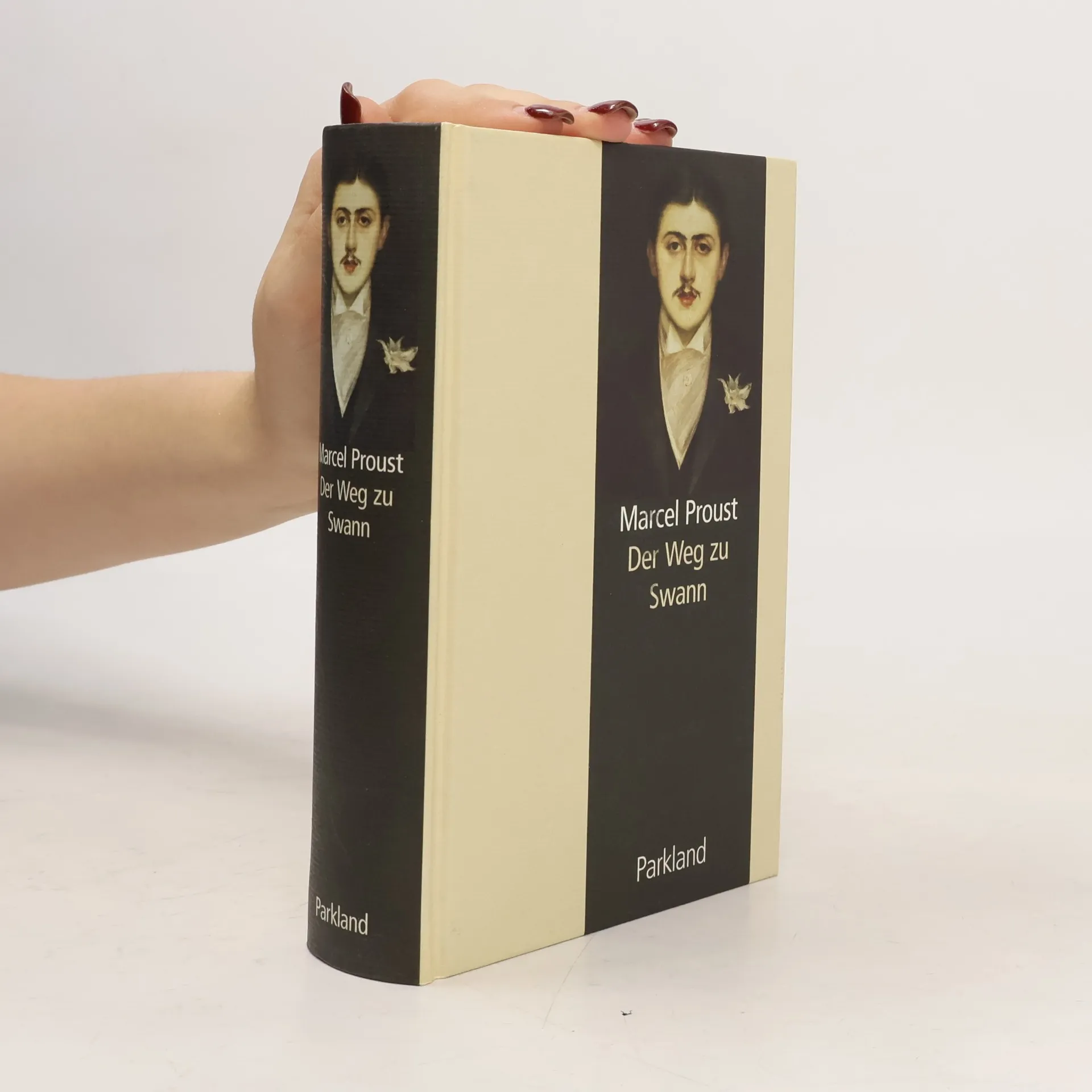
    • Der Weg zu Swann

      • 604bladzijden
      • 22 uur lezen

      Ein Kunstwerk der Erinnerung ist dieses werk, der erste Teil des großen Zyklus „Auf der Suche nach der verlorenen Zeit“ mit dem Marcel proust neben Musil und Joyce zum Begründer des modernen Romans wurde. Marcel Proust, geboren 10. Juli 1871 in Auteuil - gestorben 18. November 1922, Sohn einer renommierten und wohlhabenden Familie. Proust absolviert seine Schulzeit am Lycee Condorcet und studiert dann an der Ecole des Sciences politiques. Als junger Mann verkehrt er in der Pariser High Society von Großbourgeoisie und Adel. Früh betätigt er sich literarisch, aber auch als Literaturtheoretiker. Nachdem er schon als Kind viel krank war, lebt er ab etwa 30 als Dauerkranker (Asthma) an sein Zimmer gefesselt. Du cote de chez Swann (Der Weg zu Swann), erschien 1913.

      Der Weg zu Swann
      4,0
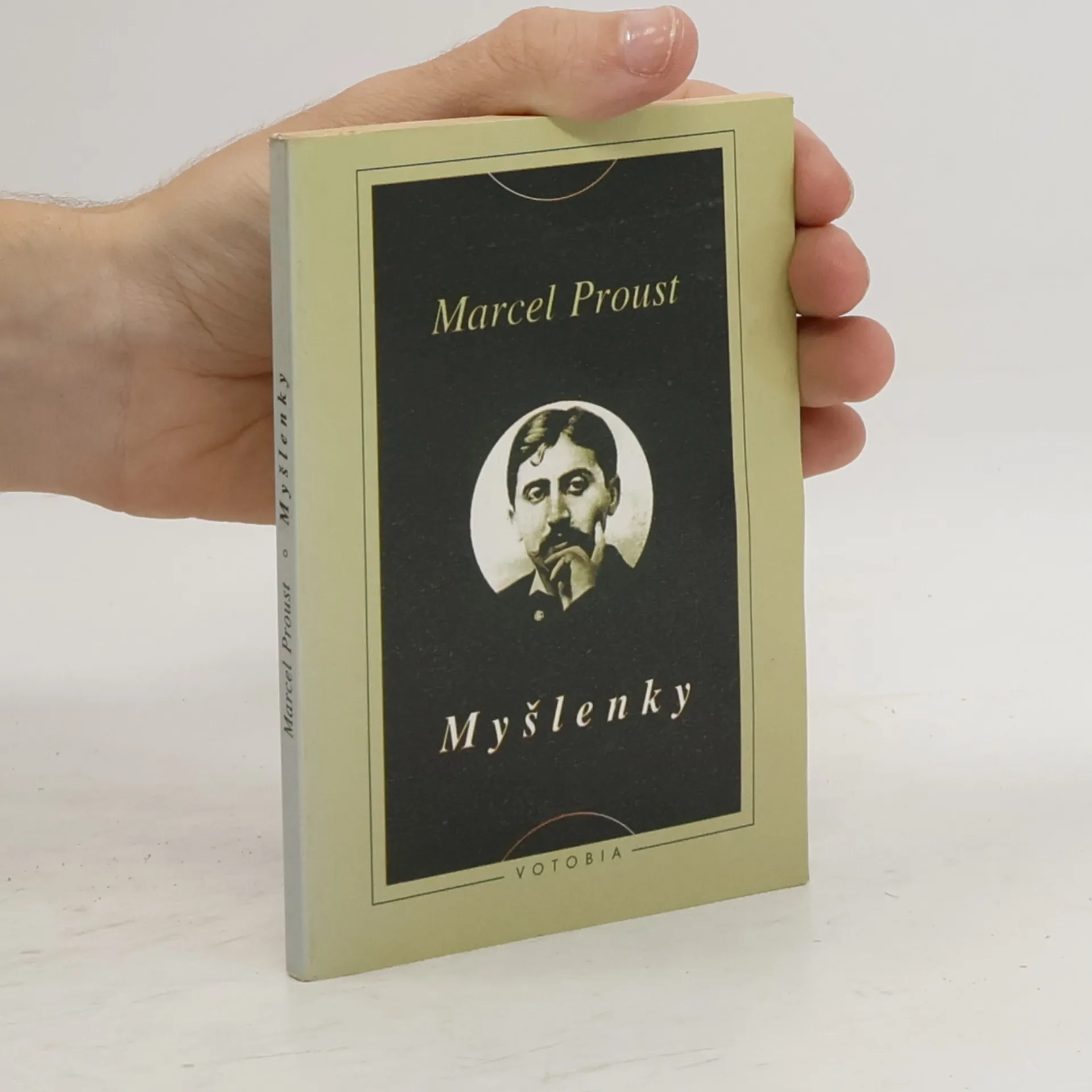
    • Myšlenky

      • 104bladzijden
      • 4 uur lezen

      Citáty z Hledání ztraceného času vybral a poznámku napsal Jaroslav Štěpánek.

      Myšlenky
      4,3
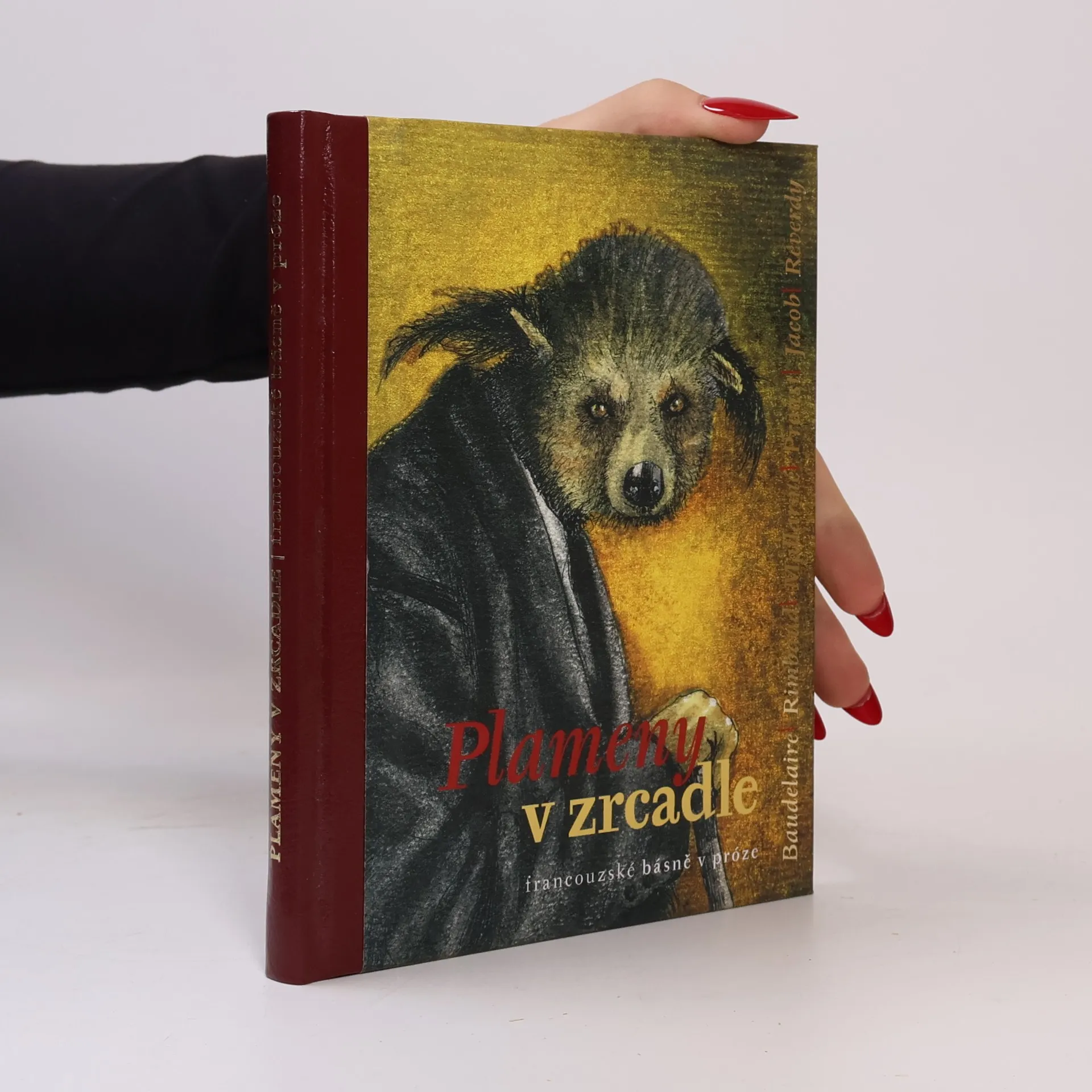
    • Žánr básní v próze, pohybující se v krajně kultivované podobě na pomezí poezie, esejů, maxim i starých rytin, se u nás příliš nepěstoval. Pro připomínku mohou padnout jména Víta Obrtela nebo Jana Vladislava a před nimi – jak jinak – Jaroslava Vrchlického. Jejich domovem je Francie. Antologie Plameny v zrcadle sleduje jejich proměny od Baudelaira přes Rimbauda, Mallarméa a Prousta až k Jacobovi a Reverdymu. Mají být „klenotem“ a „líbezným šerosvitem života“, zároveň však dovedou s radioaktivní intenzitou vyjadřovat vnitřní či vnější životní zážitek či zachytit výmluvný střípek krvavě vážné životní epizody. V literatuře reprezentují v čiré podobě řád a tvar.

      Plameny v zrcadle – francouzské básně v próze
      4,3
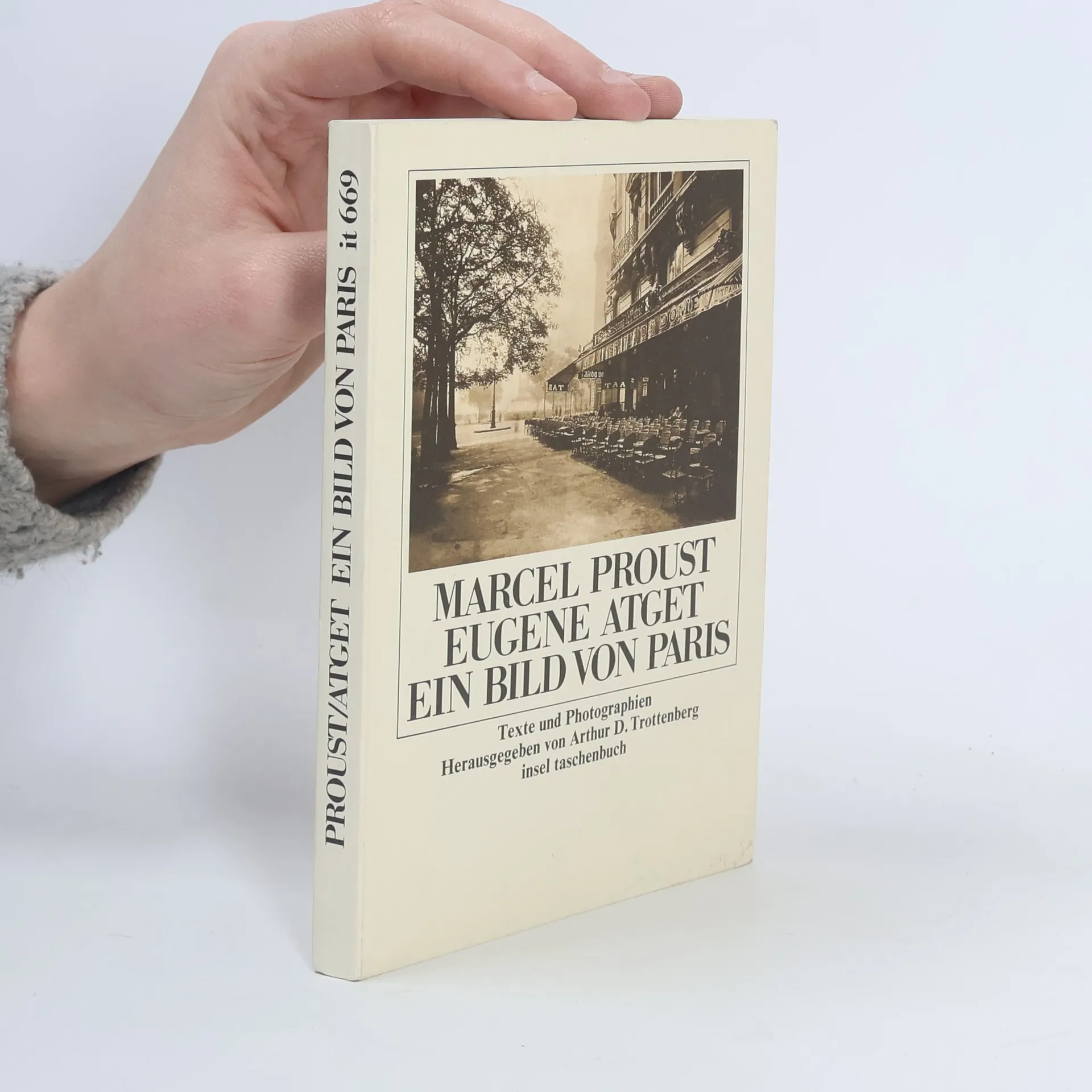
    • Insel Taschenbuch - 669: Ein Bild von Paris

      Texte und Photographien

      • 206bladzijden
      • 8 uur lezen

      Marcel Proust wurde am 10. Juli 1871 in Auteuil geboren und starb am 18. November 1922 in Paris. Sein siebenbändiges Romanwerk Auf der Suche nach der verlorenen Zeit ist zu einem Mythos der Moderne geworden. Eine Asthmaerkrankung beeinträchtigte schon früh Prousts Gesundheit. Noch während des Studiums und einer kurzen Tätigkeit an der Bibliothek Mazarine widmete er sich seinen schriftstellerischen Arbeiten und einem – nur vermeintlich müßigen – Salonleben. Es erschienen Beiträge für Zeitschriften und die Übersetzungen zweier Bücher von John Ruskin. Nach dem Tod der über alles geliebten Mutter 1905, der ihn in eine tiefe Krise stürzte, machte Proust die Arbeit an seinem Roman zum einzigen Inhalt seiner Existenz. Sein hermetisch abgeschlossenes, mit Korkplatten ausgelegtes Arbeits- und Schlafzimmer ist legendär. In Swanns Welt, der erste Band von Prousts opus magnum, erschien 1913 auf Kosten des Autors im Verlag Grasset. Für den zweiten Band, Im Schatten junger Mädchenblüte, wurde Proust 1919 mit dem Prix Goncourt ausgezeichnet. Die letzten Bände der Suche nach der verlorenen Zeit wurden nach dem Tod des Autors von seinem Bruder herausgegeben.

      Insel Taschenbuch - 669: Ein Bild von Paris
      4,0