Een delicate dans / druk 1
- 381bladzijden
- 14 uur lezen
Een hoofdinspecteur van de politie in Shanghai onderzoekt samen met een Amerikaanse vrouwelijke collega een tirademoord en mensensmokkel.


Qiu Xiaolong is de bedenker van de veelgeprezen misdaadserie rond Inspecteur Chen, die zich afspeelt in zijn geboortestad Shanghai. Zijn romans worden geprezen om hun diepgaande inzichten in de Chinese samenleving, cultuur en politiek tijdens overgangsperioden. Qiu verweeft vakkundig ingewikkelde plots met poëtische beschrijvingen en filosofische overpeinzingen. Naast zijn detectivefictie omvat zijn werk ook poëzie en vertalingen van Chinese verzen, wat zijn proza een extra laag artistieke diepgang verleent.
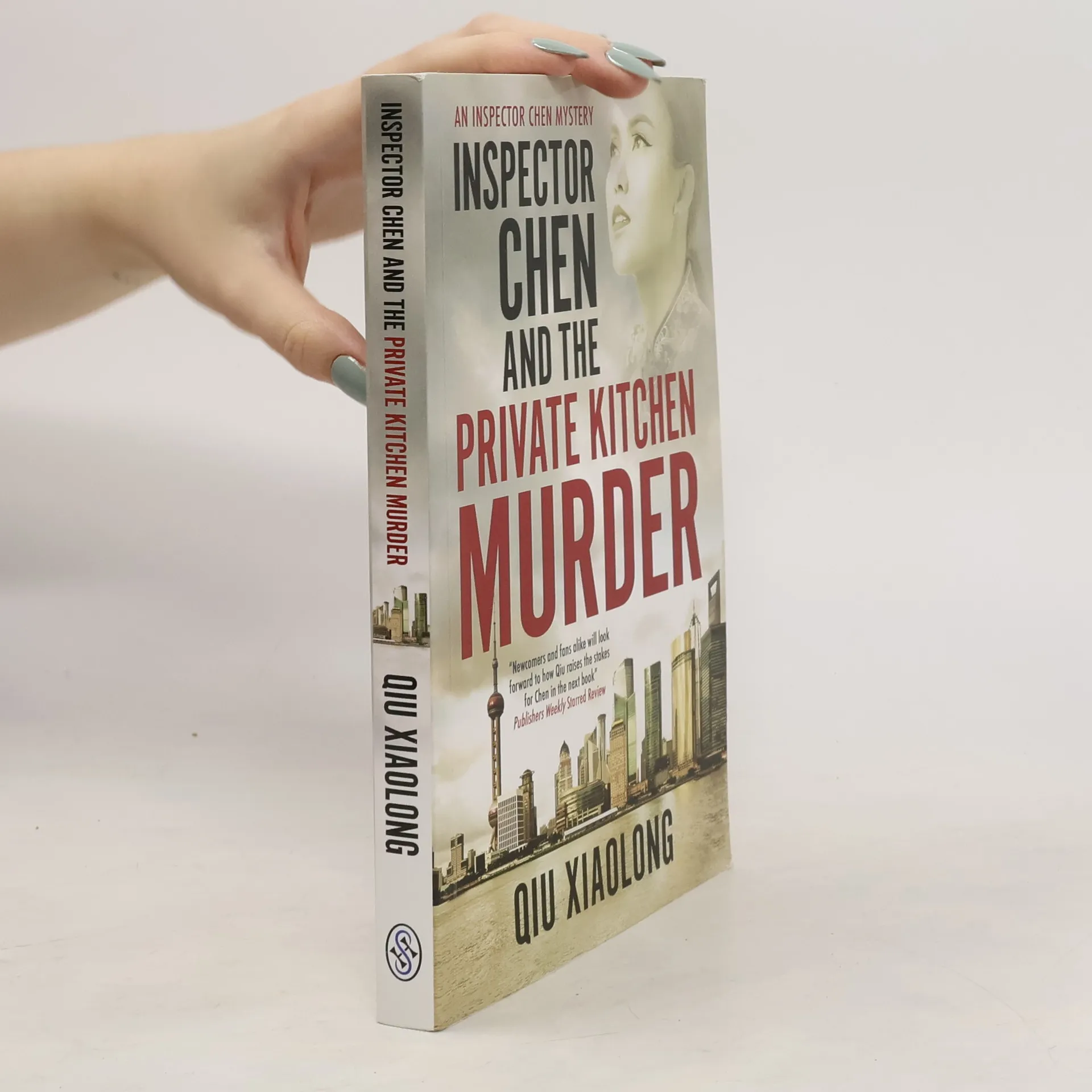

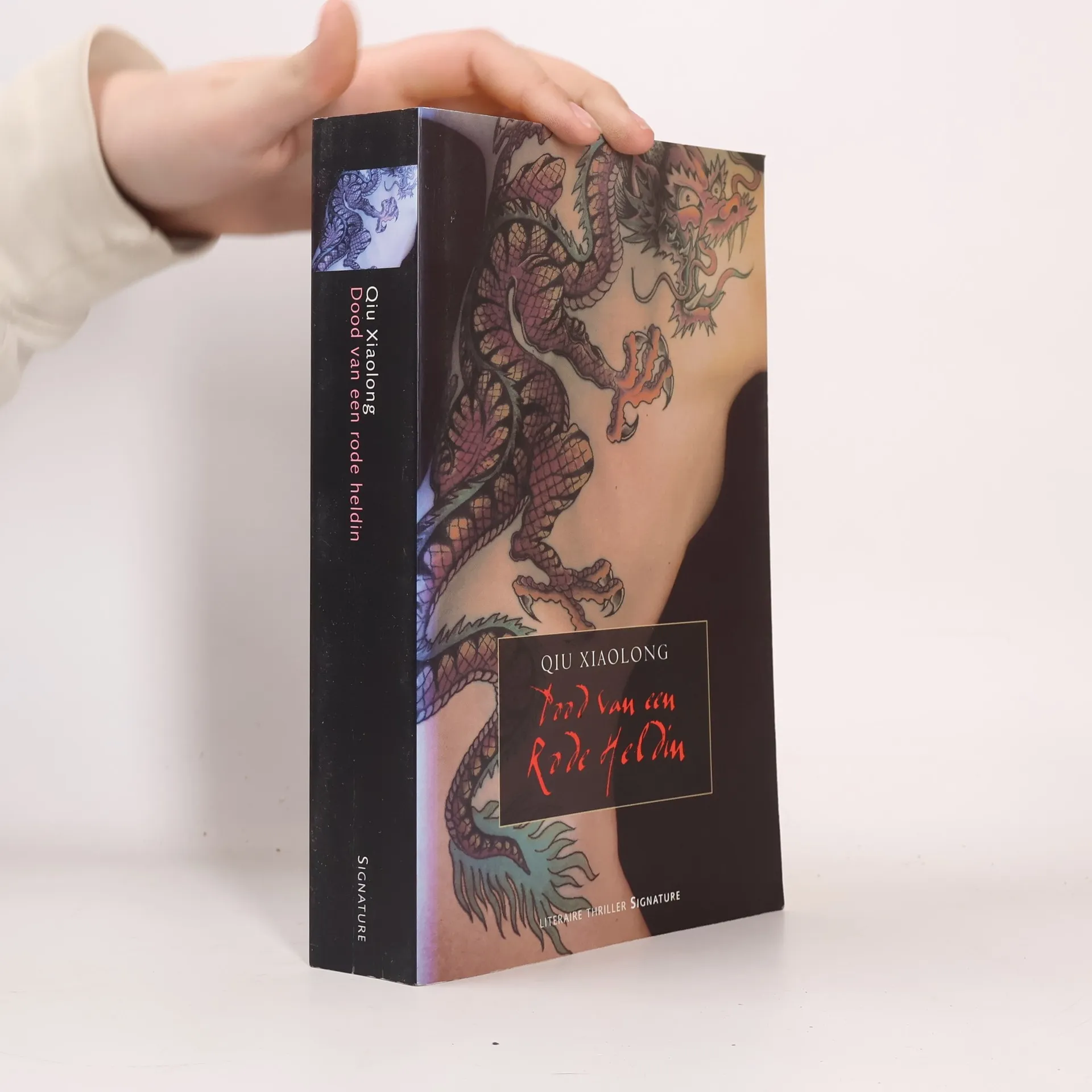
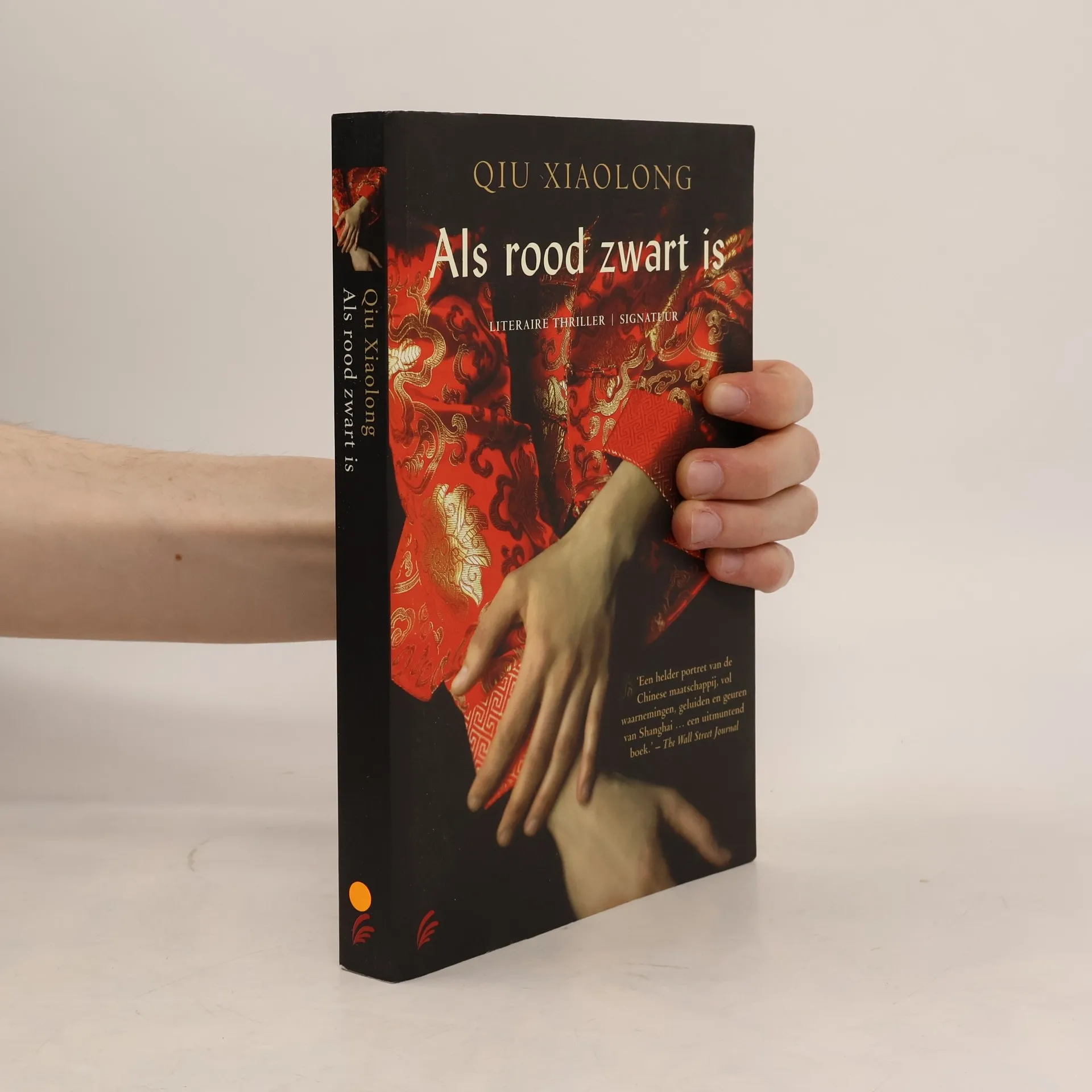
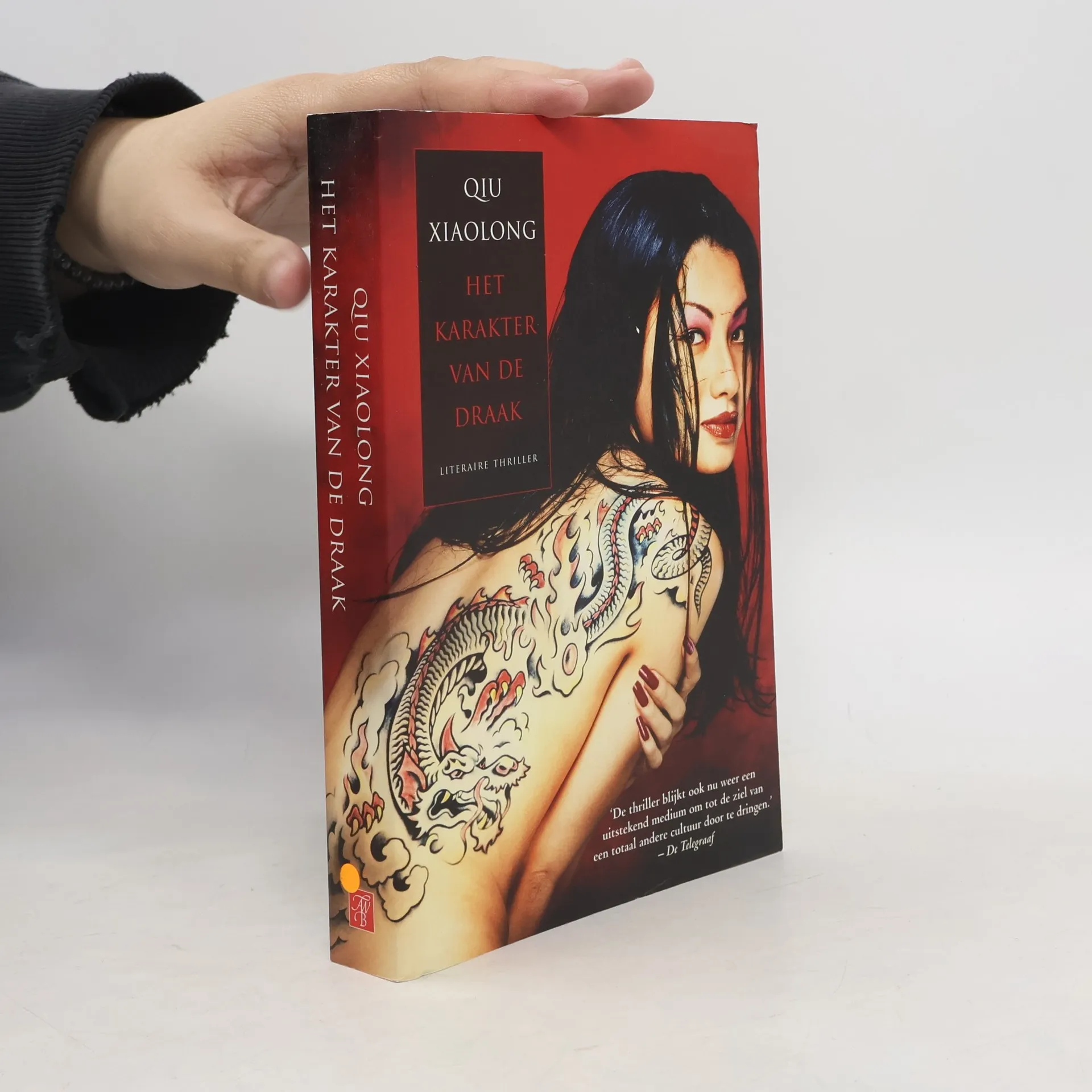
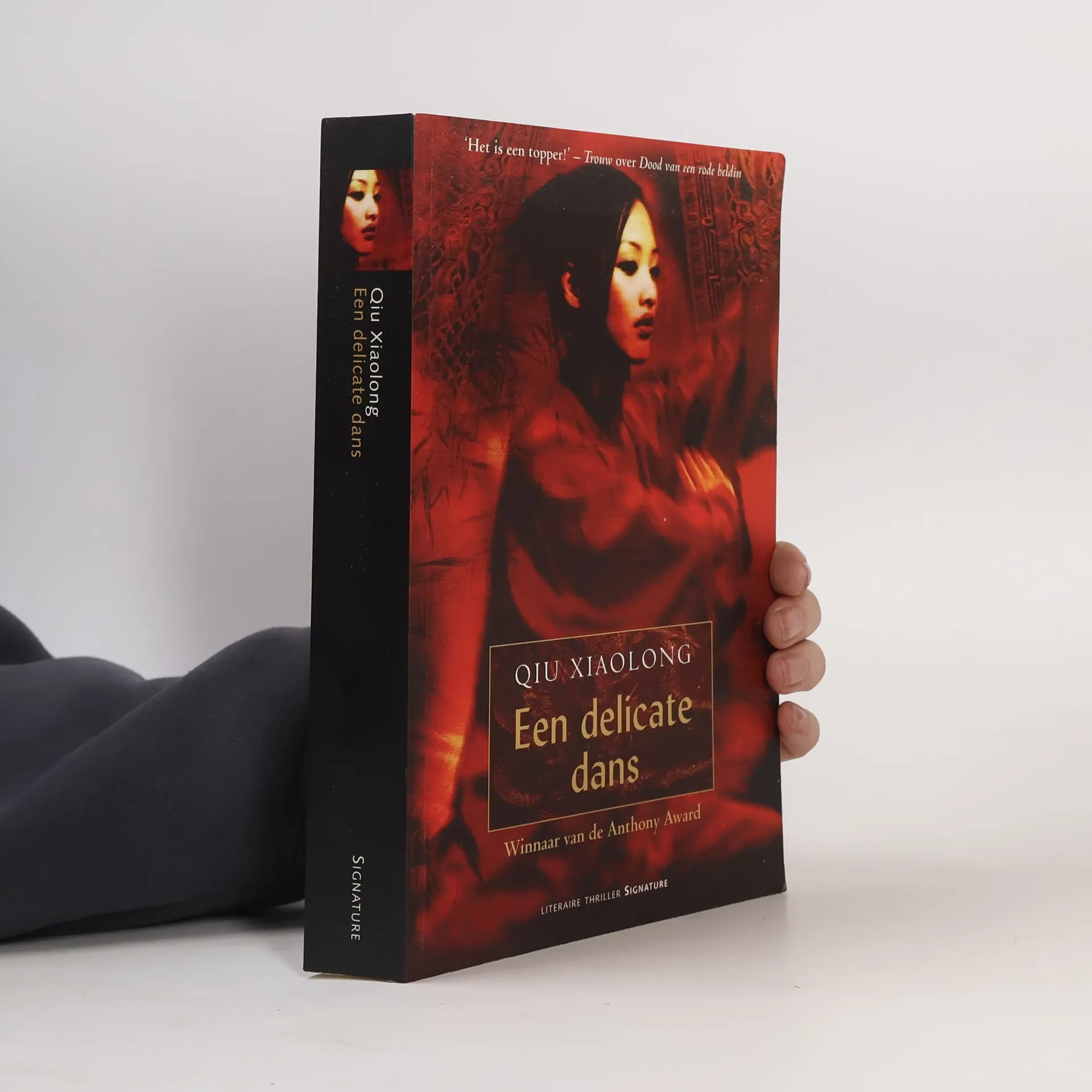
Een hoofdinspecteur van de politie in Shanghai onderzoekt samen met een Amerikaanse vrouwelijke collega een tirademoord en mensensmokkel.
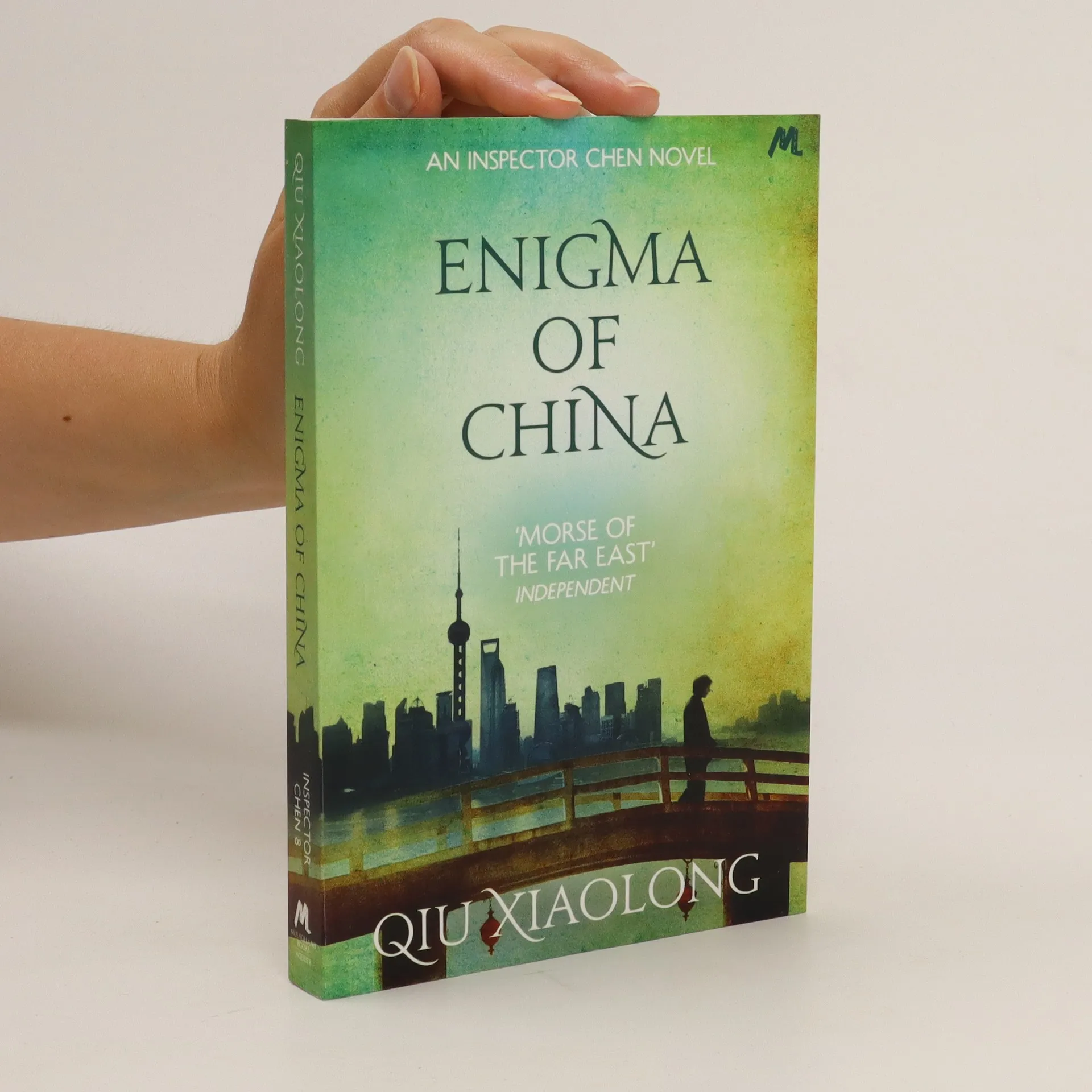
Inspector Chen Cao of the Shanghai Police Bureau is summoned by an official of the Party to lead a highly charged corruption investigation. Tentacles have spread through the police force, the civil service, the vice trade and deep into the criminal underworld. The principal figure and his family have long since fled to the United States, beyond the reach of the Chinese government. But the network is still intact and it is only a matter of time before it becomes stronger than before. Chen is charged -- and it is a job he cannot refuse -- with uncovering those responsible, and destroying the organisation from the top down to its roots. In a twisting case that reunites him with his counterpart from the US Marshals service -- Inspector Catherine Rohn -- Chen must find a measure of justice in a corrupt, expedient world.
Hoofdinspecteur Chen heeft vakantie genomen. Hij wil werken aan een ambitieus project, de vertaling van een zakenplan voor de bouw van een enorm winkelcentrum in Shanghai. Hij is nog niet begonnen of het wordt bekend dat er een moord is gepleegd op de dissidente Yin Lige. Als Rode Gardiste had Yin vijanden genoeg. Maar is de moord politiek van aard of was de dader op zoek naar geld? Was de moordenaar een vreemde indringer of een van de buren? Rechercheur Yu, teleurgesteld omdat...
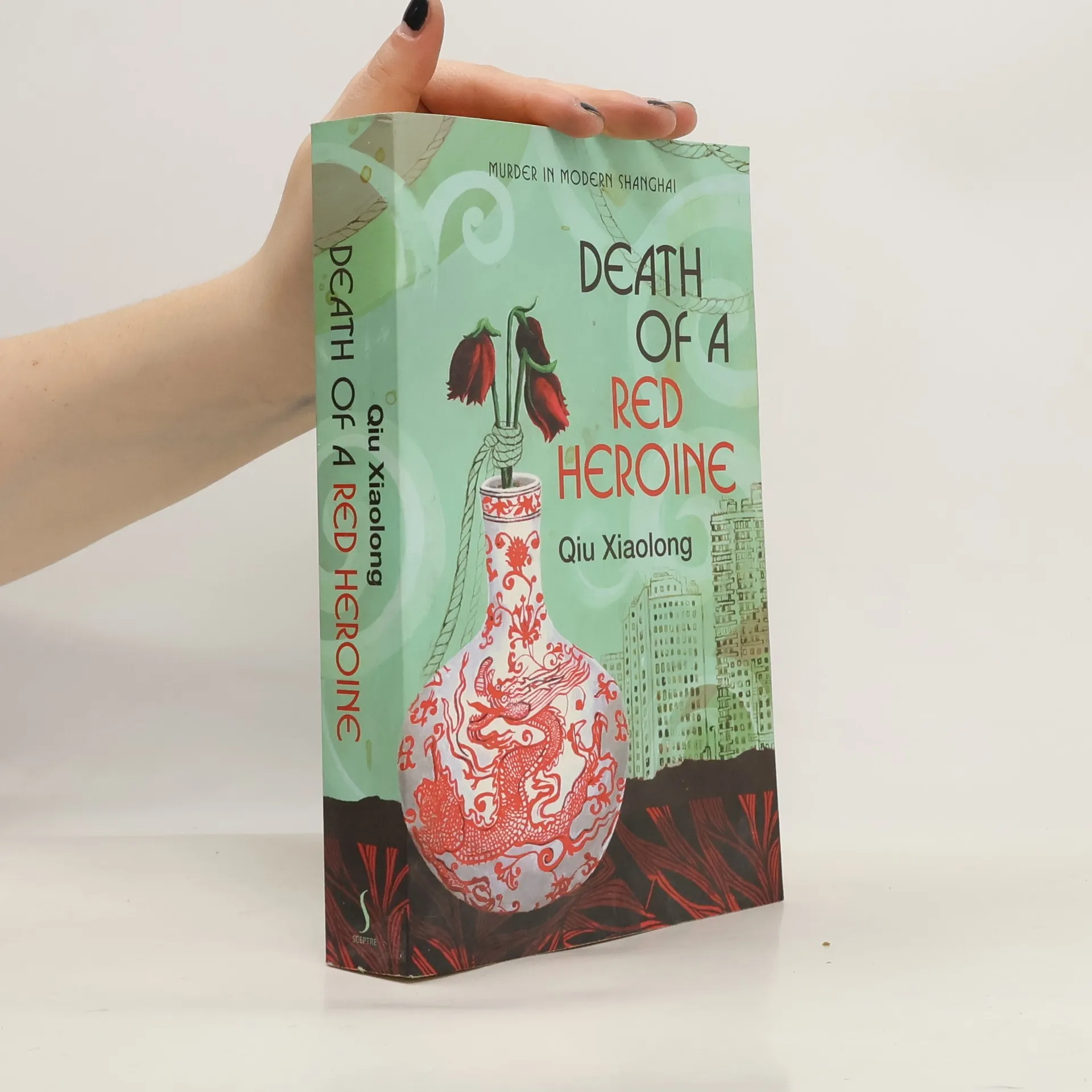
Shanghai is in 1990 een stad die aarzelt tussen communisme en kapitalisme. Qui Xiaolong toont in Dood van een rode heldin het dagelijks leven in deze wereldstad zonder daarbij de vaart van zijn razend spannende thriller te verminderen. Het boek bezorgde de auteur wereldwijde faam en is genomineerd voor de Edgar Award in de categorie Best First Novel.Inspecteur Chen van de politie in Shanghai onderzoekt de moord op Guan Hongying. Als modelarbeidster is zij een politiek voorbeeld. In haar woning vindt Chen echter burgerlijk-decadente opmaakspulletjes en erotische foto's. Het is een pikante zaak, die tot in de hoogste politieke kringen voert. Chen loopt bij het onderzoek zelf levensgevaarlijke risico's. Qui Xiaolong (1953) is geboren en getogen in Shanghai. Hij was in de Verenigde Staten toen het bloedbad op het Plein van de Hemelse Vrede plaatsvond. Hij besloot niet meer terug te keren en doceert nu Chinese literatuur aan de Washington University.
Set against the backdrop of modern China, this collection of linked short stories chronicles fifty years of transformation through the lens of Red Dust Lane in Shanghai. It captures the evolution from the optimism following the Communist revolution in 1949, through the turmoil of the Cultural Revolution, to the pro-democracy movements and Tiananmen Square riots. Each story reflects the broader historical shifts while revealing the personal experiences of those living in this small yet significant street, making history both epic and intimate.
Removed from his position as chief Inspector, Chen Cao has been installed as director of the Shanghai Judicial System Reform Office but immediately placed on involuntary 'convalescence leave.' Despite being on leave, the murder of an acquaintance leads Chen to get involved in an investigation that shares a striking similarity to a Judge Dee novel.
Former chief inspector Chen faces a tricky serial murderer case at the height of the Covid pandemic - and risks everything he has to expose the deadly effects of the Chinese Communist Party's so-called zero Covid policy to the world. Over two million copies of the Inspector Chen series sold worldwide. The Covid crisis is at its height in China. Ex-chief inspector Chen Cao is horrified by the way the Chinese Communist Party are using the pandemic as an excuse to put the Chinese people under blanket surveillance and by the soaring number of deaths caused not by Covid, but by the CCP's inhuman 'zero Covid' policy. Chen is debating whether to translate the 'Wuhan File' - a diary of life during the Wuhan disaster smuggled to him by a close friend - and expose the CCP's secrets to the world when to his surprise he is summoned by a high-level party cadre to help investigate a series of murders near a local Shanghai hospital. Under pressure from the Party to reach a quick conclusion and help maintain political stability, Chen investigates, aware that he too has been placed under omnipresent, omnipotent surveillance. And as he works, determined to uncover the truth, no matter what, he risks everything by deciding to translate the Wuhan Files. For one thing is true in China: you must be absolutely loyal to the Party. Otherwise, you are considered absolutely disloyal, and the consequences are dark indeed . . .
Chief Inspector Chen Cao never had a choice about his career. A poet by training, he was assigned to the Shanghai Police Department after college. To his own surprise, he became an excellent detective, and now he's in line to take over the top political position in the department. Which is why the Party has chosen him for the investigation into the death of Zhou Keng. Zhou Keng was running the Shanghai Housing Development Committee when a number of his corrupt practices were exposed. Removed from his position and placed into detention, he apparently hanged himself while under guard. The Party is anxious to have Zhou's death declared a suicide, but the sequence of events doesn't quite add up. Now Chen will have to decide what to do - follow the party line, or seek the justice his position requires and risk angering powerful people...
Prizewinning debut showcasing a remarkable new talent in crime writing.
Chief Inspector Chen is assigned to investigate a group of environmental activists trying to tackle the pollution issues in China. The case is supposed to be simple, but it is complicated by Chen having history with the leader of the group. Meanwhile Detective Yu is on the trail of a serial murderer.
Chief Inspector Chen Cao of the Shanghai Police Department is often put in charge of politically sensitive cases. Having recently ruffled more than a few official feathers, when he is asked to look into a sensitive corruption case he takes immediate action - he goes on leave from work. But while on vacation, the body of a murdered young woman is found in a highly trafficked area and the only notable aspect is that she was redressed in a red mandarin dress. When a second body appears, this time in the People's Park, also in precisely the same kind of red mandarin dress, the newspapers start screaming that Shanghai is being stalked by its first sexual serial killer. With the Party anxious to resolve the murders quickly, Chen finds himself in the midst of his most potentially dangerous and sensitive case to date.
"Dark, gorgeous...feels authentically Chinese and it works like a charm." --Washington Post Book World on A Case of Two Cities Chief Inspector Chen Cao of the Shanghai Police Department is offered a bit of luxury by friends and supporters within the Party - a week's vacation at a luxurious resort near Lake Tai, a week where he can relax, and recover, undisturbed by outside demands or disruptions. Unfortunately, the once beautiful Lake Tai, renowned for its clear waters, is now covered by fetid algae, its waters polluted by toxic runoff from local manufacturing plants. Then the director of one of the manufacturing plants responsible for the pollution is murdered and the leader of the local ecological group is the primary suspect of the local police. Now Inspector Chen must tread carefully if he is to uncover the truth behind the brutal murder and find a measure of justice for both the victim and the accused.
Now a BBC Radio 4 Drama Series. 'The system has no place for a cop who puts justice above the interests of the Party. It's a miracle that I survived as long as I did.' For years, Chen Cao managed to balance the interests of the Communist Party and the demands made by his job. He was considered a rising star until, after one too many controversial cases that embarrassed powerful men, he found himself neutralised. Under the guise of a promotion, he's been stripped of his title and his influence, discredited and isolated. Soon it becomes clear that his enemies still aren't satisfied, and that someone is attempting to have him killed - quietly. Chen has been charged with the investigation into a 'Red Prince' - a high Party figure who embodies the ruthless ambition, greed and corruption that is on the rise in China. But with no power, few allies, and his own reputation and life on the line, he knows he is facing the most dangerous case of his career.
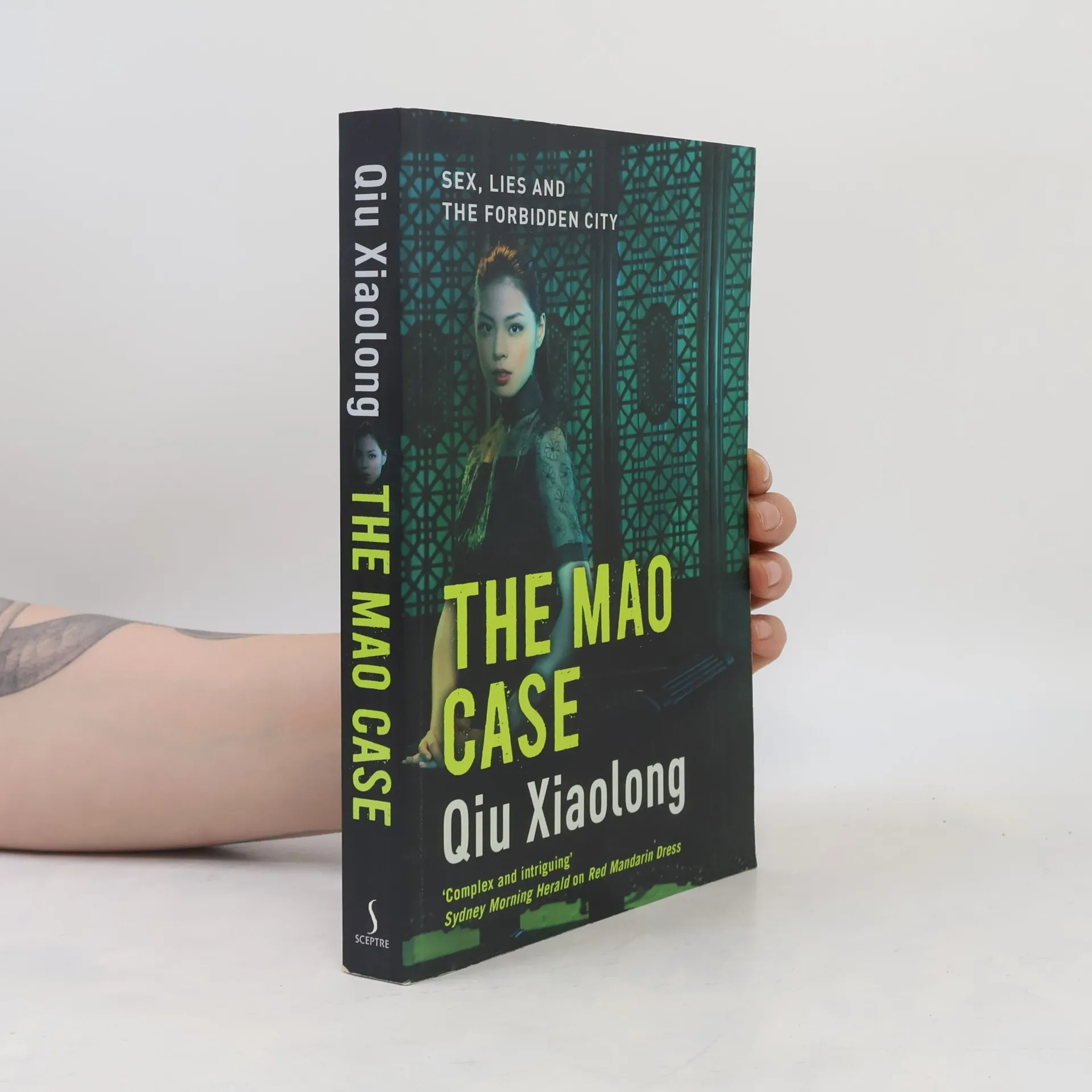
Chief Inspector Chen Cao of the Shanghai Police Department heads the Special Case group, often handling politically sensitive investigations due to his rising status in the party. A poet at heart, he takes his role seriously and resists compromising his principles for political gain. However, pressure mounts when the new Minister of Public Security assigns him a 'special assignment' related to an ongoing Internal Security investigation. The party is concerned about two recent books that cast Mao in a negative light, particularly regarding Jiao, the granddaughter of a woman suspected to be one of Mao's mistresses. Jiao has quit her job, moved into a luxury apartment, and integrated into a social circle that echoes pre-Communist Shanghai. The party fears she may possess an artifact linked to Mao that could cause embarrassment if revealed. Despite the lack of evidence for such material, Chen is tasked with infiltrating her circle to uncover the truth and retrieve any potentially damaging items discreetly. Time is of the essence, as failure to resolve this 'Mao case' within the given deadline could lead the party to resort to more severe measures.
Chief Inspector Chen, facing possible disciplinary action, is excluded from a new investigation that has seen a poem said to be criticising the current government removed from the Internet. Left fearing for his career he finds himself reflecting on his life growing up during the Cultural Revolution and his previous cases.
Fans of historical Far-Eastern novels will love Anthony Award-winning Qiu Xiaolong's homage to the legendary Judge Dee Renjie in this politically absorbing mystery.
"The system has no place for a cop who puts justice above the interests of the Party. It's a miracle that I survived as long as I did." For years, Chen Cao managed to balance the interests of the Communist Party and the promises made by his job. He was both a Chief Inspector of Special Investigations of the Shanghai Police Department and the deputy party secretary of the bureau. He was considered a potential rising star in the Party until, after one too many controversial cases that embarrassed powerful elements in the Party, Chen Cao found himself neutralized. Under the guise of a major promotion, a new position with a substantial title but no power, he's stripped of his job duties and isolated. But that's still not enough, as it becomes increasingly clear that someone is attempting to set him up, for public disgrace and possibly worse. Chen Cao is technically in charge of the corruption case of a "Red Prince"---a powerful, high Party figure who embodies the ruthless ambition, greed, and corruption that is increasingly evident in the new China. This "Red Prince" has the kind of connections and power to deflect any attempts to bring him to justice. Now with no power, few allies, and with his own reputation on the line, the former Inspector Chen is facing the most dangerous investigation of his career, and his life.
Mondkuchen und Pflaumenregen
Von Art déco und Singsong-Girls bis zur boomenden Hafenstadt und Metropole der Zukunft: All das war und ist Shanghai. Zwischen den kontrastreichen Welten von Tradition und Moderne unternehmen der bekannte chinesische Krimiautor Qiu Xiaolong und die Sinologin Susanne Hornfeck eine exotisch kulinarische Sinnenreise. Auf ihren Streifzügen durch die Stadt wird alles probiert, was die lokale Küche an Essen und Trinken zu bieten hat. Zahlreiche Rezepte runden diesen Band aus der Reihe "Oasen für die Sinne" ab.