

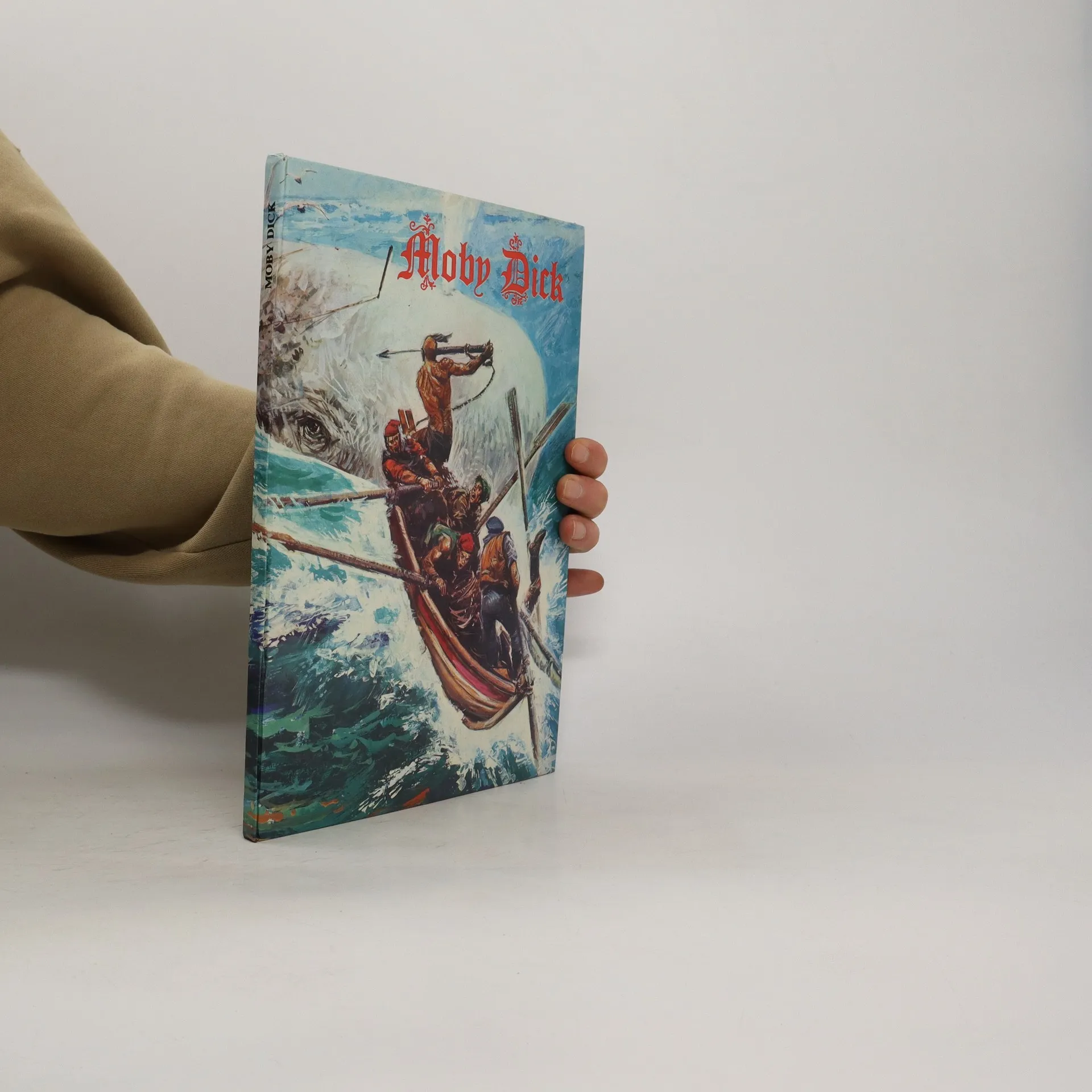
Herman Melville's meesterwerk blijft een van de grootste werken van verbeelding in de literaire geschiedenis. Meer dan een avontuurverhaal of een encyclopedie van walvisvaart, vertelt het het verhaal van een man die verwikkeld is in een onheilige oorlog tegen een enorme, gevaarlijke zeeschim. Het dient als een aangrijpende sociale commentaar, gevuld met onvergetelijke personages. Melville's nautische epiek verkent diepgaande thema's van karakter, geloof en perceptie, geschreven met een verlossende humor. Het verhaal biedt een complexe kijk op de menselijke natuur en de strijd tussen goed en kwaad, evenals de obsessie van de mens met de natuur en het onbekende. De rijke symboliek en de filosofische ondertonen maken het een tijdloos werk dat blijft inspireren en uitdagen. Moby Dick is een essentieel onderdeel van de Amerikaanse literatuur en blijft relevant in zijn verkenning van de menselijke ervaring.
Colin Swatridge Boeken

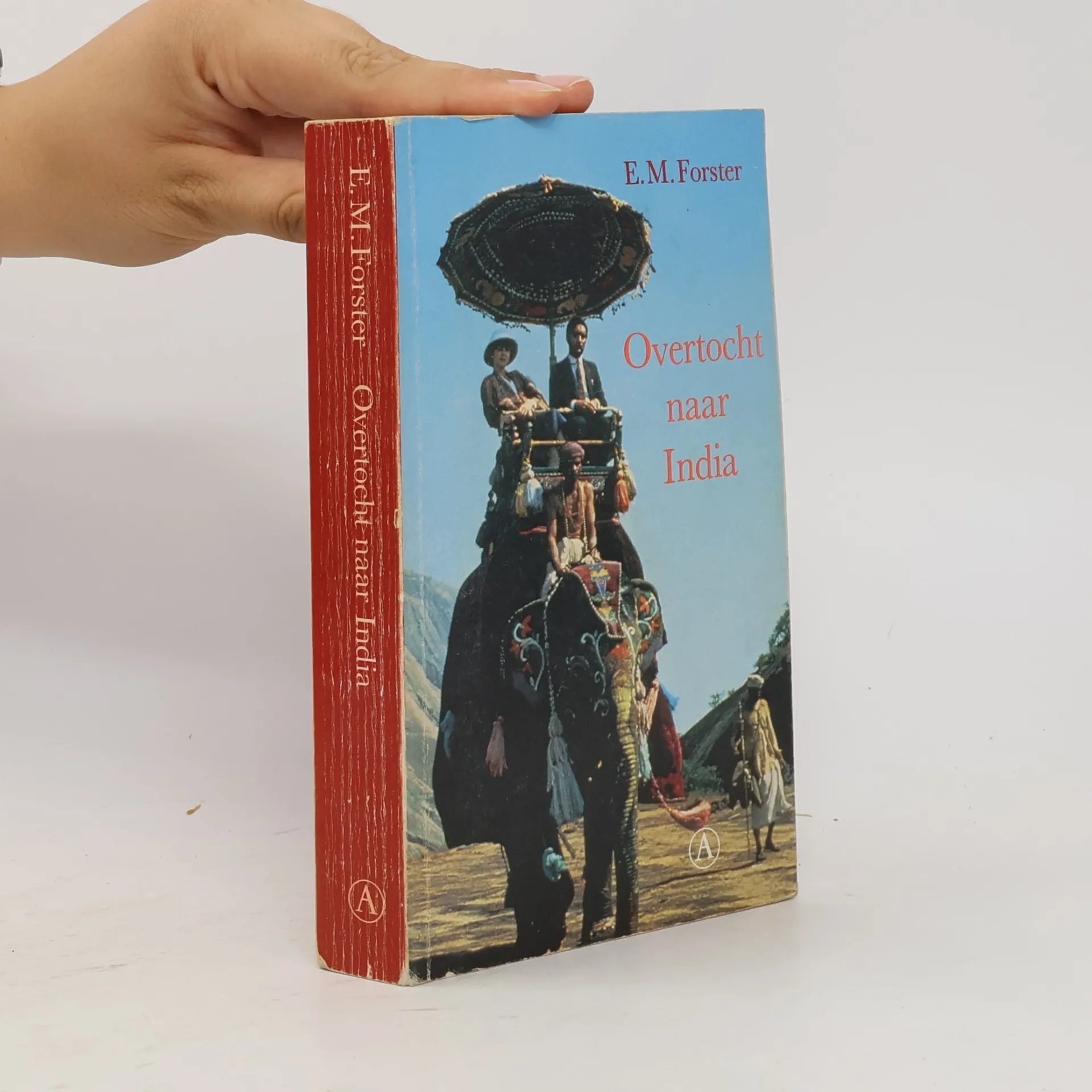
Overtocht naar India
- 345bladzijden
- 13 uur lezen
When Adela Quested and her elderly companion Mrs Moore arrive in the Indian town of Chandrapore, they quickly feel trapped by its insular and prejudiced 'Anglo-Indian' community. Determined to escape the parochial English enclave and explore the 'real India', they seek the guidance of the charming and mercurial Dr Aziz, a cultivated Indian Muslim. But a mysterious incident occurs while they are exploring the Marabar caves with Aziz, and the well-respected doctor soon finds himself at the centre of a scandal that rouses violent passions among both the British and their Indian subjects. A masterly portrait of a society in the grip of imperialism, A Passage to India compellingly depicts the fate of individuals caught between the great political and cultural conflicts of the modern world. In his introduction, Pankaj Mishra outlines Forster's complex engagement with Indian society and culture. This edition reproduces the Abinger text and notes, and also includes four of Forster's essays on India, a chronology and further reading.
Oxford Guide to Effective Argument and Critical Thinking
- 235bladzijden
- 9 uur lezen
This work is sure to improve the written work of any student required to demonstrate the key skills of critical writing and thinking. It is equally as valuable for professionals needing these skills as well as for anyone who has a case to put forward and would like to do so convincingly.
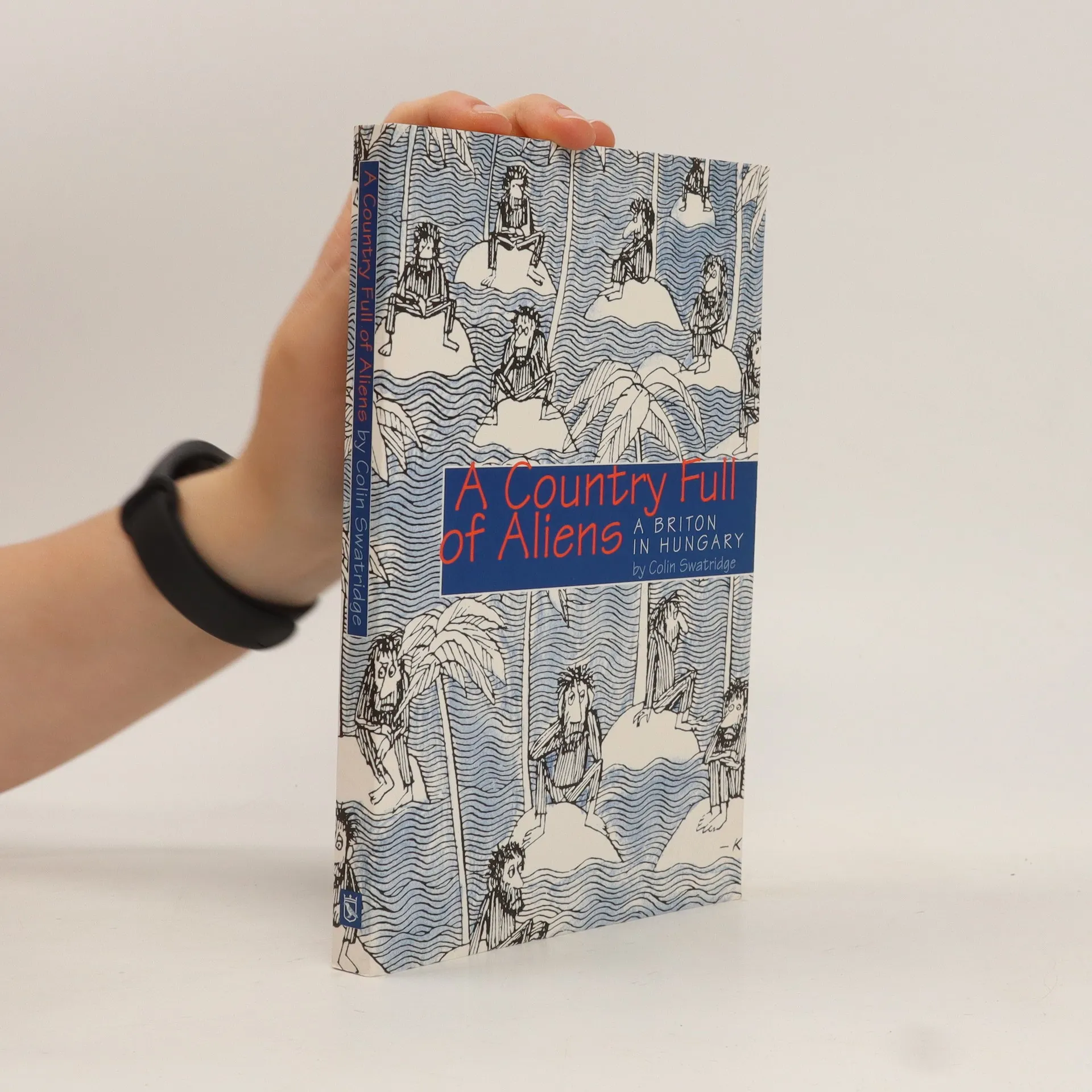
A Country Full of Aliens
- 178bladzijden
- 7 uur lezen