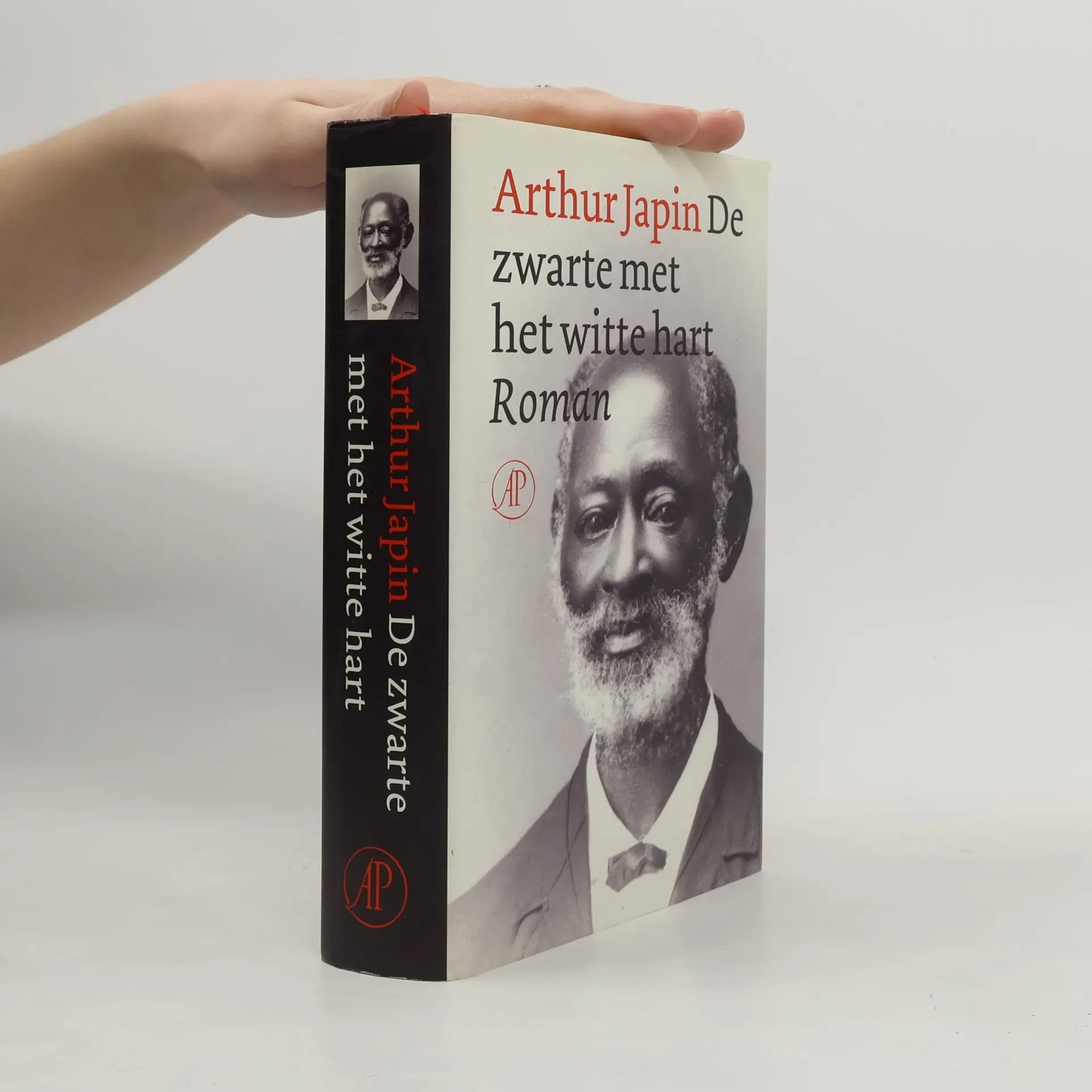
In 1837 worden Kwasi en Kwame, twee Afrikaanse prinsjes, aan koning Willem I geschonken als onderpand voor de illegale slavenhandel van de Nederlandse regering. In Delft worden de zwarte jongens als Hollanders opgevoed. Terwijl Kwasi zich uit alle macht aanpast en een echte Nederlander wil worden, vecht Kwame om zijn Afrikaanse identiteit te behouden en op een dag te kunnen terugkeren naar zijn volk. Toch wordt de ontworteling hun uiteindelijk allebei noodlottig, zij het op zeer verschillende wijze.
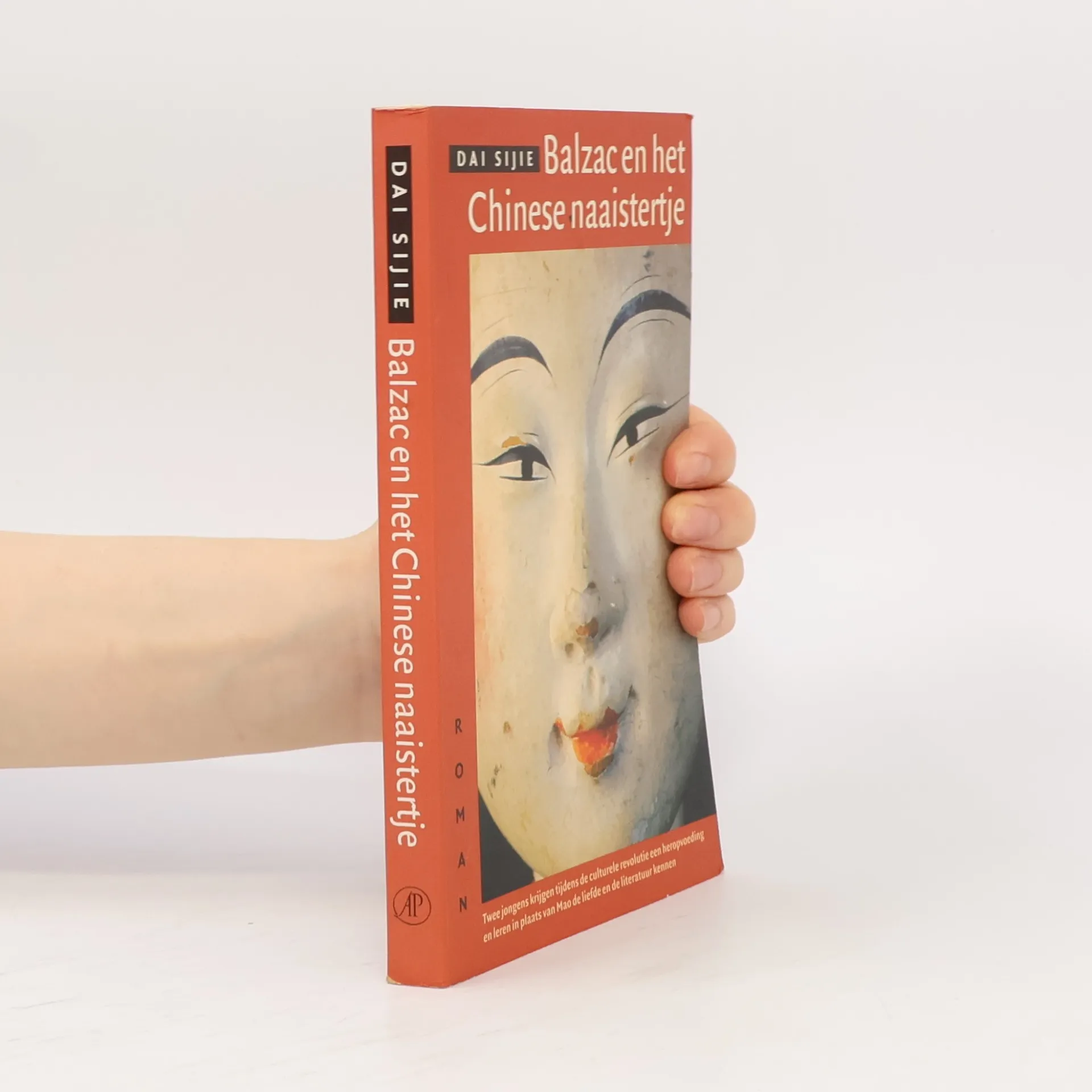
Omdat hun vaders politiek verdacht zijn, worden twee achttienjarige Chinese jongens tijdens de Culturele Revolutie voor heropvoeding naar het platteland gestuurd.
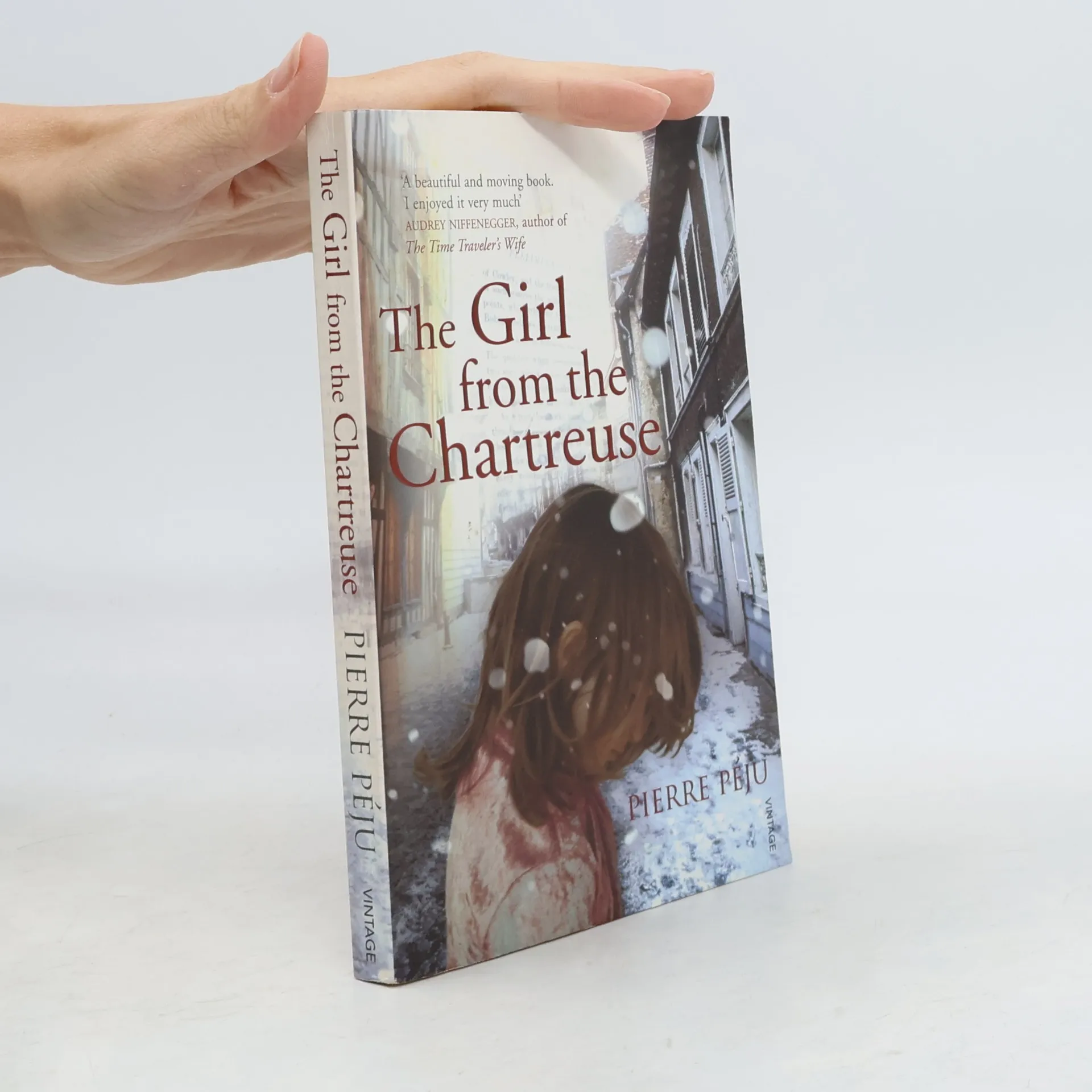
The owner of a bookshop is a red-haired giant trapped in his own solitude. One rainy afternoon, Étienne Vollard accidentally injures a little girl, Éva, in a car accident. In the hospital, he meets Éva's mother, Thérèse, a struggling single parent who dreams of escaping her responsibilities. Both are engulfed in guilt: Thérèse for being late to pick up her daughter and Vollard for not stopping in time, even though he knows Éva seemed to throw herself in front of the car. Vollard visits Éva regularly while she is in a coma, reading to her, while Thérèse's visits become infrequent. When Éva wakes up, she is mute and severely weakened. After Éva is sent to a rehabilitation center, Thérèse takes a job far away and asks Vollard to visit her daughter. Vollard begins to enjoy their walks in the mountains, sharing stories and poems in an attempt to reach Éva, whom he affectionately nicknames "La Petite Chartreuse." Despite his efforts, she remains unresponsive and continues to decline. Concerned for her well-being, Vollard resolves to find Thérèse and bring her back to her daughter before it’s too late.