De goede voorouder
- 240bladzijden
- 9 uur lezen
Oprichter van The School of Life Londen over hoe we verder kunnen kijken dan onze eigen generatie lang is.


Roman Krznaric is een culturele denker en een van de oprichters van The School of Life. Zijn werk onderzoekt hoe we empathie en gesprek kunnen gebruiken om maatschappelijke verandering en persoonlijke vervulling te bevorderen. Krznaric duikt diep in de zoektocht naar een betekenisvol leven, en zijn geschriften zijn vertaald in talrijke talen, wat de wereldwijde resonantie en relevantie ervan voor lezers overal onderstreept. Zijn aanpak biedt zowel praktische als filosofische inzichten voor degenen die op zoek zijn naar een dieper begrip van hun bestaan.




Oprichter van The School of Life Londen over hoe we verder kunnen kijken dan onze eigen generatie lang is.
Dé absolute droombaan is een illusie, maar werk dat de kwaliteit van je hele leven op een hoger plan tilt, wil iedereen wel. In deze gids helpt bedrijfsconsultant Roman Krznaric je dat werk te vinden. Daarvoor raadt hij je aan breder te zoeken dan je voorheen misschien hebt gedaan zonder in een doolhof aan keuzemogelijkheden te verdwalen. Verder laat hij zien welke concrete stappen je nog moet nemen om je ambities waar te maken en die bevredigende carrière voor jezelf te creëren waar je zo naar verlangt.
In Carpe diem haakt Roman Krznaric in op het feit dat het motto van de Romeinse dichter Horatius nog altijd springlevend is. Maar ‘Pluk de dag’ is ook gekaapt door de consumentenindustrie en de mindfulnessbeweging. Zij hebben het motto vernauwd tot ‘Koop de dag’ en ‘Pluk het nu’. Krznaric wil het tweeduizend jaar oude motto heroveren op zijn kapers. Daarvoor schrijft hij de eerste cultuurgeschiedenis van Carpe diem. Hij laat zien hoe de slogan kan inspireren om je over te geven aan waarachtig genot, om spontane acties te verzinnen, en kansen te grijpen in het dagelijks leven én in de politiek. Wanneer kun je het best de dag plukken en wanneer niet?
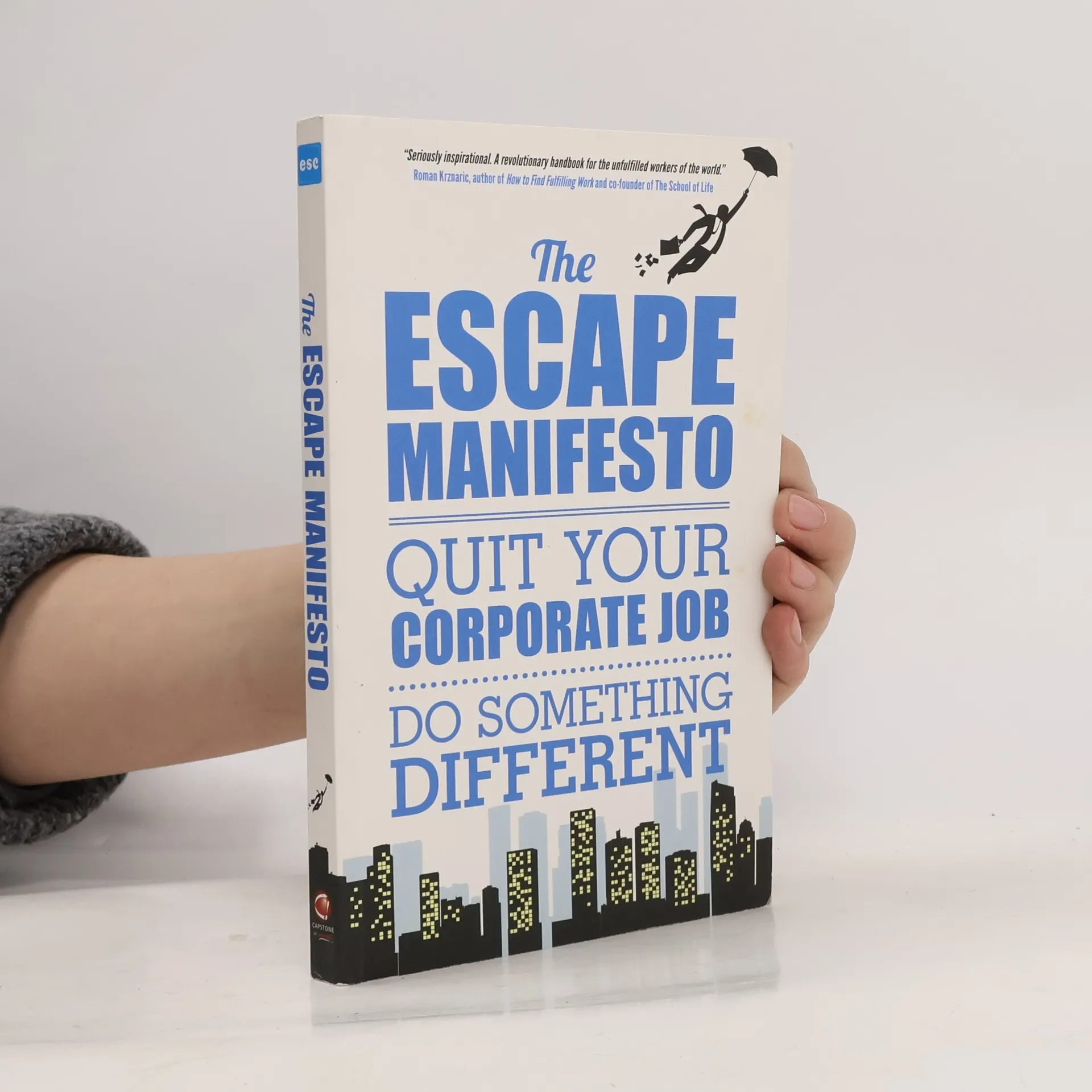
Rob, Dom, and Mikey were tired of the corporate grind and sought a way to change careers but found no resources to help them. So, they created their own platform, leading to the launch of Escape the City, which now has over 100,000 members seeking unconventional careers. They became the first online start-up to raise more than £500,000 through investment equity crowdfunding, entirely from their community. This book serves as the inspirational guide they wished they had during their own transitions, filled with practical advice and motivation for those stuck in unfulfilling corporate jobs. It encourages readers to step off the corporate treadmill and pursue exciting jobs, start businesses, or embark on adventures. Testimonials from readers highlight the book's impact, inspiring them to take bold steps toward fulfilling careers. From planning escapes to traveling and starting new ventures, the feedback reflects a shared sense of liberation and motivation. Many express gratitude for the guidance provided, noting how the book resonated with their feelings and aspirations, ultimately helping them take decisive action toward a more passionate and fulfilling life.
Showing the lessons that can be learned from the past, the author explores twelve universal topics, from work and love to money and creativity, and reveals the wisdom that we've been missing. It stepping into the territory of Alain de Botton and Theodore Zeldin, is 'practical history' - using the past to think about our day to day lives.
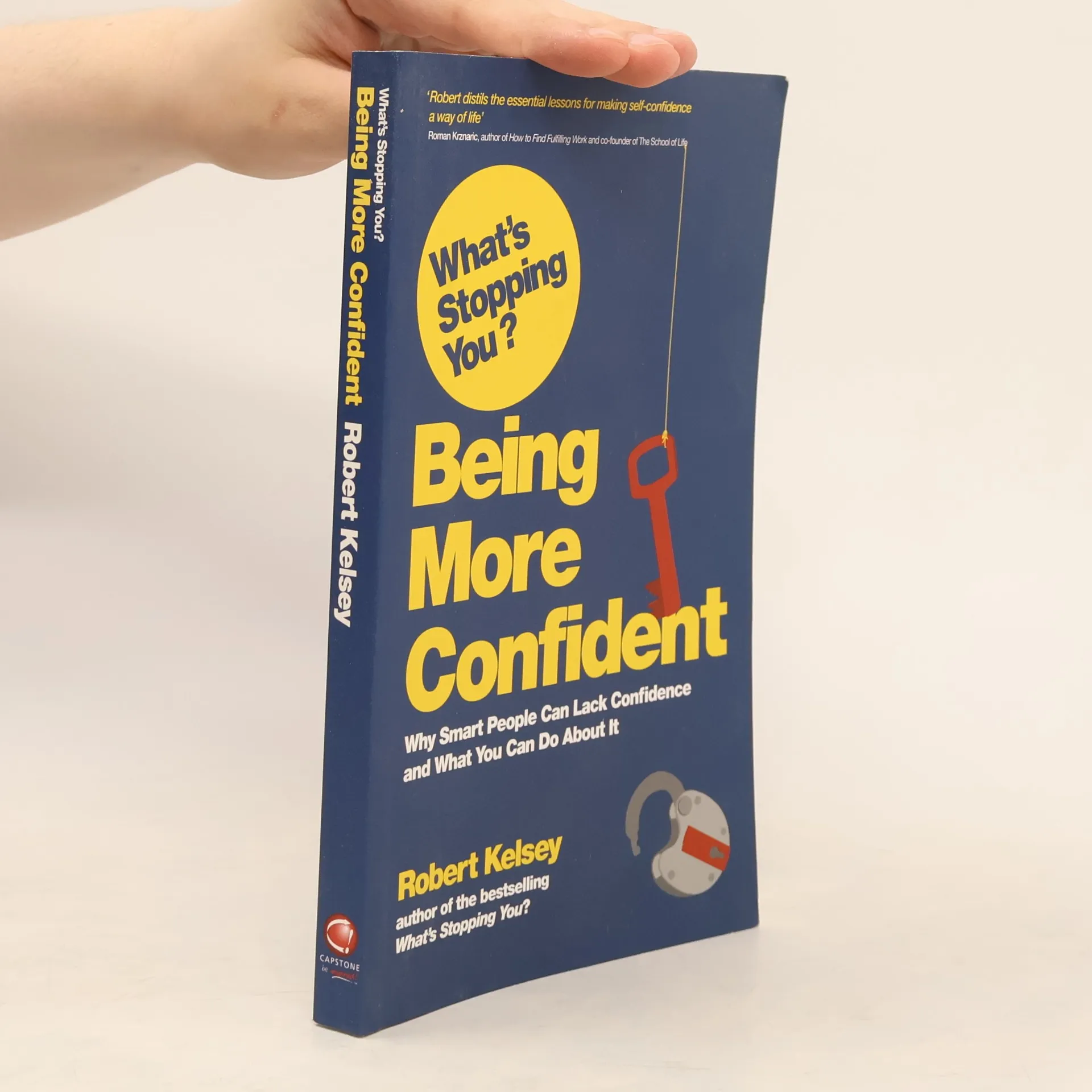
Why Smart People Can Lack Confidence And What You Can Do About It
A prescriptive, commonsense approach to self-confidence and success. Following the success of his bestselling book, Robert Kelsey now focuses on confidence, emphasizing that it cannot simply be instilled through motivational exercises or positive thinking. This work identifies the root causes of self-doubt and feelings of inadequacy, then offers strategies to overcome these barriers. It serves as a roadmap for recognizing both strengths and weaknesses, providing practical tactics for maintaining self-assurance in real-life situations. Grounded in extensive research and personal experience, the book addresses the universal moments of doubt we all face, aiming to dispel these challenges and enhance morale. Notable endorsements highlight its practical value and engaging honesty, making it a vital resource for anyone seeking to boost their confidence.
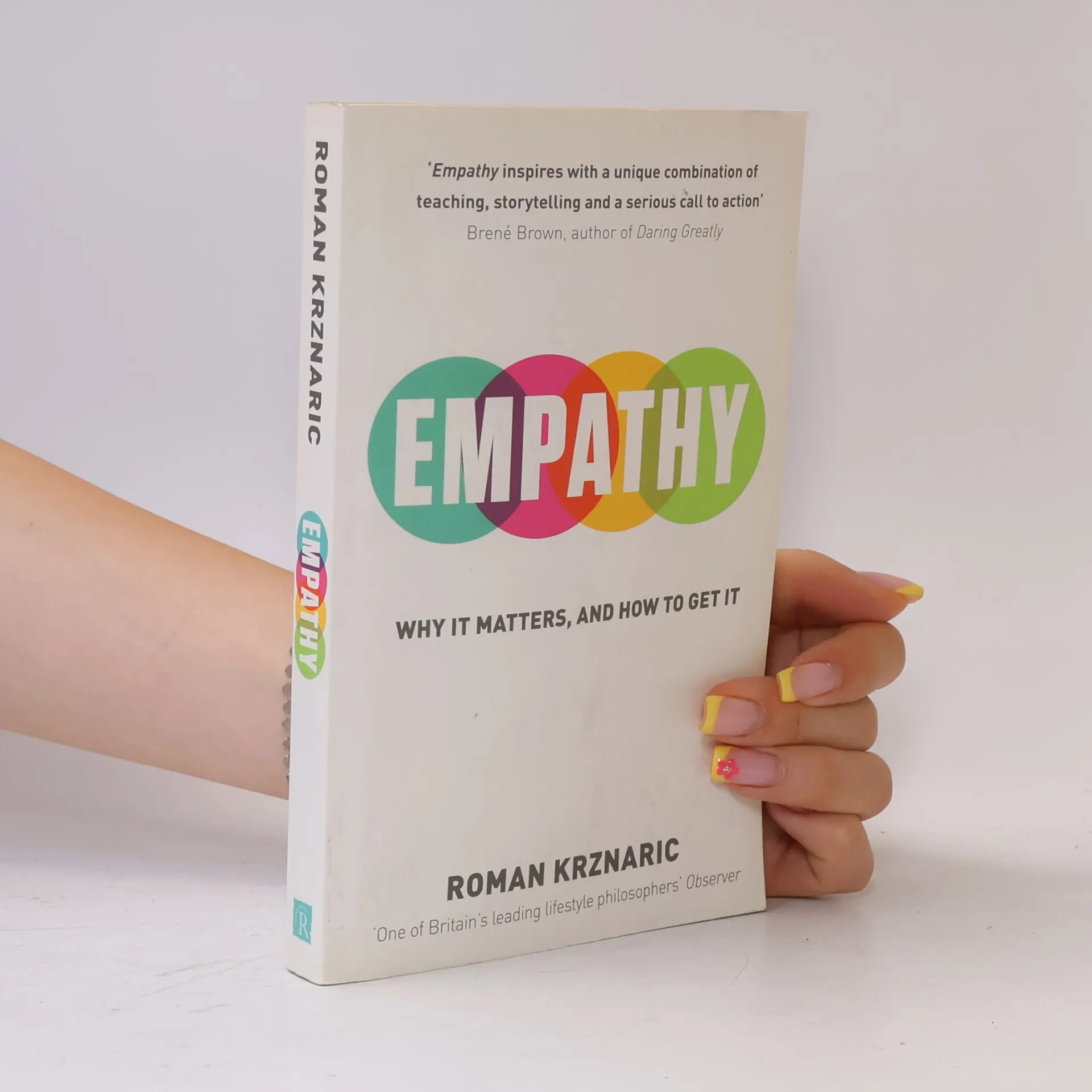
Influential popular philosopher Roman Krznaric argues our brains are wired for social connection: empathy is at the heart of who we are. It's an essential, transforming quality we must develop for the 21st Century. Through encounters with actors, activists, groundbreaking designers, undercover journalists, nurses, bankers and neuroscientists, Krznaric defines a new breed of adventurer. He sets out the six life-enhancing habits of highly empathic people, whose skills enable them to connect with others in extraordinary ways. Empathy has the power to transform relationships, from the personal to the political. Krznaric contends that, as we move on from an age of introspection, empathy will be key to fundamental social change - making this book a manifesto for revolution.
Wir leben in einer Zeit, die vom kurzfristigen Denken beherrscht wird. Aber in fünfzig, in hundert, in fünfhundert Jahren werden immer noch Menschen auf unserem Planeten leben, arbeiten, lieben und träumen. Sie alle werden tiefgreifend davon beeinflusst sein, wie wir heute handeln. Die größte Frage, vor der jeder von uns steht, lautet also: Wie können wir gute Vorfahren sein? Roman Krznaric hat die Antwort. Von bahnbrechenden Konzepten wie dem »Kathedralendenken« über Zukunftsräte in Japan bis hin zu einer Bibliothek in Norwegen, die erst 2114 ihre Pforten öffnet, um einhundert bis dahin unveröffentlichte literarische Werke zu präsentieren: Inspiriert von Lösungen aus der ganzen Welt, erklärt er, wie wir lernen können, heute langfristig zu denken, um ein besseres Morgen zu schaffen. Der Pfad des guten Vorfahren liegt vor uns. Wir müssen ihn jetzt beschreiten.
Was können wir aus der Kaffeehauskultur der Aufklärung lernen, um die Spaltung unserer heutigen Gesellschaft zu überwinden? Welche Inspirationen liefert das Japan des 18. Jahrhunderts zur Schaffung einer nachhaltigen Wirtschaft? Und welche Lektionen bietet die Entstehungsgeschichte des Kapitalismus zur Kontrolle künstlicher Intelligenz? Roman Krznaric zeigt, wie sich frühere Gesellschaften – oft gegen alle Widerstände – erhoben haben, um fundamentale Krisen zu bewältigen. Dabei präsentiert er in seinem Buch inspirierende Einsichten aus den letzten tausend Jahren der Weltgeschichte, die uns helfen können, zehn der größten Herausforderungen zu meistern, vor denen die Menschheit heute steht. Von der Überwindung wachsender Ungleichheit über die Wiederbelebung unseres Glaubens an die Demokratie bis hin zur Vermeidung des ökologischen Kollapses: Die Geschichte ist nicht nur ein Mittel zum Verständnis der Vergangenheit. Sie ist auch eine Möglichkeit, unsere Beziehung zur Zukunft neu und hoffnungsvoller zu gestalten.