

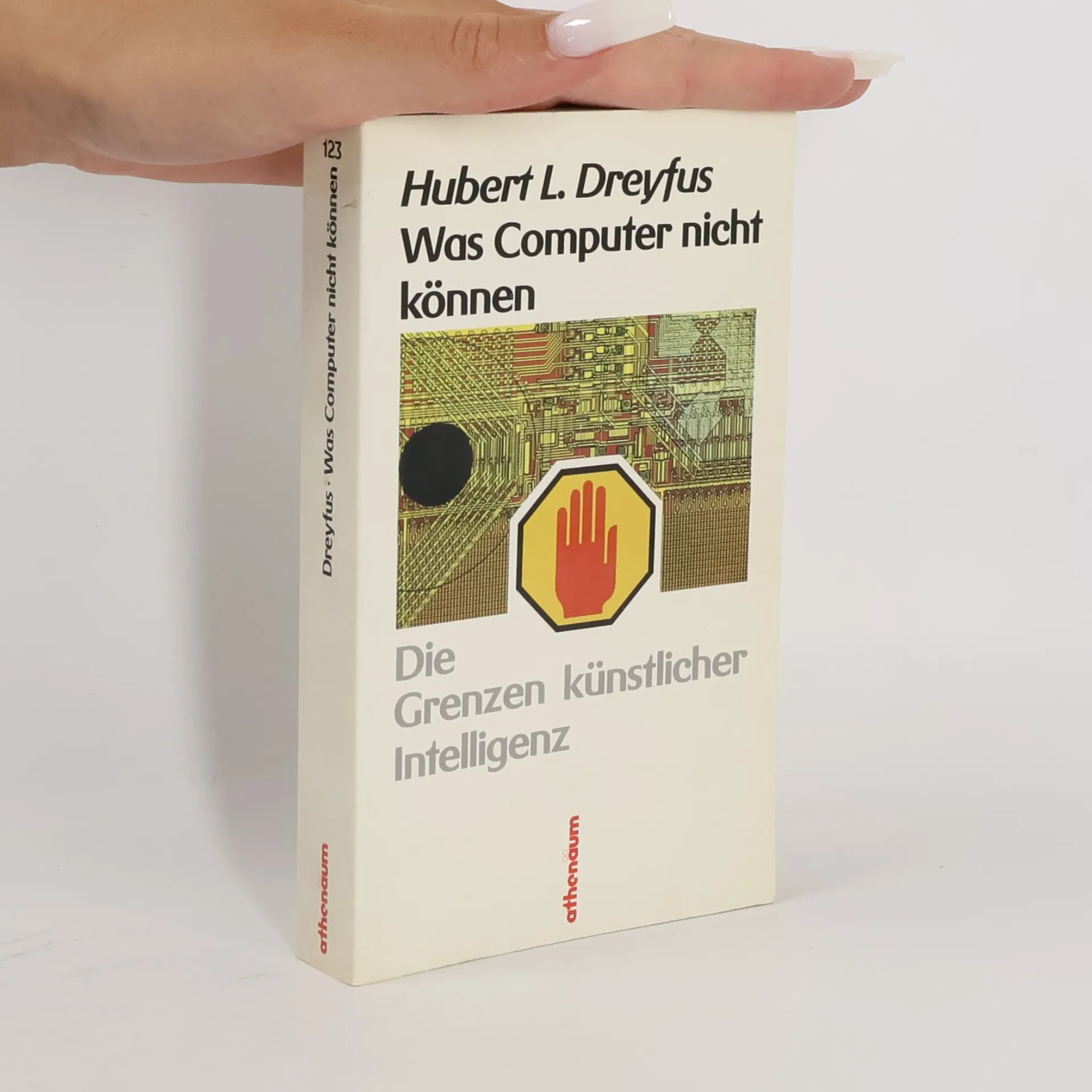
When it was first published in 1972, Hubert Dreyfus's manifesto on the inherent inability of disembodied machines to mimic higher mental functions caused an uproar in the artificial intelligence community. The world has changed since then. Today it is clear that "good old-fashioned AI," based on the idea of using symbolic representations to produce general intelligence, is in decline (although several believers still pursue its pot of gold), and the focus of the AI community has shifted to more complex models of the mind. It has also become more common for AI researchers to seek out and study philosophy. For this edition of his now classic book, Dreyfus has added a lengthy new introduction outlining these changes and assessing the paradigms of connectionism and neural networks that have transformed the field. At a time when researchers were proposing grand plans for general problem solvers and automatic translation machines, Dreyfus predicted that they would fail because their conception of mental functioning was naive, and he suggested that they would do well to acquaint themselves with modern philosophical approaches to human being. "What Computers Still Can't Do" was widely attacked but quietly studied. Dreyfus's arguments are still provocative and focus our attention once again on what it is that makes human beings unique.
Hubert L. Dreyfus Boeken
Hubert Lederer Dreyfus was hoogleraar filosofie aan de Universiteit van Californië, Berkeley. Zijn werk verdiepte zich in fenomenologie, existentialisme en de filosofische implicaties van kunstmatige intelligentie. Een centrale focus van zijn academische werk was de kritiek op het cognitivisme, waarbij hij het belang van menselijke ervaring en belichaming benadrukte. Hij onderzocht de mogelijkheden en beperkingen van machinale cognitie en AI in de context van menselijk begrip.


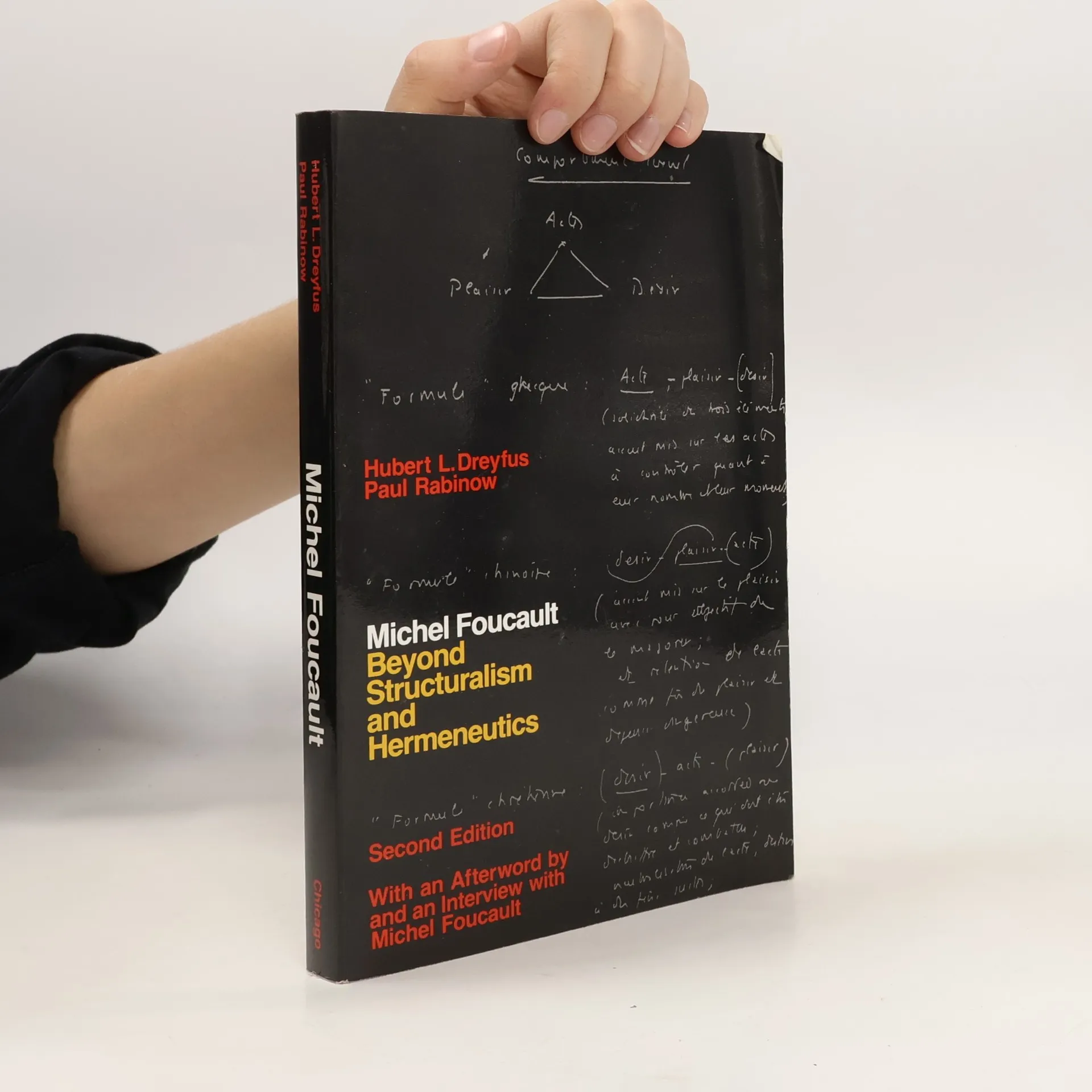

This book, which Foucault himself has judged accurate, is the first to provide a sustained, coherent analysis of Foucault's work as a whole.To demonstrate the sense in which Foucault's work is beyond structuralism and hermeneutics, the authors unfold a careful, analytical exposition of his oeuvre. They argue that during the of Foucault's work became a sustained and largely successful effort to develop a new method—"interpretative analytics"—capable fo explaining both the logic of structuralism's claim to be an objective science and the apparent validity of the hermeneutical counterclaim that the human sciences can proceed only by understanding the deepest meaning of the subject and his tradition."There are many new secondary sources [on Foucault]. None surpass the book by Hubert Dreyfus and Paul Rabinow. . . . The American paperback edition contains Foucault's 'On the Genealogy of Ethics,' a lucid interview that is now our best source for seeing how he construed the whole project of the history of sexuality."—David Hoy, London Review of Books
Mind Over Machine
- 231bladzijden
- 9 uur lezen
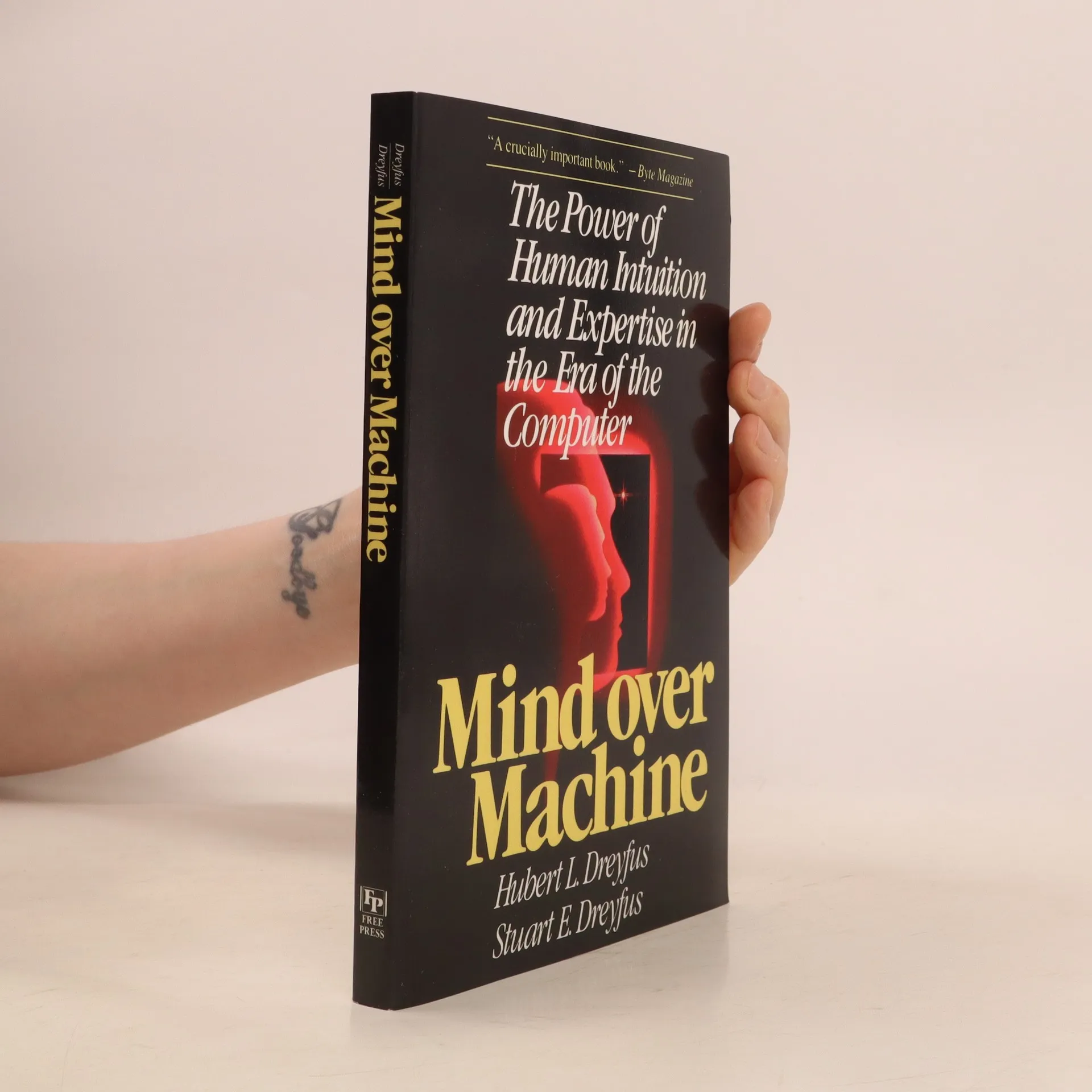
Defining the limits of computer technology, the authors make a compelling case that binary logic will always be inferior to human intuitive ability. A stunning reaffirmation of human intelligence.
Die Wiedergewinnung des Realismus
- 316bladzijden
- 12 uur lezen
Als René Descartes im 17. Jahrhundert die Erkenntnistheorie neu erfand, revolutionierte er mehr als eine philosophische Disziplin. Er begründete ein Denkschema, das das metaphysische und ethische Selbstverständnis der westlichen Moderne umfassend geprägt hat und uns – so Hubert Dreyfus und Charles Taylor – bis heute beherrscht. Da es aber auf falschen Voraussetzungen ruht, muss es final dekonstruiert werden. Dies ist das Ziel ihres Buches. Dazu gilt es, Descartes' wirkmächtigste Idee vom Tisch zu nehmen. Sie lautet, dass wir nie in direkten Kontakt mit der Außenwelt treten, sondern stets vermittelt durch Vorstellungen in unserem Geist. Dreyfus und Taylor zeigen, dass diese Idee bis in die Gegenwart überlebt hat, sogar bei den Philosophen, die behaupten, sie überwunden zu haben. Und sie entwickeln eine Alternative in Rückbesinnung auf eine Traditionslinie, die von Aristoteles bis zu Heidegger und Merleau-Ponty reicht. Anhand von Begriffen wie Dasein, Zeitlichkeit und Verkörperung skizzieren sie ein radikal neues Paradigma, das den Menschen als immer schon in direktem Kontakt mit der Welt begreift: einen robusten pluralen Realismus, der auch in ethisch-politischer Hinsicht einheitsstiftende Kraft hat. Es ist der endgültige Abschied von Descartes – souverän inszeniert von zwei der bedeutendsten Denker unserer Zeit.
Was Computer nicht können
- 373bladzijden
- 14 uur lezen
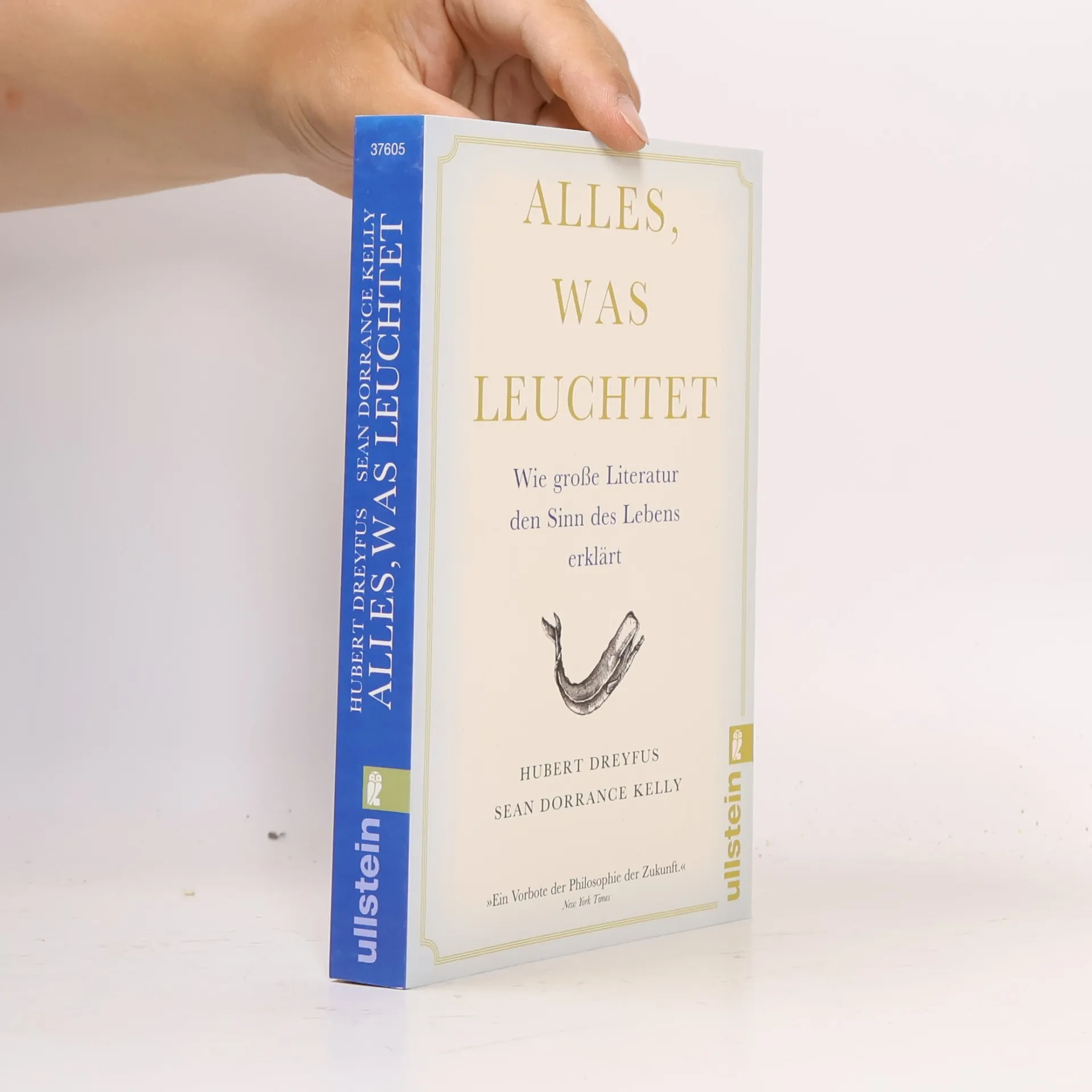
Uns ist der Sinn des Lebens abhandengekommen. Was tun? Wo suchen? Wir fühlen uns von der Vielfalt der Möglichkeiten überfordert. Früher war es einfacher: In der Antike leiteten die Götter ihre Lieblinge. Die so Geführten empfanden Dankbarkeit – die Welt leuchtete für sie. Können wir dieses Staunen wiederfinden? Ja, meinen die Philosophen Hubert Dreyfus und Sean Dorrance Kelly. Sie betrachten die Geschichte der westlichen Literatur – darunter Homer, Dante, Melville und David Foster Wallace – und plädieren für einen säkularen Polytheismus, in dem der Mensch sich der Welt und allem, was leuchtet, öffnet.
Pensamiento actual - 4: Recuperar el realismo
- 276bladzijden
- 10 uur lezen
Según Descartes, el conocimiento existe en forma de ideas, que supuestamente representan el mundo. Esta epistemología -ideas que median entre la realidad externa y nuestra mente- sigue ejerciendo un control sobre el pensamiento occidental. Sin embargo, como muestran Dreyfus y Taylor, el conocimiento consiste en mucho más que en las representaciones explícitas que formulamos. Ganamos en conocimiento del mundo mediante un compromiso corporal con las cosas, las manejamos, nos movemos entre ellas y nos interrogamos sobre su significado.
