

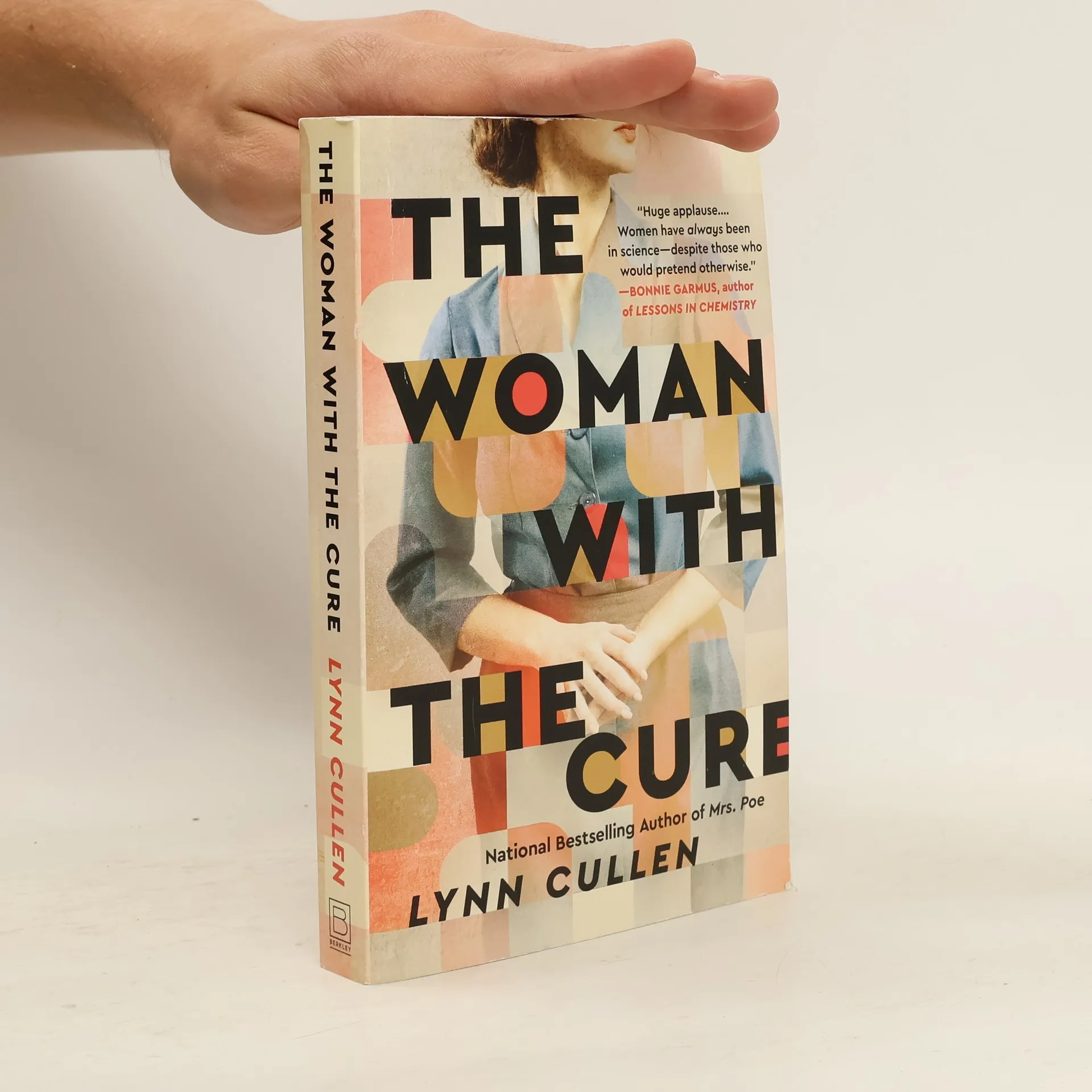
"Huge applause... women have always been in science—despite those who would pretend otherwise.” --Bonnie Garmus, New York Times bestselling author of Lessons in Chemistry She gave up everything — and changed the world. A riveting novel based on the true story of the woman who stopped a pandemic, from the bestselling author of Mrs. Poe. In 1940s and ’50s America, polio is as dreaded as the atomic bomb. No one’s life is untouched by this disease that kills or paralyzes its victims, particularly children. Outbreaks of the virus across the country regularly put American cities in lockdown. Some of the world’s best minds are engaged in the race to find a vaccine. The man who succeeds will be a god. But Dorothy Horstmann is not focused on beating her colleagues to the vaccine. She just wants the world to have a cure. Applying the same determination that lifted her from a humble background as the daughter of immigrants, to becoming a doctor –often the only woman in the room--she hunts down the monster where it lurks: in the blood. This discovery of hers, and an error by a competitor, catapults her closest colleague to a lead in the race. When his chance to win comes on a worldwide scale, she is asked to sink or validate his vaccine—and to decide what is forgivable, and how much should be sacrificed, in pursuit of the cure.
Lynn Cullen Boeken



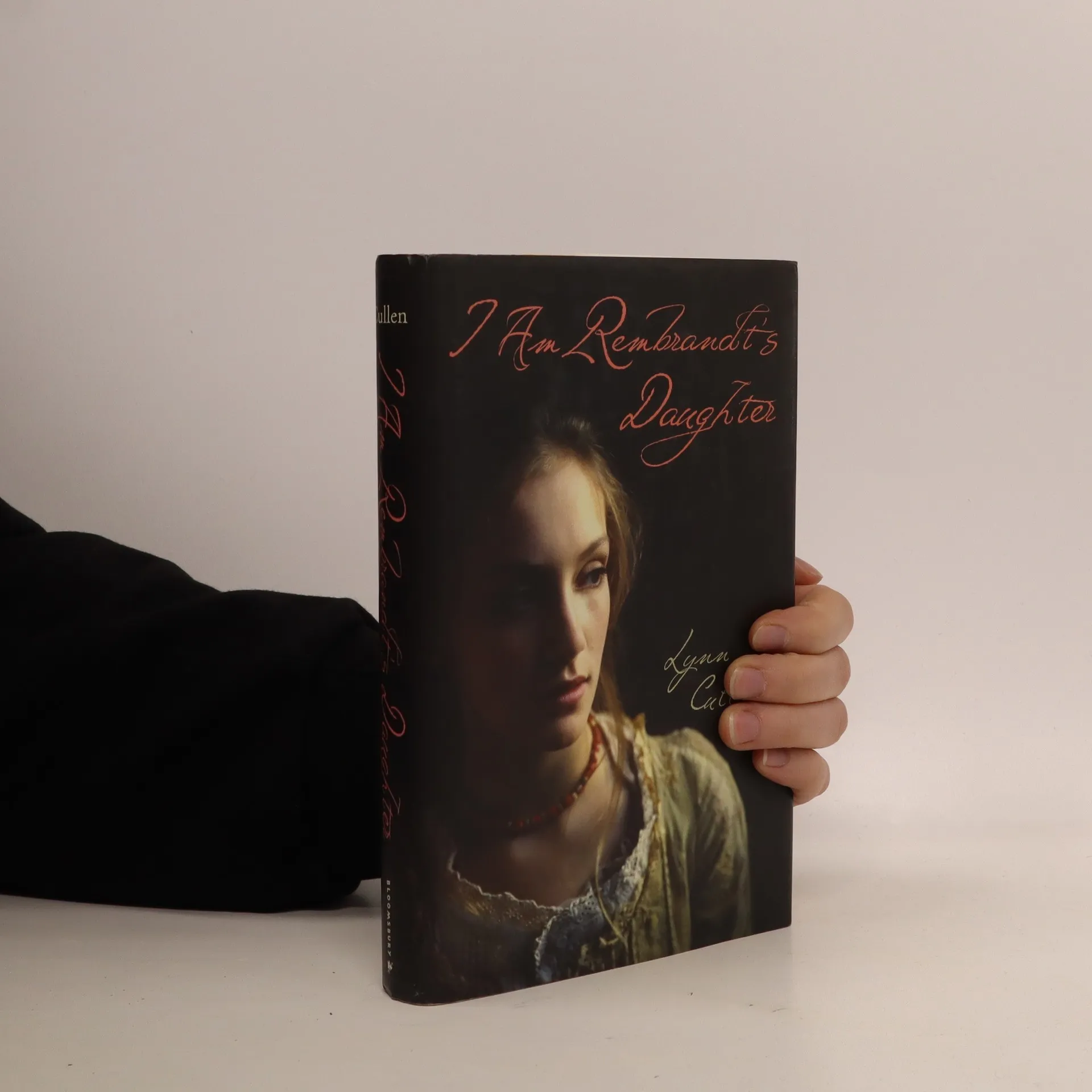
With her mother dead of the plague, and her beloved brother newly married and moved away, Cornelia van Rijn finds herself without a friend or confidante―save her difficult father. Out of favor with Amsterdam's elite, and considered brash and unreasonable by his patrons, Rembrandt van Rijn, once revered, is now teetering on the brink of madness. Cornelia alone must care for him, though she herself is haunted by secrets and scandal. Her only happiness comes in chance meetings with Carel, the son of a wealthy shipping magnate whose passion for art stirs Cornelia. And then there is Neel, her father's last remaining pupil, whose steadfast devotion to Rembrandt both baffles and touches her. Based on historical fact, and filled with family dramas and a love triangle that would make Jane Austen proud, I Am Rembrandt's Daughter is a powerful account of a young woman's struggle to come of age within the shadow of one of the world's most brilliant and complicated artists.
The Sisters of Summit Avenue
- 336bladzijden
- 12 uur lezen
Ruth juggles the challenges of raising four daughters and managing the family farm alone while her husband lies in a coma. Yearning for the life of her glamorous sister June, who enjoys a successful career and a luxurious lifestyle, Ruth's envy is complicated by June's long-standing resentment over their shared past and her feelings for John. Their unexpected reunion forces both sisters to confront unresolved tensions and deep-seated emotions, setting the stage for a dramatic reckoning.
Mrs. Poe
- 400bladzijden
- 14 uur lezen
Nel 1845, Frances Osgood incontra per la prima volta Edgar Allan Poe. Poetessa di grande delicatezza, Frances vive con i coniugi Bartlett, noti librai di New York, dopo essere stata abbandonata dal marito, un pittore affascinante ma infedele. L'incontro con Poe avviene nel salotto di Anne Charlotte Lynch, un importante ritrovo letterario dell'epoca, dove sono presenti figure illustri come John James Audubon e Margaret Fuller. Poe, già famoso per le sue recensioni incisive e per il successo de "Il corvo", entra nel salotto con un atteggiamento marziale, accompagnato dalla giovane cugina Virginia, la cui bellezza ricorda quella del marito. Durante la serata, il suo sguardo si posa su Frances, dando inizio a una relazione che si trasforma rapidamente in un amore illecito, caratterizzato da seduzione e incontri segreti. Questo legame, intriso di tensioni e oscurità, si sviluppa in una New York vivace e in fermento, dove le strade sono animate da carri e animali. La storia di Frances e Poe illumina uno dei triangoli amorosi più celebri della letteratura, mentre riflette un'epoca di grandi cambiamenti e trasformazioni.
Unsere leuchtenden Jahre
- 352bladzijden
- 13 uur lezen
Ein mitreißender Roman über den hohen Preis der Ambition und die berührende Geschichte zweier Frauen, die in einer Welt, die sie kleinhalten wollte, gemeinsam brillant waren. New York in den 1950er Jahren, das goldene Zeitalter des Fotojournalismus: Eve Arnold hat sich als erste Frau in die elitäre Riege der Fotoagentur Magnum gekämpft. Doch ihre männlichen Kollegen belächeln sie, und die Redakteure wollen nur leichte Kost. Dann trifft sie auf Marilyn Monroe. Der Weltstar, gefangen im Image des naiven Blondchens, erkennt in Eve eine Seelenverwandte. Beide sind Außenseiterinnen, beide werden unterschätzt, und beide hungern nach Anerkennung für ihre Arbeit. Was als berufliches Experiment beginnt, wird zu einem Pakt zwischen zwei Pionierinnen. Während Marilyn gegen ihre eigenen Dämonen kämpft, riskiert Eve ihre Ehe, um an Marilyns Seite zu bleiben. Doch je heller ihr gemeinsamer Stern leuchtet, desto länger werden die Schatten in ihrem privaten Leben.