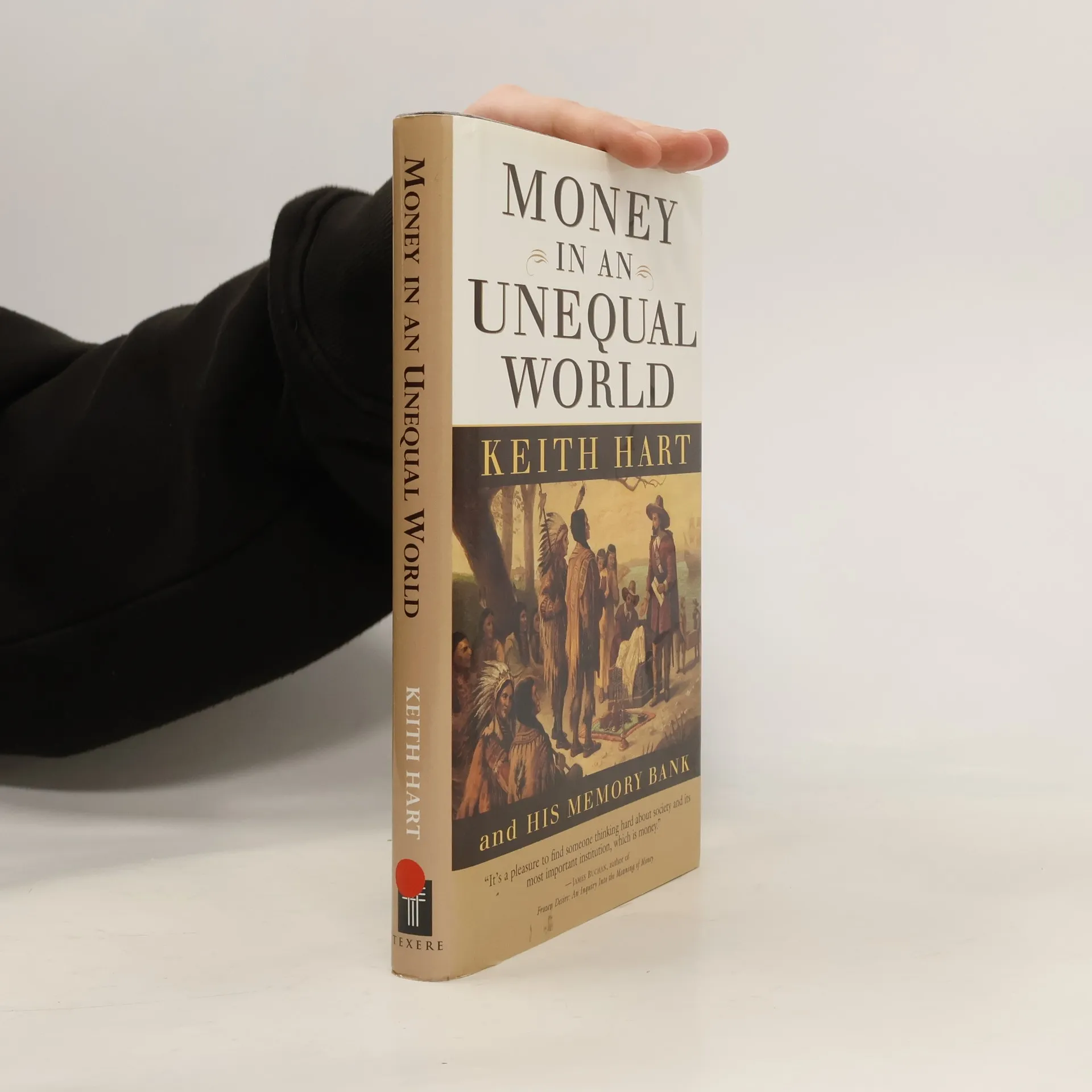
Eminent anthropologist Keith Hart draws on the humanities, popular culture, and personal experiences to guide readers in exploring their place in history. He emphasizes two life journeys: one outward into the world and the other inward to the self. Reflecting on his life of learning and sharing, Hart connects life's extremes—individual and society, local and global, personal and impersonal—to examine what it means to be fully human. His unorthodox academic career, particularly his background in African ethnography, provides a unique perspective on the potential for a more African-influenced global future. The work is rich with surprises and thought-provoking insights, making it compelling and engaging. Hart highlights that while each person is a unique individual shaped by historical and biological factors, we cannot exist outside the social context that influences us profoundly. He argues for the importance of self-reliance and belonging, suggesting that individuals must learn to navigate both personal identity and social relationships. Despite modern ideologies that portray individuality and mutuality as conflicting, Hart asserts that these are inseparable aspects of human nature, challenging the capitalist narrative that often pits them against each other.
Keith Hart Boeken


Hart believes that humanity stands on the threshold of a new era in which there will be a pressing need to develop, conceptually and in practice, an awareness of the common problems facing world society as a whole. We have scarcely begun to contemplate how to establish and maintain the social, technological and cultural infrastructures we will need to survive in the 21st century. In a polarized world characterized by staggering economic inequalities, recent advances in technology offer radical possibilities for the development of human freedom and equality. Hart's particular focus in this book is the Internet, which he argues holds the potential for a re-personalization of economic relations. In this world, new means of exchange could be harnessed to the ends of a truer economic democracy. Money is the problem, but it is also the solution. Hart, an anthropologist by training, offers a new view on the interaction between money, capitalism, and culture ? now, in the future, and throughout history. The many important strands of thought and experience in this book will challenge established views from all quarters of economic, political, and social thought.