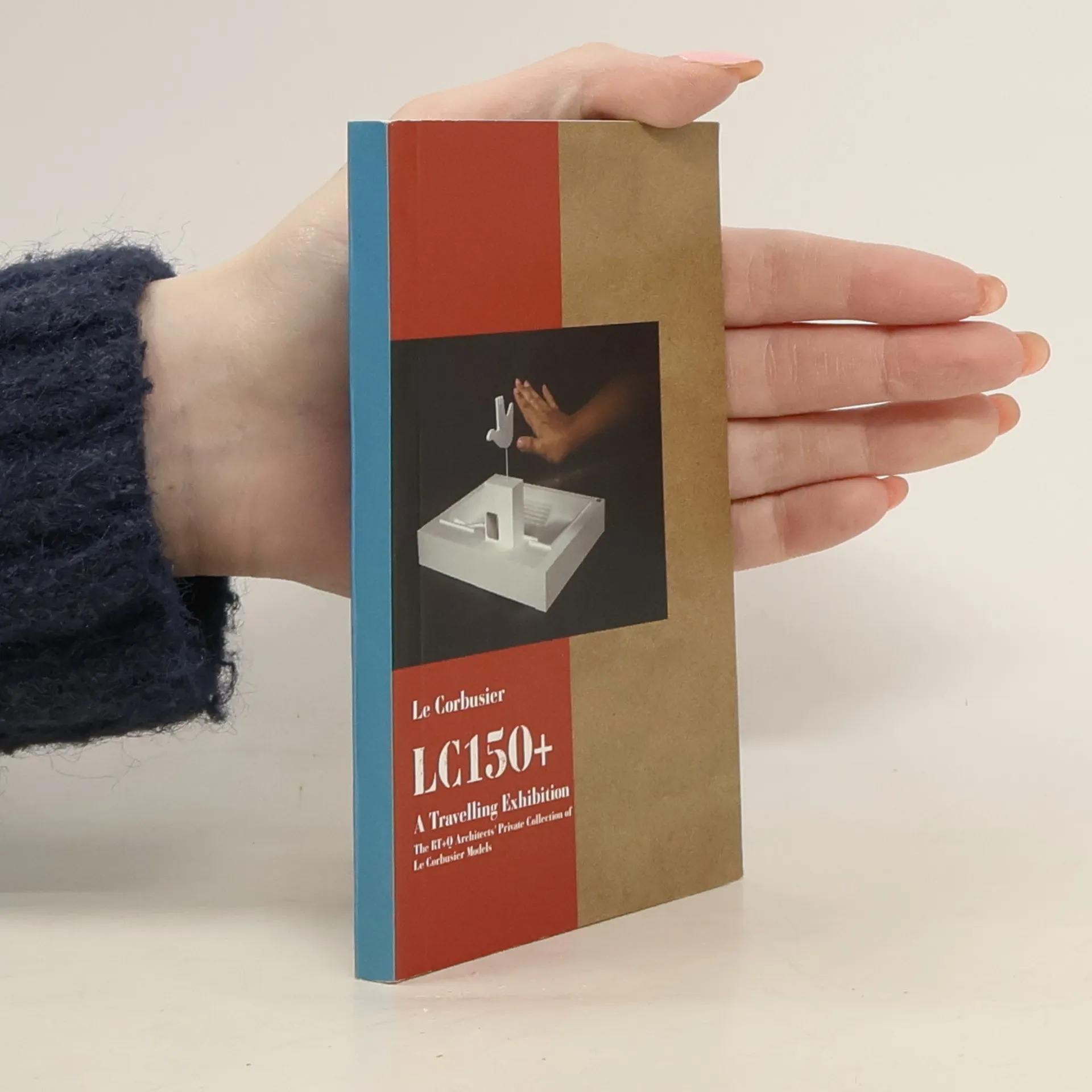
Deze visionaire architect, ontwerper en stedenbouwkundige, geboren in Zwitserland en later Frans staatsburger, was een sleutelfiguur in de moderne architectuur. Zijn carrière, die decennia overspande en zich uitstrekte van Europa tot India en Amerika, was gericht op het pionieren van nieuwe woonbenaderingen en het verbeteren van de omstandigheden in drukke steden. Le Corbusier concentreerde zich op modern design van hoog niveau, met het doel het stadsleven te hervormen door middel van zijn invloedrijke en functionele creaties.
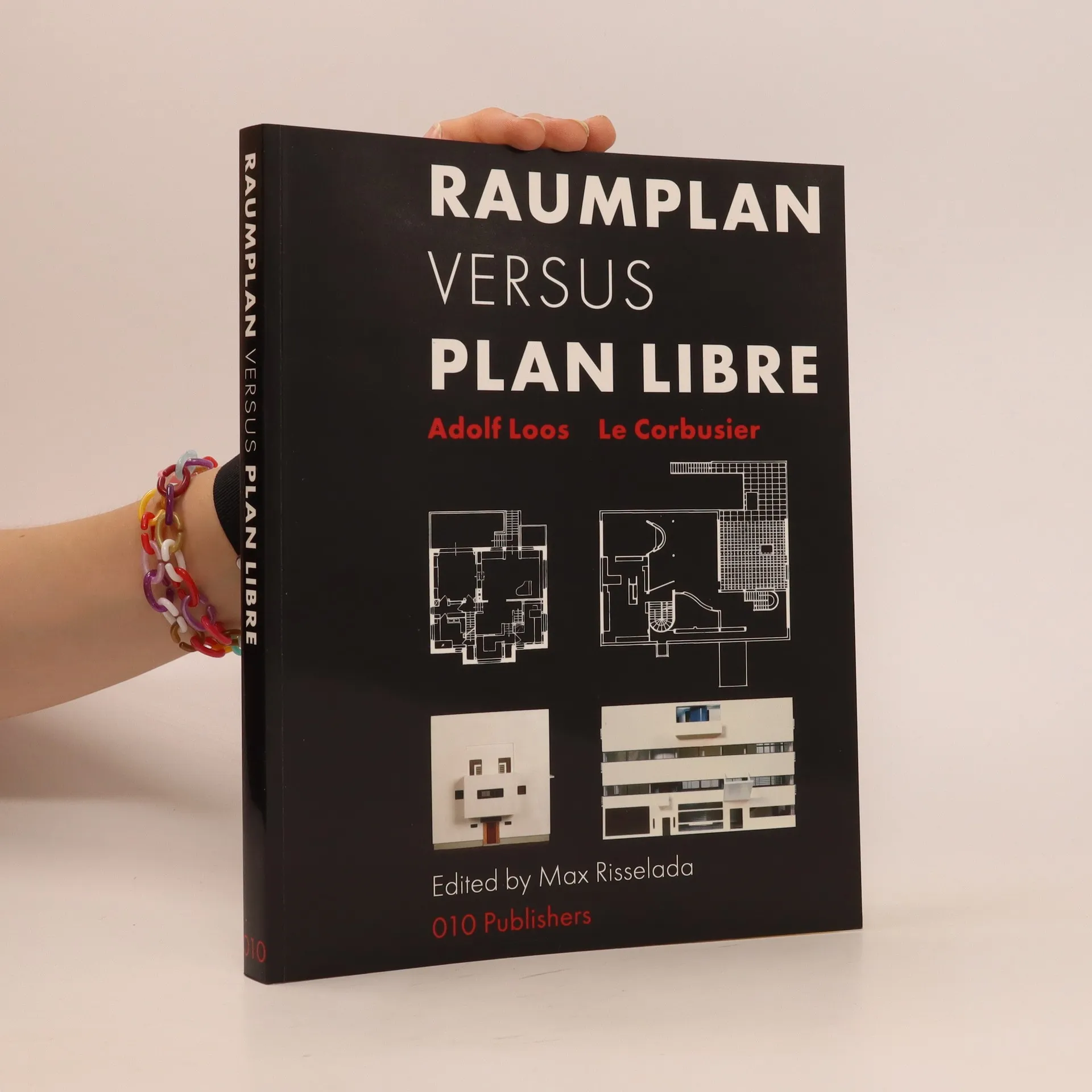
Originally published as a catalogue to accompany an exhibition with the same name in 1987, this new edition re-examines the respective merits of two giants of Modern Architecture Adolf Loos and Le Corbusier. As well as featuring writings by the two architects, the book illustrates their respective evolution, with detailed reference to their domestic projects, ranging from the Strasser House (1919) to the Last House (1932), and from the Maison Domino (1915) to Villa Savoye (1932). Features major contributions form Beatriz Colomina, Jan de Heer and Max Risselada, among others.
Villa le Lac, which was designated a World Heritage in 2016, was designed and built by Le Corbusier as Geneva lakeside home for his parents in 1925. Because of its spare arrangement of spaces, he referred to it as a "dwelling machine." Even today it remains the modern prototype of the "small house" that fulfills all of the functions of a residence with a minimum of floor area and seamless transitions between spaces. For the first time, this book is appearing in three separate language editions, following the original edition in which Le Corbusier documented the history of the building: with photographs, sketches and a poetic text. Access to the original photographs allowed the quality of the illustrations in this edition to be improved significantly.
Le Corbusier's Unité d’habitation in Marseille, constructed between 1946 and 1952, embodies a synthesis of his architectural principles, merging social models with urban planning. This iconic structure has sparked considerable debate, prompting an exploration of the tensions between its ambitious intentions and actual impact. Despite facing criticism, the building remains popular among its residents, offering functional benefits that enhance communal living. Its striking sculptural quality and the dynamic interplay of light and color create a 'personality' that resonates with inhabitants. The design fosters a rich spatial experience, countering the superficiality of modern life with an intensity that engages the senses. From the grand foyer to the vibrant rooftop terrace, and the tranquil residential streets, the building invites a connection with both the sea and mountains. Le Corbusier's atmospheric and scenic architectural techniques provide a cohesive environment that supports individual lives within its spaces. The authors, all qualified architects, delve into the nuances of these effects, with Alban Janson teaching architecture fundamentals, Carsten Krohn as a Berlin-based author, and Anja Grunwald specializing in architectural photography at Karlsruhe University.
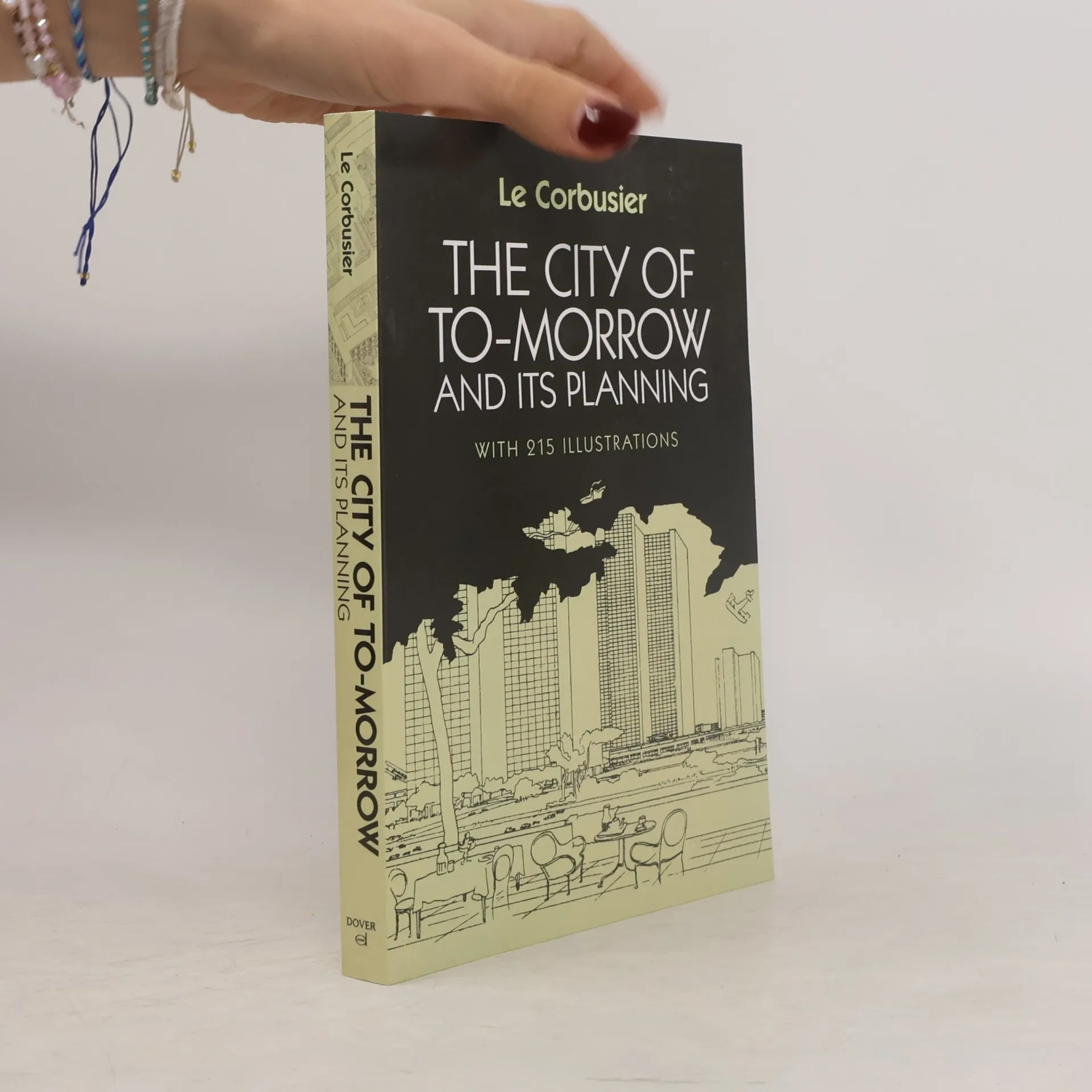
This pioneering proclamation by the great architect expounds Le Corbusier's technical and aesthetic theories, views on industry, economics, the relation of form to function, "mass-production spirit," and much more. Profusely illustrated with over 200 line drawings and photographs of Le Corbusier's buildings and other important structures.
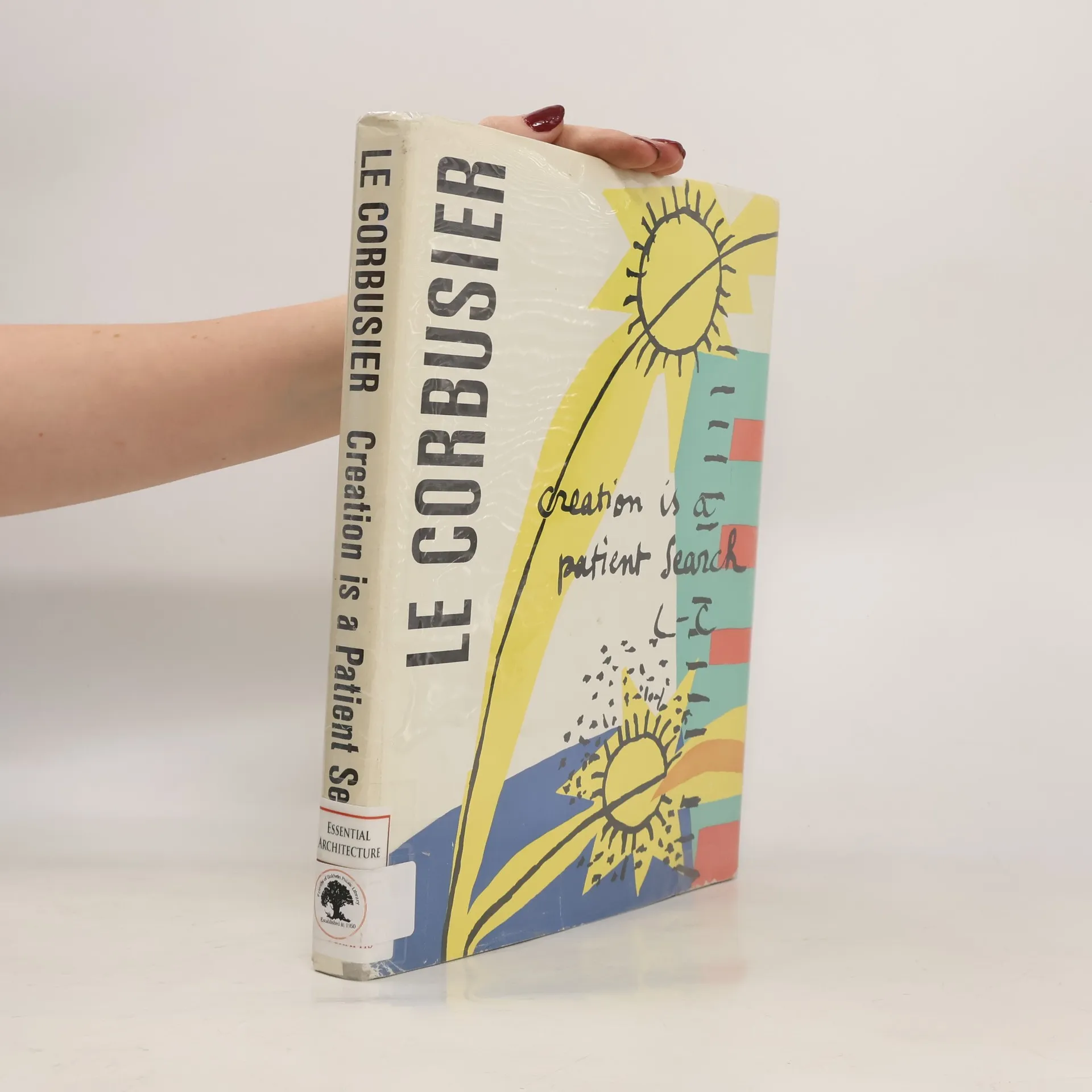
Le Corbusier’s “self-portrait” of his career, from his early student days to the completion of the convent at La Tourette, written when he was 71 years old.
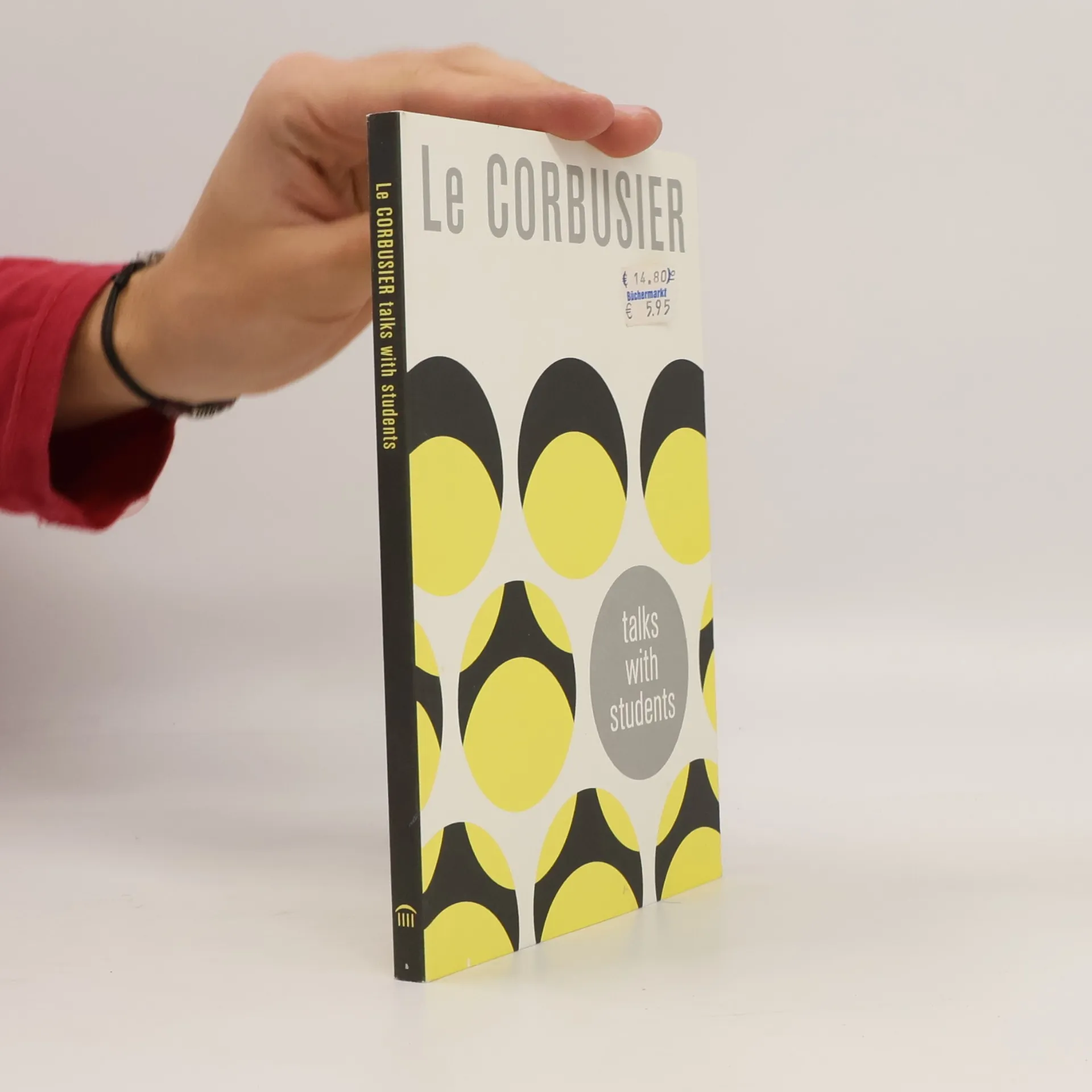
First published in France in 1943 and translated for English-speaking readers in 1961, Le Corbusier Talks with Students presents advice and commentary from the master of modernism for young architects-to-be.In chapters ranging from "Disorder" to "The Construction of Dwellings" to "A Research Workshop," Le Corbusier discusses his views on architectural history and offers opinions on the future of the profession, while touching on his own projects for the Villa Savoye, the Cit Universitaire, and the Radiant City. Topics such as architecture's role in our directionless society; the balance between spiritual values and technical factors; and the importance of space, proportion, and color are explored by this renowned architect, and still resonate today, almost 50 years later.Our reprint of this classic text is a facsimile of the 1961 edition, now available as an affordable paperback.
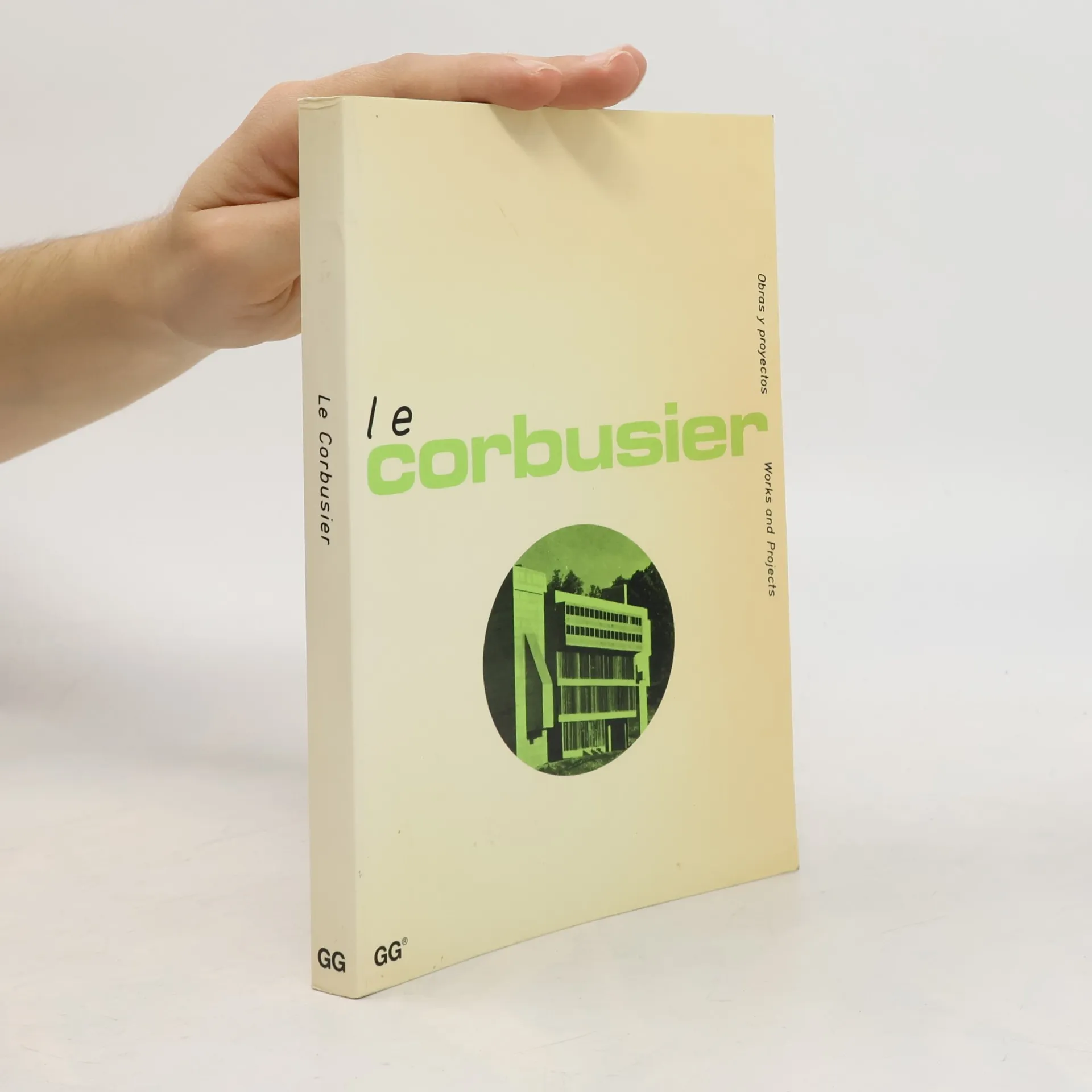
This series was the winner of the American Institute of Architects' prestigious "Award for Excellence in International Book Publishing". Each volume in this series is introduced with an essay on the architect, and a chronological or stylistic presentation of their most outstanding buildings and projects. No other series provides such a complete and concise summary of the world's leading architects' works. The volumes are fully illustrated in black-and-white with photos and project renderings.
Die Villa le Lac, die seit 2016 zum Weltkulturerbe zählt, hat Le Corbusier 1925 am Genfer See für seine Eltern projektiert und gebaut. Aufgrund seiner sparsamen Raumdisposition bezeichnete er es selbst als „Wohnmaschine". Bis heute ist es der moderne Prototyp des „kleinen Hauses" geblieben, das mit einem Minimum an Grundfläche und ineinander übergehenden Räumen alle Funktionen des Wohnens erfüllt. Das Buch erscheint erstmals in drei getrennten Sprachausgaben und folgt der Originalausgabe, in der Le Corbusier die Geschichte des Gebäudes dokumentiert mit Fotos, Skizzen und einem poetischen Text. Sie greift dabei aber auch auf die Originalfotografien zurück und bietet so eine maßgeblich verbesserte Abbildungsqualität; zudem enthält sie ein Nachwort der Architekturhistorikerin Guillemette Morel-Journel.
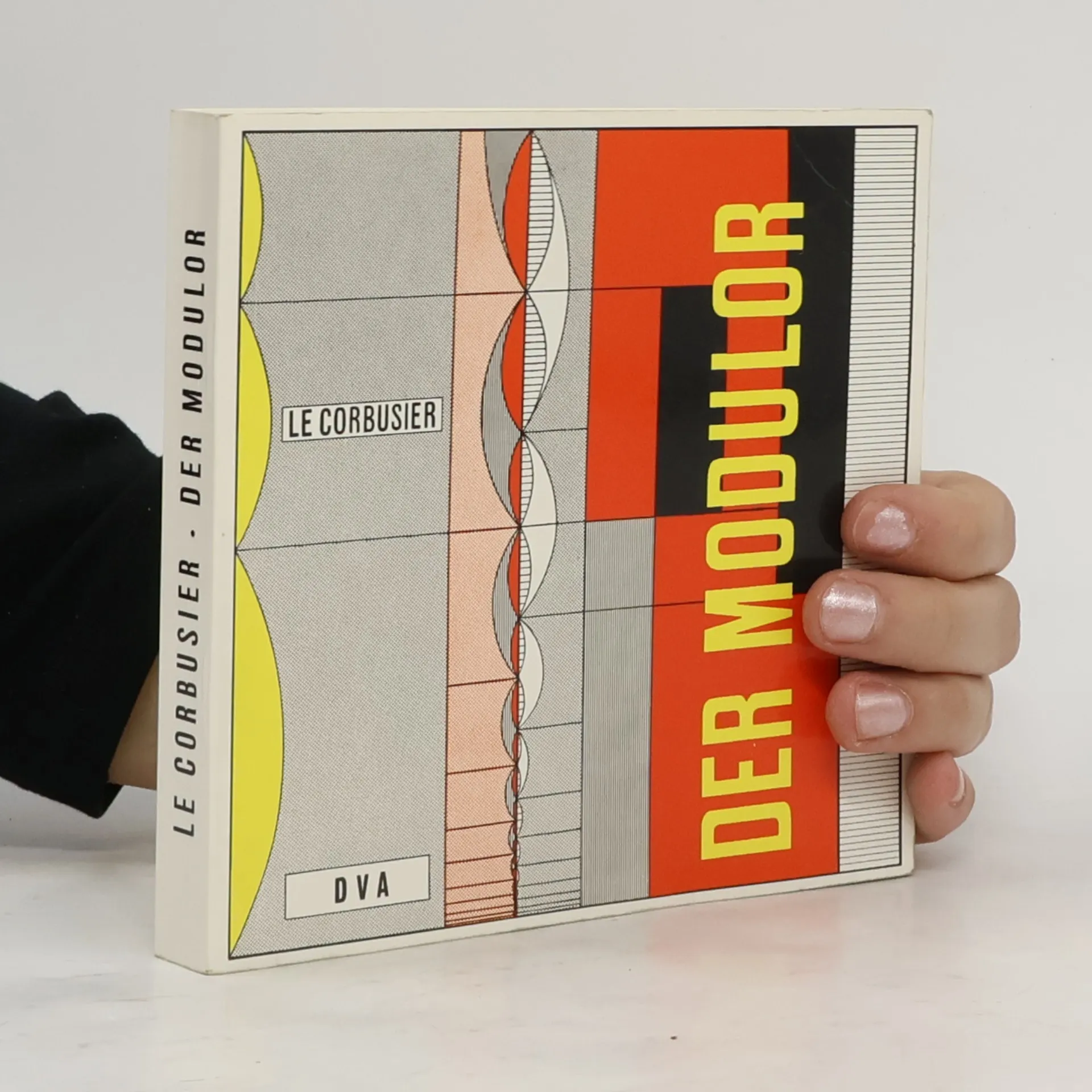
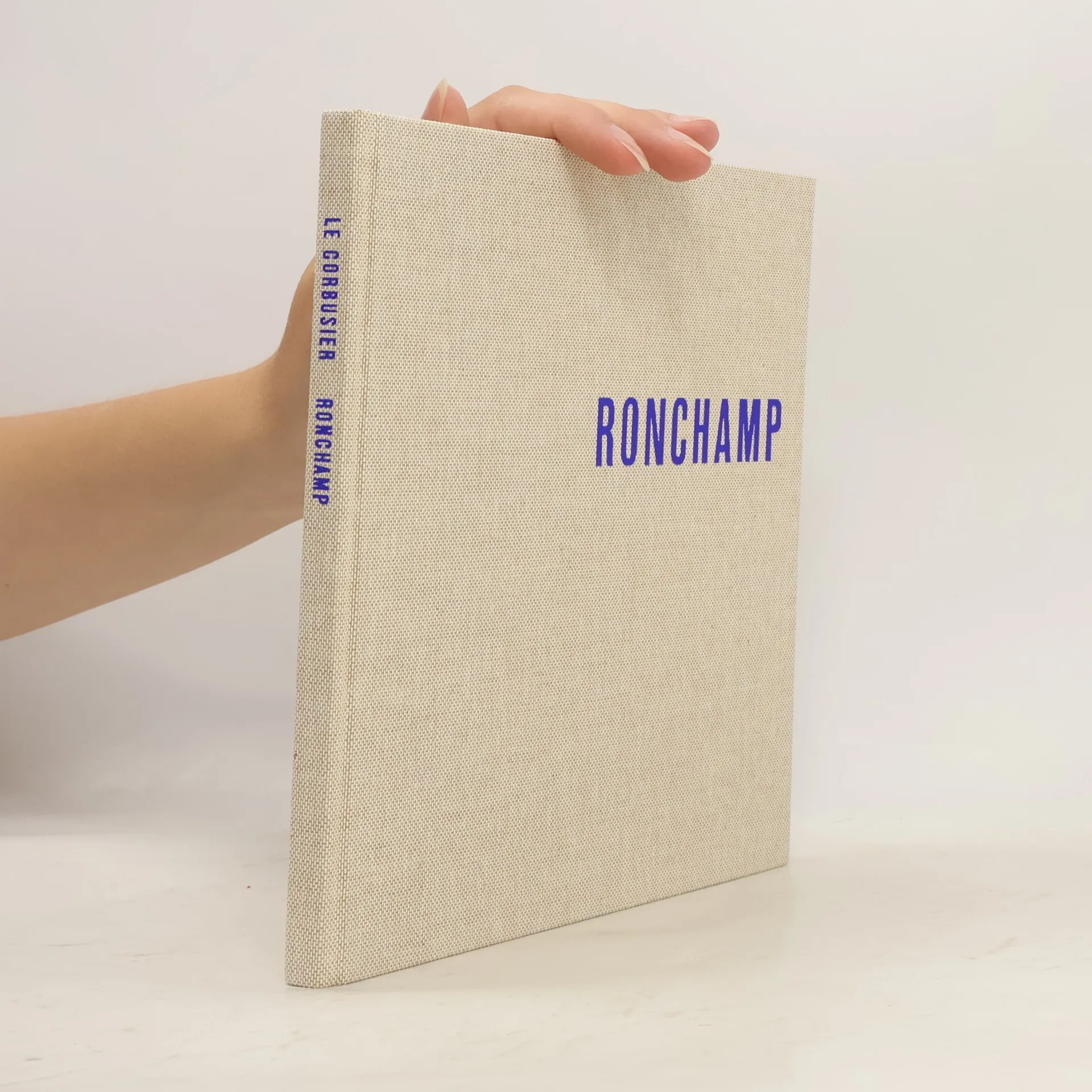
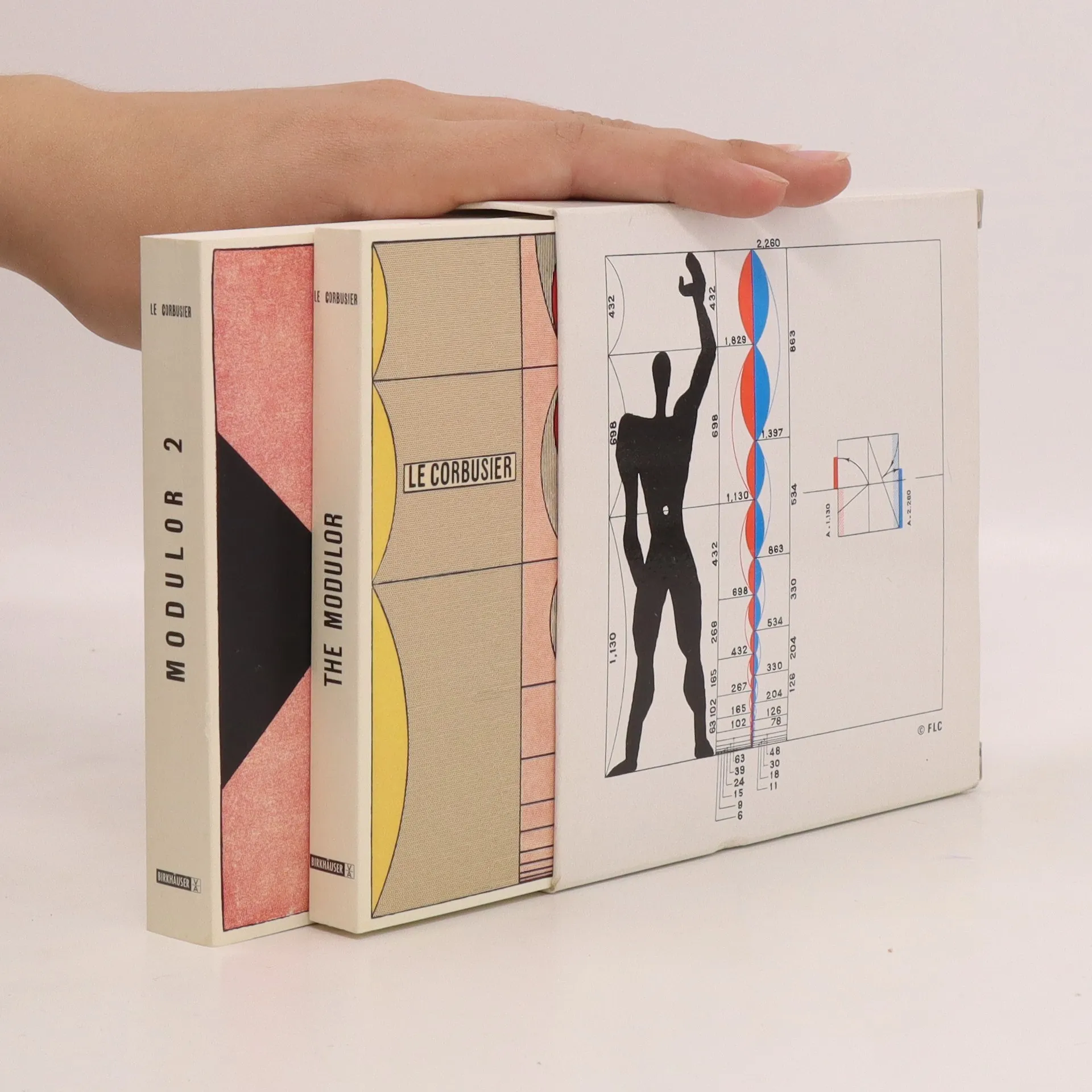
In den Jahren 1942 bis 1948 entwickelte Le Corbusier ein Maßsystem, das als "Modulor" bekannt wurde. Basierend auf dem Goldenen Schnitt und Fibonacci-Zahlen sowie den physischen Dimensionen des durchschnittlichen Menschen, ist Modulor eine Abfolge von Maßen, die Le Corbusier verwendete, um Harmonie in seinen architektonischen Kompositionen zu erreichen. In vielen von Le Corbusiers bemerkenswertesten Gebäuden, einschließlich der Kapelle von Ronchamp und der Unité d'Habitation, sind Beweise für sein Modulor-System zu sehen. Diese beiden Bände bilden einen wichtigen und integralen Bestandteil von Le Corbusiers theoretischen Schriften.
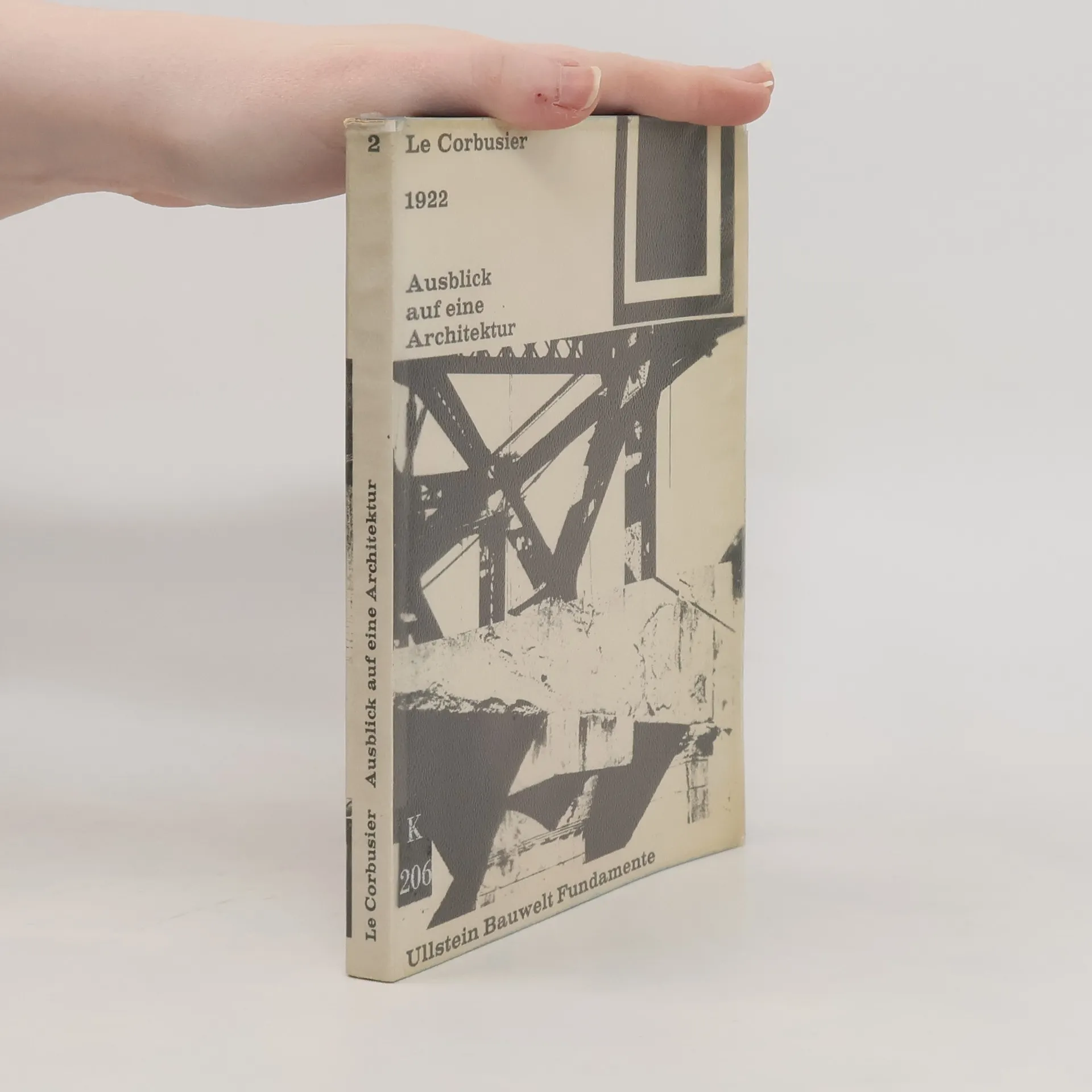
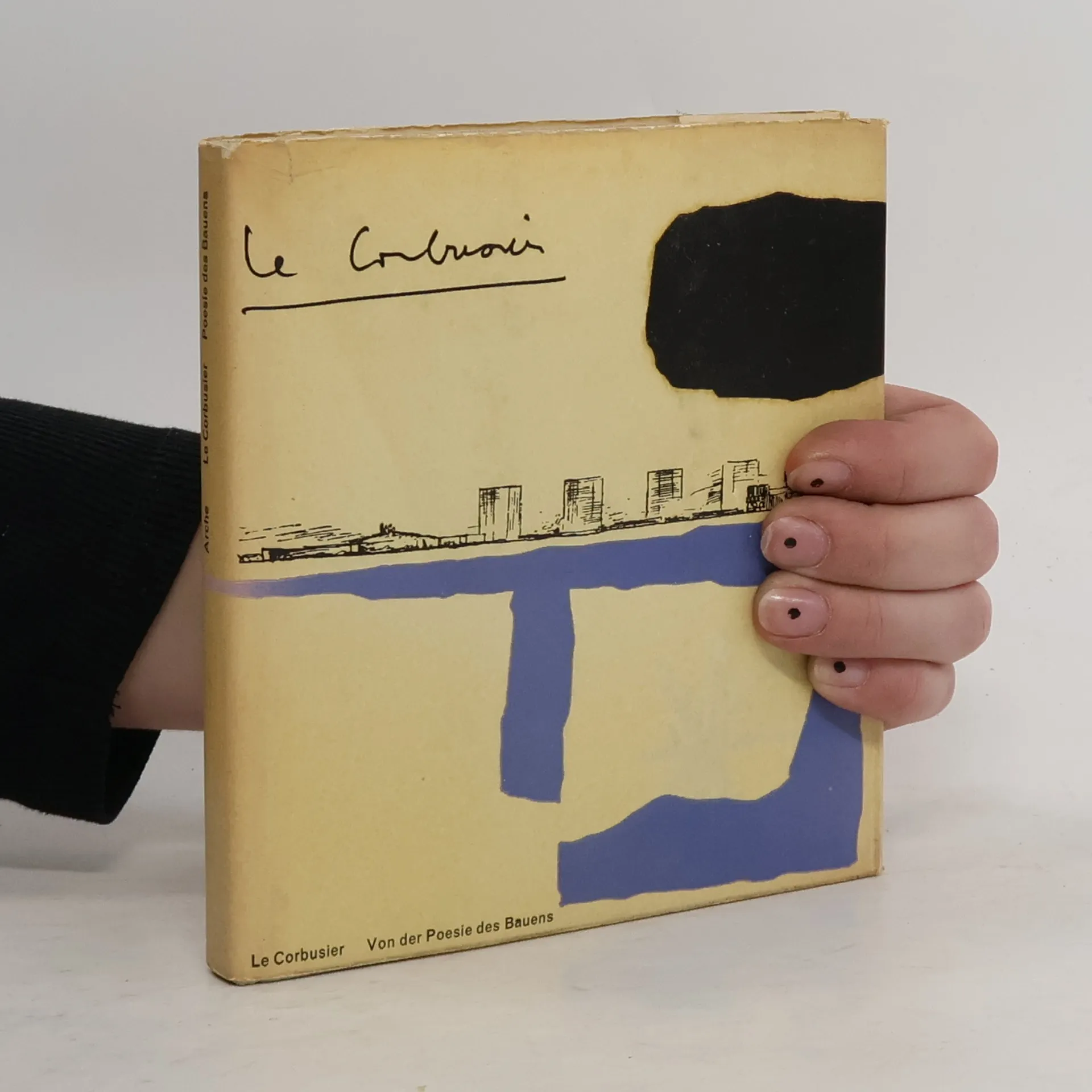
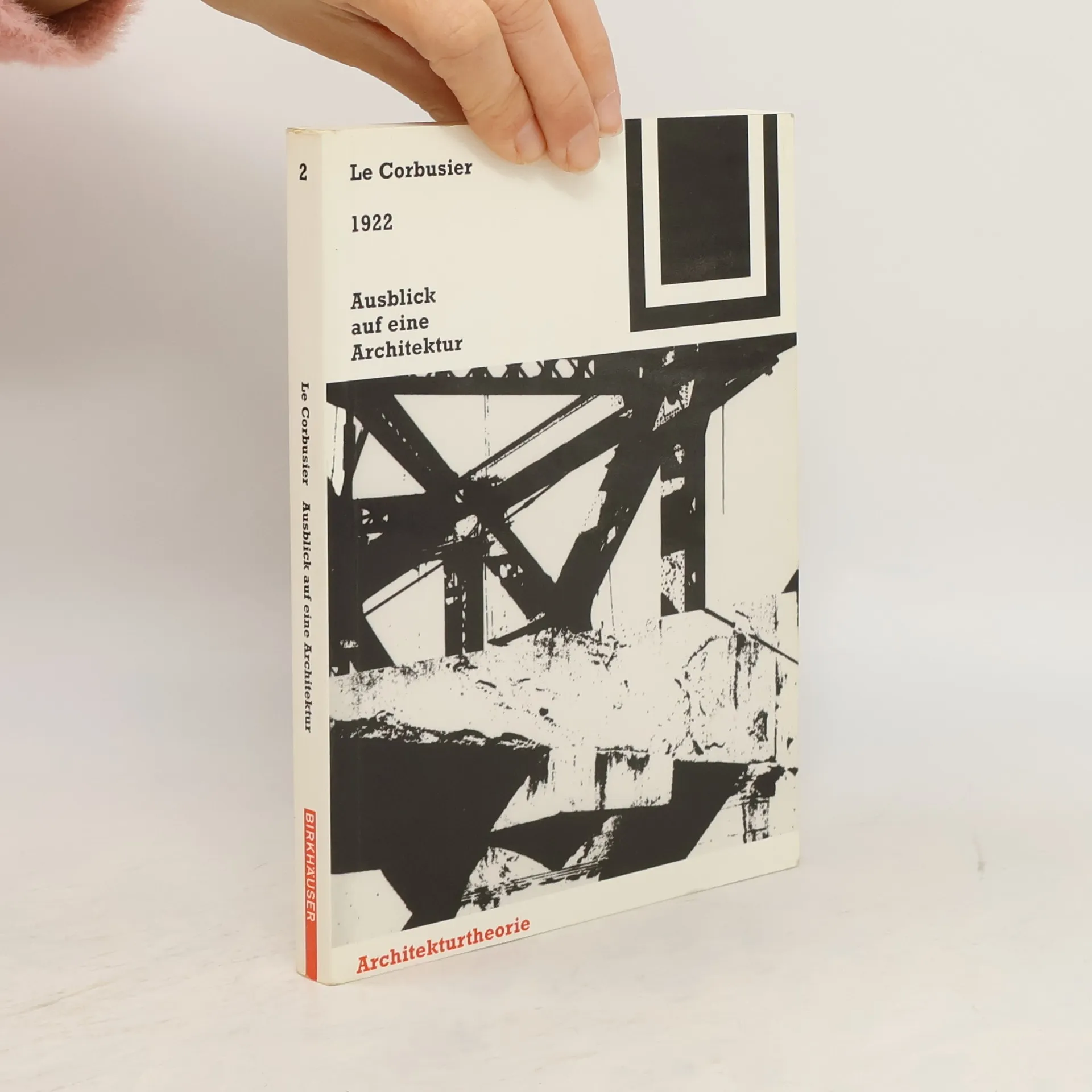
Le Corbusier fasst in seinem ersten Buch jene erregenden Aufsätze über Architektur zusammen, die er 1920/22 für die Zeitschrift “Esprit Nouveau” schrieb. Vers une Architecture wurde eines der einflussreichsten und zugleich am wenigsten verstandenen Architekturbücher des 20. Jahrhunderts. Es gilt als einer der grossen Vor-Entwürfe für neues Bauen.
In seinem ersten Buch fasst Le Corbusier jene anregenden Aufsatze uber Architektur zusammen, die er 1920/22 fur die Zeitschrift -Esprit Nouveau- schrieb. Vers une Architecture wurde eines der einflussreichsten und zugleich am wenigsten verstandenen Architekturbucher des 20. Jahrhunderts."
Der Modulor ist ein vom Architekten und Maler Le Corbusier (1887–1965) in den Jahren 1942 bis 1955 entwickeltes Proportions-System und stellt den bedeutendsten modernen Versuch dar, der Architektur eine am Maß des Menschen orientierte mathematische Ordnung zu geben. Er steht damit in der Tradition von Vitruv. Der erstmalig 1948 in französischer Sprache veröffentlichte Modulor wird zu den bedeutendsten Schriften der Architekturgeschichte beziehungsweise Architekturtheorie gezählt. Das Buch wurde 1953 von Richard Herre ins Deutsche übersetzt.
Vieille de plus d'un quart de siècle La Charte d'Athènes reste en tous points à l'ordre du jour : qu'il s'agisse de l'habitation, des loisirs, du travail, de la circulation ou encore de la sauvegarde du patrimoine historique des villes, les observations sur lesquelles est fondé ce manifeste montrent que "le chaos est entré dans les villes" et y demeure ...
La Villa le Lac, désignée patrimoine mondial en 2016, a été conçue et construite par Le Corbusier comme maison au bord du lac de Genève pour ses parents en 1925. En raison de son agencement épuré des espaces, il l'a qualifiée de "machine à habiter". Aujourd'hui encore, elle reste le prototype moderne de la "petite maison" qui remplit toutes les fonctions d'une résidence avec un minimum de surface habitable et des transitions fluides entre les espaces. Ce livre présente l'histoire du bâtiment : avec des photographies, des croquis et un texte poétique. L'accès aux photographies originales a permis d'améliorer considérablement la qualité des illustrations.
Zur Geschichte des Städtebaus Le Corbusier (1887-1965) ist einer der bedeutendsten und einflussreichsten Architekten und Theoretiker des 20. Jahrhunderts, der zahllose Bücher und Artikel zu Architektur und Städtebau veröffentlicht hat. 1933 war er maßgeblich an dem Athener Kongress Die funktionelle Stadt beteiligt, an dem die damalige internationale Architekten-Avantgarde teilnahm und auf dem die berühmte und umstrittene Charta von Athen zu Fragen des Städtebaus verabschiedet wurde. Dieses grundsätzliche Planungsdokument fixierte erstmals Prinzipien moderner Stadtplanung, die bis in die Gegenwart hinein wirksam sind. In die von ihm formulierte »Charta« sind die Ergebnisse seiner langjährigen Arbeit an Stadtanalysen und utopischen Stadtentwürfen eingegangen, die er bereits 1925 in dem Buch »Urbanisme« veröffentlicht hatte. Die deutsche Ausgabe dieses bahnbrechenden, in die Zukunft weisenden Buches erschien 1929 in der Übersetzung des Kunsthistorikers Hans Hildebrandt bei der Deutschen Verlags-Anstalt; ein Reprint dieser Ausgabe wurde 1979 veröffentlich. Seit langem vergriffen, ist der 50. Todestag Le Corbusiers nun Anlass, dieses Werk mit einem Vorwort von Wolfgang Pehnt wieder erhältlich zu machen. Ausstattung: Mit 218 Abb. und einem Faltplan
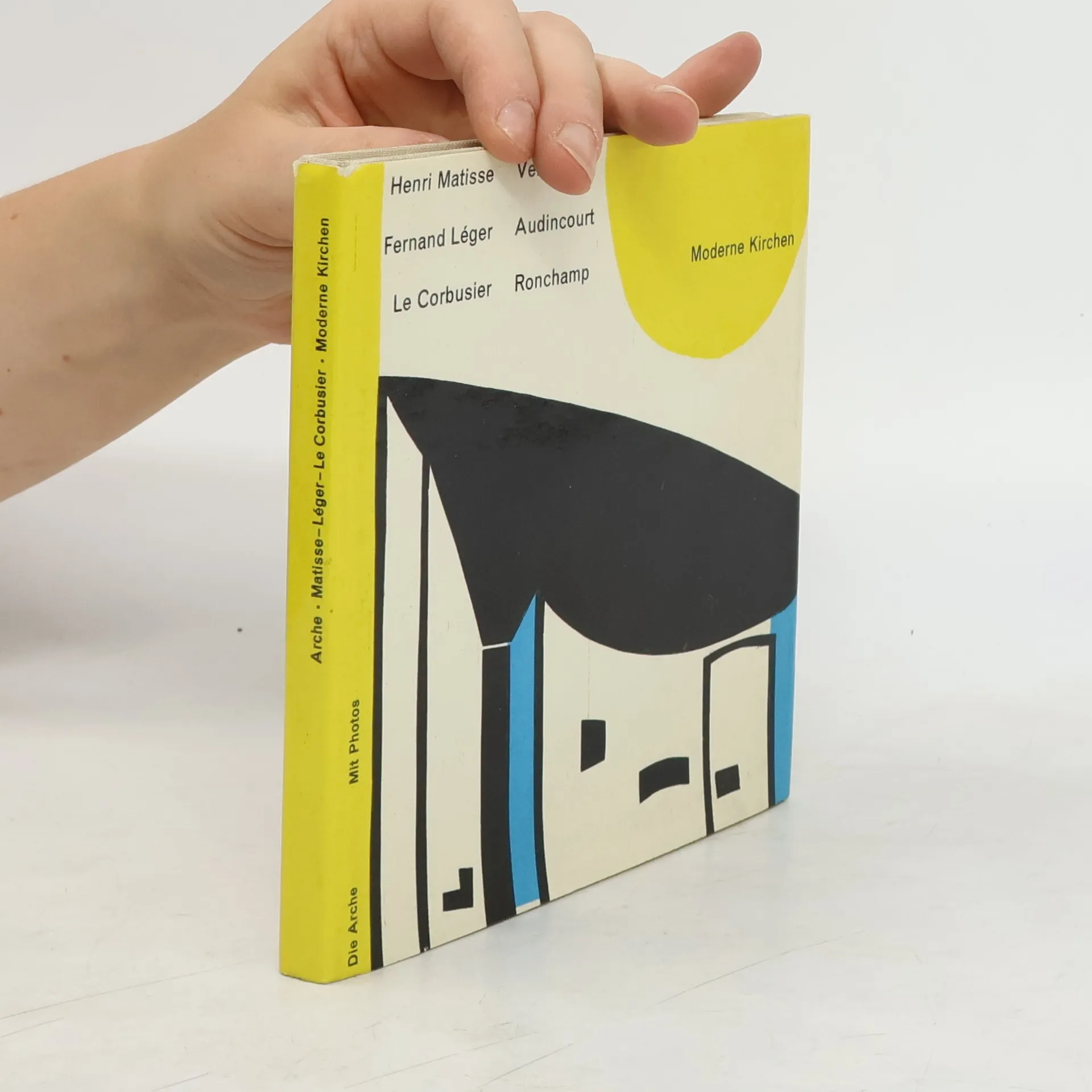
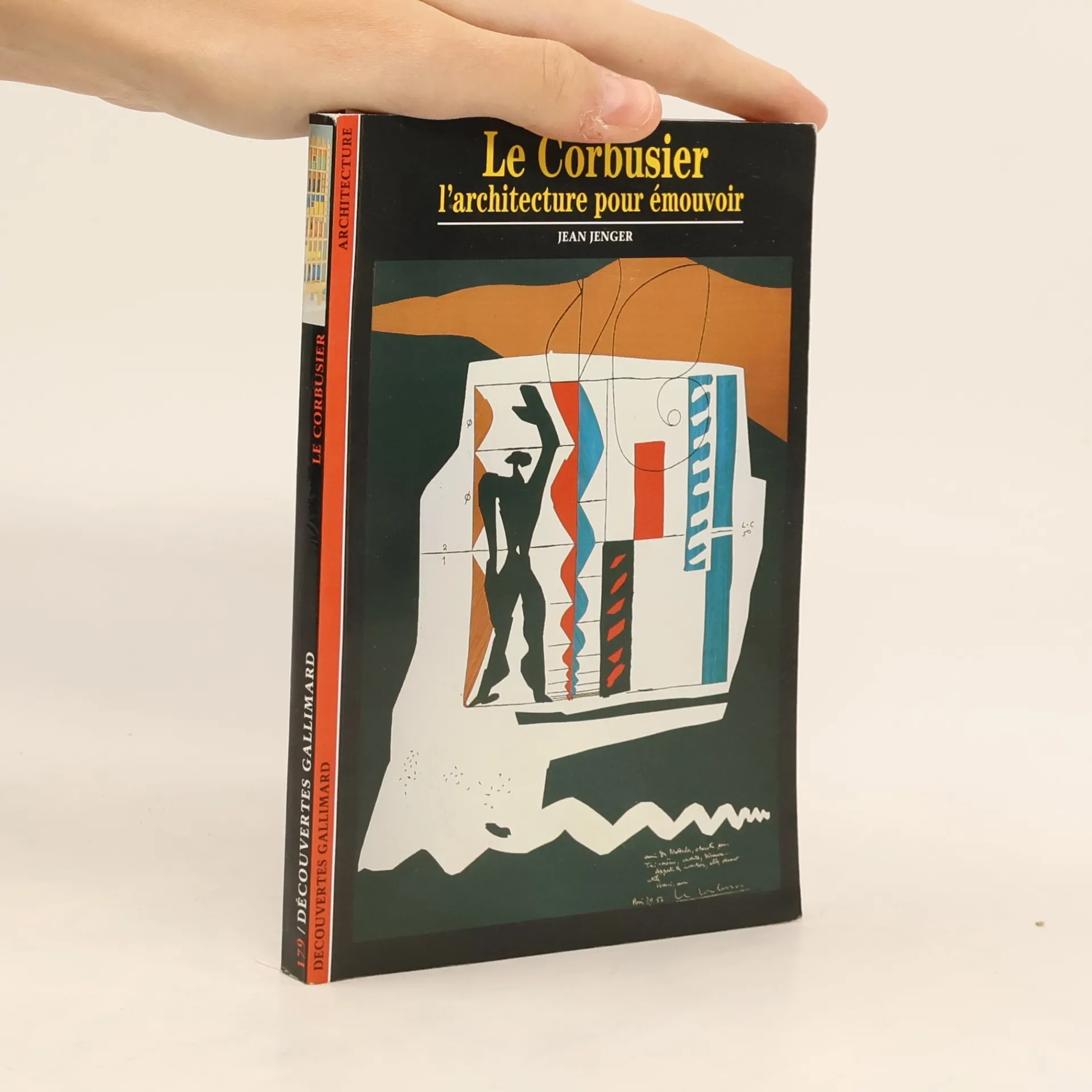
"La création de l'architecture contemporaine est due à bien d'autres personnalités... Mais la fonction historique qui distingue Le Corbusier des autres réside en ce qu'il fut simultanément peintre, architecte et poète." C'est ainsi que l'historien de l'architecture Siegfried Giedion donne à Le Corbusier sa dimension : celle d'un créateur universel. Jean Jenger montre qu'au-delà des clichés - purisme ou brutalisme -, les villas blanches, les unités d'habitation, Ronchamp, la Tourette ou Chandigarh peuvent apparaître comme "une architecture pour émouvoir".
In Form eines Fotoessays beschreibt José Baltanás eine charakteristische Eigenart von Le Corbusiers Denken und Arbeiten: die promenade architecturale, den Weg durch Räume, der zu sinnlichen Eindrücken verhilft, den 'Spaziergänger' das Gebäude erleben läßt. Eine Kette von Bildern führt den Leser durch bekannte und weniger bekannte Werke des Architekten, von seinem ersten Bau, der Villa Fallet in seiner Heimatstadt La-Chaux-de-Fonds in der Schweiz (1905), bis zum Pavillon für Heidi Weber, der heute das Centre Le Corbusier in Zürich beherbergt (1966/67 fertiggestellt). Die erzählerische Bildwanderung durch die Bauten wird ergänzt von Textinformationen und Zeichnungen. • Bildwege durch bekannte und weniger bekannte Bauten Le Corbusiers • Eine neue und ungewöhnliche Annäherung an das Werk des Architekten • Zum 40. Todestag Le Corbusiers am 27. August 2005
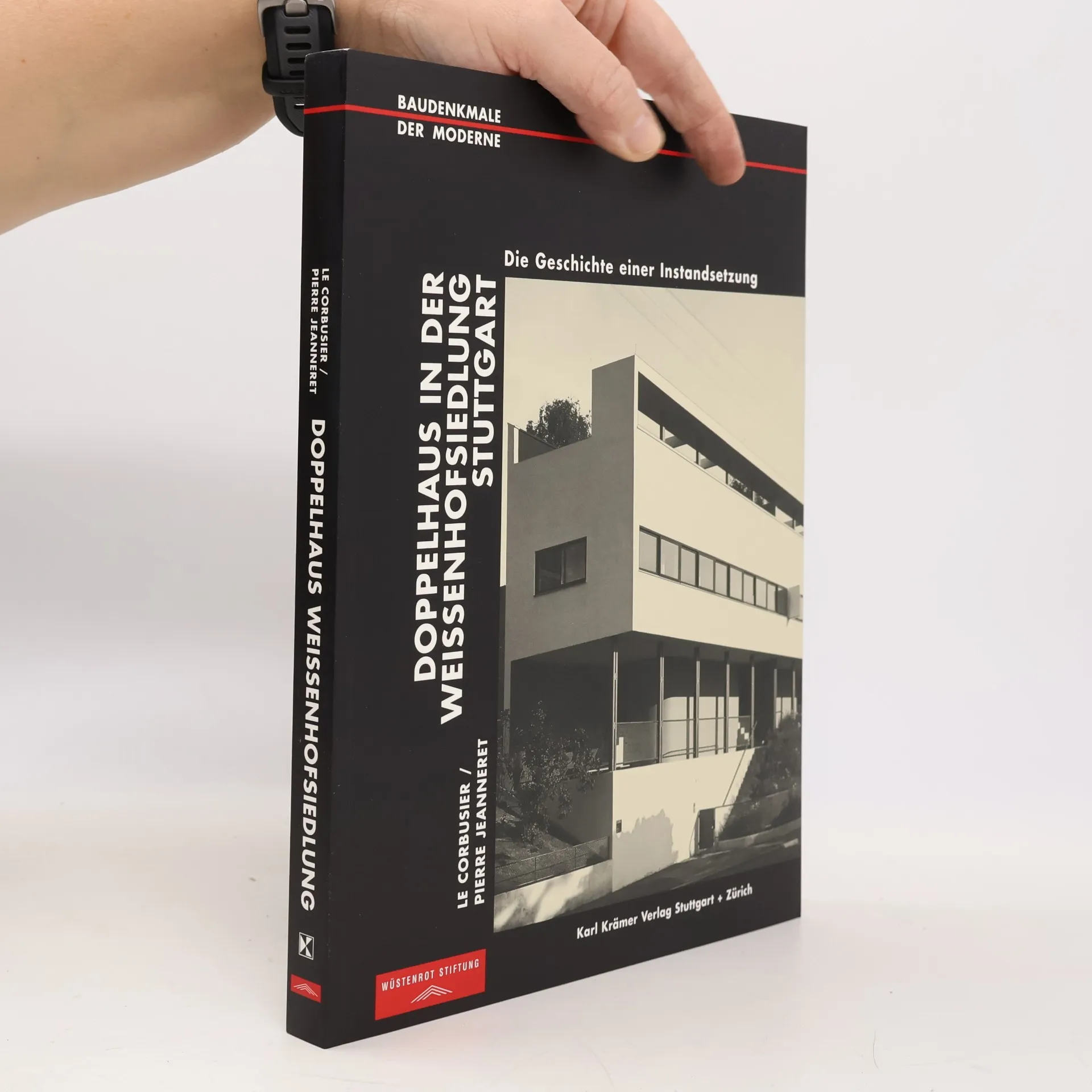
Doppelhaus in der Weissenhofsiedlung Stuttgart : die Geschichte einer Instandsetzung
192bladzijden
7 uur lezen
Das Doppelhaus, entworfen von Le Corbusier und Pierre Jeanneret im Jahr 1927 für die Weißenhofsiedlung, gilt als herausragendes Beispiel der klassischen Moderne. Es verkörpert die Ziele von Le Corbusiers neuem Architekturprogramm, darunter variable Grundrisse, erhöhte Erdgeschosse, Dachterrassen und durchgehende Fensterbänder. Nach seiner Fertigstellung wurde das Gebäude jedoch mehrfach umgebaut, was zum unwiderruflichen Verlust von Originalteilen führte. Zwischen 2003 und 2005 fanden umfassende Instandsetzungsmaßnahmen statt, um die ursprüngliche architektonische Proportion und die schwebende Wirkung des Hauses wiederherzustellen. Das Buch beschreibt die Entstehungsgeschichte des Doppelhauses, präsentiert Ergebnisse bauarchäologischer und bauhistorischer Untersuchungen und informiert über die durchgeführten Instandsetzungsmaßnahmen. Es wird beleuchtet, wie das Gebäude seit der Werkbundausstellung 1927 wieder für Besucher zugänglich ist. Themen umfassen den Werkbund und die Weißenhofsiedlung, historische Bauforschung, denkmalpflegerische Ansätze, den Garten der Moderne in Stuttgart sowie technische Aspekte der Restaurierung. Die Autoren sind Experten auf ihrem Gebiet und bieten fundierte Einblicke in die Architektur und Geschichte des Doppelhauses.
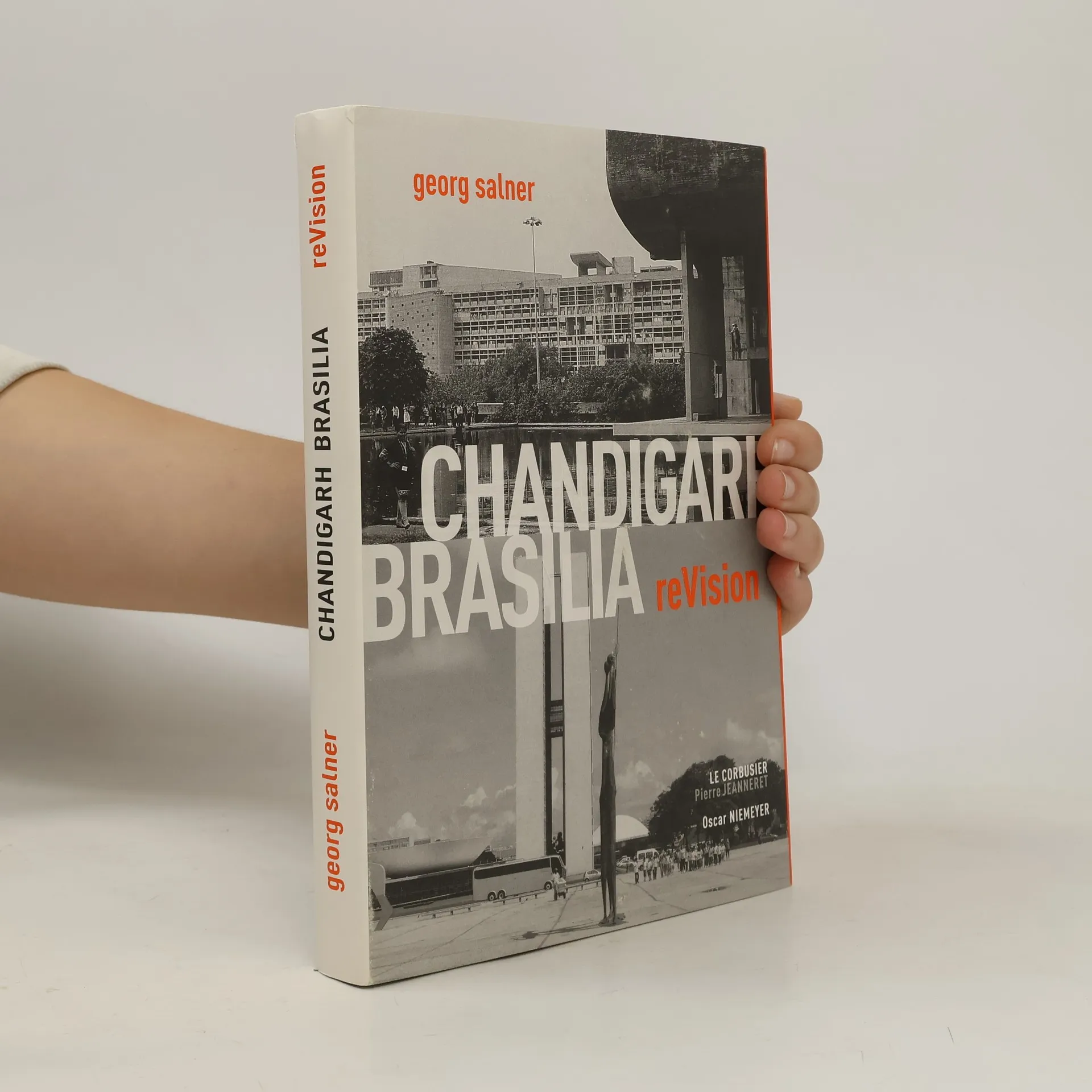
Architekturen in den Regierungszentren CHANDIGARH von Le Corbusier und BRASÍLIA von Oscar Niemeyer – eine reVision in Schwarzweiß, 2013/14 „Warum macht ein bildender Künstler einen fotografischen Exkurs zu Le Corbusier (und Pierre Jeanneret) in Chandigarh und zu Oscar Niemeyer in Brasília (Niterói und Rio de Janeiro)? (…) Le Corbusier und Niemeyer sind (…) die einzigen unter den Großmeistern der Moderne, die ganze Hauptstädte mit ihren Ideen bespielen und mit den wichtigsten Gebäuden bestücken durften. Alle waren sie Idealtypen von Gestaltern, innovativ, einflussreich und von einer enormen Verbindlichkeit für eine zu gestaltende Weltzivilisation, deren teilweise utopische Ansätze aber nicht in jeder Beziehung aufgehen konnten. Sie sind eben Einzelgestalten geblieben mit vielen hervorragenden Mitkämpfern und Nachfolgern. (…) Die Intention war – vor dem Hintergrund der faszinierenden alten Schwarzweiß-Fotografien aus der Anfangszeit der Städte – in einer Identifikation mit denselben Mitteln (analog), ein neues, umfang- und detailreiches fotografisches Konstrukt zu schaffen – mit all seinen historischen und zeitgenössischen Konnotationen. (…) Es entstand also erneut ein äußerst künstliches BILD (…).“ Georg Salner
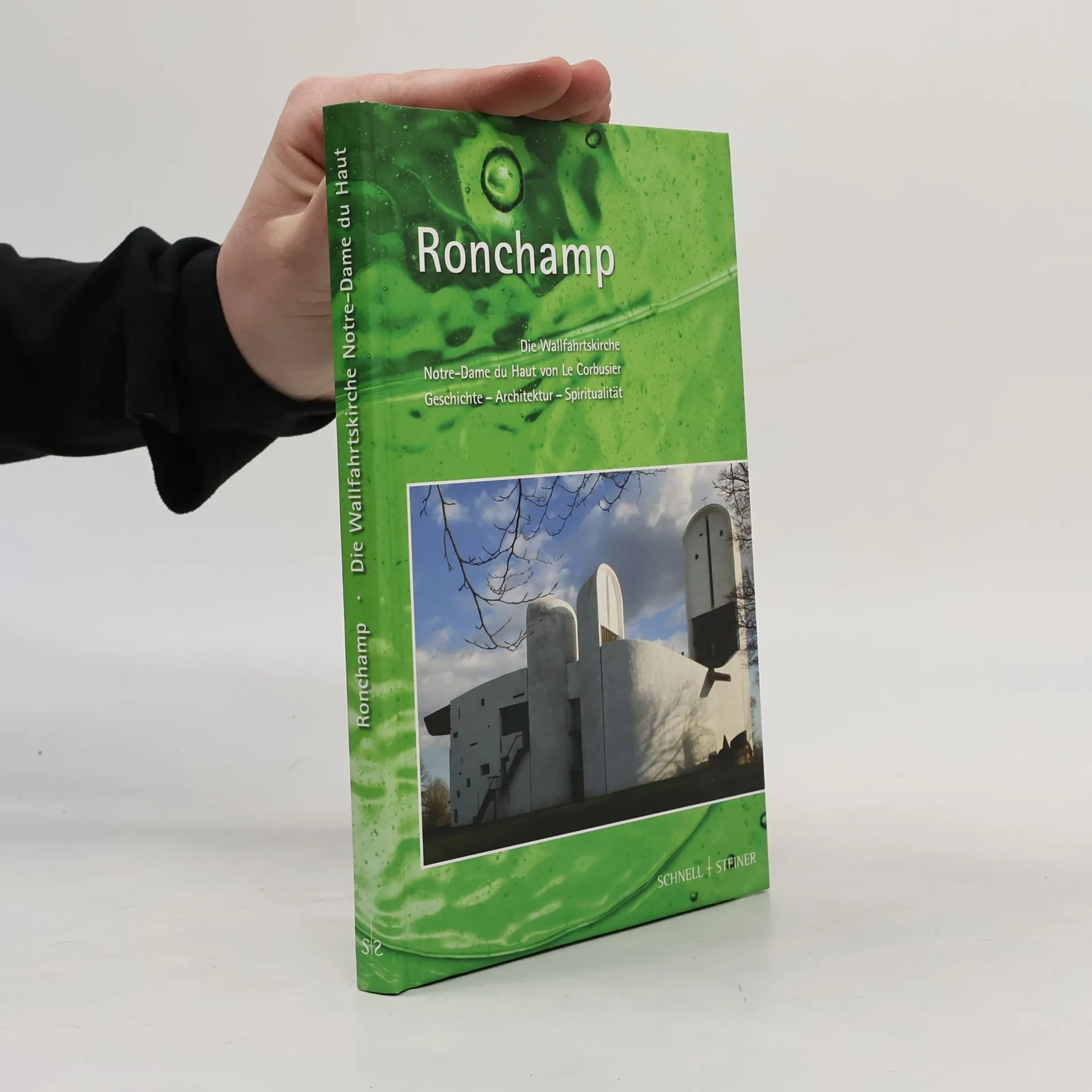
Die Wallfahrtskirche Notre-Dame du Haut von Le Corbusier: Geschichte - Architektur - Spiritualität
88bladzijden
4 uur lezen
Die Geschichte der Vorgängerbauten, der Prozess der Entscheidungsfindung für den Neubau, Le Corbusiers Schöpfungsphase sowie der Bau und die Einweihung werden ausführlich dargestellt. Im Rahmen eines Rundgangs durch die Wallfahrtskirche erschließt sich das Architekturprogramm. Form, Material, Akustik und Licht bilden ein harmonisches Ganzes, das spirituelle Erfahrungen der Pilger und Besucher ermöglicht. Der Band verbindet Kunst und Spiritualität in Wort und Bild. Er wendet sich sowohl an den Kunstkenner als auch an den Pilger. Die hervorragenden Abbildungen zeigen nicht nur interessante Details der architektonischen Meisterleistung Le Corbusiers, sondern transportieren auch etwas von der einmaligen Atmosphäre, die den Besuch der Wallfahrtskirche zu einem besonderen Erlebnis werden lässt. Kompaktes, reich bebildertes Kunstbuch zu dem bekanntesten Werk Le Corbusiers, einem Meilenstein der modernen Architektur
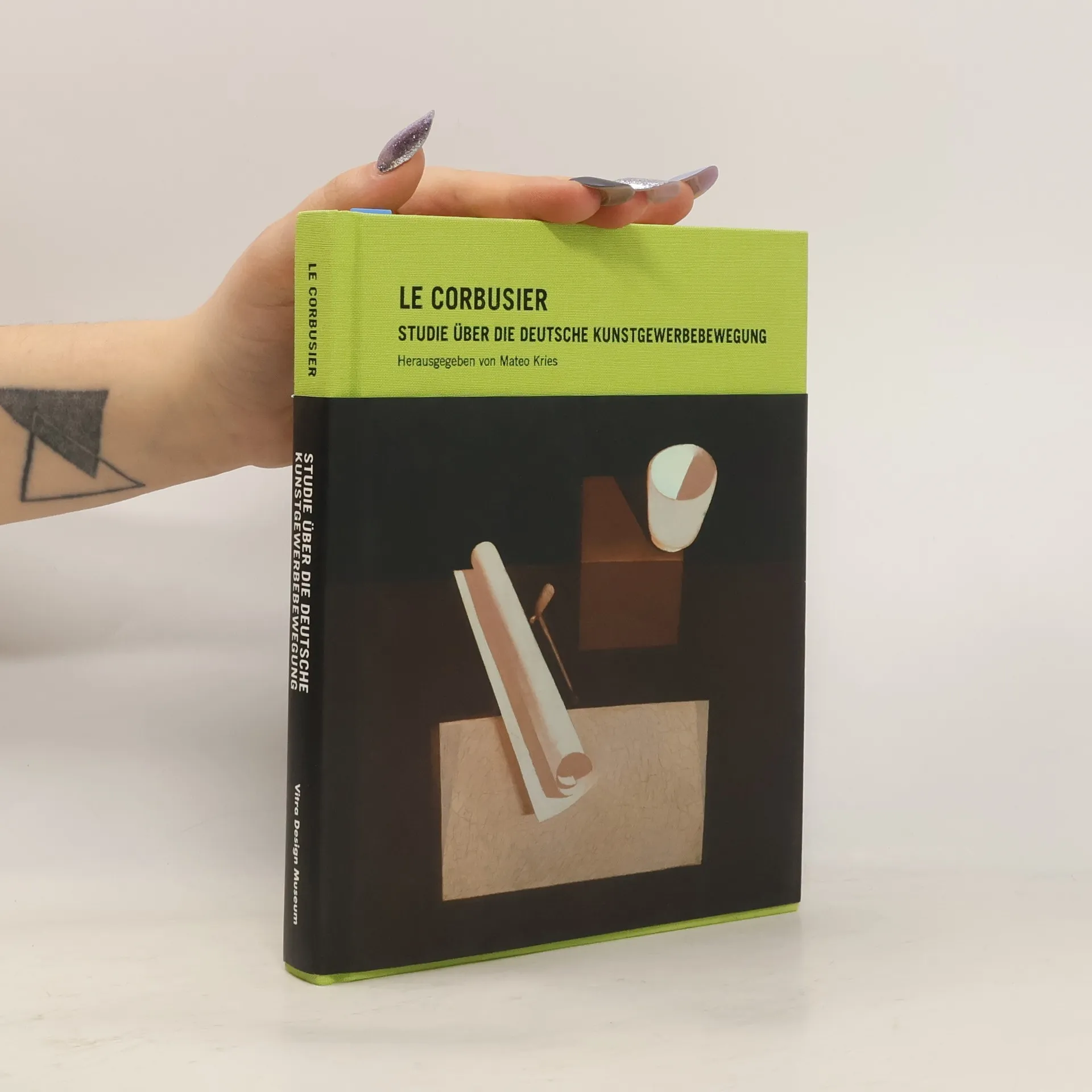
Die "Étude sur le mouvement d'art décoratif en Allemagne" von 1912 war Le Corbusiers erste eigene Publikation. Der junge Architekt analysiert darin auf luzide Weise die deutsche Kunstgewerbebewegung und ihre Protagonisten wie Peter Behrens, bei dem er 1910/11 gearbeitet hatte. Der Text ist eines der bedeutendsten Zeitdokumente zur Entstehung moderner Gestaltung in Deutschland und liefert zugleich völlig neue Erkenntnisse zur biografischen Entwicklung Le Corbusiers. Die Publikation macht den Originaltext der "Étude" erstmals in deutscher Übersetzung zugänglich. Ein ausführlicher bebilderter Kommentarteil erläutert den Text im Kontext von Kunstgewerbe, Politik und Architektur am Vorabend des Ersten Weltkrieges. Er macht deutlich, wie in der "Étude" europäische Zeitgeschichte und die Biografie des wohl bedeutendsten Architekten des 20. Jahrhunderts auf faszinierende Weise miteinander verwoben sind. (Quelle: buchhandel.de)





![1922 [Neunzehnhundertzweiundzwanzig], Ausblick auf eine Architektur](https://rezised-images.knhbt.cz/1920x1920/76916424.webp)