

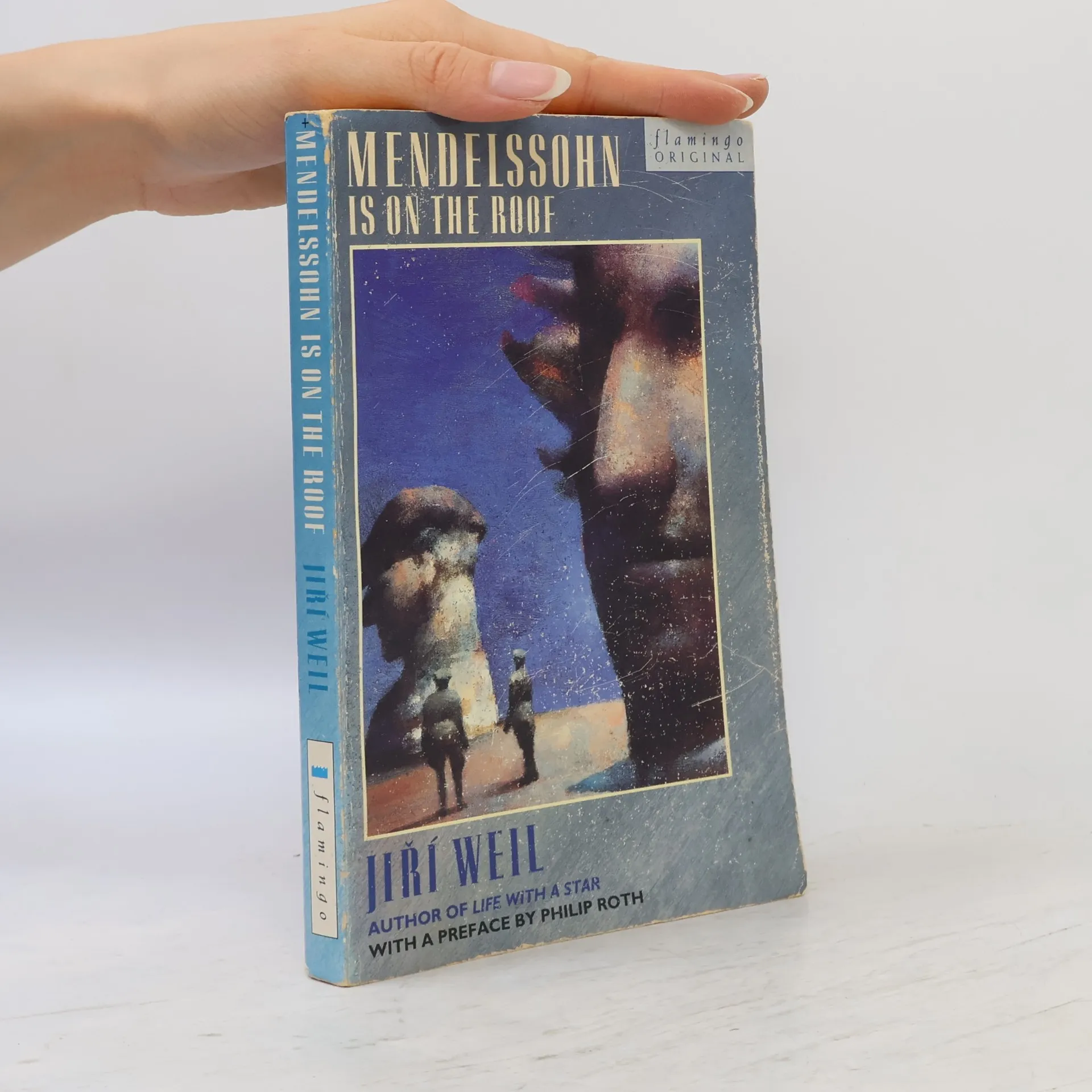
Traces the lives of ordinary people in Nazi-occupied Prague. In this ironic pageant of crossing and recrossing lives, death wins all the battles but ultimately loses the war, defeated by the fragile flowering of courage and defiance.
Marie Winn Boeken
1 januari 1936
Marie Winns schrijven duikt in de ingewikkelde relatie tussen de mensheid en de natuurlijke wereld, met name door de lens van natuur en vogelobservatie. Haar proza wordt gekenmerkt door scherpe observatie en een diepe waardering voor de complexiteit van het milieu. Winn onderzoekt de diepe verbindingen die ons aan de aarde binden, en benadrukt vaak de vaak over het hoofd geziene schoonheid en verwondering die ons omringt. Haar perspectief moedigt lezers aan om doordachter met hun omgeving om te gaan.


This account of one man’s tempestuous relationship with the hawk he trained is at once a comedy of errors, a classic of nature writing, and one of the best glimpses into the world of falconry. The predecessor to Helen Macdonald’s H is for Hawk, T. H. White’s nature writing classic, The Goshawk, asks the age-old question: what is it that binds human beings to other animals? White, the author of The Once and Future King and Mistress Masham’s Repose, was a young writer who found himself rifling through old handbooks of falconry. A particular sentence—“the bird reverted to a feral state”—seized his imagination and he immediately wrote to Germany to acquire a young goshawk. Gos, as White named the bird, was ferocious and free, and White had no idea how to break him in beyond the ancient of depriving him of sleep. Slowly man and bird entered a state of delirium and intoxication, of attraction and repulsion that looks very much like love. White kept a daybook describing his volatile relationship with Gos—at once a tale of obsession, a comedy of errors, and a hymn to the hawk. It was this that became The Goshawk, one of modern literature’s most memorable and surprising encounters with the wilderness—as it exists both within us and without.
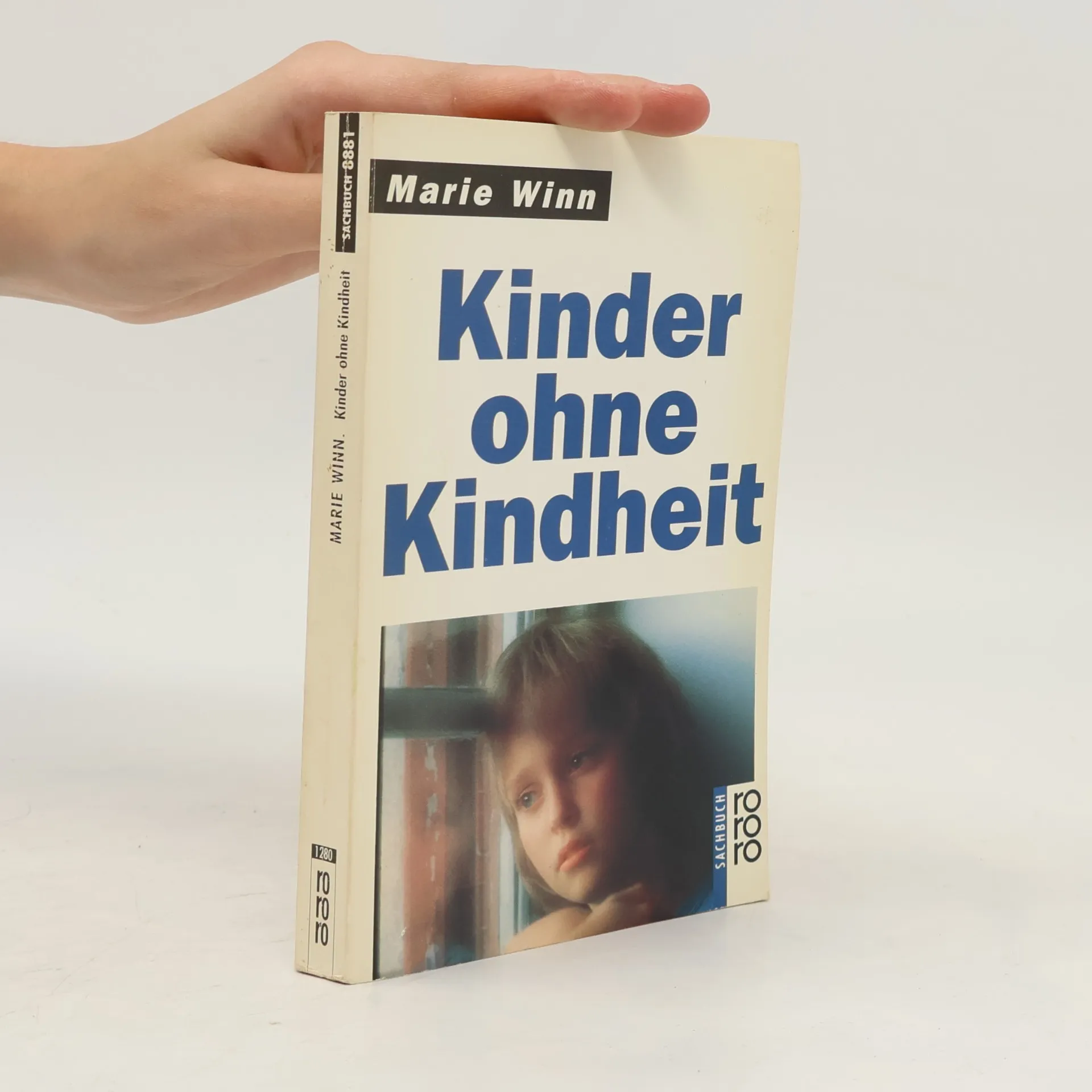
Kinder ohne Kindheit
- 316bladzijden
- 12 uur lezen
Die Droge im Wohnzimmer
- 316bladzijden
- 12 uur lezen
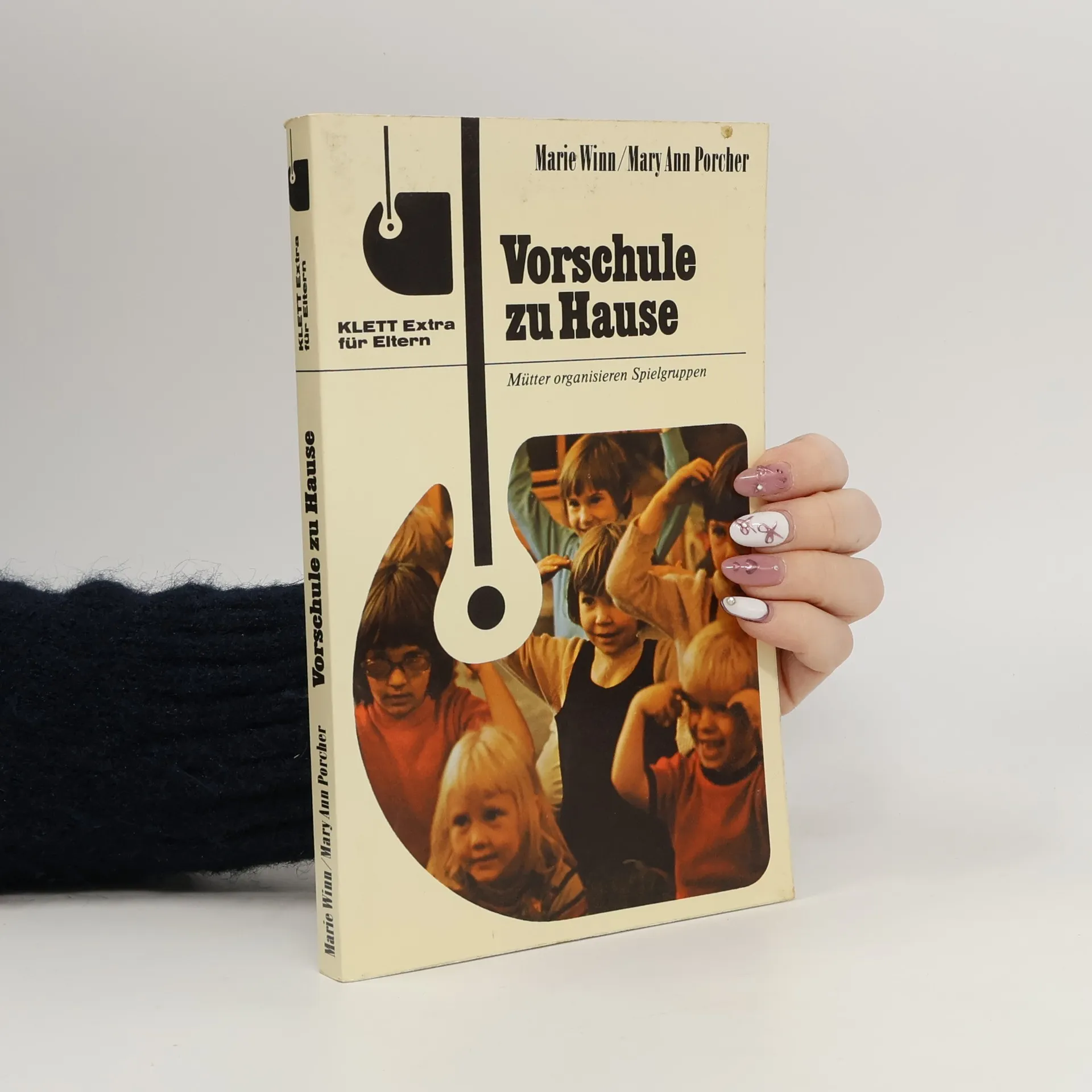
Vorschule zu Hause
- 159bladzijden
- 6 uur lezen