
Koop 10 boeken voor 10 € hier!
Bookbot

Paul R. Magocsi

    26 januari 1945
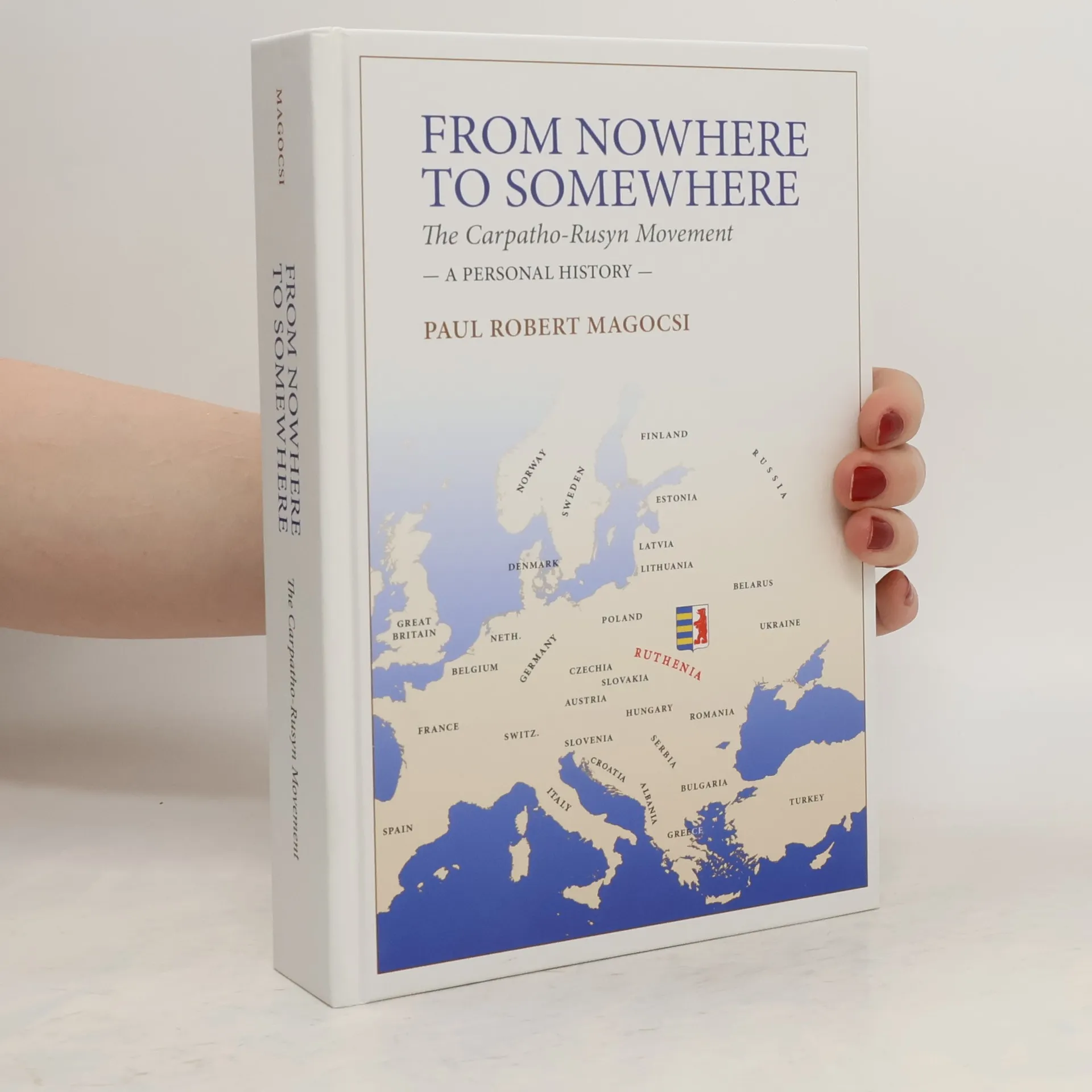
    From Nowhere to Somewhere
    Our People
    A history of Ukraine
    The Carpathian Diaspora
    Historical Atlas of Central Europe
    Encyclopedia of Rusyn History and Culture
    • Focusing on the Carpatho-Rusyns, this book explores the culture of an East Central European people totaling around 1.2 million, residing in Ukraine, Slovakia, Romania, and Poland. It serves as the first comprehensive English-language study of Rusyn culture, shedding light on their unique traditions, history, and identity within the broader context of the region.
      Encyclopedia of Rusyn History and Culture
    • Historical Atlas of Central Europe

      Third Revised and Expanded Edition

      • 296bladzijden
      • 11 uur lezen
      4,5(37)Tarief

      Featuring 120 full-color maps, this revised edition provides a comprehensive visual survey of Central Europe's political, economic, demographic, cultural, and religious evolution from the fall of the Roman Empire to the present. Covering 19 countries, it includes regions from the Baltic states to the Balkans, and highlights adjacent areas like historic Prussia and western Anatolia. Each map is paired with explanatory text, making it an essential resource for understanding the ongoing changes and significance of this dynamic region.

      Historical Atlas of Central Europe
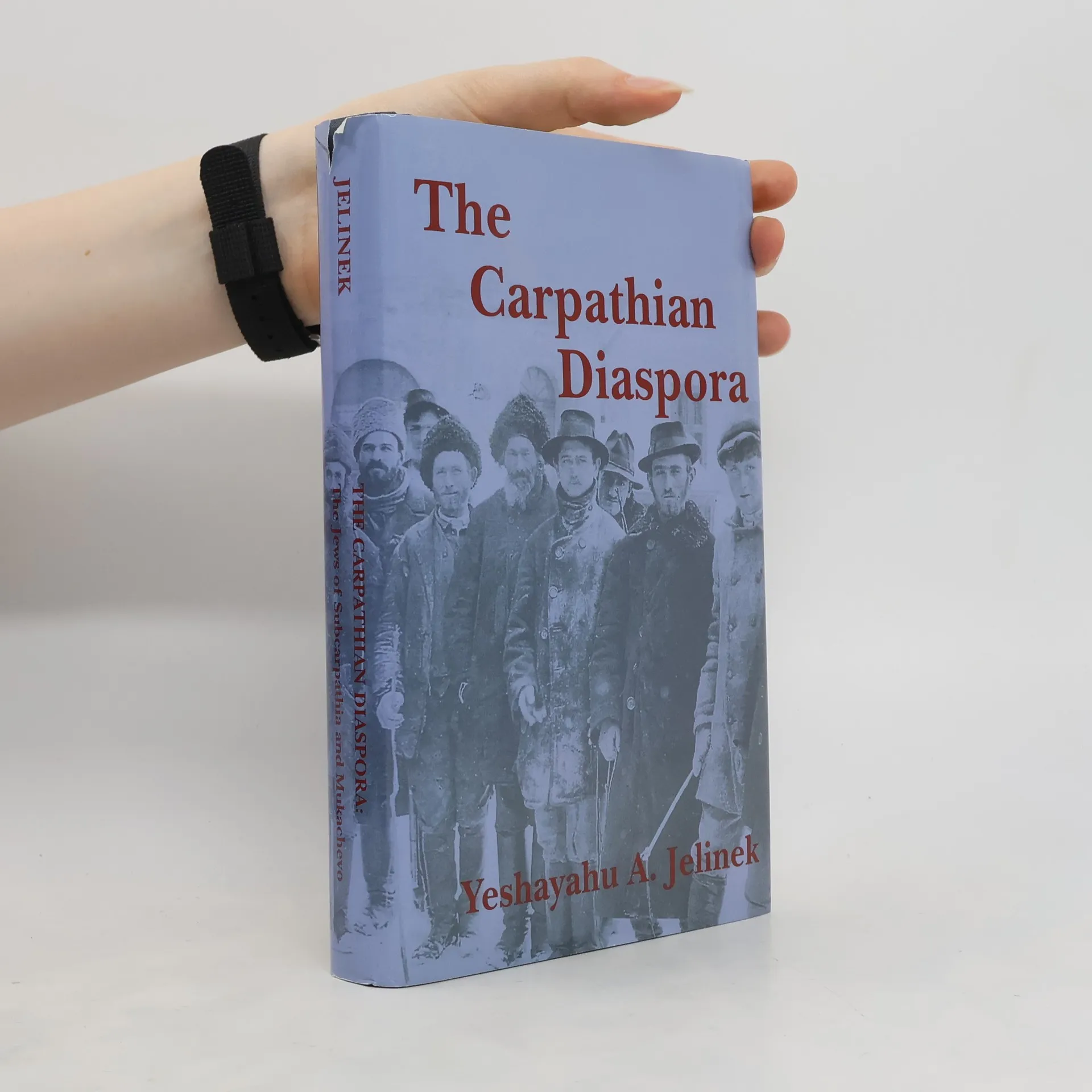
    • The Carpathian Diaspora

      The Jews of Subcarpathian Rus' and Mukachevo, 1848-1948

      • 412bladzijden
      • 15 uur lezen
      4,0(3)Tarief

      Subcarpathian Rus' is a region in former Czechoslo-vakia and Hungary, and the Jews who lived in this area comprised a unique community. Until the Holocaust, Sub-carpathian Jews lived peacefully among other local groups. They owned and worked their own land as small-scale farmers and lumberjacks and were known for their Orthodox piety. The cities of Uzhhorod, Mukachevo, and Sighet were major centers of Hasidism.This is the first major scholarly history of Subcarpathian Jewry. The Carpathian Disapora traces the fascinating story of these Jews through three The Habsburg Empire before World War I; Czechoslovakia during the interwar years; and Hungary during World War II and the Holocaust. The book includes maps, tables, and a photographic essay of community life.

      The Carpathian Diaspora
    • Traces some 3,000 years of political, economic, and cultural history of the Ukraine, up until the declaration of Ukrainian independence in 1991. Details the experiences of the Ukrainian people as well as those of other peoples and cultures that developed in the region, including the Greeks of the Bosporan Kingdom, the Crimean Tatars, and the Poles, Russians, Germans, Jews, and Mennonites. Includes excerpts from key documents, contemporary descriptions, and cultural texts, boxed explanations of concepts and events, and b&w maps. For students. Annotation c. by Book News, Inc., Portland, Or.

      A history of Ukraine
    • From Nowhere to Somewhere

      • 530bladzijden
      • 19 uur lezen

      Exploring the evolution of nationalism, this memoir provides a unique lens on how groups like the Carpatho-Rusyns have forged a collective identity over the past fifty years. It delves into the mechanisms employed by governments and intellectuals to unify disparate individuals into a recognizable nationality. By examining the Carpatho-Rusyn experience, the book illustrates the journey of a stateless people from obscurity to acknowledgment, offering insights into the broader implications of nationality-building in Europe and the diaspora.

      From Nowhere to Somewhere
    • "Bibliographic guide to 352 newspapers and journals published between 1848 and 1944 in what is today Ukraine (East Galicia, Bukovina, Transcarpathia), Slovakia (Prešov Region), and cities in central Europe where Ruthenians-Ukrainians functioned (Vienna, Prague, Budapest, Cracow)."-- Provided by publisher

      Newspapers and Journals from Western Ruthenian-Ukrainian Lands (1848-1944)
    • The story of Jews and Ukrainians is presented in an impartial manner through twelve thematic chapters. Among the themes discussed are geography, history, economic life, traditional culture, religion, language and publications, literature and theater, architecture and art, music, the diaspora,... číst celé

      Jews and Ukrainians
    • "This is a history of a stateless people, the Carpatho-Rusyns, and their historic homeland, Carpathian Rus', located in the heart of central Europe. At the present, when it is fashionable to speak of nationalities as 'imagined communities' or as transnational constructs 'created' by intellectuals\elites who may live in the historic 'national' homeland or in the diaspora, Carpatho-Rusyns provide an ideal example of a people made--or some would say still being made--before our very eyes. The book traces the evolution of Carpathian Rus' from earliest pre-historic times to the present and the complex manner in which a distinct Carpatho-Rusyn people, since the mid-nineteenth century, came into being, disappeared, and then re-appeared in the wake of the revolutions of 1989 and the collapse of Communist rule in central and eastern Europe. The book, while based on the author's four decades of erudition on the subject, eschews scholarly jargon and is written in an accessible reader-friendly style"--Provided by publisher.

      With their backs to the mountains : a history of Carpathian Rus' and Carpatho-Rusyns
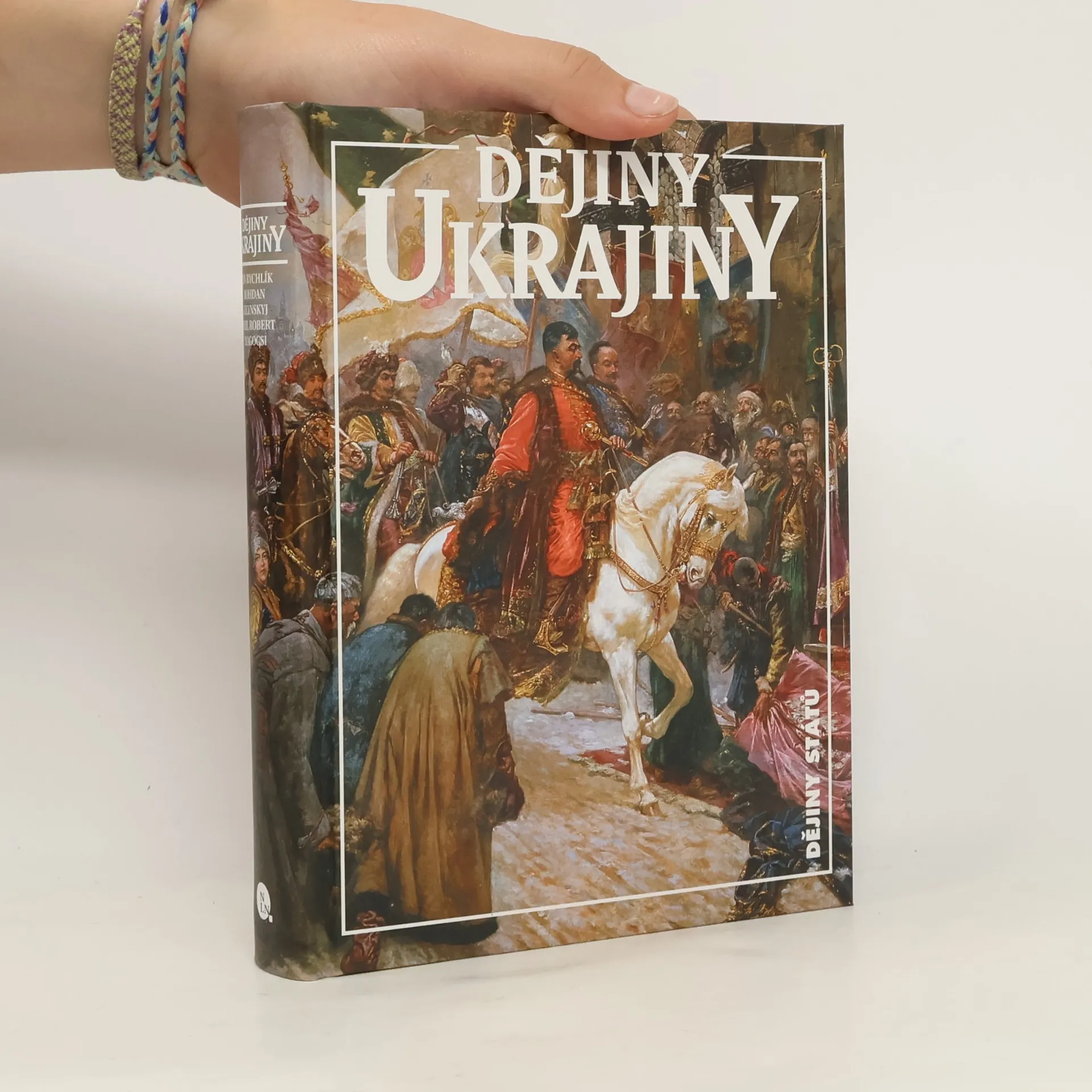
    • Dějiny Ukrajiny

      • 532bladzijden
      • 19 uur lezen
      4,4(49)Tarief

      Jen málo evropských národů prožilo tak nešťastné dějiny, plné násilí, útlaku a odnárodňování. Pouze v raném středověku měli Ukrajinci vlastní stát, tzv. Kyjevskou Rus, jehož ukrajinský ráz byl však pouze teritoriální, neboť se jednalo o státní útvar všech východních Slovanů před vznikem moderního ukrajinského, který si později stejně přisvojili Velkorusové. Ukrajince pak čekala mongolská pohroma, po ní nadvláda Litvy a pak ještě Polska, podivné období polosamostatné tzv. hetmanštiny v rámci expandující Moskevské Rusi, která byla během 18. století brutálně zlikvidována. Teprve v roce 1919 došlo k obnově ukrajinské samostatnosti, která však měla díky polské a bolševické agresi jen jepičí život. Komunisté však Ukrajince za samostatný národ nepovažovali, v rámci formálně samostatné Ukrajinské sovětské republiky přišly další útrapy jako hladomor, komunistické odnárodňování, Černobyl atd. Teprve rozpad Sovětského svazu umožnil Ukrajincům získat samostatnost, ale i o ni musí nyní znovu bojovat. Oproti prvnímu vydání je text stručně doplněn o události, ke kterým na Ukrajině došlo v letech 2015–2021.

      Dějiny Ukrajiny