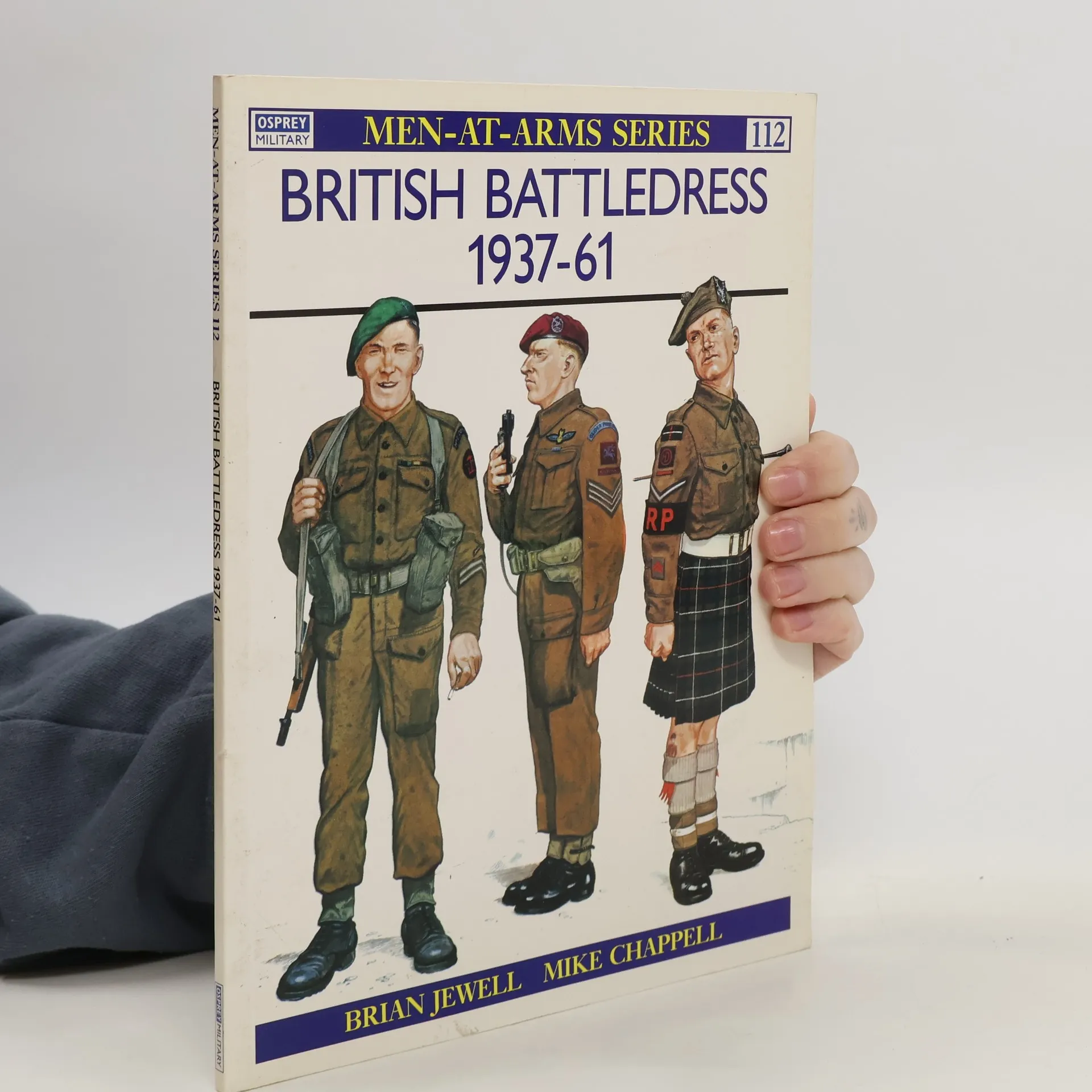
In the 1930s the War Office grew increasingly aware of the need for a new and more rational combat dress, and by 1937 the design for what would become known as 'battledress' was complete. Though the change in uniform was initially disappointing to the British soldiers, the new battledress served its purpose well, clothing the servicemen for more than 25 years with reasonable warmth and convenience. Complete with a wealth of photographs, diagrams and colour plates, this book offers a history of British battledress up to 1961, detailing its evolution in design, materials, sizes and applied insignia.
Mike Chappell Boeken
Men-At-Arms Series - 164: The Canadian Army at War
- 48bladzijden
- 2 uur lezen
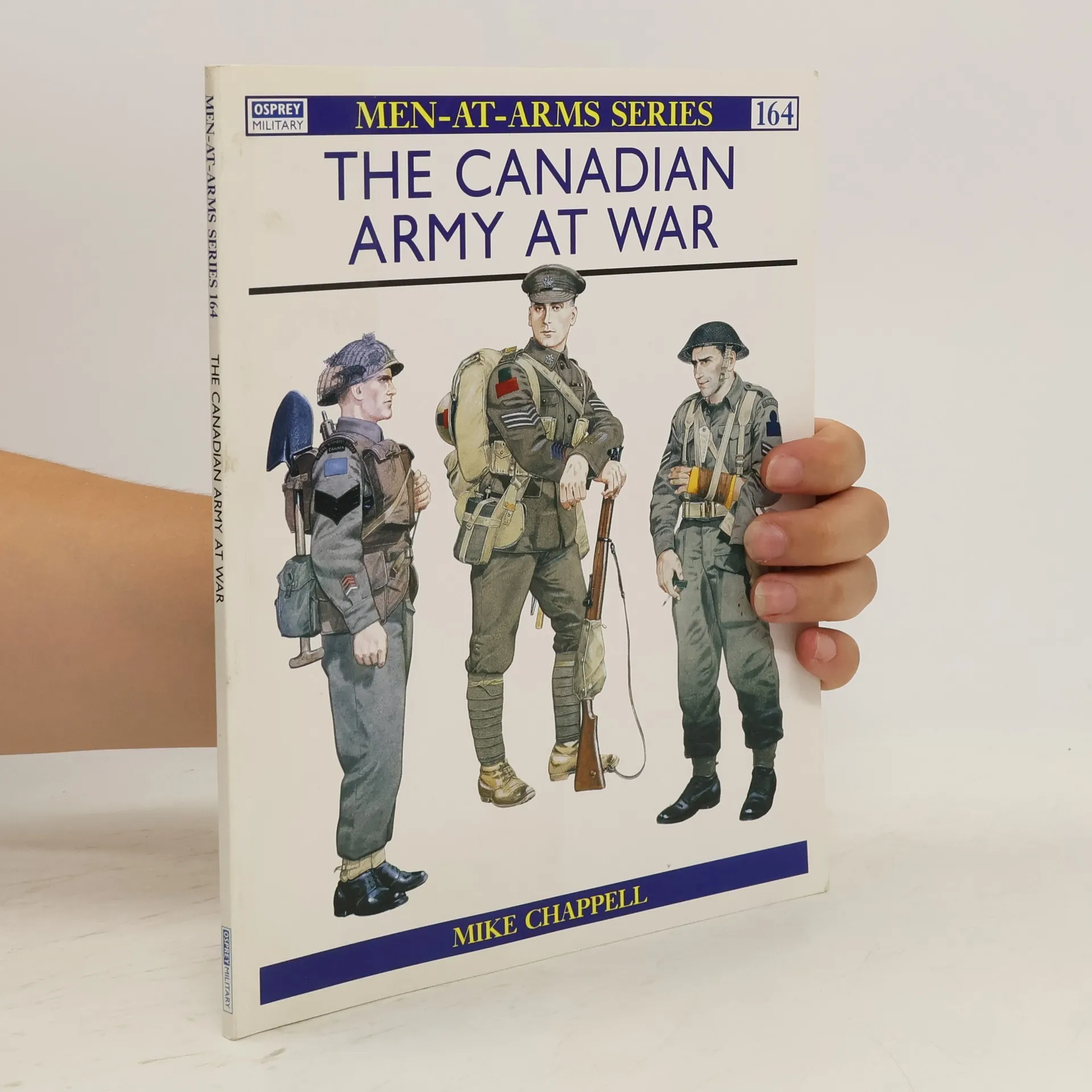
Throughout the 20th Century, Canadian armies participated in the world's major conflicts, from the Boer War at the dawn of the century (1899-1902), to the Korean War in the 1950s. As part of the British empire, Canada supported Britain in South Africa, and came to the aid of the Allies in both World Wars. This book chronicles the development of the Canadian Army and the legendary achievements of a nation which might have justifiably stayed aloof from the quarrels of others. As both author and illustrator, Mike Chappell paints an engaging picture of the history, equipment and uniforms of the Canadian Army.
British Battle Insignia (1): 1914-18
- 48bladzijden
- 2 uur lezen
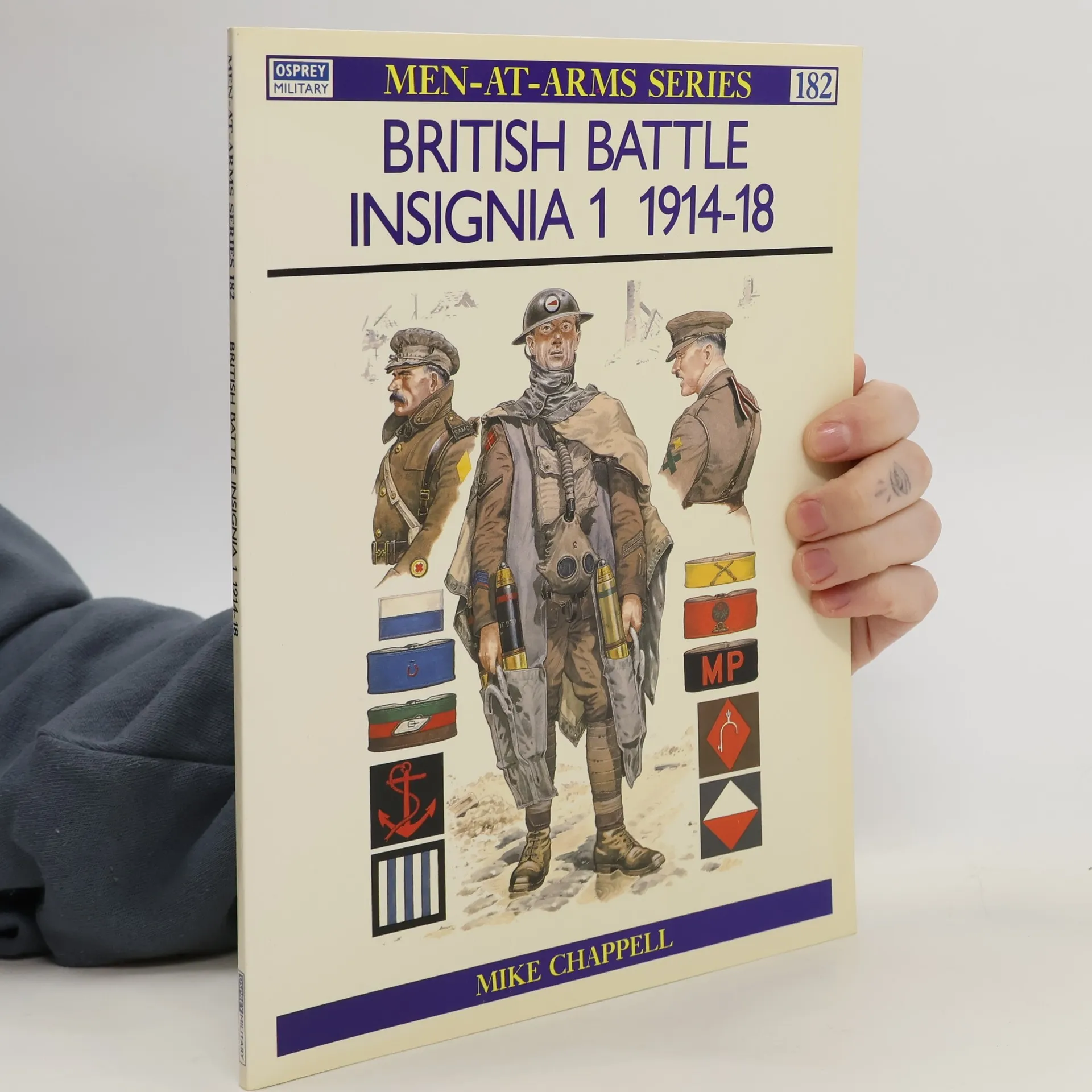
The British soldiers who marched off to fight in World War I in 1914 wore only regimental insignia, yet by the time of the armistice in November 1918, insignia in the British Army had undergone a considerable change. Now visible was a bewildering display of coloured devices on uniforms, helmets, vehicles, guns, signboards and flags. Regimental badges remained but were joined by divisional insignia. These were rarely seen in the front line. Instead the 'battle patch' had appeared for combat use. In this beautifully illustrated book Mike Chappell looks at the colourful variety of insignia used by the British Army during the Great War.
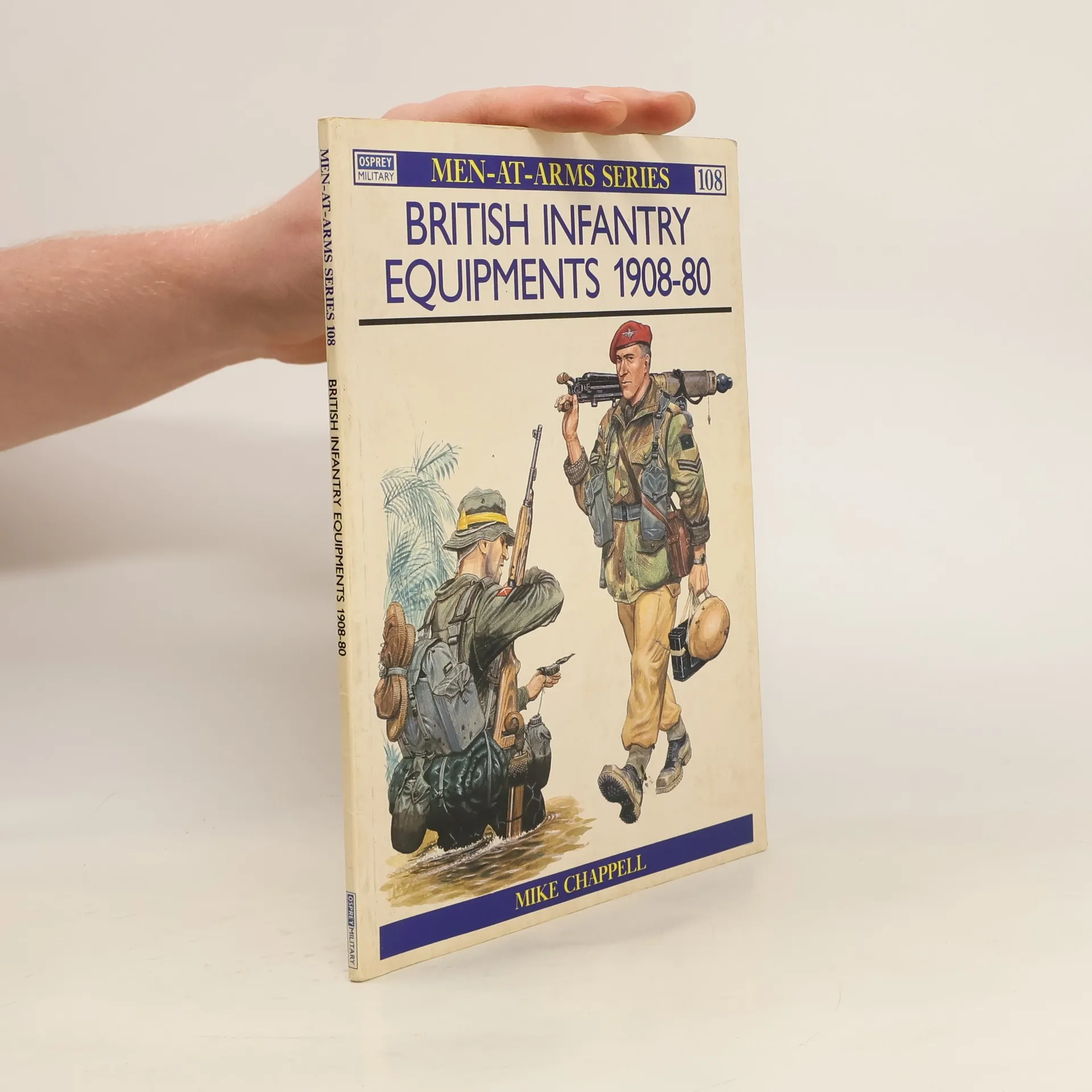
Bogen beskriver udviklingen af den britiske infanterists udrustning i perioden 1908-1980. Beskrivelsen ledsages af mange tegninger, herunder også farvelagte og fotografier. Bemærk en udvidet udgave af bogen omfattende perioden 1908-2000 under ISBN 1855328399.
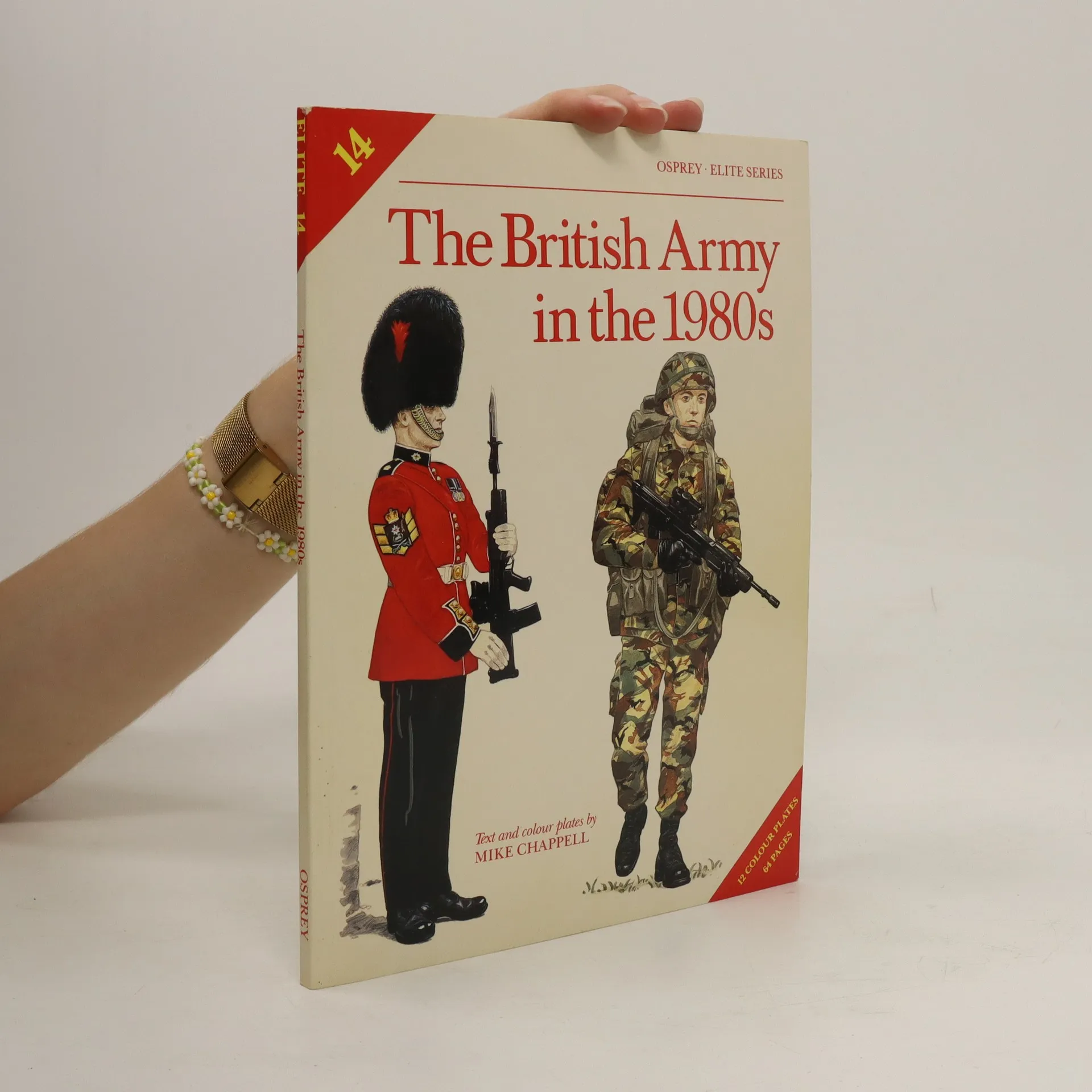
The British Army in the 1980s
- 64bladzijden
- 3 uur lezen
The British Army currently enjoys, both at home and abroad, the reputation of being one of the best in the world. Composed entirely of volunteers, its morale sustained by its curious and little-understood attitudes towards tradition, the British Army attracts respect and admiration from the military expert and the layman alike. Written and illustrated by a former British Army infantryman with 22 years' experience, this book details the Army's history, organization, uniforms and distinctions. The text is backed by numerous illustrations and photographs.
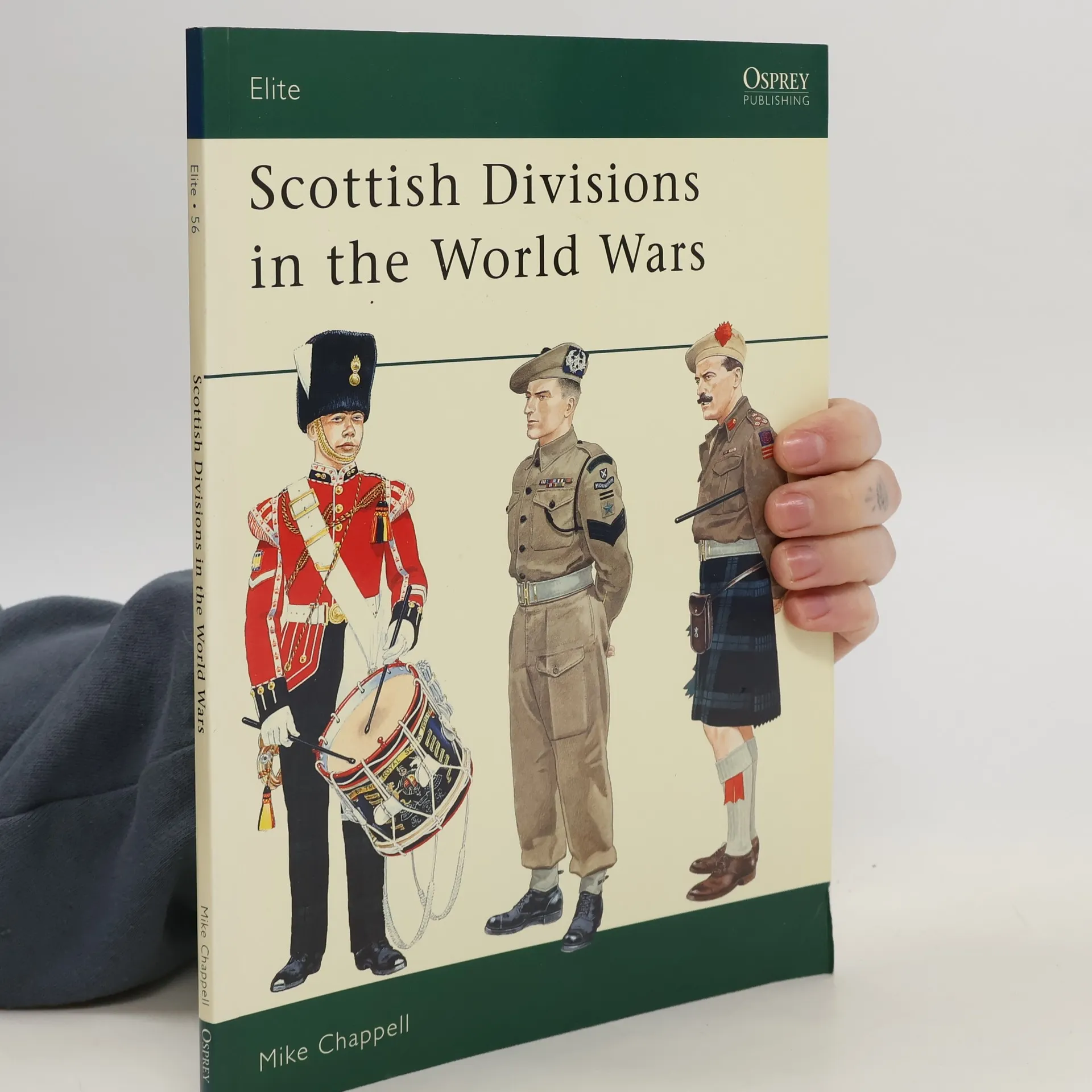
Scottish Divisions in the World Wars
- 64bladzijden
- 3 uur lezen
Over the centuries of their existence the Scottish regiments of the British Army have gained a reputation in war that is the envy of all and which can be matched, or surpassed, by very few. The very description 'Scottish soldier' conjures up images ranging from the 'thin red streak tipped with a line of steel' of the 93rd Highlanders at Balaclava, and the charge of the Scots greys at Waterloo (1815), to the more recent deeds of Scottish regiments in the Falkland Islands (1982) and the Persian Gulf (1990-1991). Mike Chappell chronicles the remarkable history of the Scottish units which fought in the two world wars.
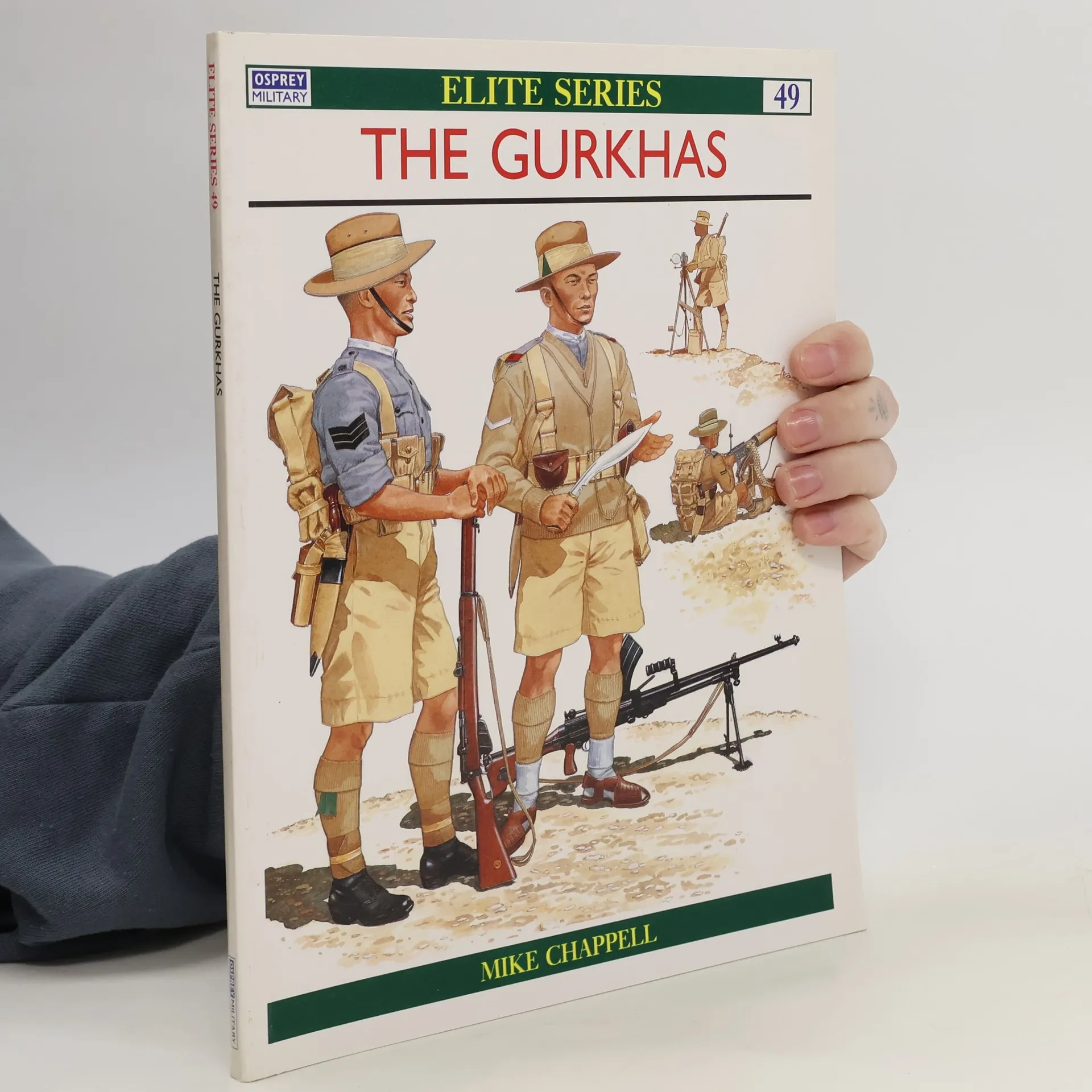
The Gurkhas
- 64bladzijden
- 3 uur lezen
The origins of the Gurkhas date back to 1815, when one of the most skilled and determined opponents that the British soldier had to overcome in battle was the Nepalese warrior. The British were so impressed with the military skills of these fighters that they began recruiting units exclusively from Nepal. From this beginning grew the now famous Gurkha units. This volume examines the development of the Gurkhas through the various wars and confrontations of the 19th century, through the First World War (1914-1918), Second World War (1939-1945), and the various postwar conflicts including Malaya, Borneo and the Falklands.
German Airborne Troops 1939–45
- 48bladzijden
- 2 uur lezen
Airborne operations have often been called a vertical envelopment, and therein lies one of the best descriptions of their value. The essence of an envelopment is to pin the enemy in place so that it can be destroyed. A strong enemy force to one's rear disrupts supplies and communications and makes one more vulnerable to an attack from the front. It also has a major psychological impact. To an aggressor the value of airborne troops, used properly, far outweighs their numerical strength. Bruce Quarrie's engaging text tells the story of the German airborne troops of the Second World War.
By 16 June 1940, De Gaulle, with the decisive support of Churchill, had come to the conclusion that, whatever happened, France could not stand to one side in the struggle against Nazi Germany. And so, Free France was born. In this companion volume to MAA 315: The French Army 1939-45 (I) , Ian Sumner and François Vauvillier examine the history, uniforms and insignia of the Free French, Fighting French and the Army of Liberation during World War II (1939-1945).
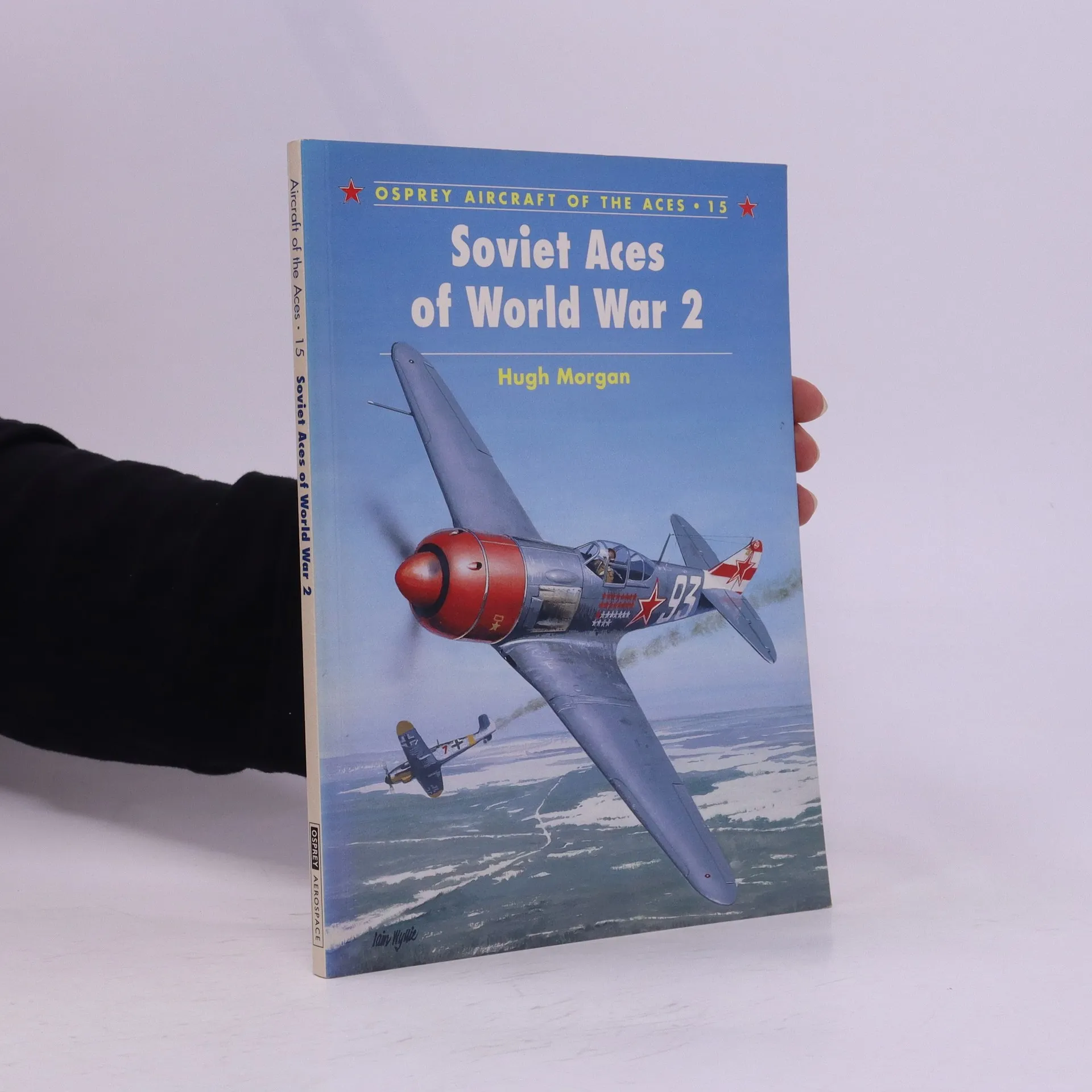
Soviet Aces of World War 2
- 96bladzijden
- 4 uur lezen
No single volume in English has ever appeared in the West dealing with this intriguing subject area, but now that restrictions have relaxed in the former Soviet Union, records of the deeds of the elite pilots of the various Soviet Air Forces are coming to light. Although initially equipped with very poor aircraft, and robbed of effective leadership thanks as much to Stalin's purges in the late 1930s as to the efforts of the Luftwaffe, Soviet fighter pilots soon turned the tables through the use of both lend-lease aircraft like the Hurricane, Spitfire, P-39 and P-40, and home-grown machines like the MiG-3, LaGG-3/5, Lavochkin La-5/7/9 and the Yak-1/3.
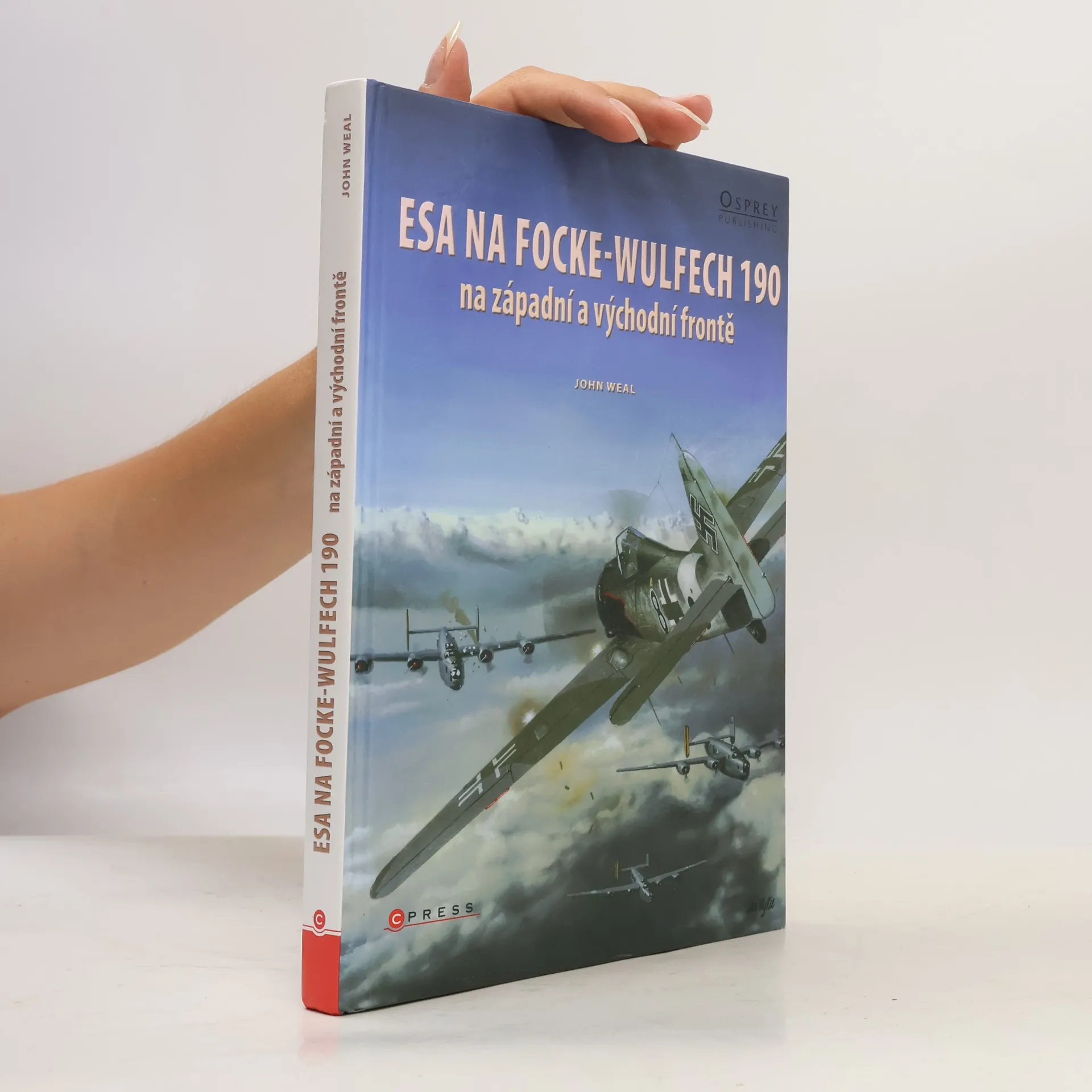
Focke-Wulf 190 představoval letoun, který se stal pohromou pro německé soupeře jak na západní, tak na východní frontě. Tato kniha se zabývá vznikem této stíhačky, jejího nasazením na obou zmíněných frontách, popisuje technické aspekty i osobní zkušenosti významných německých es, která s tímto letounem bojovala. Více než 100 barevných ilustrací a spousta dobových fotografií umožňuje dokonalé poznání tohoto stroje.
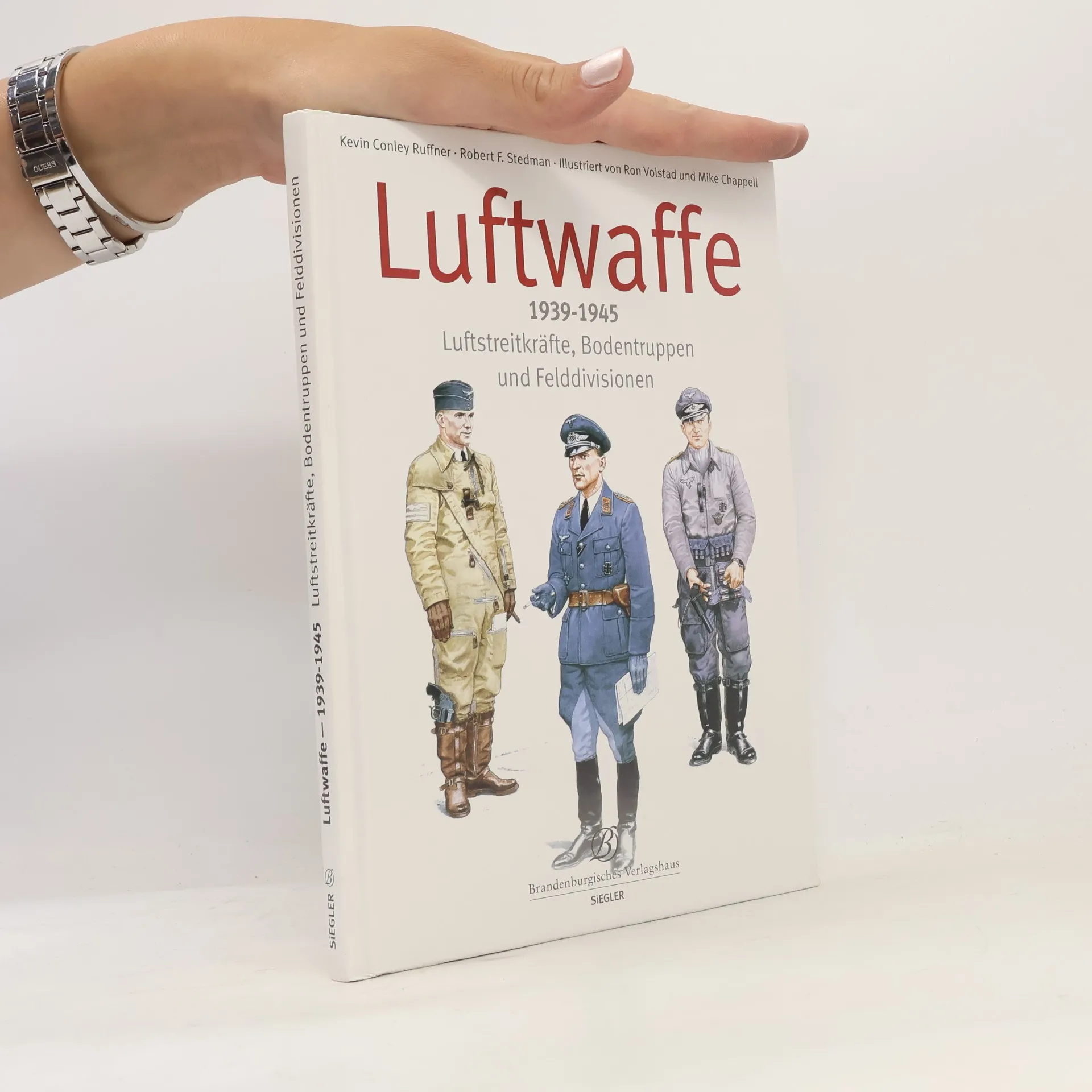
Die Luftwaffe diente als Infanterie, Artllerie, Panzerbesatzungen und Luft- und Bodentruppen an allen wichtigen Kriegsschauplätzen des Zweiten Weltkrieges. Die abgebildeten Uniformen zeigen die unterschiedlichen Rollen der Luftwaffe von 1939-1945.