
Koop 10 boeken voor 10 € hier!
Bookbot

Eric H. Cline

    1 september 1960

    Dr. Eric H. Cline is een vooraanstaand archeoloog en historicus wiens werk de onderlinge verbondenheid van oude beschavingen en cruciale momenten in de menselijke geschiedenis onderzoekt. Met uitgebreide veldervaring op tal van archeologische vindplaatsen onderzoekt hij hoe gebeurtenissen uit het verleden in het heden doorklinken. Zijn aanpak maakt complexe historische onderwerpen toegankelijk en onthult boeiende verhalen achter grote beschavingsinstortingen en conflicten. Cline's geschriften bieden een meeslepende kijk op de blijvende impact van oude ontwikkelingen op de moderne wereld.

    Eric H. Cline
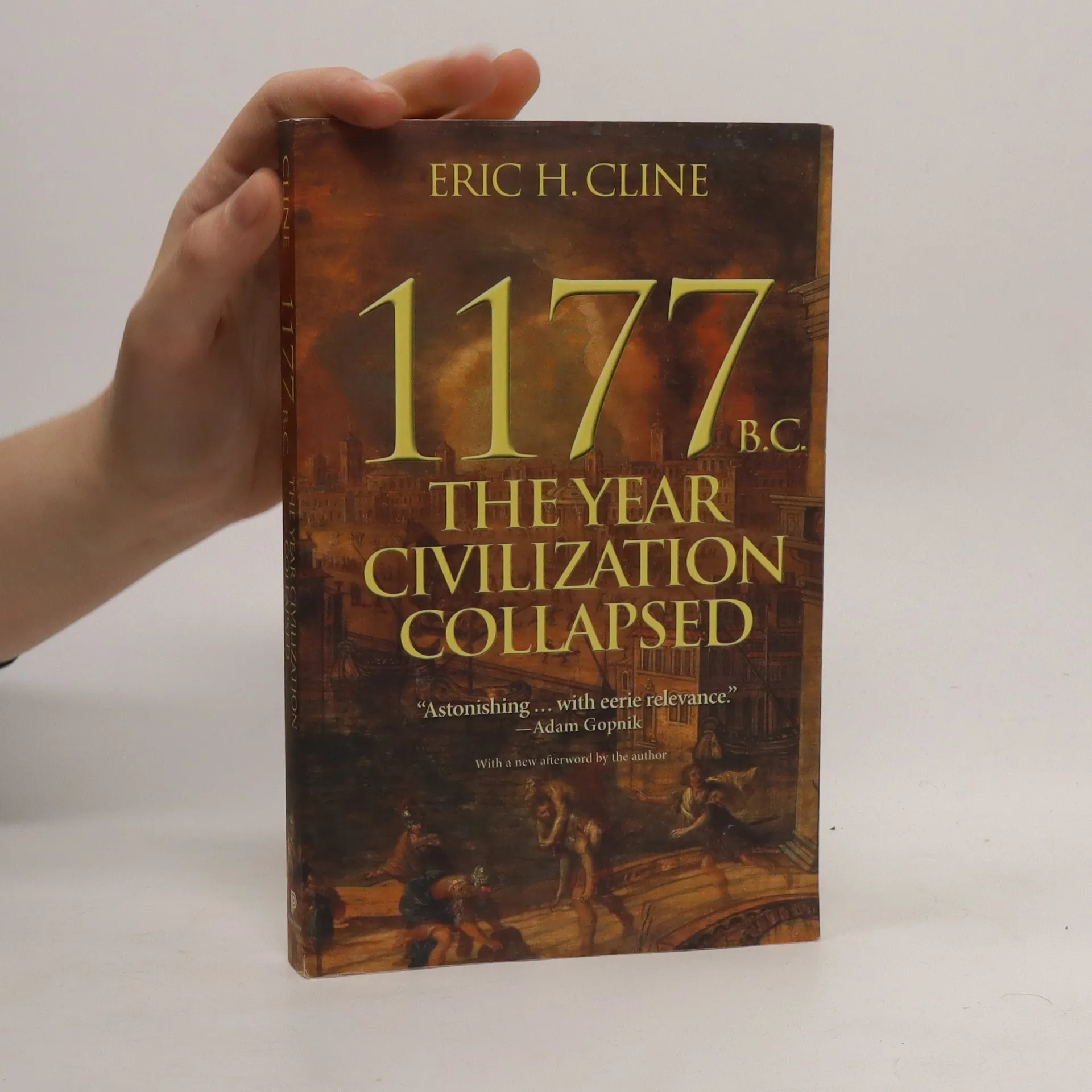
    1177 B.C. : The Year Civilization Collapsed
    1177 B.C.
    Biblical Archaeology: A Very Short Introduction
    The Trojan War: A Very Short Introduction
    Digging Deeper
    Digging Up Armageddon
    • "A vivid portrait of the early years of biblical archaeology from the acclaimed author of 1177 B.C.: The Year Civilization Collapsed In 1925, famed Egyptologist James Henry Breasted sent a team of archaeologists to the Holy Land to excavate the ancient site of Megiddo--Armageddon in the New Testament--which the Bible says was fortified by King Solomon. Their excavations made headlines around the world and shed light on one of the most legendary cities of biblical times, yet little has been written about what happened behind the scenes. Digging Up Armageddon brings to life one of the most important archaeological expeditions ever undertaken, describing the stunning discoveries that were made there and providing an up-close look at the internal workings of a dig in the early years of biblical archaeology."--
      Digging Up Armageddon
    • Digging Deeper

      • 176bladzijden
      • 7 uur lezen
      3,9(38)Tarief

      From the bestselling author of 1177 B.C., an accessible primer to the archaeologist's craftAn archaeologist with more than thirty seasons of excavation experience, Eric H. Cline has conducted fieldwork around the world, from Greece and Crete to Egypt, Israel, and Jordan. In Digging Deeper, Cline answers the questions archaeologists are most frequently asked, such as: How do you know where to dig? How are excavations actually done? How do you know how old something is? Who gets to keep what is found? How do you know what people from the past ate, wore, and looked like? Adapted from Cline's acclaimed book Three Stones Make a Wall, this lively little volume is brimming with insights and practical advice about how archaeology really works. Whether you are an armchair archaeologist or embarking on your first excavation, Digging Deeper is an essential primer on the art of the dig.

      Digging Deeper
    • 4,0(301)Tarief

      Using a combination of archaeological data, textual analysis, and ancient documents, this Very Short Introduction to the Trojan War investigates whether or not the war actually took place, whether archaeologists have correctly identified and been excavating the ancient site of Troy, and what has been found there.

      The Trojan War: A Very Short Introduction
    • Archaeologist Eric H. Cline here offers a complete overview of this exciting field. He discusses the early pioneers, the origins of biblical archaeology as a discipline, and the major controversies that first prompted explorers to go in search of sites that would "prove" the Bible. He then surveys some of the most well-known modern archaeologists, the sites that are essential sources of knowledge for biblical archaeology, and some of the most important discoveries that have been made in the last half century, including the Dead Sea Scrolls and the Tel Dan Stele.

      Biblical Archaeology: A Very Short Introduction
    • 1177 B.C.

      • 304bladzijden
      • 11 uur lezen
      3,9(294)Tarief

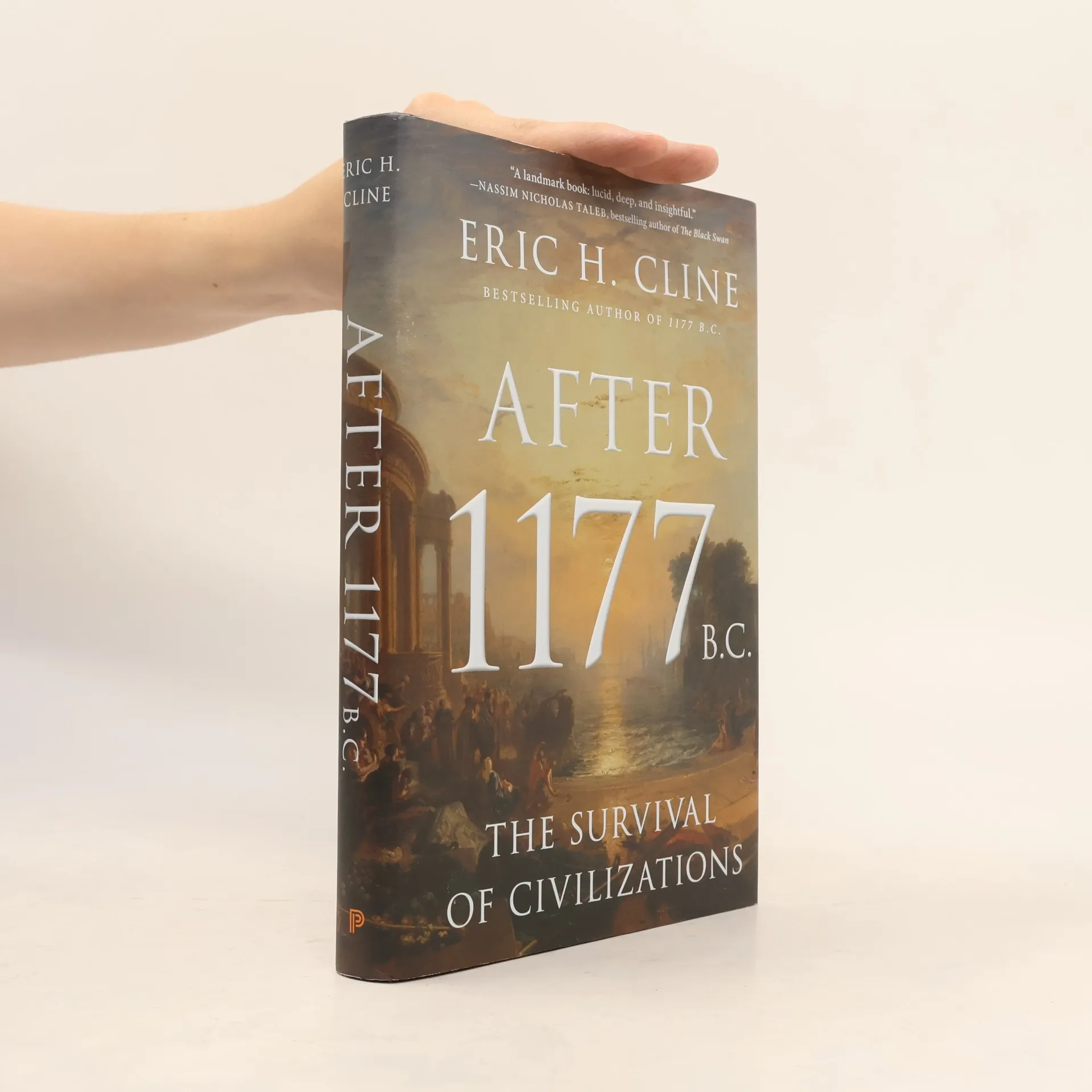
      "In a follow-up to 1177 BC, this book provides a portrait of the 400 years following the collapse of the Bronze Age, a period referred to as the First Dark Age, but which Cline will show was also an era of rebirth and resilience"--

      1177 B.C.
    • 3,9(419)Tarief

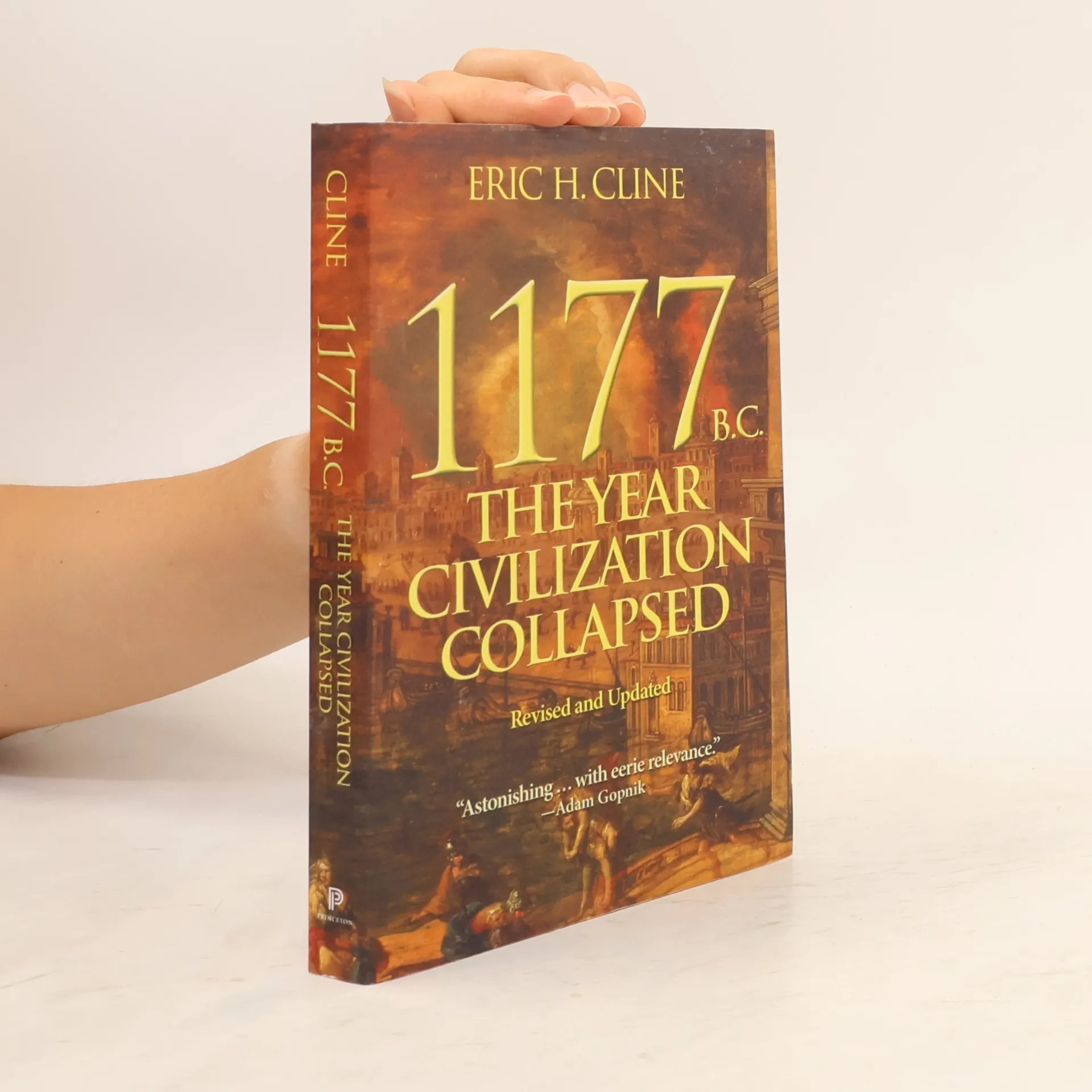
      In 1177 B.C., the invasion of Egypt by marauding groups known as the "Sea Peoples" marked the beginning of a significant decline for Egypt and surrounding civilizations. Although the pharaoh's forces managed to repel the invaders, the victory left Egypt weakened, leading to a rapid collapse of the Bronze Age world. Within a few decades, prominent kingdoms like the Minoans, Mycenaeans, Trojans, Hittites, and Babylonians vanished, along with their vibrant economies, cultures, writing systems, and monumental architecture. The Sea Peoples were not solely responsible for this widespread breakdown; it was the result of multiple interconnected failures, including invasions, revolts, natural disasters like earthquakes and droughts, and the disruption of international trade routes. This account brings to life the rich multicultural tapestry of the Late Bronze Age, illustrating how the very interdependence of these civilizations contributed to their downfall. By weaving together narrative and contemporary scholarship, the text reveals the complex relationships that fostered both the flourishing and the eventual destruction of these great civilizations, setting the stage for the emergence of classical Greece and a dark age that lasted for centuries.

      1177 B.C. : The Year Civilization Collapsed
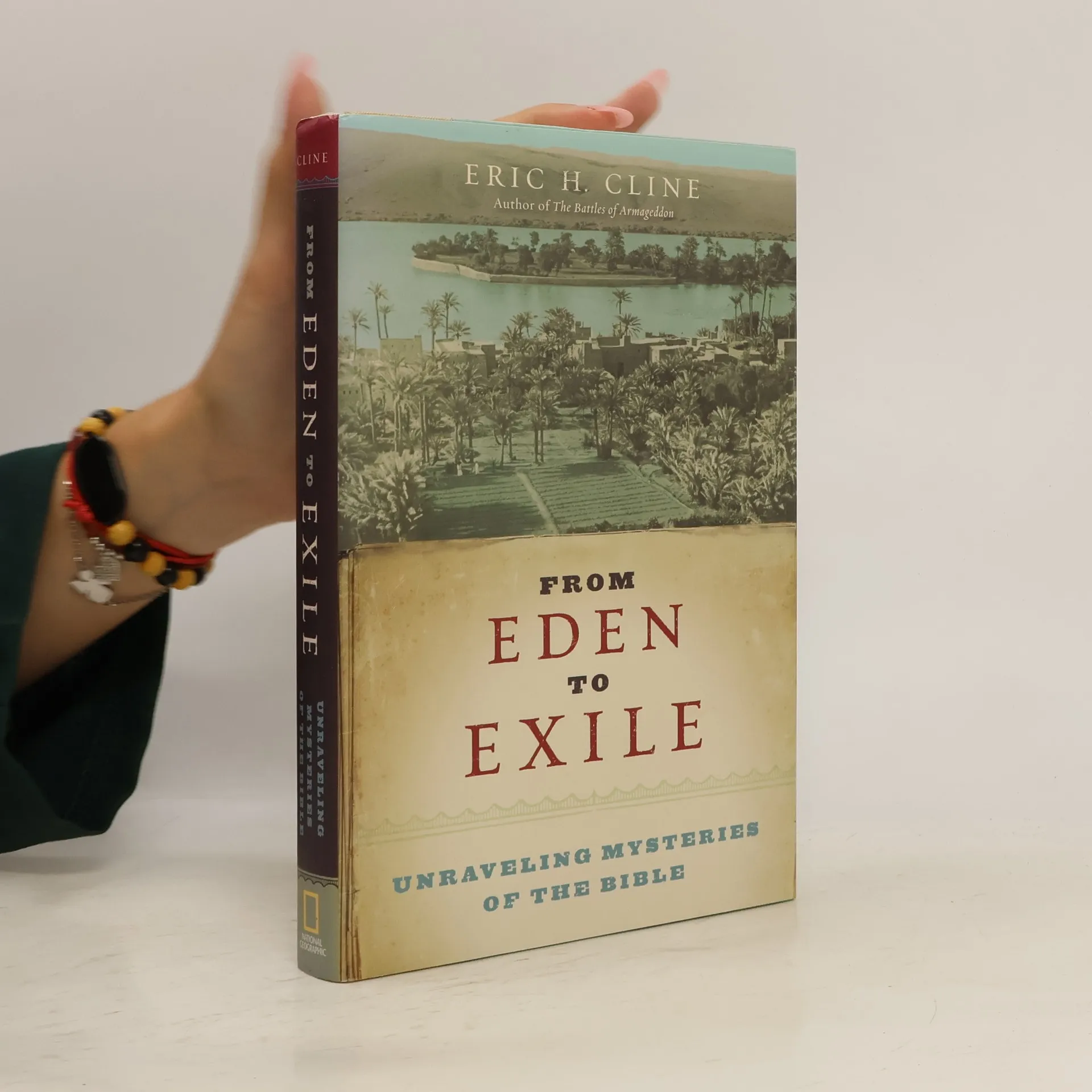
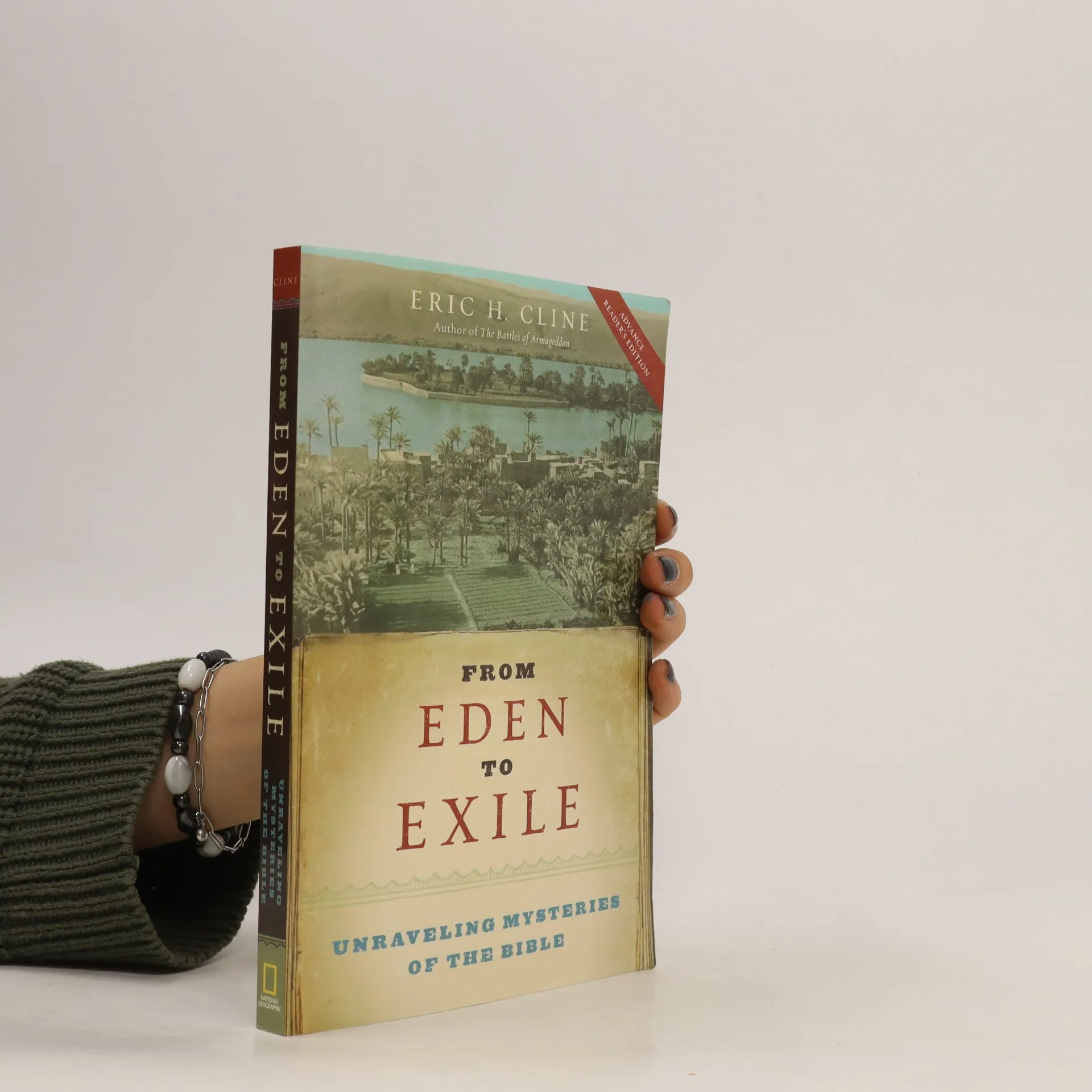
    • From Eden to Exile

      Unraveling Mysteries of the Bible

      • 264bladzijden
      • 10 uur lezen

      Examines seven mysteries of the Hebrew Bible, from the Garden of Eden and Noah's Ark, to the Exodus, the Babylonian Exile, and the Lost Tribes of Israel, placing these biblical stories in their archaeological and historical context.

      From Eden to Exile
    • "In a follow-up to 1177 BC, this book provides a portrait of the 400 years following the collapse of the Bronze Age, a period referred to as the First Dark Age, but which Cline will show was also an era of rebirth and resilience"--

      After 1177 B.C.
    • Úvod do archeologie prof. Erika Clinea nabízí čtenáři vedle známých příběhů, jako například Schliemannova odkrývání Tróje či objevení Tutanchamonovy hrobky v Egyptě, přehled zásadních archeologických objevů posledních desetiletí, od nalezení pozůstatků předchůdců člověka v Africe z doby před více než třemi miliony lety po objev válečníků čínské terakotové armády či ledového muže Ötziho v Alpách a mnoho dalších. Kniha vypráví rovněž o významných archeolozích a průkopnících oboru. Ve snaze přiblížit archeologickou praxi laikům odpovídá na časté dotazy ohledně toho, jak archeologové svou práci vlastně dělají.

      Tři kameny jsou zeď: Příběhy z dějin archeologie