Klein Baas
- 480bladzijden
- 17 uur lezen
Een Engelstalige blanke Zuidafrikaanse jongen groeit op in de jaren '40 en '50.


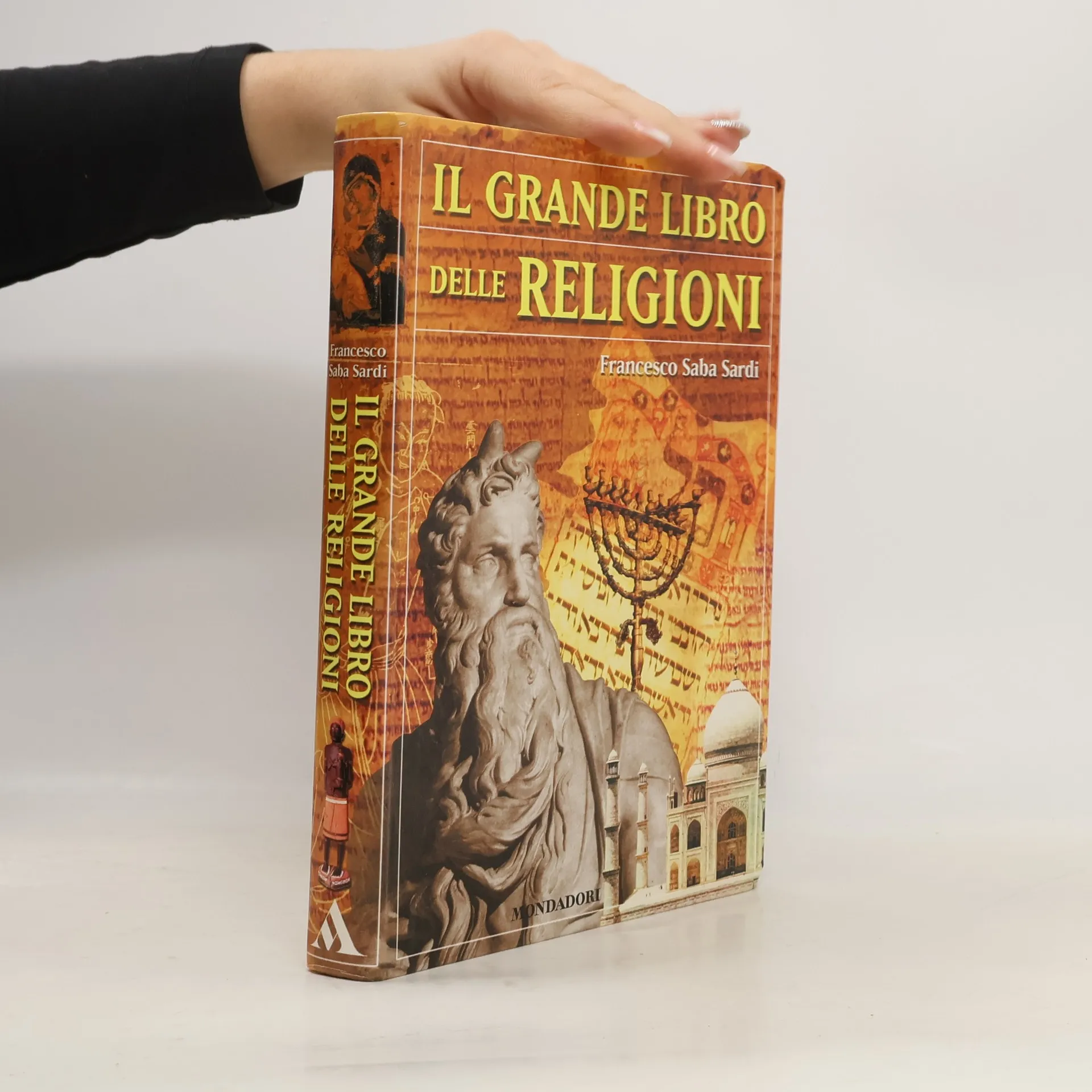
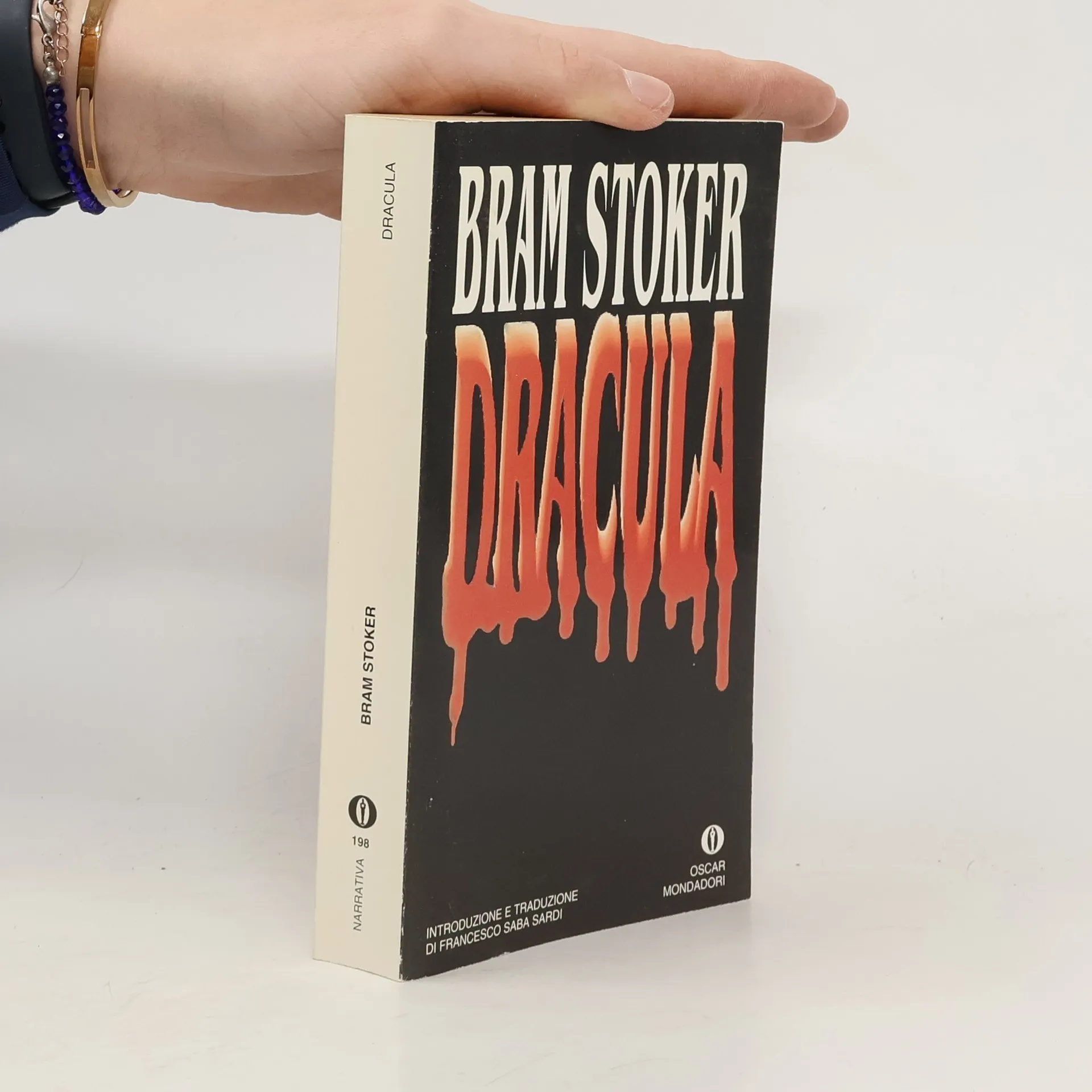
Francesco Saba Sardi was een Italiaanse schrijver, essayist en vertaler. Als begenadigd polyglot beheerste hij zeven talen, wat zijn uitgebreide vertaalwerk ten goede kwam. Naast het vertalen was hij ook een productief auteur, met zesenvijftig boeken in uiteenlopende literaire vormen, waaronder romans, essays, reisverslagen en dichtbundels, waarmee hij een breed scala aan onderwerpen bestreek.
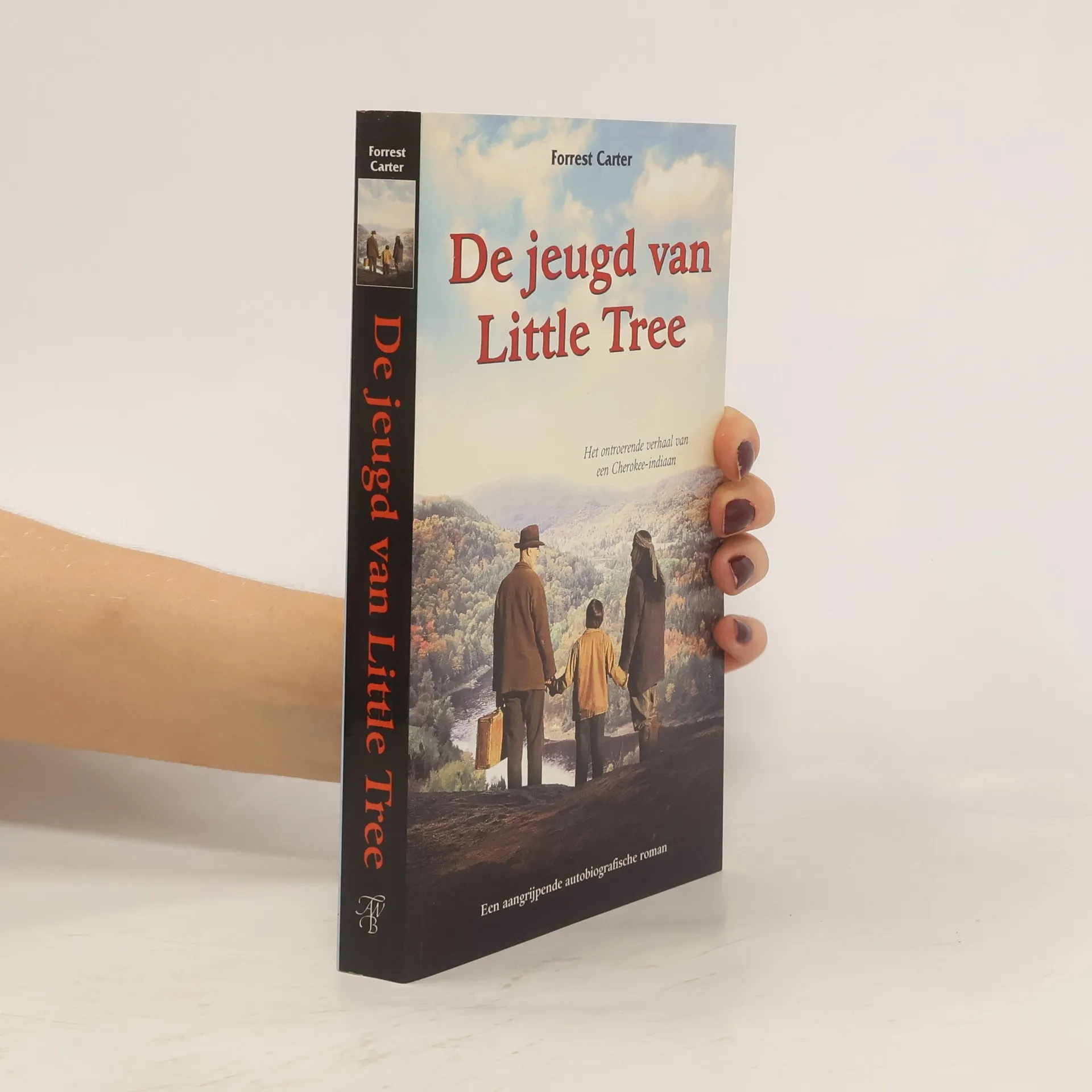
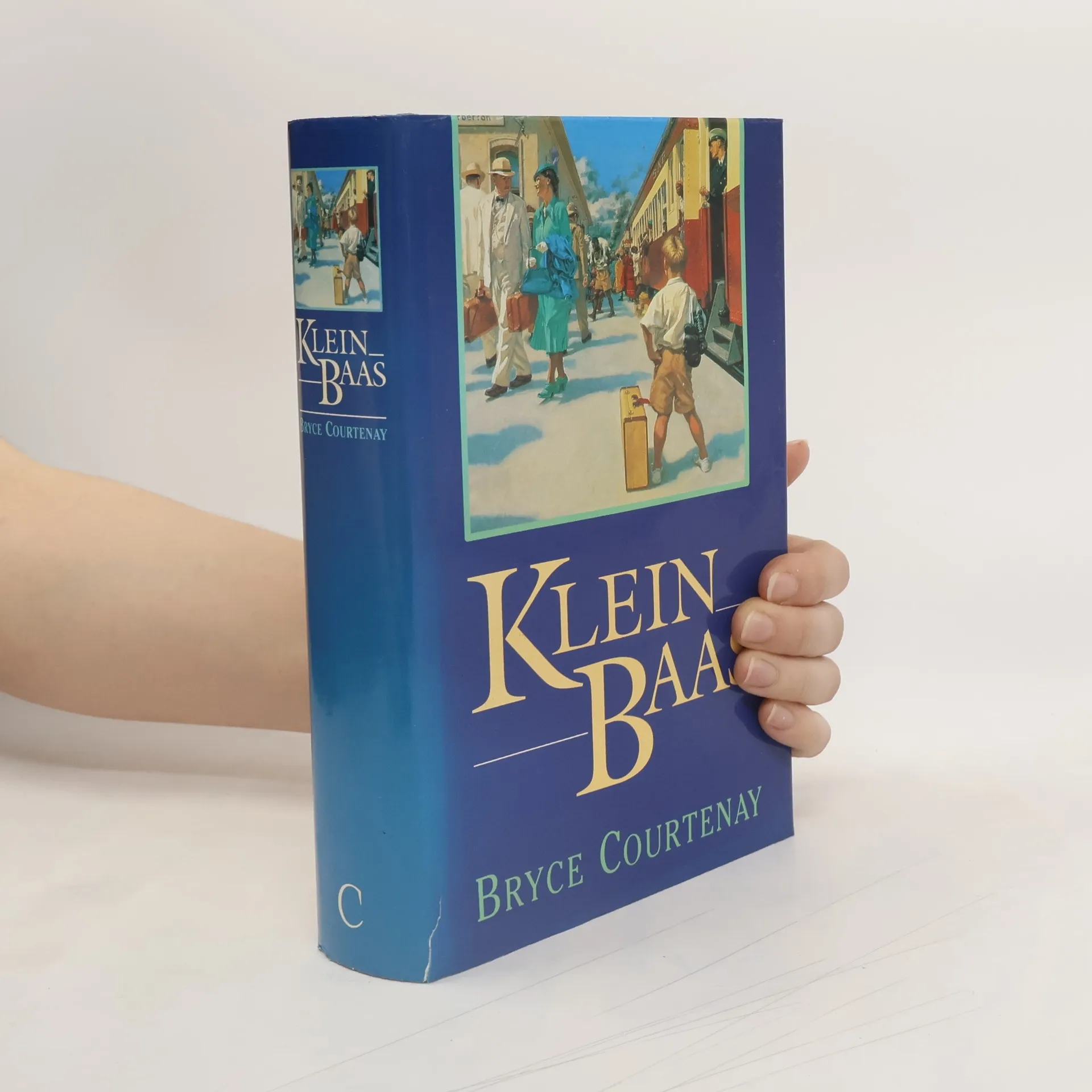
Een Engelstalige blanke Zuidafrikaanse jongen groeit op in de jaren '40 en '50.
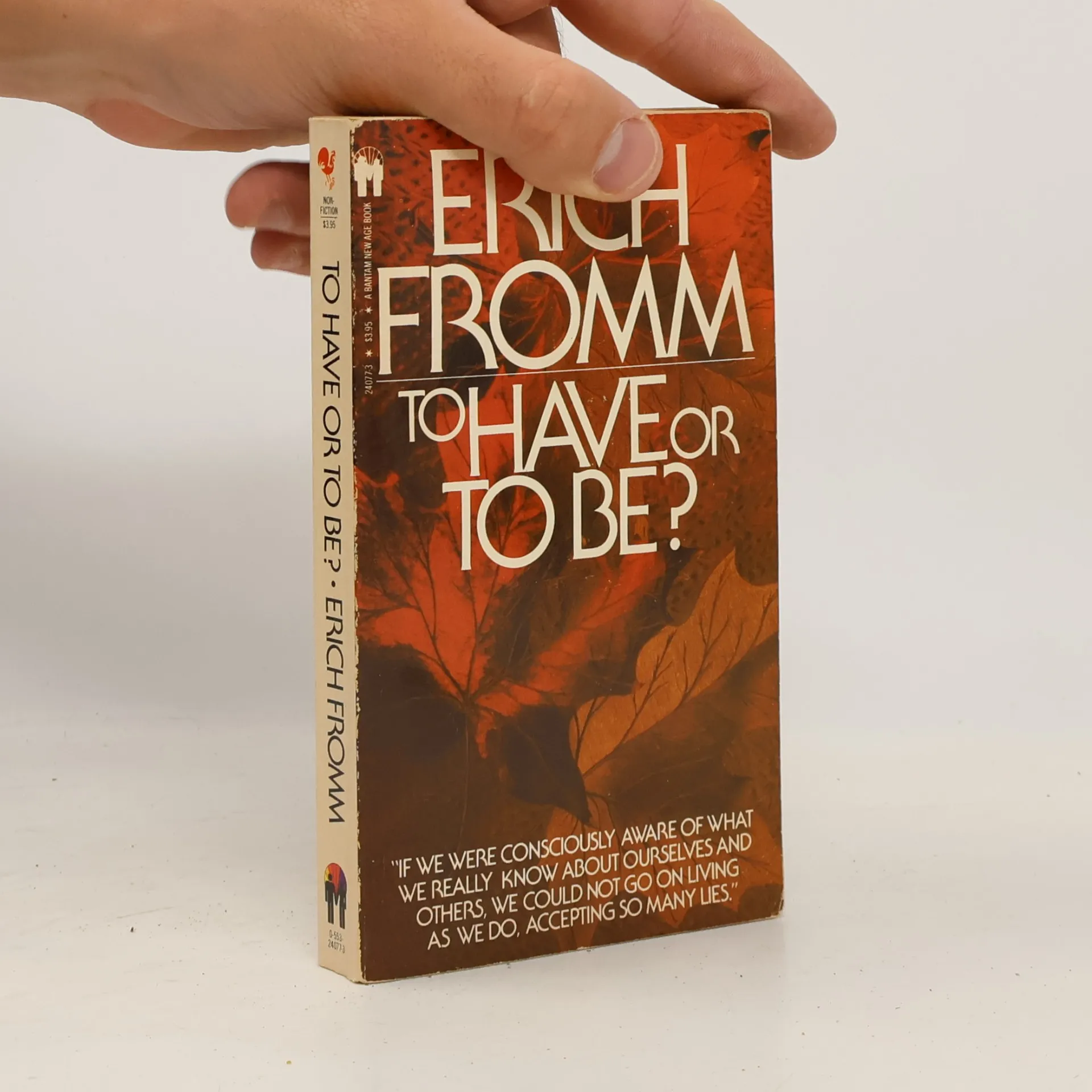
To Have Or to Be? is one of the seminal books of the second half of the 20th century. Nothing less than a manifesto for a new social and psychological revolution to save our threatened planet, this book is a summary of the penetrating thought of Eric Fromm. His thesis is that two modes of existence struggle for the spirit of humankind: the having mode, which concentrates on material possessions, power, and aggression, and is the basis of the universal evils of greed, envy, and violence; and the being mode, which is based on love, the pleasure of sharing, and in productive activity. To Have Or to Be? is a brilliant program for socioeconomic change.>
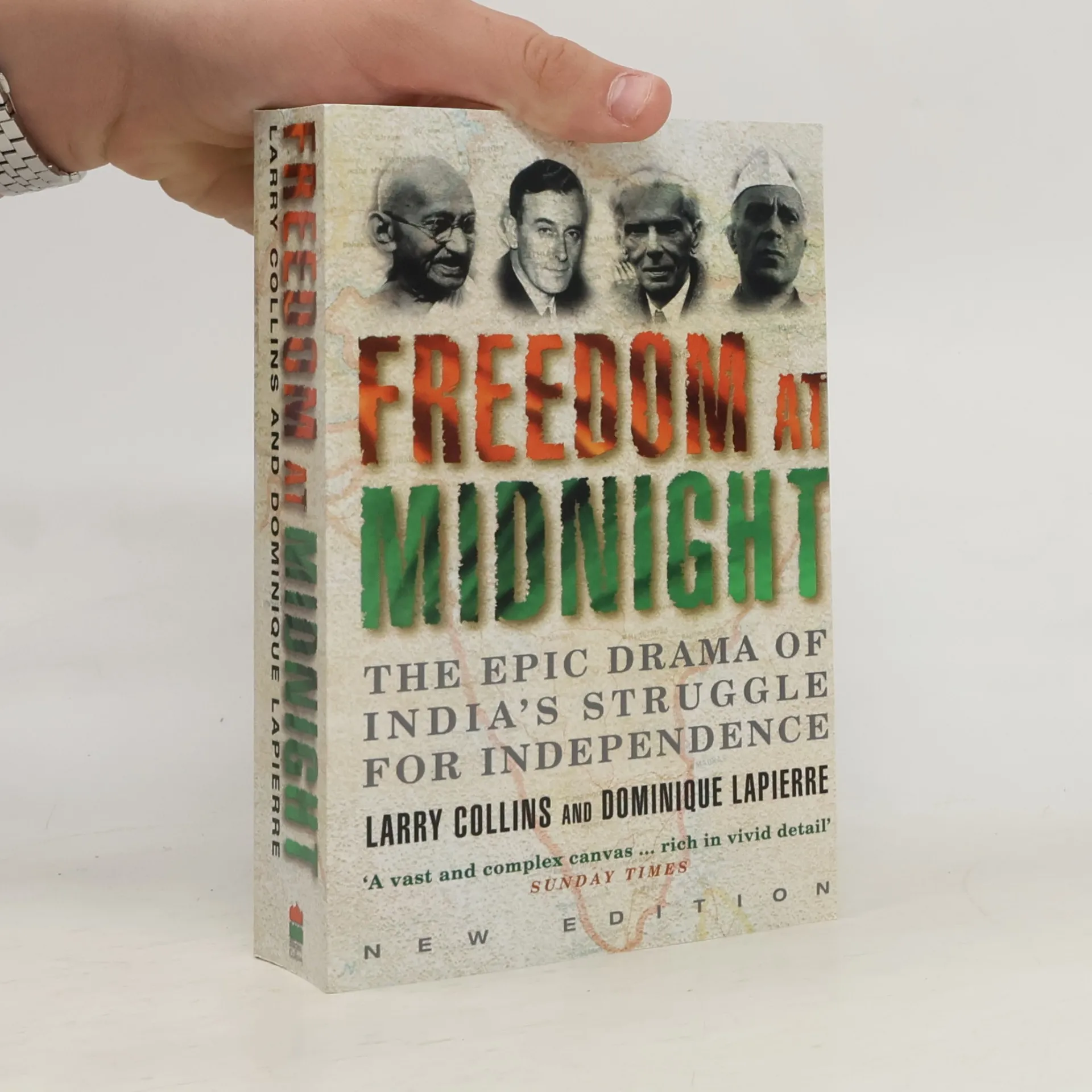
The electrifying story of India's struggle for independence, told in this classic account (first published in 1975) by two fine journalists who conducted hundreds of interviews with nearly all the surviving participants - from Mountbatten to the assassins of Mahatma Gandhi.
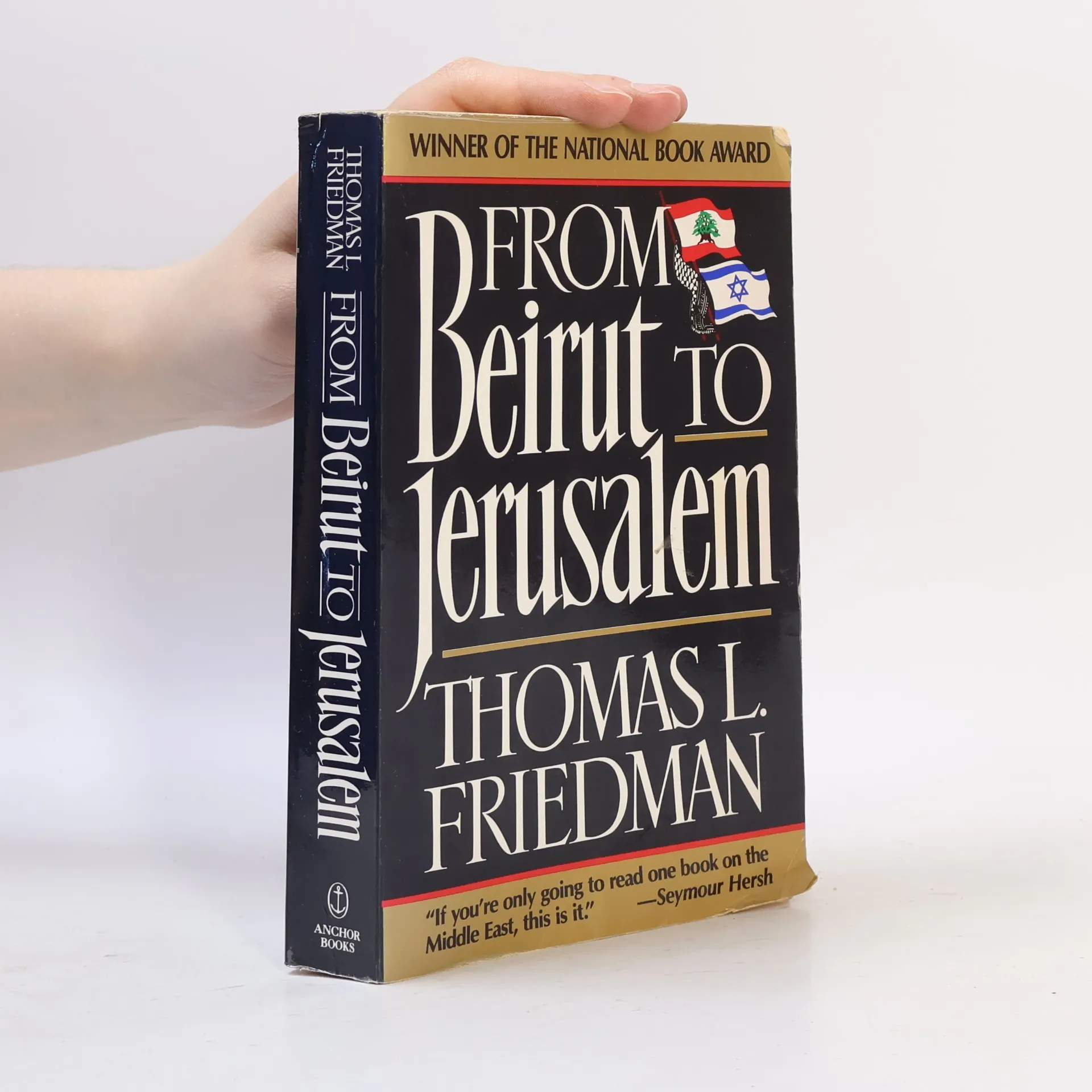
This extraordinary bestseller is still the most incisive, thought-provoking book ever written about the Middle East. Thomas L. Friedman, twice winner of the Pulitzer Prize for international reporting, and now the Foreign Affairs columnist on the op-ed page of the New York Times, drew on his ten years in the Middle East to write a book that The Wall Street Journal called "a sparkling intellectual guidebook... an engrossing journey not to be missed." Now with a new chapter that brings the ever-changing history of the conflict in the Middle East up to date, this seminal historical work reaffirms both its timeliness and its timelessness. "If you're only going to read one book on the Middle East, this is it." -- Seymour Hersh
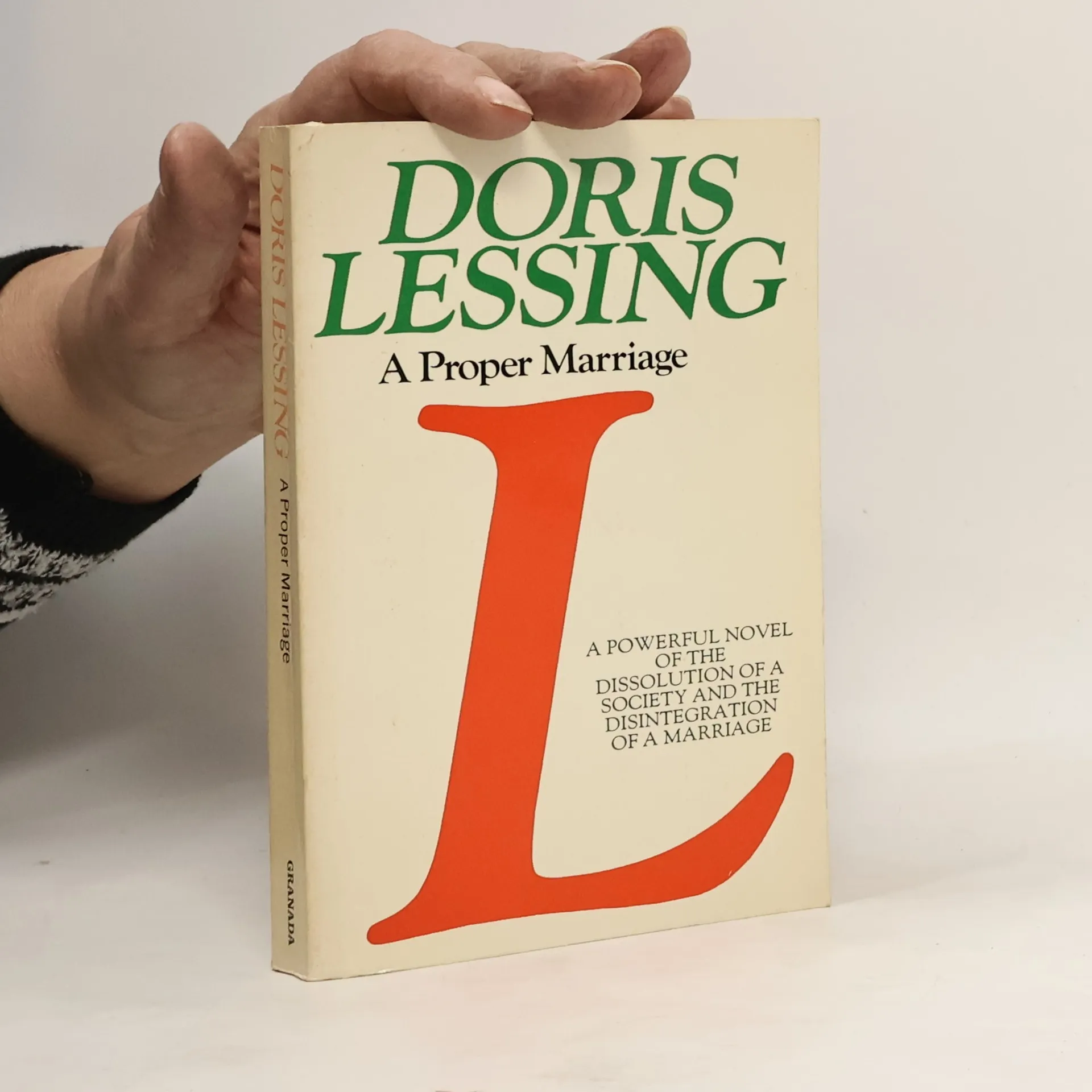
An unconventional woman trapped in a conventional marriage, Martha Quest struggles to maintain her dignity and her sanity through the misunderstandings, frustrations, infidelities, and degrading violence of a failing marriage. Finally, she must make the heartbreaking choice of whether to sacrifice her child as she turns her back on marriage and security. A Proper Marriage is the second novel in Doris Lessing's classic Children of Violence series of novels, each a masterpiece on its own right, and, taken together, an incisive and all-encompassing vision of our world in the twentieth century.
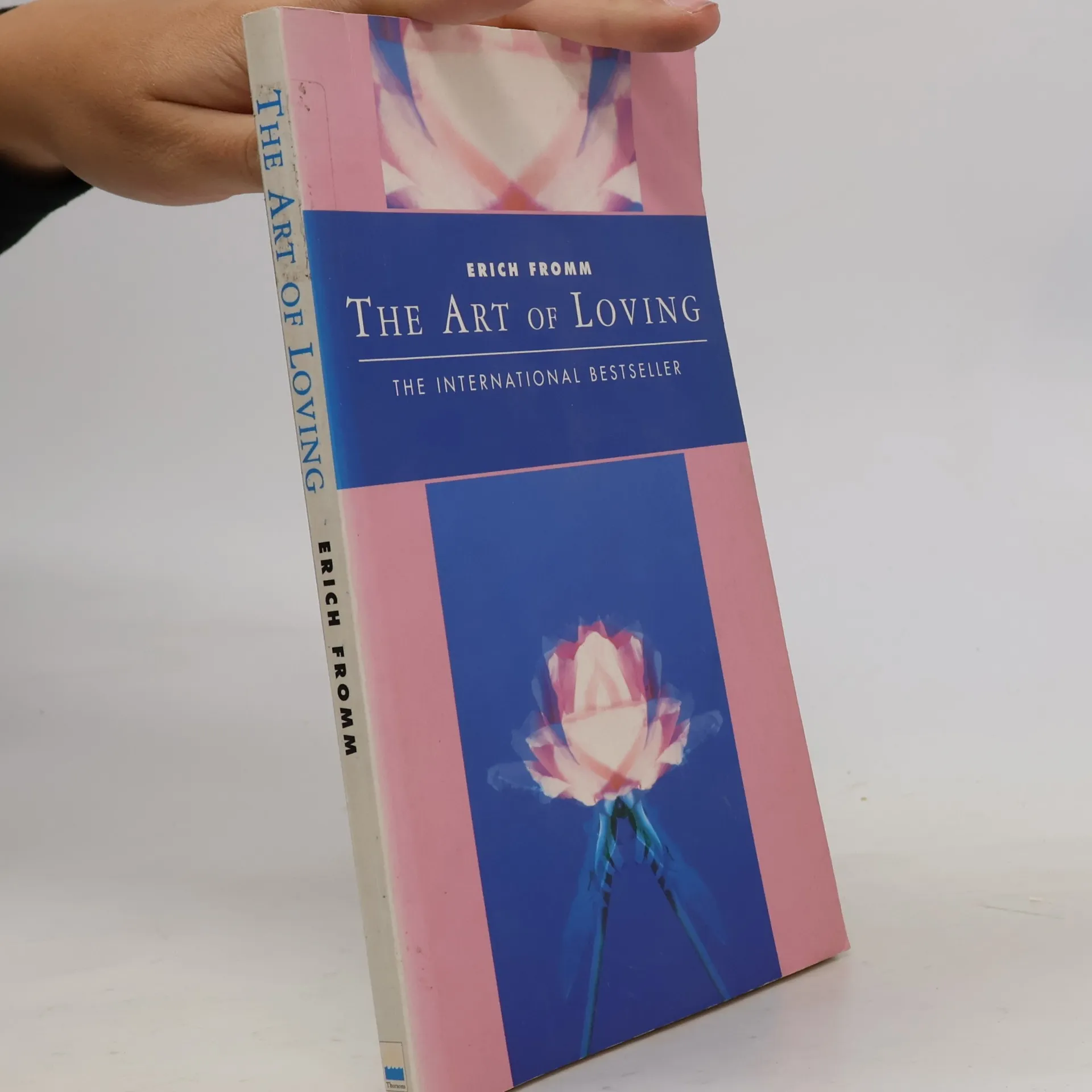
Erich Fromm, the renowned psychoanalyst, sees love as the ultimate need and desire of all human beings. In this book, he discusses various aspects of the subject: romantic love, the love of parents for children, brotherly love, erotic love, self-love and the love of God or the divine.
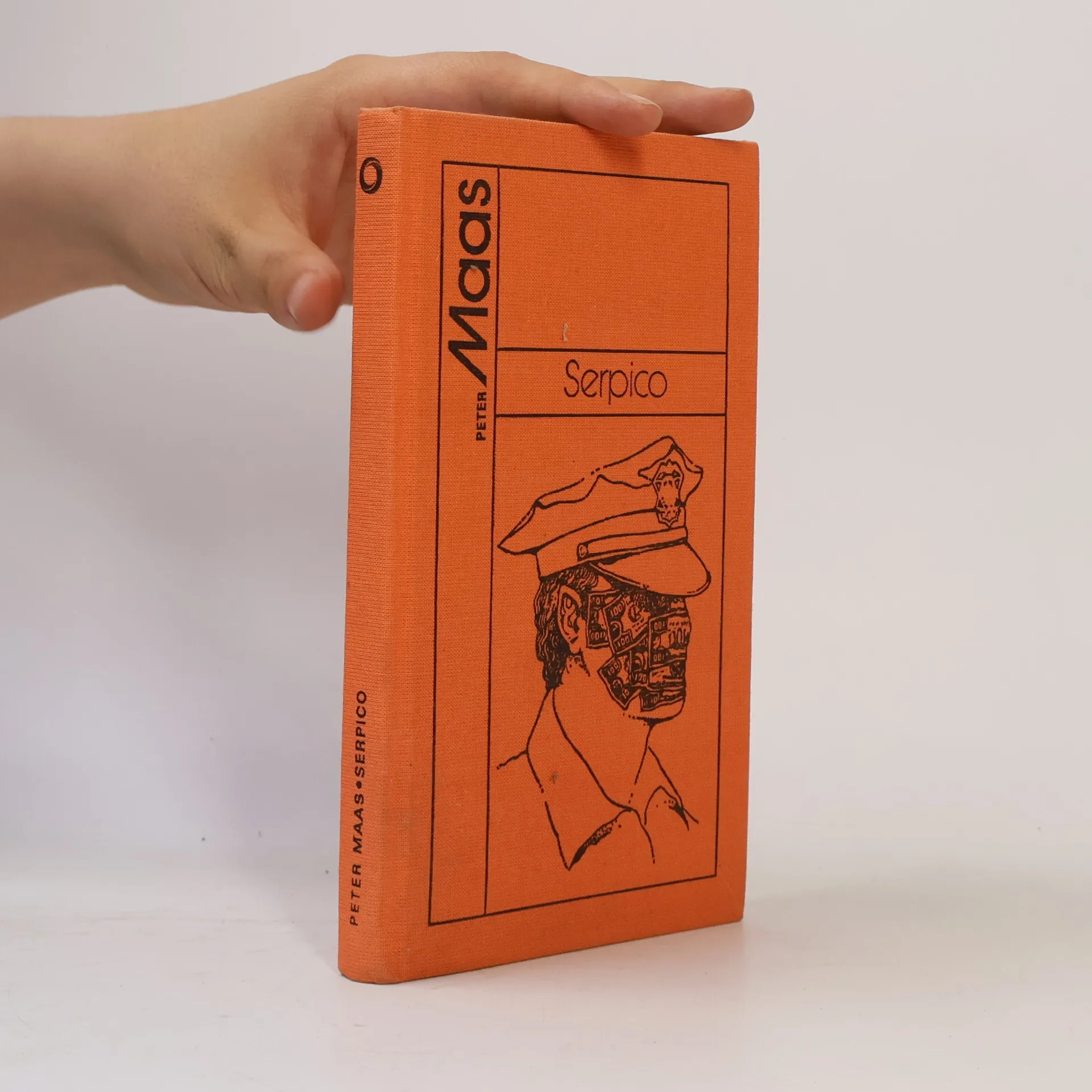
Frank Serpico is not an ordinary police officer. His passion for opera and ballet, along with his unkempt appearance and unusual pets—a shepherd dog, a white mouse, and a Guatemalan parrot—set him apart from his colleagues in the New York Police Department. However, it is not these eccentricities that truly distinguish him. In an environment where a code of silence protects the corrupt at the expense of the honest, Serpico faces severe consequences for refusing to conform to this unwritten rule that allows many officers to engage in dealings with criminals. Based on a true story and famously portrayed by Al Pacino in the film adaptation, "Serpico" offers a raw and poignant depiction of a man standing alone against the tyranny of violence. He emerges as a modern hero, risking his life in the pursuit of justice and truth.
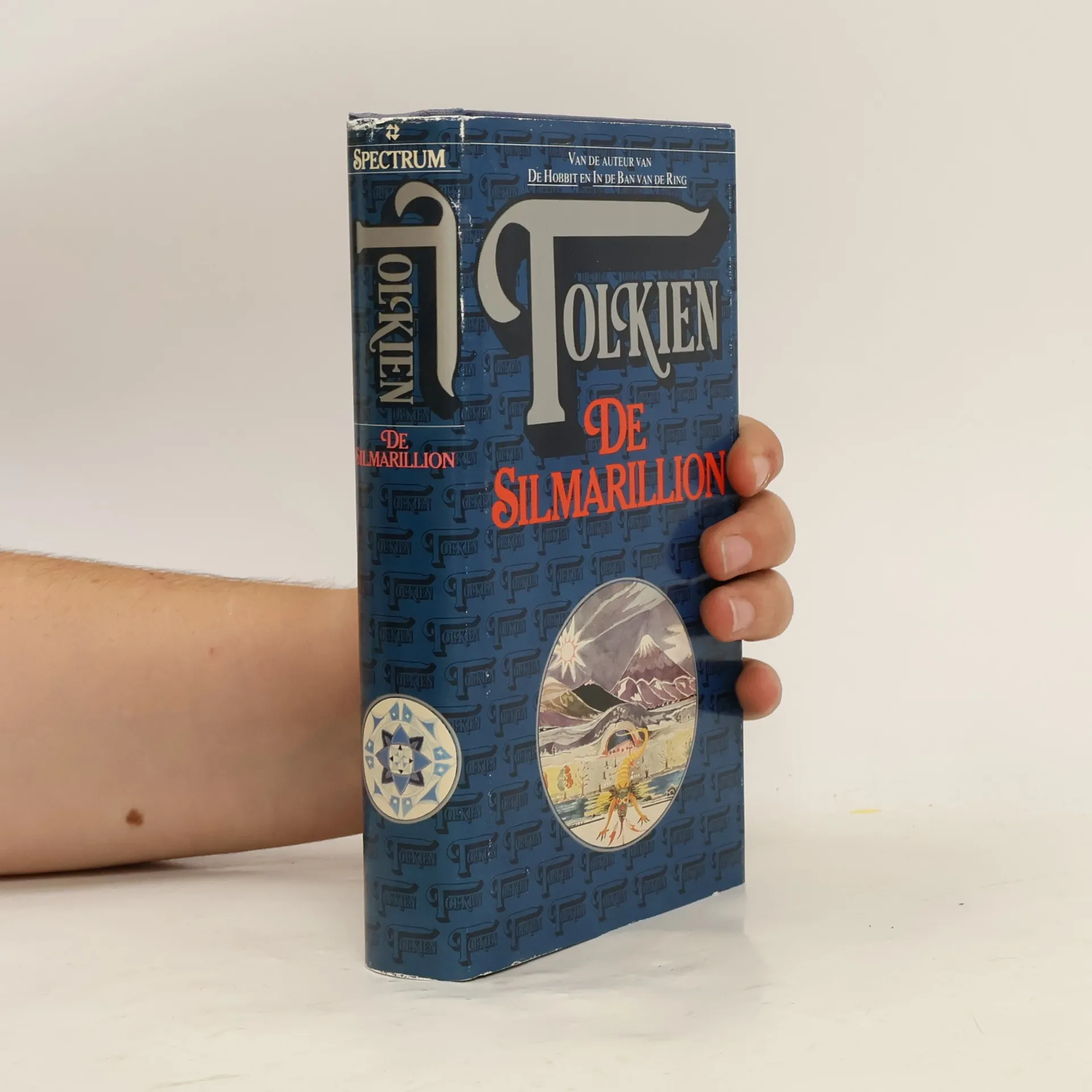
Het verhaal van de schepping van de wereld en van de Eerste Era, de oude dramas waarop de personages in de Lord of the Rings terugkijken en waaraan een aantal van hen, zoals Elrond en Galadriel, deelnamen. De drie Silmarillen waren juwelen gemaakt door Fëanor, de talentrijkste Elf. Ze bevatten het Licht van de twee bomen van Valinor welke vernietigd werden door Morgoth, de Donkere Vorst. Daarna leefde het onbezoedelde Licht van Valinor enkel nog in deze Silmarillen, maar ze vielen in de handen van Morgoth die ze in zijn kroon zette, kroon die werd bewaakt in de onneembare vesting van Angband in het noorden van Midden-aarde. De Silmarillion is de geschiedenis van de opstand van Fëanor en zijn familie tegen de goden, hun verbanning uit Valinor en terugkeer naar Midden-aarde, en hun oorlog - hopeloos, ondanks al hun heldhaftigheid - tegen de grote vijand.
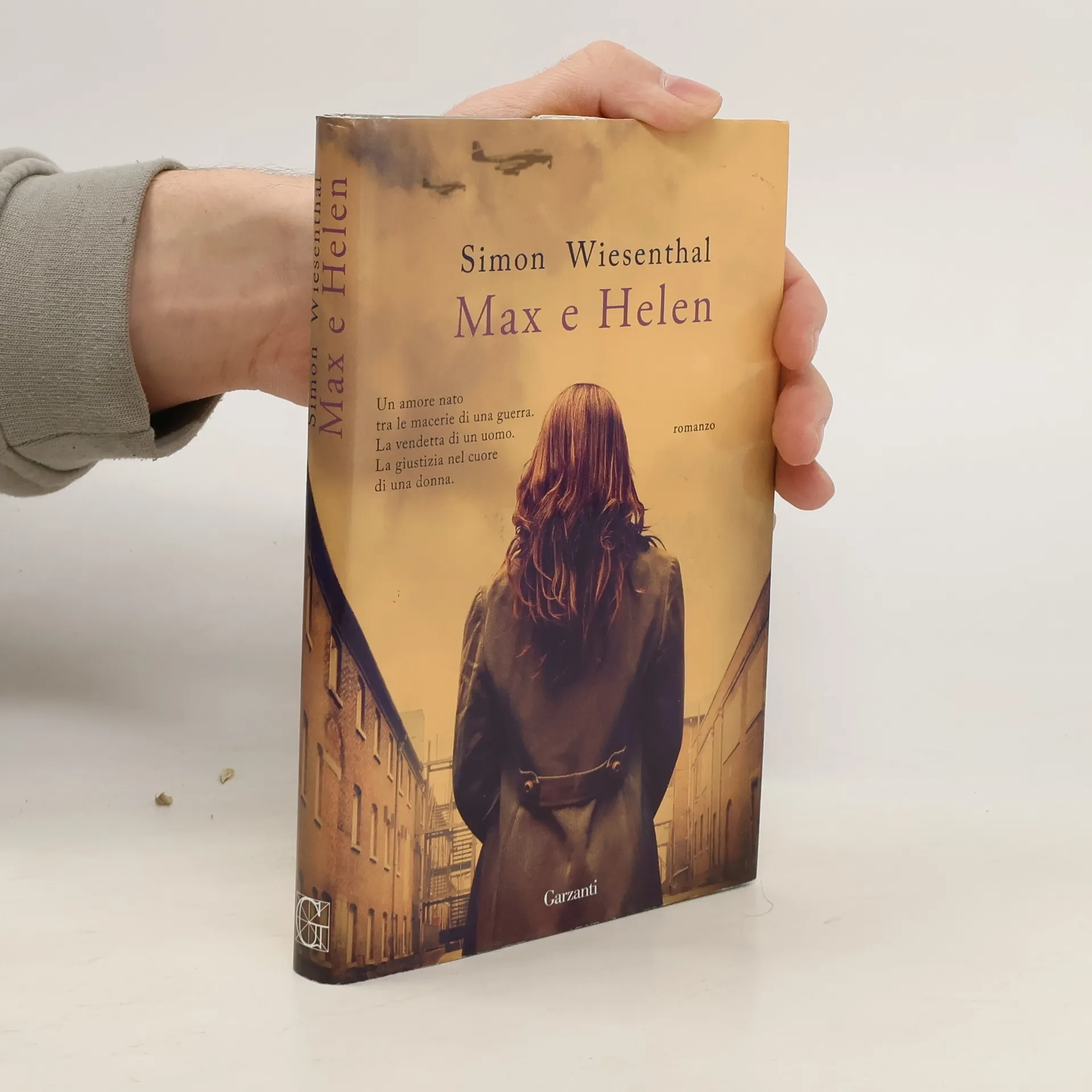
La vicenda di Max e Helen è una toccante storia d'amore realmente accaduta, ambientata durante la guerra e segnata dalla deportazione nei campi di concentramento nazisti. Per Simon Wiesenthal, noto cacciatore di nazisti, rappresenta il simbolo delle conseguenze storiche su vite individuali travolte dalla morte e dalla distruzione. Wiesenthal è vicino a incastrare Schulze, un rispettabile dirigente d'azienda che ha commesso atrocità durante la guerra. Ha bisogno di un testimone per sostenere l'accusa e rintraccia Max, che ha visto le atrocità perpetrate da Schulze. Tuttavia, Max non può testimoniare contro di lui. La sua storia è legata a quella di Helen, la sua fidanzata al momento dell'arresto. Entrambi furono deportati nel lager di Zalesie, vicino a Lublino. Dopo la guerra, Max la cercò disperatamente al suo ritorno in Polonia nel '58, ma la ritrovò solo per perderla per sempre. L'emozionante racconto di Wiesenthal documenta la drammatica e commovente storia di Max e Helen, evidenziando uno dei casi più paradossali nella carriera di Wiesenthal, costretto a rinunciare a una cattura che sembrava certa per motivi insuperabili.
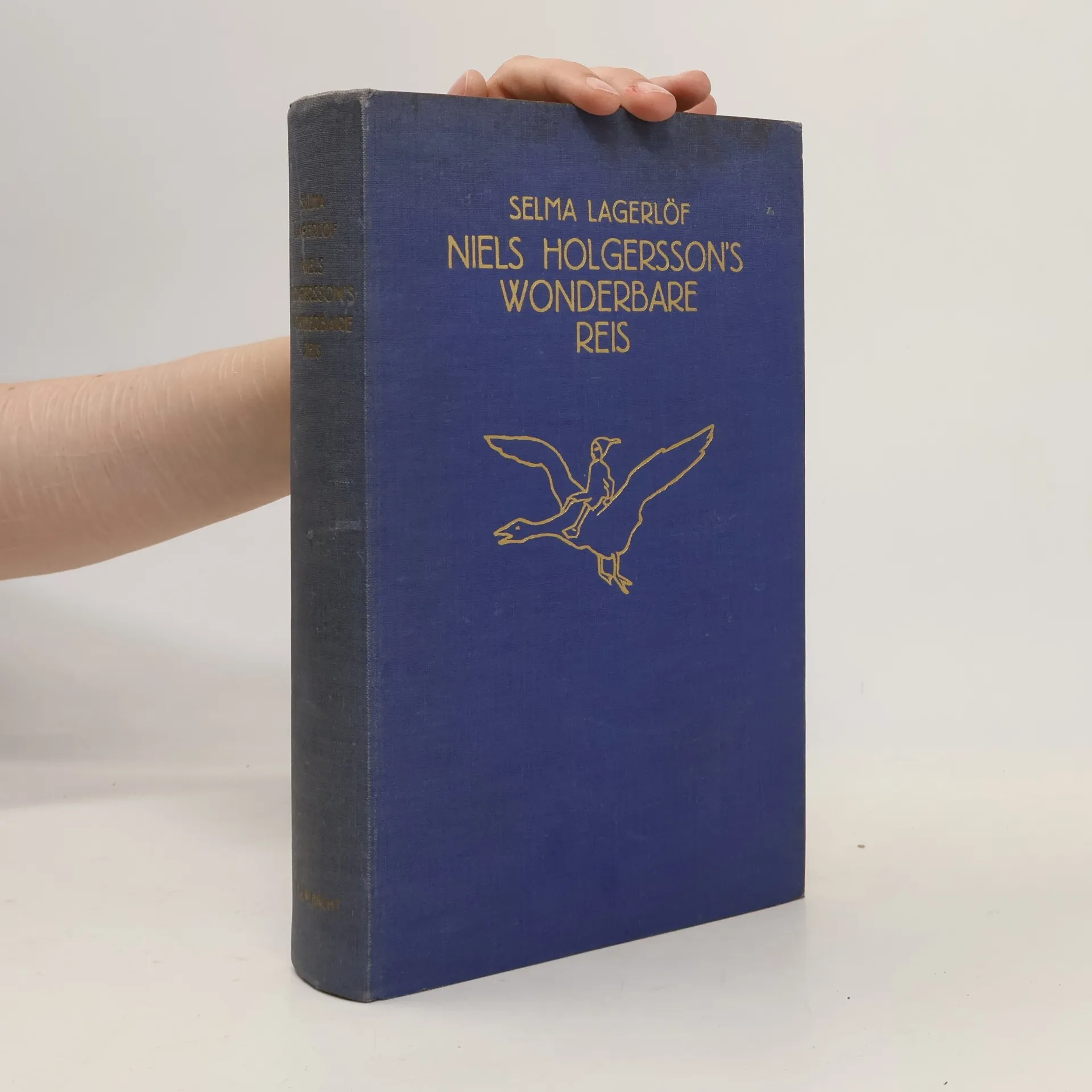
Selma Lagerlöfs wereldberoemde verhaal van Niels Holgersson die een kabouter werd en op de rug van een witte gans naar Lapland vloog, wordt in dit boek opnieuw verteld. Lars Klinting maakte er sfeervolle illustraties bij.
The latest intriguing thriller from one of historical fiction's best-known writers.
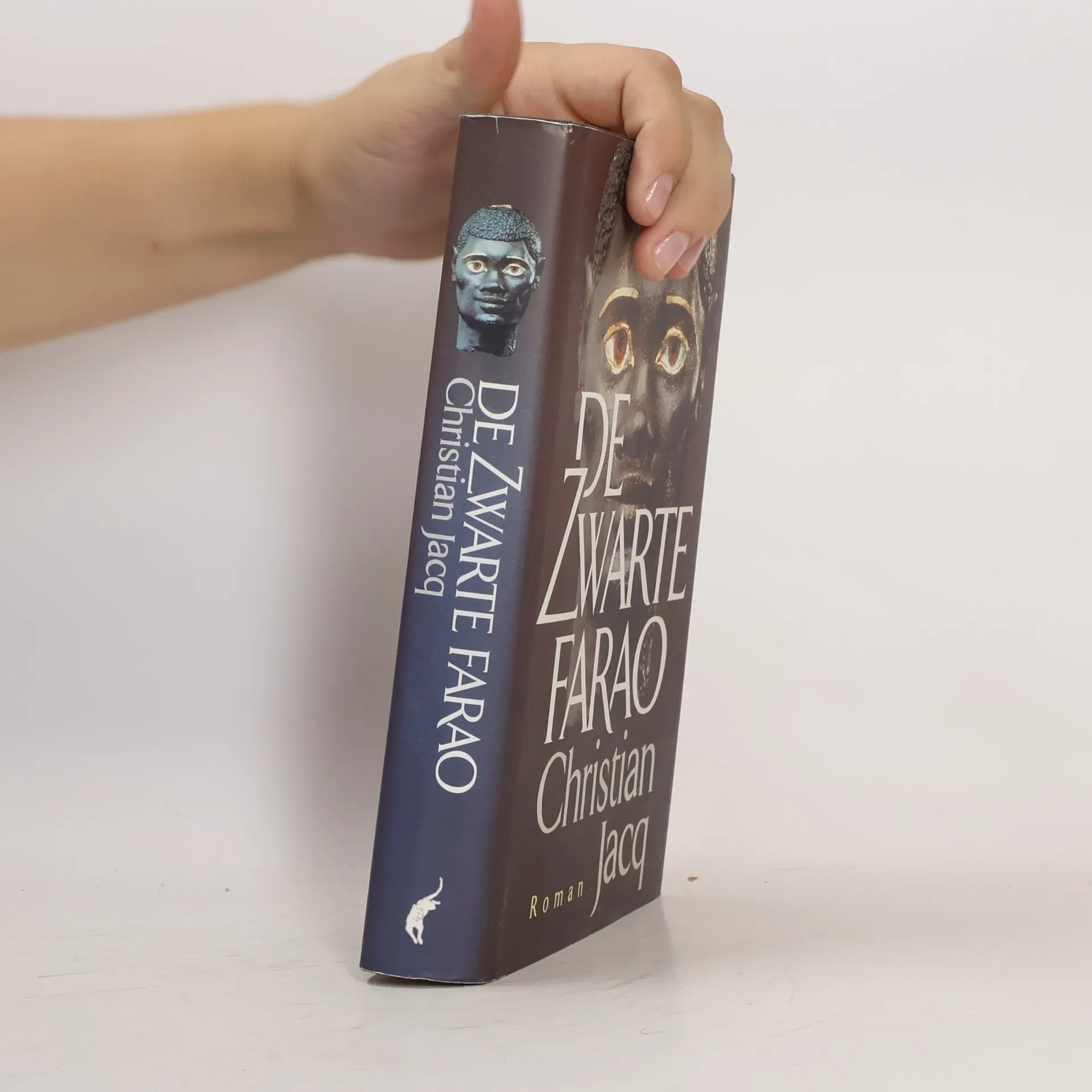
De tempels in Noord -Egypte zij n verlaten, de goden vergeten. Ieder denkt nog slechts aan eigen gewin. Onrecht en corruptie vieren hoogtij. Vijf eeuwen na Ramses de Grote is de glorie vergaan, en lijkt het gouden rijk afgegleden te zijn naar een onherstelbaar dieptepunt. Een man, een Nubiër, weigert zich neer te leggen bij het noodlot. Pianchi, DE ZWARTE FARAO, regeert het zuidelijke koninkrijk, met wijsheid en beleid. Hij heeft slechts één groot verlangen: een herenigd Egypte, waarin de harmonie met de goden hersteld zal zijn. Maar daarmee haalt de vredelievende Pianchi zich de haat op de hals van de Libiër Tefnak, een ambitieuze en autoritaire noordelijke prins. Ook Tefnak wil de landen verenigen, maar zijn plannen vormen een breuk met de oude orde, een schrikbewind zoals Egypte nog nooit gekend heeft. Tussen DE ZWARTE FARAO en de Libische prins is oorlog onvermijdelijk. En van de uitkomst van die strijd hangt het voort bestaan van de eeuwen oude beschaving af. Is de zwarte farao instaat de overmacht van de Libiërs te breken?
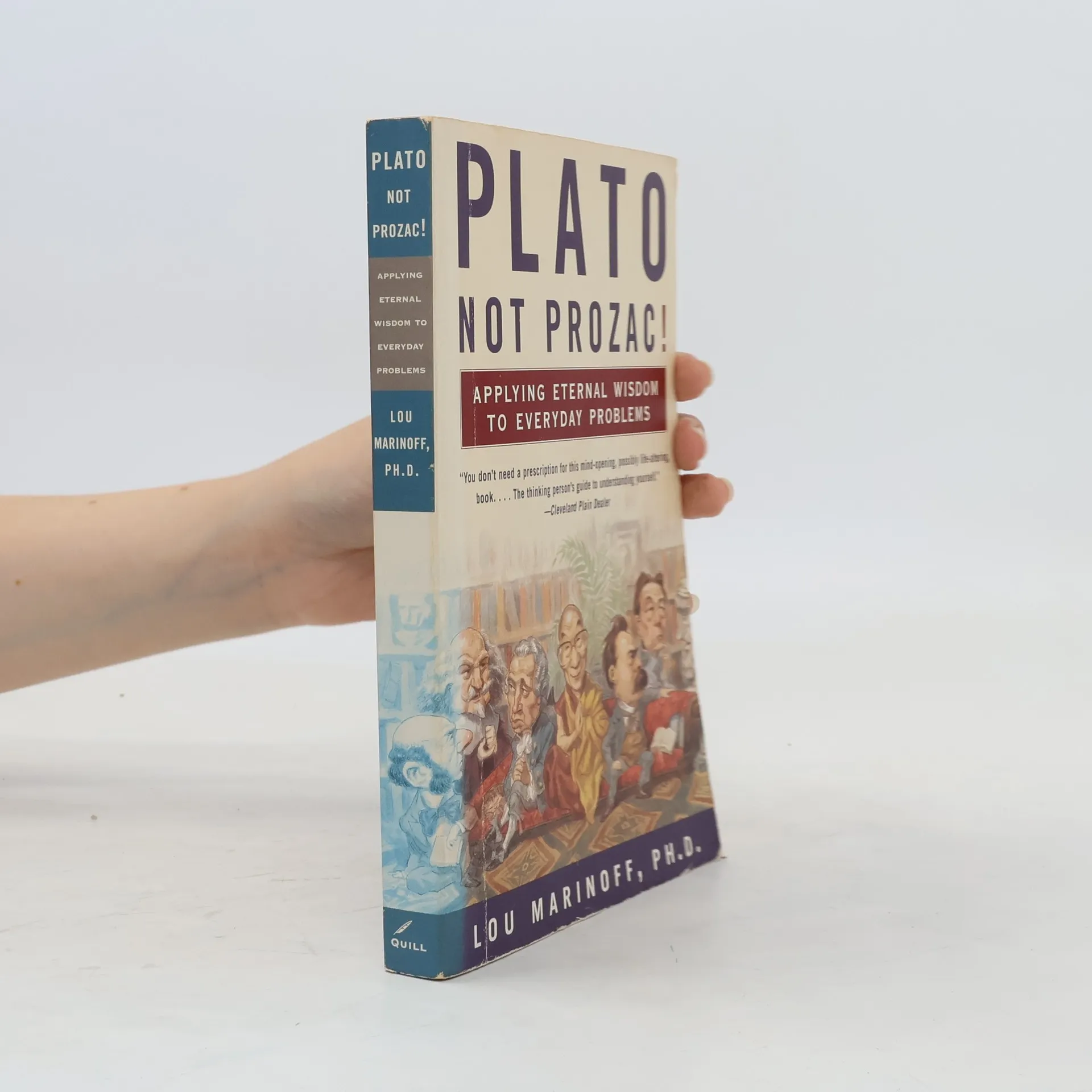
If you're facing a dilemma -- whether it's handling a relationship, living ethically, dealing with a career change, or finding meaning in life -- the world's most important thinkers from centuries past will help guide you toward a solution compatible with your individual beliefs. From Kirkegaard's thoughts on coping with death to the I Ching's guidelines on adapting to change, Plato, Not Prozac! makes philosophy accessible and shows you how to use it to solve your everyday problems. Gone is the need for expensive therapists, medication, and lengthy analysis. Clearly organized by common problems to help you tailor Dr. Lou Marinoff's advice to your own needs, this is an intelligent, effective, and persuasive prescription for self-healing therapy that is giving psychotherapy a run for its money.
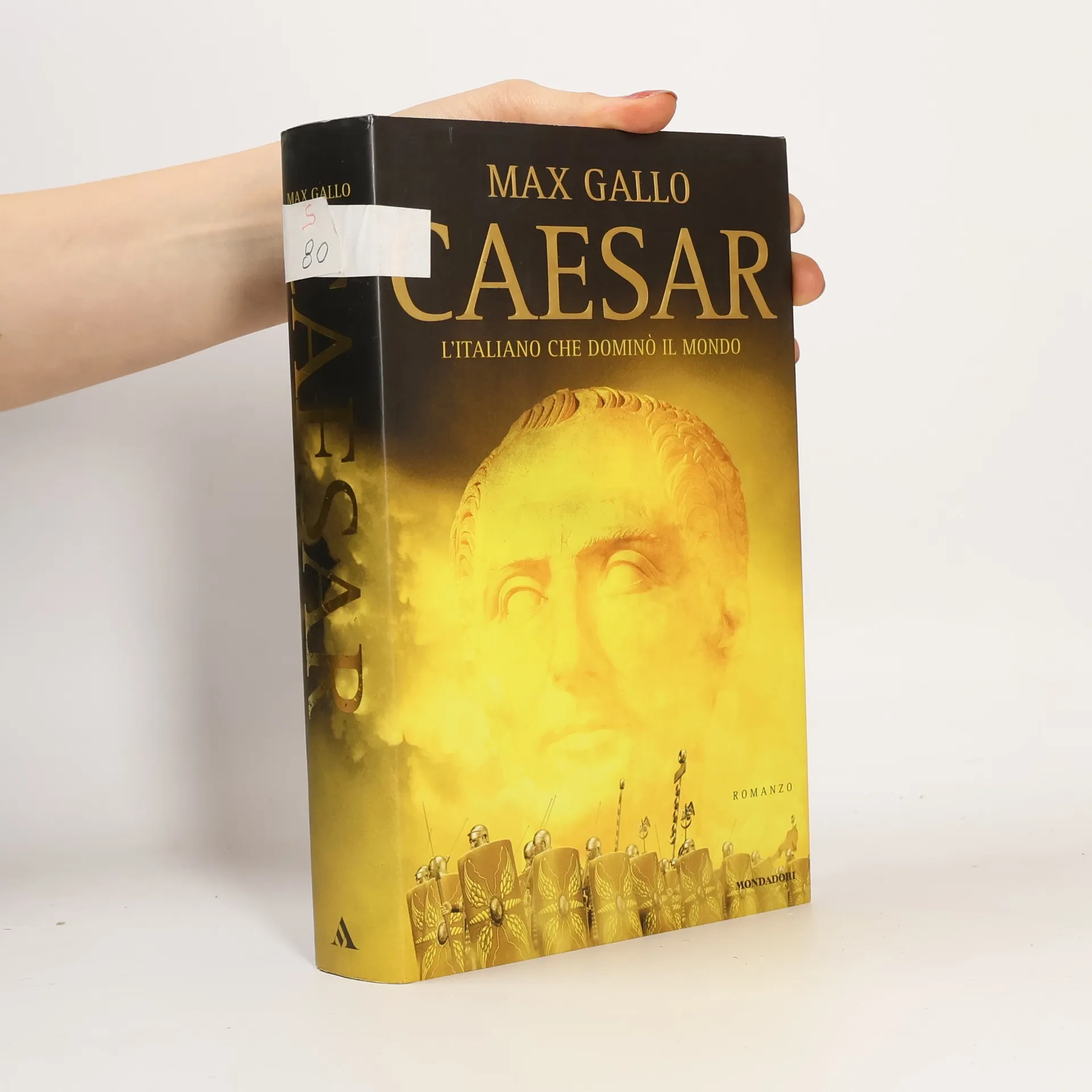
On connait le vainqueur de Vercingétorix et le séducteur de Cléopatre, le brillant écrivain et l'excellent orateur, mais peut-on imaginer ce qu'il fallut d'énergie et d'habileté politique à Jules César pour conquérir à lui seul le monde méditerranéen, tout en menant une guerre civile contre Pompée ?
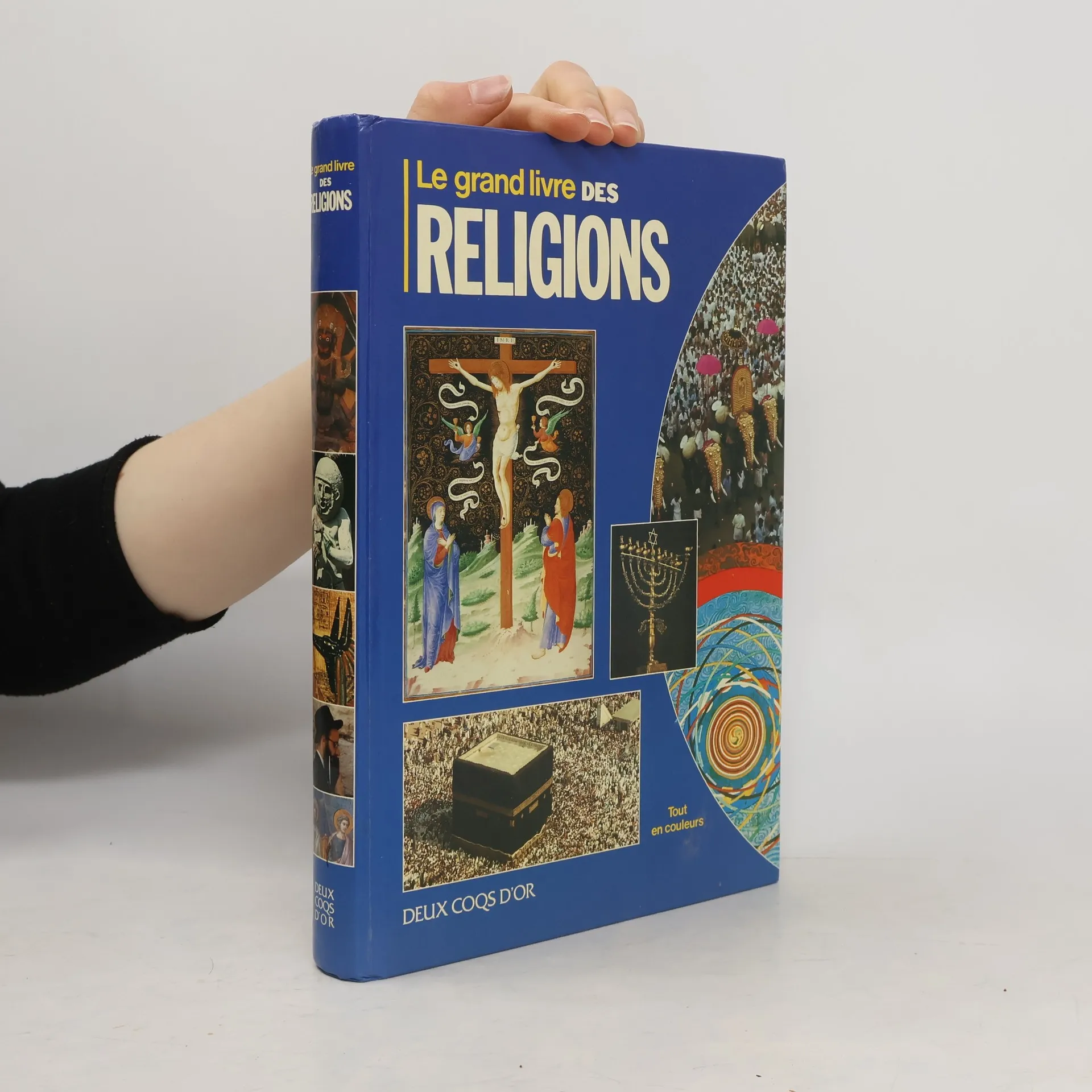
Une encyclopédie en couleurs, très documentée, qui s'appuie sur une méthode essentiellement narrative. L'auteur conte des histoires en cherchant chaque fois à en découvrir la signification véritable. Contient en introduction un entretien avec Mircea Eliade.