
Bookbot

Elliot Aronson

    9 januari 1932

    Elliot Aronson is een vooraanstaand psycholoog wiens werk diep ingaat op menselijk gedrag. Hij staat bekend om zijn baanbrekende studies naar cognitieve dissonantie en de Jigsaw Classroom-methode, die ons begrip van sociale psychologie hebben veranderd. Aronsons schrijfstijl kenmerkt zich door duidelijkheid en inzicht, waardoor complexe theorieën toegankelijk worden voor een breed publiek. Zijn levenslange bijdragen hebben generaties psychologen beïnvloed, met een impact die blijkt uit zijn uitgebreide handboeken en onderzoek.

    Elliot Aronson
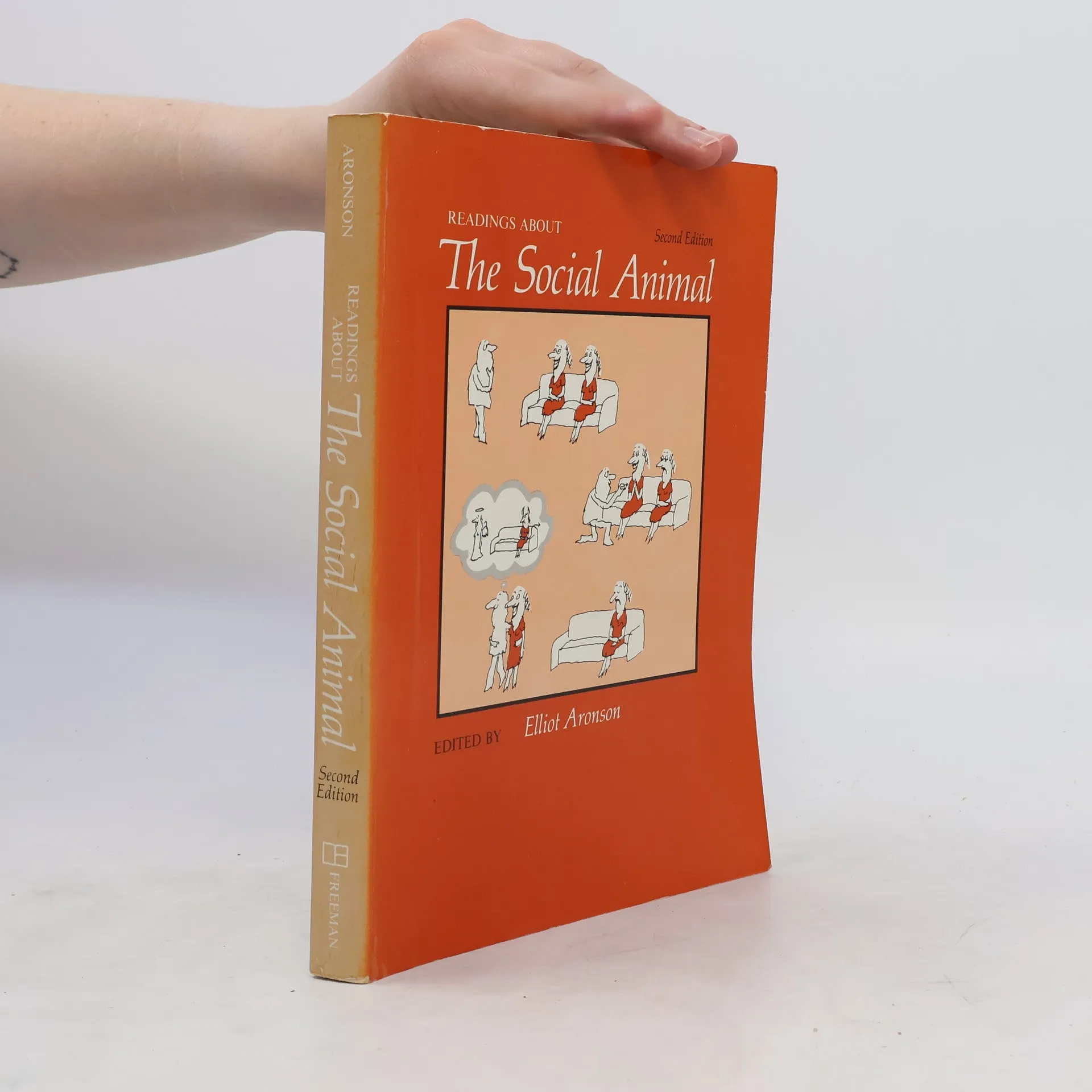
    Readings about the Social Animal
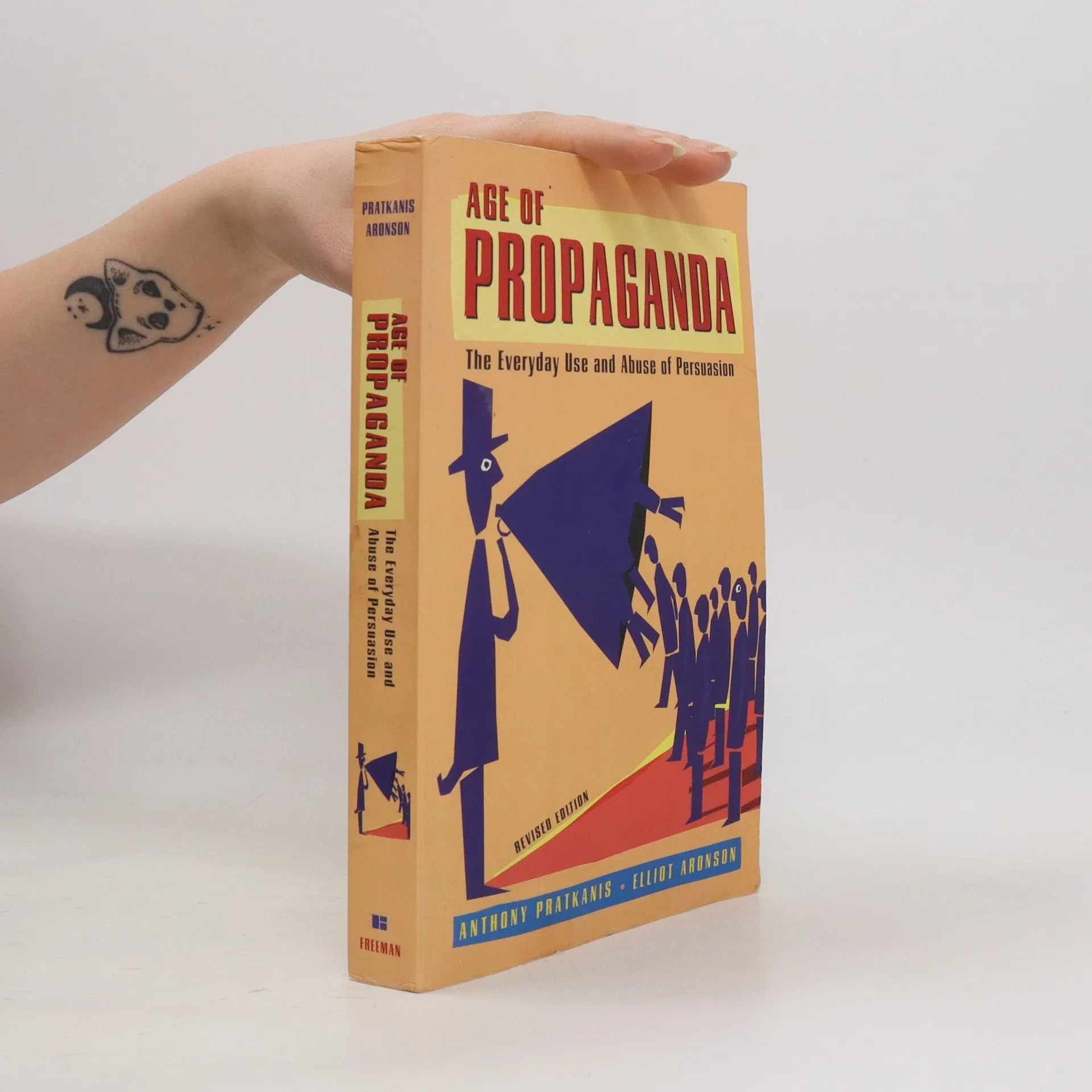
    Age of Propaganda
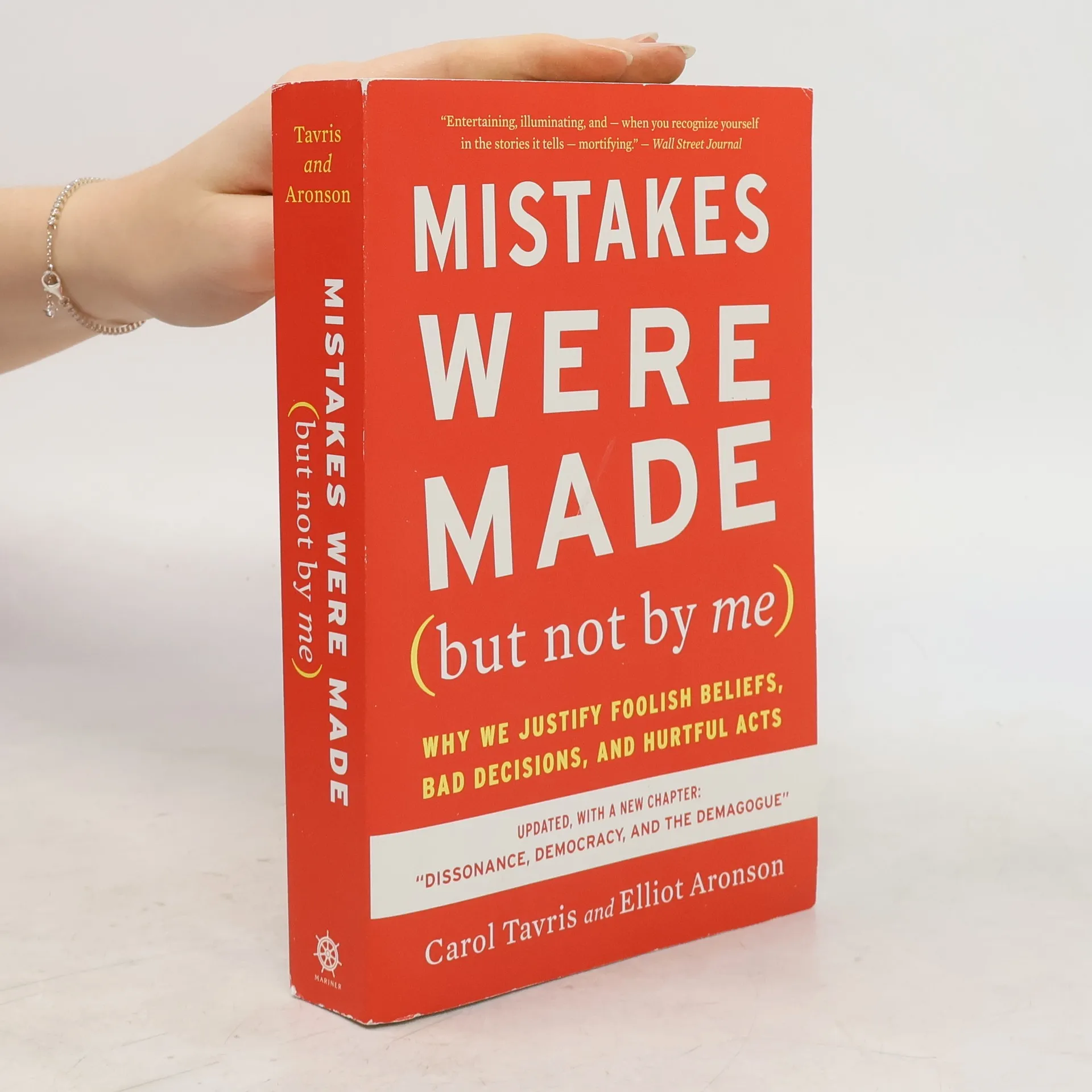
    Mistakes Were Made (but Not by Me)
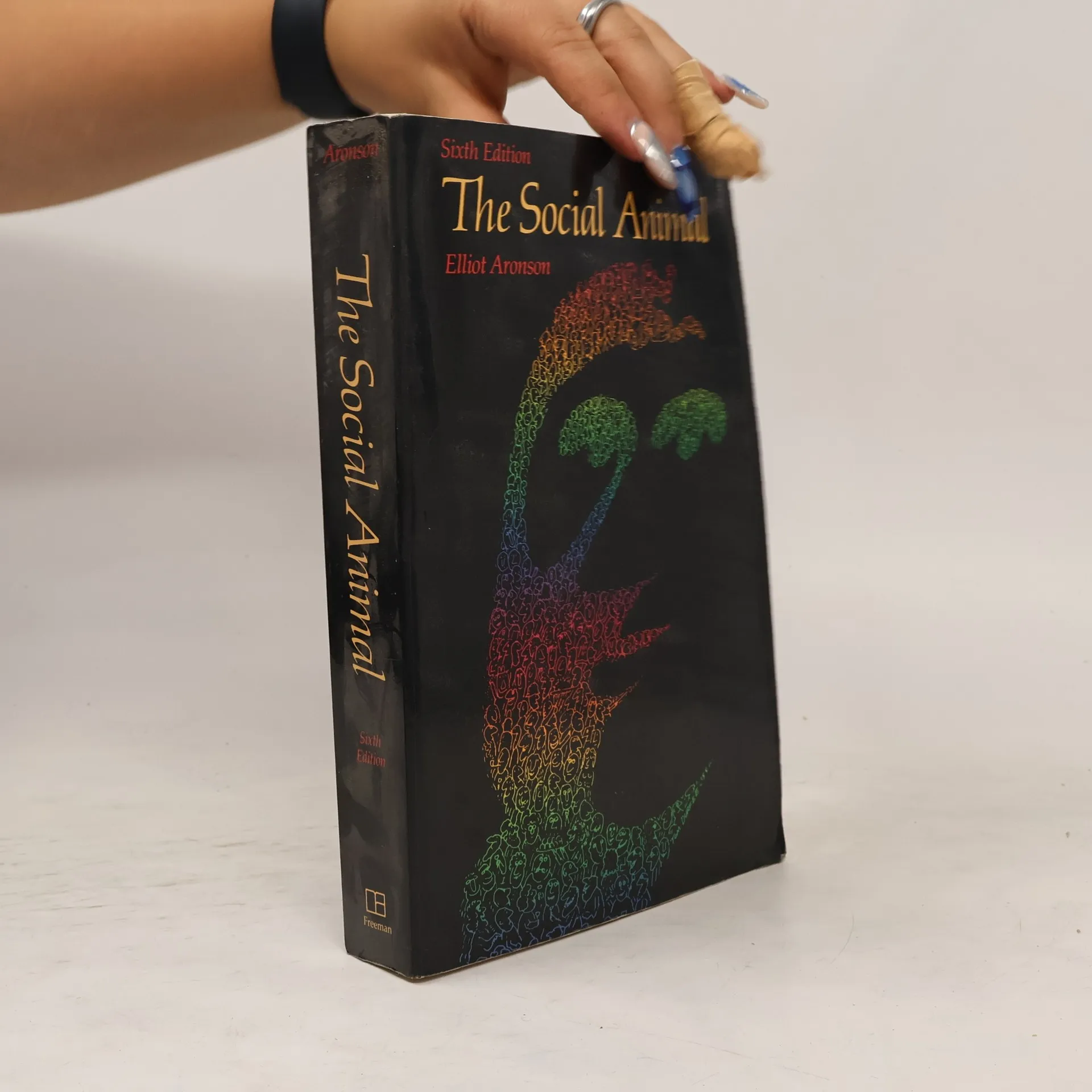
    The Social Animal
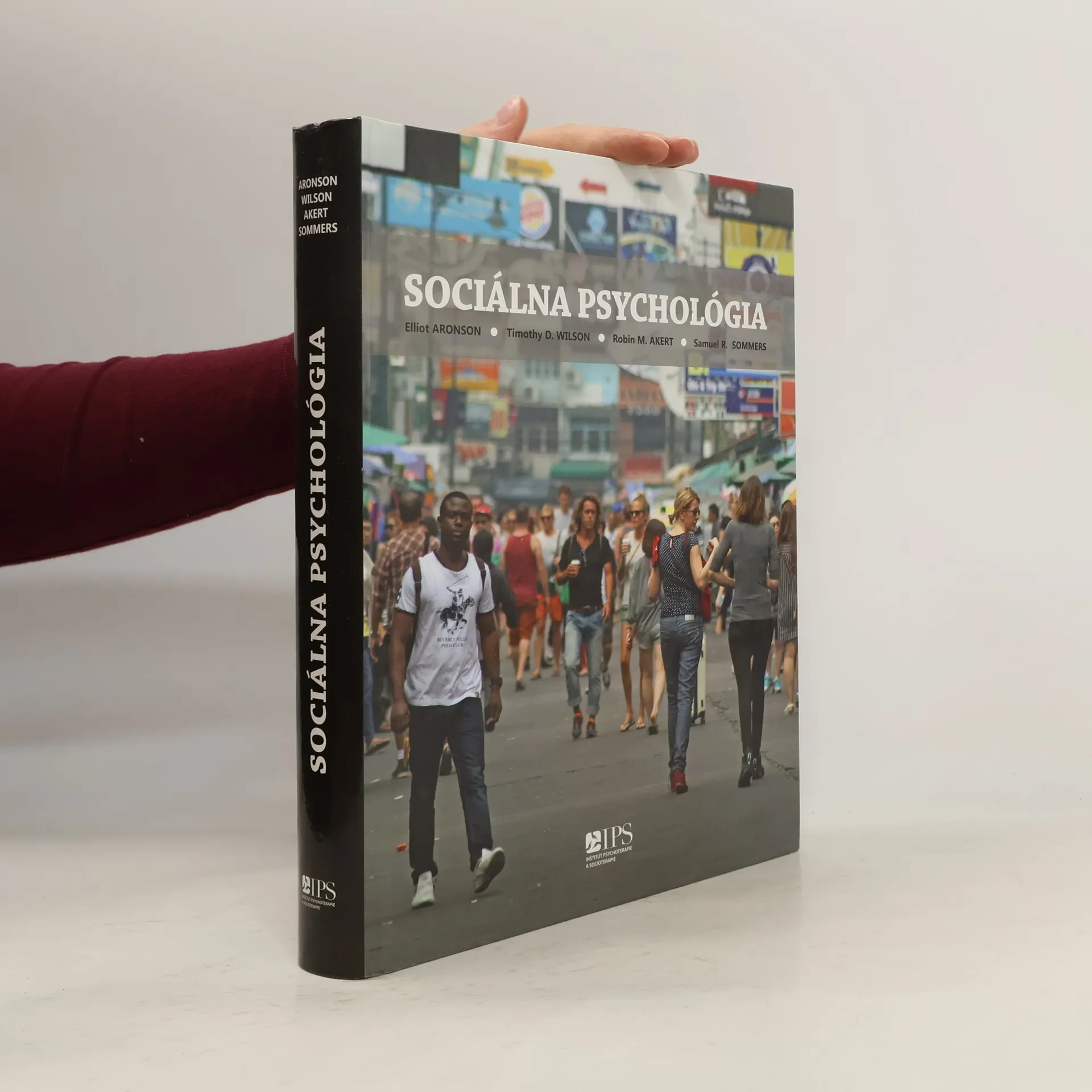
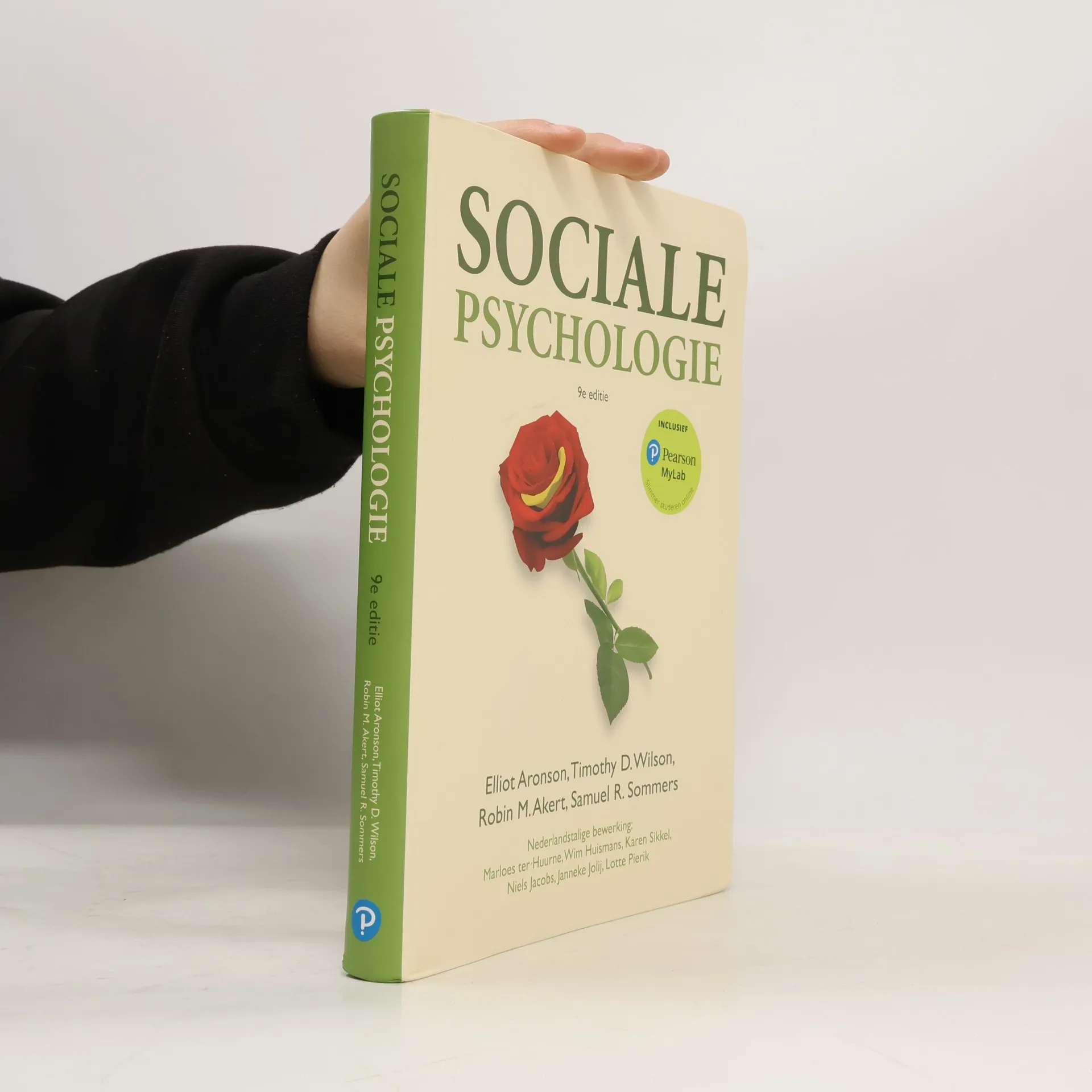
    Social Psychology
    Social Psychology - Fourth Edition
    • Social Psychology - Fourth Edition

      • 677bladzijden
      • 24 uur lezen

      Intended for an undergraduate introductory level course in social psychology, this text uses a story-telling approach to convey the science of social psychology. Its aim is to help students understand the whole context of the field - how theories inspire research, why research is performed as it is, and how further research triggers new avenues of study - and how all of this impacts their everyday lives. It incorporating real-life vignettes and mini stories within every chapter that include detailed descriptions of classic and modern experiments, and describe an example of a real-life phenomenon.

      Social Psychology - Fourth Edition
      4,1
    • This book, written by distinguished authors, presents a detailed, rigorous and scientific approach to social psychology aimed at students and faculty alike.

      Social Psychology
      4,2
    • The Social Animal

      • 497bladzijden
      • 18 uur lezen

      Winner of the American Psychological Association's National Media Award, this book is an introduction to modern social psychology. The Sixth Edition retains the text's coverage of classic research while including: a new chapter on social cognition; a more thorough discussion of intimate relations.

      The Social Animal
      4,2
    • Age of Propaganda

      • 416bladzijden
      • 15 uur lezen

      Shares findings from research on the effectiveness of various persuasive messages, provides an overview of what social psychologists and other investigators have learned about how people are persuaded, analyzes common propaganda tactics, and explains what people can do to limit the effects of propaganda in their lives

      Age of Propaganda
      4,0
    • Readings about the Social Animal

      • 414bladzijden
      • 15 uur lezen

      Exploring the most important ideas in social psychology, this collection of classic and contemporary readings includes accounts of specific experimental findings as well as more general articles summarizing studies on such topics as attraction and aggression. In this edition, the most significant and provocative articles of earlier editions have been retained, including such classics as Stanley Milgram on obedience and Solomon Asch on conformity. Organized to illustrate the major themes of Elliot Aronson's highly praised book, The Social Animal, this acclaimed collection of articles can readily be adapted for use with any introductory text, or even in lieu of a text.

      Readings about the Social Animal
    • Błądzą wszyscy (ale nie ja)

      • 240bladzijden
      • 9 uur lezen

      WYBITNA KSIĄŻKA BESTSELLEROWEGO AUTORA I GENIALNEGO NAUKOWCA ELLIOTA ARONSONA. „Tavris i Aronson połączyli swoje umiejętności, aby stworzyć wspaniały wzorzec przenikliwości społecznej i naukowego zaangażowania. Nie popełnij błędu, musisz przeczytać tę książkę” – Robert B. Cialdini. Dlaczego ludzie uchylają się od odpowiedzialności, gdy wszystko się wali? Jakie mechanizmy prowadzą do niekończących się kłótni małżeńskich? W tej niezwykle wnikliwej książce psychologowie Carol Tavris i Elliot Aronson badają samousprawiedliwianie. Kiedy popełniamy błąd, musimy złagodzić dysonans poznawczy, co prowadzi do tworzenia fikcji, które uwalniają nas od odpowiedzialności. Autorzy przedstawiają fascynujące wyjaśnienie zjawiska samooszukiwania, jego mechanizmów, skutków oraz sposobów na uwolnienie się od niego. „To urocza, zachwycająca książka. Tavris i Aronson wyjaśniają, jak wszyscy utwierdzamy się w przekonaniu, że mamy rację, mimo dowodów na przeciwną” – Daniel Gilbert. „Książka ta nie zmieni nas w anioły, ale jest doskonałym przewodnikiem po diabelskich sztuczkach umysłu” – David Callahan. Elliot Aronson podkreśla, że książka ta odzwierciedla jego poczucie domknięcia kręgu życia i hołd dla mentora, Leonarda Festingera.

      Błądzą wszyscy (ale nie ja)
      5,0
    • De ce oamenii evita responsabilitatea atunci cand lucrurile se destrama? De ce figurile publice nu isi recunosc greselile? De ce exista toate acele nesfarsite certuri aprinse despre cine are dreptate? De ce putem vedea ipocrizia altora, dar nu si pe a noastra? Suntem oare cu totii mincinosi sau chiar credem povestile pe care le spunem? In aceasta carte, renumitii psihologi sociali Carol Tavris si Elliot Aronson ne arata intr-un mod convingator cum functioneaza mecanismul de autojustificare al creierului. Atunci cand gresim, trebuie sa potolim disonanta cognitiva care afecteaza impresia buna pe care o avem despre noi insine. Si astfel, cream fictiuni care ne absolva de responsabilitate, refacandu-ne credinta ca suntem destepti, morali si drepti – o credinta ce ne mentine de multe ori pe o cale prosteasca, imorala si nedreapta. Bazandu-se pe zeci de ani de cercetare si scrisa intr-un limbaj viu si accesibil, S-au facut greseli (dar nu de catre mine) ofera o explicatie fascinanta a autoamagirii – cum functioneaza, relele pe care le poate produce si cum o putem depasi.

      S-au făcut greşeli. Dar nu de către mine! De ce justificăm credințe ridicole, decizii proaste și fapte destructive
      4,0
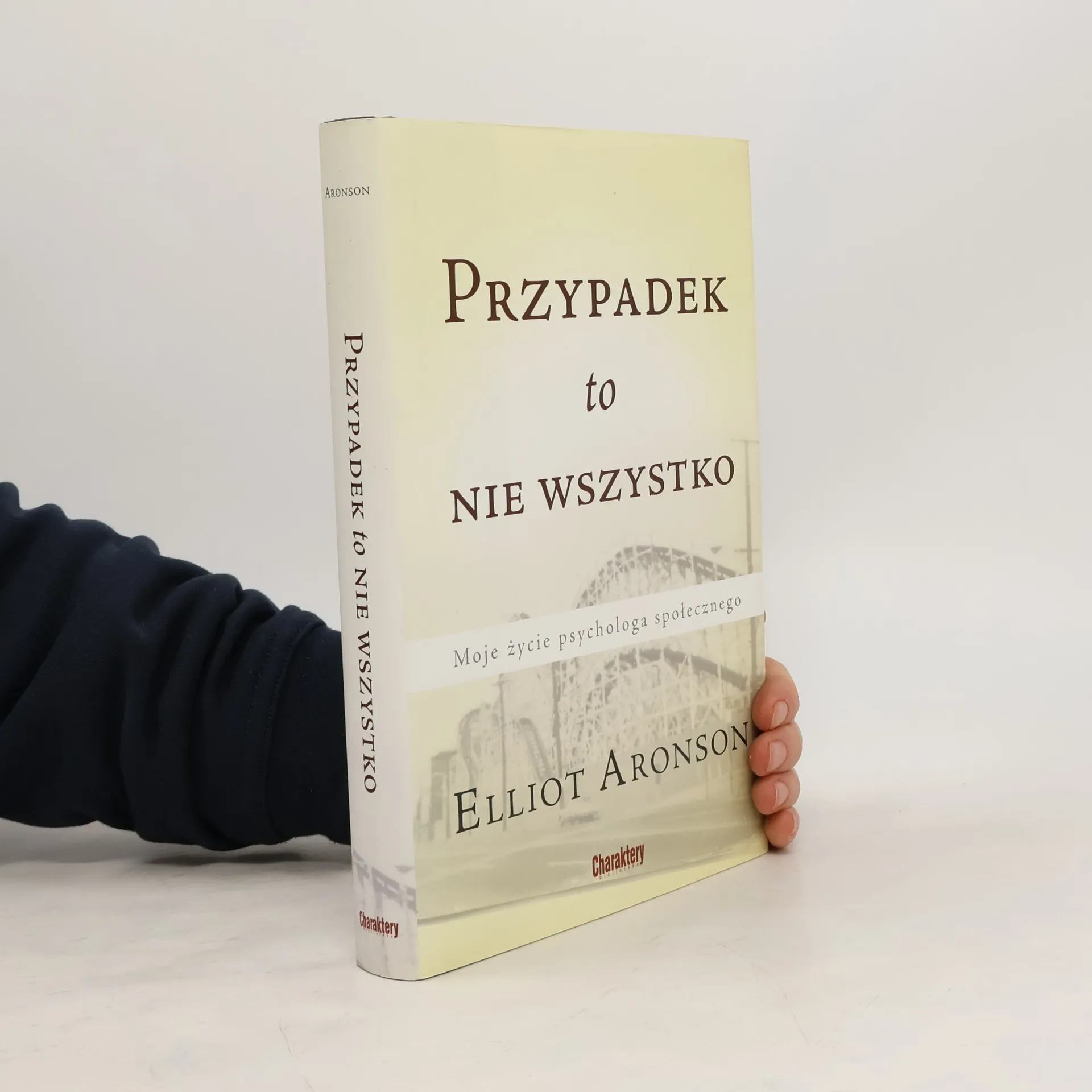
    • „Przypadek to nie wszystko. Moje życie psychologa społecznego” Elliota Aronsona, uznawanego za jednego z najważniejszych uczonych XX wieku w dziedzinie nauk społecznych, to pełna pasji opowieść o jego życiu i czasach, w których żył. Autor, obdarzony otwartością, dowcipem i wyjątkowym zmysłem obserwacyjnym, przedstawia wydarzenia takie jak Wielki Kryzys, walka o zniesienie segregacji rasowej czy ruchy hipisowskie, w które aktywnie się angażował, niejednokrotnie wpływając na ich bieg. Aronson opisuje te epizody z perspektywy zarówno uczestnika, jak i biegłego analityka, ukazując złożoność procesów społecznych. W książce nie brakuje również refleksji na temat postaci, które ukształtowały współczesną psychologię społeczną, takich jak Abraham Maslow, Jerome Bruner, David McClelland i Leon Festinger. Autor nie boi się ujawniać swoich sympatii i antypatii, co dodaje narracji autentyczności. Barwny i żywy język sprawia, że lektura jest wciągająca, czyniąc tę książkę znakomitym wyborem nie tylko dla pasjonatów psychologii, ale także dla każdego, kto pragnie lepiej zrozumieć współczesny świat.

      Przypadek to nie wszystko