
Bookbot

Thomas J. Barfield

    Princeton Studies in Muslim Politics: Afghanistan
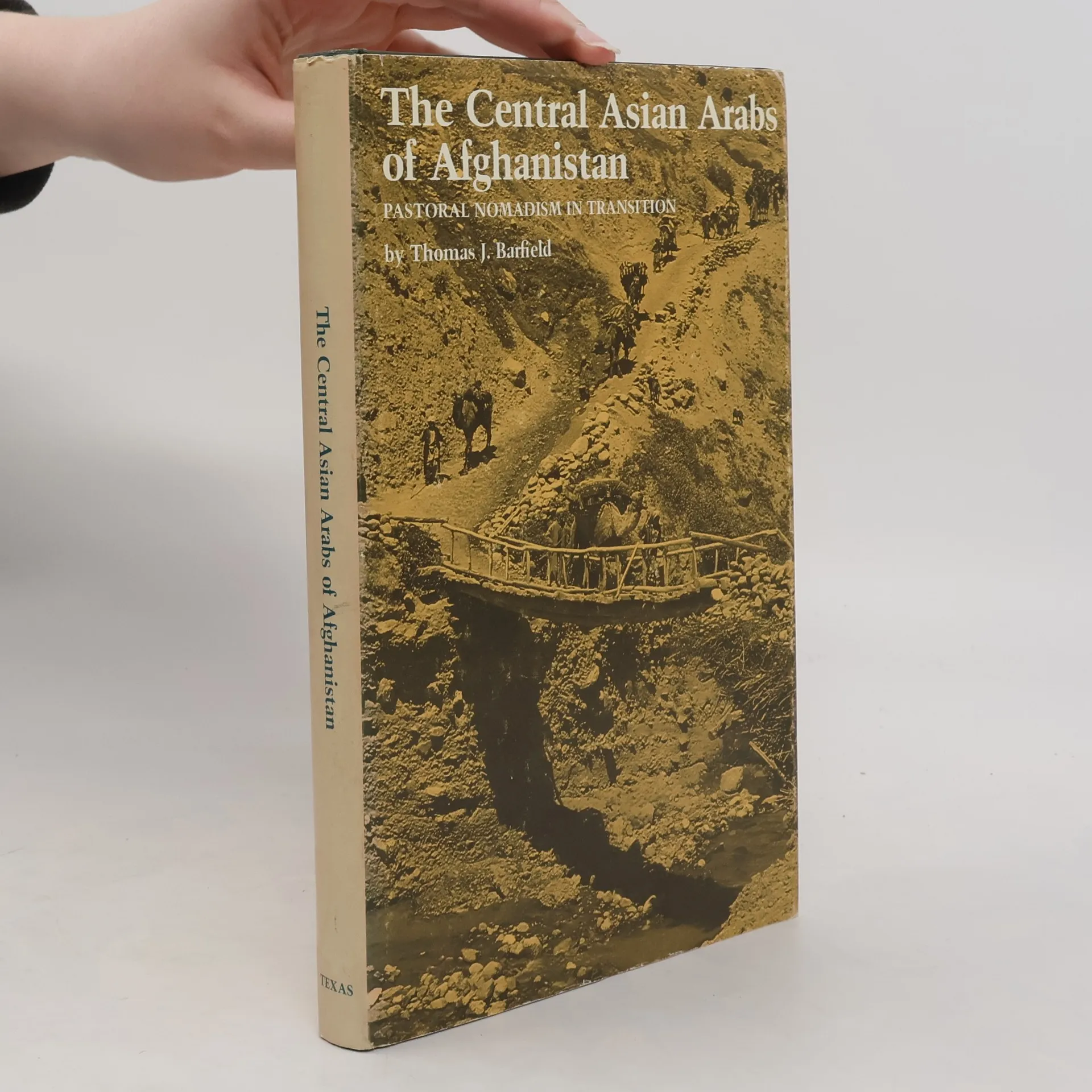
    The Central Asian Arabs of Afghanistan
    • Princeton Studies in Muslim Politics: Afghanistan

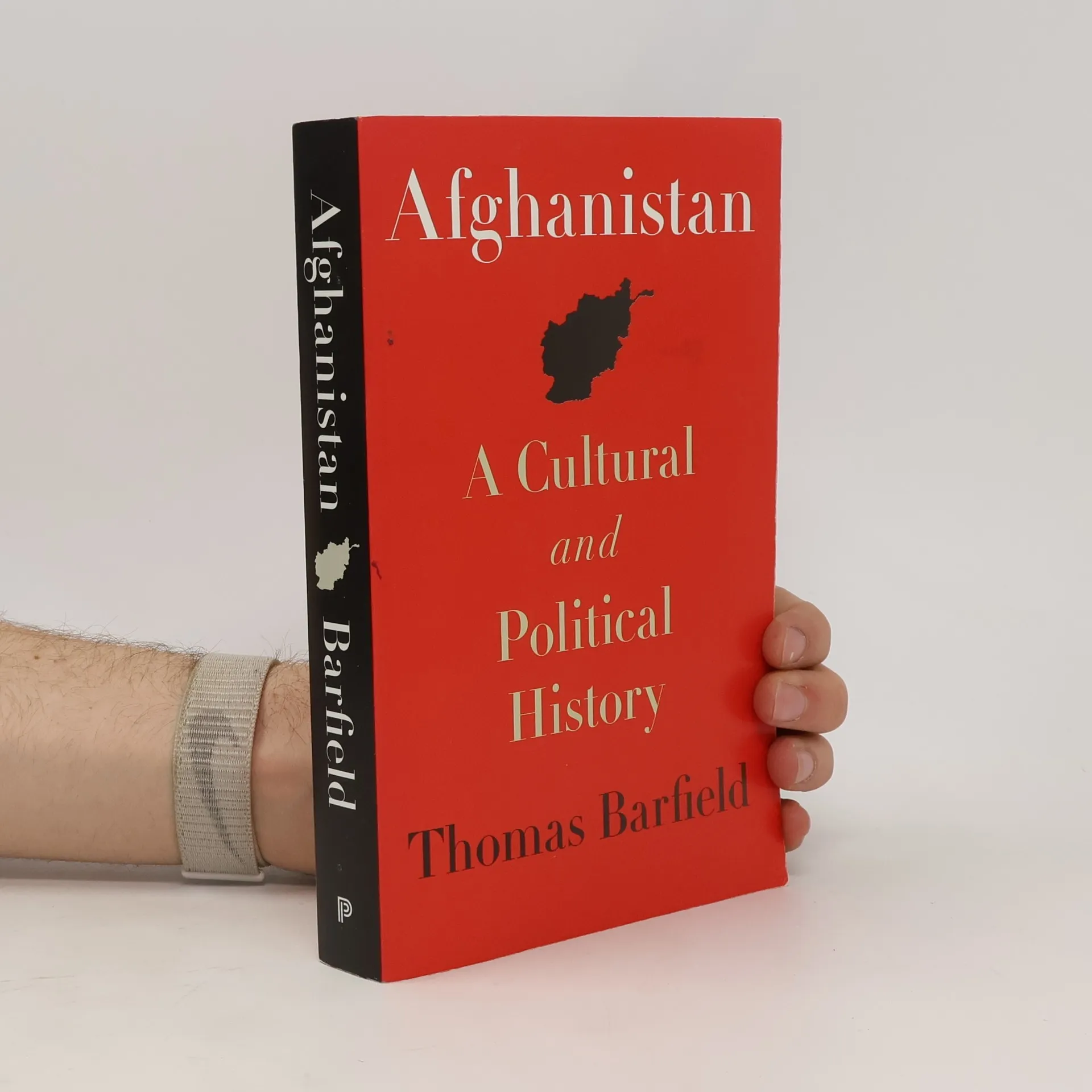
      A Cultural and Political History

      • 408bladzijden
      • 15 uur lezen

      <b>A major history of Afghanistan and its changing political culture</b> <i>Afghanistan</i> traces the historic struggles and the changing nature of political authority in this volatile region of the world, from the Mughal Empire in the sixteenth century to the Taliban resurgence today. Thomas Barfield introduces readers to the bewildering diversity of tribal and ethnic groups in Afghanistan, explaining what unites them as Afghans despite the regional, cultural, and political differences that divide them. He shows how governing these peoples was relatively easy when power was concentrated in a small dynastic elite, but how this delicate political order broke down in the nineteenth and twentieth centuries when Afghanistan's rulers mobilized rural militias to expel first the British and later the Soviets. Armed insurgency proved remarkably successful against the foreign occupiers, but it also undermined the Afghan government's authority and rendered the country ever more difficult to govern as time passed. Barfield vividly describes how Afghanistan's armed factions plunged the country into a civil war, giving rise to clerical rule by the Taliban and Afghanistan's isolation from the world. He examines why the American invasion in the wake of September 11 toppled the Taliban so quickly, and how this easy victory lulled the United States into falsely believing that a viable state could be built just as easily. <i>Afghanistan</i> is essential reading for anyone who wants to understand how a land conquered and ruled by foreign dynasties for more than a thousand years became the graveyard of empires for the British and Soviets, and what the United States must do to avoid a similar fate.

      Princeton Studies in Muslim Politics: Afghanistan2010
    • The Central Asian Arabs of Afghanistan

      Pastoral Nomadism in Transition

      • 218bladzijden
      • 8 uur lezen

      The Soviet invasion of Afghanistan in 1979 focused international attention on this country for the first time in nearly a century. The need for reliable information has only become been greater. Because of their traditional xenophobia toward the West, successive Afghan governments have restricted the number of scholars permitted to undertake extensive fieldwork. For this reason Thomas Barfield's study of the Central Asian Arabs of Afghanistan is a welcome addition to the literature, a literature which is not likely to grow in the coming years as war, domestic unrest and restrictive travel policies continue to make the research environment in Afghanistan unfavorable. The Central Asian Arabs are a little-known people of northeastern Afghanistan. This book is an account of the changes that have taken place in their way of life over the twentieth century as they switched from a form of subsistence pastoralism to a cash economy. Barfield's research constitutes a substantial revision of the standard hypothesis on the economic and social status of nomadic pastoralists, as originally posited by Fredrik Barth. One of Barfield's main purposes is to provide a case study that illustrates the wide-ranging complexity of pastoral nomadism, its integration into a regional economy, and how structural changes have occurred within the pastoral economy itself.

      The Central Asian Arabs of Afghanistan1981