Bestsellerauteur Mary Roach duikt voor Wip in de intrigerende wereld van de seksuologie. Met groot oog voor detail beschrijft ze de talloze experimenten die onze verbeelding te boven gaan en de ongemakkelijke situaties die daarmee gepaard gaan. Ze onderzoekt de vele mythes en misverstanden die ook nu nog bestaan en gaat op zoek bij de dappere wetenschappers die zich met onze meest intieme vragen bezighouden. Roach staat bekend om haar onuitputtelijke nieuwsgierigheid, haar heldere vertelstijl en haar humor die je doet schaterlachen.
Mary Roach Boeken
20 maart 1959
Mary Roach is een auteur die met een fascinerende blik de minder verkende hoeken van de wetenschap induikt. Met een uniek gevoel voor humor en toegankelijkheid brengt ze complexe onderwerpen tot leven, van anatomie tot ruimtevaart. Haar schrijven wordt gekenmerkt door nieuwsgierigheid en het vermogen om verrassende en boeiende verhalen te vinden in gebieden die anderen misschien als taboe zouden beschouwen. Lezers kunnen verwachten onverwachte verbanden te ontdekken en een dieper begrip van de wereld om hen heen te krijgen.



An oddly compelling, often hilarious forensic exploration of the strange lives of our bodies postmortem.
Stiff
- 304bladzijden
- 11 uur lezen
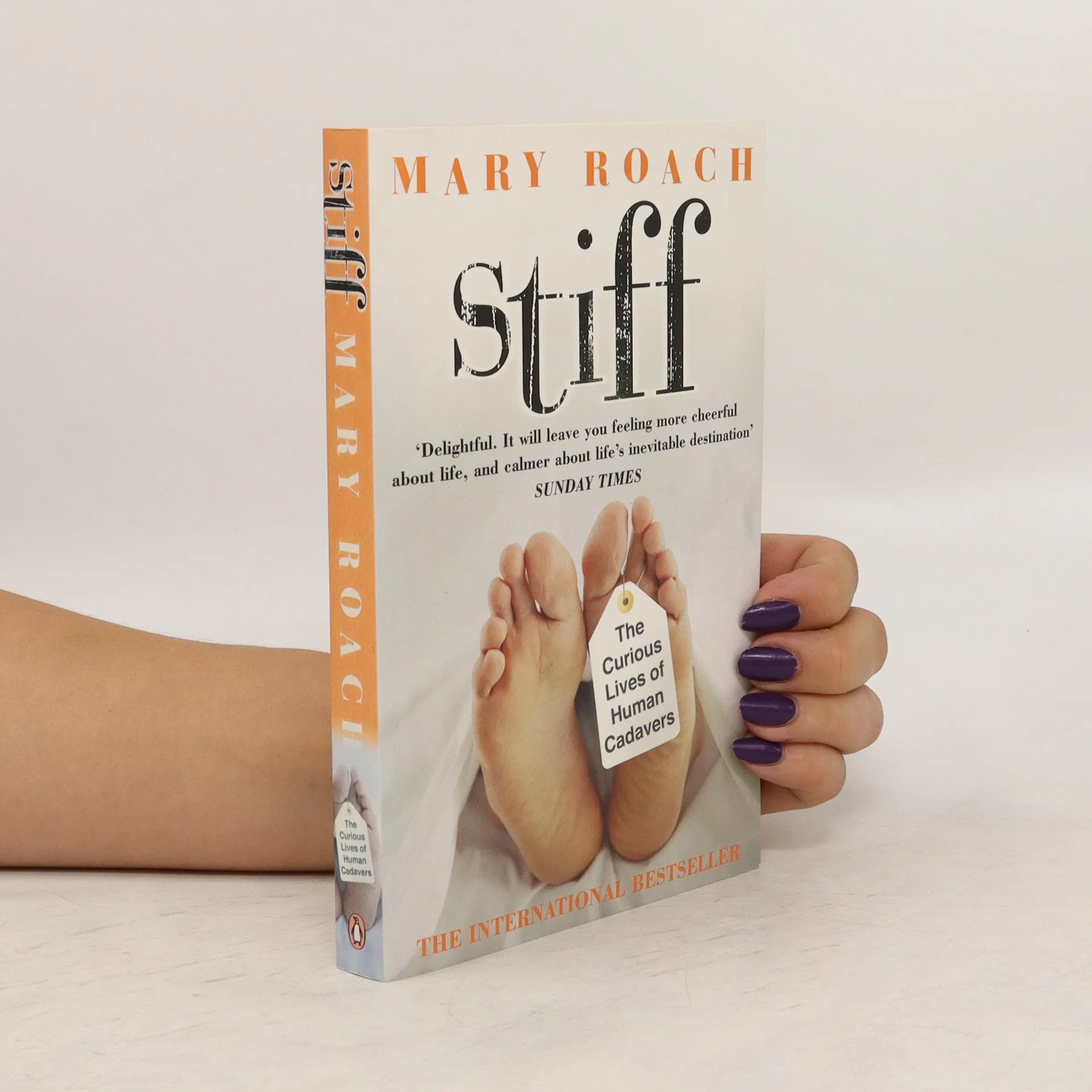
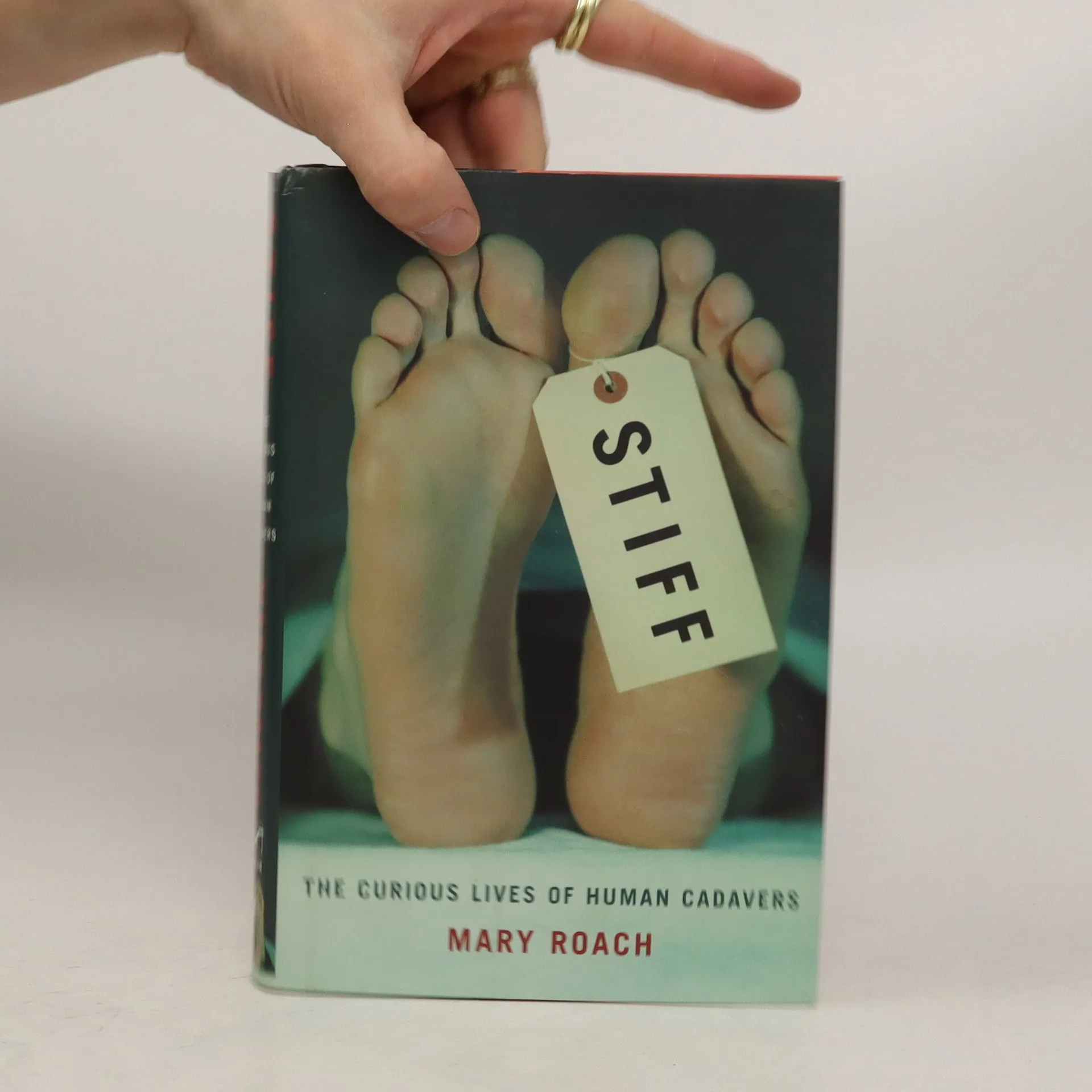
What happens to your body after you have died? Fertilizer? Crash Test Dummy? Human Dumpling? Ballistics Practise?Life after death is not as simple as it looks. Mary Roach's Stiff lifts the lid off what happens to our bodies once we have died. Bold, original and with a delightful eye for detail, Roach tells us everything we wanted to know about this new frontier in medical science. Interweaving present-day explorations with a history of past attempts to study what it means to be human Stiff is a deliciously dark investigations for readers of popular science as well as fans of the macabre
Packing for Mars
- 293bladzijden
- 11 uur lezen
Space is devoid of the stuff humans need to live: air, gravity, hot showers, fresh veg, privacy, beer. How much can a person give up? What happens when you can't walk for a year? Is sex any fun in zero gravity? As Mary Roach discovers, it's possible to explore space without ever leaving Earth. From the space shuttle training toilet to a 17,000-mile-per-hour crash test of NASA's space capsule, she takes us on a surreally entertaining trip into the science of living in space.
Grunt
- 288bladzijden
- 11 uur lezen
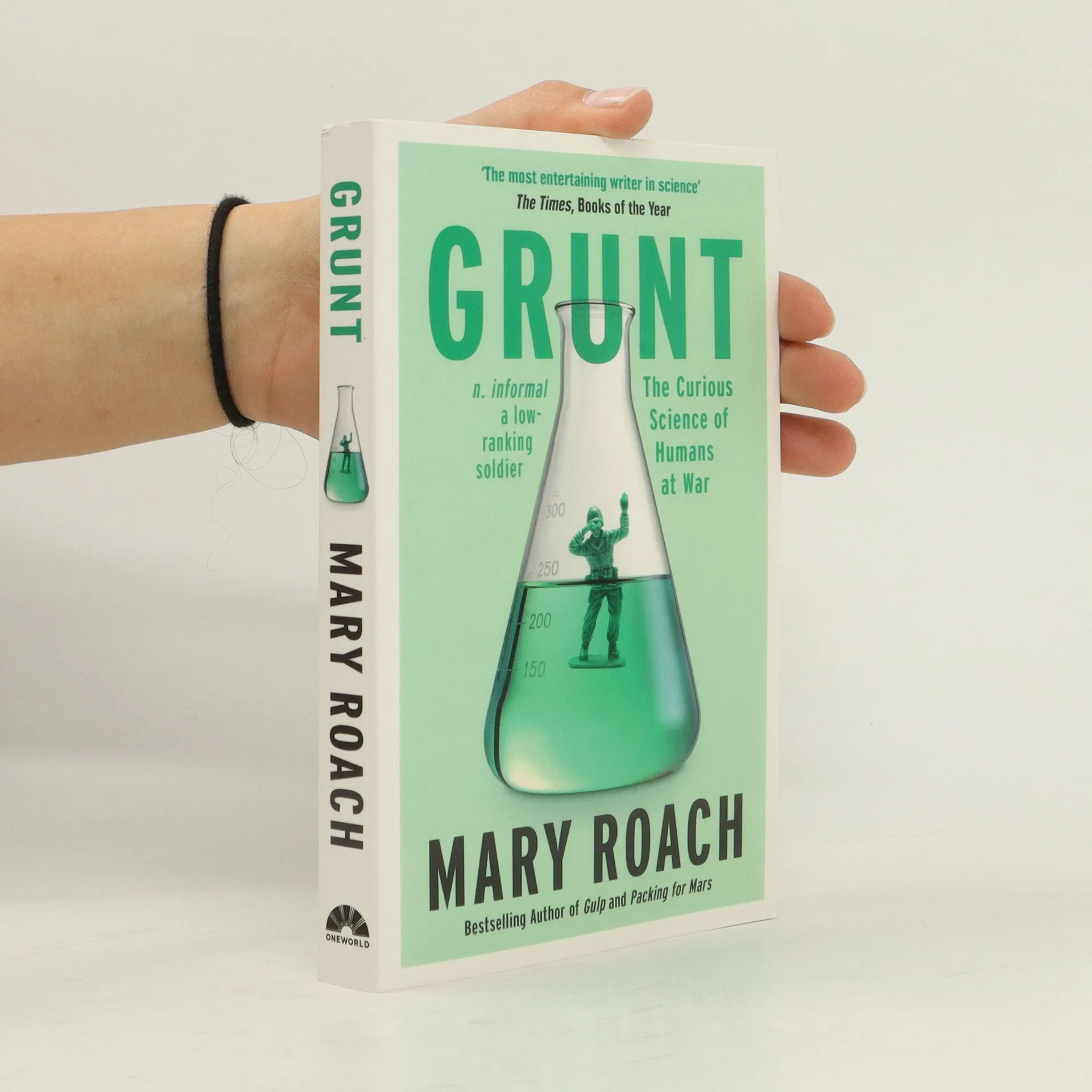
Mention it and most of us think of history, of conflicts on foreign soil, of heroism and compromise, of strategy and weapons. But there's a whole other side to the gruesome business of the battlefield. In Grunt, the inimitable Mary Roach explores the science of keeping human beings intact, awake, sane, uninfected and uninfested in the bizarre and extreme circumstances of war.Setting about her task with infectious enthusiasm, she sniffs World War II stink bombs, tests earplugs in a simulated war zone and burns the midnight oil with the crew of a nuclear submarine. Speaking to the scientists and the soldiers, she learns about everything from life-changing medical procedures to innovations as esoteric as firing dead chickens at fighter jets. Engrossing, insightful and laugh-out-loud funny, this is an irresistible ride to the wilder shores of modern military life.
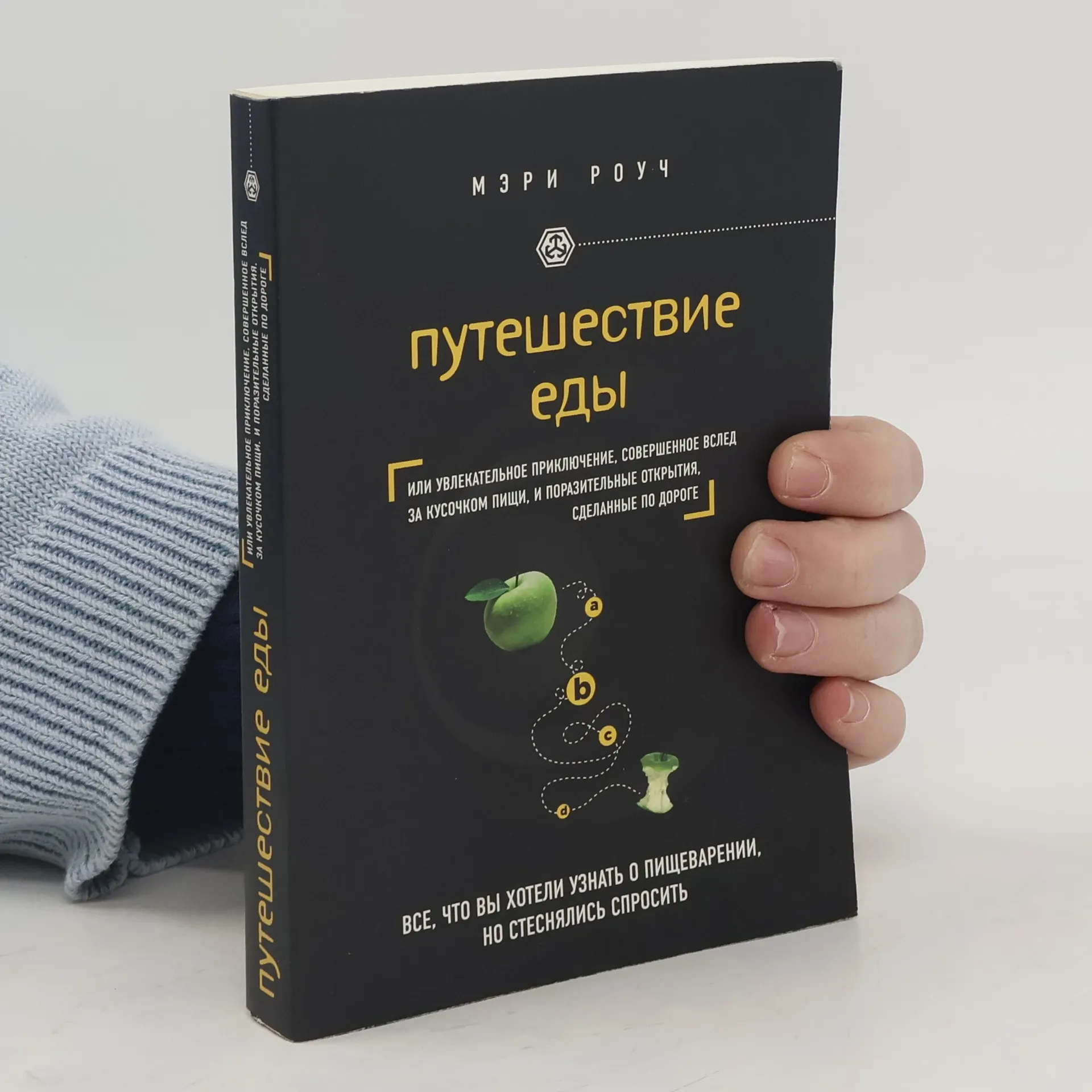
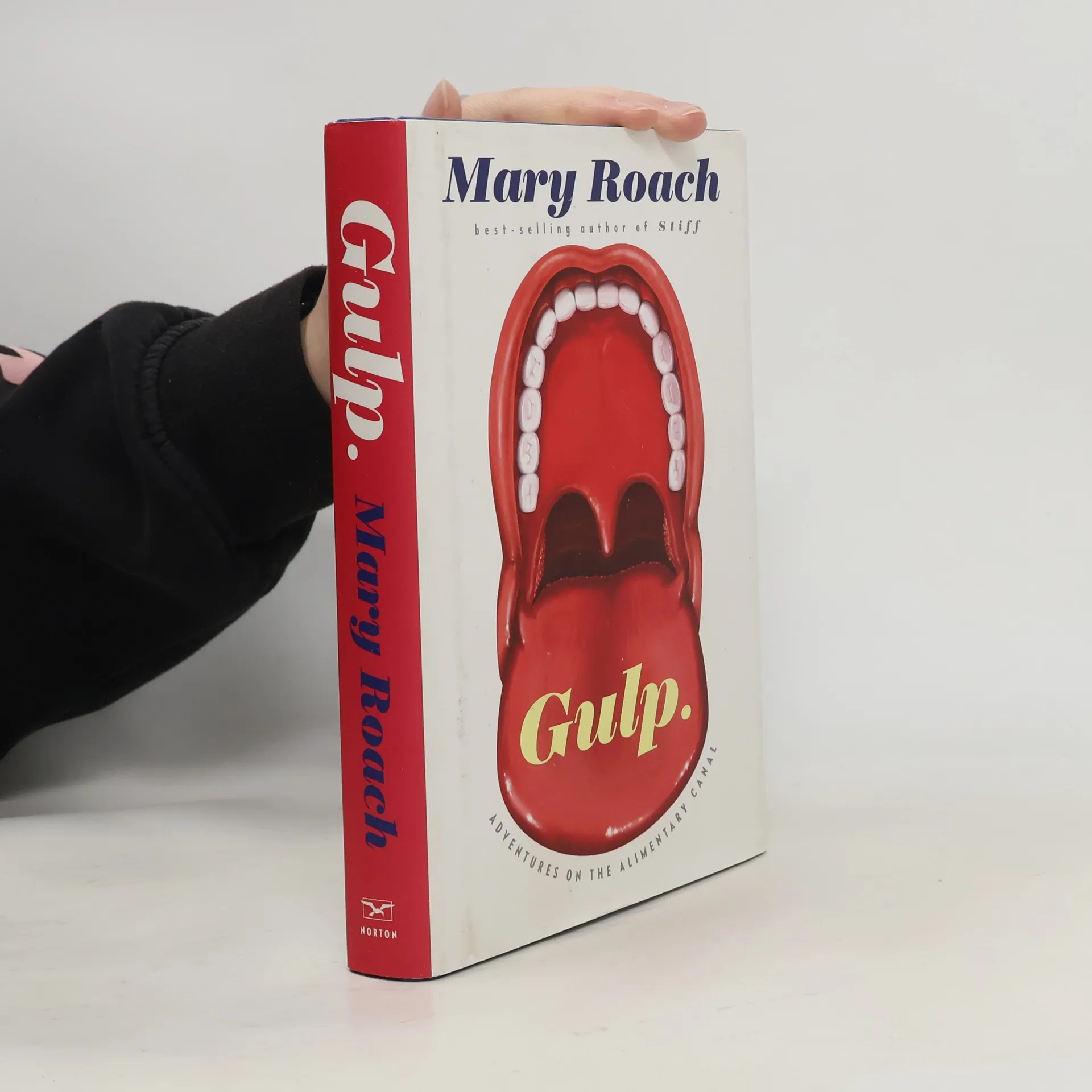
“America’s funniest science writer” (Washington Post) takes us down the hatch on an unforgettable tour. The alimentary canal is classic Mary Roach terrain: the questions explored in Gulp are as taboo, in their way, as the cadavers in Stiff and every bit as surreal as the universe of zero gravity explored in Packing for Mars. Why is crunchy food so appealing? Why is it so hard to find words for flavors and smells? Why doesn’t the stomach digest itself? How much can you eat before your stomach bursts? Can constipation kill you? Did it kill Elvis? In Gulp we meet scientists who tackle the questions no one else thinks of—or has the courage to ask. We go on location to a pet-food taste-test lab, a fecal transplant, and into a live stomach to observe the fate of a meal. With Roach at our side, we travel the world, meeting murderers and mad scientists, Eskimos and exorcists (who have occasionally administered holy water rectally), rabbis and terrorists—who, it turns out, for practical reasons do not conceal bombs in their digestive tracts. Like all of Roach’s books, Gulp is as much about human beings as it is about human bodies.
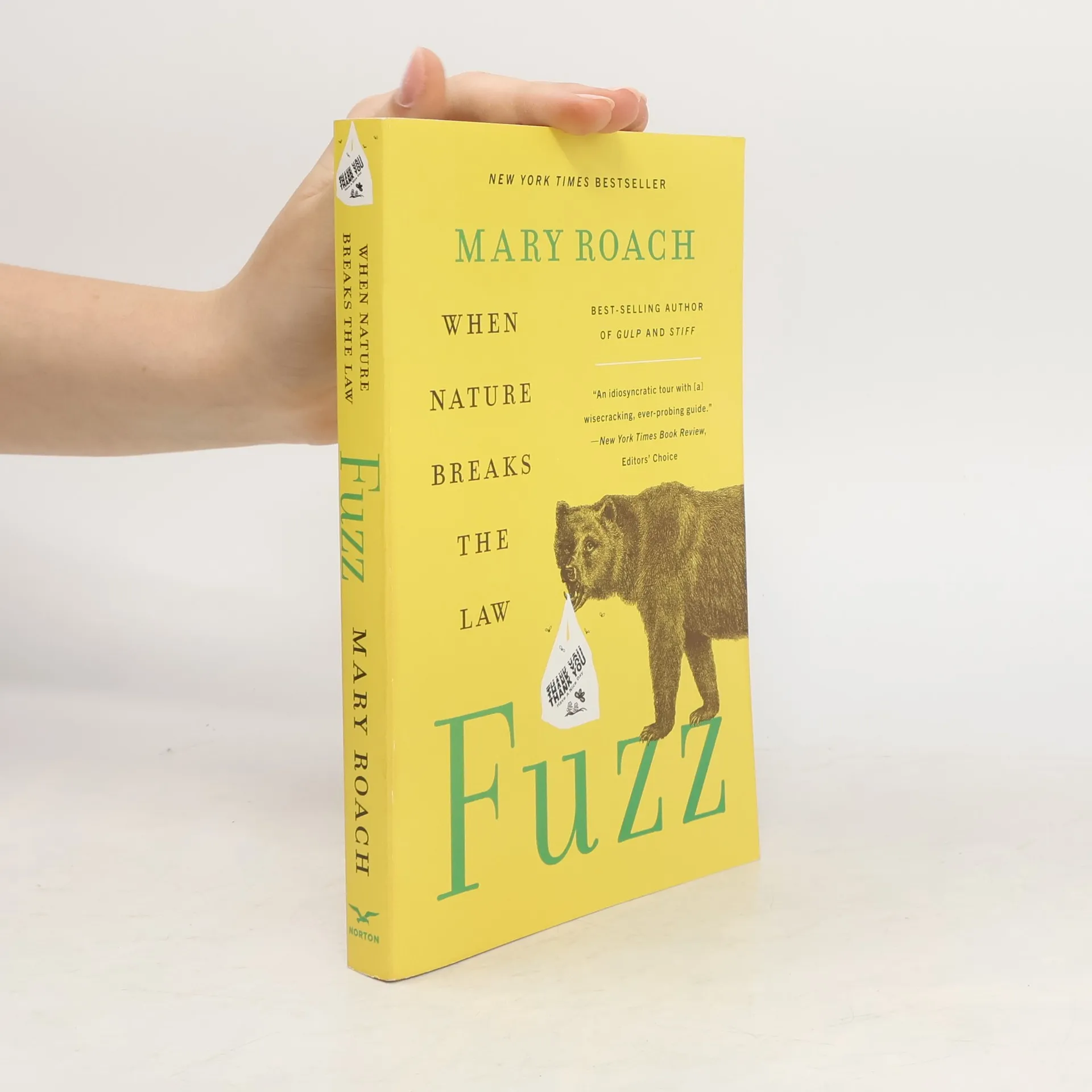
Fuzz. When Nature Breaks the Law
- 320bladzijden
- 12 uur lezen
What’s to be done about a jaywalking moose? A bear caught breaking and entering? A murderous tree? Three hundred years ago, animals that broke the law would be assigned legal representation and put on trial. These days, as New York Times best-selling author Mary Roach discovers, the answers are best found not in jurisprudence but in science: the curious science of human-wildlife conflict, a discipline at the crossroads of human behavior and wildlife biology. Roach tags along with animal-attack forensics investigators, human-elephant conflict specialists, bear managers, and "danger tree" faller blasters. Intrepid as ever, she travels from leopard-terrorized hamlets in the Indian Himalaya to St. Peter’s Square in the early hours before the pope arrives for Easter Mass, when vandal gulls swoop in to destroy the elaborate floral display. She taste-tests rat bait, learns how to install a vulture effigy, and gets mugged by a macaque. Combining little-known forensic science and conservation genetics with a motley cast of laser scarecrows, langur impersonators, and trespassing squirrels, Roach reveals as much about humanity as about nature’s lawbreakers. When it comes to "problem" wildlife, she finds, humans are more often the problem—and the solution. Fascinating, witty, and humane, Fuzz offers hope for compassionate coexistence in our ever-expanding human habitat.
Roach takes a magnifying glass to everyday life, exposing moments of hilarity in the mundane and revealing amusing musings about marriage, automated customer service, and mazelike bargain stories
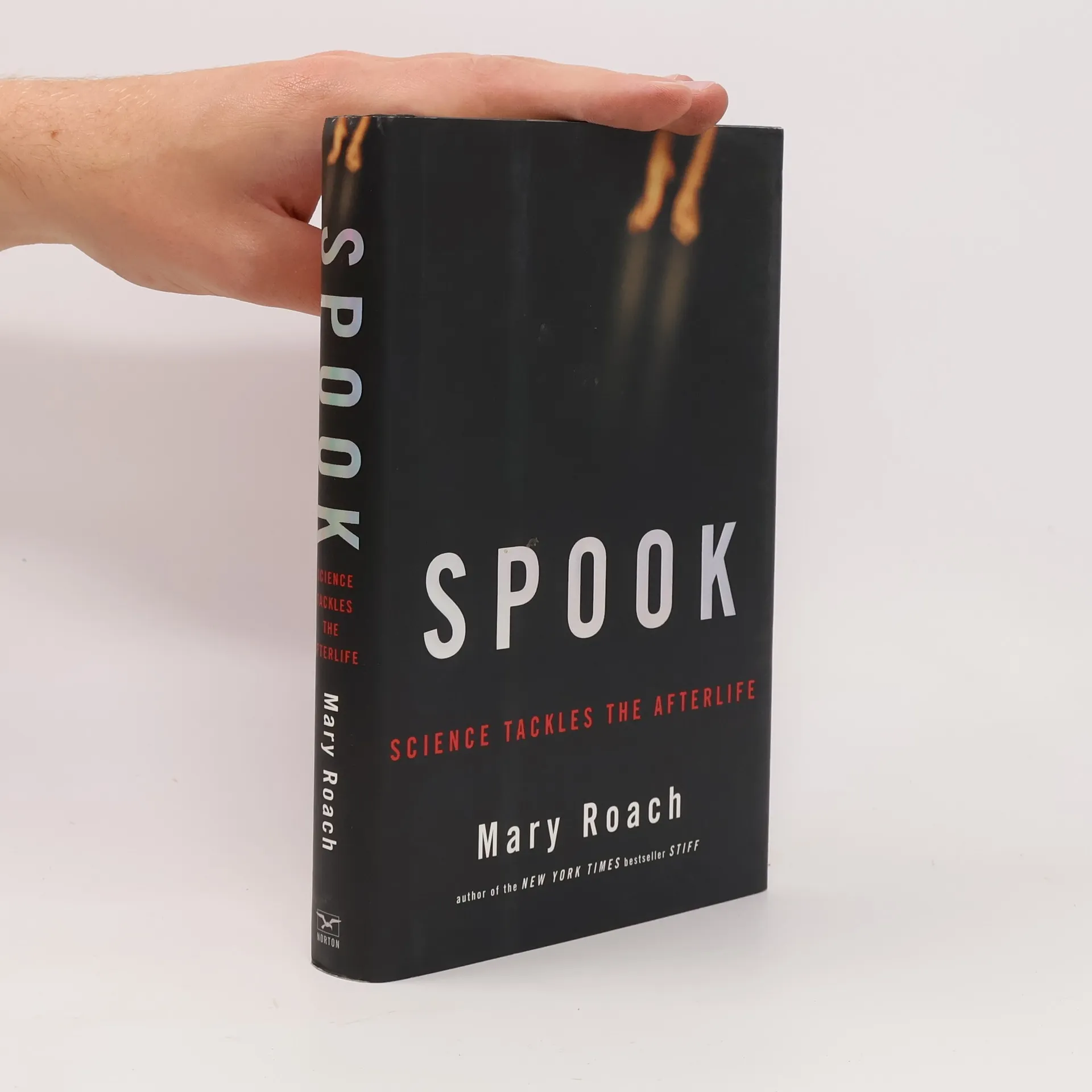
Spook : science tackles the afterlife
- 288bladzijden
- 11 uur lezen
Draws on the achievements of scientists, engineers, and mediums to consider the feasibility of life after death, from a reincarnation researcher's experimentation with out-of-body experiences to laboratory investigations into ghosts.
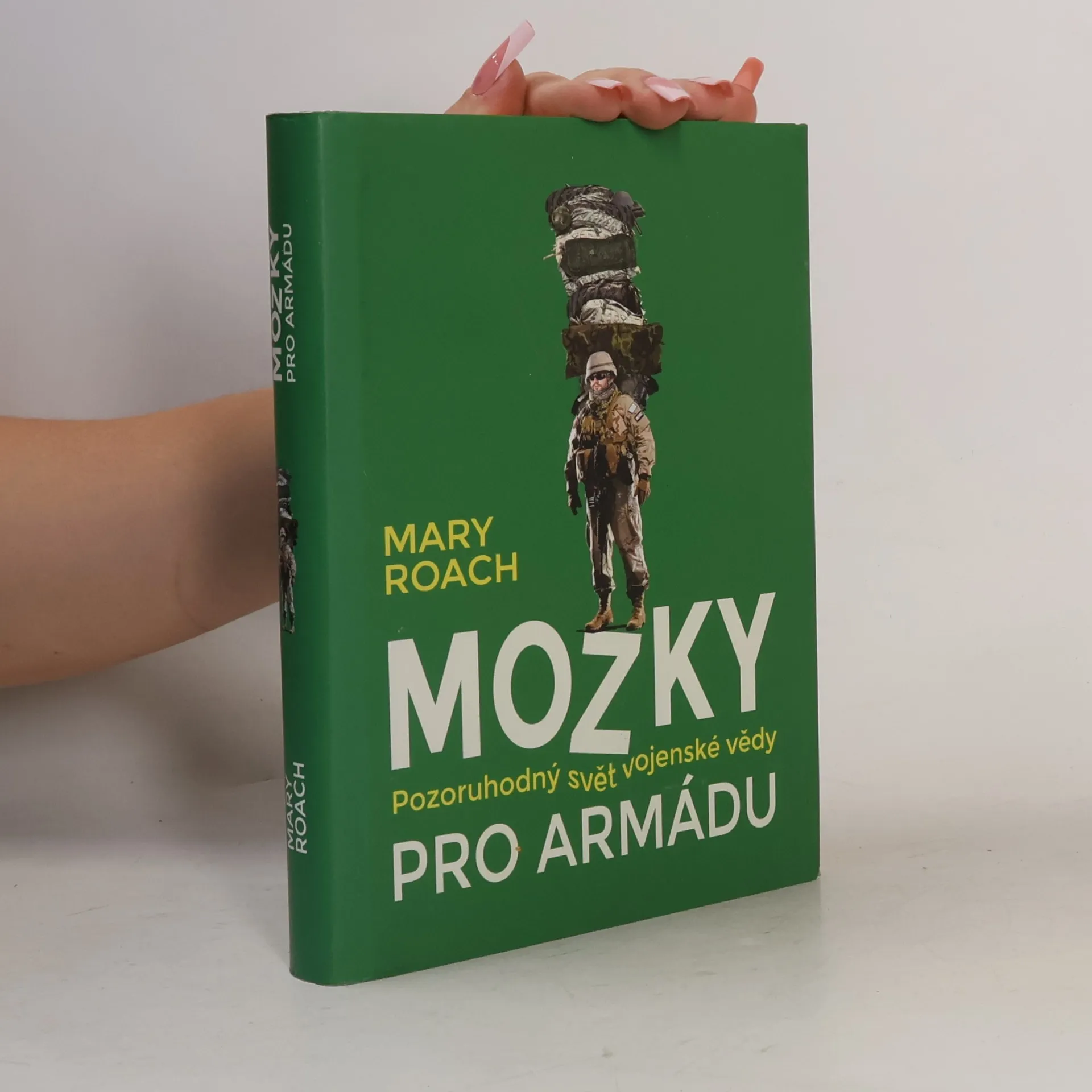
Jak to udělat, aby lidské bytosti i v extrémních podmínkách války zůstaly živé, bdělé, příčetné, zdravé a neprolezlé parazity? Tato pozoruhodná kniha seznamuje čtenáře se světem vojenské vědy a s vědci, kteří bojují proti jedněm z nejúkladnějších nepřátel dnešních vojáků – panice, vyčerpání, vedru nebo třeba hluku. V rámci zkoumání poškození sluchu a jeho vlivu na bojové schopnosti uskakuje autorka nepřátelské palbě po boku paintballového týmu amerických mariňáků. Vypravuje se do módního návrhářského studia armádní výzkumné základny v Naticku, aby se dozvěděla, proč zipy představují pro odstřelovače problém. Navštíví někdejší filmové studio, kde si budoucí medici cvičí ošetřování bojových ranění na hercích s amputovanými končetinami. Odpovídá na otázky, které v žádné jiné knize věnované vojenství nenajdete: Proč se výzkumná agentura DARPA zajímá o kachny? V čem svatební šaty připomínají pyrotechnický oblek? Proč jsou pro námořníky nebezpečnější krevety než žraloci?
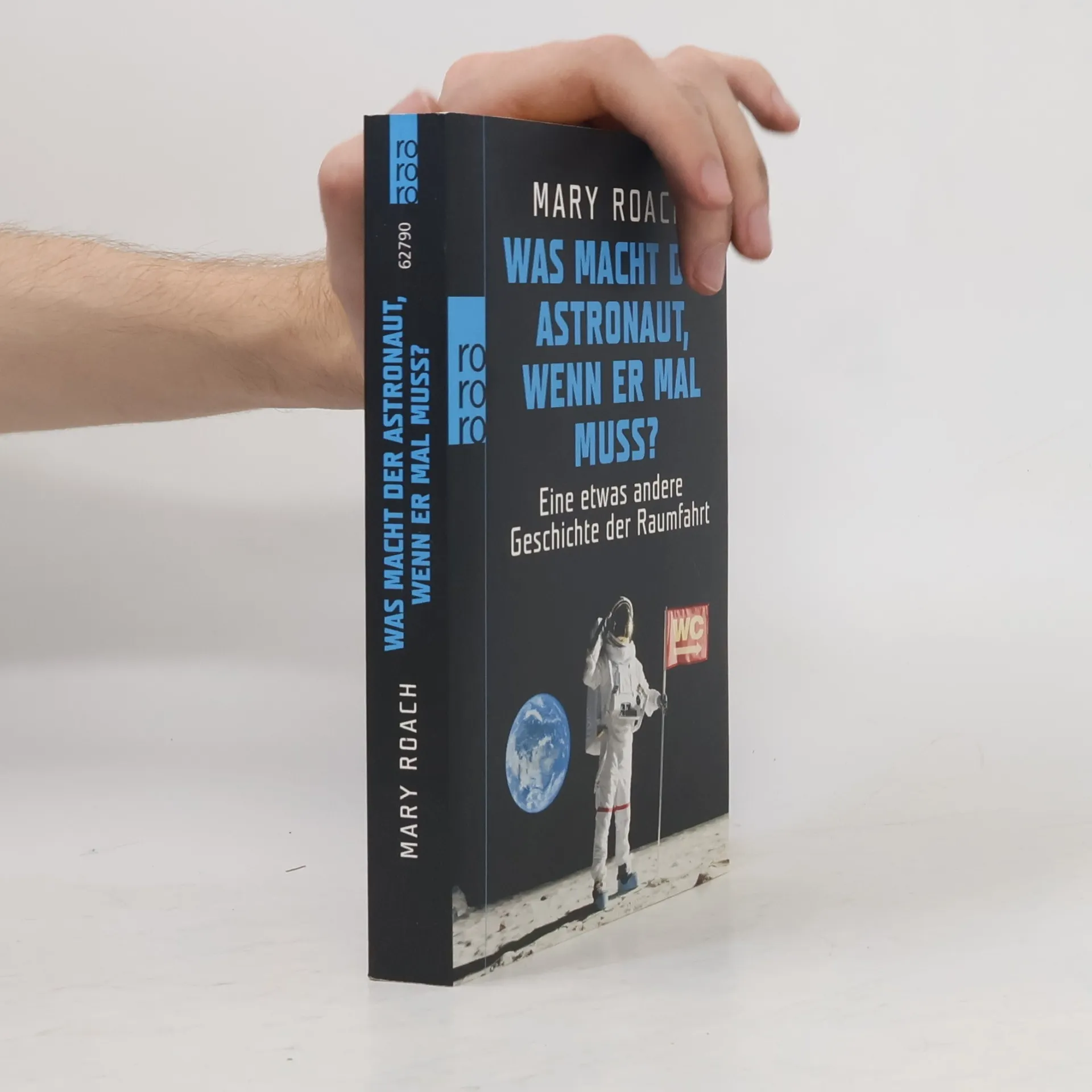
Mary Roach beleuchtet in „Houston, wir haben einen Pilz!“ das Leben von Astronauten in der Schwerelosigkeit. Sie behandelt Themen wie Enge, Ernährung, Hygiene und Privatsphäre im All und wirft einen humorvollen Blick auf die menschlichen Erfahrungen in der Raumfahrt. Ein faszinierendes und menschliches Porträt.
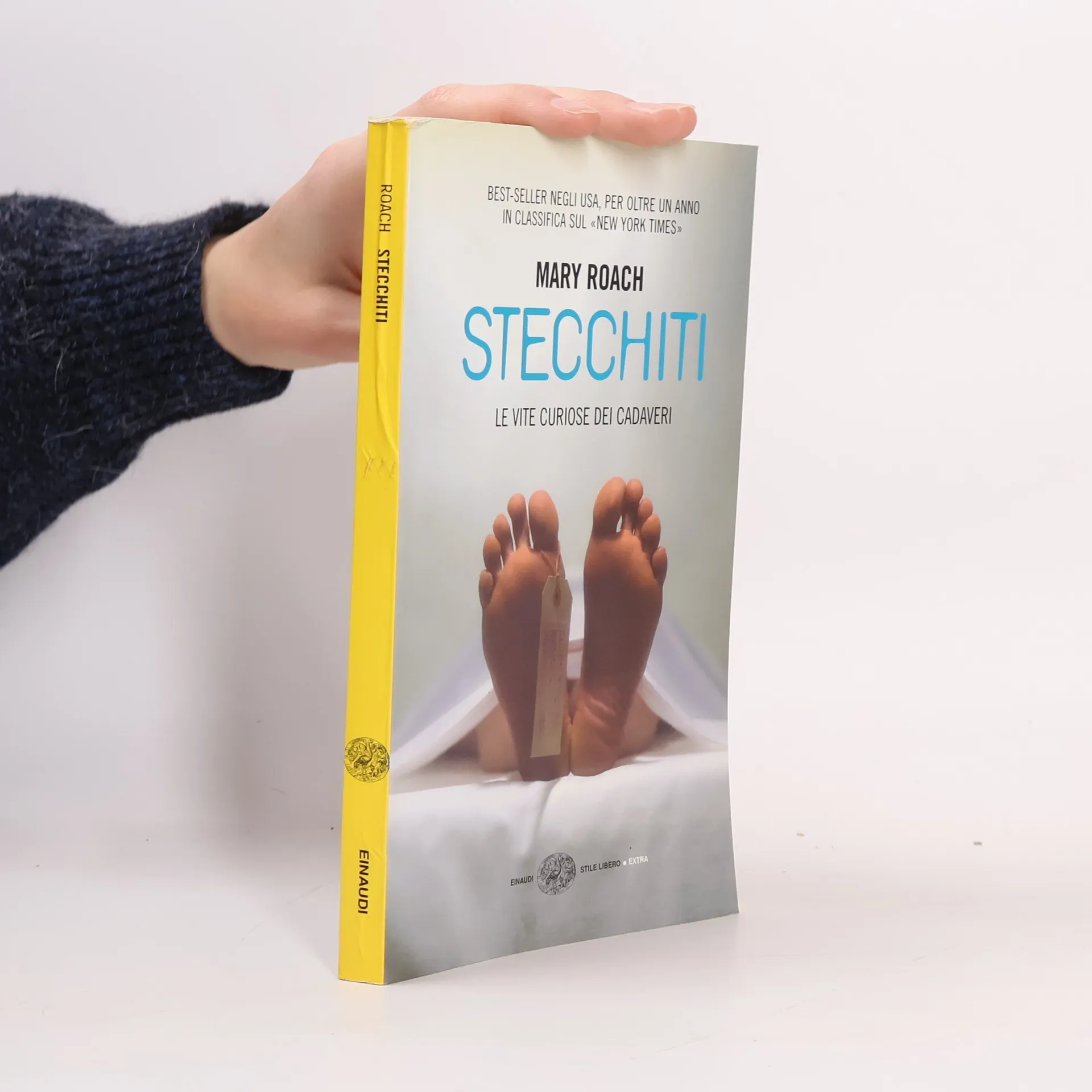
Mai una materia in apparenza così macabra aveva dato origine a un libro così rigoroso, e al tempo stesso divertito, irriverente, perfino comico. Un libro che trasforma uno dei tabù della nostra epoca in un'occasione di riflessione storica e di grande attualità.