Koop 10 boeken voor 10 € hier!
Bookbot

Pierre Augustin Caron de Beaumarchais

    24 januari 1732 – 18 mei 1799

    Pierre-Augustin Caron de Beaumarchais was een Franse toneelschrijver wiens invloed zich uitstrekte van uurwerkmakerij tot revolutie. Zijn theatrale werken, met name de Figaro-stukken, kregen de grootste erkenning en worden nog steeds geprezen om hun geestigheid en sociale commentaar. Beaumarchais' carrière was opmerkelijk veelzijdig, met rollen als diplomaat, spion en wapenhandelaar, wat de turbulente tijd waarin hij leefde weerspiegelt. Zijn betrokkenheid bij de ondersteuning van de Amerikaanse onafhankelijkheid en zijn deelname aan de beginfase van de Franse Revolutie onderstrepen zijn actieve rol in de politieke stromingen van zijn tijd.

    Pierre Augustin Caron de Beaumarchais
    Le mariage du Figaro
    Le mariage de Figaro
    Die Figaro-Trilogie
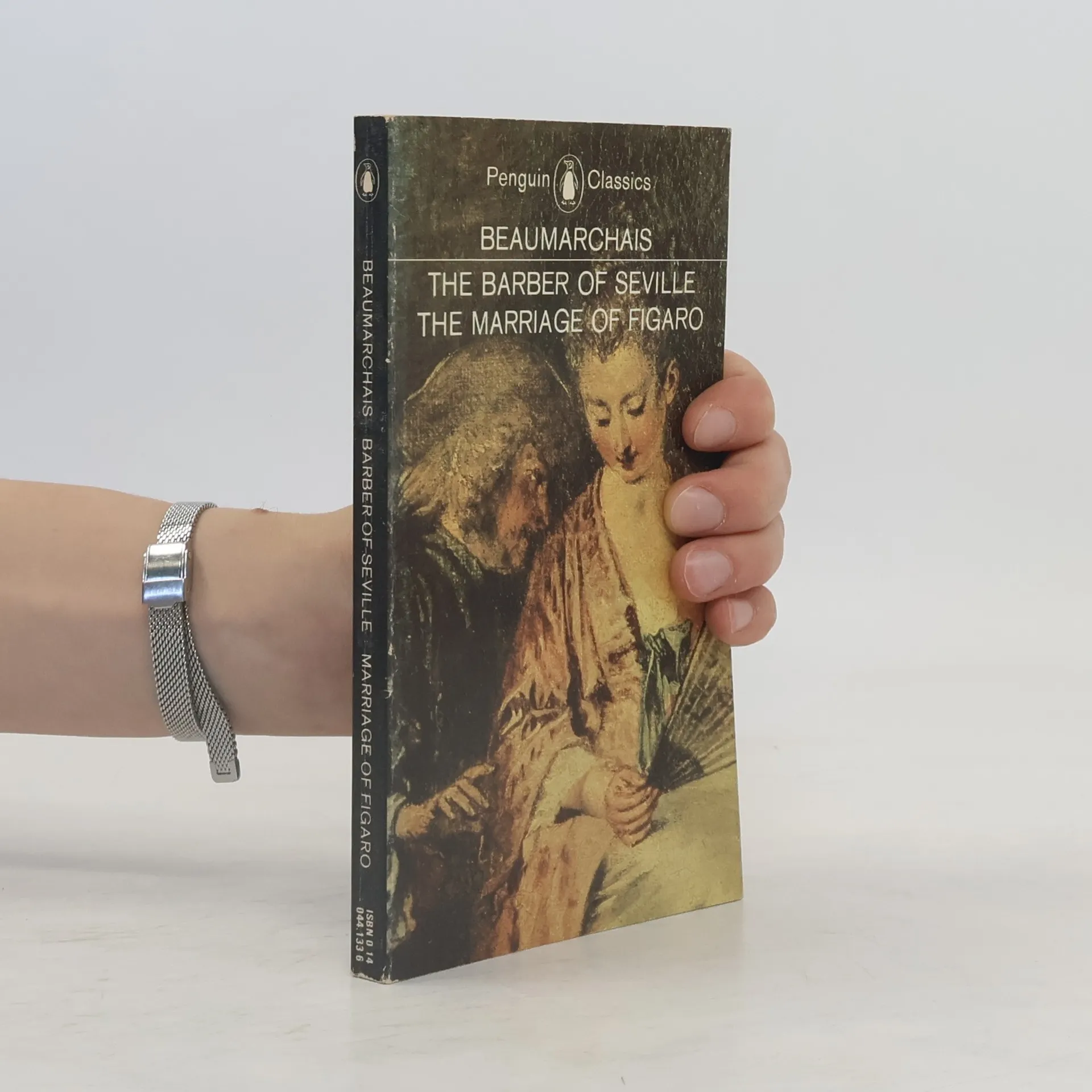
    The Barber of Seville and the Marriage of Figaro
    The Figaro Trilogy
    The Figaro Plays
    • [Beaumarchais'] fame rests on Le Barbier de Seville (1775) and Le Mariage de Figaro (1784), the only French plays which his stage-struck century bequeathed to the international repertoire. But his achievement has been adulterated, for 'Beaumarchais' has long been the brand name of a product variously reprocessed by Mozart, Rossini, and the score or so librettists and musicians who have perpetuated his plots, his characters, and his name. The most intriguing question of all has centered on his role as catalyst of the Revolution. Was his impertinent barber the Sweeney Todd of the Ancien Régime, the true begetter of the guillotine? . . . Beaumarchais' plays have often seemed to need the same kind of shoring up as his reputation, as though they couldn't stand on their own without a scaffolding of good tunes. Yet, as John Wells' lively and splendidly speakable translations of the Barber, the Marriage, and A Mother's Guilt demonstrate, they need assistance from no one. [Beaumarchais] thought of the three plays as a trilogy. Taken together, they reflect, as John Leigh's commentaries make clear, the Ancien Régime's unstoppable slide into revolution. --David Coward in The London Review of Books

      The Figaro Plays
    • The Figaro Trilogy

      • 352bladzijden
      • 13 uur lezen
      4,0(69)Tarief

      Originally published: Oxford World's Classic paperback, c2003.

      The Figaro Trilogy
    • A French courtier, secret agent, libertine and adventurer, Beaumarchais (1732-99) was also author of two sparkling plays about the scoundrelly valet Figaro triumphant successes that were used as the basis of operas by Mozart and Rossini. A highly engaging comedy of intrigue, The Barber of Seville portrays the resourceful Figaro foiling a jealous old man's attempts to keep his beautiful ward from her lover. And The Marriage of Figaro condemned by Louis XVI for its daring satire of nobility and privilege depicts a master and servant set in opposition by their desire for the same woman. With characteristic lightness of touch, Beaumarchais created an audacious farce of disguise and mistaken identity that balances wit, frivolity and seriousness in equal measure

      The Barber of Seville and the Marriage of Figaro
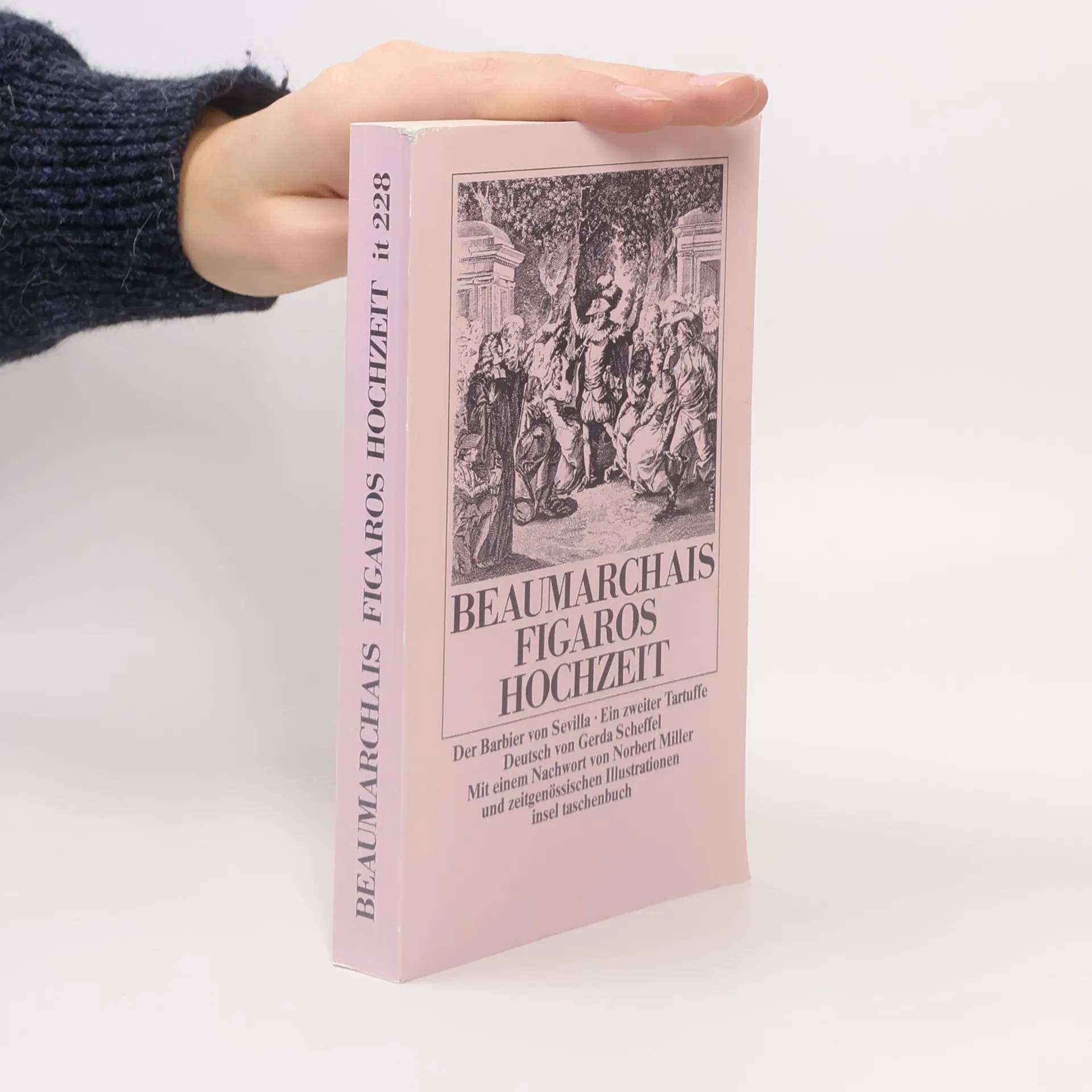
    • Beaumarchais' Komödie "Der tolle Tag oder Figaros Hochzeit" ist dem deutschen Publikum weniger bekannt als das Opernlibretto, das da Ponte für Mozart zu seiner berühmten Oper daraus gefertigt hat. Dabei gehören in Frankreich die Aufführungen dieses witzigen, wie der Autor selbst es treffend charakterisiert hat, "ebenso mit Geist wie mit Gerechtigkeit erfüllten" Stückes zu den größten Theatererfolgen.

      Die Figaro-Trilogie
    • Le texte intégral est accompagné d'une introduction présentant l'auteur, l'oeuvre (schéma narratif, sources littéraires, critiques) ainsi qu'un parcours thématique sur la vie au temps de Beaumarchais et les comédies permettant à l'élève d'approfondir sa réflexion.

      Le mariage de Figaro
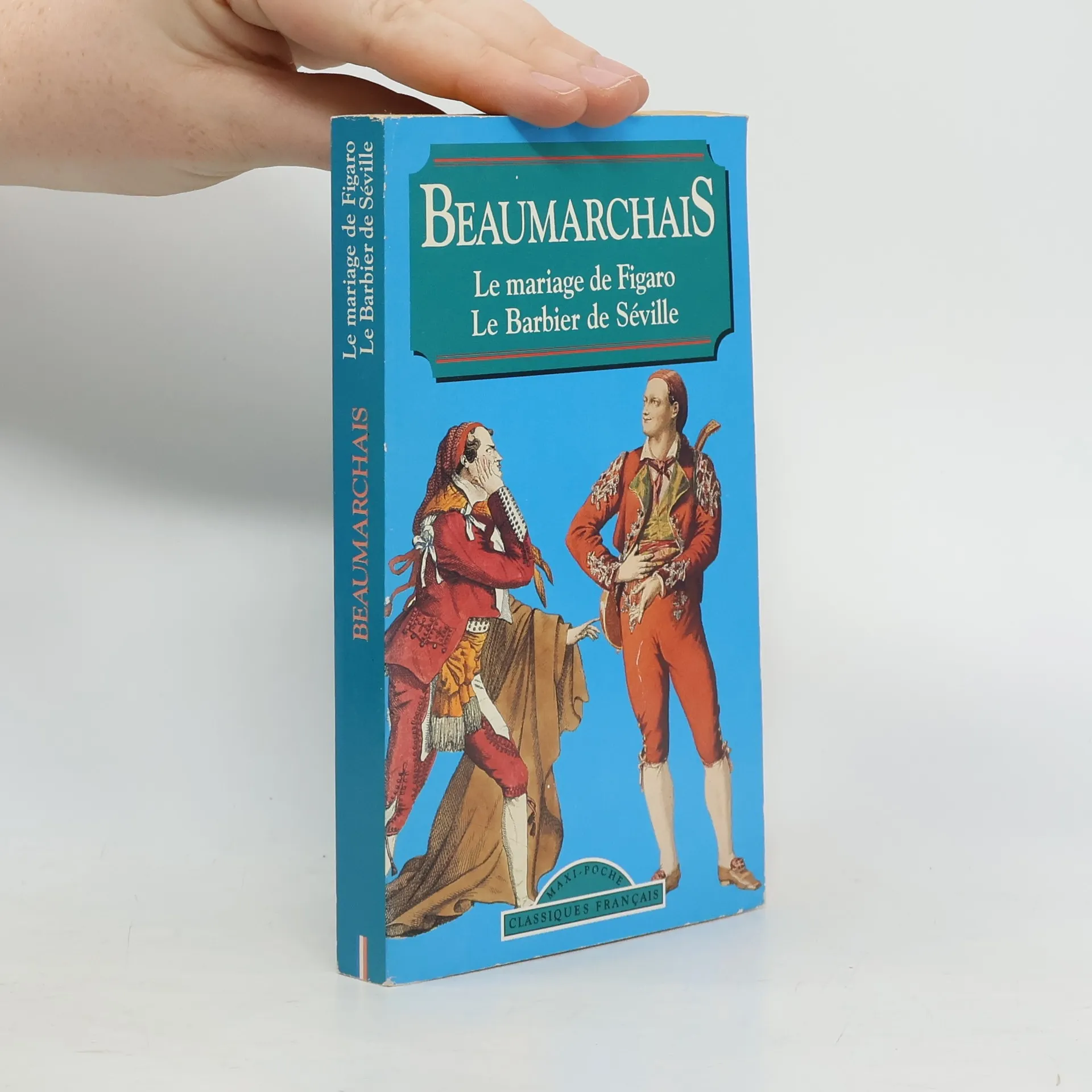
    • L'ingénieux et spirituel Figaro se marie ! Ce grand jour est cependant assombri par le libertinage du comte Almaviva, qui désire acheter les faveurs de sa fiancée avant la cérémonie. Goût de l'intrigue et mots d'esprit ne seront pas de trop pour faire triompher la justice et l'amour.

      Le mariage du Figaro
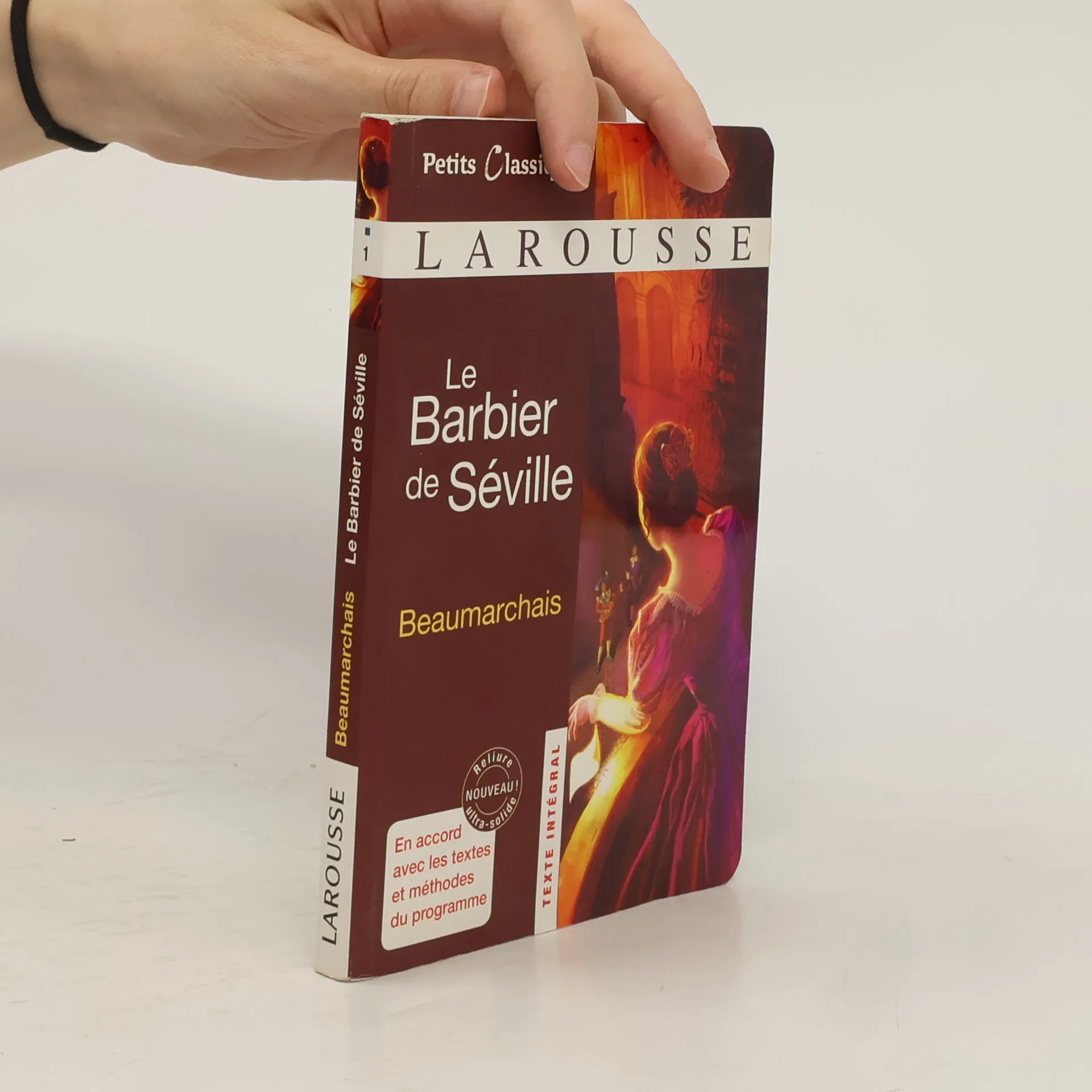
    • Un vieux bourgeois enferme dans sa maison une ingénue qu’il entend épouser. Un amoureux, avec l’aide de son rusé serviteur, soustrait la jeune fille à ce mariage forcé – et l’épouse lui-même.C’est un thème de comédie d’intrigue qui ne semble guère neuf. Et pourtant, en 1775, Beaumarchais, dans Le Barbier de Séville, en donne une illustration sautillante, virevoltante, qui suit le rythme de la danse et de la musique.Et voici Figaro-ci, Figaro-là, valet qui commence une belle carrière sur la scène.

      Le Barbier de Séville
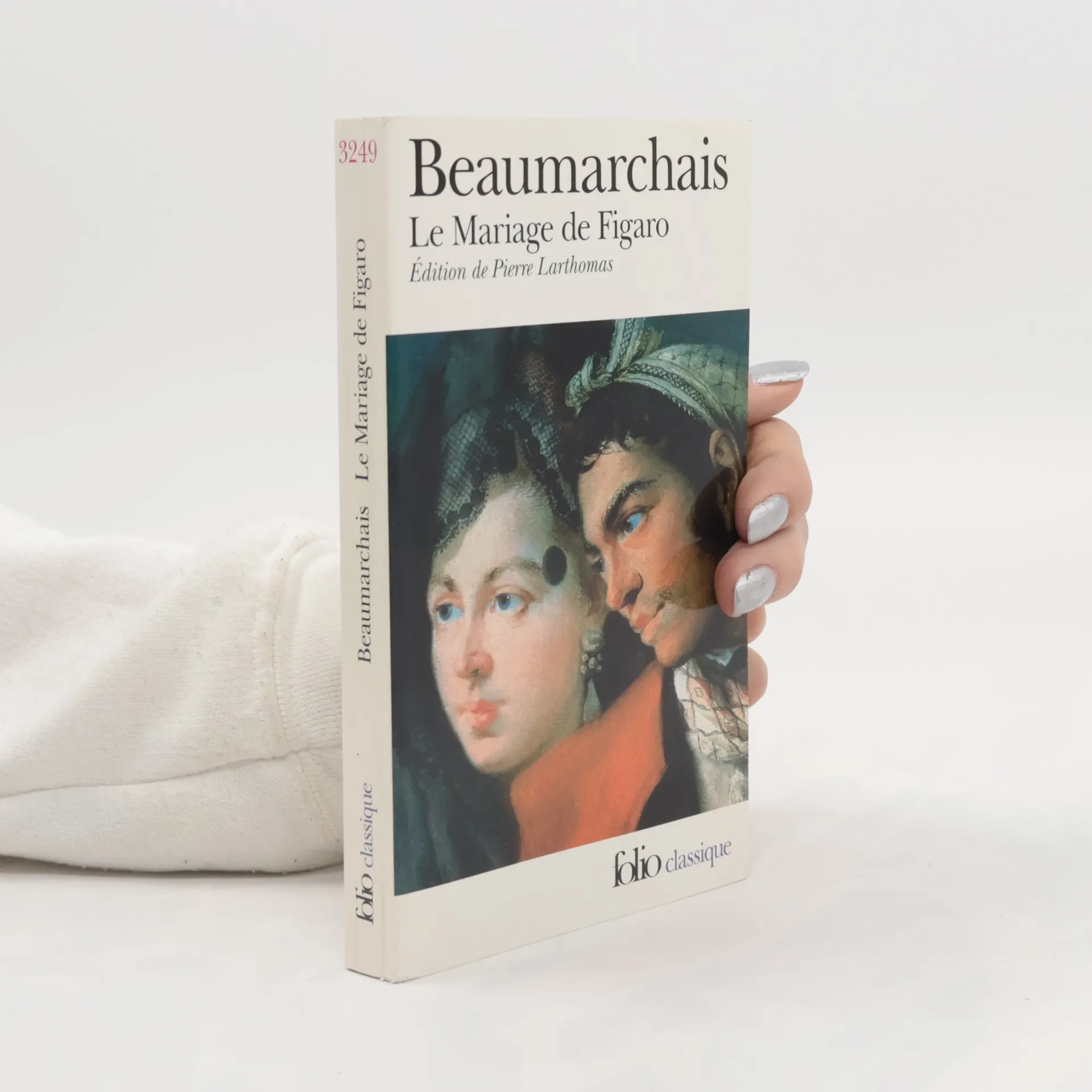
    • Folio Classique: Le Mariage de Figaro

      Édition de Pierre Larthomas

      • 258bladzijden
      • 10 uur lezen

      L'ingénieux et spirituel Figaro se marie ! Ce grand jour est cependant assombri par le libertinage du comte Almaviva, qui désire acheter les faveurs de sa fiancée avant la cérémonie. Goût de l'intrigue et mots d'esprit ne seront pas de trop pour faire triompher la justice et l'amour.

      Folio Classique: Le Mariage de Figaro
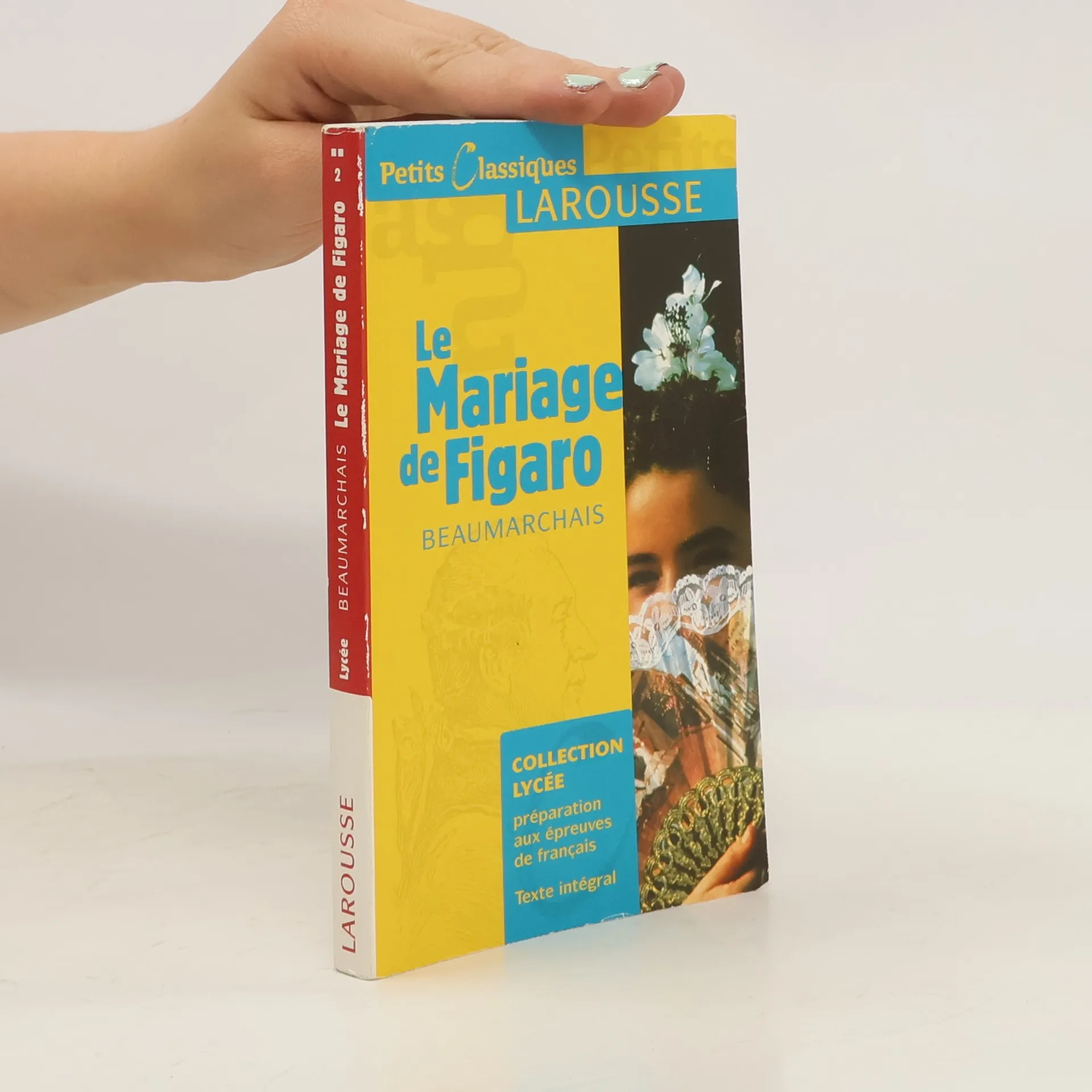
    • From the Classiques Larousse series. Upon its original release in 1784 this book was an unsurpassed triumph. Figaro, a rebellious manservant who intends to get married to Suzanne, outdares his master Almaviva, who tries for his part by every possible means to win the favors of Suzanne. This light comedy raised indignation but also enthusiasm.

      Petits Classiques - 2: La Mariage de Figaro