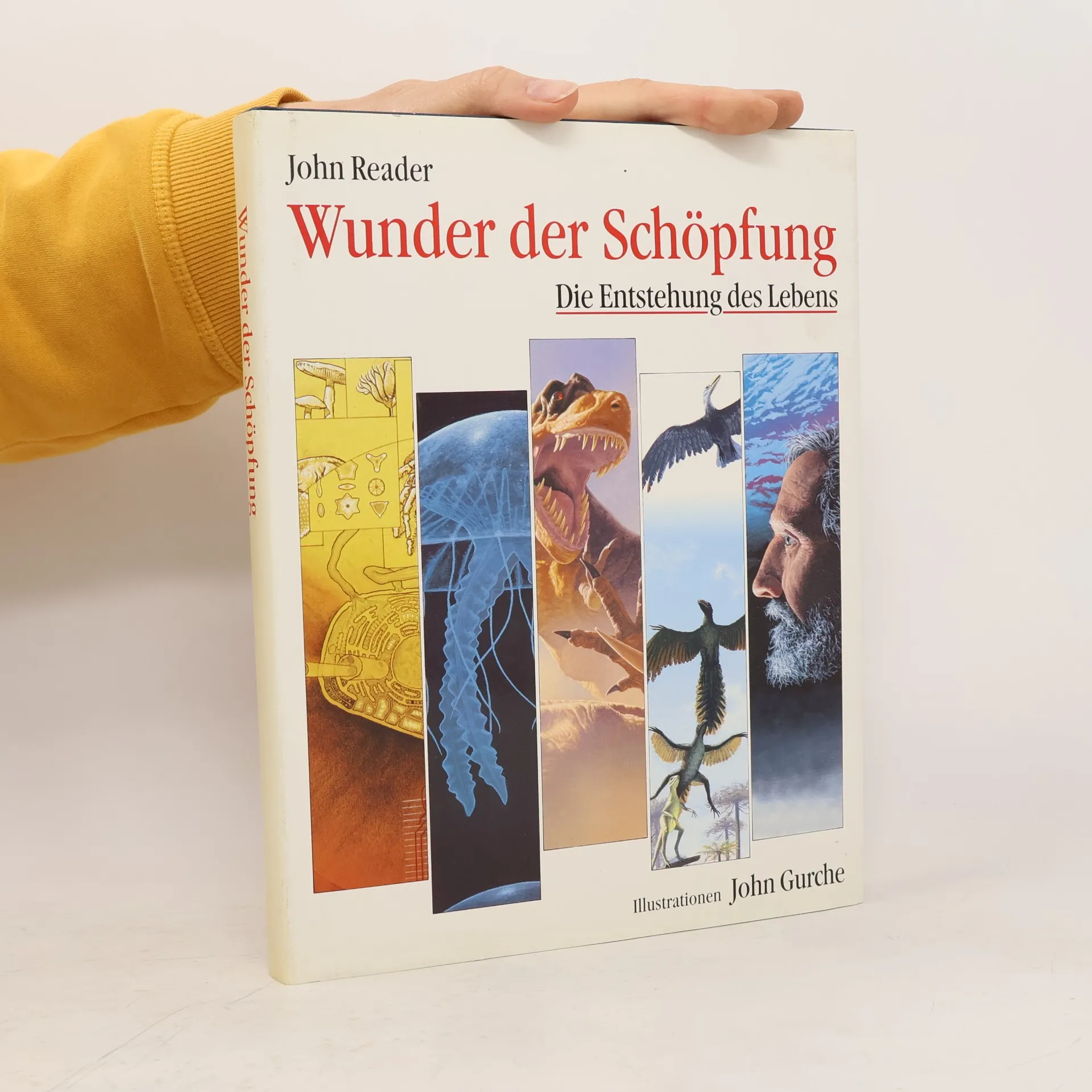
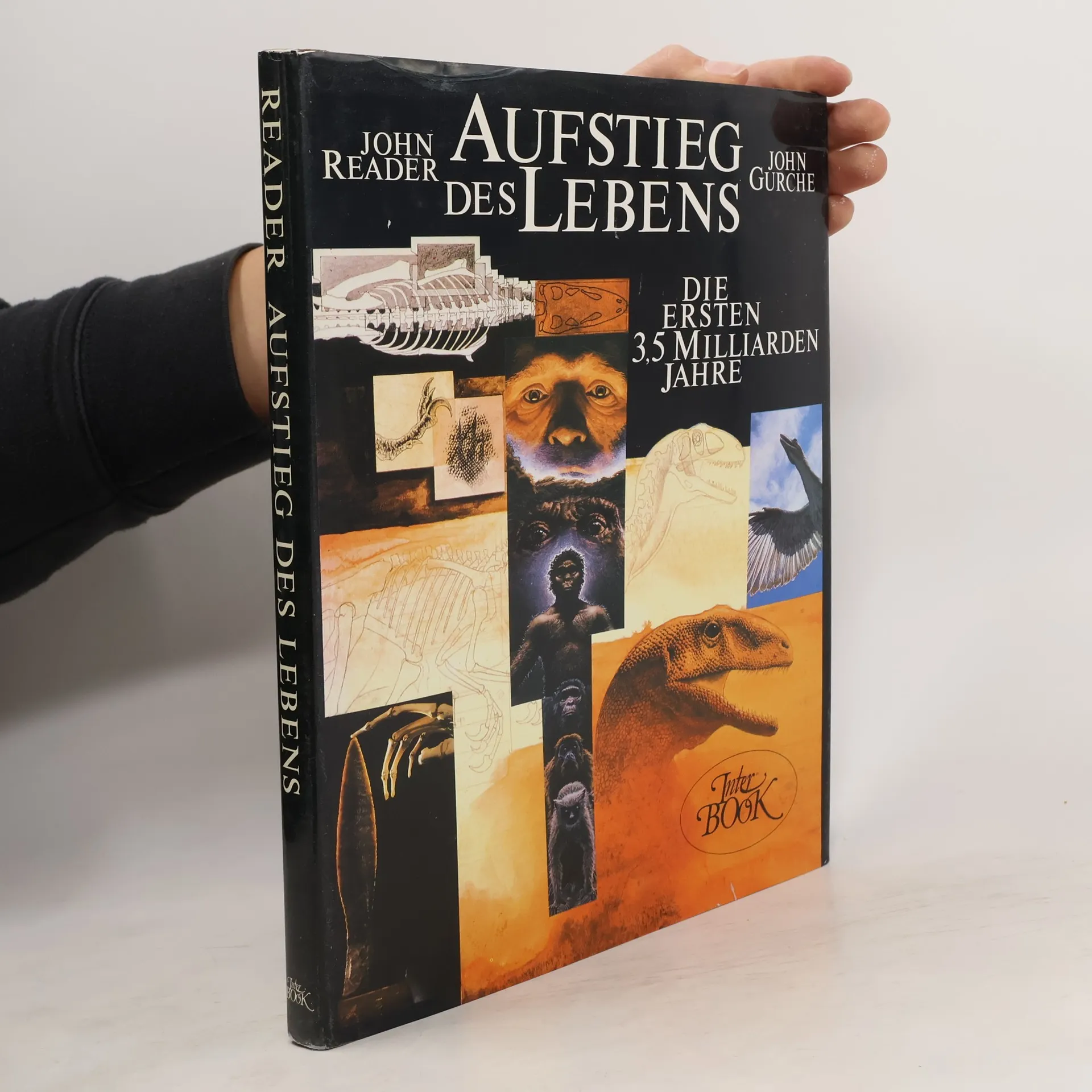
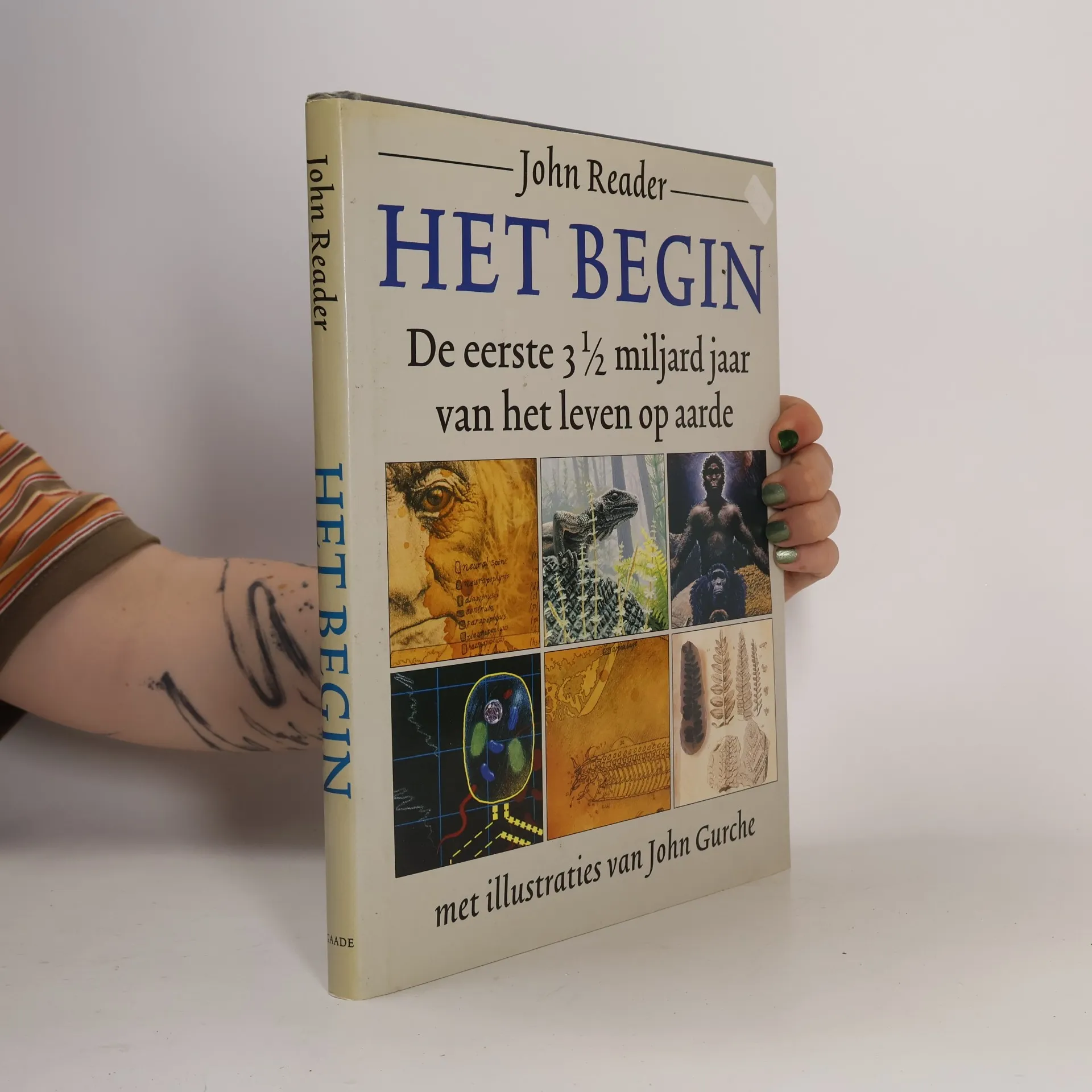
What was the Earth really like hundreds of millions of years ago? And how did life begin? From the first cell to the emergence of man, Reader presents the history of life as a fascinating detective story. As the milestones of evolution are described -- the first multicellular organisms, the first backbone, the first fish, the first land animals -- a host of intriguing questions are examined. For example, why did the dinosaurs disappear completely after ruling the Earth for 140 million years? Why also did some primitive branches of the human tree become extinct? Gurche's unique illustrations make the reader feel he or she is there.
John Reader Boeken
Dit werk is het resultaat van een samenwerking tussen twee auteurs die zich richten op hedendaagse maatschappelijke en kerkelijke kwesties. Ze onderzoeken de kruising van geloof en het dagelijks leven, met name binnen stedelijke en landelijke contexten. Hun wetenschap put uit een diep begrip van theologie en sociale wetenschappen om inzichten te bieden in de uitdagingen van de moderne samenleving. De nadruk ligt op de praktische toepassing van theologische principes in de echte wereld.


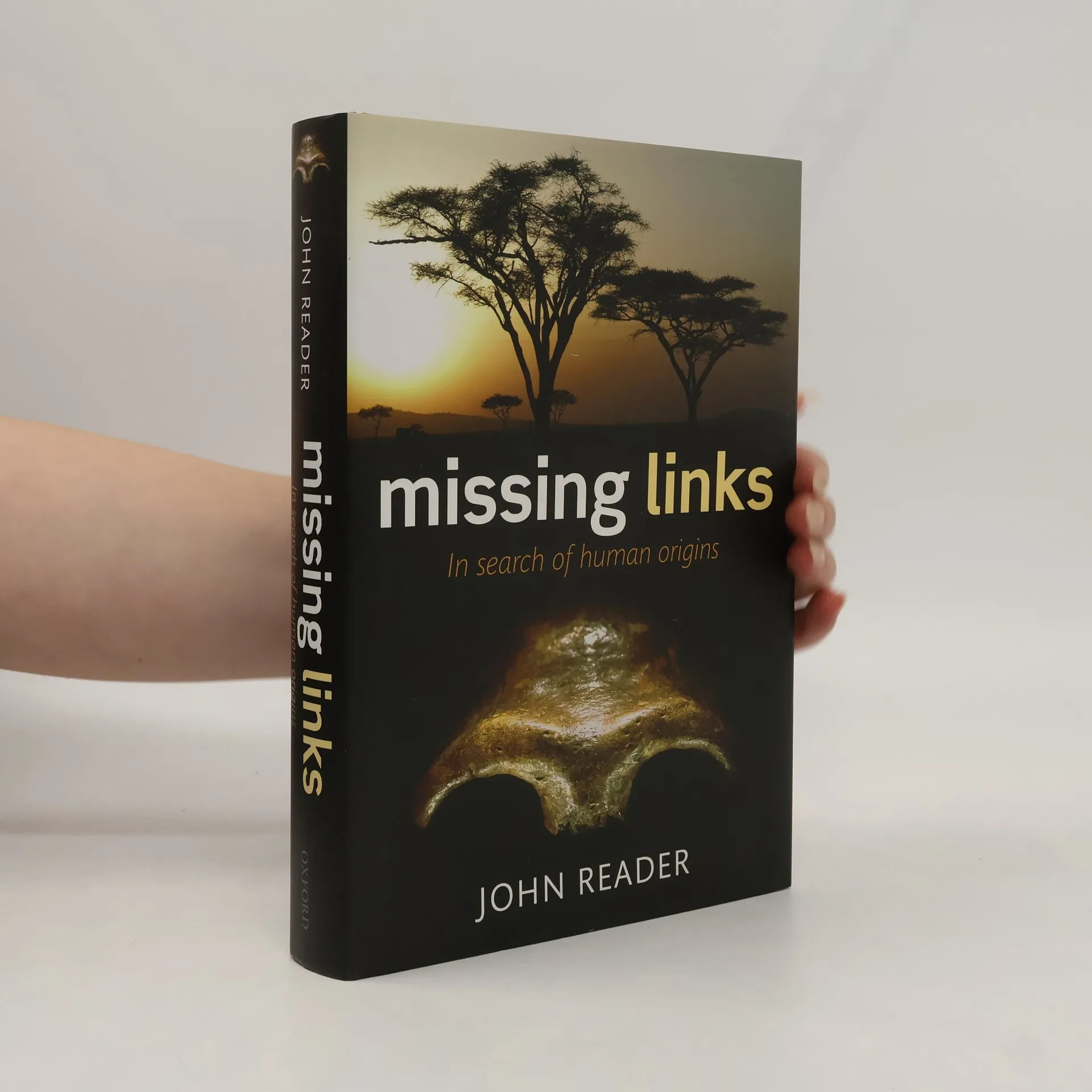
Missing Links: In Search of Human Origins
- 556bladzijden
- 20 uur lezen
Previous eds. published as: Missing links: the hunt for earliest man.
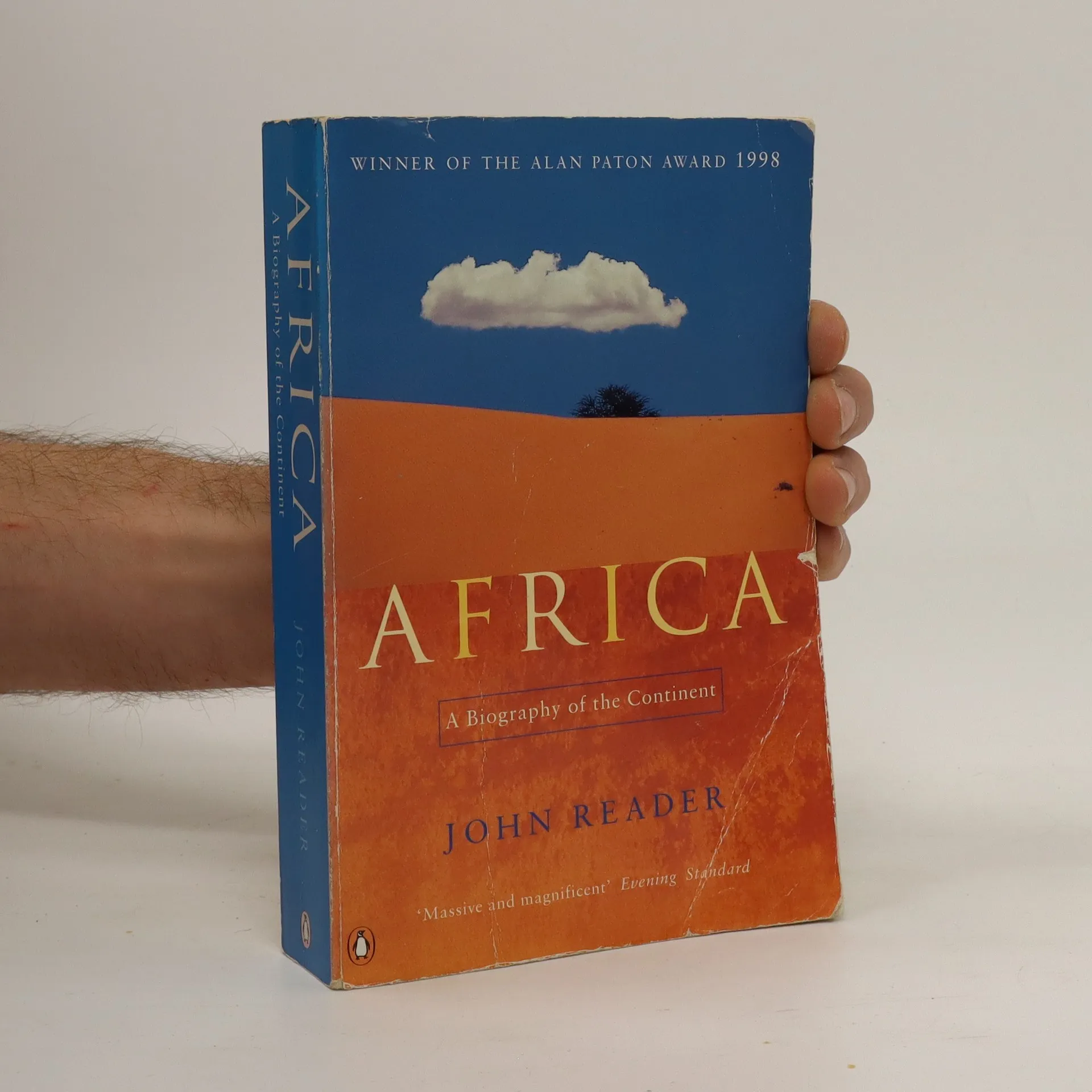
Africa
- 320bladzijden
- 12 uur lezen
A British writer/photojournalist brings to light Africa's geology and evolution, the majestic array of its geography and climates, the rich diversity of its peoples and their ways of life, and more, in a book as splendid in its wealth of information as it is breathtaking in scope. 57 photos. 8 maps.
Africa : a biography of the continent
- 816bladzijden
- 29 uur lezen
Includes bibliographical references and index.
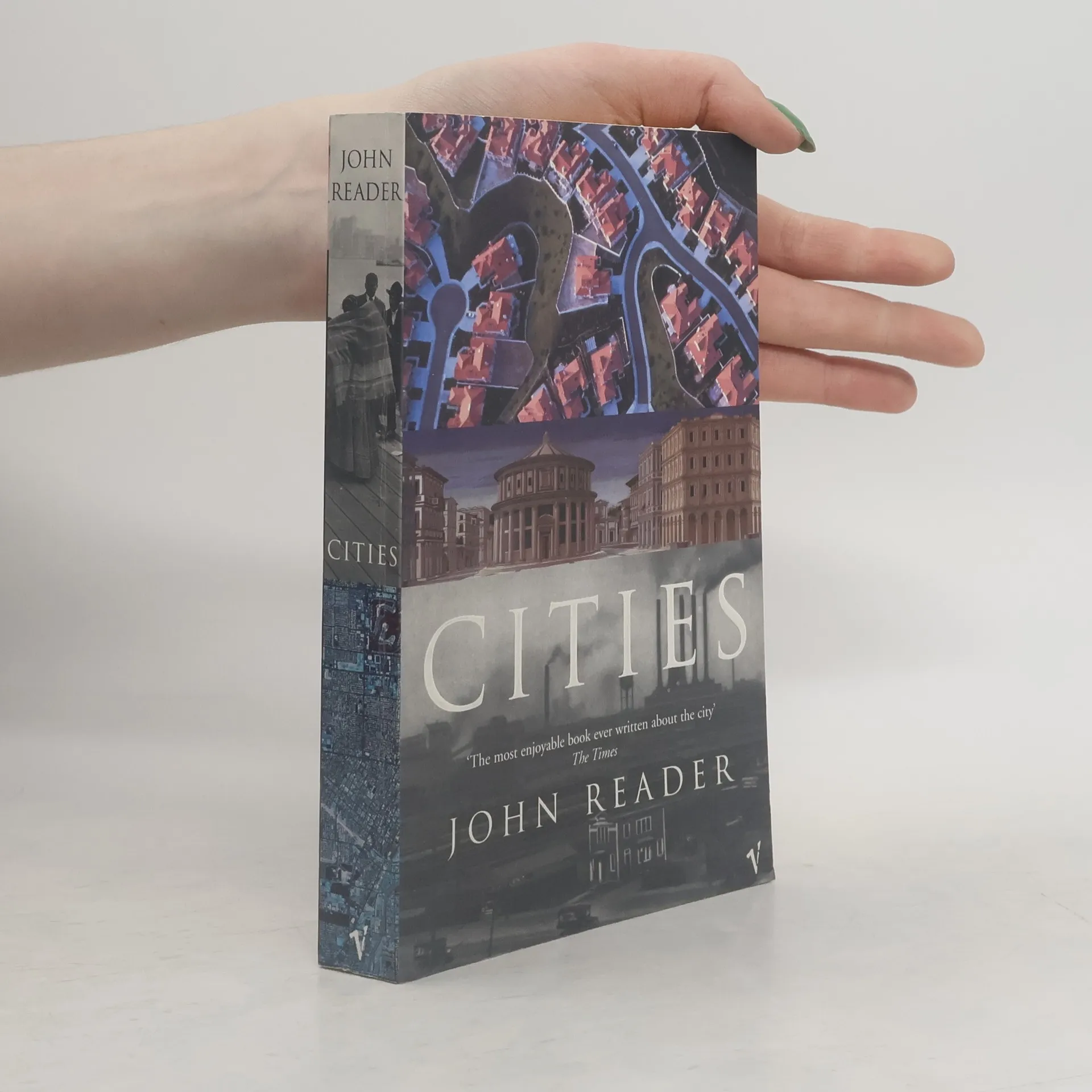
Cities
- 384bladzijden
- 14 uur lezen
A magisterial study of the city from its beginnings to the mega-conurbations of today.Cities is a fascinating exploration of the nature of the city and city life, of its structures, development and inhabitants.From the ruins of the earliest cities to the present, John Reader explores how cities coalesce, develop and thrive, how they can decline and die, how they remake themselves. He investigates their parasitic relationship with the countryside around them, the webs of trade and immigration they rely upon to survive, how they feed and water themselves and dispose of their wastes. The book is a sweeping exploration of what the city is and has been, fit to stand alongside Lewis Mumford’s 1962 classic The City in History .
Human beings are the most adaptable animals in the world. We successfully occupy every corner of the globe, from the tundra to the rain forest, from the high Andes to the blazing Kalahari. Nearly hairless, small of tooth and weak of limb, we human beings have nevertheless made ourselves at home everywhere. The reason, explains John Reader in this provocative study of human ecology, is that humans uniquely possess the most effective adaptive mechanism of all: culture. Moving into all kinds of environments, human beings have devised sets of beliefs, rules, and technologies specifically designed to ensure survival in the face of whatever obstacles the land, the weather, and that particular environment raise. This timely and important book provides heartening evidence of the resourcefulness with which human beings, everywhere and at all times, have responded to the challenges that have faced man on earth.
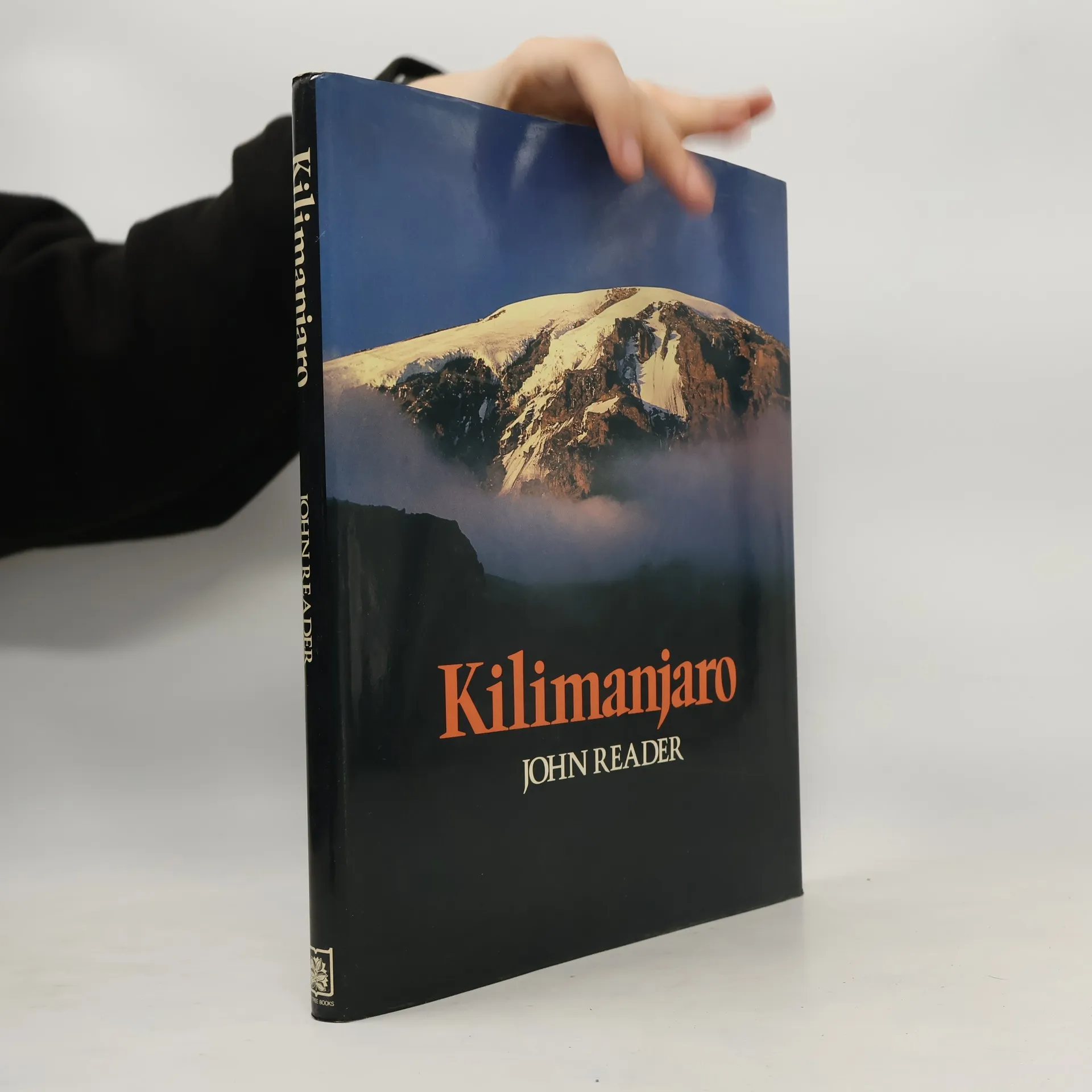
Describes the history of the explorations of Mount Kilimanjaro and discusses the mountain's volcanic crater, glaciers, and wildlife.
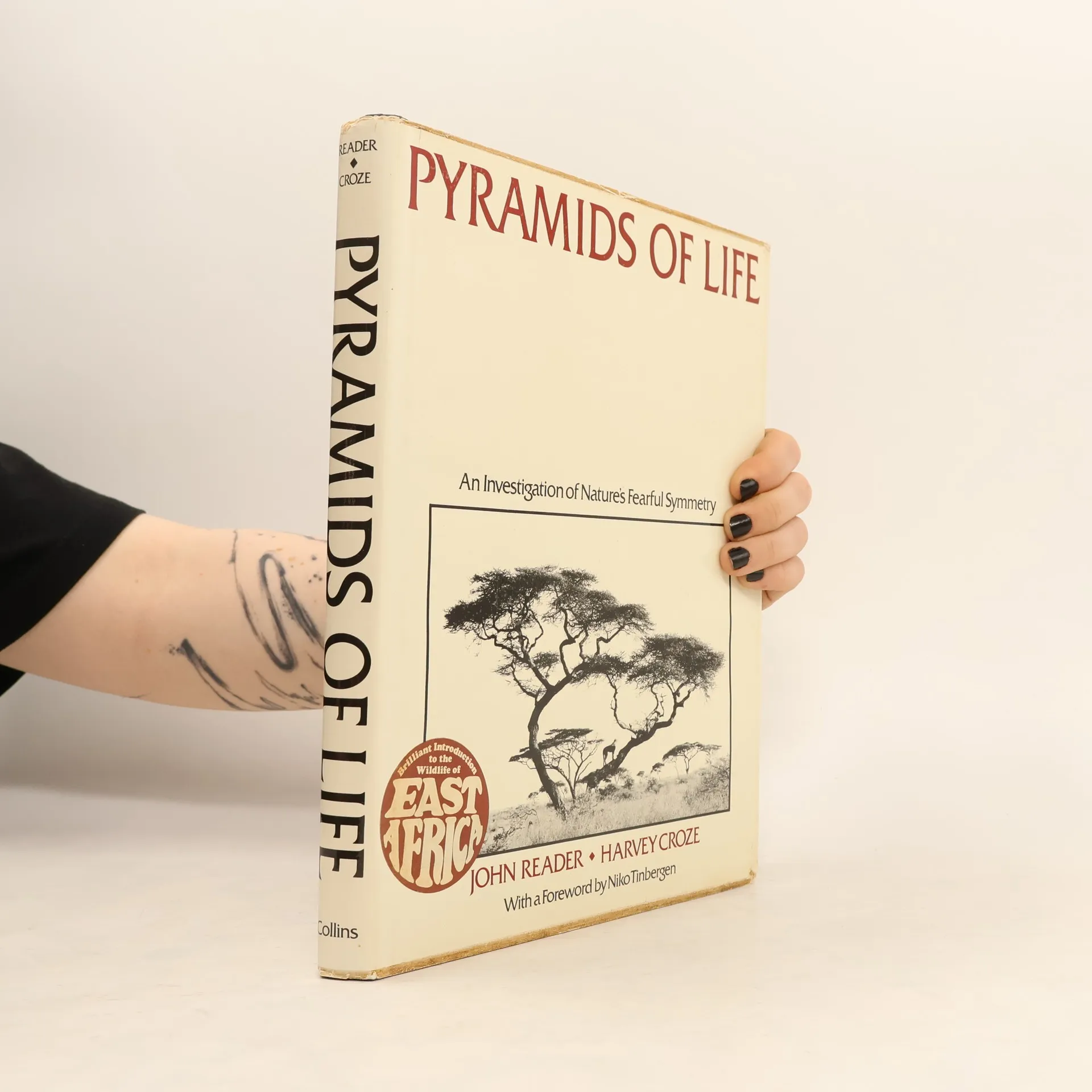
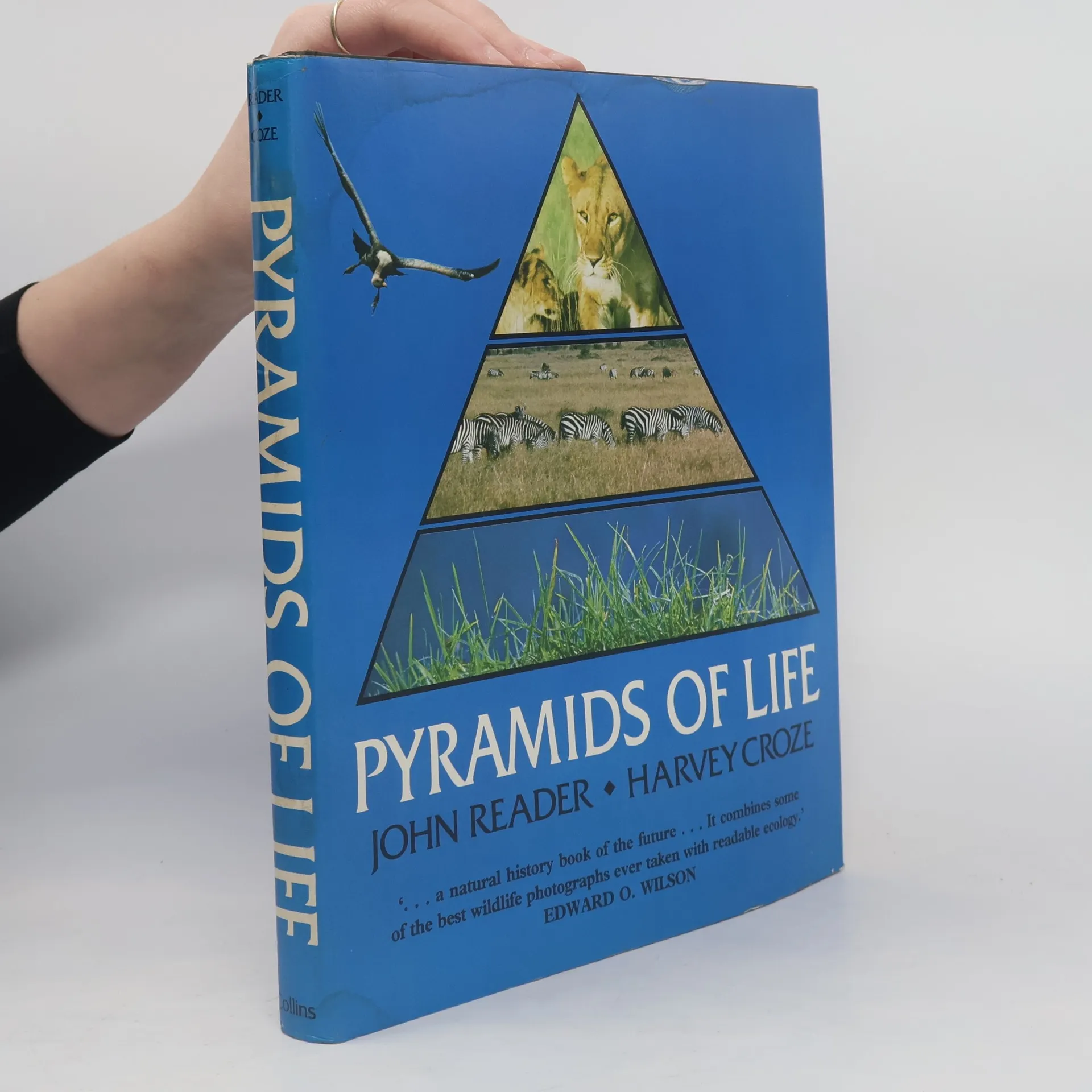
Whatever the outward appearance, nothing in nature is entirely random. There is a natural law through which Harvey Croze and John Reader have identified pyramids of life, relationships which bind together many different species of animals and plants. These pyramids or patterns are repeated a thousand times over as basic forces which determine the order of life on earth. Using the African ecosystem as its model, Croze and Reader’s book selects examples from every level of existence, and takes into account both the increasing interference of man in recent years and the emerging science of complex adaptive systems. It is a structured and fascinating exploration of the beauties and mysteries of the living world. Illustrated with more than three hundred photographs, Pyramids of Life is an indispensable guide for all those with an interest in ecology and conservation and a beautifully designed portrait of African wildlife and nature.
Pyramids of Life
- 224bladzijden
- 8 uur lezen
Aufstieg des Lebens
- 192bladzijden
- 7 uur lezen