This is the throughly revised, updated and expanded edition of a groundbreaking reference source—the most comprehensive guide available to the history of radical and progressive movements in America. More than 600 articles (100 new to this edition) written by 300 leading historians cover key figures, events, issues, organizations, and concepts, from Tom paine to the Black Panther Party.
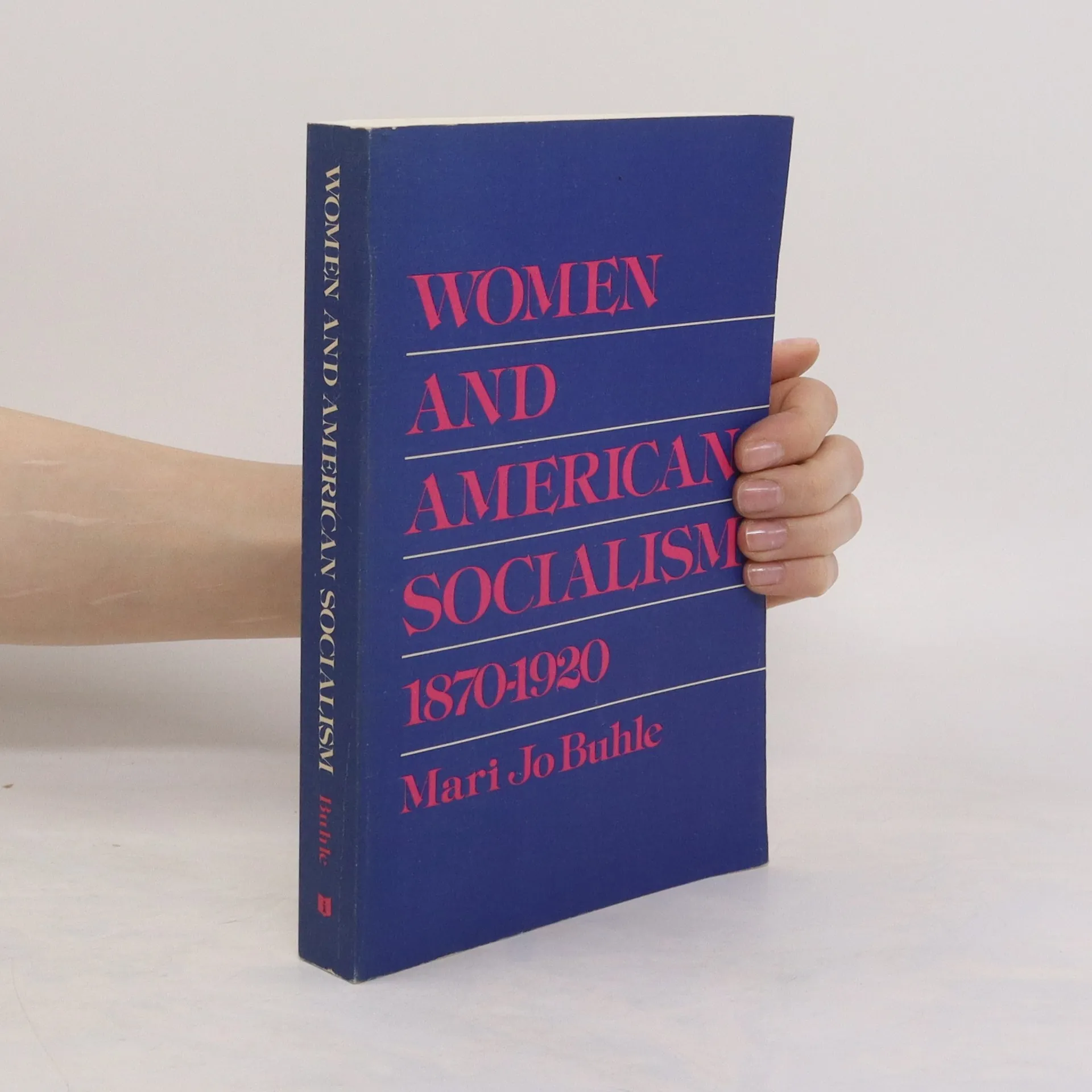
Socialist women faced the often thorny dilemma of fitting their concern with women's rights into their commitment to socialism. Mari Jo Buhle examines women's efforts to agitate for suffrage, sexual and economic emancipation, and other issues and the political and intellectual conflicts that arose in response. In particular, she analyzes the clash between a nativist socialism influence by ideas of individual rights and the class-based socialism championed by German American immigrants. As she shows, the two sides diverged, often greatly, in their approaches and their definitions of women's emancipation. Their differing tactics and goals undermined unity and in time cost women their independence within the larger movement.
With Sigmund Freud perplexed by women's desires, the intersection of psychoanalysis and feminism initially appears contentious. However, Mari Jo Buhle presents a compelling history that reveals the significant dialogue between these two liberation theories throughout the twentieth century. Beginning with Freud's 1909 address to an audience that included feminist Emma Goldman, Buhle traces the evolution of this exchange in the U.S. up to the contemporary influence of Jacques Lacan. She highlights how feminism contributed to psychoanalysis while also illustrating the benefits psychoanalysis offered to feminism. American psychoanalysis became a domain for diverse intellectuals and popular figures, resulting in a form of public discourse rather than a strictly therapeutic theory. Buhle charts the progression of feminism from its first wave in the 1910s through the second wave in the 1960s and into modern expressions. The convergence of Freud's ideas with feminist movements reveals how psychoanalysis supported the broader social goals of feminism. Nonetheless, the relationship was complex, marked by challenges such as the "Momism" phenomenon of the 1940s and 1950s, where men projected their failures onto women. This engaging history of ideas connects disparate intellectual trends, offering a fresh perspective on both psychoanalysis and feminism.