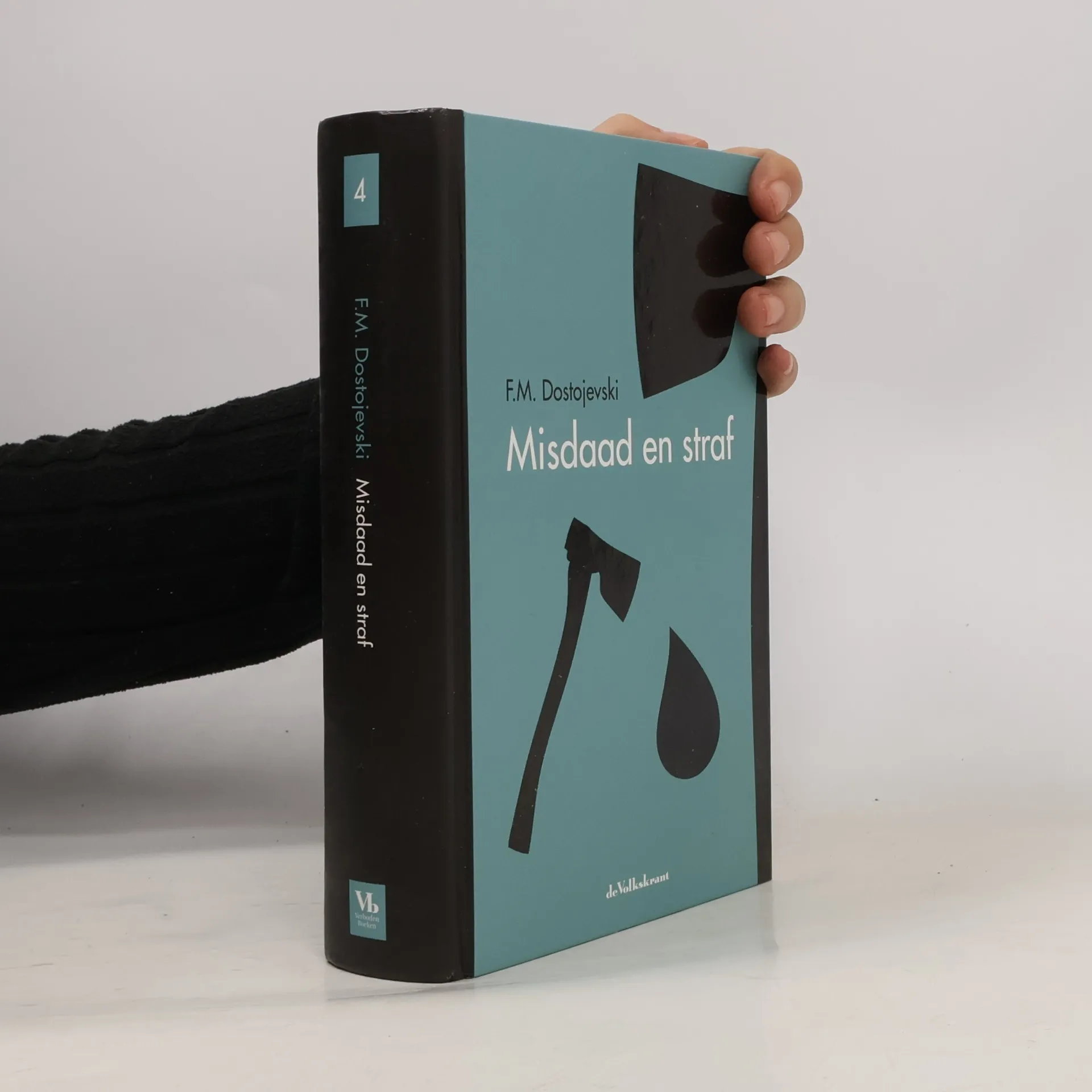
Een student denkt met de moord op een woekeraarster een goede daad gesteld te hebben, maar wordt allengs bekropen door wroeging.
Constance Garnett Boeken
Constance Garnett was een cruciale Engelse vertaler van 19e-eeuwse Russische literatuur. Ze was instrumenteel in het voor het eerst op grote schaal introduceren van de werken van Leo Tolstoj, Fjodor Dostojevski en Anton Tsjechov bij het Engelssprekende publiek. Haar vertalingen vormden de ontvangst en het begrip van deze iconische Russische auteurs in de westerse wereld diepgaand. Garnetts inspanningen maakten hun diepgaande literaire bijdragen toegankelijk en geliefd bij een wereldwijd publiek.

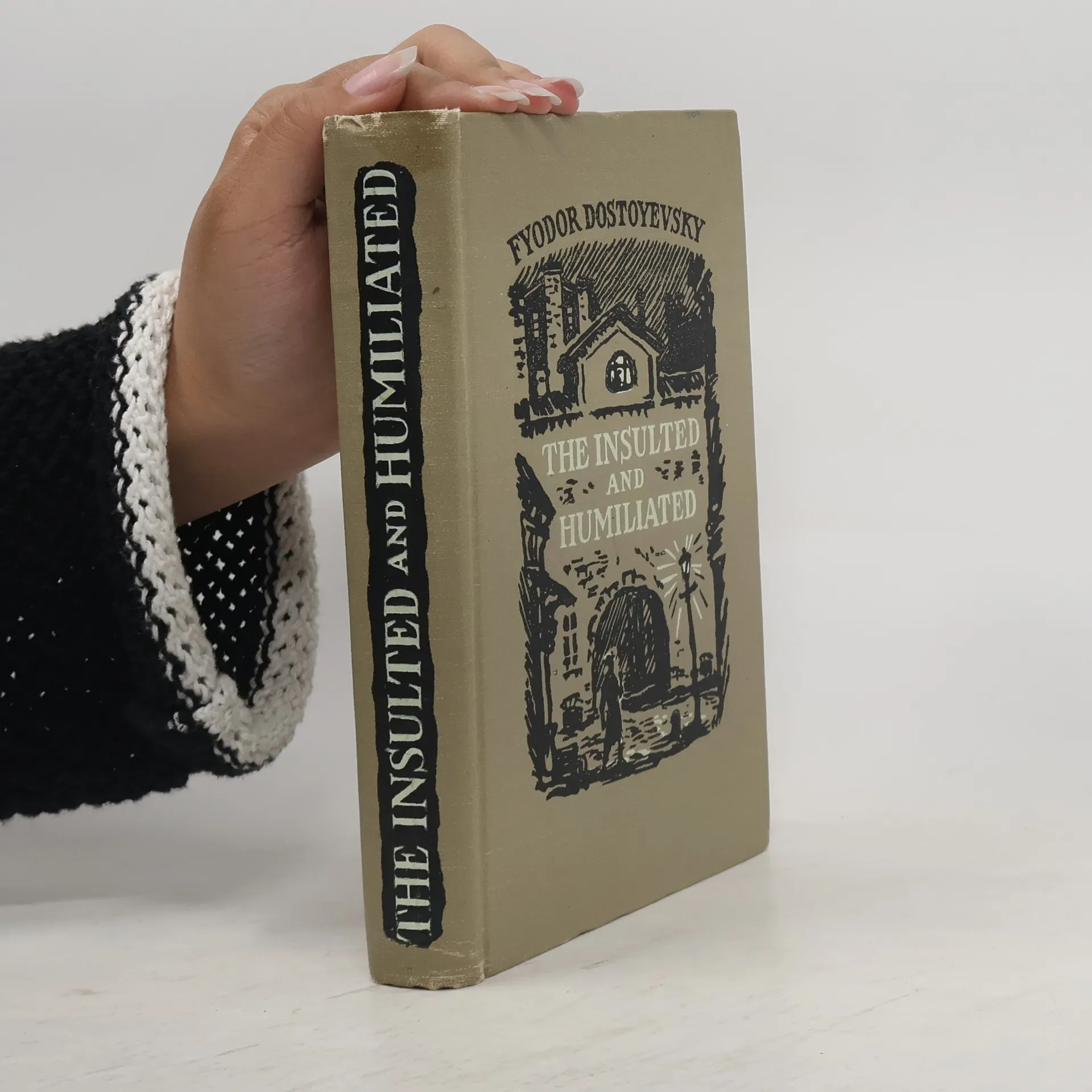
The Insulted and Injured, published soon after Dostoevsky's political imprisonment, clearly foreshadows his later preoccupation with unconscious psychological drives and their external effects on the lives of his characters. Where his later works carry these drives to inevitably dramatic conclusions, The Insulted and Injured confines them within the smaller boundaries of everyday events. In this story, the impulse toward self-abnegation in love, which appears so markedly in both Vanya and Natasha, isn't itself enough to direct their lives; instead, it combines with their social world and the mundane ambitions of Prince Valkovsky to defeat their hope of happiness. Of all the characters in the novel, only Natasha's lover, the Prince's son Alyosha—the person least driven to mold life to his own terms—emerges untouched. Here are, to a greater extent than in Dostoevsky's more familiar works, flesh-and-blood people as we see them around every day. They are made up of both good and evil, of will and acceptance. Unfailingly they command interest and illuminate understanding.
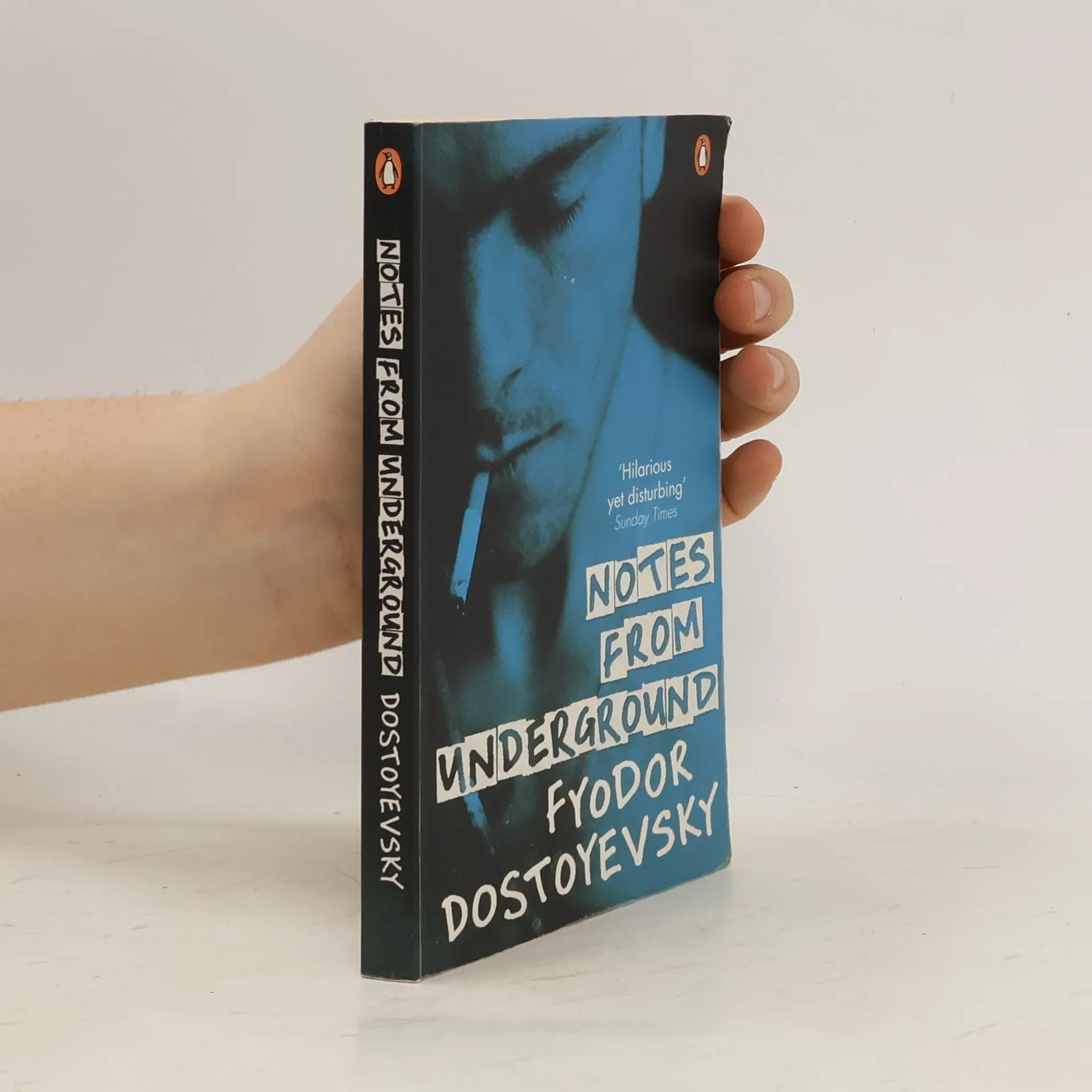
Notes from Underground
- 128bladzijden
- 5 uur lezen
How far would you go to escape the real world? The underground man had always felt like an outsider. He doesn't want to be like other people, working in the 'ant-hill' of society. So he decides to withdraw from the world, scrawling a series of darkly sarcastic notes about the torment he is suffering. Angry and alienated, his only comfort is the humiliation of others. Is he going mad? Or is it the world around him that's insane?
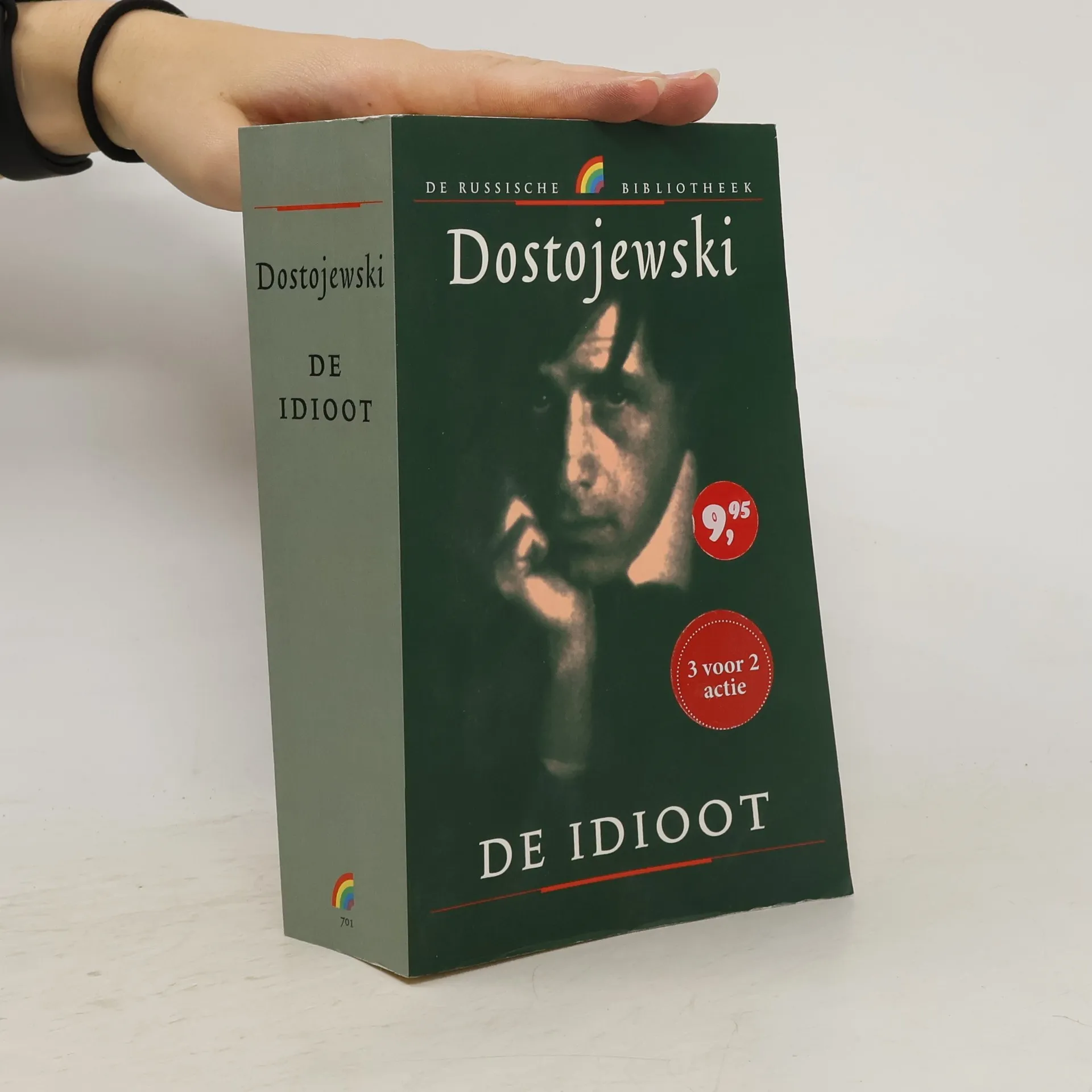
De idioot
- 761bladzijden
- 27 uur lezen
Een Russische prins zaait door zijn argeloosheid en eerlijkheid verbijstering in de society van Petersburg.
The House of the Dead
Man is sometimes extraordinarily, passionately, in love with suffering...
- 205bladzijden
- 8 uur lezen
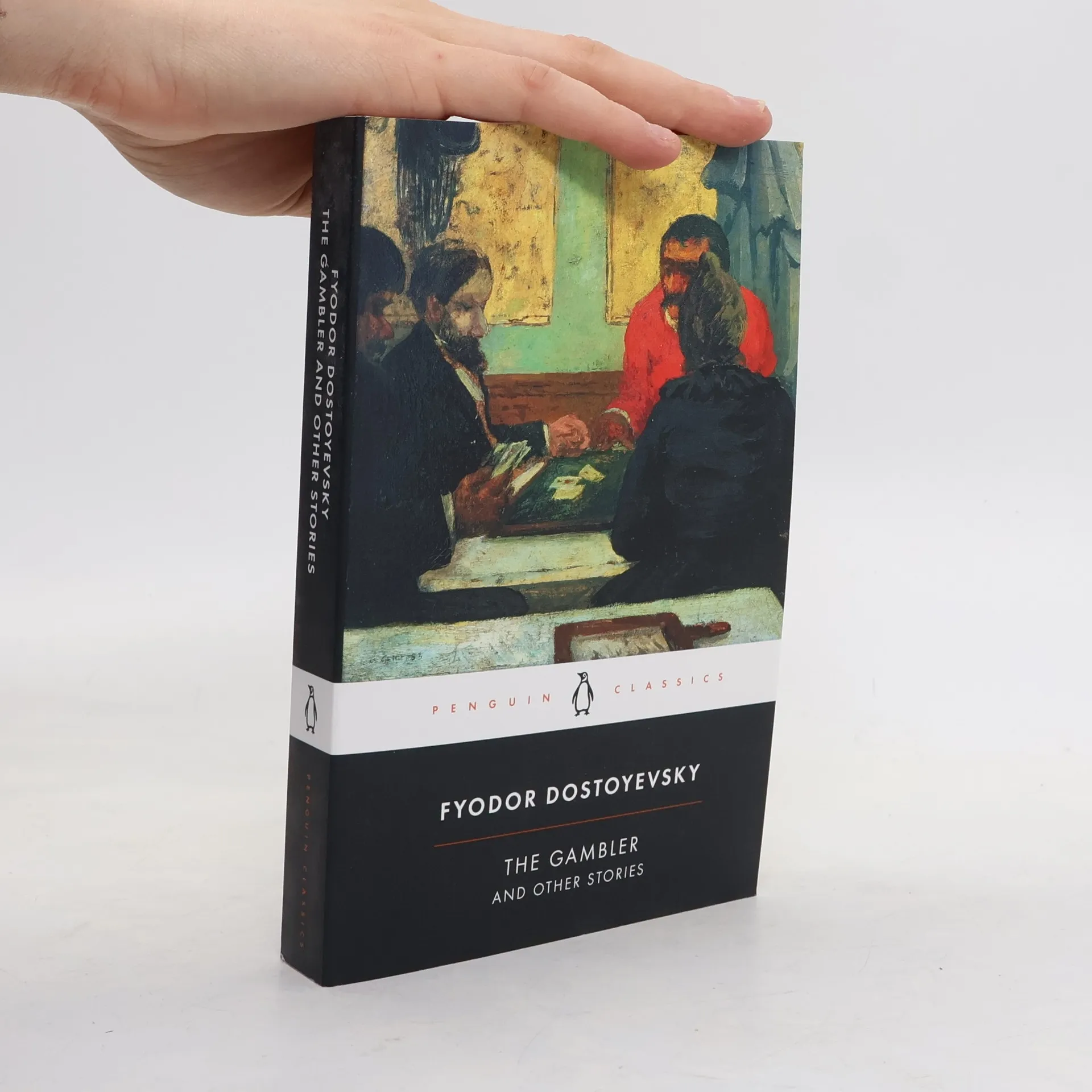
Fyodor Dostoyevsky was born on November 11, 1821, and was introduced to literature early in life, with his mother teaching him to read and write using the Bible. His literary immersion was profound, fueled by his parents' nightly readings. Tragedy struck in 1837 when his mother died of tuberculosis, and he and his brother were enrolled at the Nikolayev Military Engineering Institute, where Dostoyevsky found little interest in military studies, preferring drawing and architecture. His father's death in 1839 may have triggered his epilepsy, yet he persevered, eventually becoming an engineer cadet. His first completed work, a translation of Balzac's "Eugénie Grandet," was published in 1843 but failed commercially. He then wrote "Poor Folk," which was a success, followed by "The Double," which received poor reviews and exacerbated his health issues. Involved in socialist circles, Dostoyevsky faced arrest in 1849 for distributing banned works, leading to a death sentence commuted to four years of hard labor in Siberia. His prison experiences inspired "The House of the Dead," published in 1861. He later completed "The Gambler" in just 26 days. Despite continued health decline, including a diagnosis of pulmonary emphysema, he published "Demons" in 1873. Dostoyevsky died on February 9, 1881, after suffering multiple pulmonary hemorrhages.
A collection of one novella and six short stories - The Gambler, Bobok, The Dream of a Ridiculous Man, A Christmas Party and a Wedding, A Nasty Story and The Meek One.
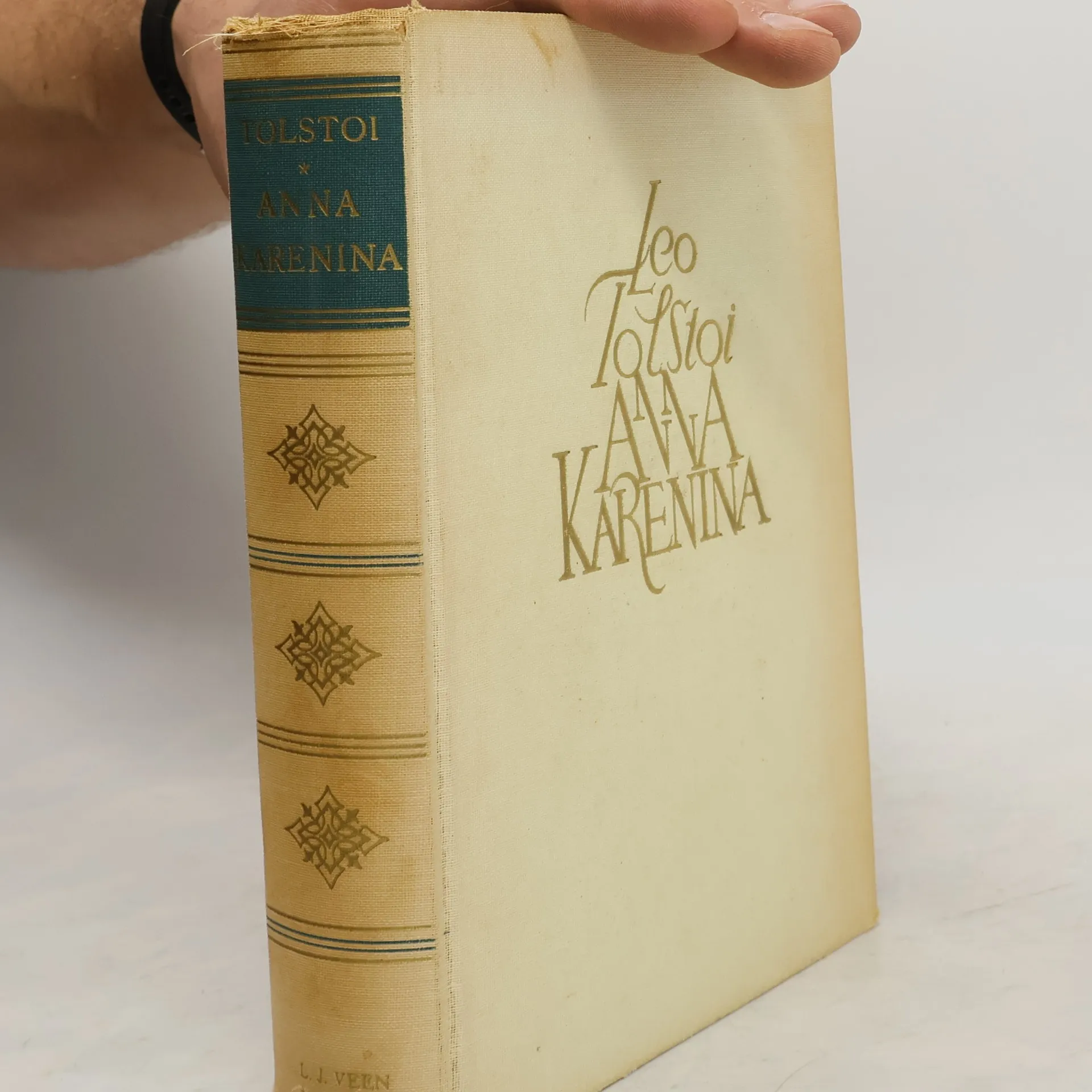
Een vrouw verlaat haar gezin en gaat in vrije liefde met haar minnaar leven, doch blijkt uiteindelijk niet tegen de spanningen van dit onzekere bestaan opgewassen. "Anna Karenina". 1873-'76
Memoirs of a Hunter
- 432bladzijden
- 16 uur lezen
Presented here in a masterful new translation by Michael Pursglove, this landmark collection established the literary reputation of the author, who considered it his most significant contribution to Russian literature, and is universally regarded as a milestone in the Russian realist tradition.
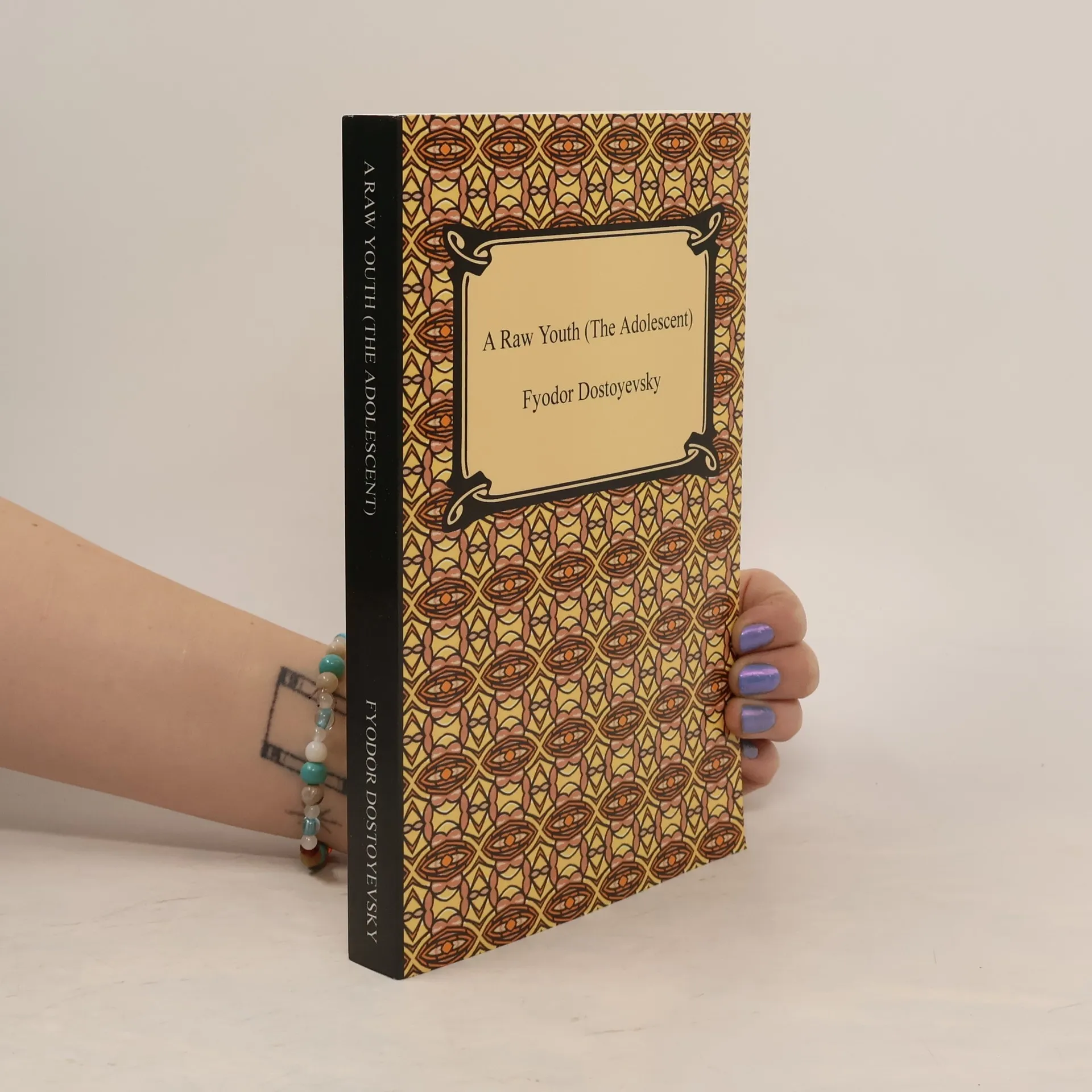
A Raw Youth (The Adolescent)
- 366bladzijden
- 13 uur lezen
The novel explores the tumultuous relationship between 19-year-old Arkady Dolgoruky and his father, the notorious landowner Versilov, as Arkady returns to St. Petersburg after years at boarding school. As he navigates the complexities of his family's scandalous affairs, the story delves into deep psychological, emotional, and moral conflicts, reflecting the intricacies of the human condition. Dostoyevsky's rich characterizations and themes make this work a significant contribution to literature, showcasing the author's profound understanding of human nature.
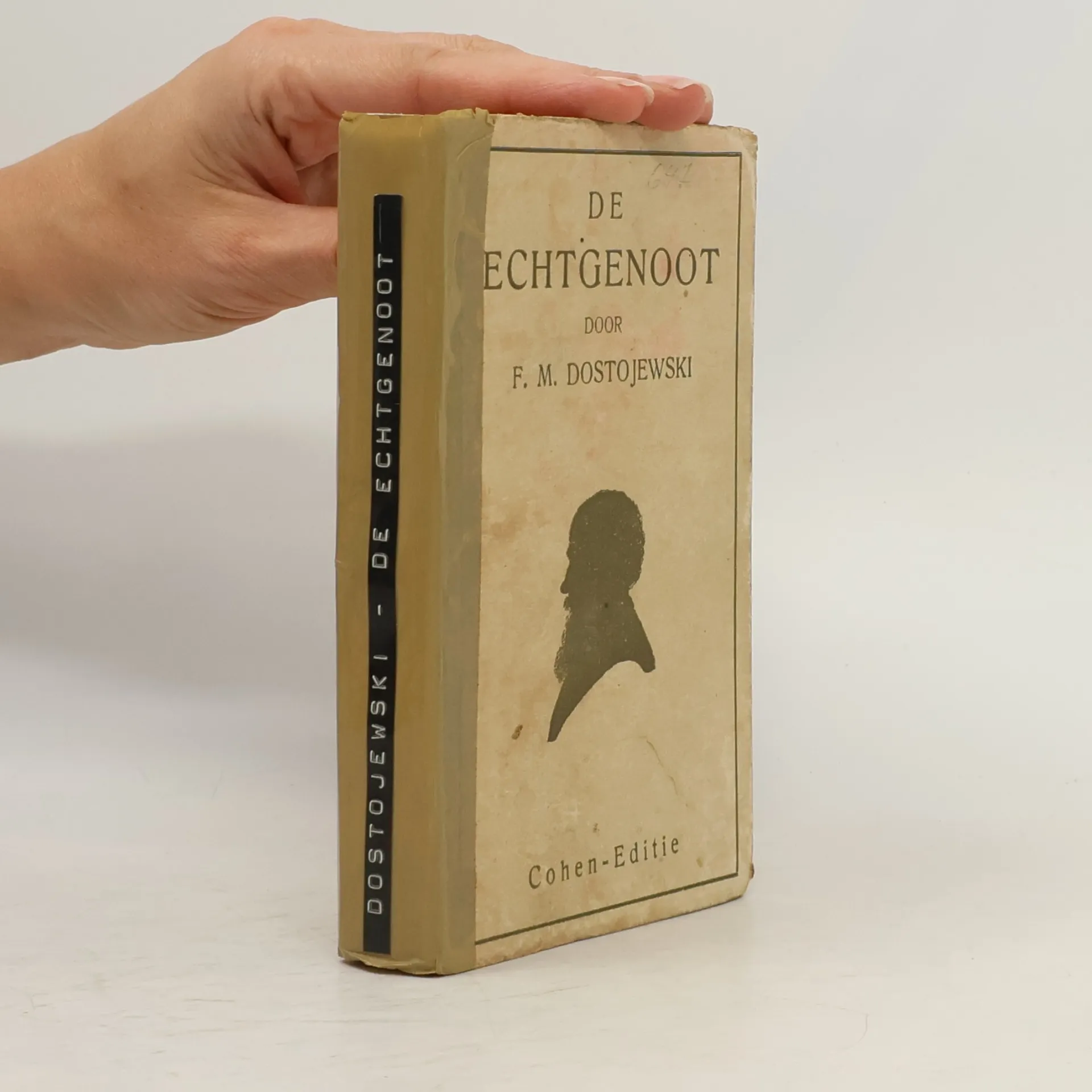
De psychologische strijd tussen Pavel Pavlovitch, de "eeuwige echtgenoot," en Velchaninov, de voormalige minnaar van zijn vrouw, verkent thema's van obsessie, wraak en verlossing. Terwijl Velchaninov zijn gevoelens ten opzichte van Pavel onder ogen ziet, ontvouwt het verhaal zich tot een meeslepende vertelling die wordt gekenmerkt door toenemende spanning. Dostojevski's verkenning van het menselijke hart komt tot uiting in dit intense werk, waarin zijn duistere genialiteit en diepgaande begrip van complexe relaties worden getoond. Deze minder bekende roman wordt geprezen om zijn krachtige vertelkunst en diepe psychologische inzichten.
On the Eve
- 224bladzijden
- 8 uur lezen
Brand-new translation of one of Turgenevs major novels, includes pictures and an extensive section on Turgenevs life and works.
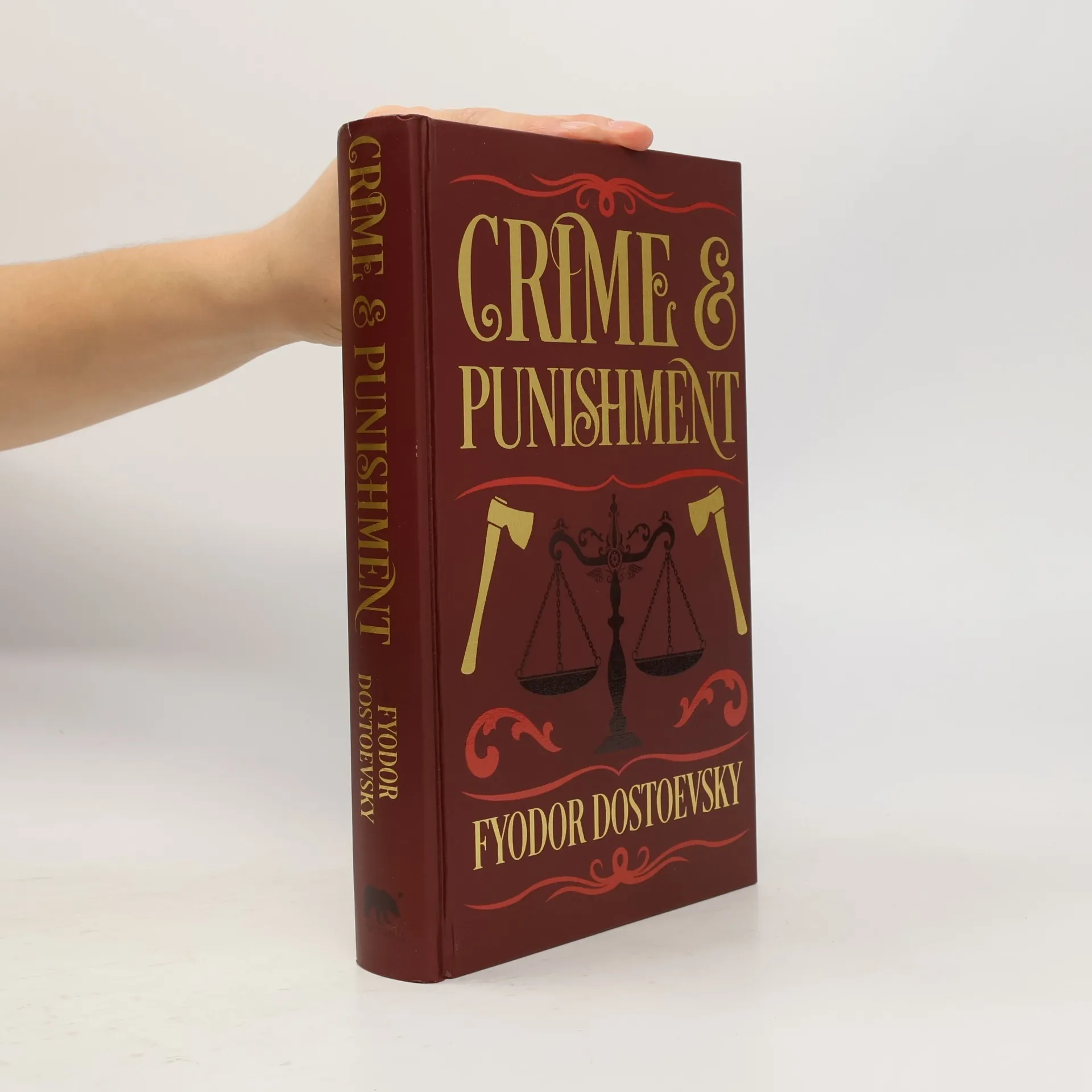
Arcturus Treasured Classics: Crime and Punishment
- 448bladzijden
- 16 uur lezen
This classic Russian novel has it all: murder, suspense, passion, struggle, and redemption. Originally published in 1866, Crime and Punishment is a psychological thriller that deals with issues of morality, conscience, and redemption. Widely considered to be one of the greatest novels written in any language, this novel explores the life of Rodin Raskolnikov, a young Russian man who robs and murders a pawnbroker to save himself from a life of poverty. As a consequence, he must deal with the oppressive mental anguish of being a criminal while attempting to maintain relationships with his friends and family.
The Grand Inquisitor on the Nature of Man
- 52bladzijden
- 2 uur lezen
The Insulted and Injured
- 348bladzijden
- 13 uur lezen
The Insulted & Injured, published soon after Dostoevsky's political imprisonment, clearly foreshadows his later preoccupation with unconscious psychological drives & their external effects on the lives of his characters. Where his later works carry these drives to inevitably dramatic conclusions, The Insulted & Injured confines them within the smaller boundaries of everyday event. In this story the impulse toward self-abnegation in love, which appears so markedly in both Vanya & Natasha, isn't itself enough to direct their lives; instead, it combines with their social world & the mundane ambitions of Prince Valkovsky to defeat their hope of happiness. Of all the characters in the novel, only Natasha's lover, the Prince's son Alyosha-the person least driven to mold life to his own terms-emerges untouched. Here are, to a greater extent than in Dostoevsky's more familiar works, flesh-&-blood people as we see them around every day. They are made up of both good & evil, of will & acceptance. Unfailingly they command interest & illuminate understanding.
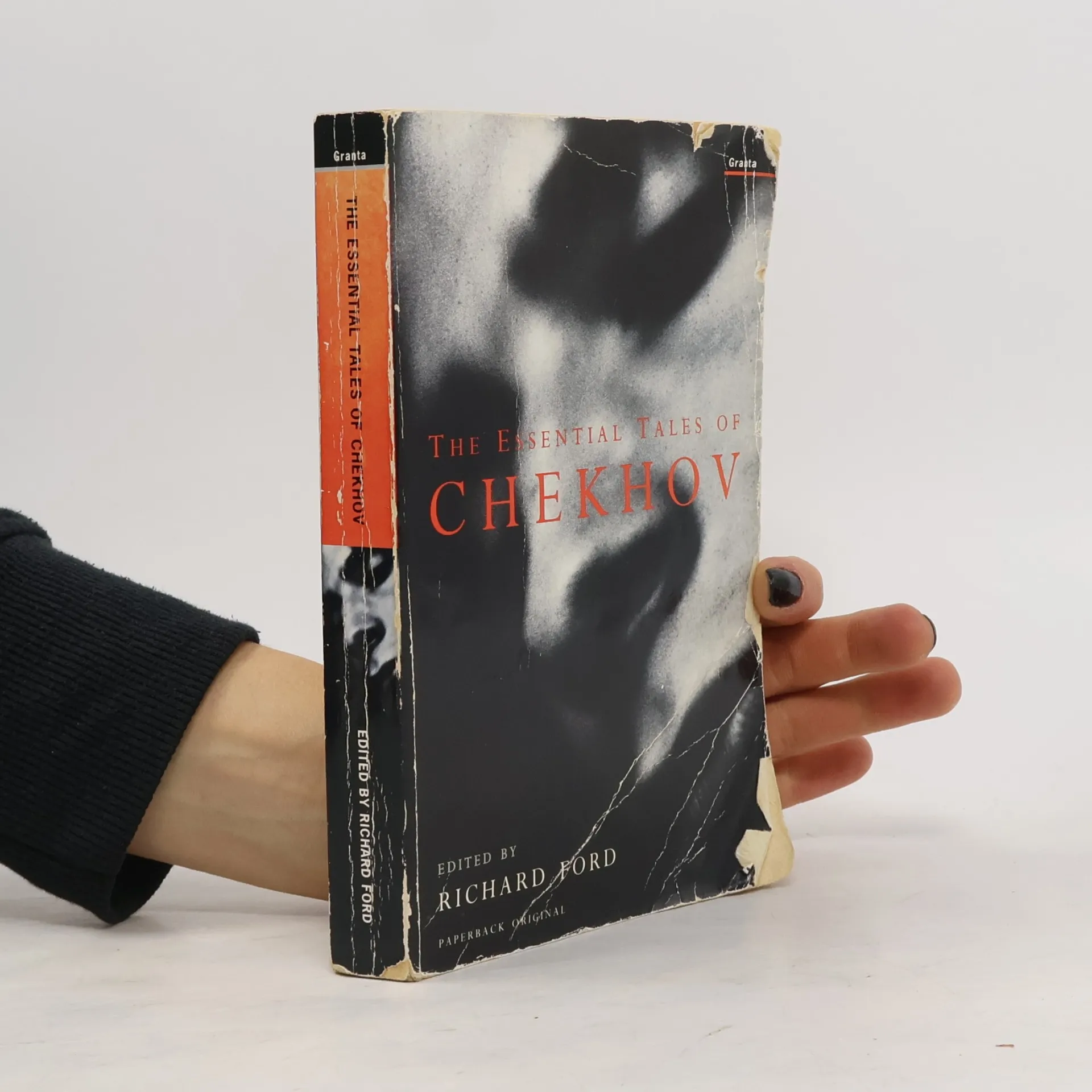
The Essential Tales
- 368bladzijden
- 13 uur lezen
In this collection of 20 short stories, the editor Richard Ford has selected his personal favourites of Chekhov's work. Includes are The Kiss, The Darling, as well as lesser known tales such as A Blunder, Hush and Champagne.
Wordsworth Classics: White Nights, Poor Folk & The Double
- 304bladzijden
- 11 uur lezen
'White Nights' is one of Dostoevsky's earlier short stories but one of his most enduringly popular. It tells the story of four nights in the life of the lonely narrator, who meets and falls in love with the mysterious and beautiful Nastenka. Poor Folkwas Dostoevsky's first novel, written to try and alleviate his financial plight, and was a commercial success. It tells the story of Makar Devushkin, a clerk, and Varvara Dobroselova, a seamstress, by means of the letters they exchange; they are in love, but too poor to marry. Its exploration of humanitarian themes led to it being described as Russia's first 'social novel'. By contrast, Dostoevsky's second novel, The Doublewas not well received. First published in 1846, it was revised and republished by Dostoevsky in 1866, but he did not consider it a success. By contrast, Vladimir Nabokov called it 'the best thing he ever wrote' and described it as 'a perfect work of art'.
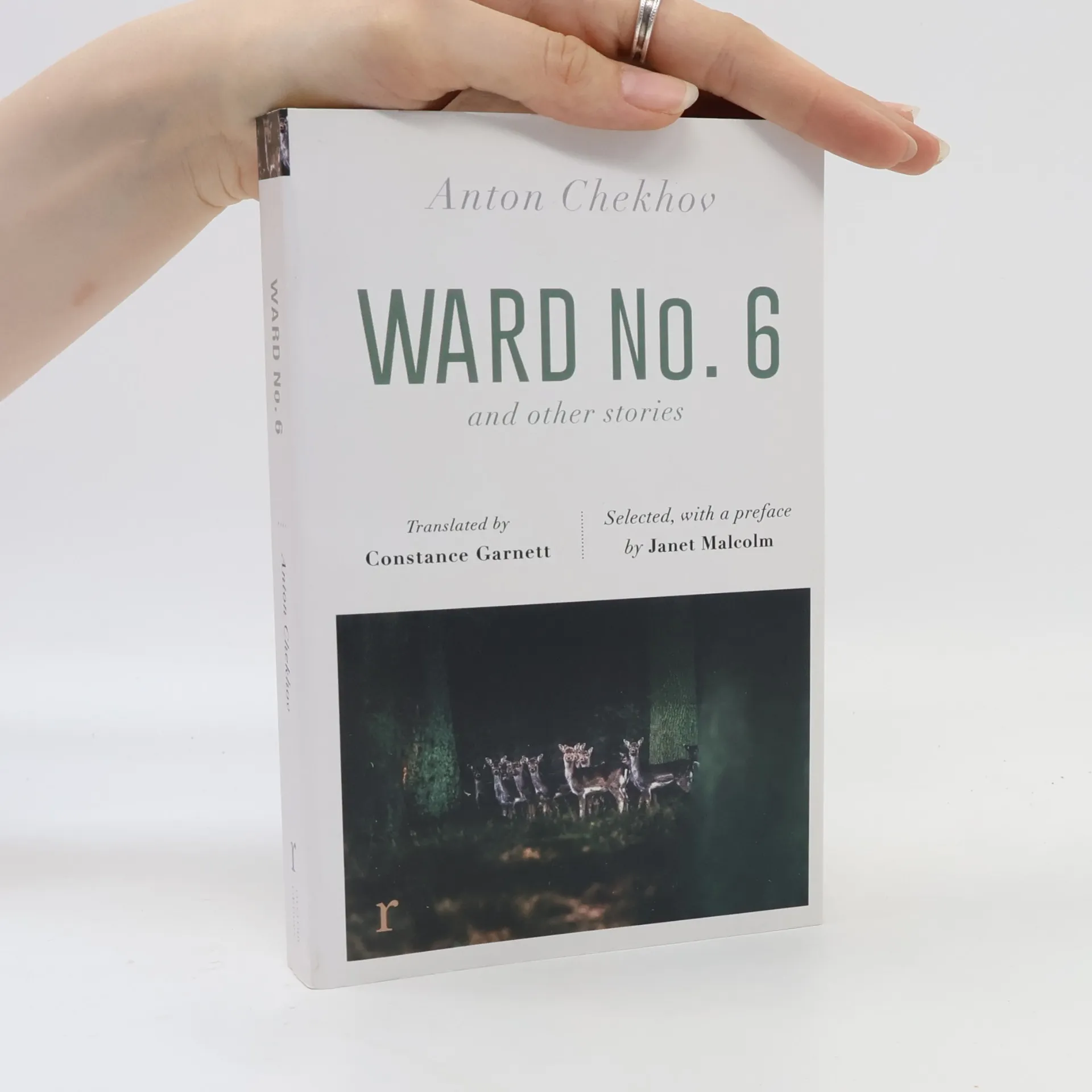
Riverrun Editions: Ward No. 6 and Other Stories
- 352bladzijden
- 13 uur lezen
The second unique collection of Constance Garnett's translations of Chekhov's short fiction, selected for riverrun editions by Janet Malcolm
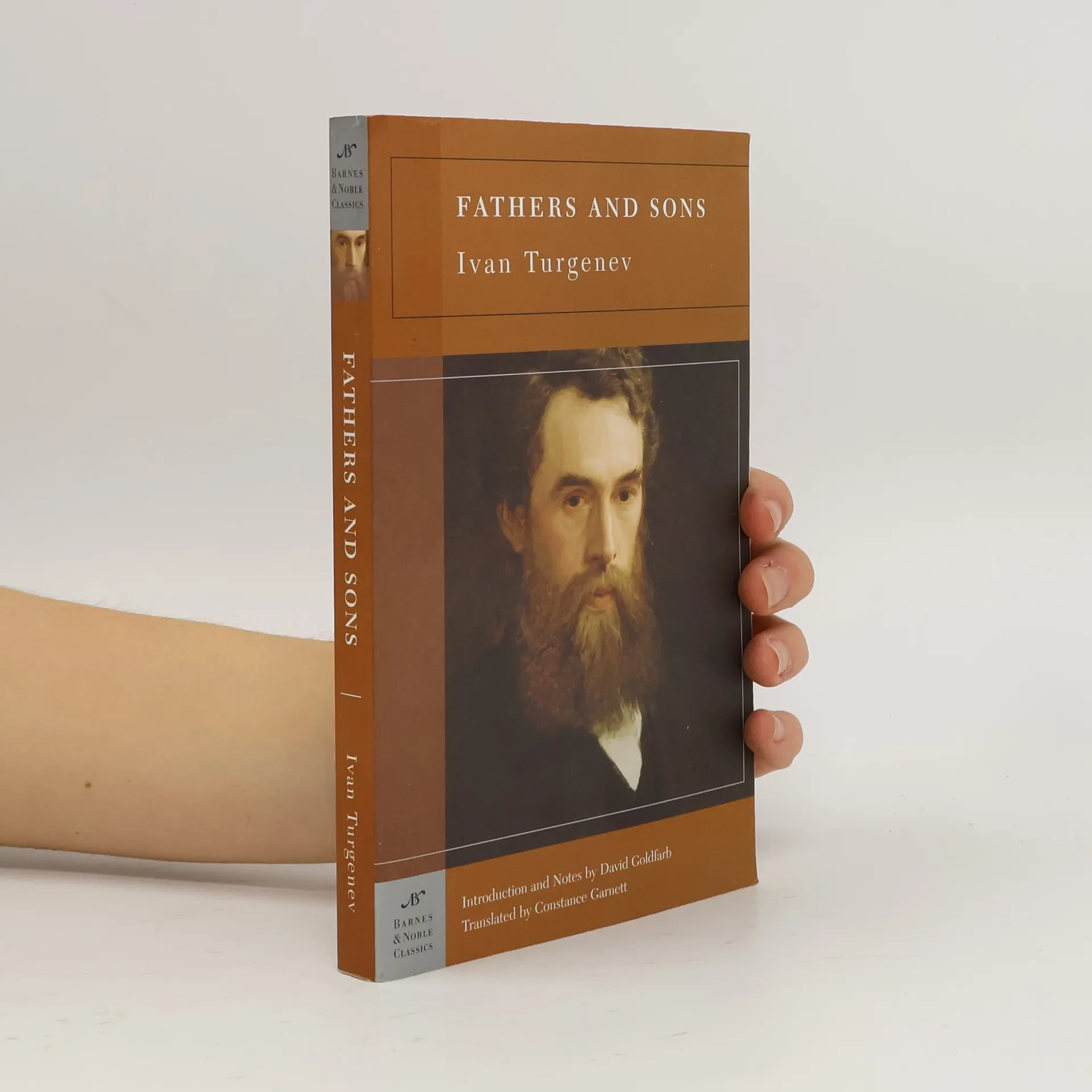
Barnes & Noble Classics: Fathers and Sons
- 240bladzijden
- 9 uur lezen
Youth rebels. It was true in Russia in 1862 when Fathers & Sons appeared. At its center stands Evgeny Bazarov, medical student, doctor's son & nihilist. Bazarov rejects authority, all so-called truths based on faith rather than science & experience. His ideas bring him into conflict with his best friend, recent graduate Arkady Kirsanov, with Arkady's family, with his own parents & eventually with his emotions when he falls in love with the beautiful Madame Odintsova.