
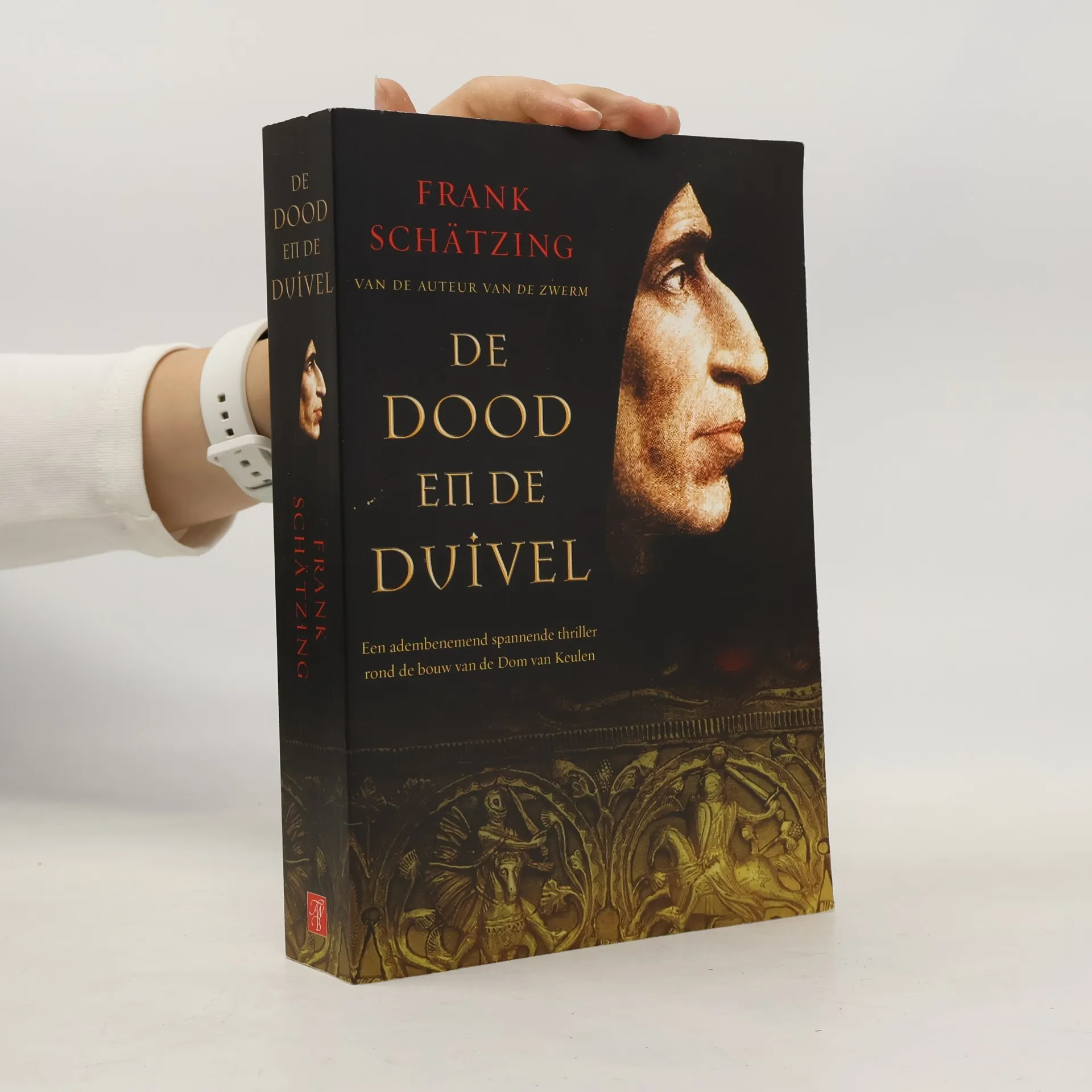
It’s the year 1260 and the great cathedral - the most ambitious building in all of Christendom - is rising above the streets of Cologne. Far below its soaring spires and flying buttresses, an assassin of unnatural talent surveys his new hunting ground. More shadow than man, the assassin is quick to take his first life. But there is a witness to his crime: a flame-haired thief known as Jacob the Fox. Justly terrified by the black-clad spectre, Jacob runs for his life, convinced that he’s pursued by the Angel of Death itself.
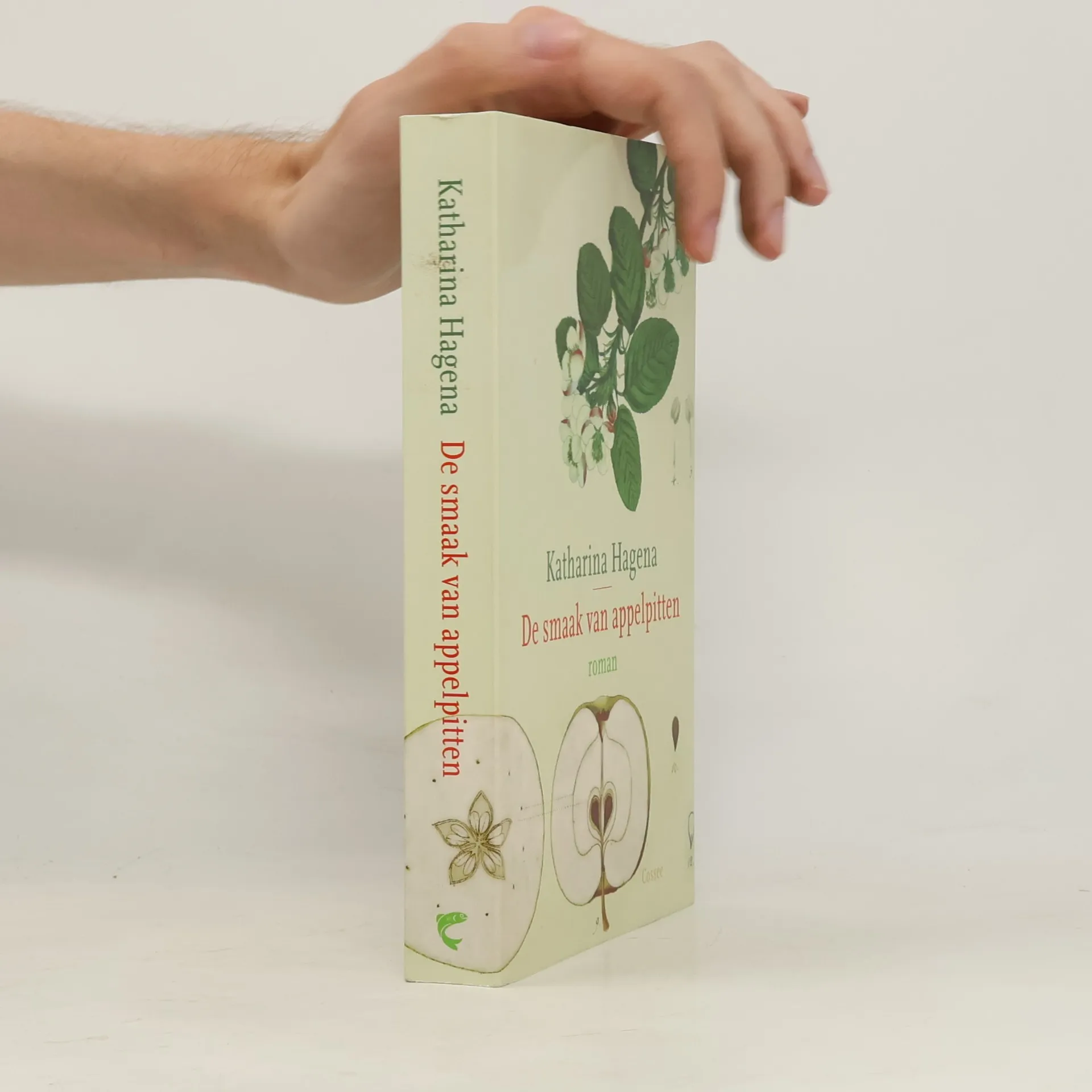
Iris erft het oude huis in de appelboomgaard van haar grootmoeder. Na vele jaren staat ze weer op de magische plek waar ze in de zomervakantie met haar nichtje verkleedpartijen hield. Ze dwaalt door de kamers, de appelkelder en de tuin waarin de rode aalbessen in één klap wit werden en een stokoude appelboom twee keer achtereen in bloei stond. Iris weet niet of ze het huis wil houden. Om haar twijfel te overwinnen gaat ze zwemmen, kust de broer van een oude vriendin, werkt in de moestuin en gaat in de weer met potten en inmaaketiketten. En terwijl ze van de ene kamer naar de andere loopt, doolt ze op de tast door haar herinneringen. De herinneringen aan deze 'appelzomers' zijn sprookjesachtig, verwarrend en evenzeer zoet als bitter.
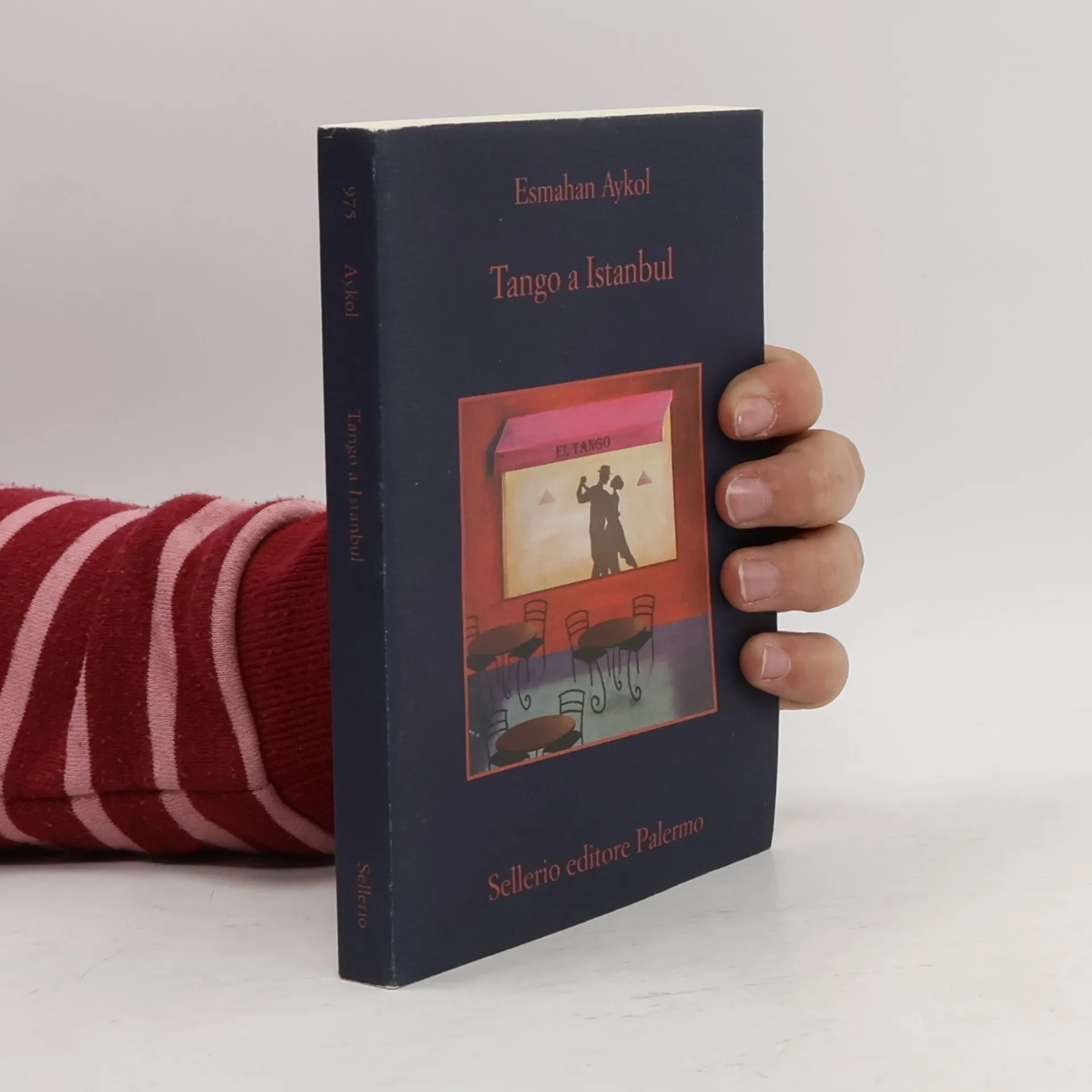
Kati Hirschel, una stambuliota con radici tedesche, gestisce una libreria specializzata in giallistica, il che la rende affascinata dal mistero e aperta a qualsiasi fonte di informazione. Quando una veggente, consultata con l'amico Fofo, annuncia di aver visto il cadavere di una giovane donna nel caffè, Kati si allerta. Tuttavia, la realtà si rivela diversa: la vittima non è chi Kati immaginava e non c'è un vero cadavere, ma solo un arresto cardiaco di Nil, un'amica della sua collega. Questo non frena l'irrefrenabile investigatrice, che si lancia per le strade di Istanbul in cerca di indizi. Le stranezze iniziano a accumularsi, portando Hakan, il fratello della vittima, a ingaggiarla come detective. Il tenore di vita di Nil, una giornalista disoccupata, appare sospetto, e si scopre che stava scrivendo un romanzo sui desaparecidos argentini, paragonandoli alle vittime del perenne autoritarismo turco. Kati indaga come se spettegolasse, muovendosi di contatto in contatto, e guida il lettore attraverso la "città più bella del mondo", esplorando bar, vicoli e mercati. Ne risulta un poliziesco "morbido" che offre uno spaccato della cultura orientale e occidentale, invitando all'anticonformismo e alla tolleranza.