
The book offers a unique perspective on Ernest Hemingway's role as a father through a collection of letters exchanged with his son Patrick over two decades. It provides intimate insights into their relationship, showcasing Hemingway's thoughts, emotions, and parenting style, revealing a more personal side of the renowned author.
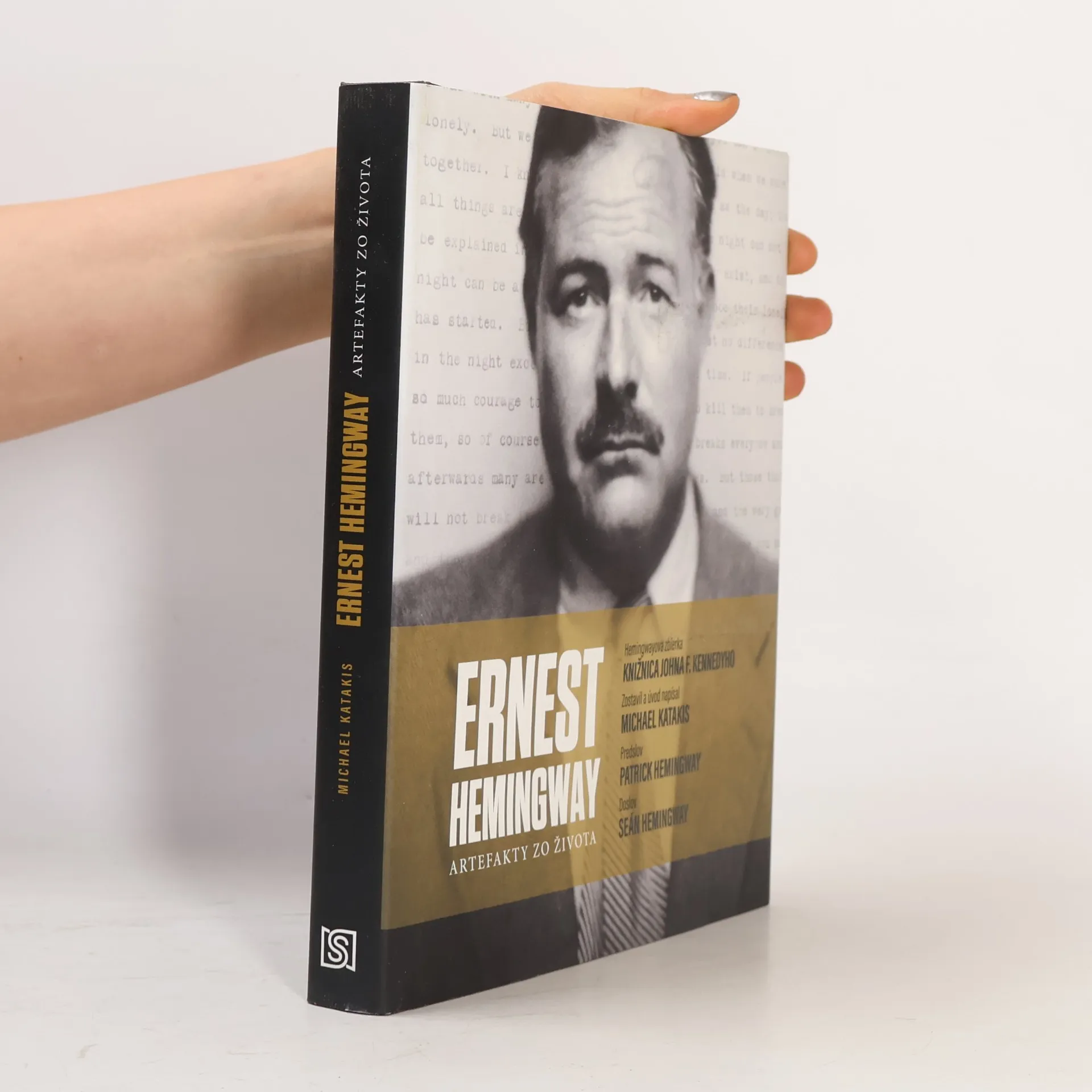
Unikátna publikácia vás prevedie životom slávneho amerického spisovateľa Ernesta Hemingwaya prostredníctvom dokumentov, fotografií a artefaktov, ktoré po sebe zanechal a ktoré sa stali zbierkovými predmetmi vďaka jeho synovi a vnukovi. Pre mnohých je Hemingway skôr mýtus než človek z mäsa a kostí. Bol vojakom, športovcom, vášnivým milencom a vynikajúcim spisovateľom, no aký bol jeho ozajstný život? Ako vyzeral ako usmiate dieťa či mladý muž v uniforme? Čo písal v osobných listoch a čo si poznamenával na cestovných lístkoch? Kniha odpovedá na tieto a ďalšie otázky, pričom zostavil ju správca Hemingwayovej pozostalosti Michael Katakis. Obsahuje predhovor jeho syna Patricka a doslov vnuka Seána, pričom rozpráva o živote velikána svetovej literatúry prostredníctvom predmetov, momentov a myšlienok, ktoré ho formovali. Ponúka vyše štyristo pôsobivých artefaktov, vrátane fotografií a úprimných listov, a vytvára doteraz nevídaný portrét geniálneho spisovateľa.
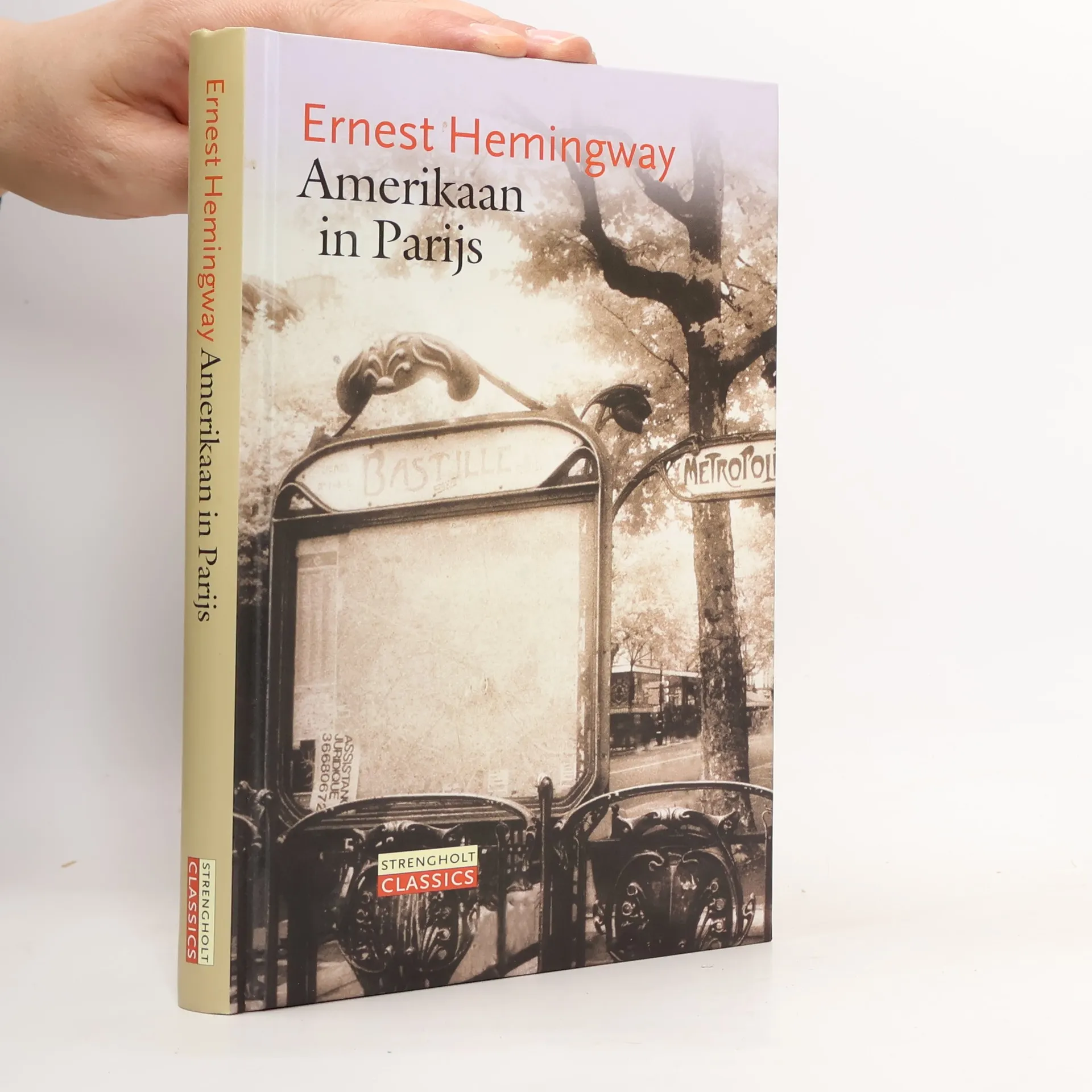
"You belong to me and all Paris belongs to me and I belong to this notebook and this pencil." Written in the autumn of 1957 and published posthumously in 1964, this work captures the essence of being young, poor, and a writer in 1920s Paris. Arriving in 1921 as a correspondent for the Toronto Star, Hemingway found himself in a city undergoing a cultural renaissance post-Great War. Artists like Braque and Picasso were redefining cubism, while literary figures such as James Joyce, fresh from completing Ulysses, and Gertrude Stein, who welcomed Hemingway into her circle, were shaping the era. During these formative years, the unpublished Hemingway gathered inspiration for his first novel, The Sun Also Rises, and other future masterpieces. The narrative includes vivid sketches of encounters with a diverse group of artists and writers, some destined for fame, others for obscurity. It also paints a portrait of the Paris that Hemingway experienced—a city of streets, cafés, and bookshops where he battled the challenges of near poverty while honing his craft. This work serves as both an elegy for the expatriate community of the 1920s and a reflection on the complexities of a writer's life.