

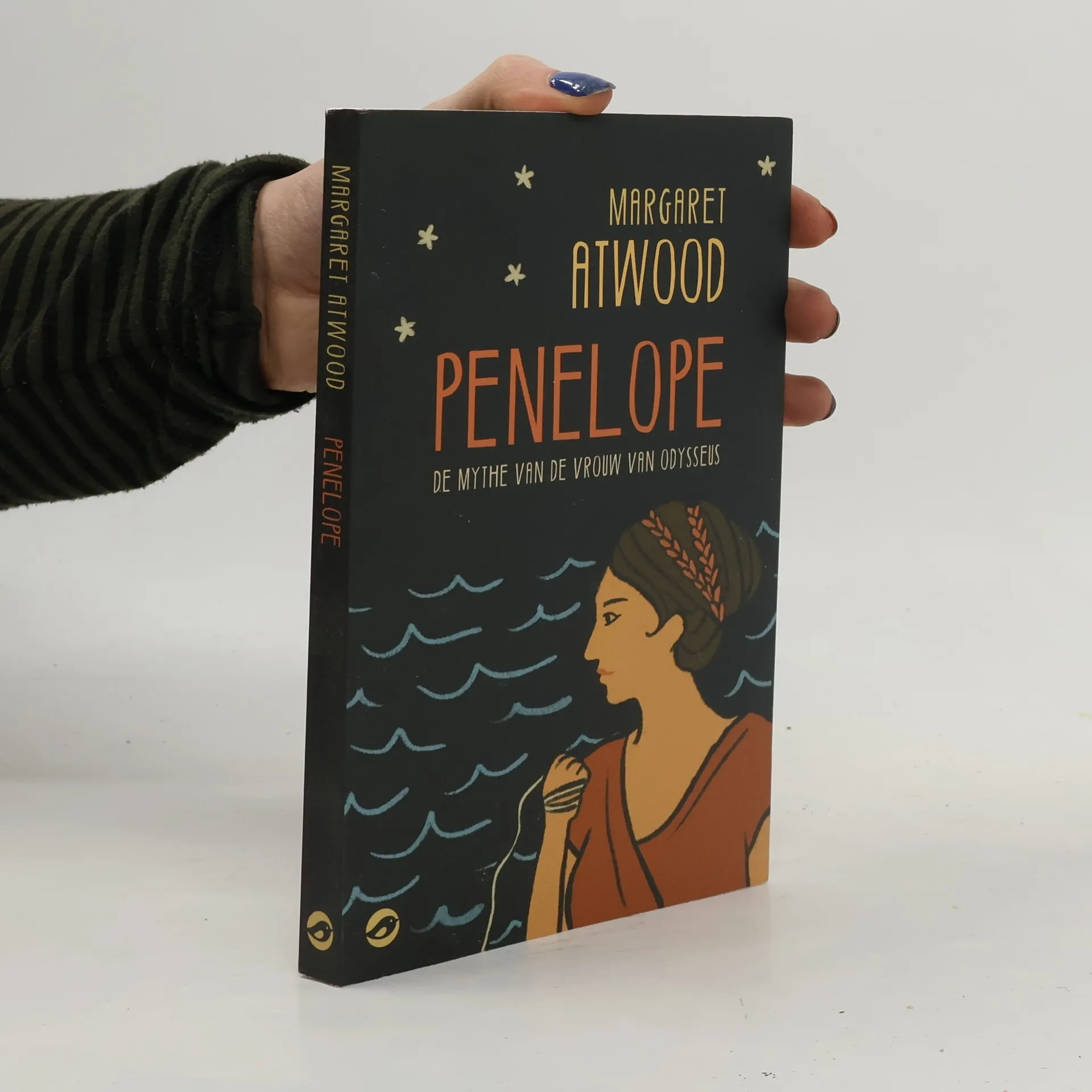
Deze scherpe en tedere herziening van de mythen rond Penelope en Odysseus biedt een nieuw perspectief op hun verhaal. In de Odyssee van Homerus wordt Penelope afgebeeld als de trouwe echtgenote die, na twintig jaar van elkaar gescheiden te zijn, talloze vrijers weet af te schrikken terwijl ze haar zoon opvoedt en haar koninkrijk beheert. Bij de terugkeer van Odysseus doodt hij haar vrijers en twaalf van haar dienstmeisjes, een brute daad die Homerus slechts kort aanstipt. Atwood, achtervolgd door deze sterfgevallen, begint haar verhaal met twee vragen: wat leidde tot de ophangingen van de dienstmeisjes, en wat deed Penelope werkelijk tijdens de afwezigheid van Odysseus? Verteld vanuit Hades, vertelt Penelope haar verhaal met droge humor, terwijl haar dienstmeisjes als een koor fungeren, commentaar leveren via gedichten, liederen en zelfs een proces. Het verhaal verkent thema's van seksuele geweldpleging en gendervooroordelen, en ondervraagt de oorspronkelijke vertelling van Homerus, terwijl het tegenverhalen introduceert die de aannames uitdagen. De stemmen van de dienstmeisjes voegen emotionele diepte toe, waardoor gemarginaliseerde perspectieven naar voren komen. Penelope verschijnt als een complex figuur, die scherpe inzichten biedt die ons begrip van haar karakter en onze eigen samenleving hervormen. Atwoods vertelkunst is zowel aangrijpend als vermakelijk, en verweeft thema's van moord, herinnering, schuld en bedrog op ee
Margherita Crepax Volgorde van de boeken (chronologisch)
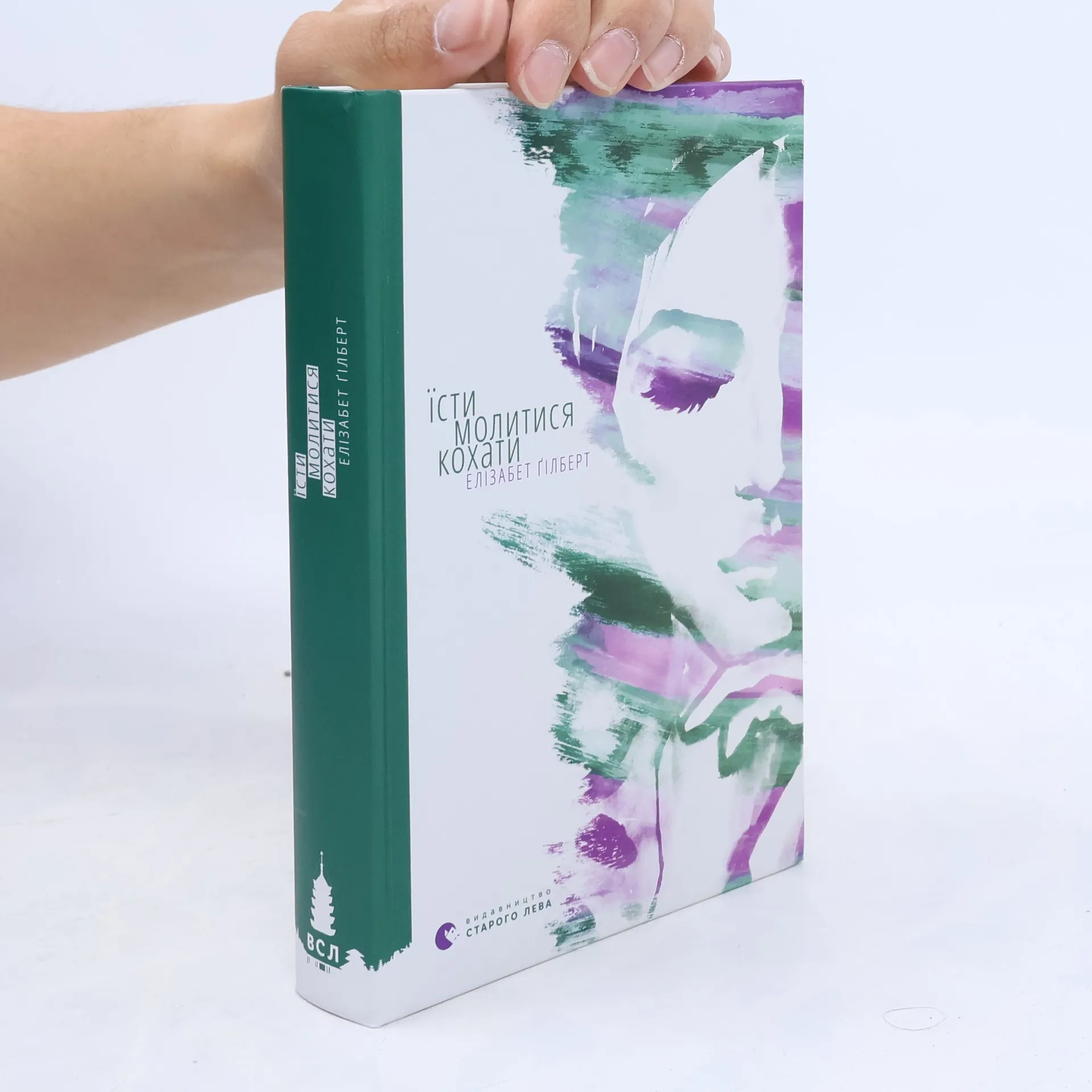

Їсти, молитися, кохати
- 416bladzijden
- 15 uur lezen
«Їсти, молитися, кохати» - надзвичайно щира розповідь жінки про духовне переродження і позитивні зміни у житті. Автор книги на власному прикладі довела, що навіть після найбільших криз можна не лише відновитися, а й відкрити в собі нові грані, можливості та рівні переживань. Героїня її роману - письменниця Ліз – розчарована у сімейному житті та зневірена в особистому щасті. Жінка втрачає головне: сенс та смак до життя. Аби набратися сил та повернутися до життя, Ліз вирішує подорожувати. На її шляху три країни: Італія, Індонезія та Індія. Там вона вчиться їсти зі смаком, молитися з відкритим серцем та кохати, наче вперше.
On the country estate of his art-collecting uncle, Van Veen meets Ada, his beautiful cousin. Their relationship flourishes, but both were born into one of America's illustrious families, a vast over-extended empire, and this causes problems for the lovers.
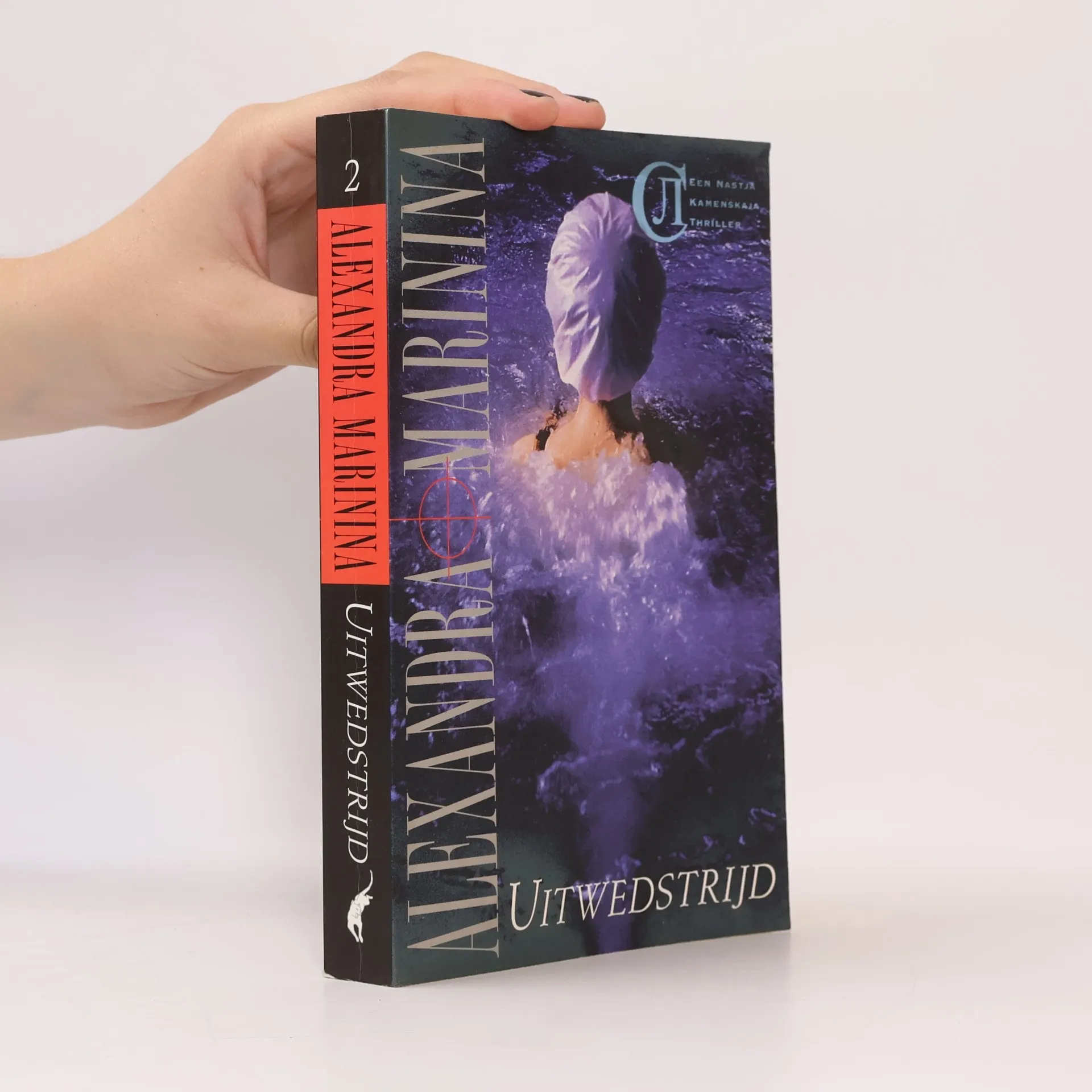
Uitwedstrijd
- 253bladzijden
- 9 uur lezen
Nastja Kamenskaja, toprechercheur van de Moskouse politie, besluit eindelijk iets aan haar gezondheid te doen. Ze boekt een paar kalme weken in het luxe kuuroord Het Dal. Maar van rust komt weinig. Op het terrein is een bende neergestreken die zich met gruwelijke zaken bezig houdt : jonge vrouwen worden gelokt met de belofte van een filmrol en vervolgens voor de camera vermoord. Nastja's aanbod om te helpen bij de opsporing wordt bot afgewezen door politie en justitie ter plaatse. Dan zoekt zij toenadering tot de peetvader van de plaatselijke maffia ...