

"Alors, tu crois qu'il n'y a que Dieu qui voit les âmes, Basil ? Écarte le rideau et tu verras la mienne." Dorian Gray prononce ces mots avec une dureté cruelle. Hallward, le peintre, s'inquiète de la folie de Dorian. Ce dernier, dans un acte impulsif, arrache le rideau du tableau et révèle son propre portrait. L'horreur s'empare de Hallward en découvrant le visage hideux de Dorian sur la toile, bien que sa beauté stupéfiante ne soit pas encore entièrement altérée. Les reflets dorés de sa chevelure et la sensualité de sa bouche persistent, tandis que ses yeux, bien que bouffis, conservent une lueur de leur ancien éclat. Le tableau, signé par Hallward, soulève des questions troublantes sur l'identité et la beauté. Dorian est confronté à une idée monstrueuse, mêlant fascination et peur, alors qu'il réalise que son image est en train de se dégrader, tandis que lui-même reste inchangé.
Benedetta Bini Volgorde van de boeken (chronologisch)
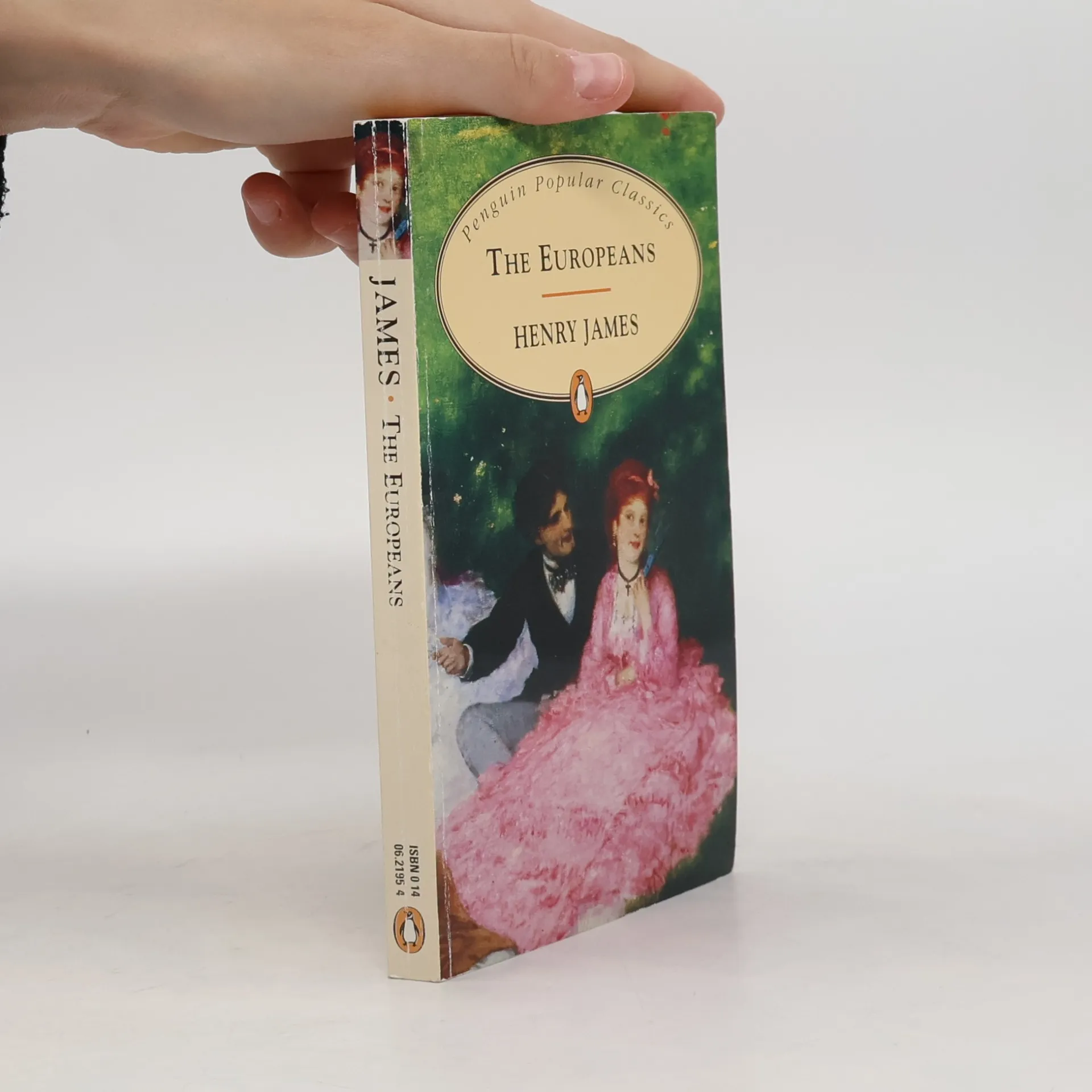

The Europeans
- 192bladzijden
- 7 uur lezen
In the hope of making a wealthy marriage, Eugenia, the Baroness M©ơnster, and her younger brother, the artist Felix, descend on the Wentworths, in Boston. Installed in a nearby house, they become close friends with the younger Wentworths, Gertrude, Charlotte and Clifford. Eugenia's wit, guile and sophistication, and Felix's debonair vivacity form an uneasy alliance with the Puritan morality and the frugal, domestic virtues of the Americans. A rich and delicately balanced commedy of manners, The Europeans weighs the values of the established order against thos of New England society, but makes no simple judgements, only subtle contrasts and beautifully observed comparisons.
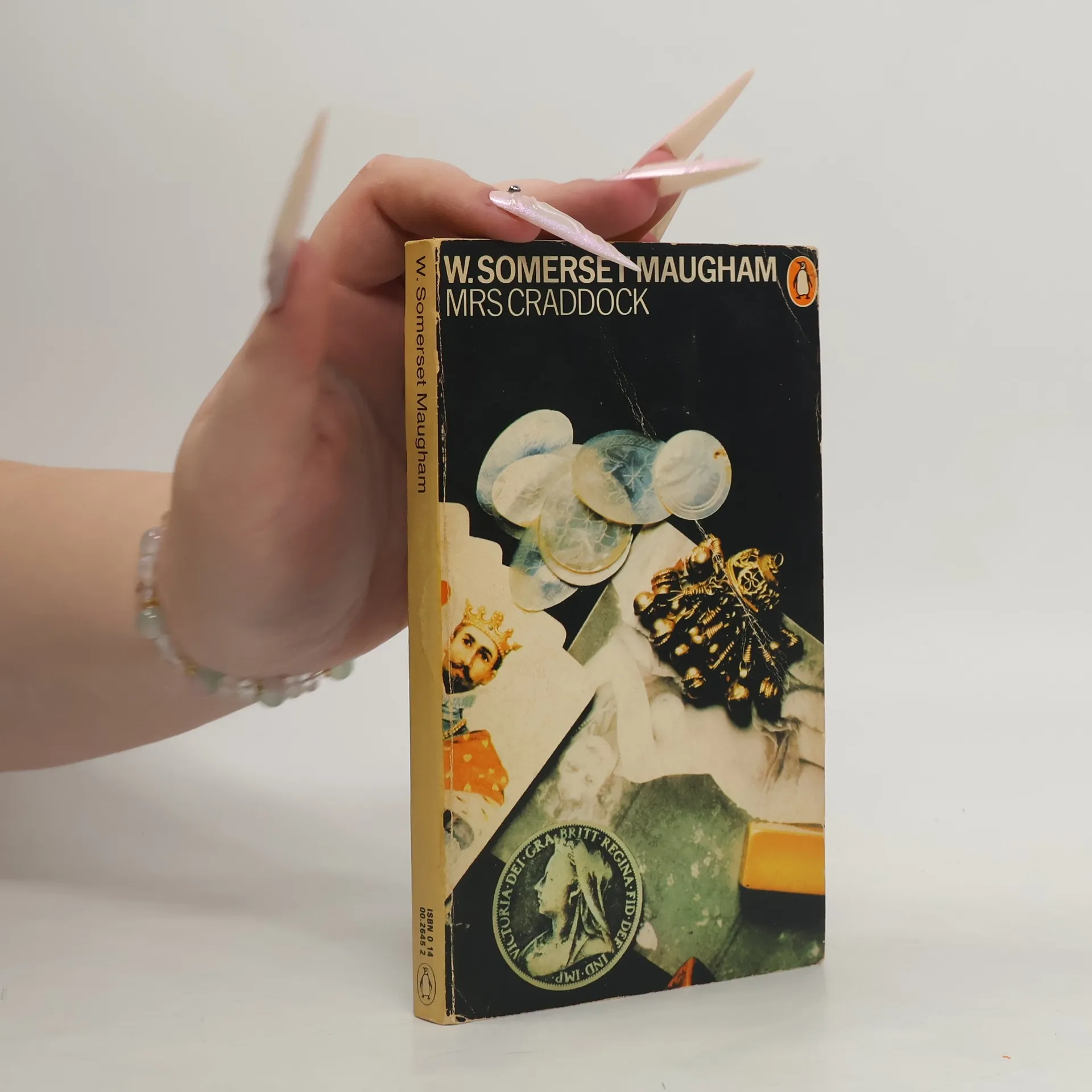
Set in the final years of the 19th century, "Mrs Craddock" tells the story of a young and attractive woman of independent means who marries beneath her. On her 21st birthday, when she comes into her deceased father's money, Bertha Ley announces, to the dismay of her former guardian, that she is going to marry 27-year-old Edward Craddock, her steward. Having written about a subject that was considered daring at the time, Maugham had some difficulty finding a publisher. Completed in 1900, the novel was eventually published in 1902 by William Heinemann, but only on the condition that the author remove passages which, according to Heinemann, might offend readers. A successful and popular book, Mrs Craddock was reissued in 1903 and again in 1908. In 1938 the first non-Bowdlerized version, stylistically improved by Maugham, was published.
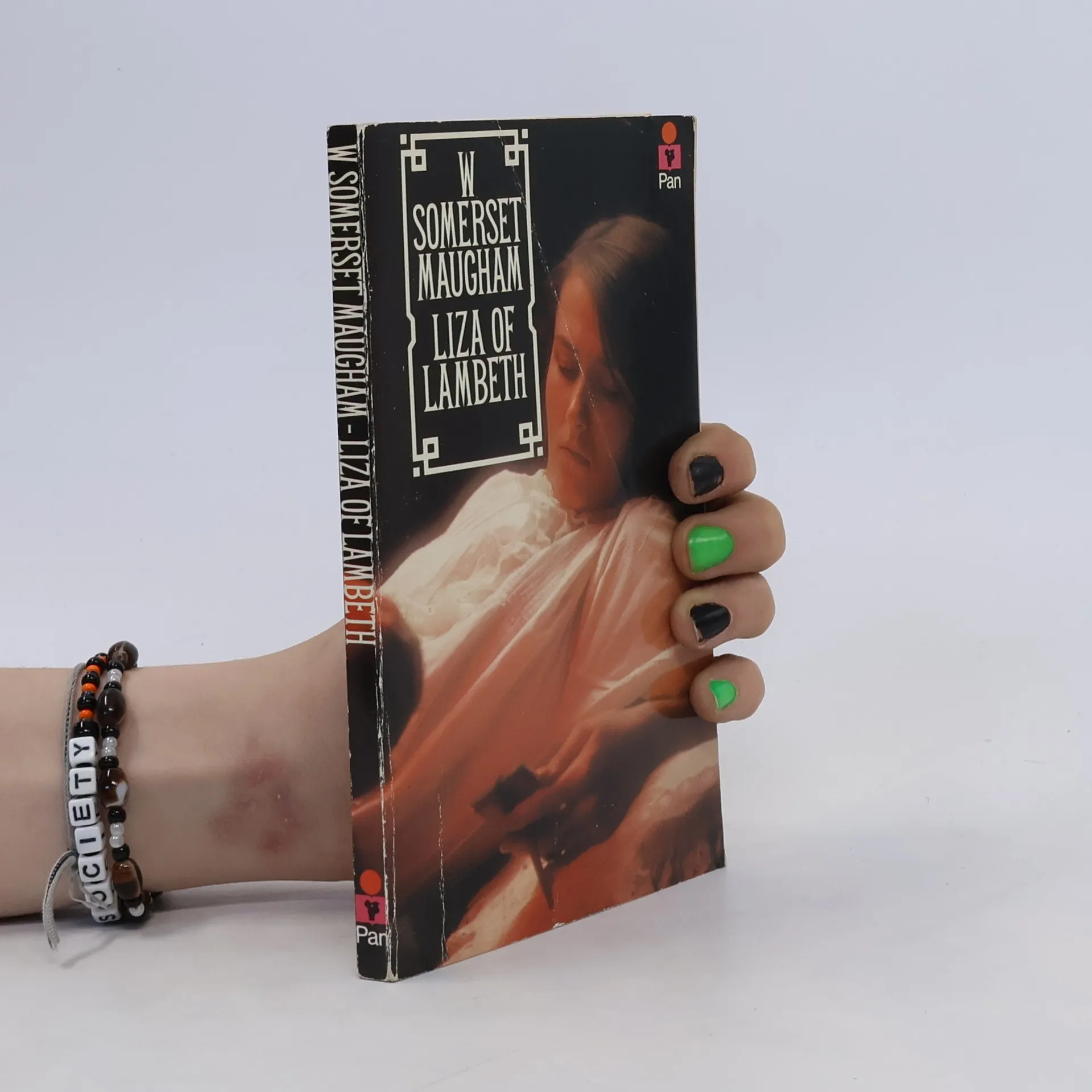
Liza of Lambeth
- 125bladzijden
- 5 uur lezen
Liza of Lambeth (1897) was W. Somerset Maugham's first novel, which he wrote while he was a medical student and obstetric clerk at St Thomas's Hospital in Lambeth, then a working-class district of London. It depicts the short life and death of Liza Kemp, an 18-year-old factory worker who lives with her aging mother in the fictional Vere Street off Westminster Bridge Road (real) in Lambeth. (wikipedia.org)