
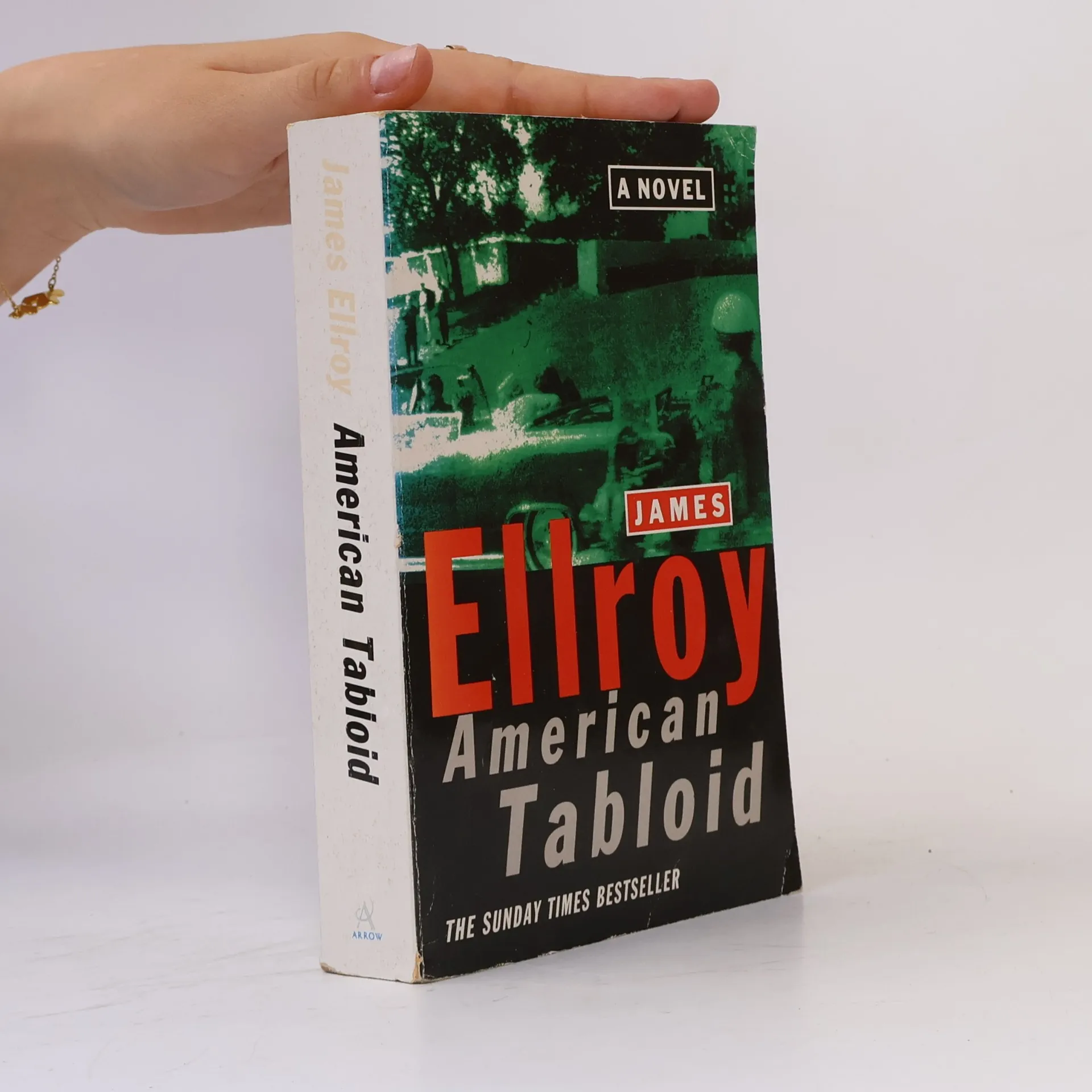
A novel of the Kennedy era, portraying the president in a far from flattering light. There are three protagonists: a CIA agent who pimps for JFK, another agent who trains anti-Castro rebels, and a lawyer who is a Mafia hunter. Through their eyes are seen the conflicting interests of the Kennedys, the director of the FBI, organized crime, organized labor, Castro and Cuban exiles.
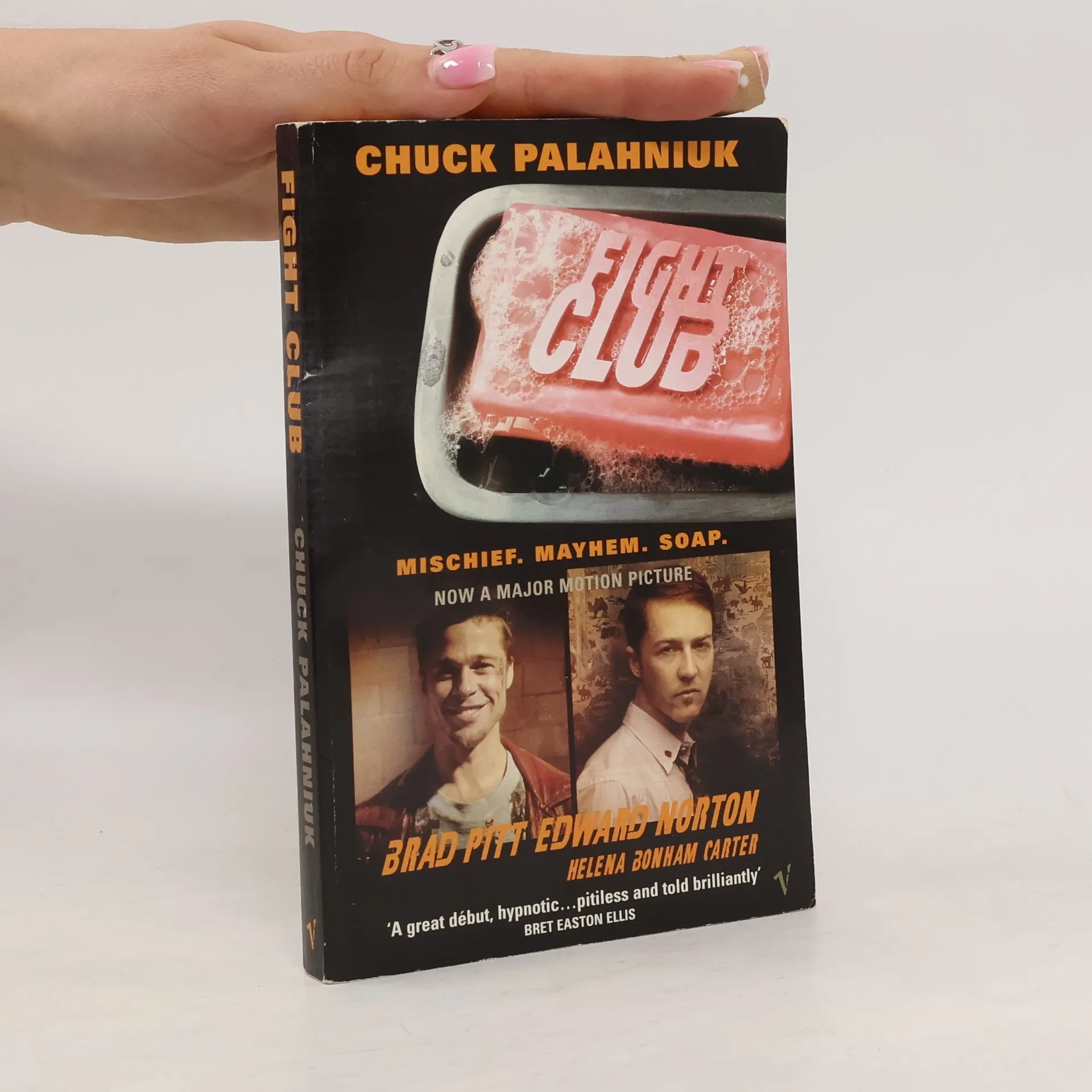
Every weekend, in basements and parking lots across the country, young men with good white-collar jobs and absent fathers take off their shoes and shirts and fight each other barehanded just as long as they have to.
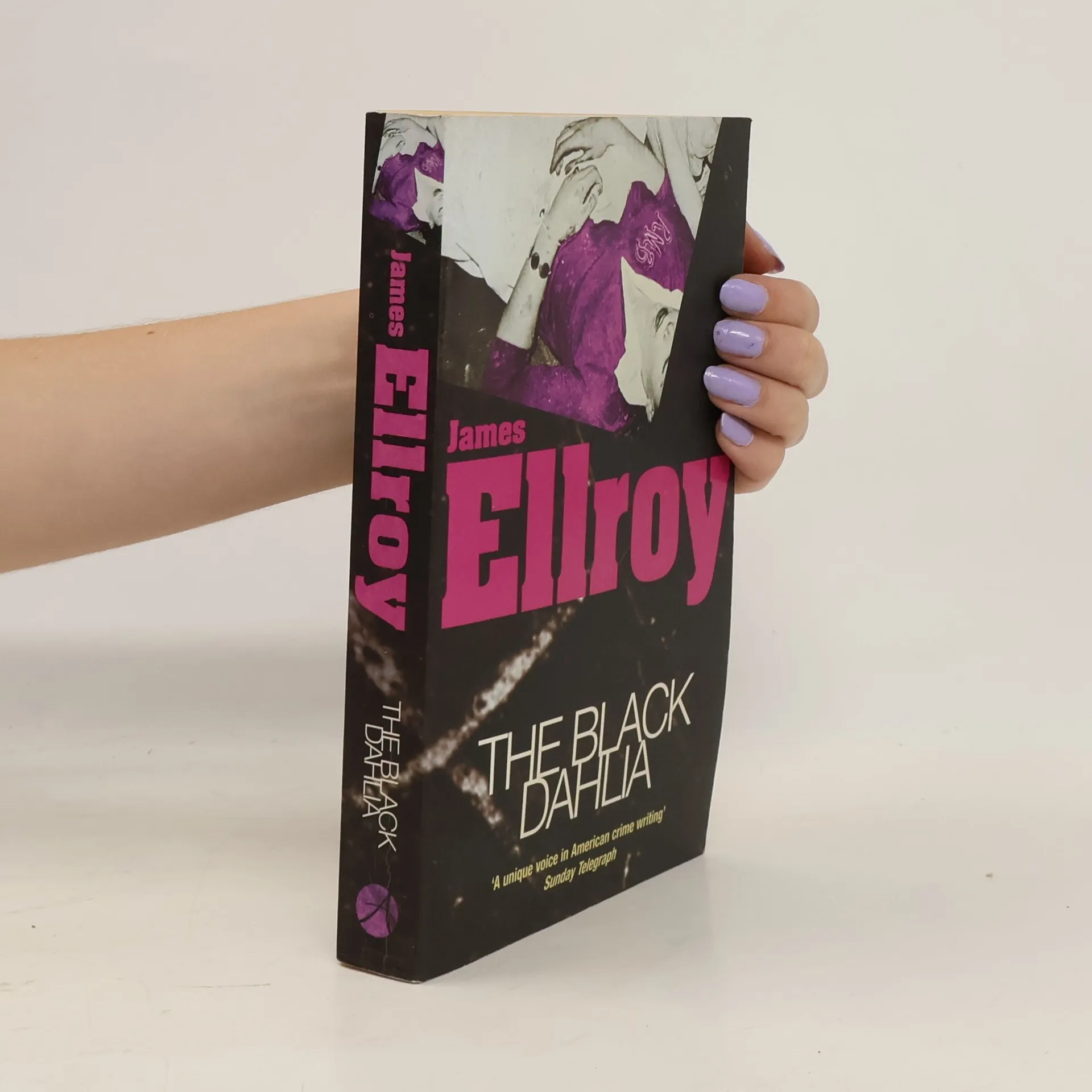
Los Angeles, 1th January 1947: a beautiful young woman walked into the night and met her horrific destiny. Five days later, her tortured body was found drained of blood and cut in helf. The newspapers called her 'The Black Dahlia'. Two cops are caught up in the investigation and embark on a hellish journey that takes them to the core of the dead girl's twisted life. The first part of Ellroy's crime fiction masterwork, the LA Quartet, and based around a real murder case, The Black Dahlia pulses with violence, darkness and brutality. It is crime writing at its most powerful.
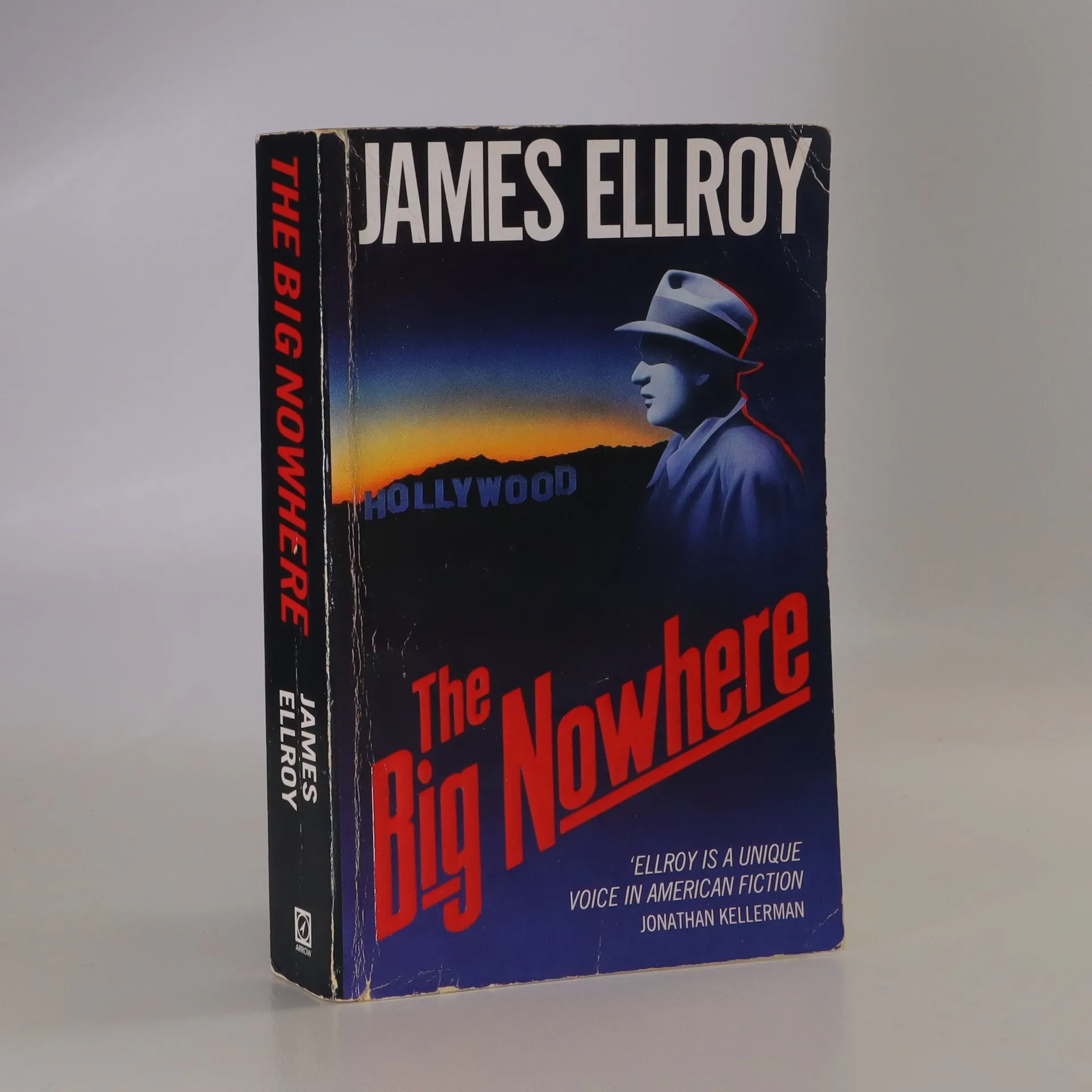
Le Grand Nulle Part commence la nuit du premier de l'an 1950 et met en scène trois destins parallèles de policiers. L'inspecteur adjoint Danny Upshaw enquête sur une série de meurtres sexuels avec mutilations. Le lieutenant de la criminelle, Mal Considine, accepte de servir l'ambition d'un aspirant procureur en participant à un dossier sur l'influence communiste à Hollywood. Buzz Meeks, homme de main, ex-flic des narcotiques et pourvoyeur de chair fraîche pour Howard Hughes, se joint à la lutte contre "la menace rouge" pour l'argent et le pouvoir. Sans le savoir, les trois hommes ont acheté un billet pour l'enfer. "Ellroy s'est imposé tout simplement comme l'un des grands de la littérature américaine contemporaine, un écrivain tragique, un écrivain de l'excès, l'écrivain d'une ville et d'un temps perdu à l'ombre des jeunes femmes assassinées..." (Frédéric Vitoux, Le Nouvel Observateur) "Le Grand Nulle Part est un livre sublime et fou, indispensable." (Paul-Louis Thirard, Rouge)