

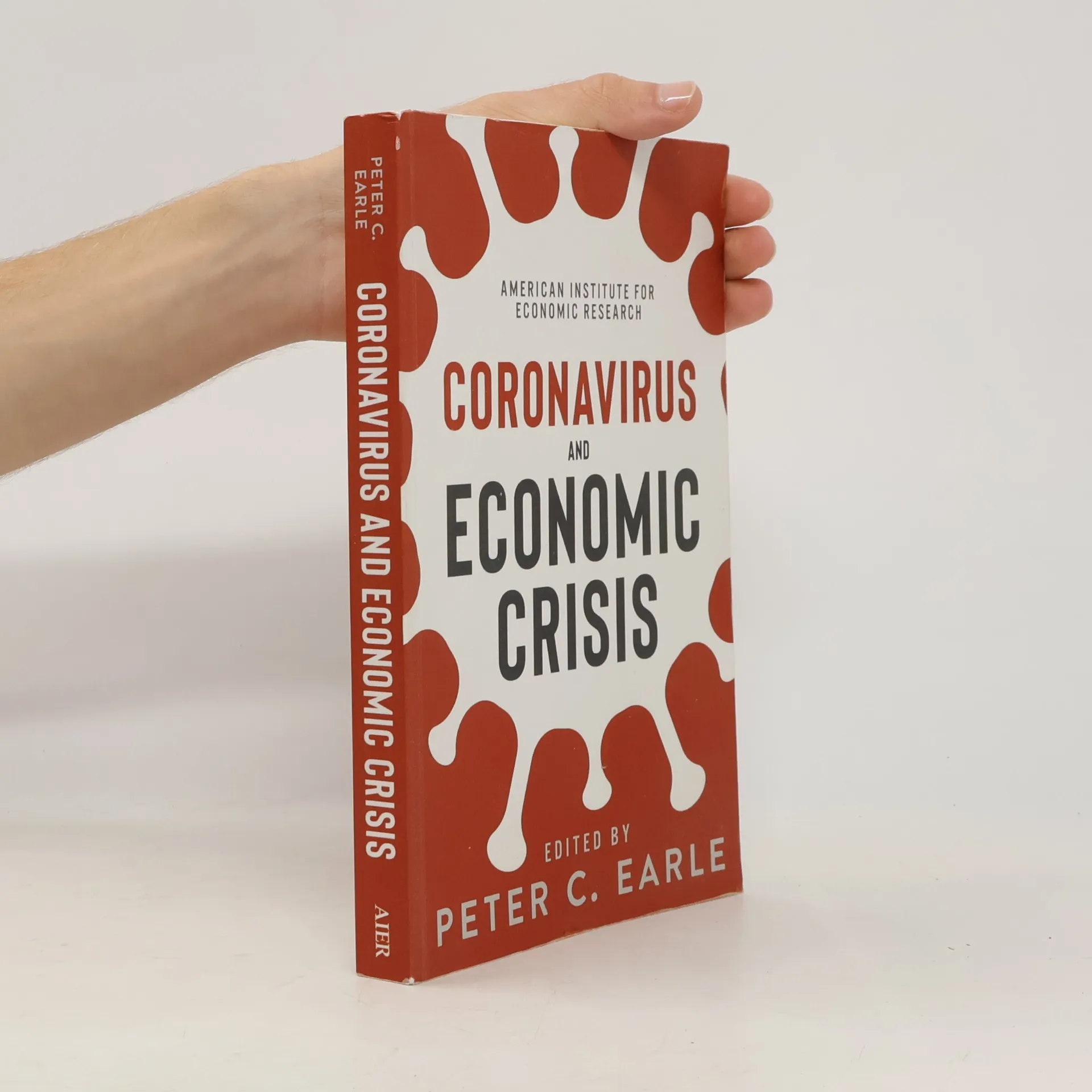
Coronavirus and Economic Crisis
- 264bladzijden
- 10 uur lezen
America faces an unprecedented threat to freedom, stemming from a pandemic and its policy responses, fundamentally altering rights related to work, travel, and social interaction, while casting doubt on future prospects. The crisis has led to unknown social, economic, and political consequences, indicating that nothing will remain unchanged. The American coronavirus experience is often marked from January 21, 2020, when the CDC announced the first domestic case in Washington State. This followed weeks of reports about a health crisis in Wuhan, China, which highlighted the impending spread of the virus. Shortly after the first case in the U.S., the American Institute for Economic Research (AIER) published its first article on the pandemic, initiating a series of analyses. This book chronicles AIER's coverage from the onset of the outbreak through the ensuing crisis, offering insights into the future of wealth and liberty amid the pandemic and political responses. Contributions include insights from Peter C. Earle, an economist with extensive experience in financial markets, and a background in applied economics, finance, and engineering. Founded in 1933, AIER serves as an independent voice for sound economics, providing research, educational programs, and publications, while being recognized for its contributions to economic discourse.