Bury the Chains
- 456bladzijden
- 16 uur lezen
From the award-winning author of King Leopold's Ghost, the dramatic story of the men who ignited the first great human rights movement
Adam Hochschild is een auteur wiens werk zich vaak verdiept in de donkerdere aspecten van de geschiedenis en de menselijke natuur. Hij baseert zijn verhalen op nauwgezet historisch onderzoek en indringende portretten, met een focus op thema's als onrecht, verzet en complexe menselijke relaties. Zijn schrijfstijl is zowel doordringend als empathisch, waardoor lezers de motivaties en het lijden van zijn personages kunnen begrijpen. Hochschilds aanpak wordt gevormd door een carrière van politiek activisme en de drang om ongemakkelijke waarheden te onthullen, en nodigt lezers uit om het verleden en de echo's daarvan in het heden onder ogen te zien.


From the award-winning author of King Leopold's Ghost, the dramatic story of the men who ignited the first great human rights movement
A Story of Greed, Terror and Heroism in Colonial Africa
Set against the backdrop of the Congo massacre, the narrative explores the interplay of ruthless monarchs and unscrupulous adventurers, highlighting the stark contrast with a few true heroes. This gripping account delves into the complexities of human nature during a tumultuous period, revealing the moral ambiguities faced by individuals amidst chaos and violence.
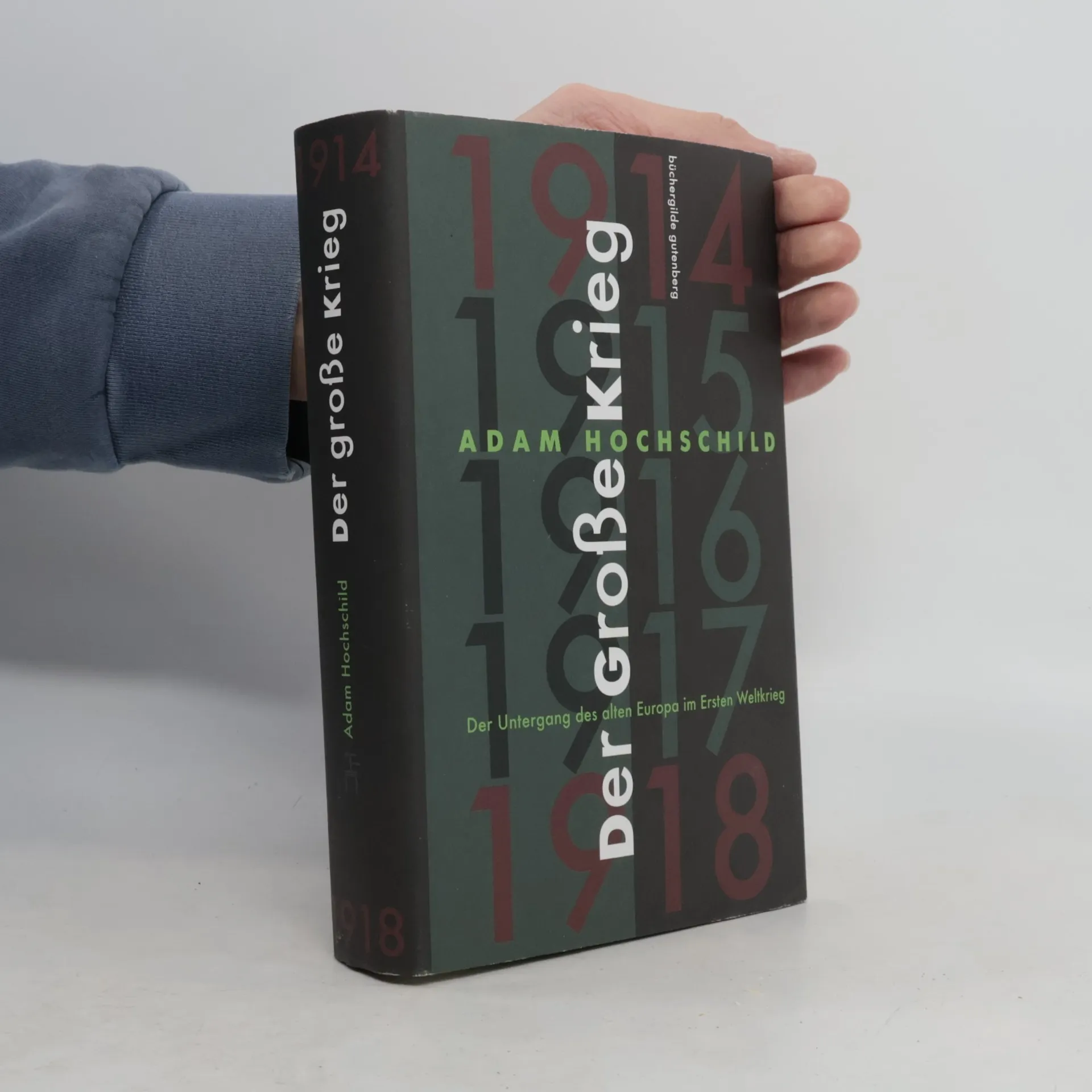
A brilliant new history of the First World War by the bestselling and prizewinning author of King Leopold's Ghost and Bury the Chains
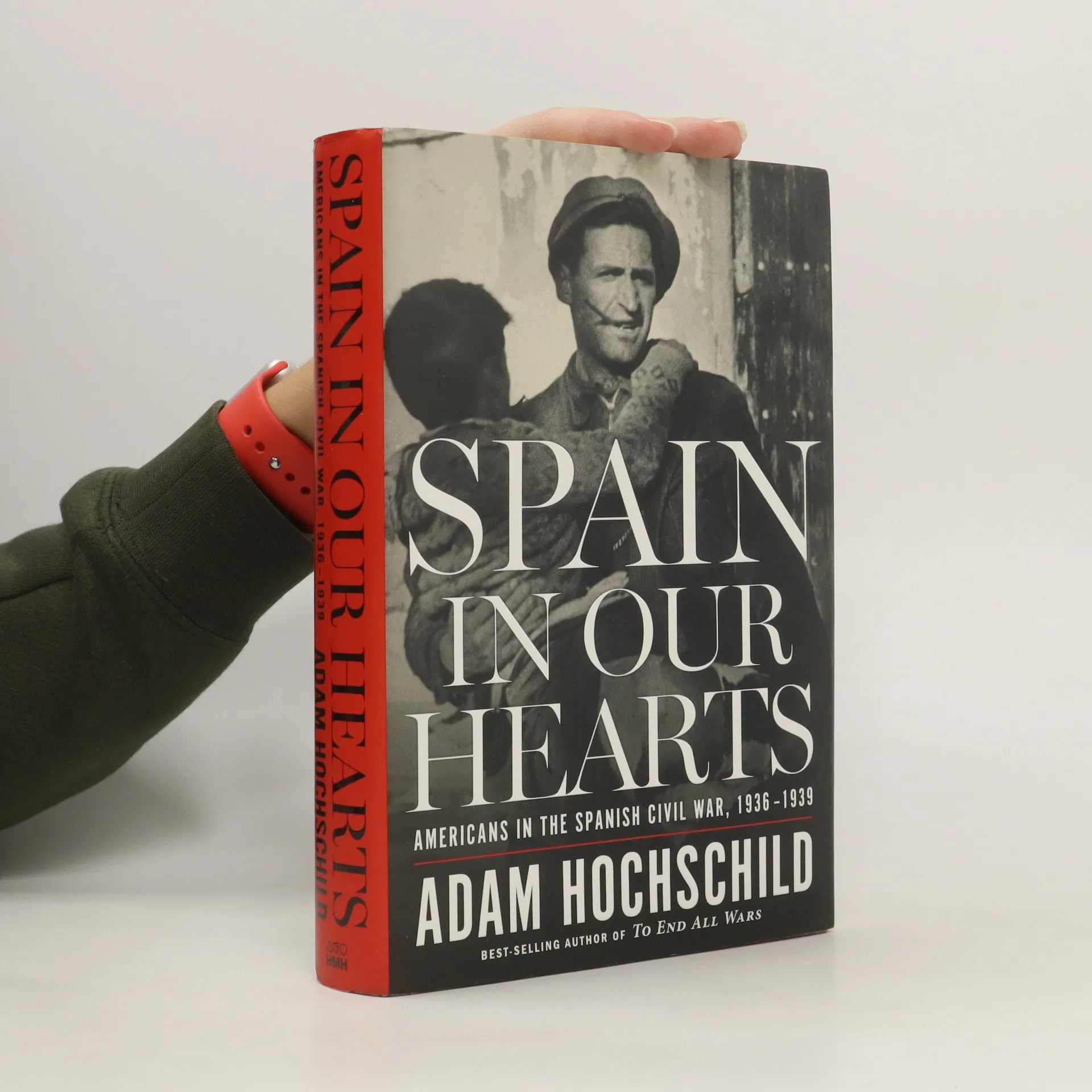
A sweeping history of the Spanish Civil War, told through nine American and British characters including Hemingway and George Orwell. It was a war between fascism, communism, and democracy that preceeded World War II, and a tale of idealism and a noble cause that failed.
A colorful, provocative study of King Leopold II of Belgium's genocidal plunder of the Congo in the 1880s, as the European powers were colonizing Africa, reveals the heroic efforts that led to the first international human rights movement.
The astonishing but forgotten story of an immigrant sweatshop worker who became one of the most charismatic radical leaders of her time
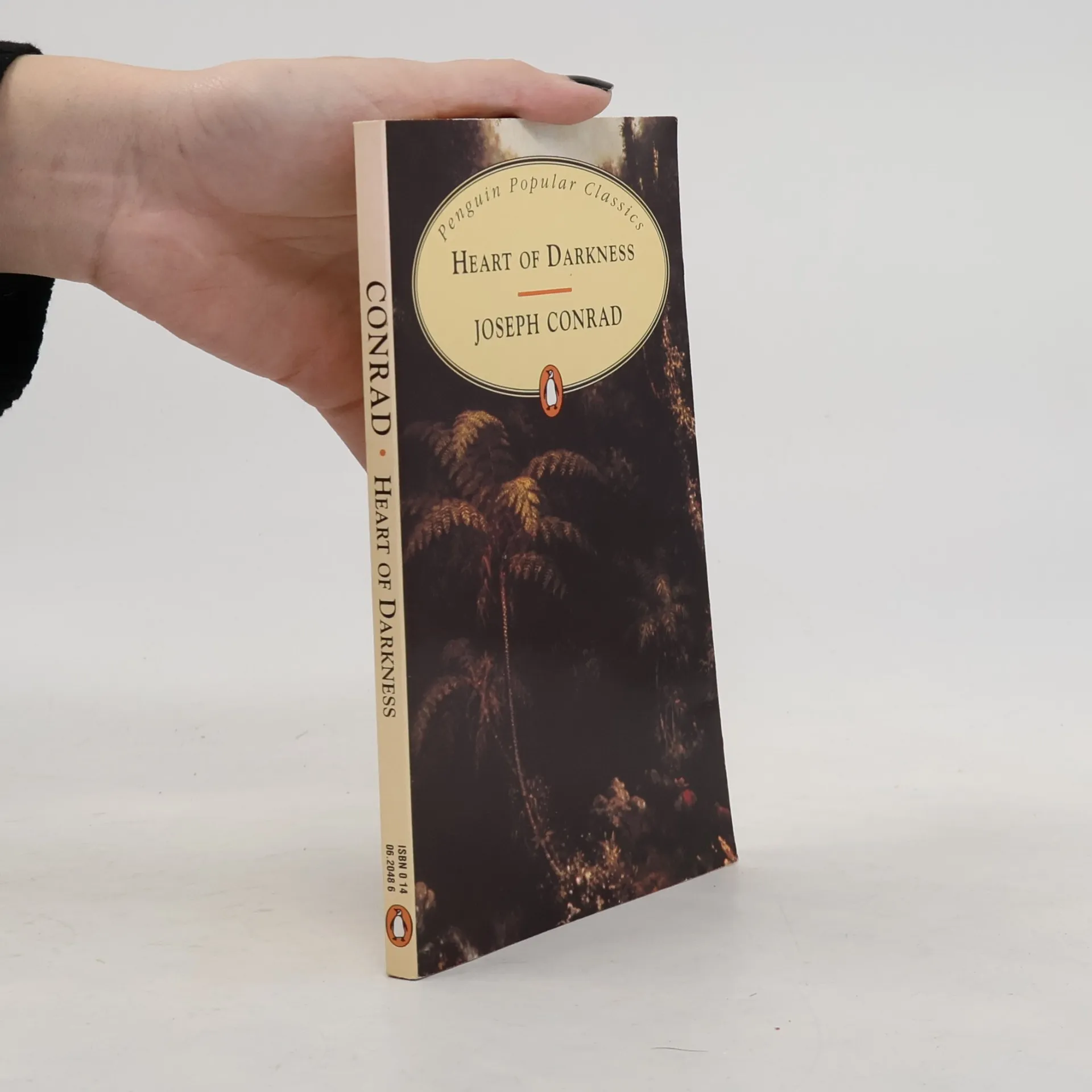
Dark allegory describes the narrator's journey up the Congo River and his meeting with, and fascination by, Mr. Kurtz, a mysterious personage who dominates the unruly inhabitants of the region. Masterly blend of adventure, character development, psychological penetration. Considered by many Conrad's finest, most enigmatic story.
In this rich collection, bestselling author Adam Hochschild has selected and updated over two dozen essays and pieces of reporting from his long career. Threaded through them all is his concern for social justice and the people who have fought for it. The articles here range from a California gun show to a Finnish prison, from a Congolese center for rape victims to the ruins of gulag camps in the Soviet Arctic, from a stroll through construction sites with an ecologically pioneering architect in India to a day on the campaign trail with Nelson Mandela. Hochschild also talks about the writers he loves, from Mark Twain to John McPhee, and explores such far-reaching topics as why so much history is badly written, what bookshelves tell us about their owners, and his front-row seat for the shocking revelation in the 1960s that the CIA had been secretly controlling dozens of supposedly independent organizations. With the skills of a journalist, the knowledge of a historian, and the heart of an activist, Hochschild shares the stories of people who took a stand against despotism, spoke out against unjust wars and government surveillance, and dared to dream of a better and more just world.
In einem spannenden Epos lässt Hochschild diesen Krieg, dessen Echo bis in unsere Zeit nachhallt, anschaulich, lebensnah und erschütternd wie nie zuvor lebendig werden. Er richtet seinen Blick auf das Kriegsgeschehen und die diplomatischen Verwicklungen der großen Mächte. Im Zentrum der Darstellung stehen nicht nur die prominenten Befürworter des Krieges (u. a. Rudyard Kipling, H. G. Wells, Conan Doyle und John Galsworthy); viele, wenig beachtete Kritiker und Gegner aus allen Schichten kommen zu Wort. Zahlreiche meisterhafte Porträts von Kaiser Wilhelm II., Kaiser Franz Joseph, den Romanows und der Generäle wie von Hindenburg, von Moltke, Ludendorff, French, Haig, Milner und des jungen Churchill runden das Panorama ab. Hunderte von Soldatenfriedhöfen säumen die Felder in Belgien und Frankreich; dort kamen Millionen Soldaten in dem Krieg ums Leben, der allen Kriegen ein Ende machen sollte. Gelingt es uns, die Wiederholung dieser Geschichte zu vermeiden?