
Bookbot

Lydia Origlia

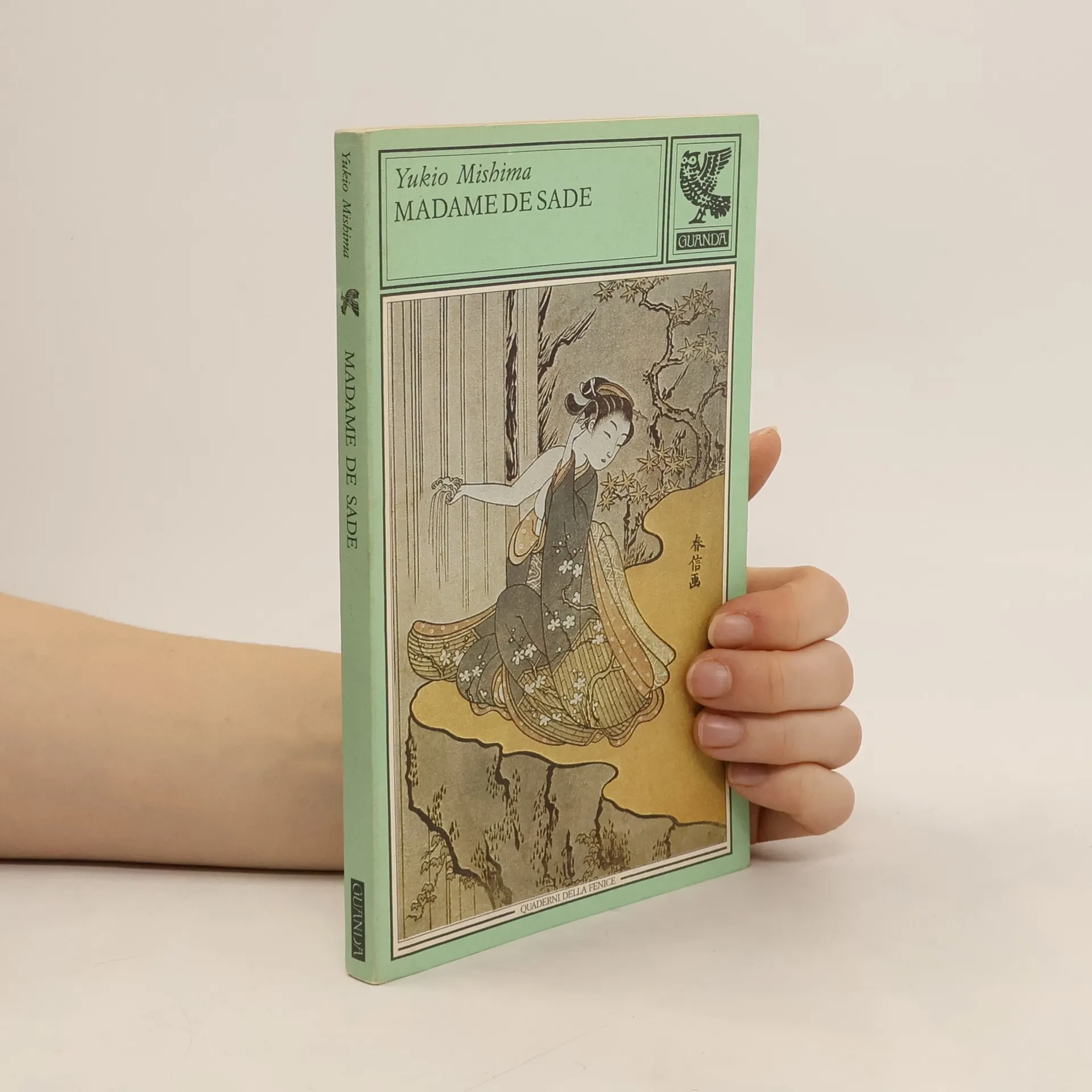
    Quaderni della Fenice: Madame de Sade
    De nachtploeg
    The Confessions of Lady Nijo
    • De nachtploeg

      • 479bladzijden
      • 17 uur lezen

      Wat gebeurt er als je te ver gaat, als je ontdekt dat het ondenkbare je aantrekt? Zou je betrokken kunnen raken bij moord? Als vriendendienst? Om te ontsnappen aan je uitzichtloze bestaan? Vier vrouwen werken in de nachtdienst in Tokio. Ze maken lunchpaketten aan de lopende band: zwaar, geestdodend werk. Ze worden geplaagd door slaapgebrek en ernstige privé-problemen. De jongste vrouw, Yayoi, bezwijkt onder de stress en wurgt haar man. Haar collega Masako bedenkt een plan om het lijk te doen verdwijnen, maar haar hulp blijkt rampzalig te zijn. Deze duistere roman beschrijft hoe collegialiteit en vriendschap tussen vier vrouwen vermorzeld worden in de wrede Japanse consumptiemaatschappij.

      De nachtploeg2003
      4,0
    • The Confessions of Lady Nijo

      • 320bladzijden
      • 12 uur lezen

      In about 1307 a remarkable woman in Japan sat down to complete the story of her life. The result was an autobiographical narrative, a tale of thirty-six years (1271-1306) in the life of Lady Nijo, starting when she became the concubine of a retired emperor in Kyoto at the age of fourteen and ending, several love affairs later, with an account of her new life as a wandering Buddhist nun. Through the vagaries of history, however, the glory of Lady Nijo's story has taken six and half centuries to arrive. The Confessions of Lady Nijo or Towazugatari in Japanese, was not widely circulated after it was written, perhaps because of the dynastic quarrel that soon split the imperial family, or perhaps because of Lady Nijo's intimate portrait of a very human emperor. Whatever the cause, the book was neglected, then forgotten completely, and only a single manuscript survived. This was finally discovered in 1940, but would not be published until after World War II in 1950. This translation and its annotations draw on multiple Japanese editions, but borrow most heavily from the interpretations offered by Tsugita Kasumi.

      The Confessions of Lady Nijo1996
      4,0
    • Leggendo la biografia di Sade, Mishima rimane colpito da un episodio apparentemente inspiegabile: la moglie del divino marchese, dopo aver dedicato tanti anni e tante appassionate energie al tentativo di farlo uscire dal carcere, al momento della possibile riunione, anziché accorrere da lui, decide di rimanergli lontana, fa sapere al marito che non lo incontrerà ma più. Come mai? L'ipotetica risposta a questo interrogativo si intreccia, in un testo fra i più rappresentativi della sua produzione teatrale, al tema portante della ricerca estetico-filosofica di Mishima. La bellezza fisica, per il grande scrittore giapponese, è indissolubilmente fusa col valore morale, con la volontà e la forza di incarnare nella propria esistenza ideali di vita elevati. E il Sade di Mishima, limitato nell'uso del corpo dalla sua condizione di prigioniero, ha trasferito il mondo dei sensi e delle passioni su un piano squisitamente intellettuale

      Quaderni della Fenice: Madame de Sade1982
      3,4