Robert Walser, een Duitstalige Zwitserse prozaschrijver, wordt geprezen om zijn taalkundige verfijning en levendigheid. Zijn werk balanceert tussen een modernistische toewijding aan kunst en een voortdurend bevragen van de morele legitimiteit en praktische bruikbaarheid ervan. Walser onderzoekt de spanningen tussen stijlvolle uitbundigheid en peinzende melancholie, tussen natuur en cultuur, en tussen democratisch respect voor het individu en elitaire reacties op massicultuur.
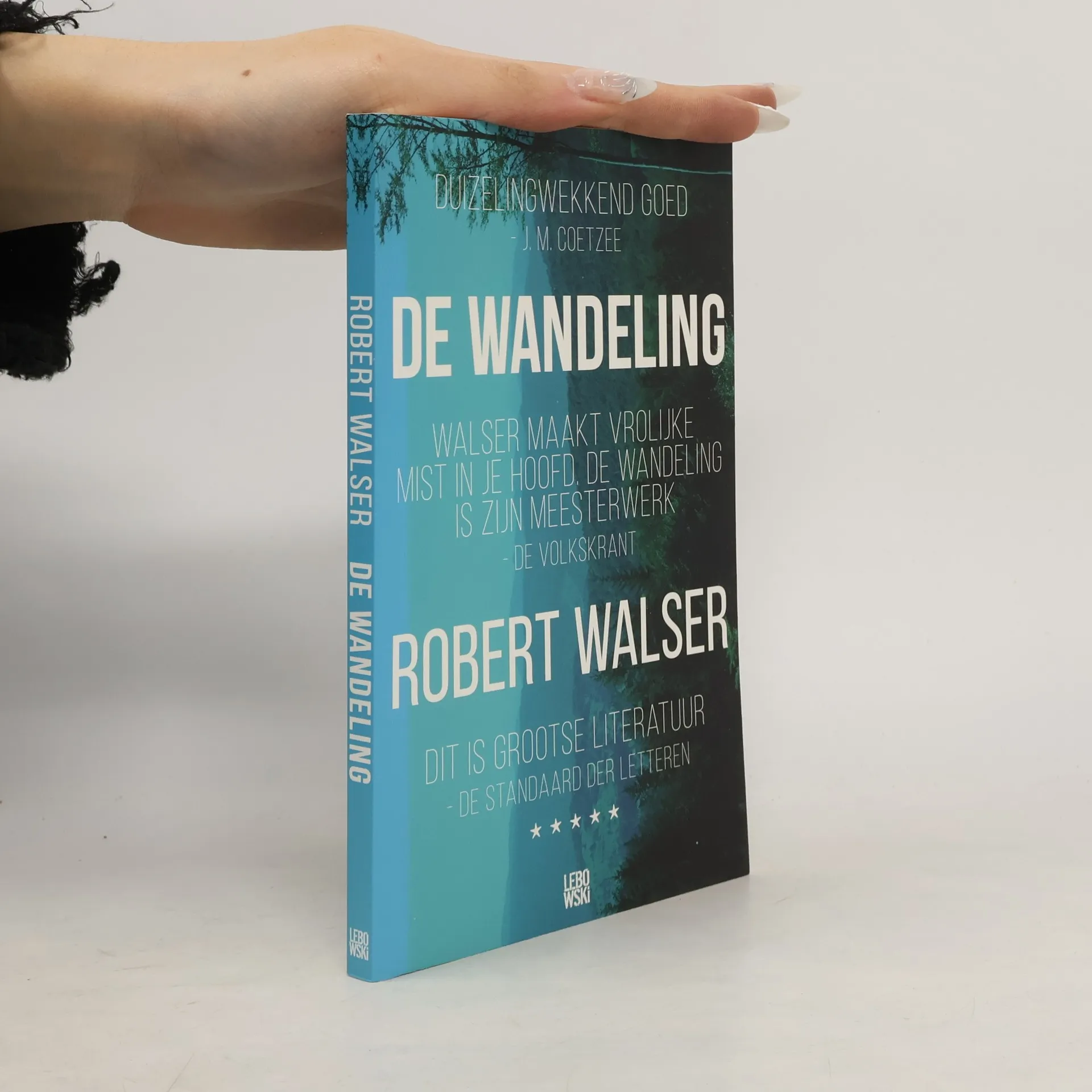
In De wandeling vlucht een schrijver weg van het lege vel papier voor hem, naar buiten. Hij wandelt door een kleine stad en door bos en open veld, opmerkzaam op elk detail. Zo nu en dan ontmoet hij iemand, zoals een boekhandelaar, een belastinginspecteur, een dame, een zingend meisje en een reusachtige man genaamd Tomtsjak. Aan het slot worden de randen van zijn gemoed steeds donkerder. De wandeling wordt wel gezien als een allegorie op het scheppingsproces, waarin schrijven een middel is om aan het leven te ontsnappen. Deze uitgave bevat ook het essay 'Le promeneur solitaire' van W.G. Sebald.
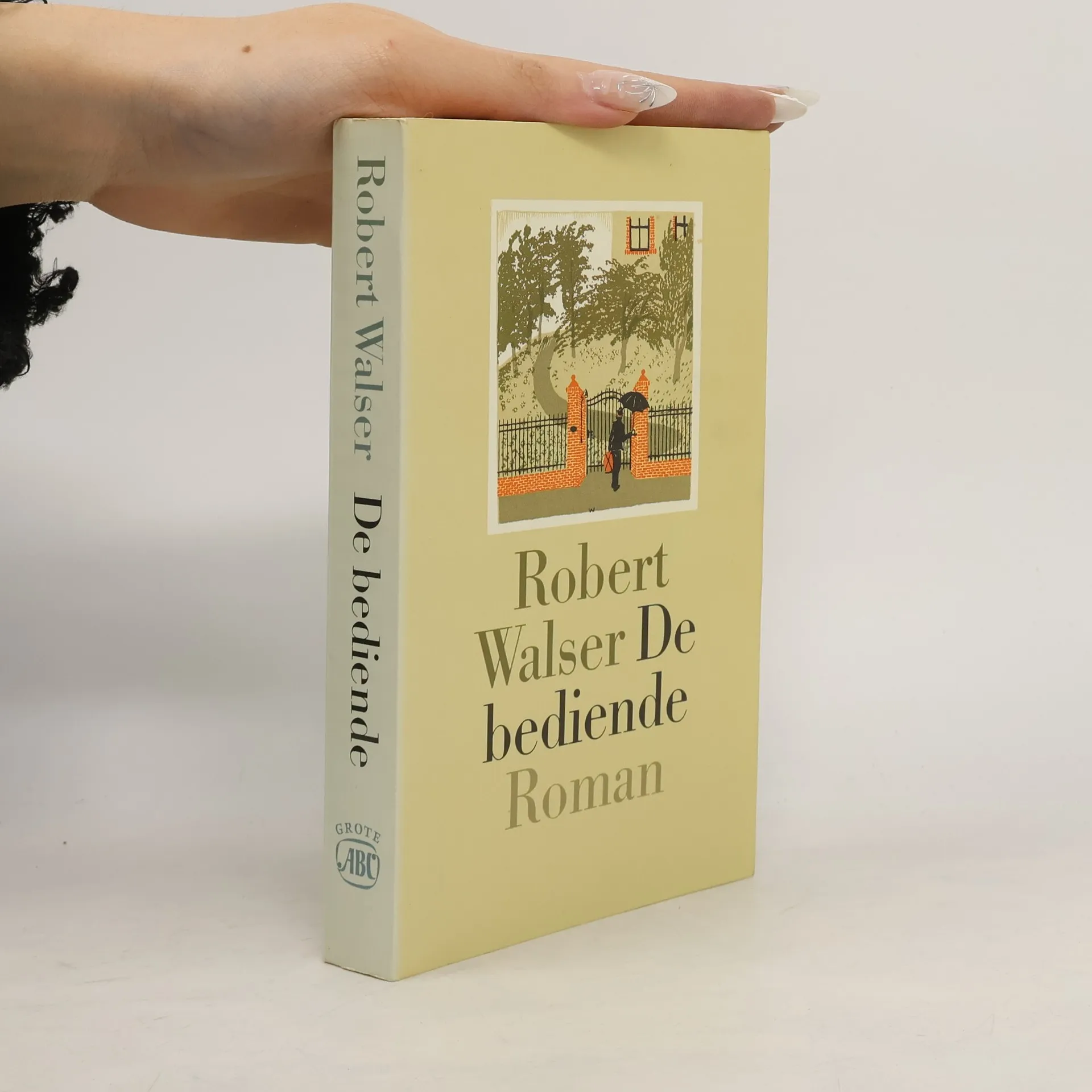
De bediende van een Zwitserse industriëel maakt de neergang mee van diens gezin en daarmee van de burgerlijke moraal waarin ook hijzelf geborgenheid dacht te vinden.
A collection of writings by Swiss author Robert Walser, including journal entries, stories, notes on literature, biographical sketches, fables, and anecdotes.
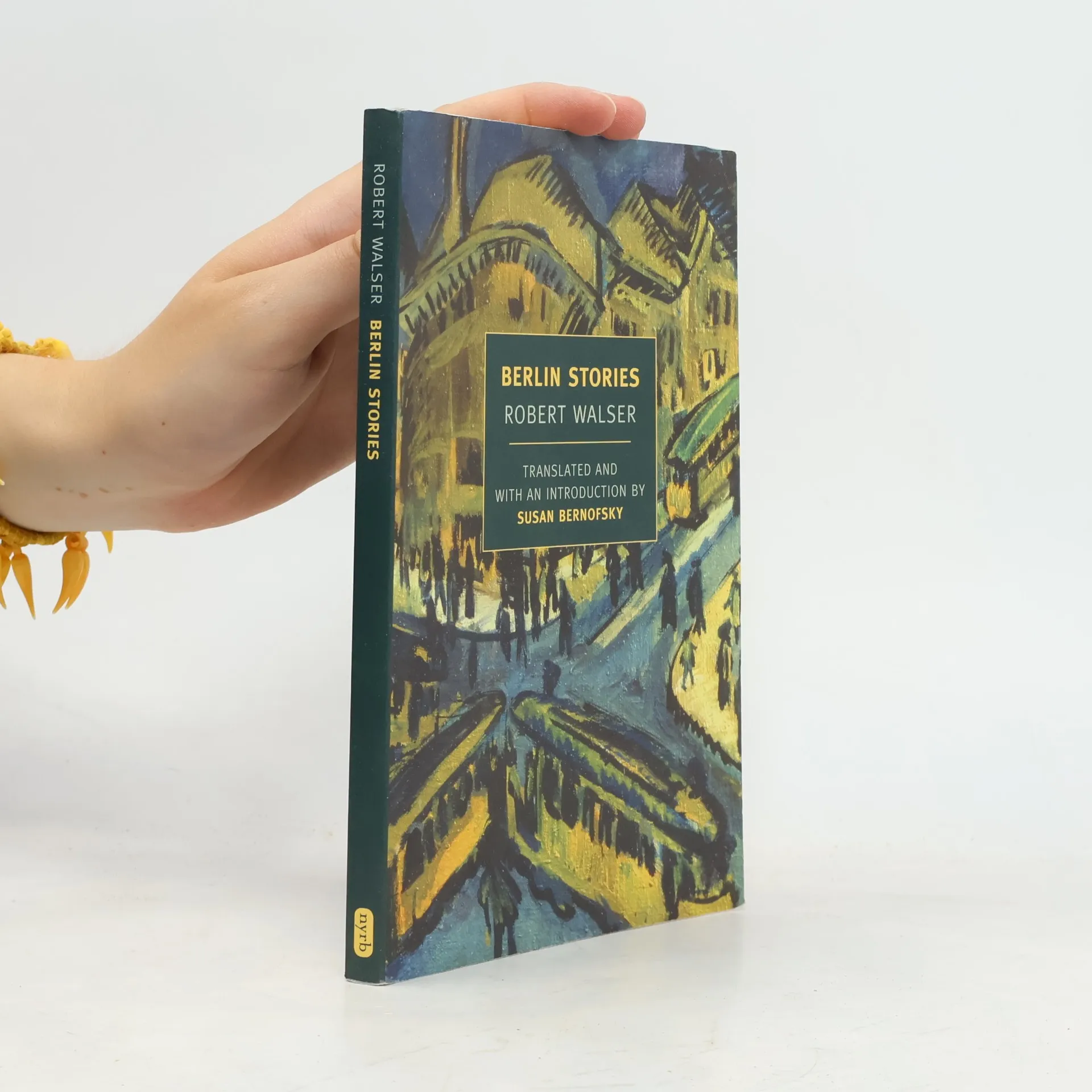
A New York Review Books Original In 1905 the young Swiss writer Robert Walser arrived in Berlin to join his older brother Karl, already an important stage-set designer, and immediately threw himself into the vibrant social and cultural life of the city. Berlin Stories collects his alternately celebratory, droll, and satirical observations on every aspect of the bustling German capital, from its theaters, cabarets, painters’ galleries, and literary salons, to the metropolitan street, markets, the Tiergarten, rapid-service restaurants, and the electric tram. Originally appearing in literary magazines as well as the feuilleton sections of newspapers, the early stories are characterized by a joyous urgency and the generosity of an unconventional guide. Later pieces take the form of more personal reflections on the writing process, memories, and character studies. All are full of counter-intuitive images and vignettes of startling clarity, showcasing a unique talent for whom no detail was trivial, at grips with a city diving headlong into modernity.
The first complete publication of Robert Walser's poems translated into English. Admired by the likes of Kafka, Musil, and Walter Benjamin and acclaimed "unforgettable, heart-rending" by J. M. Coetzee, Swiss writer Robert Walser (1878-1956) remains one of the most influential authors of modern literature. Walser left school at fourteen and led a wandering and precarious existence while producing poems, stories, essays, and novels. In 1933, he abandoned writing and entered a sanatorium, where he remained for the rest of his life. "I am not here to write," Walser said, "but to be mad." This first collection of Walser's poems in English translation allows English-speaking readers to experience the author as he saw himself at the beginning and the end of his literary career--as a poet. The book also includes notes on dates of composition, draft versions of the printed poems, and brief biographical information on characters and locations that appear in the poems and may not be known to readers. Few writers have ever experienced such a steady rise in their reputation and public profile as Walser has seen in recent years, and this collection of his poems will help readers discover a unique writer whose off-kilter sensibility and innovations in form are perfectly suited to our fragmented, distracted, bewildering era.
A new collection of twenty-three literary essays from the Nobel Prize–winning author. J. M. Coetzee’s latest novel, The Schooldays of Jesus, is now available from Viking. J. M. Coetzee is not only one of the most acclaimed fiction writers in the world, he is also an accomplished and insightful literary critic. In Late Essays: 2006–2016, a thought-provoking collection of twenty-three pieces, he examines the work of some of the world’s greatest writers, from Daniel Defoe in the early eighteenth century to Goethe and Irène Némirovsky to Coetzee’s contemporary Philip Roth. Challenging yet accessible, literary master Coetzee writes these essays with great clarity and precision, offering readers an illuminating and wise analysis of a remarkable list of works of international literature that span three centuries.
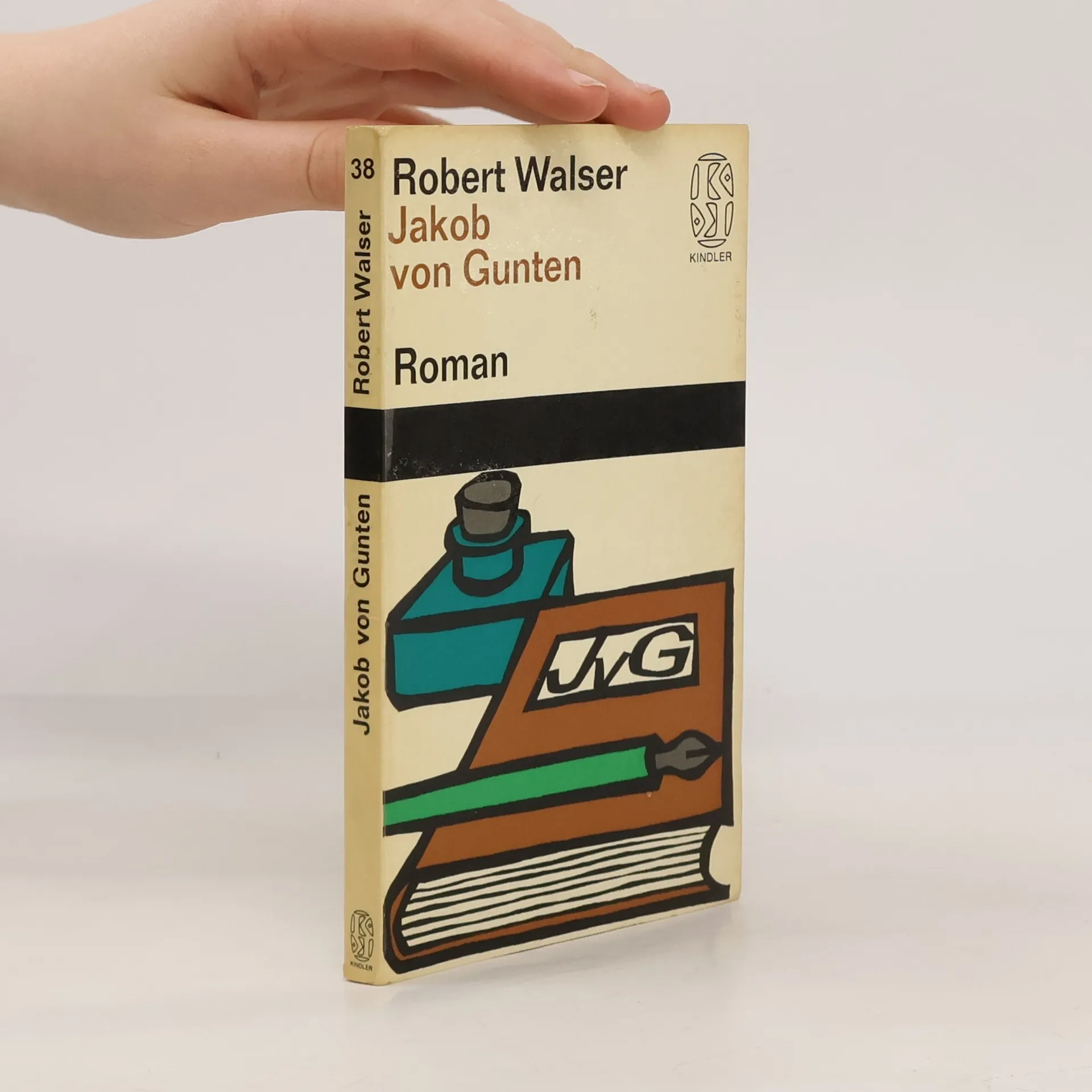
Published in 1908, the novel is a notebook, a boy?s impressions of life at the school for servants run by the brother and sister Benjamenta. The lesson of the school is humility and the rejection of power and ambition. It is a lesson that the narrator, Jakob von Gunten, learns well. From his vantage point, he is able to see through the absurd posturings of his fellow students. Like his creation Jakob von Gunten, Robert Walser understood of the attractions of infinitesimal smallness and kept well away from the corruptions and temptations of literary life. An outsider who spent his last twenty-seven years in an asylum, Walser was a writer?s writer whose work was much admired by Kafka, Hesse and Mann. His voice appeals to all those who savour silence in an epoch of deafening noise. Now a major feature film directed by the Quay Brothers, Institute Benjamenta is Walser?s masterpiece. Ninety years after its first publication, this edition offers the chance to read a truly extraordinary classic.
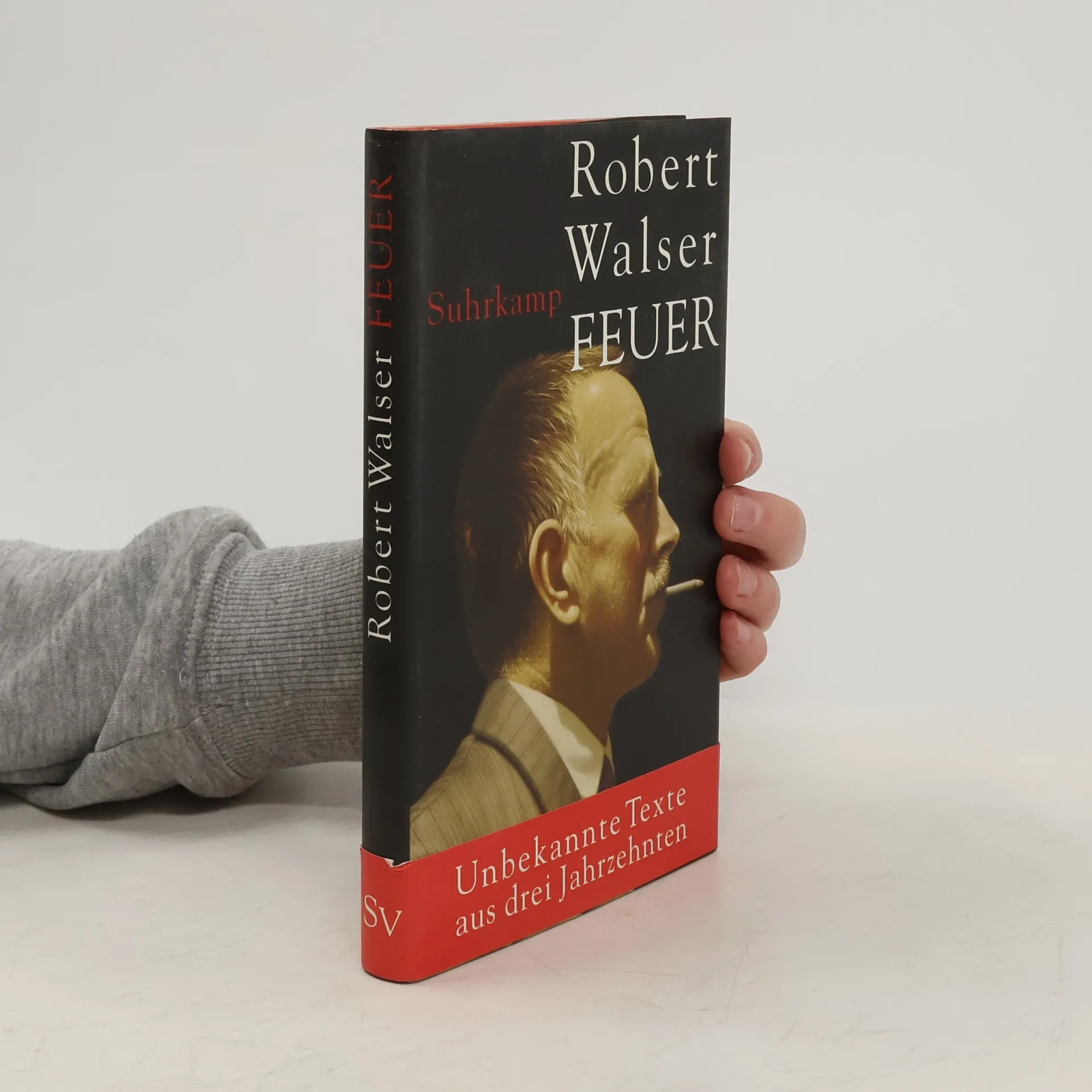
Aufgrund der Intensivierung der Forschung über Robert Walser sind unbekannte Gedichte und bisher nicht eruierte Feuilletons entdeckt worden. Die über zwanzig Prosatexte zeigen, wie er in seinen Zeitungsfeuilletons den Raum "unter dem Strich" nutzte. Er wendet sich in ihnen der Gegenwart zu und distanziert sich zugleich von ihr
Die Erzählung besticht durch ihre meisterhafte Schreibweise und hat internationale Anerkennung gefunden. Sie behandelt tiefgehende Themen und bietet komplexe Charaktere, die den Leser in eine fesselnde Welt entführen. Die Handlung entfaltet sich auf eine Art und Weise, die sowohl emotional berührt als auch zum Nachdenken anregt. Die geschickte Verknüpfung von persönlichen Schicksalen mit universellen Fragen macht das Werk zu einem bedeutenden literarischen Erlebnis.
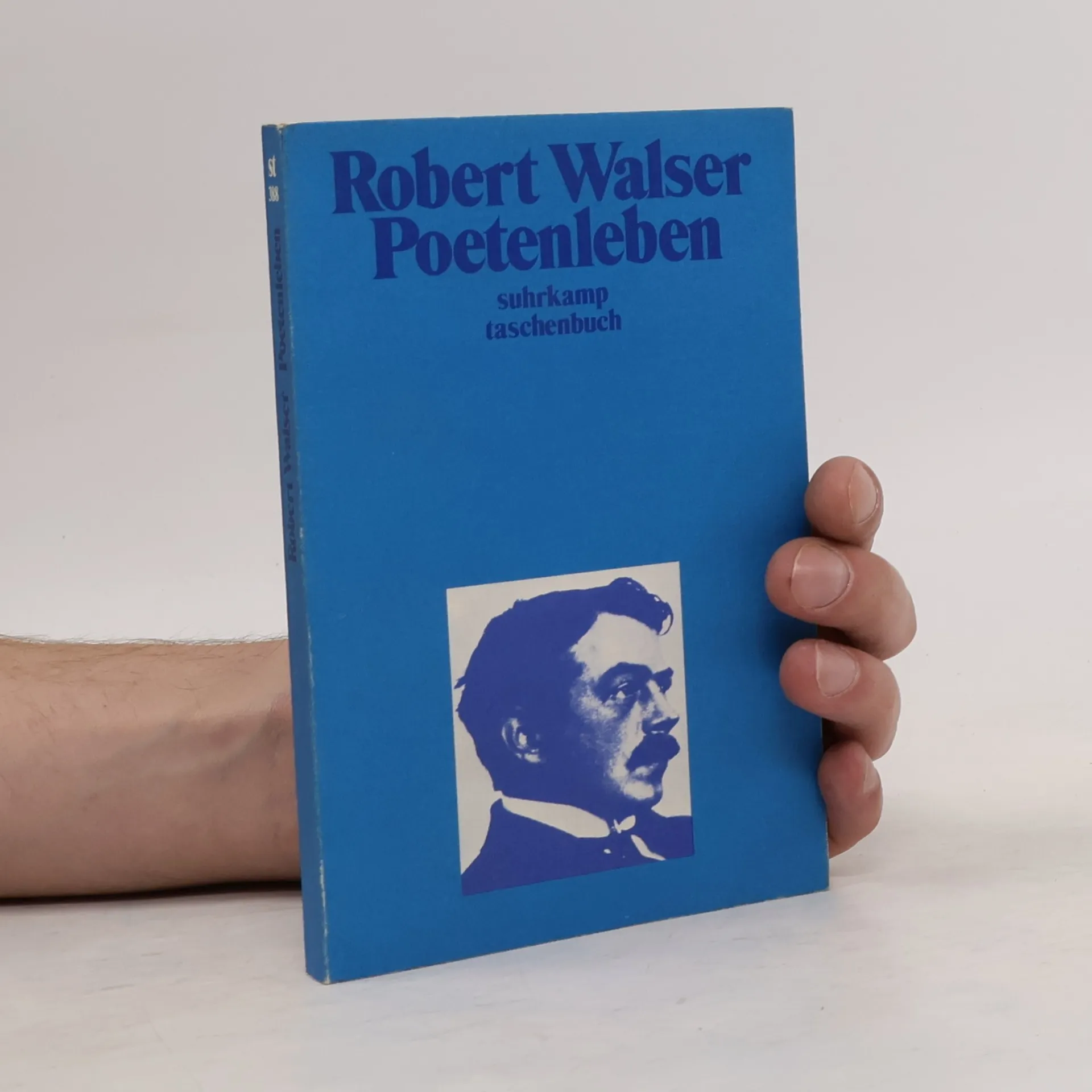
Robert Walsers Poetenleben ist eine Sammlung von 25 Kurzgeschichten, entlarvenden, doch mit schalkhafter Arglosigkeit vorgetragenen Episoden aus dem abenteuerlich unzeitgemäßen Alltag eines «Poeten».
Am Ende seiner Berner Zeit, er war fünfzig Jahre alt, hatte sich Robert Walser damit abgefunden, zum »Zeitungsschreiber« geworden zu die Buchverleger verweigerten sich seiner Produktion, aber immerhin standen ihm noch angesehene Feuilletons und Zeitschriften offen, in denen seine Glossen und erzählerischen Skizzen, Aufsätze und Gedichte in Prosa erschienen – seine ganz eigene und höchst moderne Gattung des Prosastücks, in der sich, was traditionell Literatur genannt wurde, auflöste und doch als Sprach- und Erzählexperiment immer wieder neu entstand. Zu Anfang des Jahres 1929 erlitt Walser eine psychische Krise, er gab seine vielleicht allzu unabhängige, einsame und gefährdete Existenz auf und war bis Juni 1933 Patient in der Nervenheilanstalt Waldau bei Bern. Dort setzte er, mit Unterbrechungen und in eingeschränktem Umfang, seine schriftstellerische Arbeit fort, und es entstanden noch eine Fülle von Prosastücken und Gedichten, die ihn auf der Höhe seiner Kreativität zeigen – bis zu dem plötzlichen Abbruch und Verstummen, als er gegen seinen Willen in eine andere Anstalt verlegt wurde. Dieser letzte Abschnitt seines Schaffens wird, soweit es sich um Prosastücke handelt, in diesem Band vollständig vorgelegt; überwiegend entstammen die Texte dem handschriftlichen Nachlass. – Im Anhang finden sich editorische Berichte zur Gesamtausgabe sowie ein alphabetisches Gesamtverzeichnis der kleinen Prosa Robert Walsers.
Die Texte aus den Jahren 1925 bis 1933 bieten einen tiefen Einblick in Walsers letzte Jahre in Bern und seine Zeit in der Psychiatrischen Klinik Waldau. In diesen letzten Zeugnissen seines Schaffens versucht Walser, in den wechselnden Erlebnissen und Stimmungen ein Gefühl der Selbstakzeptanz zu finden. Band 6 komplettiert die Edition „Aus dem Bleistiftgebiet“ und präsentiert die Ergebnisse mühevoller Dechiffrierarbeit, die es ermöglicht, alle unbekannten Texte aus dem umfangreichen Konvolut von 526 Blättern zugänglich zu machen.
Robert Walser wurde am 15. April 1878 in Biel geboren. Er starb am 25. Dezember 1956 auf einem Spaziergang im Schnee. Nach seiner Schulzeit absolvierte er eine Banklehre und arbeitete als Commis in verschiedenen Banken und Versicherungen in Zürich. Seine ersten Gedichte, die 1898 erschienen, ließen ihn rasch zu einem Geheimtip werden und verschafften ihm den Zugang zu literarischen Kreisen. Nach Erscheinen seines ersten Buches Fritz Kochers Aufsätze folgte er 1905 seinem Bruder Karl nach Berlin, der dort als Maler und Bühnenbildner den Durchbruch erzielt hatte. In rascher Folge publizierte Walser nun seine drei Romane Geschwister Tanner (1907), Der Gehülfe (1908) und Jakob von Gunten (1909). Infolge einer psychischen Krise geriet Walser Anfang 1929 gegen seinen Willen in die Psychiatrie, deren Rahmen er nie mehr verlassen konnte. 1933 von der Berner Klinik Waldau nach Herisau verlegt, gab er das Schreiben vollständig auf und lebte dort noch 24 Jahre als vergessener anonymer Patient.
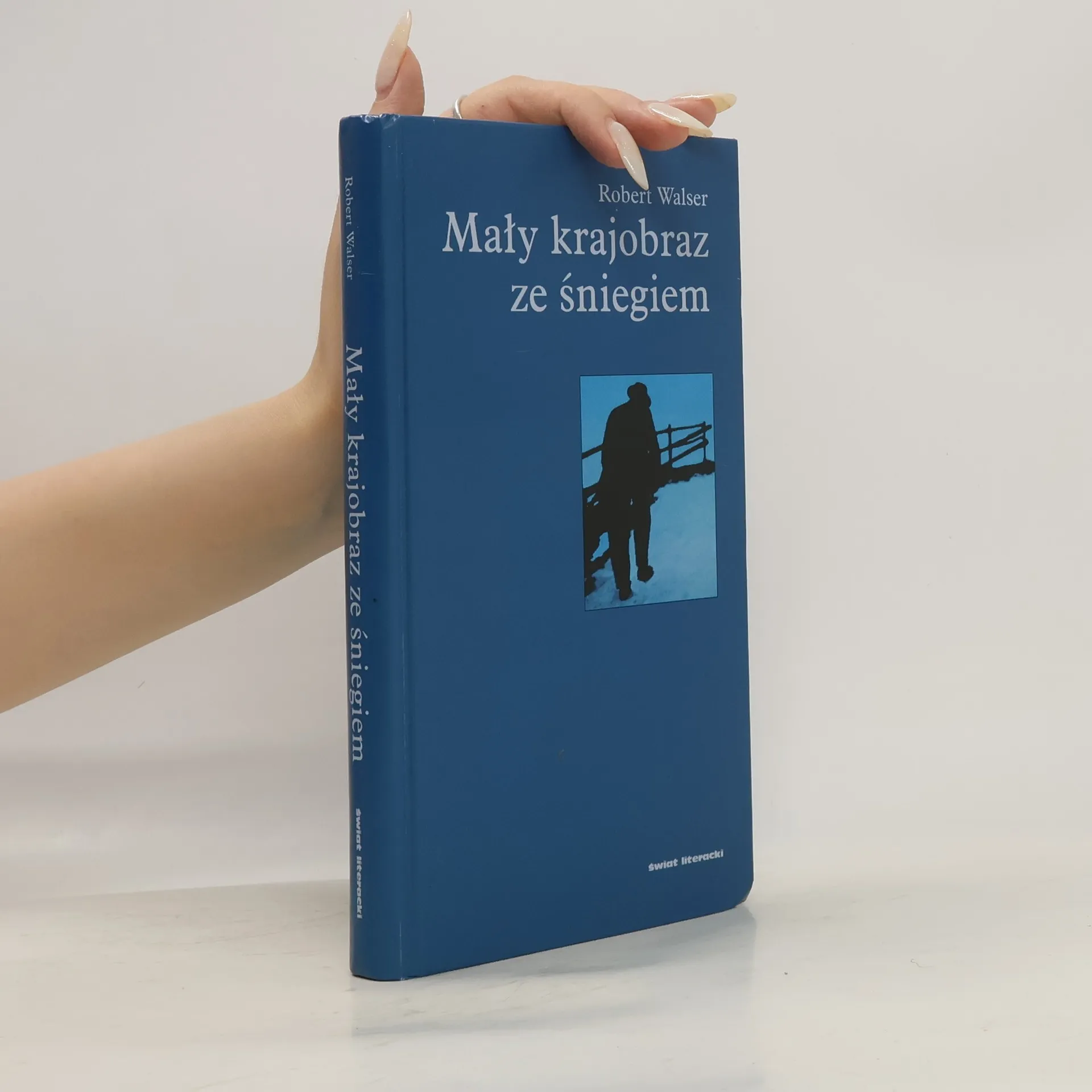
Robert Walser liebte den Winter und den Schnee. Seine Poesie ist glitzernde Kälte, Flockentanz und tiefes, weiches Bett. Das Schneiden ist bei ihm mächtig wie die Liebe, denn es verwandelt die Welt. Darin mischen sich kindliches Staunen und Todessehnsucht, malerischer Blick und bürgerliche Welt. Und Landschäftchen kommen ebenso zum Zug wie Weihnachtsglocken.
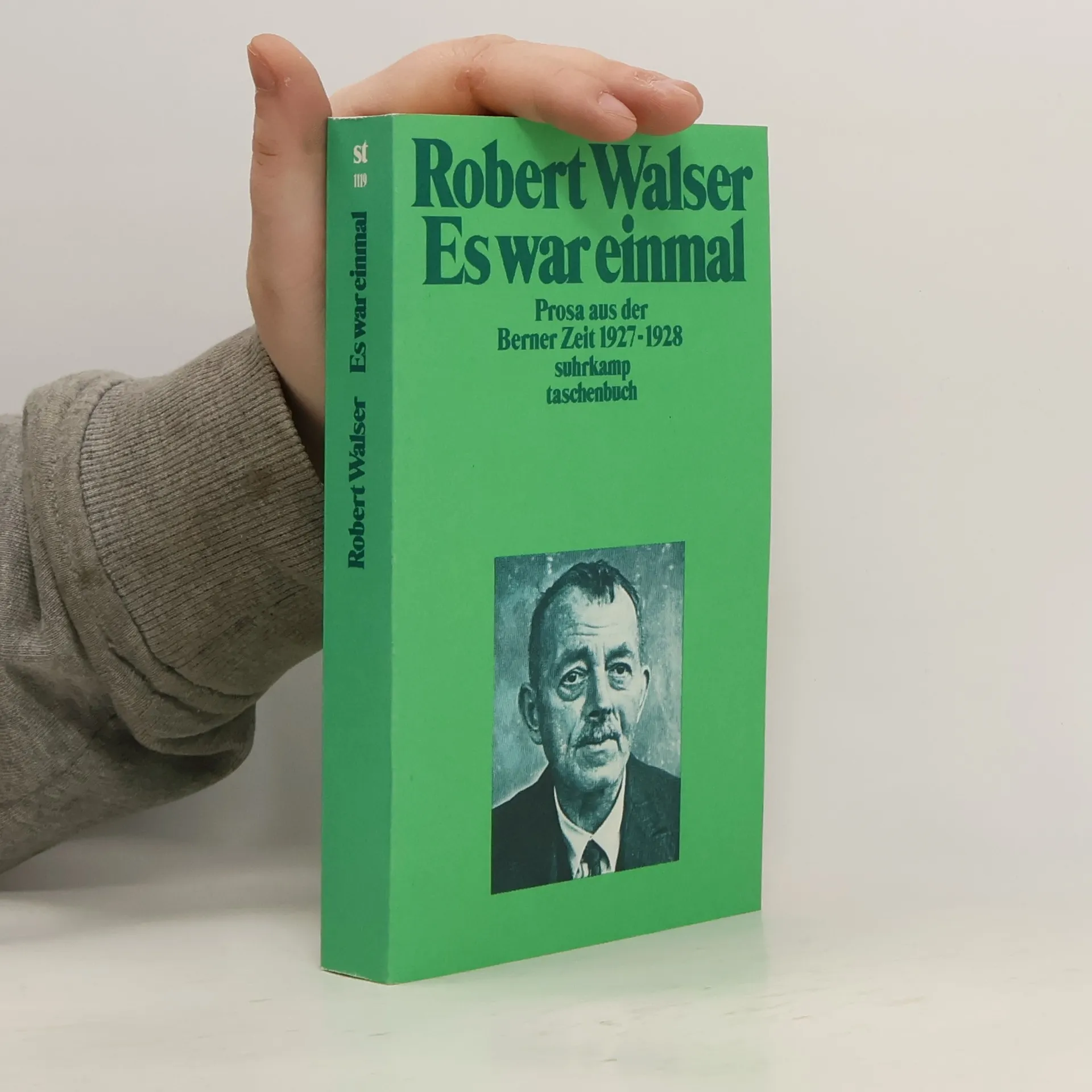
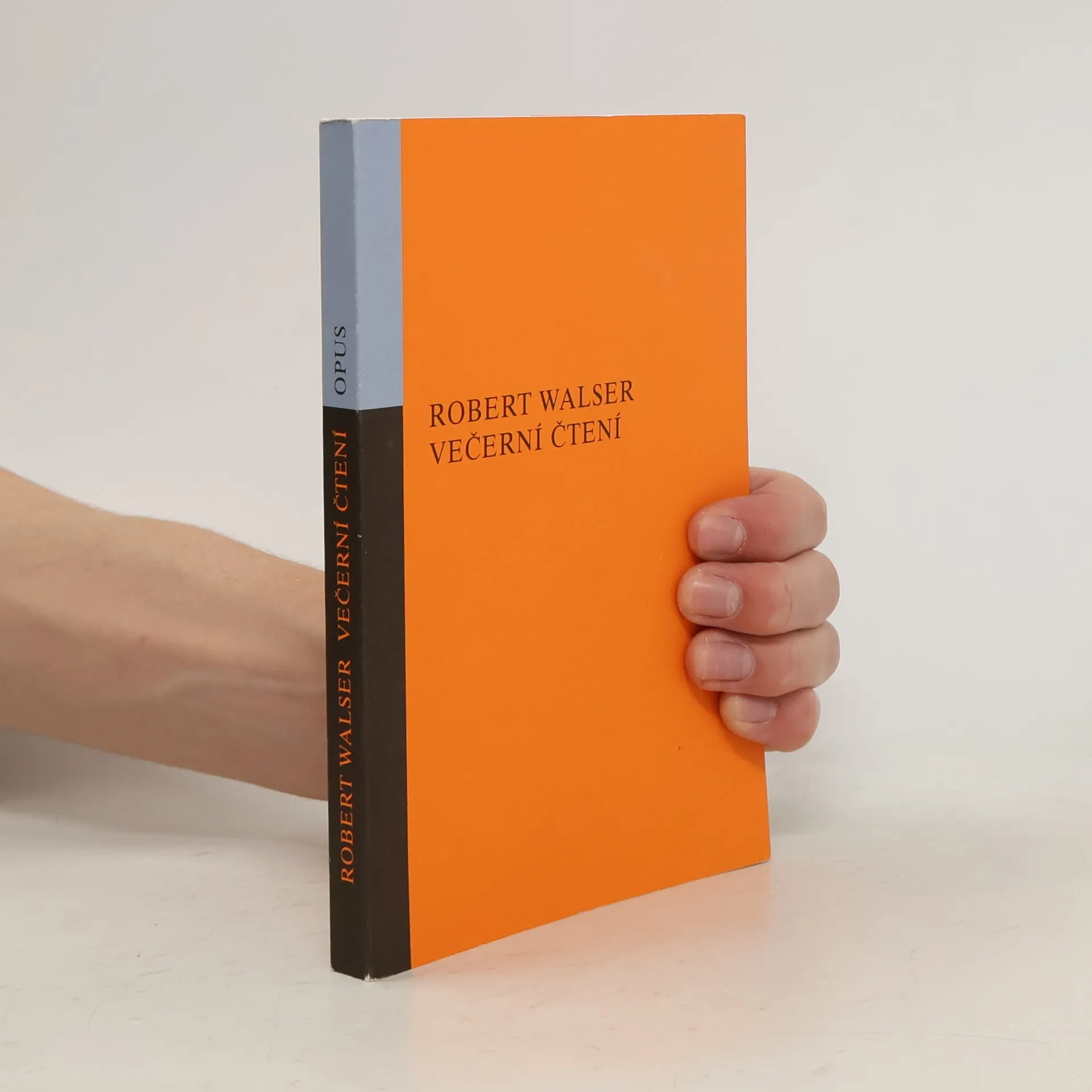
Výbor miniatur, glos, výstižných črt i krátkých povídek z let 1899–1920 tohoto významného švýcarského autora představuje vhled do jeho tvorby nejvlastnější: v psaní krátkých próz byl Robert Walser jedinečný a neopakovatelný, v mnohém překonávají jeho vlastní romány.
Druhá část výboru krátkých próz Roberta Walsera (1878–1956) navazuje na první část (která vyšla v Opusu v roce 2008 pod názvem Život básníka) a představuje autorovy texty z let 1921–1933, tedy z bernského období a z pozdější doby, kdy už pobýval na klinice ve Waldau. Mnohé z Walserových textů patří k tomu nejlepšímu, co v tomto žánru kdy vzniklo.
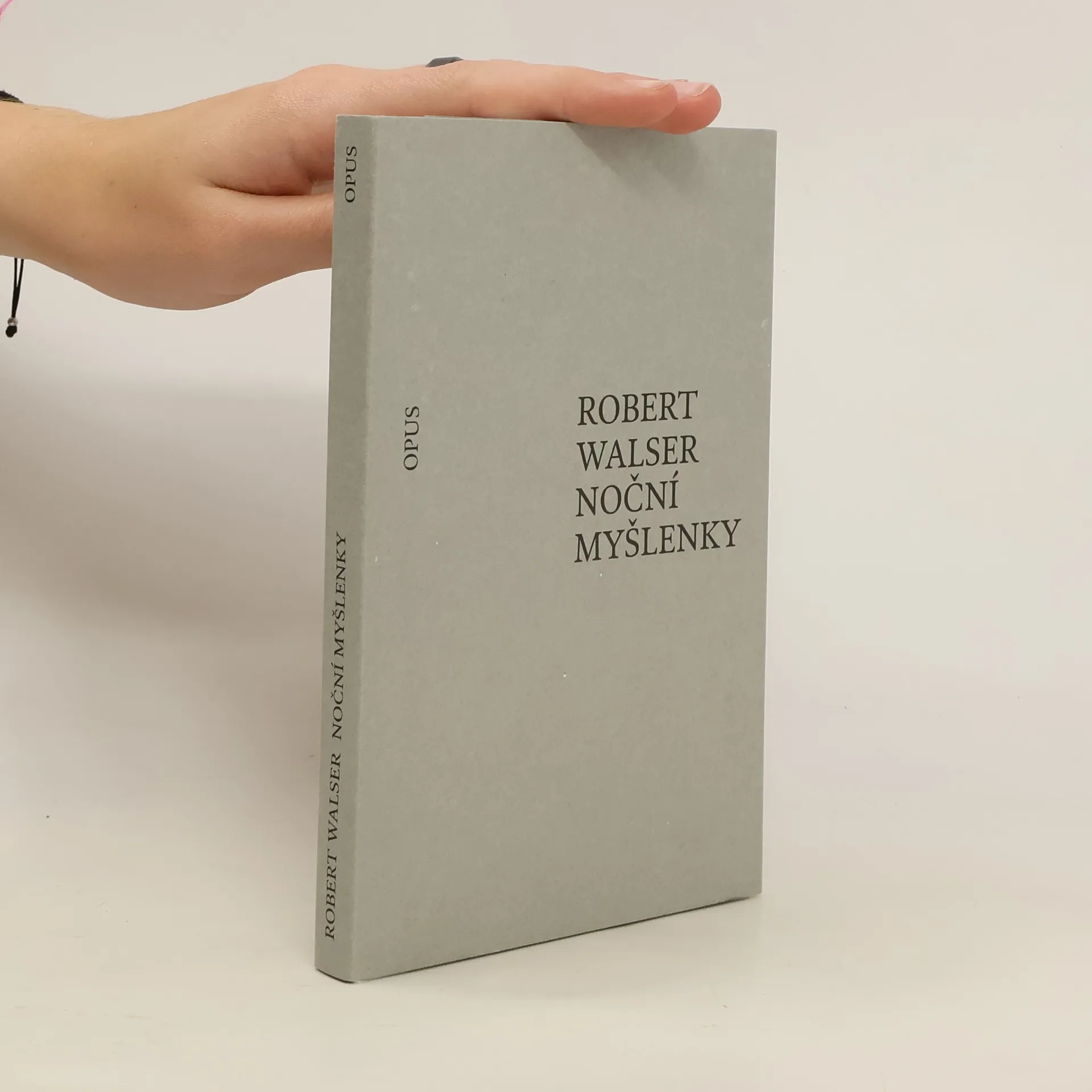
Další, v pořadí již třetí výbor z krátkých próz švýcarského spisovatele
Roberta Walsera (1878-1956) přináší několik desítek črt, příběhů a letmých
pohledů, které si autor zaznamenával téměř denně po návratu ze svých procházek
přírodou. Jeho postavy jsou rozmanitého charakteru, zachycované s typickou
walserovskou ironií, jež je zastřena zdánlivou naivitou, ale vždy s
pochopením. Přeložil Radovan Charvát.
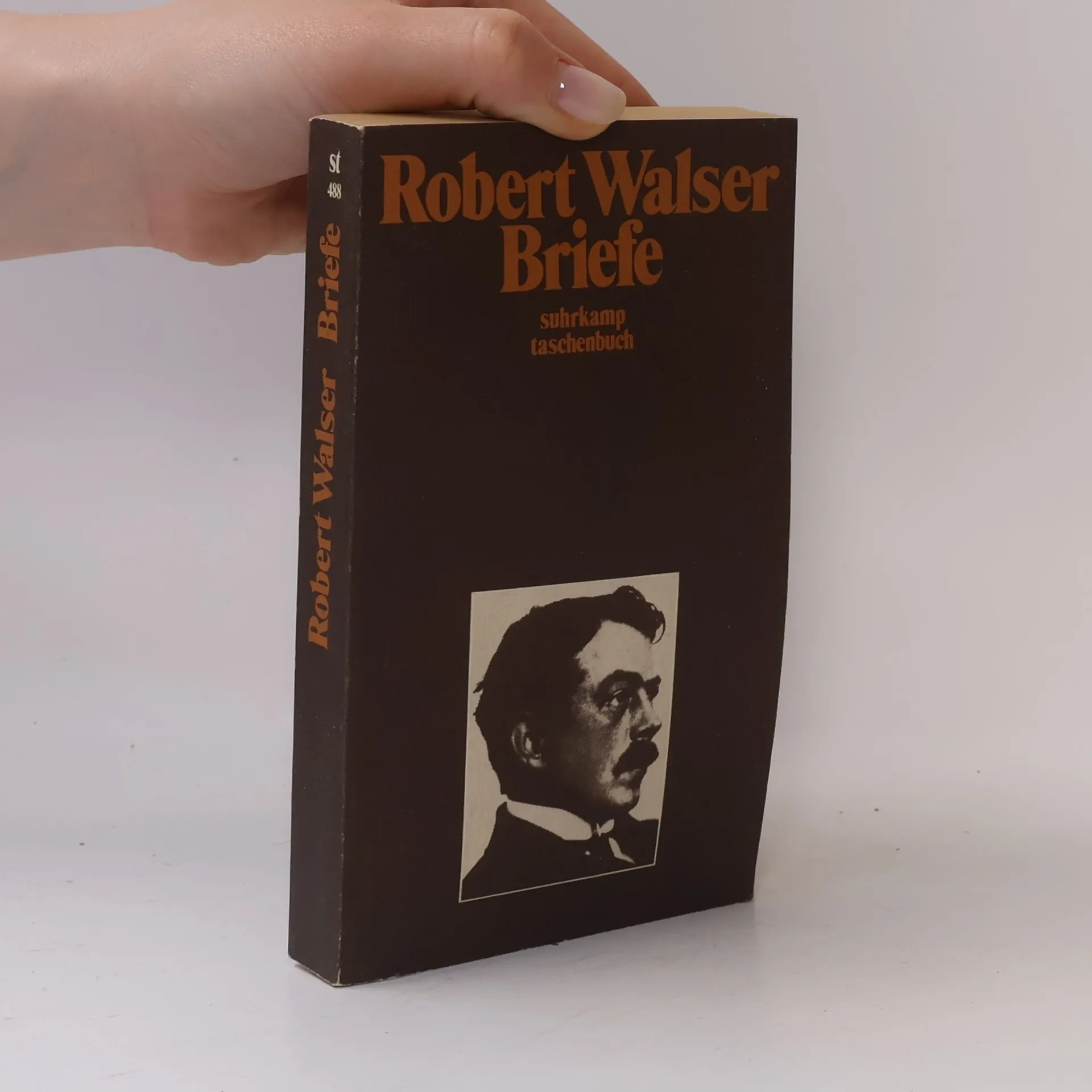
Auf Ihren Brief, hochverehrter Herr, den ich heute abend auf dem Tisch fand, und worin Sie mich ersuchen, Ihnen Zeit und Ort anzugeben, wo Sie mich kennen lernen konnten, muss ich Ihnen antworten, dass ich nicht recht weiss, was ich Ihnen sagen soll. Einiges und anderes Bedenken steigt in mir auf, denn ich bin ein Mensch, mussen Sie wissen, der nicht lohnt, kennen gelernt zu werden. Ich bin ausserordentlich unhoflich, und an Manieren besitze ich so gut wie nichts. Ihnen Gelegenheit geben, mich zu sehen, hiesse, Sie mit einem Menschen bekannt machen, der seinen Filzhuten den Rand mit der Schere halb abschneidet, um ihnen ein wusteres Aussehen zu verleihen. Mochten Sie einen solchen Sonderling vor Augen haben? Ihr liebenswurdiger Brief hat mich sehr gefreut. Doch Sie irren sich in der Adresse. Ich bin Der nicht, der verdient, solcherlei Hoflichkeiten zu empfangen. Ich bitte Sie: Stehen Sie sogleich ab von dem Wunsch, meine Bekanntschaft zu machen. Artigkeit steht mir schlecht zu Gesicht. Ich musste Ihnen gegenuber die notwendige Artigkeit hervorkehren; und das eben mochte ich vermeiden, da ich weiss, dass artiges und manierliches Betragen mich nicht kleidet. Auch bin ich nicht gern artig; es langweilt mich. Ich vermute, dass Sie eine Frau haben, dass Ihre Frau elegant ist, und dass bei Ihnen so etwas wie ein Salon ist. Wer sich so feiner und schoner Ausdrucke bedient wie Sie, hat e
Výber z krátkych próz, čŕt a miniatúr predstavuje švajčiarskeho spisovateľa Roberta Walsera, patriaceho medzi najväčších nemecky píšucich autorov prvej polovice XX. storočia. Walser vo svojich prózach píše o konkrétnych ľuďoch a obyčajných veciach a dokáže ich vidieť v nezvyčajných polohách, dodať im prekvapujúcu hĺbku a nečakaný rozmer, pričom svojím prenikavým pohľadom odhaľuje aktuálne, ale aj budúce rozpory a konflikty svojej doby. Iskrivá priezračnosť jeho próz pramení z faktu, že materiál pre svoje texty čerpá z vlastnej skúsenosti, len z vlastného autentického zážitku či z bezprostredného intuitívneho potešenia zo základných vecí života, ktoré ponúkajú príroda a spoločenstvo ľudí. Jeho prózy sú na jednej strane spoločensky kritické, často ironické, no na strane druhej plné pochopenia a nestrojenej láskavosti. A navyše sú očarujúco svieže a stroho duchaplné.
Dieses Buch präsentiert die dramolette Werke von Robert Walser, einem Schweizer Schriftsteller, dessen Ruf in den letzten Jahren stetig gewachsen ist. Die hier versammelten kurzen Stücke, inspiriert von dem deutschen Theater, das Walser in seiner Jugend schätzte, sind zwar nie zur Aufführung gedacht gewesen, zeigen jedoch Szenen, Charaktere und Situationen, die die Brutalität von Märchen, die Unmöglichkeiten der Liebe, das dunkle Schicksal des Christkindes (und Walsers selbst) kommentieren. Gleichzeitig sind sie, wie alle Werke Walsers, durch einen Humor geprägt, der trotz seiner dunklen Nuancen vollkommen echt ist. Diese Sammlung umfasst alle Walsers Stücke sowie seine späteren, fragmentarischen dramatischen Schriften und wird von den vielen treuen Fans dieses kürzlich wiederentdeckten Meisters gefeiert.
Robert Walsers schönste Gedichte, Erzählungen und Prosatexte zur Musik »Mir fehlt etwas, wenn ich keine Musik höre, und wenn ich Musik höre, fehlt mir erst recht etwas. Dies ist das Beste, was ich über Musik zu sagen weiß.« Robert Walser liebte die Musik, wenn auch in »sanfter Traurigkeit«. Sein Werk ist getragen von einer großen Affinität zu vielerlei Klangwelten und zur spielerischen Musikalität des eigenen Schreibens. In seinen hier versammelten Erzählungen, Gedichten und Prosatexten finden sich zahlreiche verblüffend luzide Überlegungen zur Musik, zu einzelnen Komponisten, Musikern und Werken. Walser wäre indes nicht Walser, wenn zu seinem Begriff der Tonkunst nicht auch die komischen Seiten des musikalischen Lebens gehörten: »Der Vater … setzt sich ans Klavier und gibt damit das Zeichen, dass Musik zu erwarten sei, die sich alsbald für den einen mehr, den andern weniger bemerkbar macht.«
Dieser Band vereinigt Walsers Aufsätze über Kunst und Künstler, seine Gedanken über Talente, Könner und Dilettanten und natürlich seine Studien über Balzac, Büchner, Cechov, Cervantes, Cézanne, Dickens, Dostojewskij, Goethe, Gotthelf, Hölderlin, Keller, Kleist, Lenz, Thomas Mann, Maupassant, Molière, Mozart, Poe, Rimbaud, Shakespeare, Stifter, Sue, Van Gogh, Verlaine, Watteau und viele andere mehr.
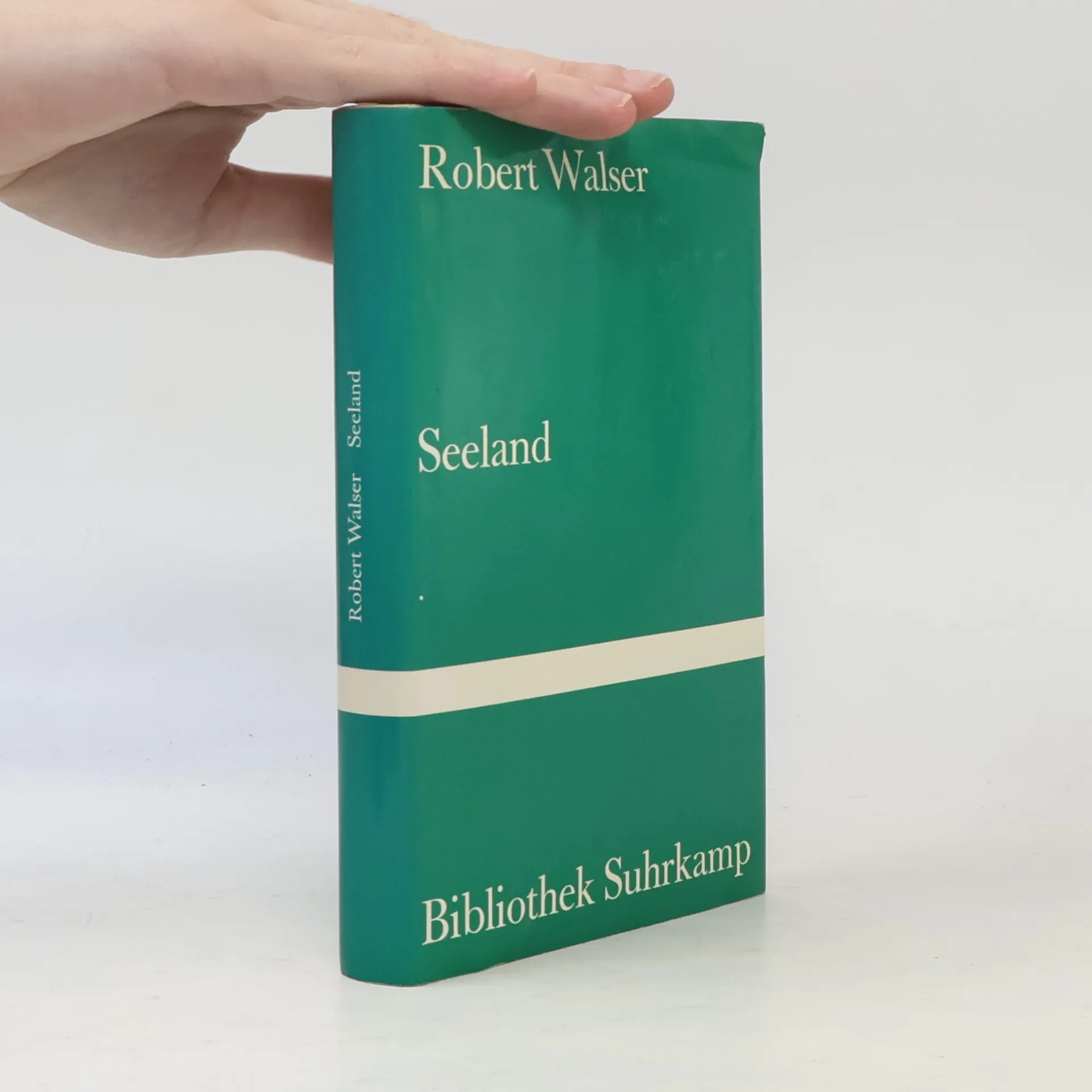
Mit Seeland (1920) schuf Robert Walser die bedeutendste seiner Prosasammlungen – ein außerordentlicher Band mit sechs längeren bilderreichen wie stimmungsvollen Erzählungen: »Leben eines Malers«, »Reisebericht«, »Naturstudie«, »Der Spaziergang«, »Das Bild des Vaters« und »Hans«. Es ist das Buch einer Landschaft. Das Seeland bei Biel, wo Walser aufgewachsen ist und wo er lange Jahre als Schriftsteller gearbeitet hat, verwandelt sich in einen synästhetischen Erlebnisraum. Spaziergänger, romantische Träumer und ziellos Suchende sind seine natürlichen Bewohner und erleben hier flüchtige Momente des Glücks. Walsers literarische Darstellung von Natur und Umwelt wird im Nachwort erstmals unter dem Blickwinkel des ›Nature Writing‹ beleuchtet.
Das Gesetz des Büros prägt unser Leben von A bis Z. Als der junge Robert Walser um 1900 zu schreiben anfing, war das noch ganz anders gewesen. Als Auszubildender in einer Bank hatte er das ›Bureau‹ als etwas irritierend Neues erfahren. Es erscheint als Inbegriff eines fremdbestimmten und sinnentleerten Lebens und bildet zugleich den Ort, an dem die Fantasien und Träume ansetzen, mit denen sich der Dichter die Wirklichkeit aneignet. Wie die Bürokratie-Satiren von Melville, Gogol oder Kafka werfen auch Robert Walsers hier erstmals versammelten Erzählungen über Angestellte ein ebenso erhellendes wie erheiterndes Licht auf das, was uns im Innersten zusammenhält: die Rationalisierung der Arbeitswelt.
Enth. u.a. (S. 359-366): Walser über Walser. - Betr. ferner Jeremias Gotthelf (S. 132-136), Josef Viktor Widmann (S. 293-295), Hermann Hesse (S. 345-346) und Albert Steffen (S. 350-357). - Mit Nachwort von Bernhard Echte
1905 machte Robert Walser seinen Traum wahr: Der 27jährige Schweizer ging nach Berlin, um hier seinen Durchbruch
als freier Schriftsteller zu erringen. Mit dem Roman Geschwister Tanner, der von der Kritik überwiegend begeistert
aufgenommen wurde, etablierte sich Robert Walser rasch in der literarischen Szene. Während er nun in den folgenden
Jahren weiter Romane schrieb, trat er auch als origineller Schöpfer von farbigen Großstadtimpressionen, Milieuskizzen und Glossen zum kulturellen Leben hervor. Seine Berlin-Feuilletons lesen sich heute noch so frisch wie zu ihrer Zeit,
aus ihnen atmet die Lebensatmosphäre der damals wie heute pulsierenden, jungen und modernen Metropole.
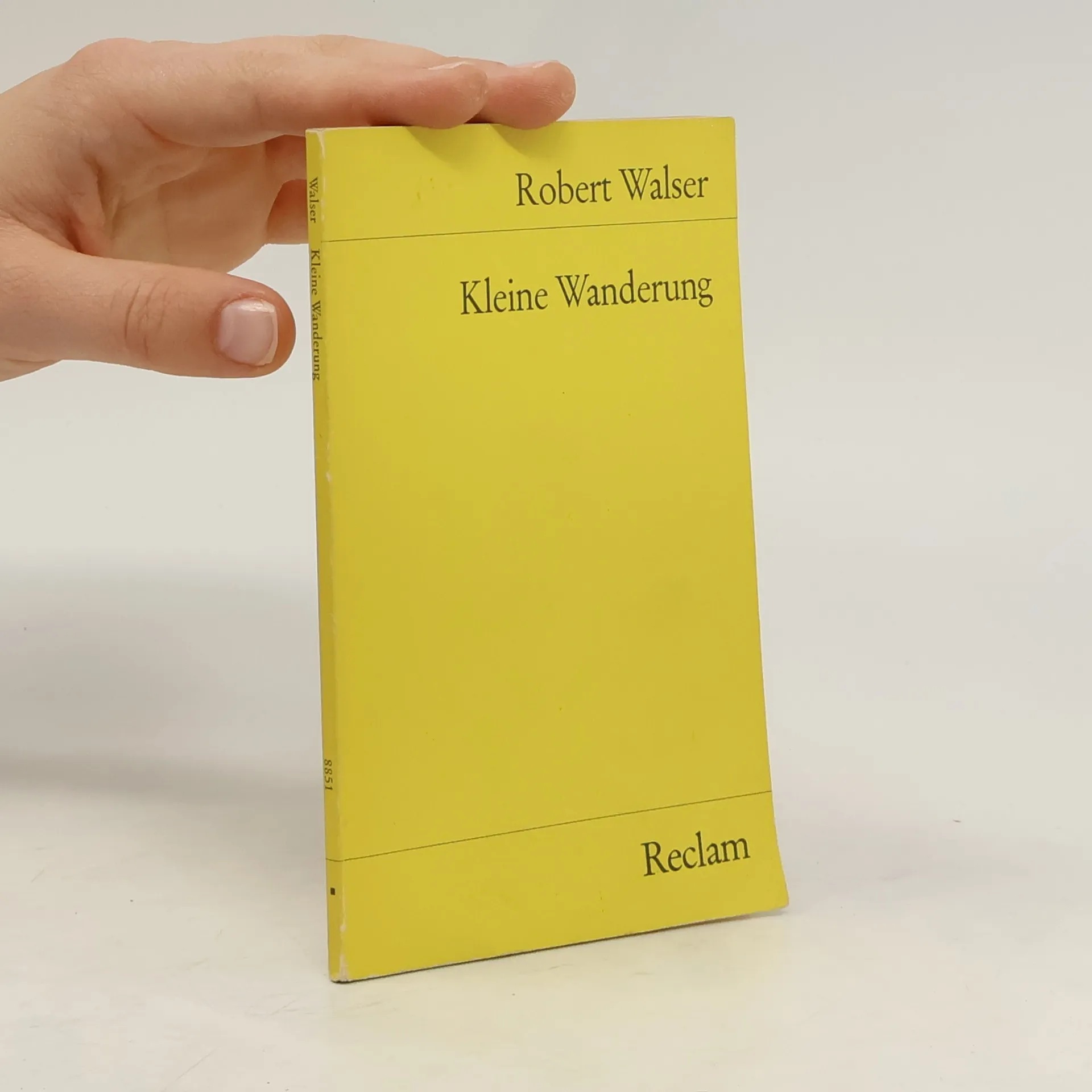
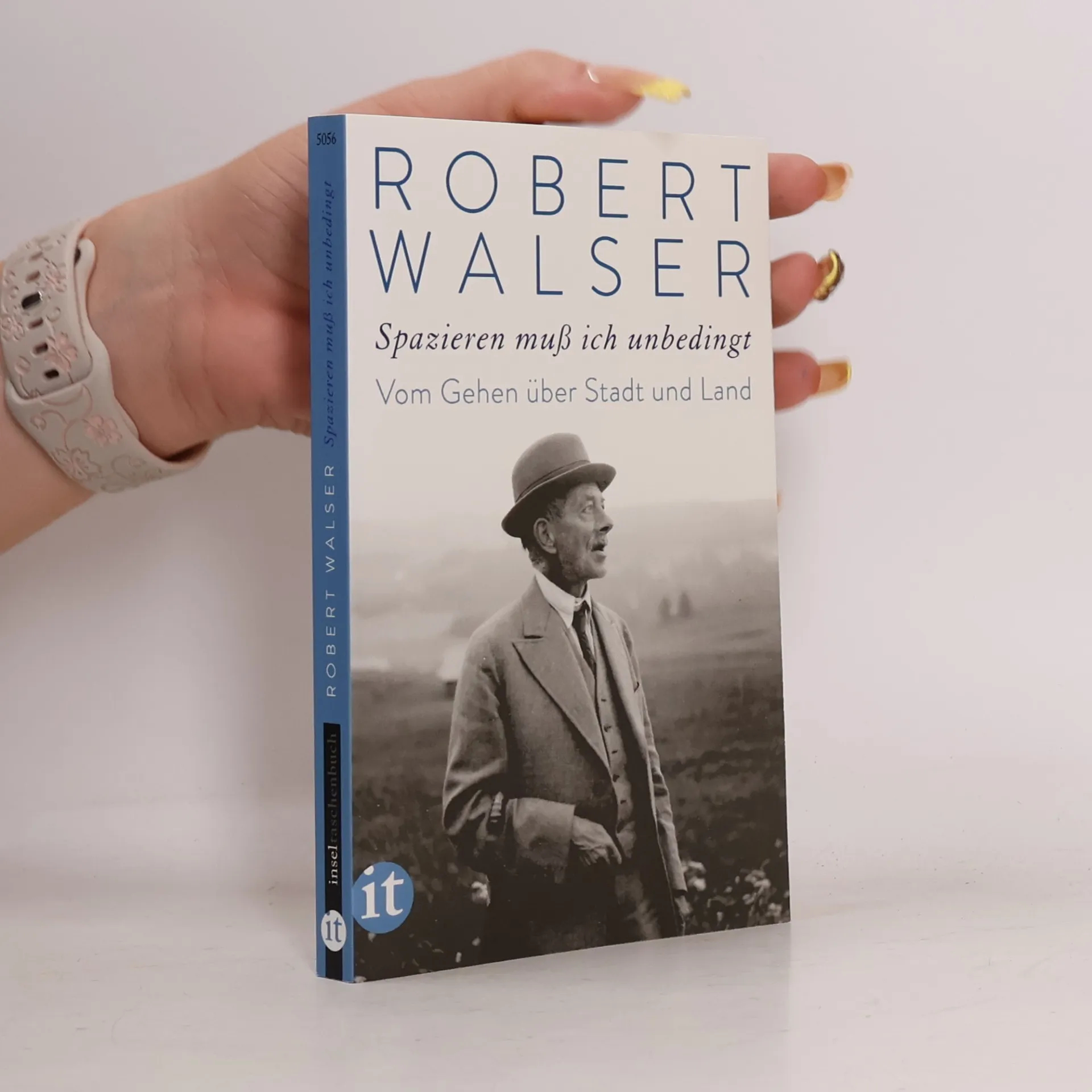
„Man braucht nicht viel Besonderes zu sehen. Man sieht so schon viel.“ Derart programmatisch endet eine von Robert Walsers Prosaminiaturen, die 'Kleine Wanderung', und solche Betrachtung beim Spaziergang steht beispielhaft für die Sehweise, vielleicht sogar für die Existenzform dieses Autors.
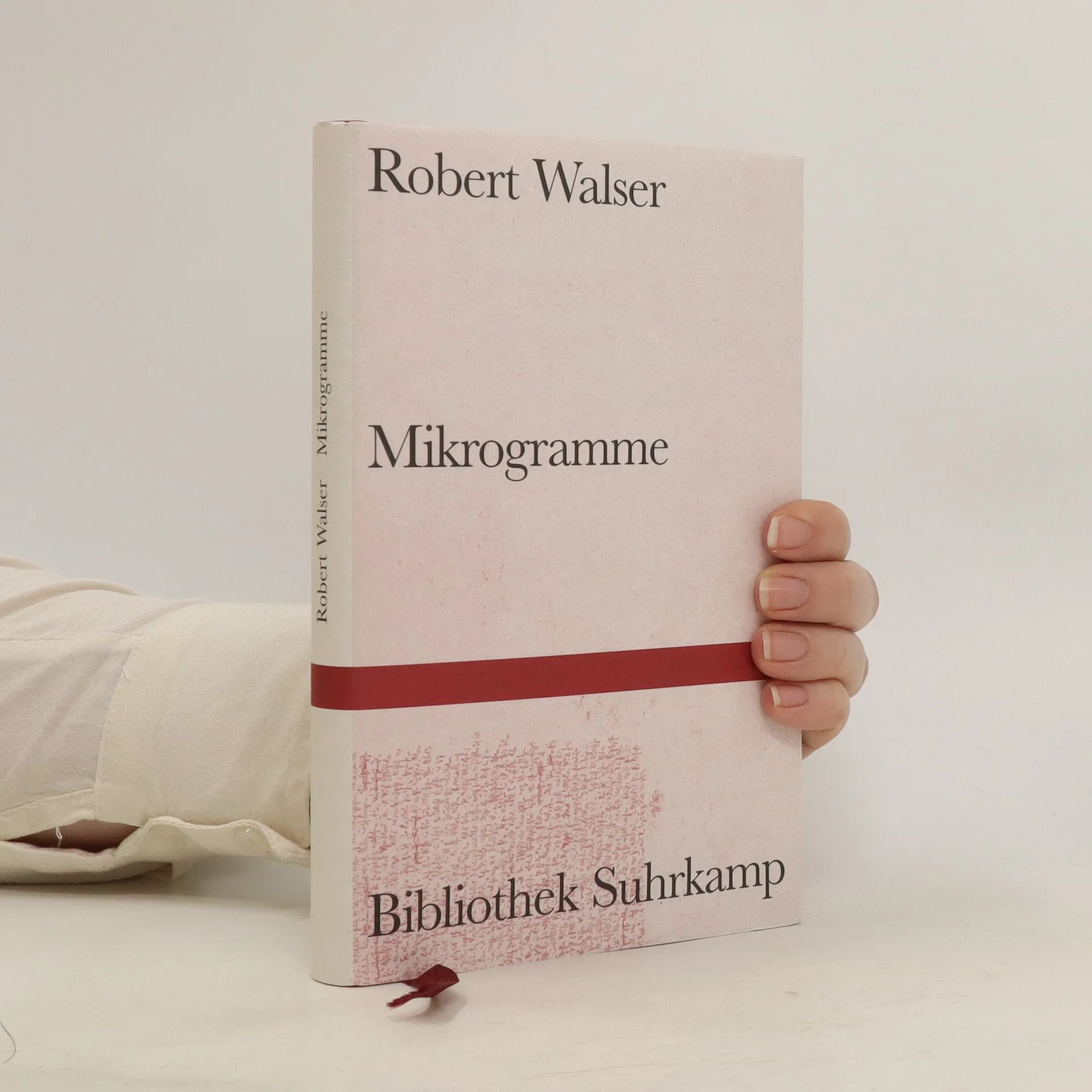
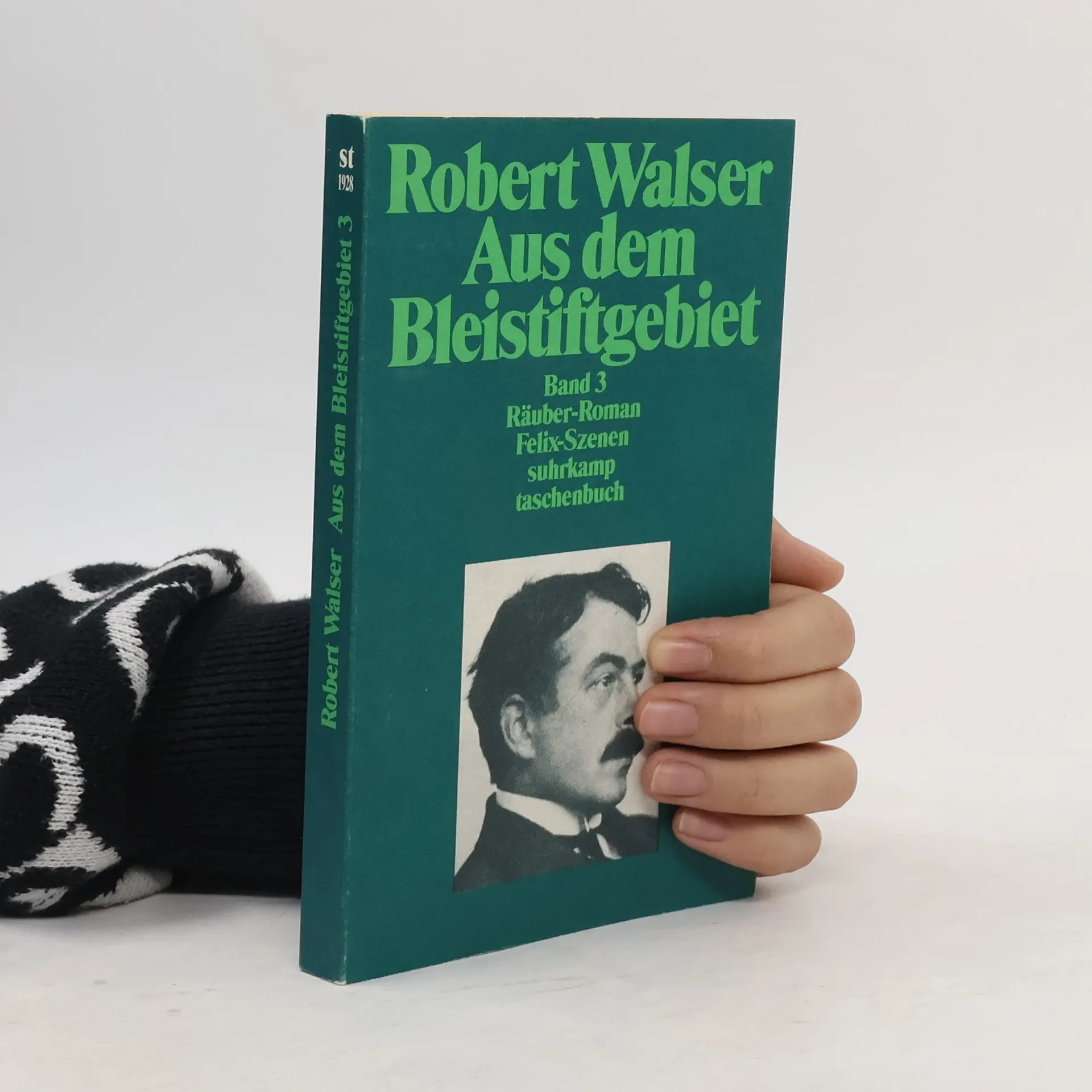
Robert Walser hat bekanntlich zwischen 1925 und 1933 auf mehr als 500 Blättern in seiner jahrzehntelang als unentzifferbar geltenden Schrift Prosatexte, Gedichte, Dramolette notiert. Für seine Mikrogramme benutzte er sogenannte Kunstdruckblätter, einen Kalender sowie alltägliche Papiere, die ihm in die psychiatrische Klinik Waldau zugesandt wurden. In jahrelanger Arbeit haben zunächst Jochen Greven, dann Bernhard Echte und Werner Morlang , die Texte entziffert und ediert. In ihnen versucht Walser, in allem Wechsel von Erlebnissen und Stimmungen »sich selbst willkommen zu heißen« oder, wie er an anderer Stelle sagt, »Unentweihtheiten« an sich zu entdecken. In diesem Band werden circa 15 Mikrogramme in der Originalgröße und -farbe wiedergegeben. Auf die Abbildung folgt jeweils die Transkription.
Krótkie prozatorskie poematy napisane przez żyjącego na przełomie XIX i XX wieku poety, dramatopisarza i prozaika, który dożył swoich dni w szpitalu psychiatrycznym.
Ausgehend von den frühesten veröffentlichten Prosaarbeiten Robert Walsers bis hin zu den wahrlich meisterhaften aus ersten Jahrzehnt des zwanzigsten Jahrhunderts vereint dieses Bändchen eine Reihe kleiner Gipfel aus dem Schaffen eines Prosagenies. Aus Meisterhand und -kopf sind die manchmal nur seitenkurzen Stückchen, schwer und leicht, traurig und ironisch zugleich; von großem Witz und sprachlicher Einfachheit. Märchenhaftes findet sich, selbst- und Dichterkritisches, sogar utopisches.
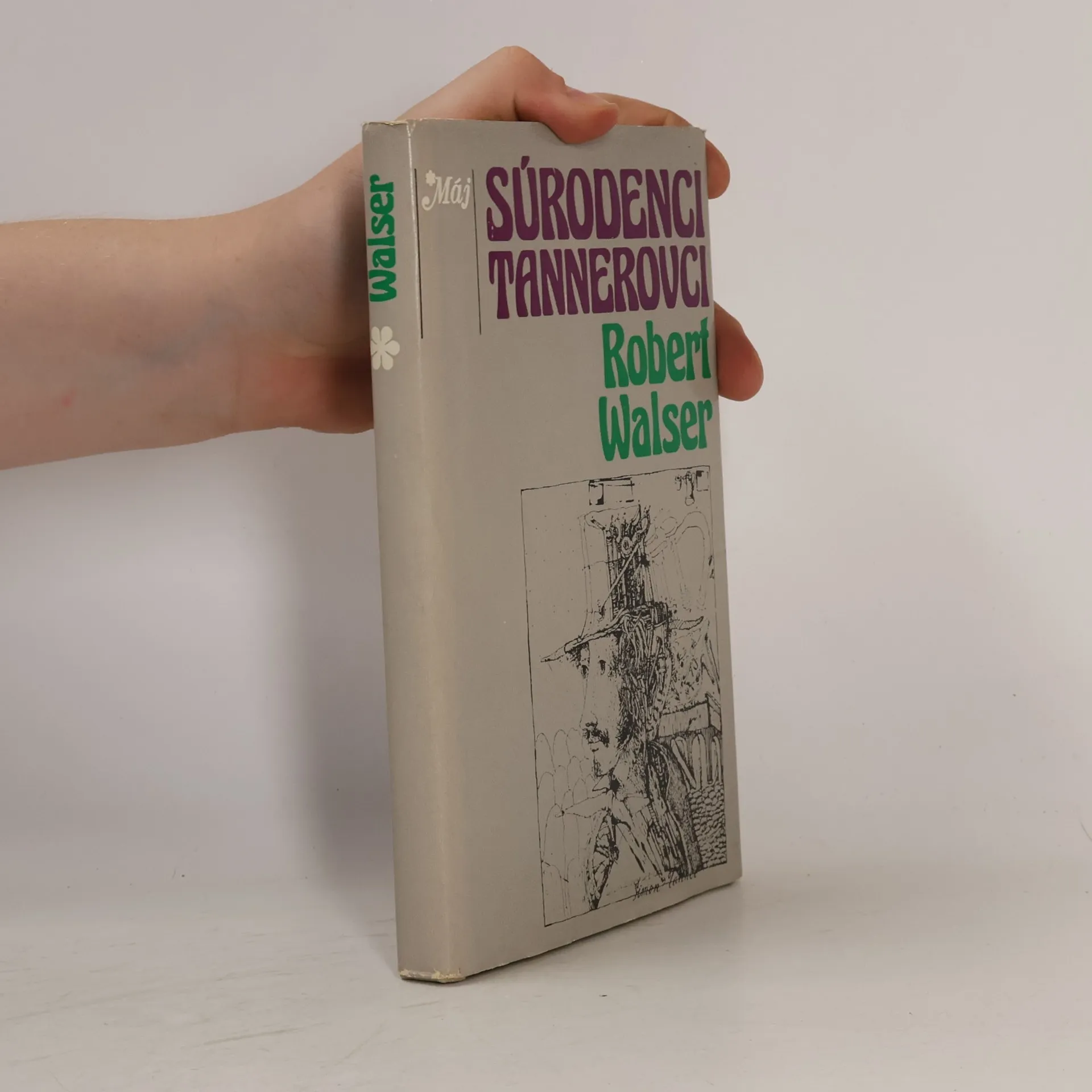
»Mit leichtem Gepäck und offenen, unbestechlichen Augen wandert dieser moderne Taugenichts durch die Welt und am Ende wird nichts aus ihm als das Vergnügen des Lesers.« Franz Kafka Wie sein Verfasser ist der Held des Buches, Simon Tanner, besessen von einem unbändigen Freiheitsdrang und betrachtet die Welt und die Menschen ganz unbefangen, nicht mit einem »verbildeten, verstopften Kopf«. Das bringt ihn in die kuriosesten Konflikte mit der Welt der Konventionen, mit den Angepaßten, den von Karriere und Konkurrenz Kompromittierten. Durch seine Arglosigkeit provoziert er sie und beschämt sie zugleich durch das, was sie verloren haben: durch Phantasie, Humor, gesunden Menschenverstand und materielle Unbestechlichkeit.
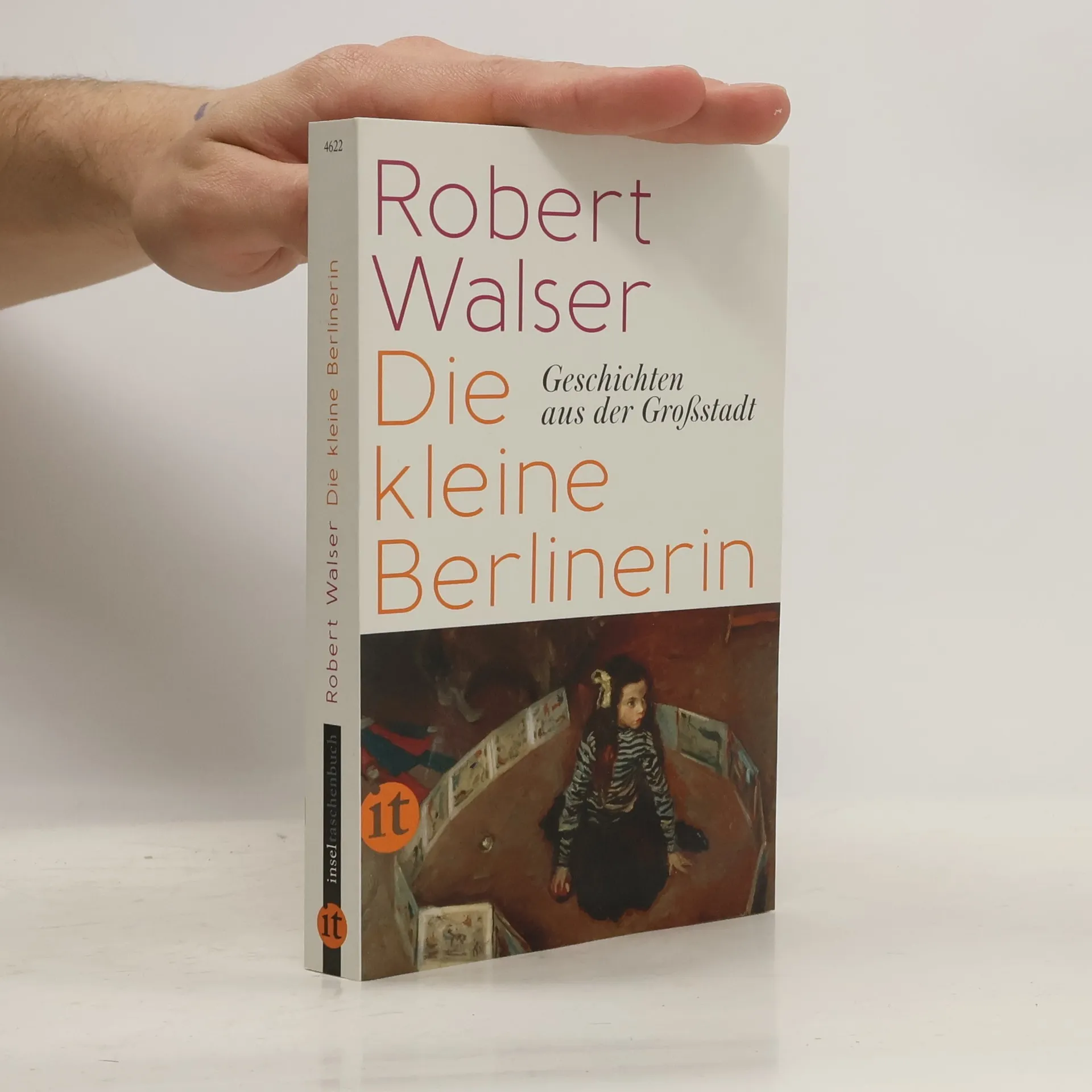
In Berlin ist Robert Walser zum Schriftsteller geworden. 1905 zieht der gelernte Bankkaufmann in die deutsche Metropole, wo er drei Romane und über hundert Prosastücke veröffentlicht. Hermann Hesse und Robert Musil schreiben begeisterte Kritiken, Franz Kafka lacht sich krumm, wenn Walser die »Weltstadt« und ihre Exponenten porträtiert, wie etwa den Kunsthändler Paul Cassirer und dessen Tochter, »die kleine Berlinerin«. Walsers schönste Geschichten aus und über Berlin zeichnen das Panorama einer pulsierenden Großstadt. Impressionistische Straßenszenen nebst scharfen Satiren auf den Kulturbetrieb, luzide Analysen einer bahnbrechenden Epoche nebst feinfühligen Berichten von der Schattenseite der Moderne: So poetisch war Sightseeing zwischen Friedrichstraße und Kurfürstendamm, zwischen Tiergarten und Charlottenburg noch nie.
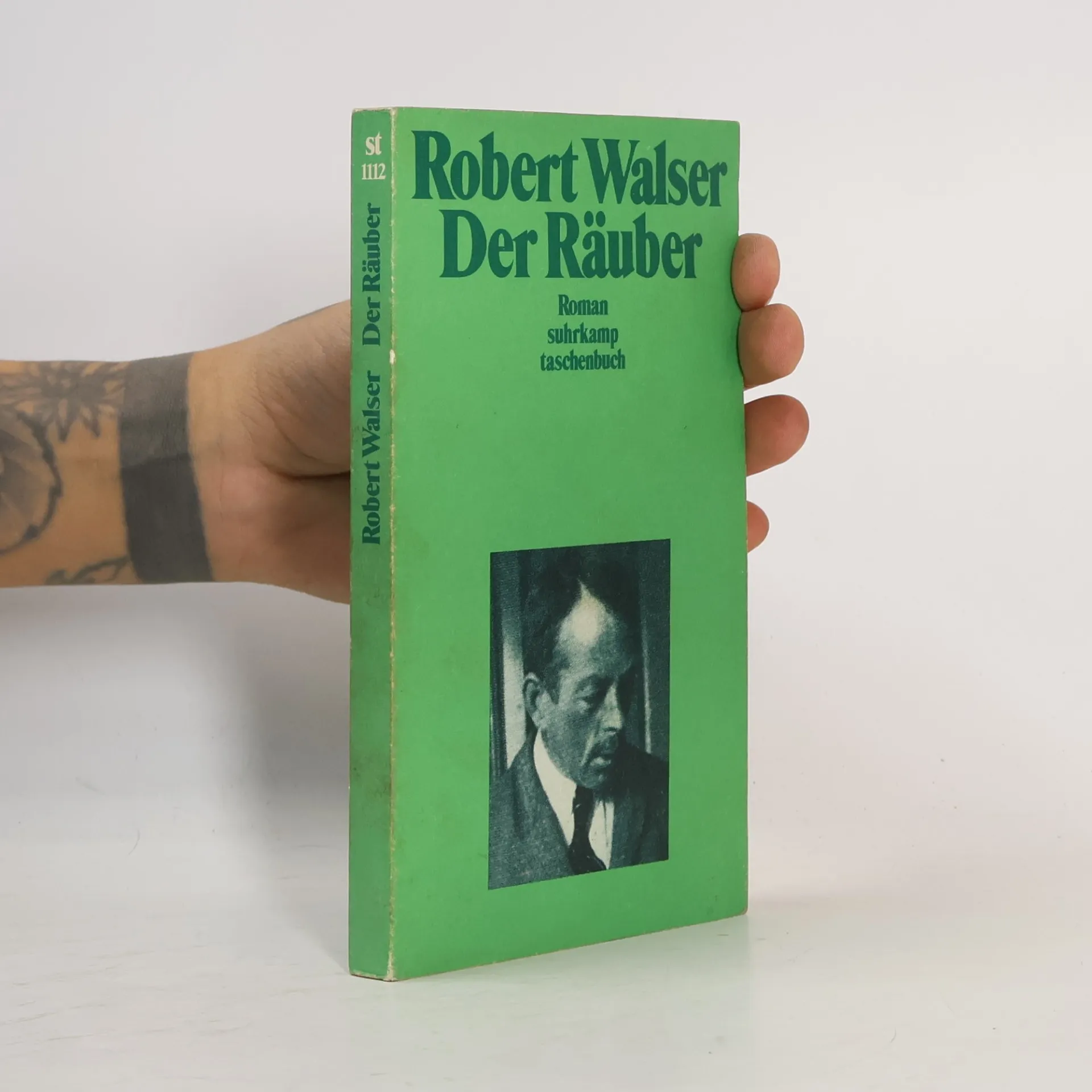
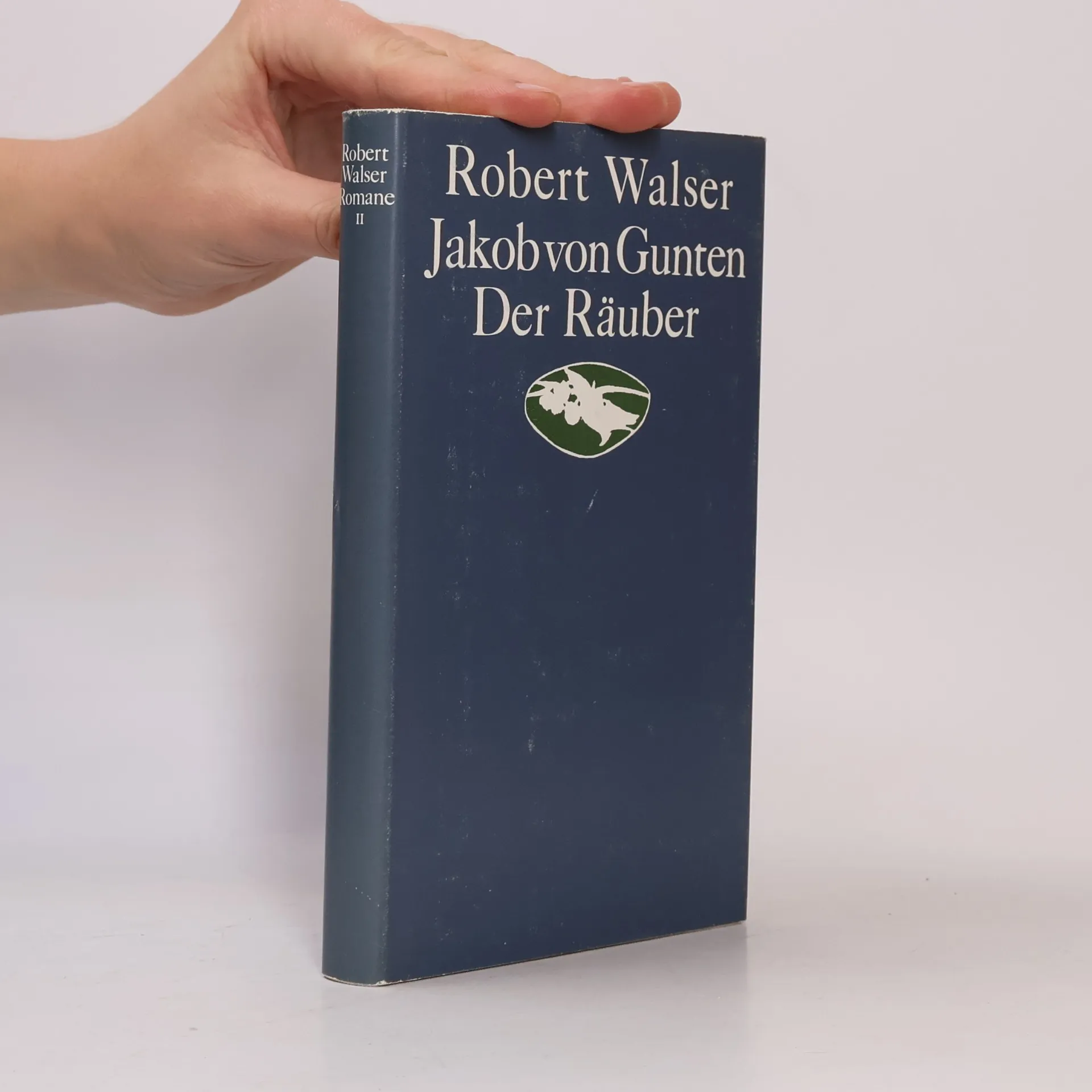
Anläßlich des 50. Todestags von Robert
Walser erscheint eine Sonderausgabe des
Romans Der Räuber in besonderer Ausstattung
mit einem Nachwort von Michel
Mettler.
Inmitten der »goldenen zwanziger Jahre«,
auf dem Höhepunkt der Euphorie nach dem
Ersten Weltkrieg und kurz vor der weltwirtschaftlichen
Wende schrieb Walser Der Räuber,
seinen letzten Roman. Dieses in mikroskopisch
kleiner Schrift verfaßte Manuskript,
das erst 12 Jahre nach seinem Tod
entziffert werden konnte, ist nicht nur ein
Psychogramm seines Verfassers, sondern
zeigt auch am Beispiel des exponierten einzelnen
die Situation einer ganzen Epoche,
ähnlich wie Rilkes Malte oder Hesses Steppenwolf,
der etwa gleichzeitig und ebenfalls
in einer Schweizer Metropole entstanden ist.
»Robert Walsers Protagonisten leben in Verhältnissen, die sie zu einer zwar brauchbaren, >aber guten runden Null machenSchnarchen und Schlafen ist besser als Dichten und Denken.Ich bin ein kleines, blasses, schüchternes, schwaches, elegantes, zimperliches Kerlchen voll lebensuntüchtiger Empfindsamkeiten und würde die Härte des Lebens, wenn es mir einmal schiefgehen sollte, nicht ertragen können.
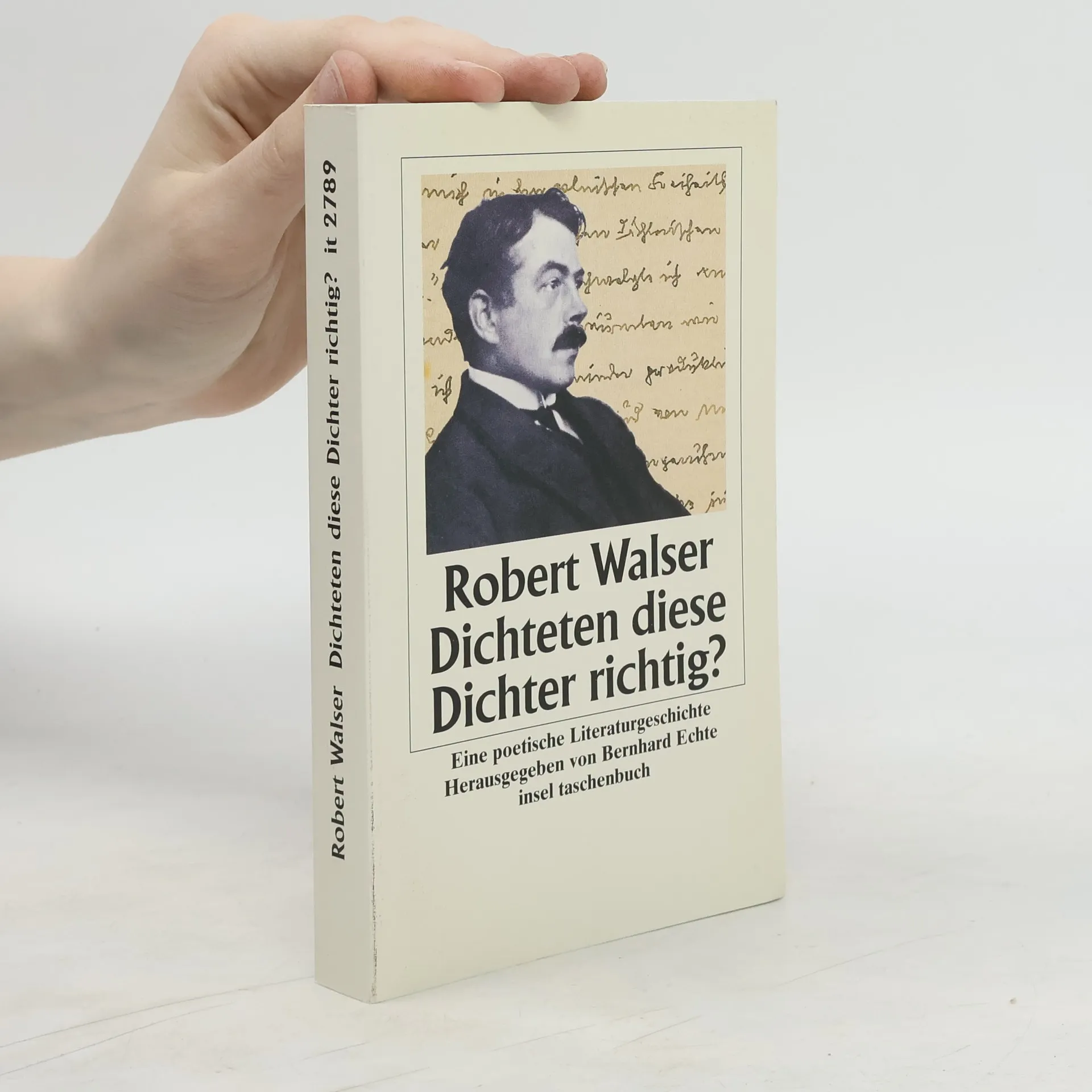
"Fritz Kocher's Aufsätze", die erste Buchpublikation von Robert Walser, erschien 1904 im Leipziger Insel-Verlag. Zuvor hatte Walser bereits Gedichte und kurze Prosatexten in verschiedenen Zeitungen veröffentlicht. Das Buch enthält die Aufsätze des fiktiven Schülers Fritz Kocher, die Walser als eines seiner besten Prosastücke bezeichnete. Die KWA dokumentiert Walsers publiziertes Werk in der Form seiner Erstveröffentlichung, die auch maßgeblich für die Rezeption war. Walser legte großen Wert auf das Erscheinungsbild seiner Bücher, was bereits für sein erstes Werk galt, dessen Gestaltung er seinem Bruder, dem Maler Karl Walser, anvertraute. Der Faksimile-Reprint macht das Ensemble des Bandes in der originalen Typographie, Satzspiegel, Format und Buchschmuck wieder zugänglich. Der textkritische Band erläutert die Zusammenhänge der Erstpublikation und die Unterschiede zu Vorabdrucken im 'Sonntagsblatt' des 'Bund'. Zudem wird die Entstehungs- und Publikationsgeschichte durch Auszüge aus der bislang weitgehend unveröffentlichten Korrespondenz des Insel-Verlages mit Robert und Karl Walser dokumentiert. Nachwort und Briefdokumentation beleuchten Walsers erste Verlagsbeziehung, die für seine Positionierung im zeitgenössischen literarischen Kontext von großer Bedeutung war.
Die Apokalypse - der Jüngste Tag - Armageddon. Es wurde mit vielen Namen bezeichnet, immer eine Möglichkeit, die im Hintergrund der kollektiven Psyche der Menschheit präsent ist. Unsere Geschichte beginnt in einer weit entfernten Zukunft, in der Stef Williams über 52 Jahre lang in der Schwebe gehalten wird, weiter draußen im Weltraum, als sie jemals gewesen ist. Zehn Jahre vor der Katastrophe, die das Gesicht des Planeten für immer veränderte, war die Menschheit von einer unbekannten Intelligenz vor einer bevorstehenden Katastrophe gewarnt worden. Sie ist eine der wenigen Menschen, die überlebt haben, und ihre Erinnerungen an jene dunklen Tage, als die Welt in einem Hagel nuklearer Zerstörung unvorstellbaren Ausmaßes zusammenbrach...
In seiner ersten Buchpublikation zeigt Robert Walser einen einzigartigen, kalkuliert naiven Blick auf die Welt, der seine unverwechselbare Perspektive prägt. Seine Erzählweise ist eigenwillig und zeugt von einer besonderen Sensibilität für die kleinen Dinge des Lebens, die oft übersehen werden. Walser gelingt es, durch seine unverfälschte Wahrnehmung eine tiefere Verbindung zur Realität herzustellen, die den Leser zum Nachdenken anregt.
" Jadis ou naguère vivait un homme qui ne remarquait rien " : ainsi commence l'histoire de Monsieur Tartempion. Un texte inédit en français du grand écrivain suisse Robert Walser qui conduit le lecteur avec humour dans le monde de l'absurde.
»Kleist in Thun« gehört zu den bekanntesten und stilistisch faszinierendsten Erzählungen, die Robert Walser geschrieben hat. Mit 26 weiteren Texten bildet sie die Sammlung Geschichten, Walsers siebtes Buch. Märchen, Künstlergeschichten, Erinnerungen, Liebesgeschichten und sogar eine Entführungsgeschichte in Form einer Tierfabel – die Texte sind inhaltlich wie formal vielfältig. Alltägliche, bald ungewöhnliche Episoden spielen sich ab: in einer Schule, einer Straße, im Büro oder im Theater. Den Figuren dienen diese Schauplätze als Raum der Selbsterfahrung. Doch der Themenhorizont umfasst auch eine historische Schlacht und eine utopische Stadt. So enthält die Sammlung etliche ›kleine Geschichten‹, welche die ›große Geschichte‹ berühren.
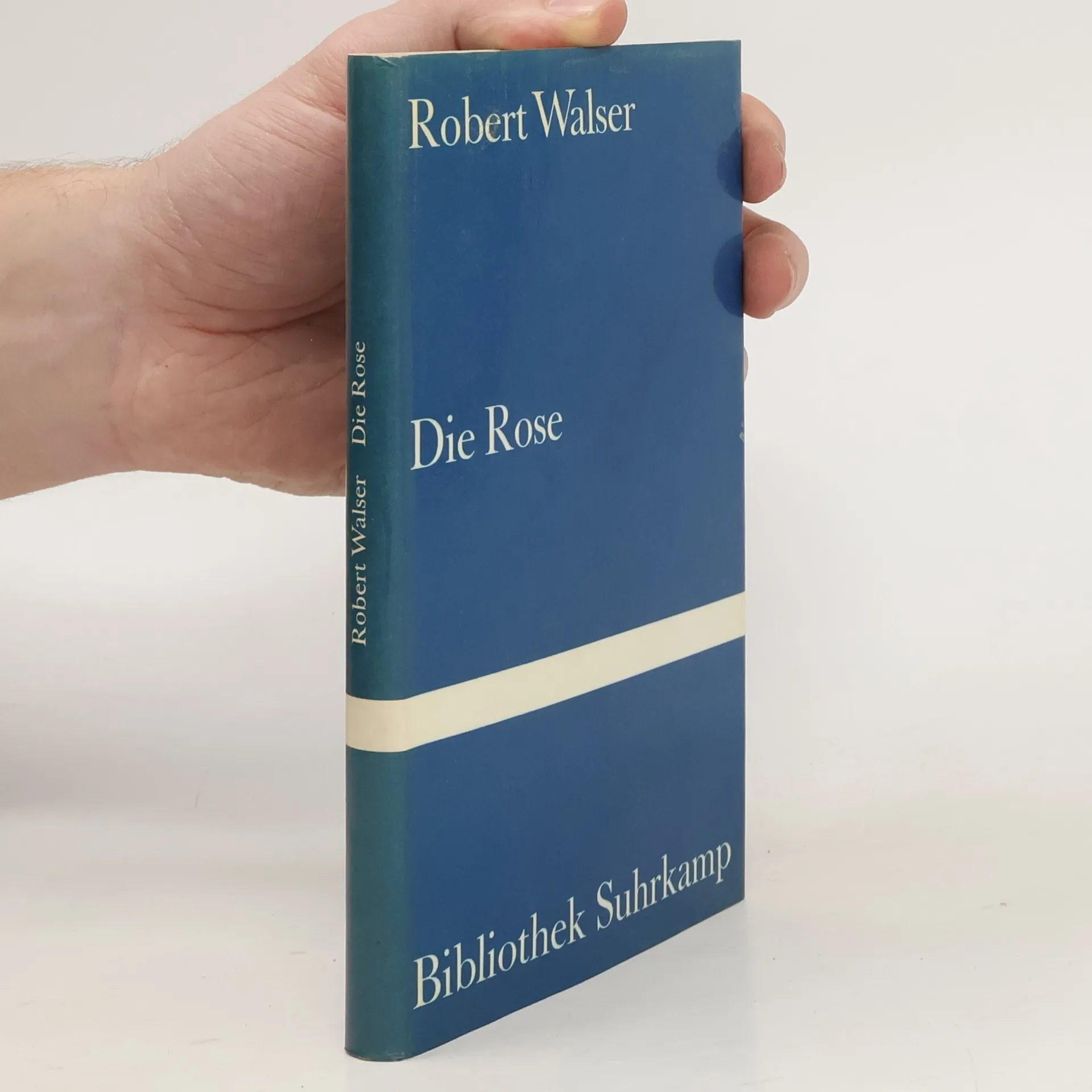
In Die Rose (1925), dieser Sammlung an Kurzgeschichten, Reiseberichten, Märchen, Dialogen und Monologen, literarischen und humoristischen Betrachtungen, die den Schlusspunkt der fünfzehn Bücher bildet, die Robert Walser zu Lebzeiten publiziert hat, übertrifft der Autor alles, was sein bisheriges Werk an Sprachwitz und burlesker Komik zu bieten hat – und zeigt sich experimenteller denn je: Text-Sampling und Montage, Wortspiele, Verfremdungseffekte, Nonsens und Textabbrüche ... Walser selbst nannte das von ihm komponierte Ensemble in einem Brief »das ungezogenste, jugendlichste aller meiner Bücher« und fährt fort: »ich finde bedenklich, daß Sie sich’s angeschafft haben. … Hoffentlich lesen Sie es mit der nötigen Nachdenklichkeit.« – Das Nachwort setzt die im Text thematisierten Schreibbedingungen im damaligen Literaturbetrieb in einen weiteren Kontext.
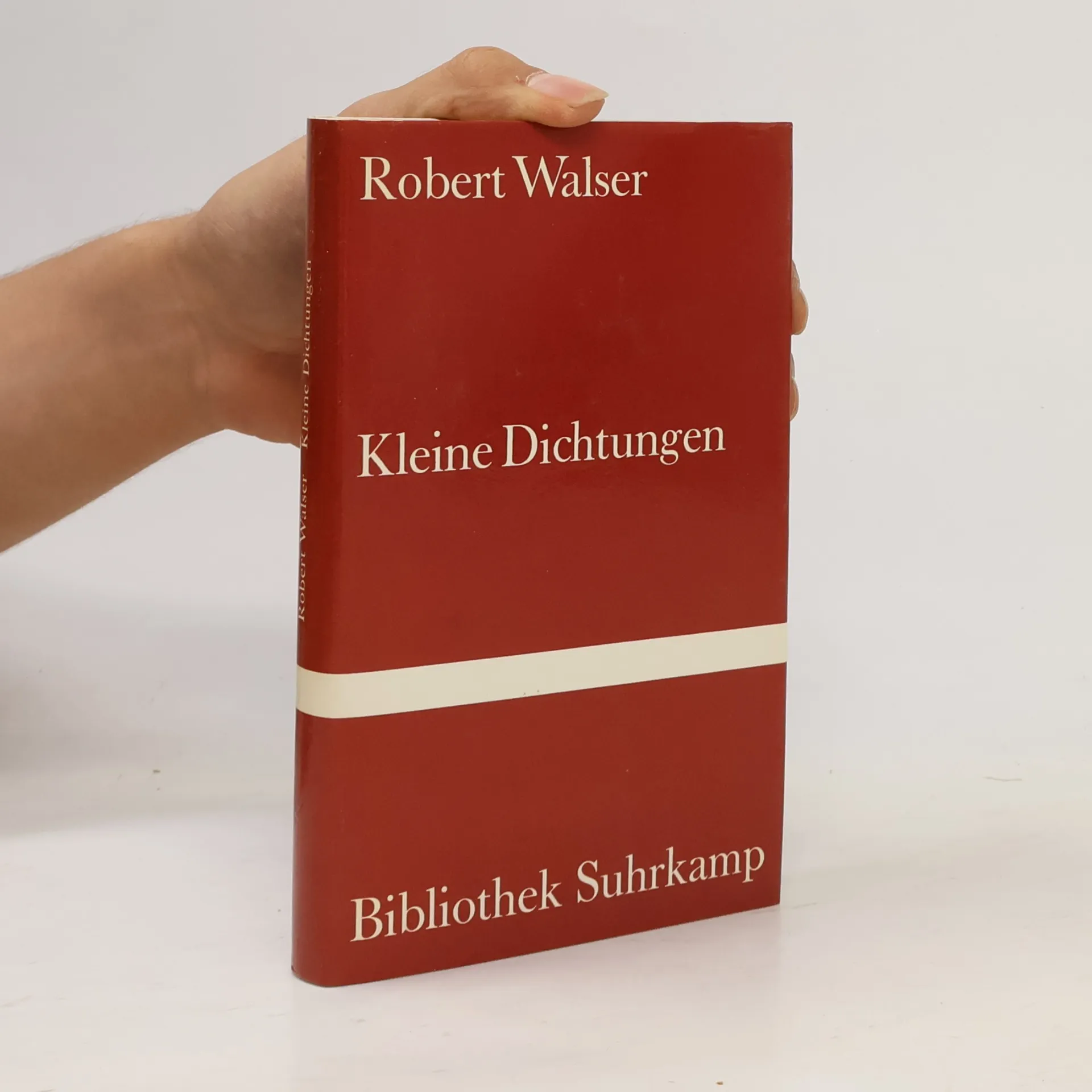
In Robert Walsers Berliner und Bieler Jahren entstanden diese Kleinen Dichtungen (1914); diese Sammlung Prosaminiaturen zeigt einen bunten Querschnitt durch Walsers Themenwelt: literarische Porträts, Traumerzählungen, Wanderungen und Spaziergänge, Wälder und Schneelandschaften, Mondschein- und Wolkenfantasien – aber auch Wirtshausbesuche, Verbrechen und Unfälle. Stilistisch mischen sich Romantik und Realismus auf eigenartige Weise. – Das Nachwort bringt uns Walsers ambivalentes Verhältnis zur Romantik näher.
Das alles, was ich jetzt hier schreibe, ist fur Sie, liebe Frau. Ich sehe so viel Zeit vor mir, die ich zu nichts anderem als zu einer kunstlichen Spielerei verwenden kann, eine solche Menge, einen solchen Haufen von Zeit, dass ich nur von Herzen froh sein kann, diesen Zeitvertreib gefunden zu haben. Man will und kann mich nicht beschaftigen, man braucht mich nicht, ich stehe vollig ausserhalb jedes Bedurfnisses, wohlan, so gebrauche ich mich eben selber, wahle mir selber den Zweck und halte mich fur gut genug, irgendein Werk, ware es auch das sonderbarste und nutzloseste, zu vollfuhren. Ich bin breit und schwer und voll von Empfindungen. So klaglich auch meine jetzige Lage sein mag in dieser Spiegelgasse, so seltsam frei und mutig komme ich mir vor, so leicht und erfinderisch in wohltuenden Gedanken ist mein Herz. Nur ab und zu, um es offen herauszusagen, bin ich traurig und hoffnungslos, denke an meine Zukunft als wie an etwas Verlorenes und Dusteres, aber das sind Augenblicke, weiter nichts."
»Eines Morgens trat ein junger, knabenhafter Mann bei einem Buchhändler ein und bat, daß man ihn dem Prinzipal vorstellen möge.« Geschwister Tanner, Robert Walsers erster Roman, beginnt mit einem entschlossenen Auftritt des Protagonisten. Die Erwartungen, die sich an einen derartigen Anfang knüpfen, werden allerdings bald enttäuscht: Zwar wird Simon Tanner in der Buchhandlung angestellt, doch schon nach wenigen Seiten, noch bevor die personelle und berufliche Konstellation eine klare Gestalt angenommen hat, kündigt er und macht sich auf die Suche nach einer anderen Stelle – womit er den Sorgen seines Bruders, des »namhaft bekannte[n] Doktor Klaus«, recht gibt, dass er es mit seinem »immerwährenden Berufswechsel« versäume, »energisch eine Laufbahn« zu ergreifen. Ungebunden und frei zu sein ist, was Simon will. Diesem Impuls zum Unverbindlichen folgt auch der Autor, indem er seinen Roman als eine lose Folge von Episoden anlegt. Die städtische Arbeitswelt des Fin de Siècle 1900 wird dabei aus der kritischen Perspektive eines Außenseiters dargestellt.
Zu den Vorzugslandschaften des großen Wanderers Robert Walser gehören unbedingt die Wälder. Sie stammen aus der schweizerischen Heimat gleichermaßen wie aus Lektüre, romantischer zumal: Tiecks Waldeinsamkeit und Eichendorffs Selbstvergessenheit schwingen durch Berg- oder Gemeindewälder. Walsers Waldtexte inszenieren Orte des sanften Verschwindens, der wohligen Ruhe und des Stillstands der Zeit. In ihnen begegnet man erotischen Waldfrauen, Reisenden und Räubern, Unheimlichem, Niemandem – oder sich selbst. Auf Irr-, Um- und Abwegen führen sie zu bunten Waldfesten oder lohenden Waldbränden, aber auch zu Lichtungen, auf denen Wirtshausschilder Waldgänger zur Einkehr laden. Diese Anthologie versammelt in chronologischer Folge Prosaskizzen und Gedichte von den frühen Texten um 1900 bis in die späte Zeit der Berner Mikrogramme.
Seit jeher hat Robert Walser bildende Künstler auf der ganzen Welt inspiriert. Auch für Thomas Hirschhorn, einem der provokativsten und innovativsten Künstler der Gegenwart, ist er eine Leitfigur, ein »Held«, der für wahres Künstlertum steht. Walsers Kunstanspruch ist stets an einen persönlichen Standpunkt geknüpft, der zum Betrieb Distanz markiert. Die vorliegende ›Blütenlese‹ enthält eine Auswahl von Robert Walsers besten Texten – ein idealer Einstieg in das Werk eines Autors, dessen poetisch bildhaftes Schreiben eine ungebrochene Wirkungsmacht hat.
C’est un autre Walser que l’on découvre dans ce recueil d’une quarantaine de nouvelles. Ce n’est pas le même que celui de L’Institut Benjamenta et des Enfants Tanner, désespéré et souvent lugubre. La Rose est d’une fraîcheur réconfortante. Elle sent bon l’humour, la gaieté et le plaisir de vivre. « Miniaturiste par excellence » comme disait de lui Stefan Zweig lien, Robert Walser est un maître de la forme brève. Il a publié des centaines de textes courts et ses romans leur font de l’ombre. C’est avec plaisir que nous l’écoutons nous raconter des histoires délicates qui semblent être tantôt des confessions tantôt des témoignages romantiques de ses rencontres réelles, littéraires ou théâtrales. Certes, on retrouve sa mélancolie mais aussi sa poésie qui prend tout son charme dans des fragments variés, vivants et souvent narquois. Voici un recueil délicieux et heureux où il fait bon flâner, butiner une once d’amour, une pincée de sel et une grande écriture. La Rose, paraît en 1925. En 1929, il entre dans une clinique qu'il ne quittera pas. Il meurt en 1956, le jour de Noël, sur un chemin de neige.
Eine junge Frau mit einem Käfig voll Löwen und Fässern voll Schlangen liebt einen Räuber. Ein Tierbändiger wird von einem Löwen getötet. Sein Sohn, noch ein Knabe, übernimmt todesmutig des Vaters Beruf. Es schneit – oder es brennt ein Wald und leuchtet in einer Röte, als ob er von einem Spitzbuben angezündet worden wäre. 19 Kurzgeschichten von Robert Walser. Eine Zusammenarbeit mit dem Robert Walser-Zentrum, Bern, und dem Suhrkamp Verlag, Berlin.
Die Rheinlande. Monatsschrift fur deutsche Kunst war im Jahr 1900 gegrundet worden mit dem Anspruch, die Lander am Rhein starker gegen die kulturelle Ubermacht Preussens und der Reichshauptstadt Berlin zu positionieren. Unter Wilhelm Schafer, der als Herausgeber und Redakteur die Zeitschrift wahrend des gesamten Zeitraum ihres Erscheinens entscheidend pragte, avancierte sie zu einer der bekanntesten Kunstzeitschriften im deutschsprachigen Raum. Walsers Beitrage in Die Rheinlande, die hier ediert werden, erschienen ab 1910 - im Jahr 1913 war er gar in jedem Heft zu lesen. Das Letzte Prosastuck und das Gedicht Puppe beenden dann 1919 seine Beitragerschaft. Der Band bietet damit einen Langsschnitt durch Walsers Bieler Zeit. Etwa die Halfte der Texte nahm Walser nochmals in seine Prosabucher Aufsatze (1913) und Kleine Dichtungen (1914/15) auf.
Das Prager Tagblatt, eine bedeutende deutschsprachige Tageszeitung der österreichischen Monarchie und der tschechoslowakischen Republik, war für ihr exzellentes Feuilleton bekannt. Robert Walser war darin bereits ab 1907 gelegentlich mit Beiträgen vertreten. Nach dem Eintritt von Max Brod in die Redaktion im Frühjahr 1924 intensivierte sich die publizistische Beziehung, wobei von 1925 an ausschliesslich Gedichte zum Abdruck kamen, und zwar überwiegend in der Sonntagsbeilage der Zeitung. Die vorliegende Edition der Drucke im Prager Tagblatt eröffnet neue Perspektiven auf die späte Lyrik und macht, ergänzend zu den bereits erschienenen Bänden zur Prager Presse, Robert Walsers Präsenz in Prager Zeitungsfeuilletons auf Basis eines großen Textbestands und über einen langen Zeitraum erforschbar.
Robert Walser wurde am 15. April 1878 in Biel geboren. Er starb am 25. Dezember 1956 auf einem Spaziergang im Schnee. Heute ist Walser durch seine Romane, seine feuilletonistische Prosa, seine Gedichte und seine Dramolette als einer der bedeutendsten Autoren des 20. Jahrhunderts anerkannt. Nach seiner Schulzeit absolvierte er eine Banklehre und arbeitete als Commis in verschiedenen Banken und Versicherungen in Zürich. Seine ersten Gedichte, die 1898 erschienen, ließen ihn rasch zu einem Geheimtip werden und verschafften ihm den Zugang zu literarischen Kreisen. Nach Erscheinen seines ersten Buches Fritz Kochers Aufsätze folgte er 1905 seinem Bruder Karl nach Berlin, der dort als Maler und Bühnenbildner den Durchbruch erzielt hatte. In rascher Folge publizierte Walser nun seine drei Romane Geschwister Tanner (1907), Der Gehülfe (1908) und Jakob von Gunten (1909). Infolge einer psychischen Krise geriet Walser Anfang 1929 gegen seinen Willen in die Psychiatrie, deren Rahmen er nie mehr verlassen konnte. 1933 von der Berner Klinik Waldau nach Herisau verlegt, gab er das Schreiben vollständig auf und lebte dort noch 24 Jahre als vergessener anonymer Patient. Sein Werk erscheint seit 1978 im Suhrkamp Verlag, seit 2018 auch in der neuen kommentierten Berner Ausgabe.
Auch im zweiten Band der Anthologien-Reihe gelingt es Johanna Stange, ihre Leser mitzunehmen auf eine abwechslungsreiche und faszinierende Entdeckungsreise durch die Literatur. Unterhaltsame, nachdenkliche sowie vergnügte Geschichten und Gedichte verschaffen kurzweiliges Lesevergnügen und sind auch ein wunderbares Mitbringsel für Literatur-Liebhaber!
Robert Walser wurde am 15. April 1878 in Biel geboren. Er starb am 25. Dezember 1956 auf einem Spaziergang im Schnee. Heute ist Walser durch seine Romane, seine feuilletonistische Prosa, seine Gedichte und seine Dramolette als einer der bedeutendsten Autoren des 20. Jahrhunderts anerkannt. Nach seiner Schulzeit absolvierte er eine Banklehre und arbeitete als Commis in verschiedenen Banken und Versicherungen in Zürich. Seine ersten Gedichte, die 1898 erschienen, ließen ihn rasch zu einem Geheimtip werden und verschafften ihm den Zugang zu literarischen Kreisen. Nach Erscheinen seines ersten Buches Fritz Kochers Aufsätze folgte er 1905 seinem Bruder Karl nach Berlin, der dort als Maler und Bühnenbildner den Durchbruch erzielt hatte. In rascher Folge publizierte Walser nun seine drei Romane Geschwister Tanner (1907), Der Gehülfe (1908) und Jakob von Gunten (1909). Infolge einer psychischen Krise geriet Walser Anfang 1929 gegen seinen Willen in die Psychiatrie, deren Rahmen er nie mehr verlassen konnte. 1933 von der Berner Klinik Waldau nach Herisau verlegt, gab er das Schreiben vollständig auf und lebte dort noch 24 Jahre als vergessener anonymer Patient. Sein Werk erscheint seit 1978 im Suhrkamp Verlag, seit 2018 auch in der neuen kommentierten Berner Ausgabe.
Krátké prózy, črty a miniatury významného švýcarského spisovatele 1. pol. 20. století. Ve stylizovaném miniaturním obraze zachycuje zážitky, zkušenosti, detail, dílčí portrét člověka, elementární děj.
Hlavný hrdina príbehu, mladý dvadsaťročný Šimon Tanner, potomok váženej rodiny, je v istom zmysle akousi jej čiernou ovcou: vystrieda desiatky zamestnaní, od pisára až po ošetrovateľa chorého chlapca, spoznáva veľa zaujímavých ľudí. Jeho postoj k životu je vrúcny, no pritom ľahkovážny, snevýbojným humorom si formuje vlastnú životnú filozofiu, odpor k zabehaným konvenciám.