

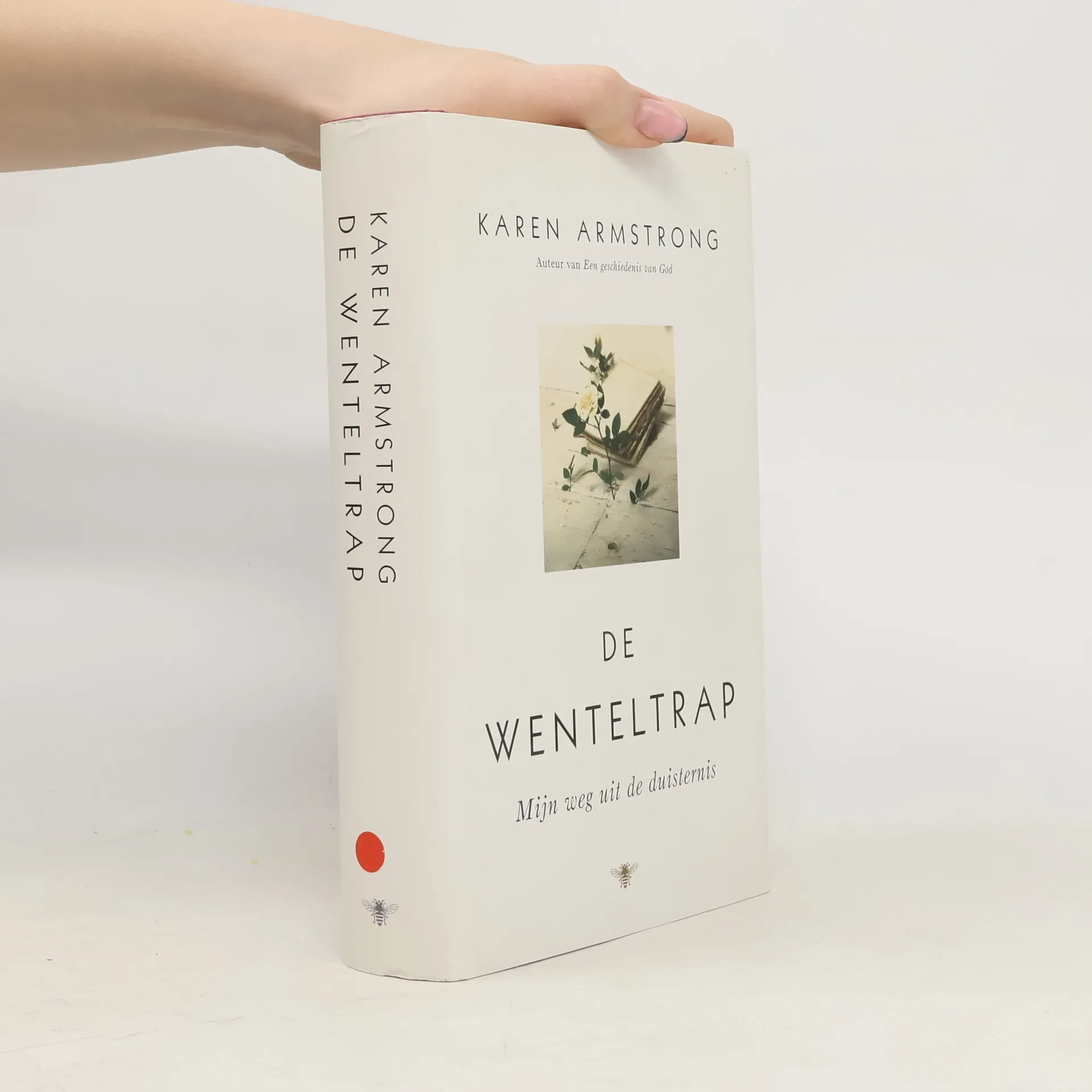
In De wenteltrap vertelt Karen Armstrong hoe ze in 1969, na zeven jaar, het klooster verlaat om in Oxford te studeren. Ze voelt zich als Doornroosje die na een lange sluimer in een vreemde, beangstigende wereld terechtkomt. In Londen volgen de jaren waarin ze haar gebrek aan ervaring inhaalt. Ze heeft relaties, loopt feesten af en maakt vrienden. Uiteindelijk vertrekt ze in 1982 als journaliste naar Jeruzalem. Daar verbreedt ze haar horizon, komt ze in contact met andere culturen en gaat ze zich verdiepen in de islam. Karen Armstrong wisselt in De wenteltrap haar persoonlijke herinneringen af met beschouwende stukken over het falen van de kerk, bidden, het wezen van het geloof, eenzaamheid en spiritualiteit. Rode draad is de zoektocht naar haar eigen, persoonlijke en integere manier van geloven. De wenteltrap is daarvan het openhartige, fascinerende en verhelderende verslag.
Caroline Jacoba Louise Kloos Boeken
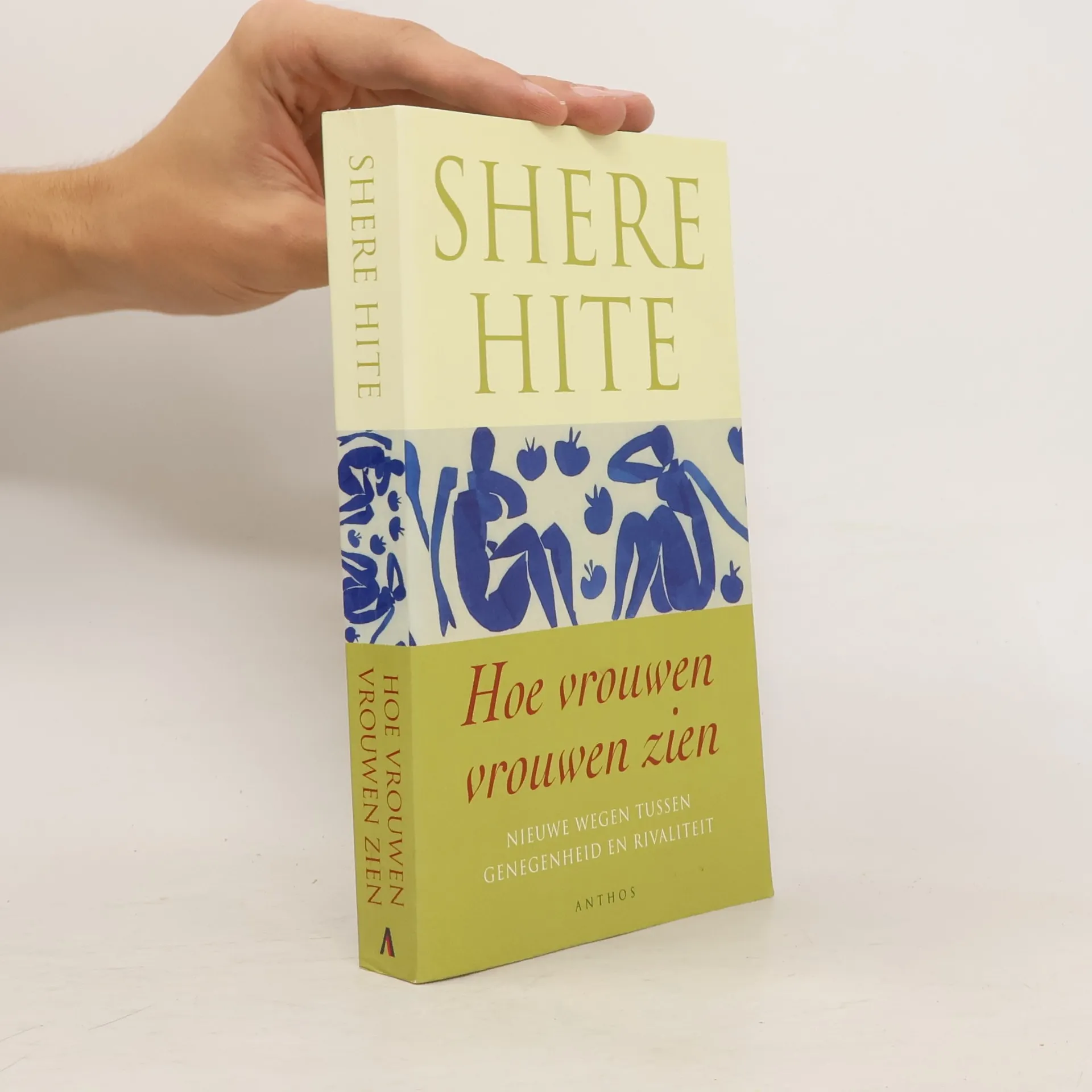
Hoe vrouwen vrouwen zien
Nieuwe wegen tussen genegenheid en rivaliteit : analyse van een maatschappij in beweging
- 254bladzijden
- 9 uur lezen
'Zijn vrouwen elkaars natuurlijke rivalen, of raakt dat idee langzamerhand uit de mode? Hoe zien vrouwen elkaar tegenwoordig in hun vriendschappen, op het werk en thuis'?' In haar nieuwe, prikkelende boek betoogt Shere Hite dat de toekomst vrouwelijk is - én opwindend. Zij concentreert zich dit keer op vrouwen en hun onderlinge betrekkingen: die tussen moeders en dochters, vriendinnen, collega's en concurrenten. Hite laat zien dat relaties tussen vrouwen niet meer gebonden zijn aan het traditionele patroon. Vrouwen ontmoeten elkaar nu op een nieuwe manier. Ze zetten nieuwe netwerken op, ondersteunen elkaar en smeden duurzame allianties, die tot steeds meer constructieve macht leiden. Maar wat betekent dit voor de relaties tussen vrouwen? In dit lucide boek beschrijft Hite eend doorbraak in de maatschappelijke ontwikkeling. De toekomst is vrouwelijk. Het zijn uiteindelijk vrouwen die het emotionele landschap zullen veranderen en daarmee de maatschappij.
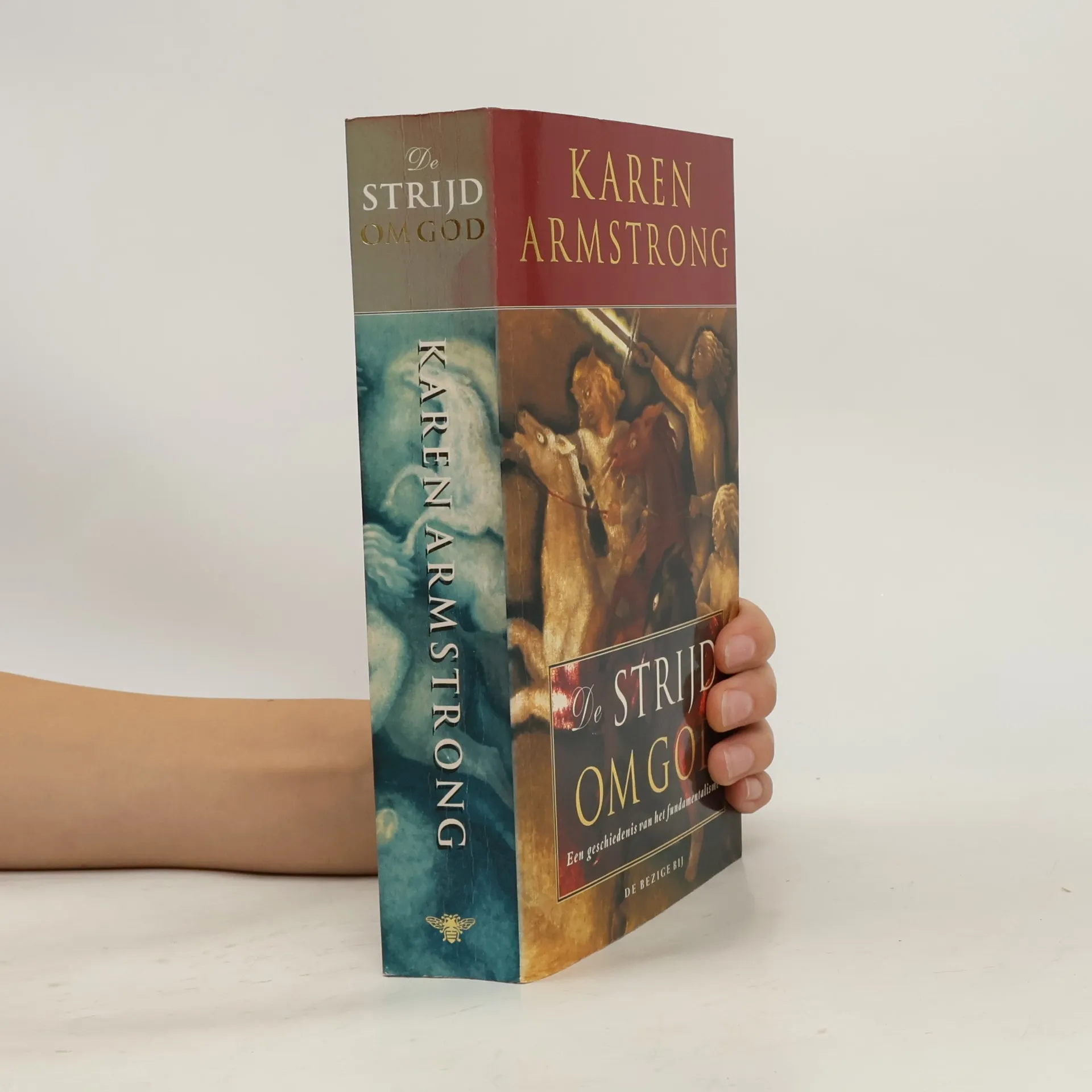
De Strijd om God; Een geschiedenis van het fundamentalisme
een geschiedenis van het fundamentalisme
- 493bladzijden
- 18 uur lezen
A nuanced exploration of the part religion plays in human life, past and present, from one of the foremost commentators on religion at work today. Moving from the Paleolithic Age to the present, Karen Armstrong details the great lengths to which humankind has gone in order to experience a sacred reality that it has called God, Brahman, Nirvana, Allah, or Dao. Focusing especially on Christianity but including Judaism, Islam, Buddhism, Hinduism, and Chinese spirituality, Armstrong examines the diminished impulse toward religion in our own time, when a significant number of people either want nothing to do with God or question the efficacy of faith. Why has God become incredible? Why is it that atheists and theists alike now think and speak about God in a way that deviates so profoundly from the thinking of our ancestors? Answering these questions with the same depth of knowledge and profound insight that have marked all of her acclaimed books, Armstrong makes clear how the changing face of the world has necessarily changed the importance of religion at both the societal and the individual level. And she makes a powerful, convincing argument for drawing on the insights of the past in order to build a faith that speaks to the needs of our dangerously polarized age.