

Ronald Noppers Volgorde van de boeken (chronologisch)
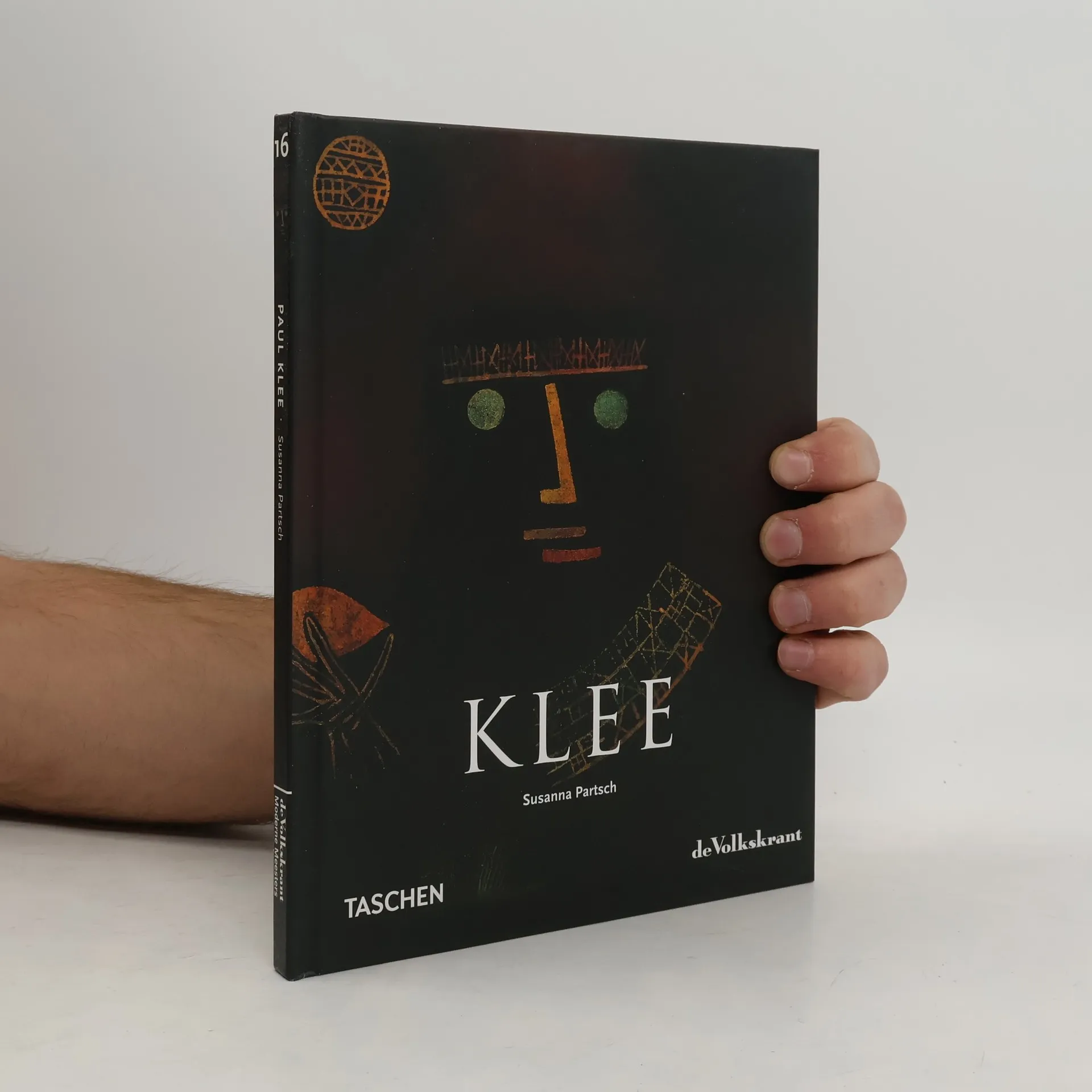
Paul Klee, 1879-1940
- 96bladzijden
- 4 uur lezen
Uitgave van De Volkskrant - Moderne Meesters #16 Vertaling: Ronald Noppers
Turner
- 96bladzijden
- 4 uur lezen
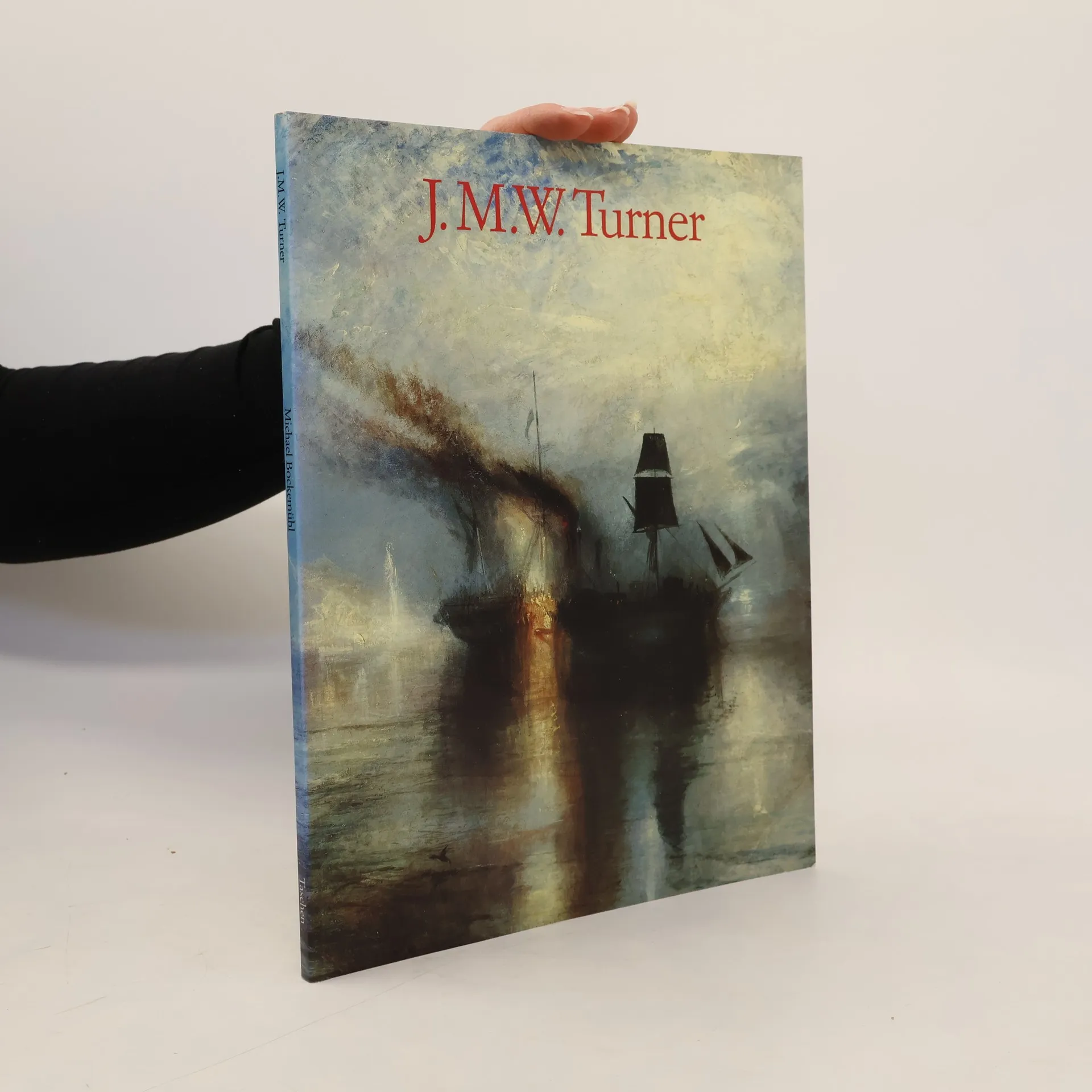
Het werk van Joseph Mallord William Turner (1775-1851) is een optische explosie en visuele openbaring. Zijn landschappen en zeestukken branden bijna in het oog met hun schitterende licht en briljante kleuren, alsof de zon zelf uit het kader straalt. De passend "schilder van het licht" genoemde Turner gebruikte druktechnieken, aquarel- en olieverf om in plaats van contemplatieve landschapschilderijen zijn met leven pulserende scenario's te creëren. Zijn leven en werk waren nauw verbonden met de Theems en de zee, maar hij stelde ook boodschappers van de Industriële Revolutie voor, zoals stoomschepen en treinen, en zette in zijn beelden de uitwassen van de beschaving tegenover de krachten van de natuur. Dit boek presenteert de hele breedte van Turners oeuvre en stelt een kunstenaar voor die traditie met radicale moderniteit verbond.