
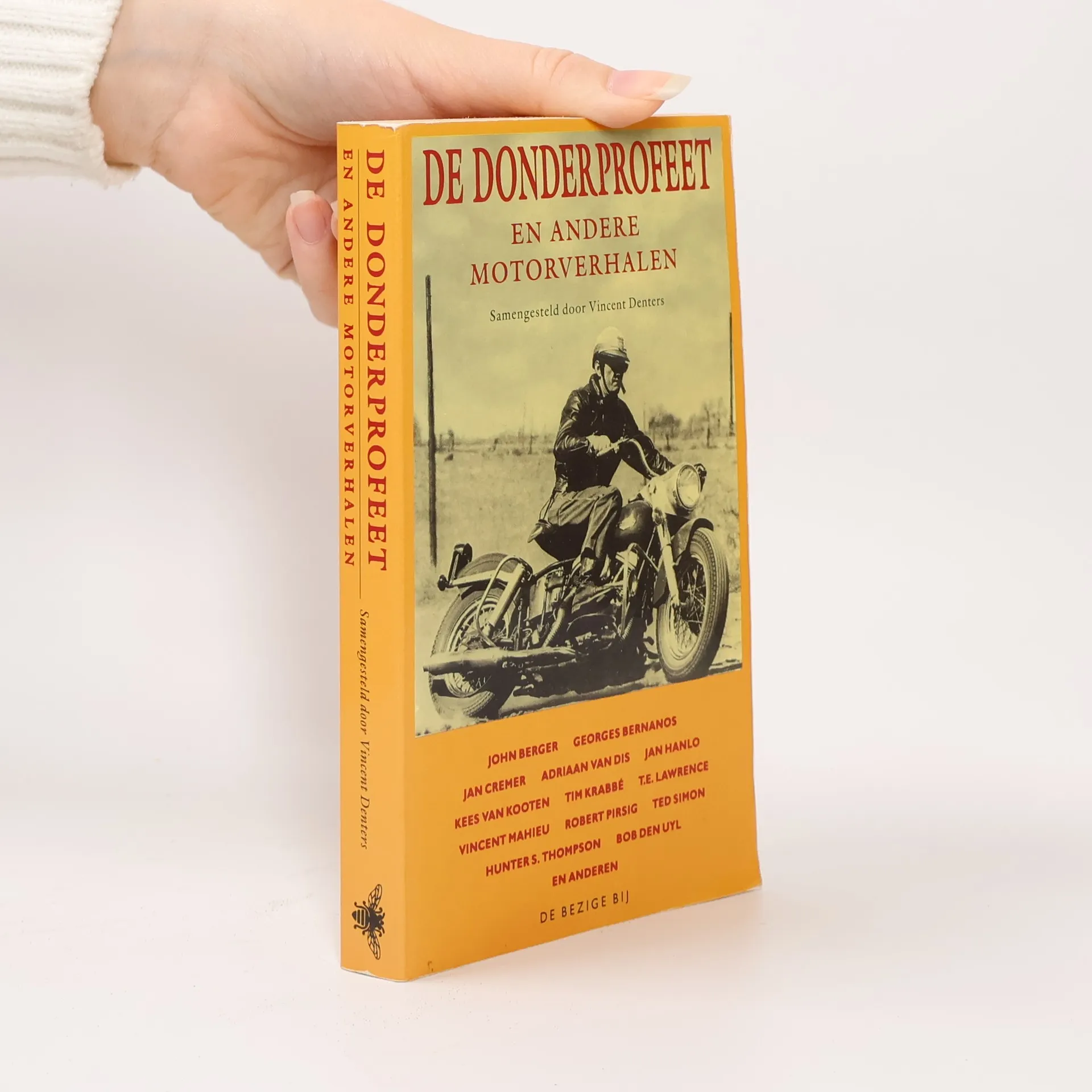
De donderprofeet en andere motorverhalen
- 255bladzijden
- 9 uur lezen
Dutch
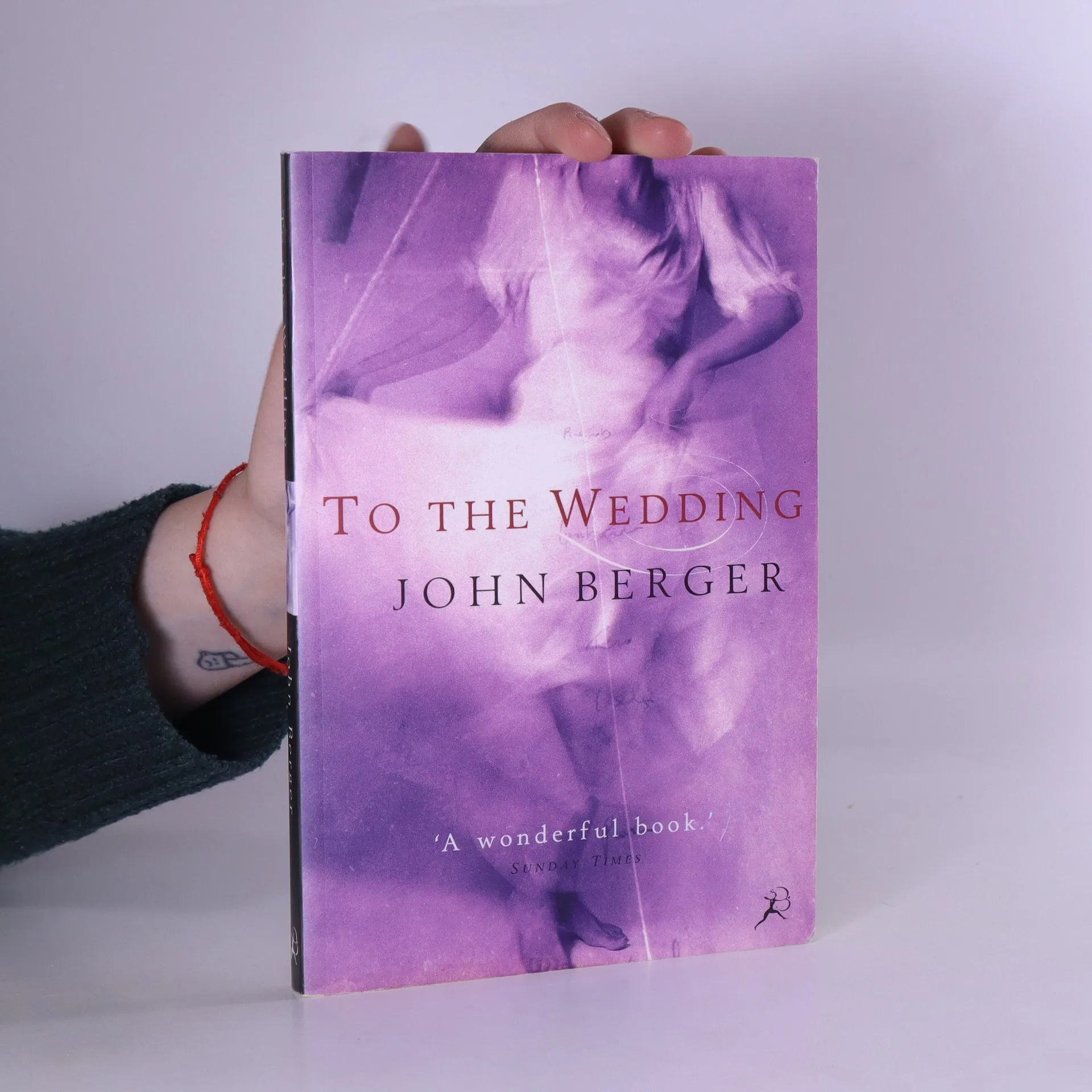
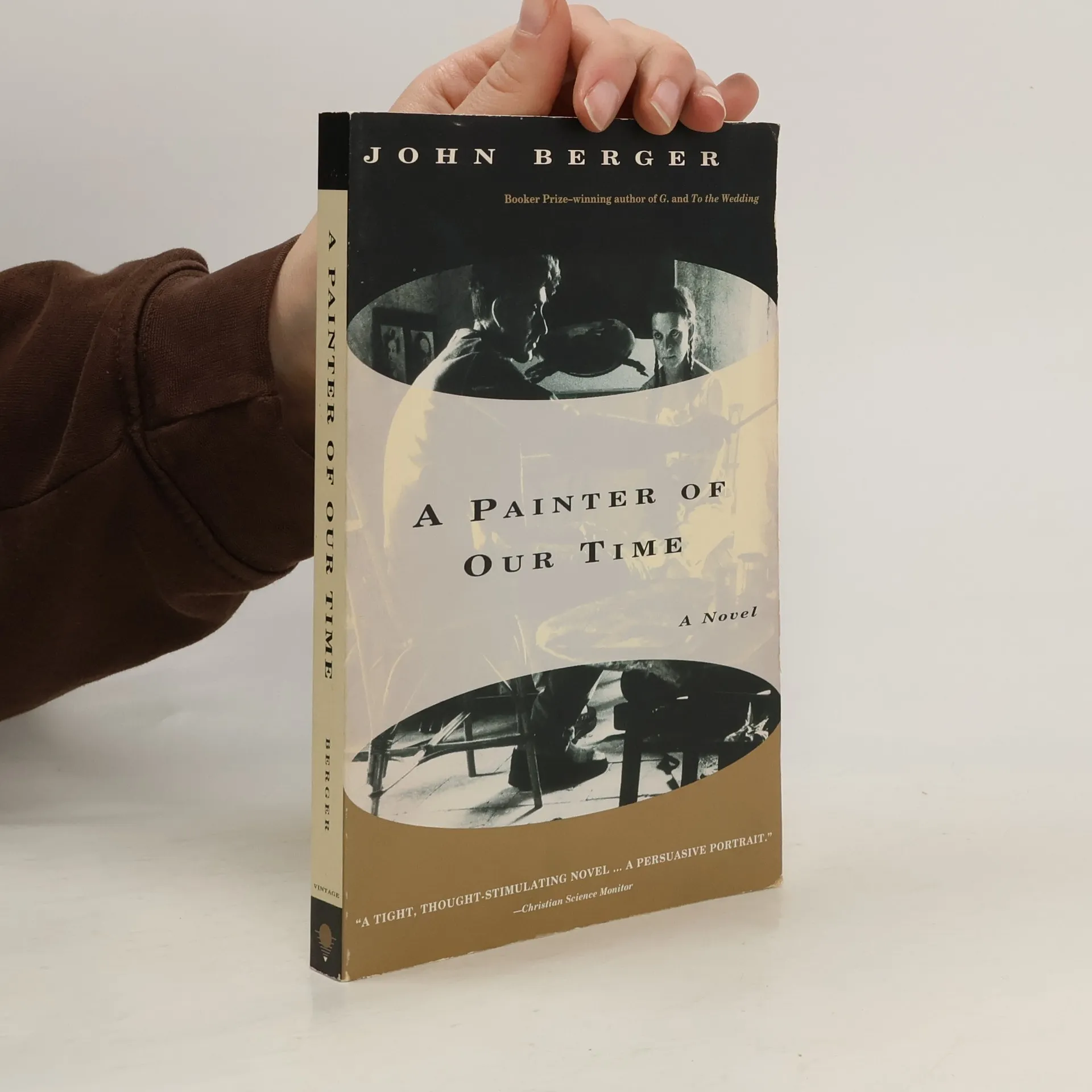
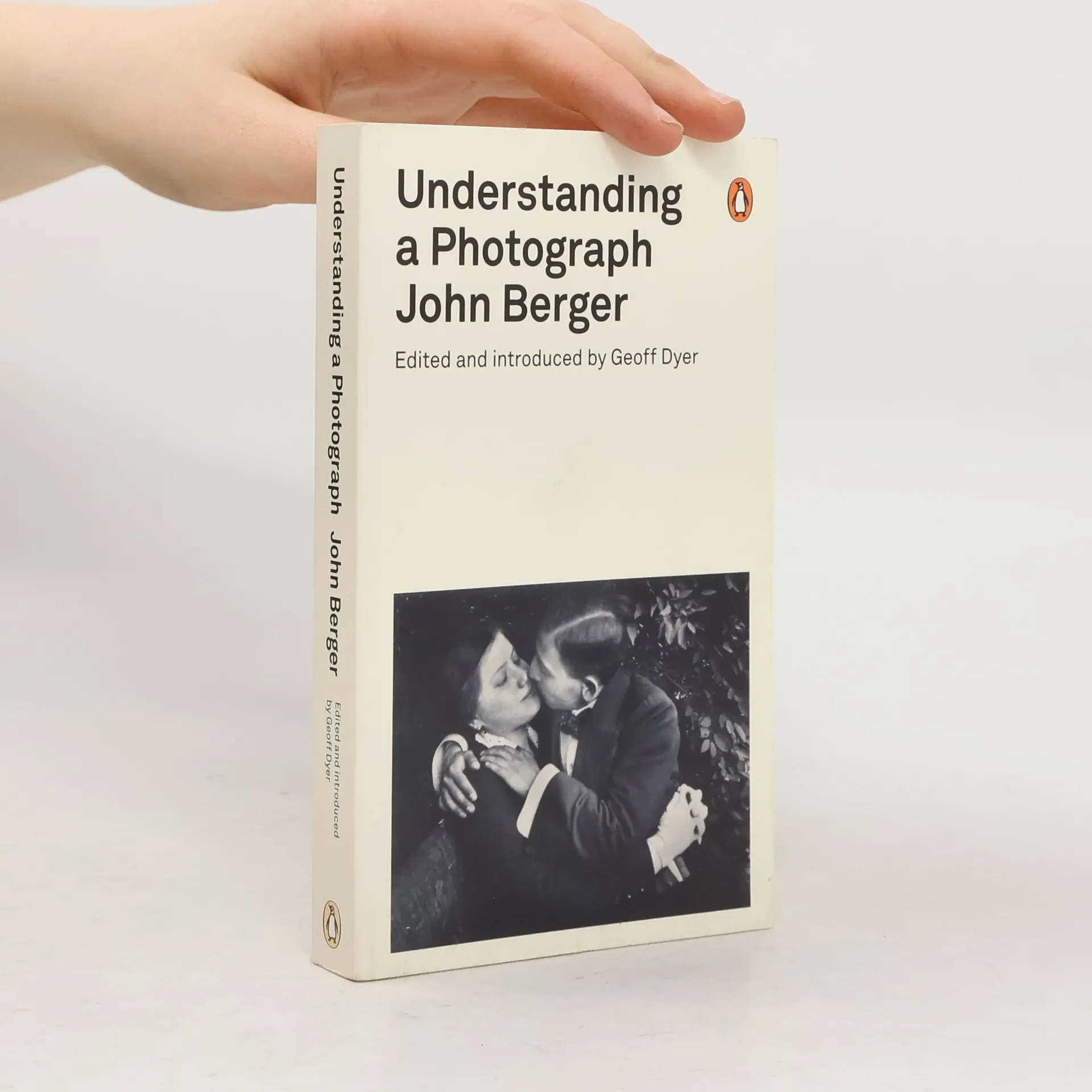
John Berger was een Engelse auteur wiens werk zich uitstrekte over kunstkritiek, romans en schilderkunst. Zijn schrijven verkent regelmatig de spanning tussen moderniteit en herinnering, verlies en aanwezigheid. Berger mediteerde vaak over het leven van boeren en hun transformatie bij verhuizing naar stedelijke omgevingen. Zijn teksten staan bekend om hun diepe inzicht in de menselijke conditie en een kritisch perspectief op de samenleving.


Dutch
Honore Daumier (1808-1879) is perhaps best known for his political and social caricatures, precise and witty observations of life in nineteenth-century France. This study offers an assessment of his entire oeuvre, bringing together his paintings, sculptures, watercolours, drawings and lithographs, all of which were greatly admired in his lifetime.
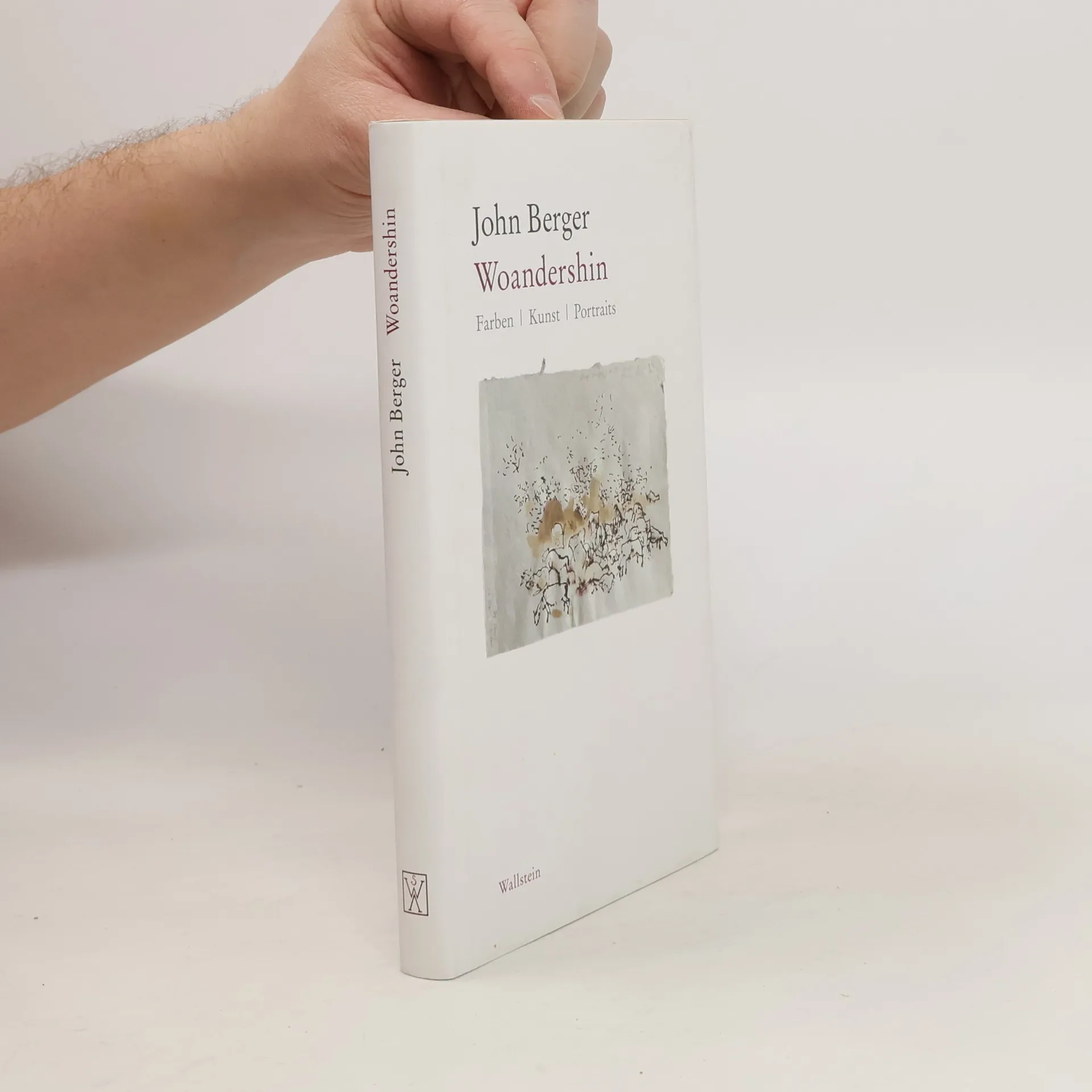
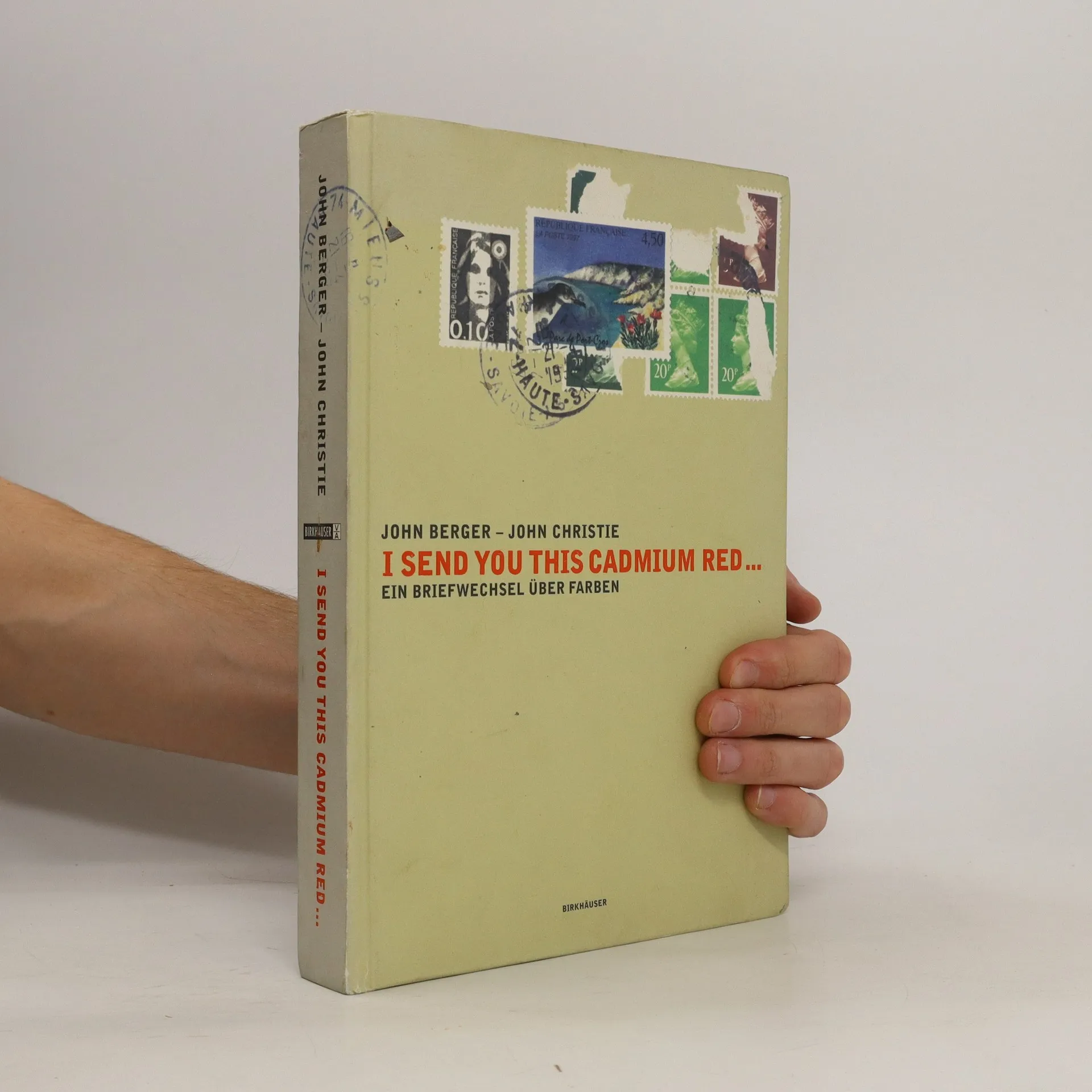
1997 erhält John Berger von John Christie ein rot bemaltes Papier. Berger antwortet, er gibt der Farbe rot eine eigene 'Lebensgeschichte': das unberührte Rot der Kindheit, das Schwarz, in das es sich verwandelt im Älterwerden, das Weiß, das es war, als es jung war, bis er zu seinem Lieblingsrot, dem Caravaggio-Rot kommt. Später schreiben sich Berger und Christie über das Matisse-Blau, das Yves Klein-Blau, sie kommen von Klein zu Le Corbusier, von Perlmutt zu Courbet, von Gelb zu Gold, von Kandinsky zu Paul Klee. Die Publikation dieser faszinierenden Korrespondenz ist eine Schatzkammer für alle diejenigen, die sich für Farben, Gestaltung, Malerei, Kunstgeschichte und Design interessieren. Die phantasievoll und sehr künstlerisch gestalteten Briefe werden alle im Faksimile und in Übersetzung wiedergegeben.
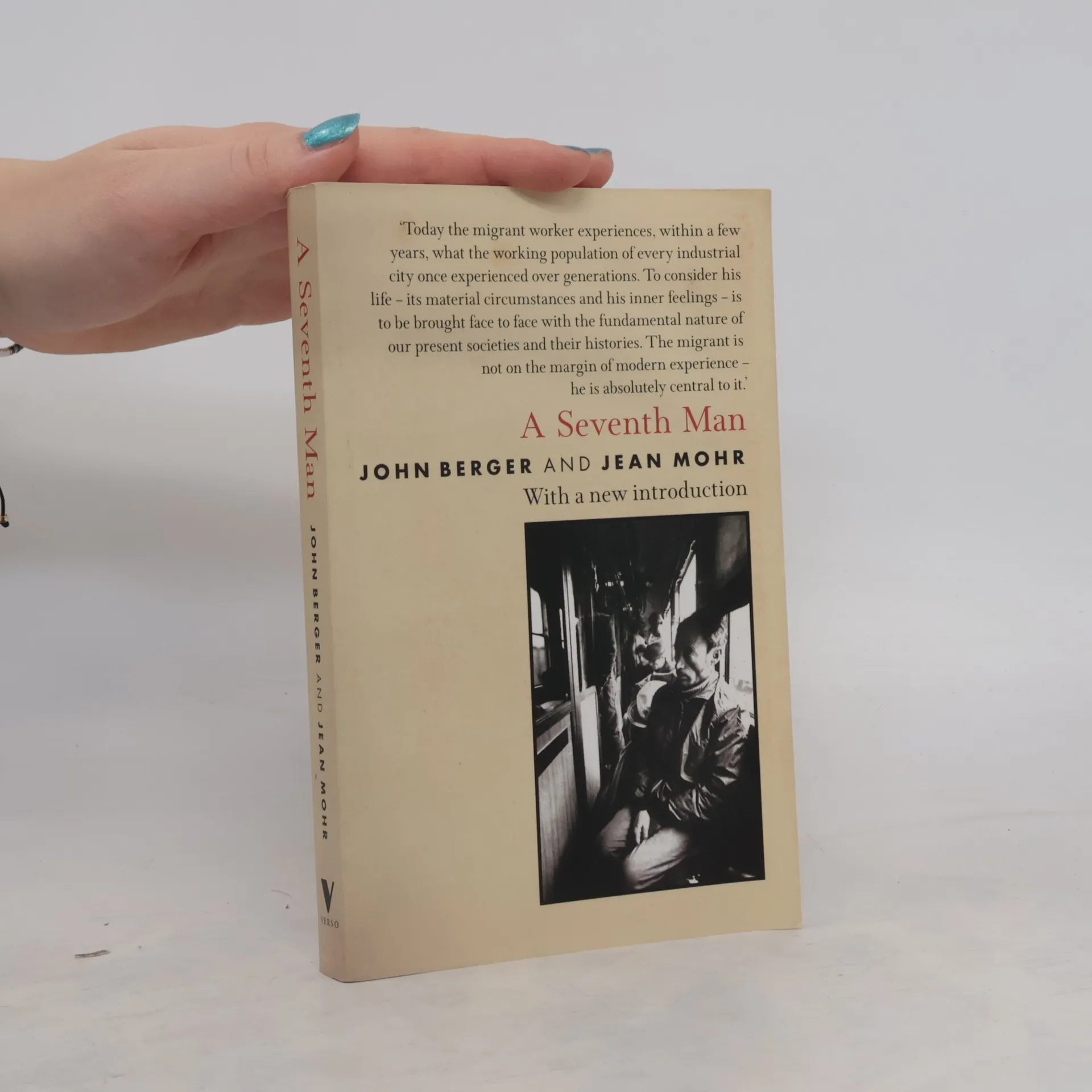
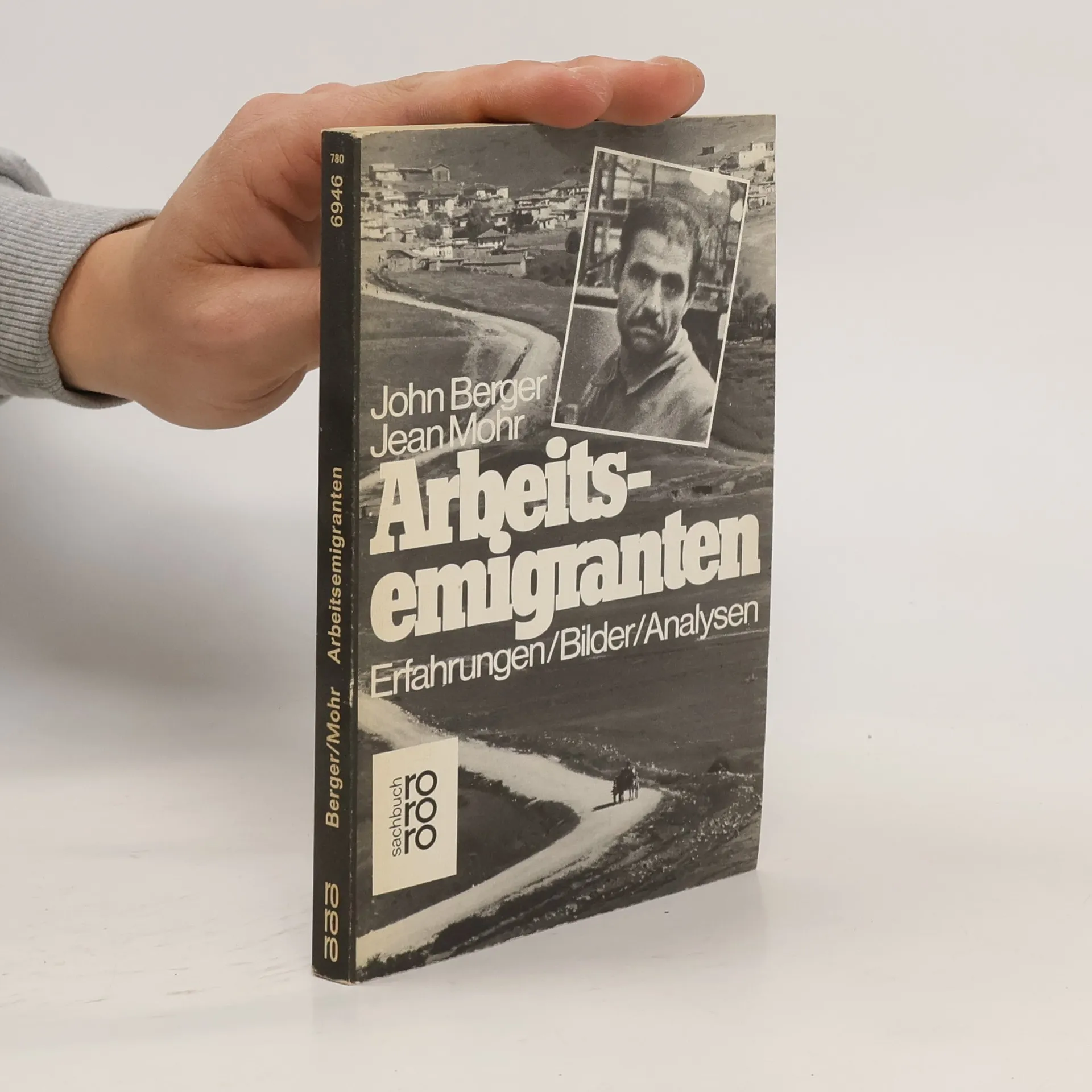
Why does the Western world look to migrant laborers to perform the most menial tasks? What compels people to leave their homes and accept this humiliating situation? In A Seventh Man, John Berger and Jean Mohr come to grips with what it is to be a migrant worker—the material circumstances and the inner experience—and, in doing so, reveal how the migrant is not so much on the margins of modern life, but absolutely central to it. First published in 1975, this finely wrought exploration remains as urgent as ever, presenting a mode of living that pervades the countries of the West and yet is excluded from much of its culture.
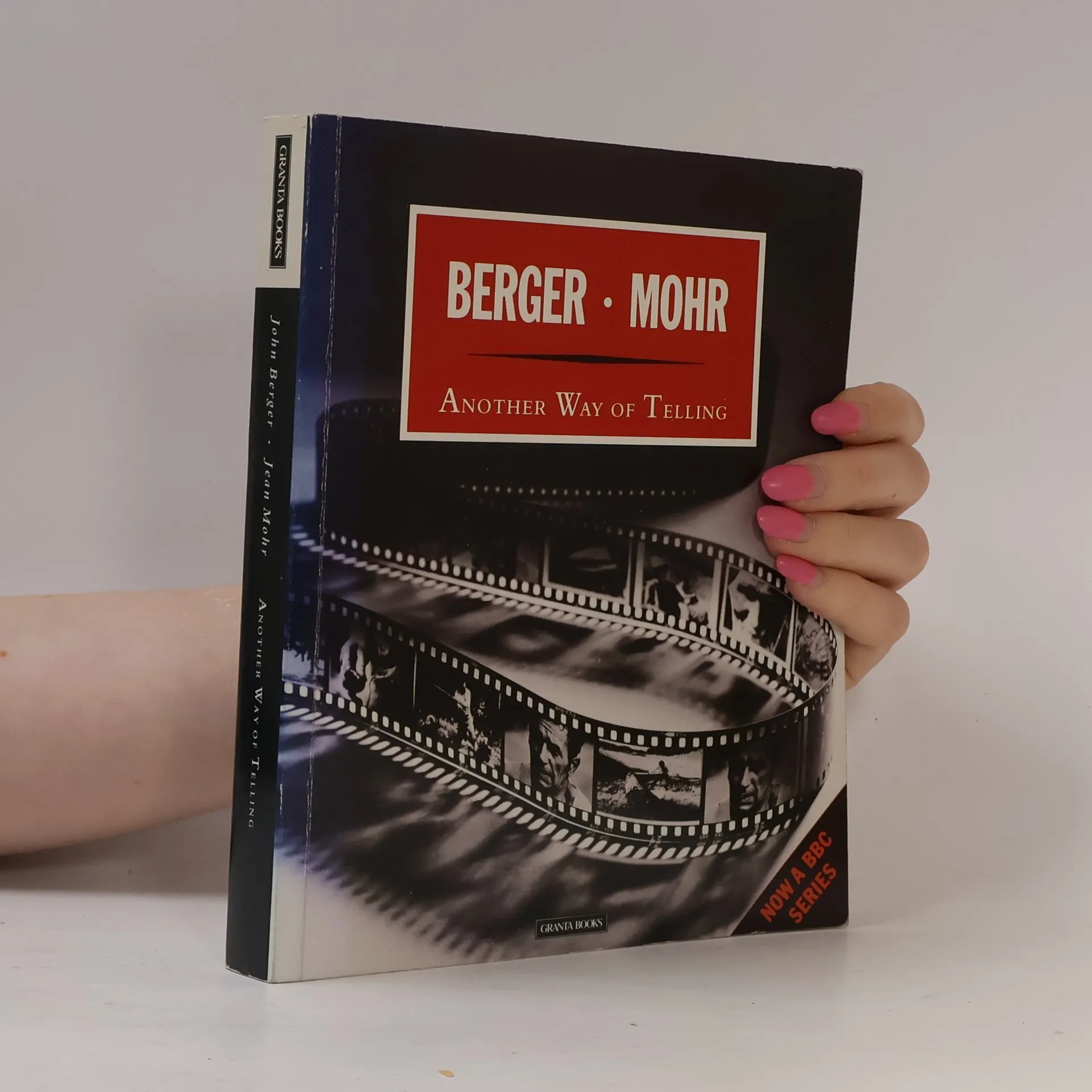
One of the most eloquent accounts of photography written in collaboration with the Swiss photographer Jean Mohr and illustrated by both Jean Mohr's work and notable examples of photography throughout the Twentieth Century. This publication ties in with the BBC's televising of a four part series.
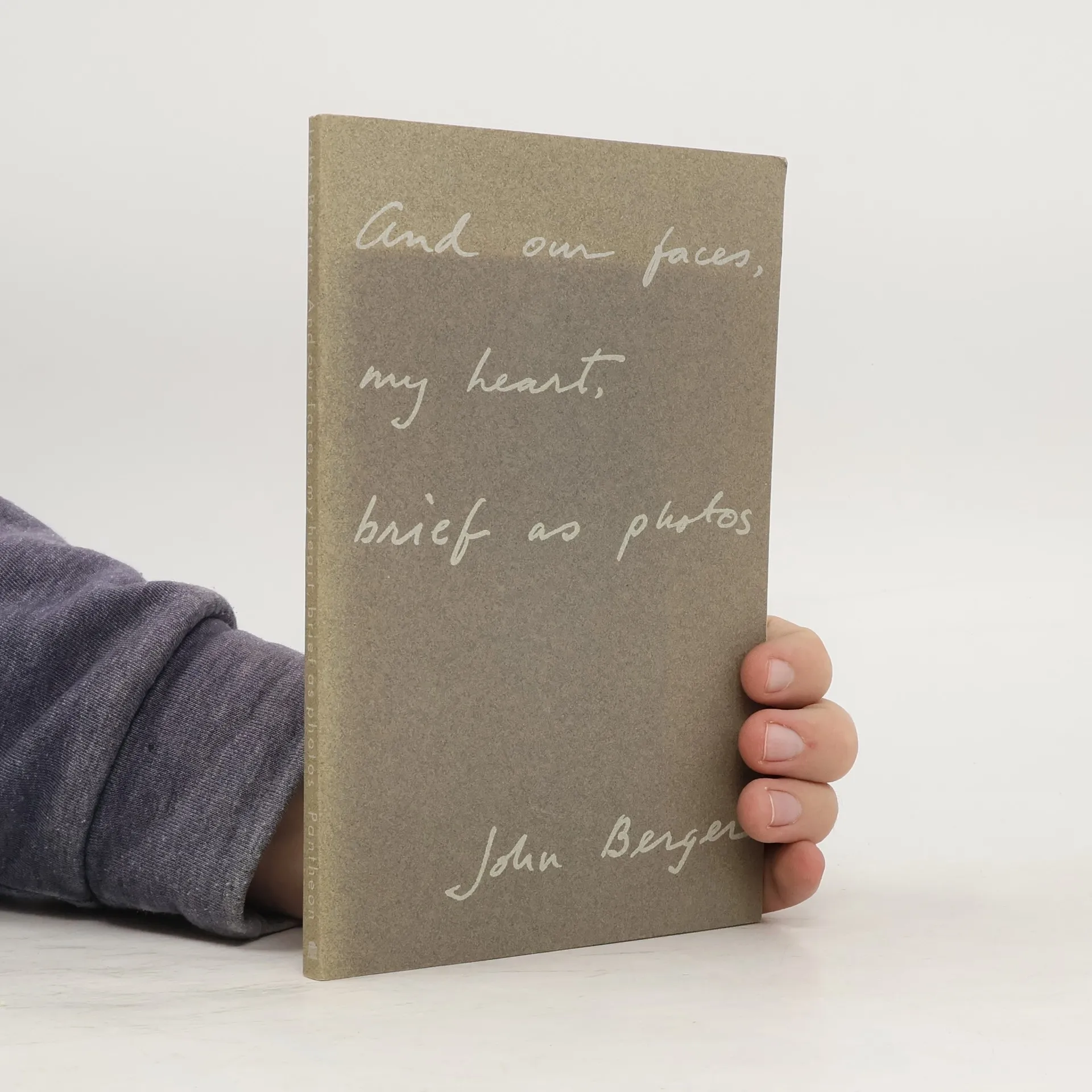
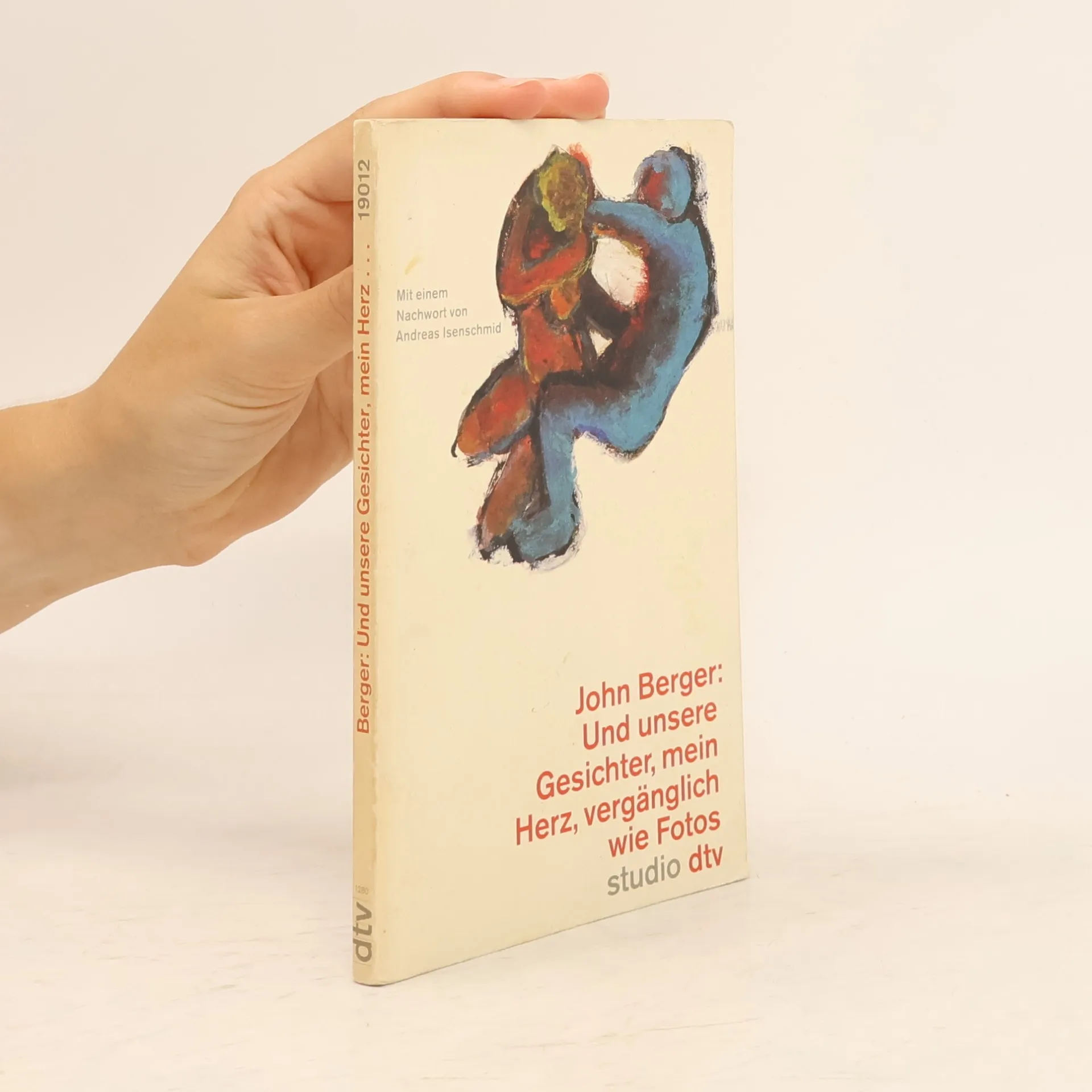
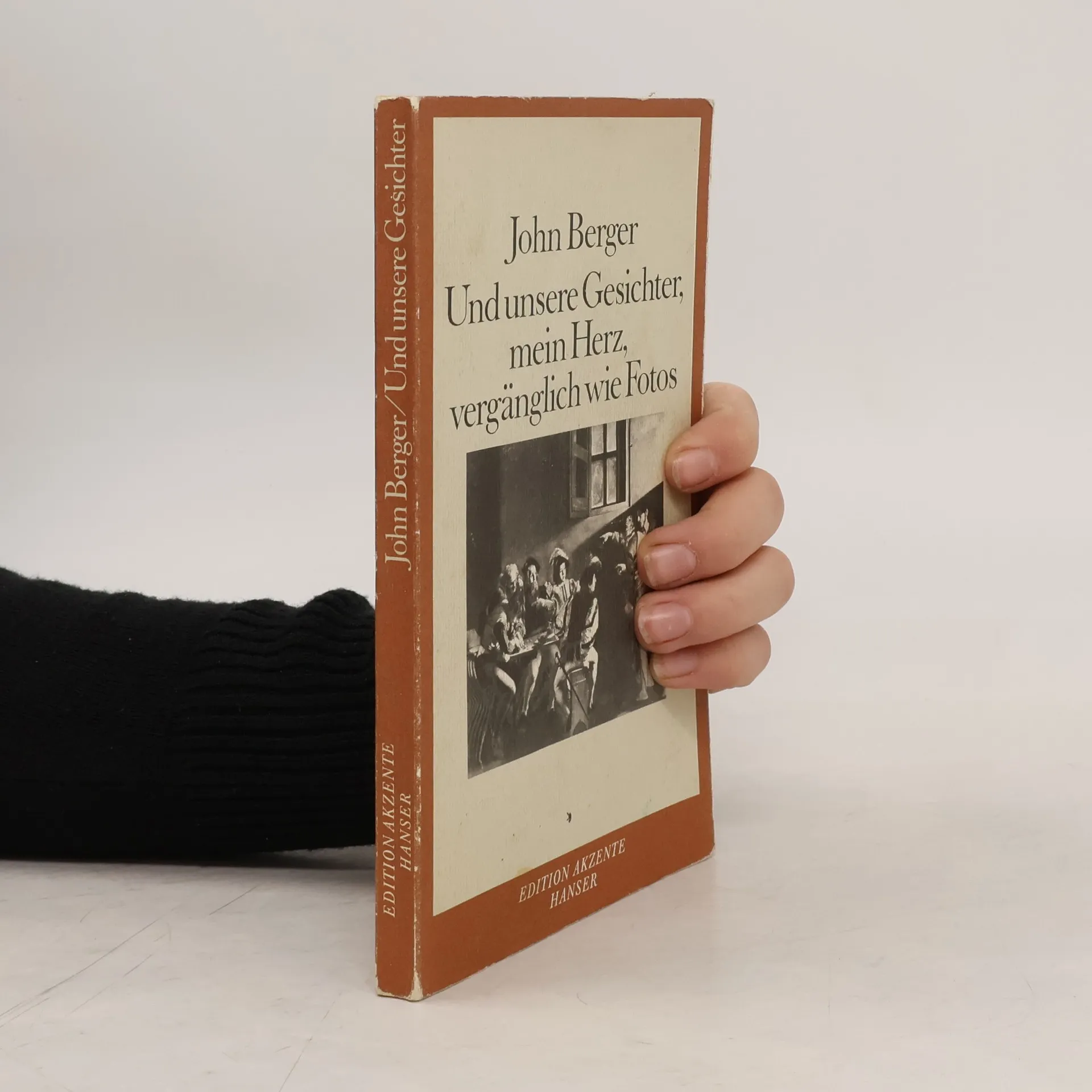
Booker Prize-winning author John Berger reveals the ties between love and absence, the ways poetry endows language with the assurance of prayer, and the tensions between the forward movement of sexuality and the steady backward tug of time. He recreates the mysterious forces at work in a Rembrandt painting, transcribes the sensorial experience of viewing lilacs at dusk, and explores the meaning of home to early man and to the hundreds of thousands of displaced people in our cities today. And Our Faces, My Heart, Brief as Photos is a seamless fusion of the political and personal.
Once in Europa, first published by John Berger in 1987, is reissued by Bloomsbury with poignant color images by award-winning photographer Patricia Macdonald. This moving love story unfolds against the backdrop of agrarian collapse and heavy industry in 1950s Central Europe. Odile lives with her aging father, struggling to maintain their smallholding as a local steelworks encroaches on their land. She recalls her childhood, marked by the sounds of the factory siren and the river, as her idyllic life is overshadowed by environmental destruction: "the furnaces throbbed, the river flowed, the smoke...thrust upwards into the sky." Odile's promising education is interrupted by her love for Stepan, a communist steelworker, whose sudden death at the factory leaves her pregnant and destitute. In her struggle, she finds solace with Michel, another victim of the factory's harsh realities. Berger expertly captures the tragic impact of industrialization on rural communities, blending exquisite lyricism and stoicism as Odile fights for her and her children's survival. Macdonald's photographs enhance the narrative, particularly her stunning aerial views of urban and rural landscapes, creating a sobering snapshot of late 20th-century Europa.
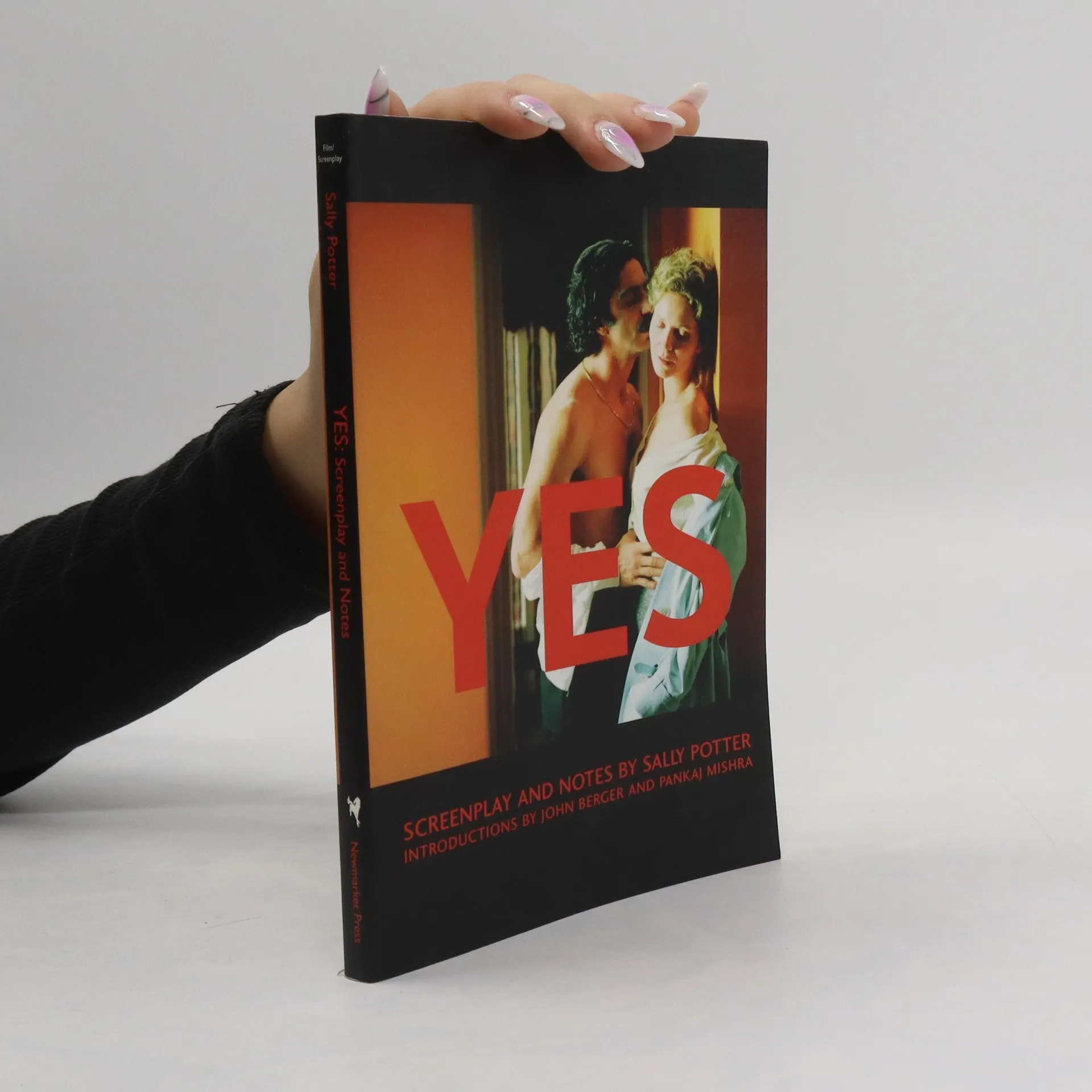
"Since 'Thriller' and the widely acclaimed 'Orlando', writer-director Sally Potter has been known as a pioneer filmmaker. [... YES is] easily her masterpiece to date. The central action, set in contemporary London, involves a successful scientist locked in a passionless marriage and conducting an intensely sexual affair with a Lebanese immigrant worker. But this sturdy dramatic situation is only the beginning."--Publisher's description. Includes both the finished screenplay and the original short film script it was based on, as well as photos, credits, and a question-and-answer session with Sally Potter and actress Joan Allen
New edition: A Personal History of Art from the author of Ways of Seeing
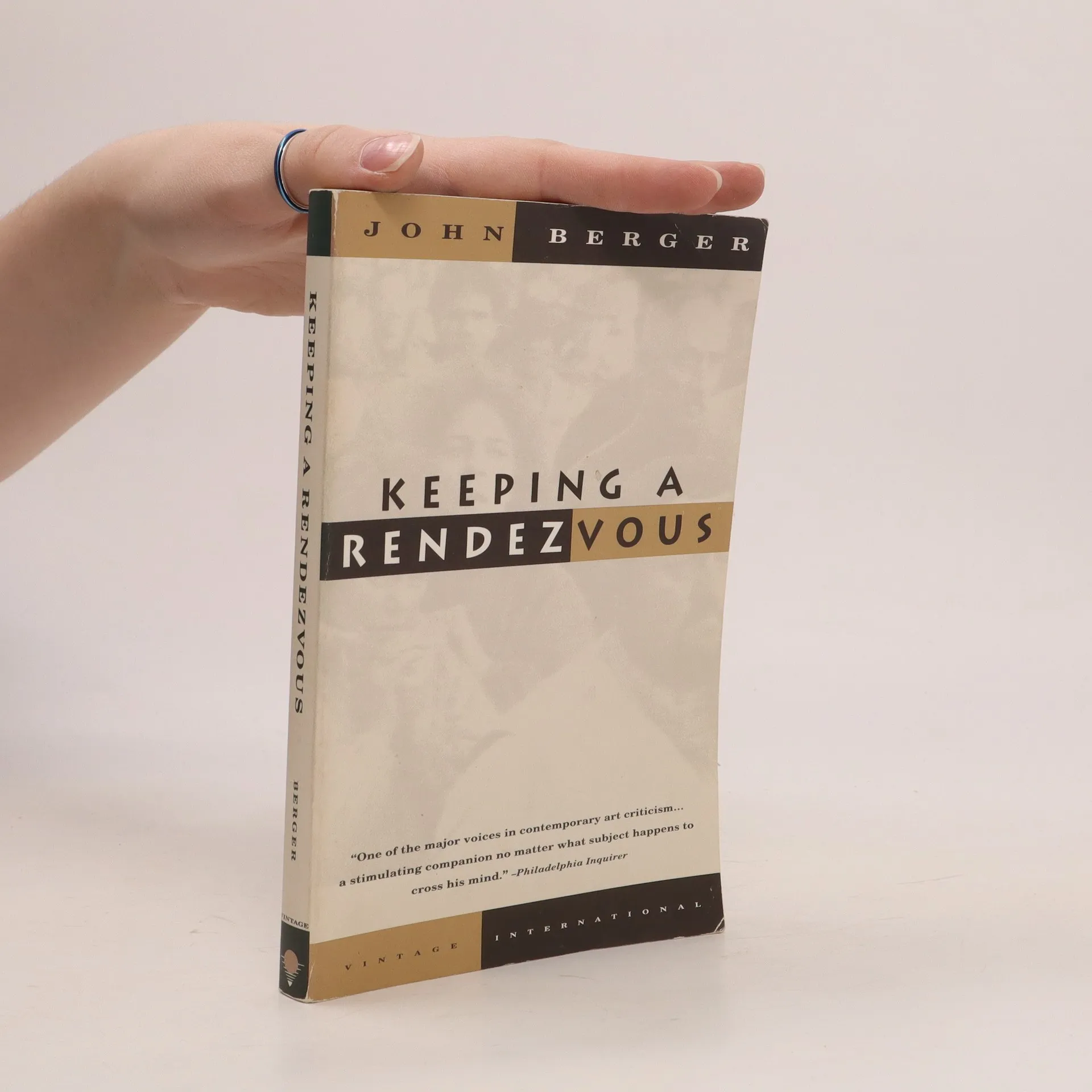
When he stands before Giorgione's La Tempesta , Booker Prize-winning author John Berger sees not only the painting but our whole notion of time, sweeping us away from a lost Eden. A photograph of a gravely joyful crowd gathered on a Prague street in November 1989 provokes reflection on the meaning of democracy and the reunion of a people with long-banished hopes and dreams.With the luminous essays in Keeping a Rendezvous , we are given to see the world as Berger sees it -- to explore themes suggested by the work of Jackson Pollock or J. M. W. Turner, to contemplate the wonder of Paris. Rendezvous are between critic and art, artist and subject, subject and the unknown. But most significant are the rendezvous between author and reader, as we discover our perceptions informed by Berger's eloquence and courageous moral imagination.