

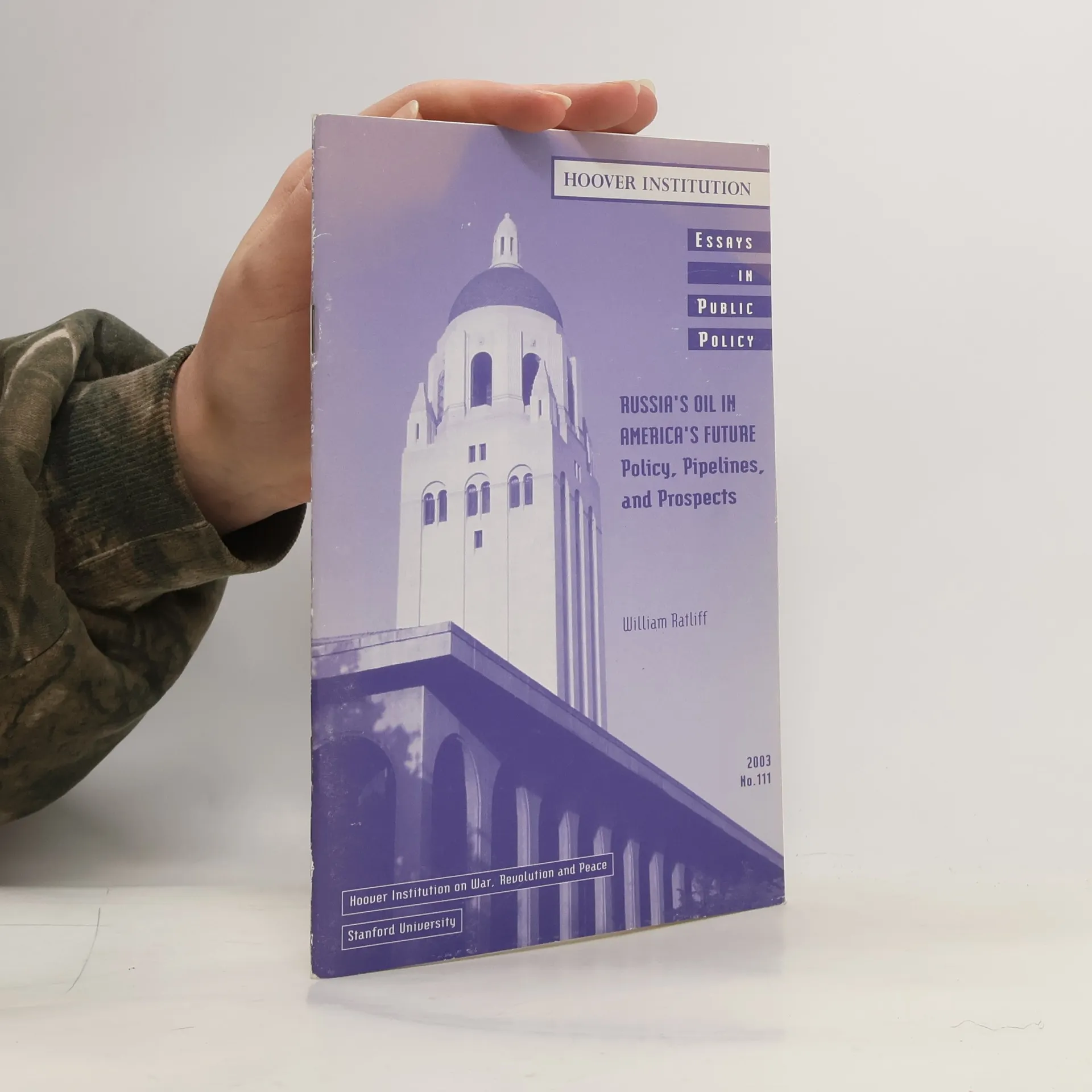
Essays in Public Policy - 111: Russia's Oil in America's Future
Policy, Pipelines, and Prospects
- 29bladzijden
- 2 uur lezen
Presidents George Bush and Vladimir Putin will meet at the end of September to discuss economic ties between the United States and Russia, with a focus on the crucial role of energy, particularly oil. While Russia has emerged as a leading oil exporter, its oil exports to the U.S. remain minimal. The Russian oil industry is largely controlled by wealthy, ambitious private companies that are generally open to foreign partnerships. However, they face challenges from an outdated, state-controlled delivery system and lingering traditional practices. Tensions escalated in mid-2003 when the prosecutor general's office targeted Yukos, a leading private oil company aligned with American interests. This incident reignited concerns in the U.S. about the privatizations of the 1990s, property security, and the intertwining of law and politics in Russia. To foster a stable relationship, Russia, with support from American and European allies, must create an environment conducive to foreign investment and technological advancement in its oil sector, while also establishing a robust legal framework. Meanwhile, the U.S. must evaluate how much engagement Russia can handle to ensure both immediate oil supply and long-term development, all while pursuing alternative energy sources to reduce dependency on foreign nations amid global instability.