Zhuk provides a concise historical summary and a discussion of important construction details before going on to describe 1080 revolvers and 1320 pistols, identified by more than 2600 individual drawings
Although Western societies cannot escape from images of famine in the present world, their direct experience with widespread hunger has receded into the past. England was one of the very first countries to escape from the shadow of famine and in this volume, a team of distinguished economic, social, and demographic historians analyze why. The contributors combine detailed local studies of individual communities, broader analyses of the impact of hunger and disease, and methodological discussions that explore the effect of crisis mortality on early modern societies. The essays examine the complex interrelationships among past demographic, social, and economic structures, and demonstrate that the impact of hunger and disease can provide a unique vehicle for an exploration of early modern society.
Nearly 2 million had been manufactured by the end of the First World War, and
the gun remained in production right up until the last days of the Third Reich
in 1945. An engaging history, not overly complicated by technical details,
this updated edition will appeal to the collectors and readers of military
history alike.
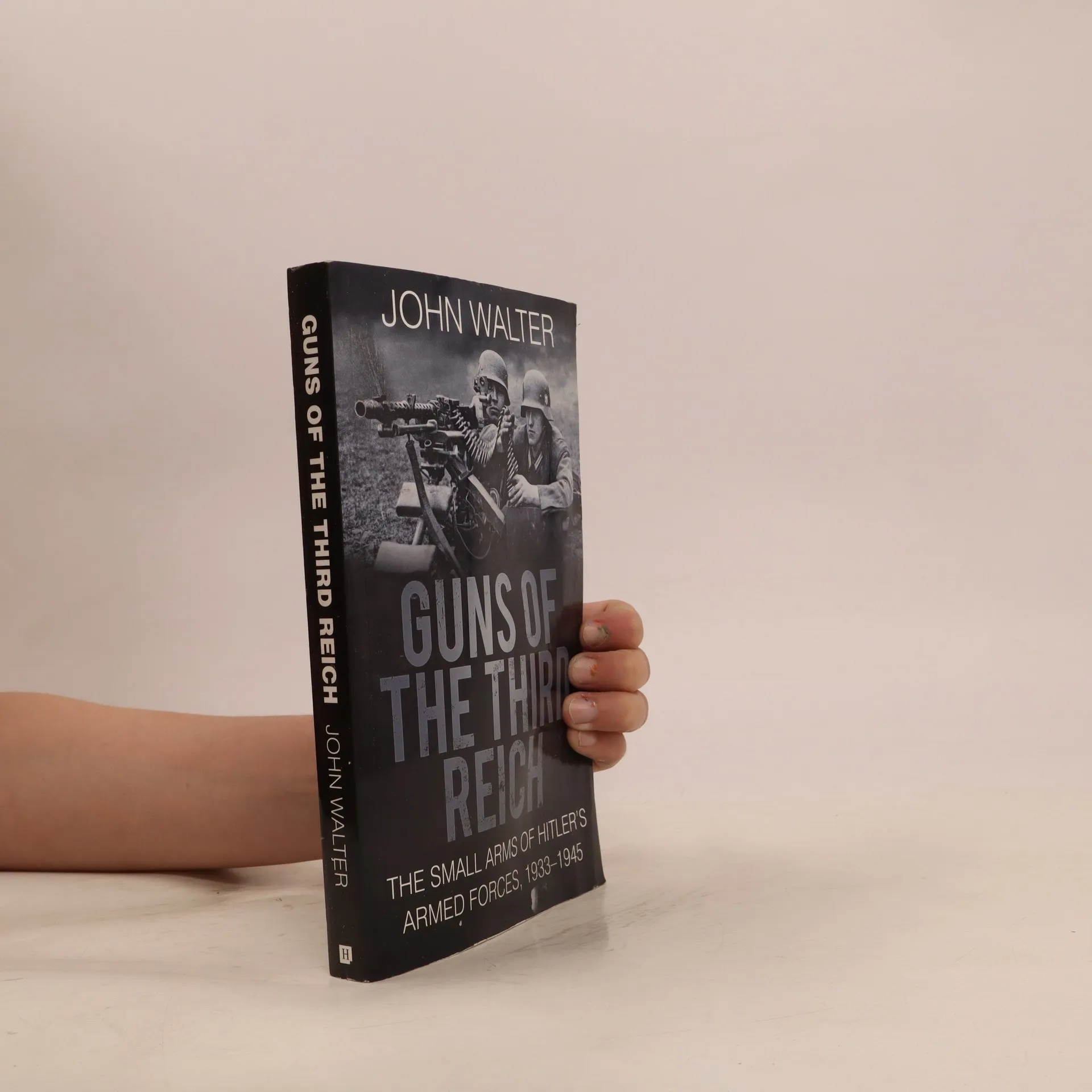
The armies of the Third Reich were a formidable foe for the Allied forces - largely thanks to the effectiveness of their equipment and weaponry. In this first-class book, renowned firearms expert John Walter examines the full range of guns used from the commercially successful Walter PP and PPK, to the double-action, personal defence pistols Mauser HSc and Sauer M38. Walter also considers the value of weapons that were captured and then used, by the Wehrmacht and the police. Thoroughly researched and illustrated with fascinating examples, this comprehensive reference book covers all significant aspects of design and employment, including data for each weapon on length, weight, barrel, magazine and muzzle velocity. This is an indispensable resource on a compelling subject.
This series presents hardback editions of Shakespeare's plays for use in schools. The text is supported by detailed notes and is suitable for GCSE and A level.
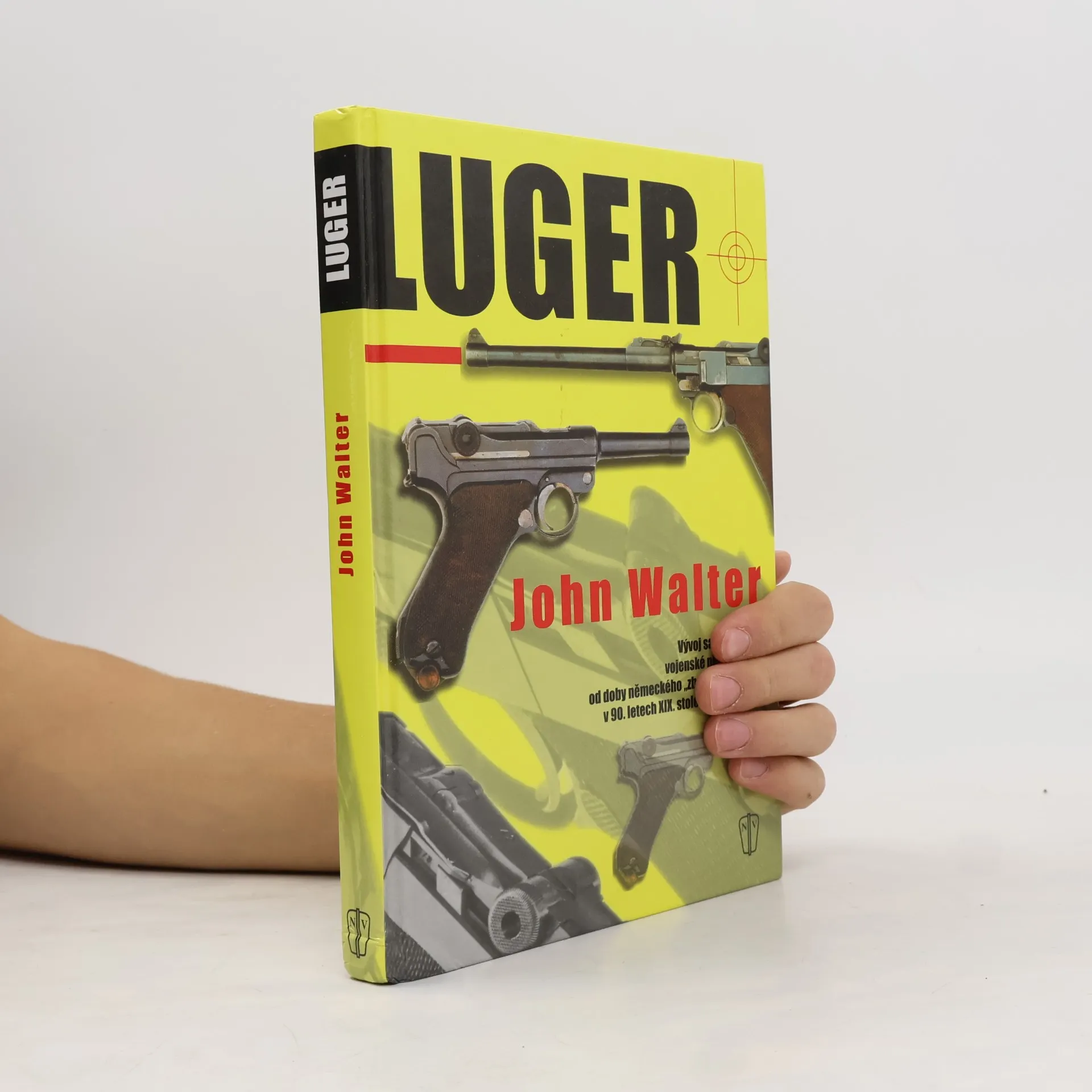
Luger : vývoj automatické vojenské pistole Luger od doby německého "zbrojního boomu" v 90. letech 19. století až do dneška
Zevrubná historie nejproslulejší malé střelné zbraně světa. Luger Story je psaná čtivě jedním z předních světových odborníků, který sleduje dráhu Lugeru od německého zbrojního boomu v 90. letech 19. století do současné doby. Zvláštním přínosem je seznam rarit.
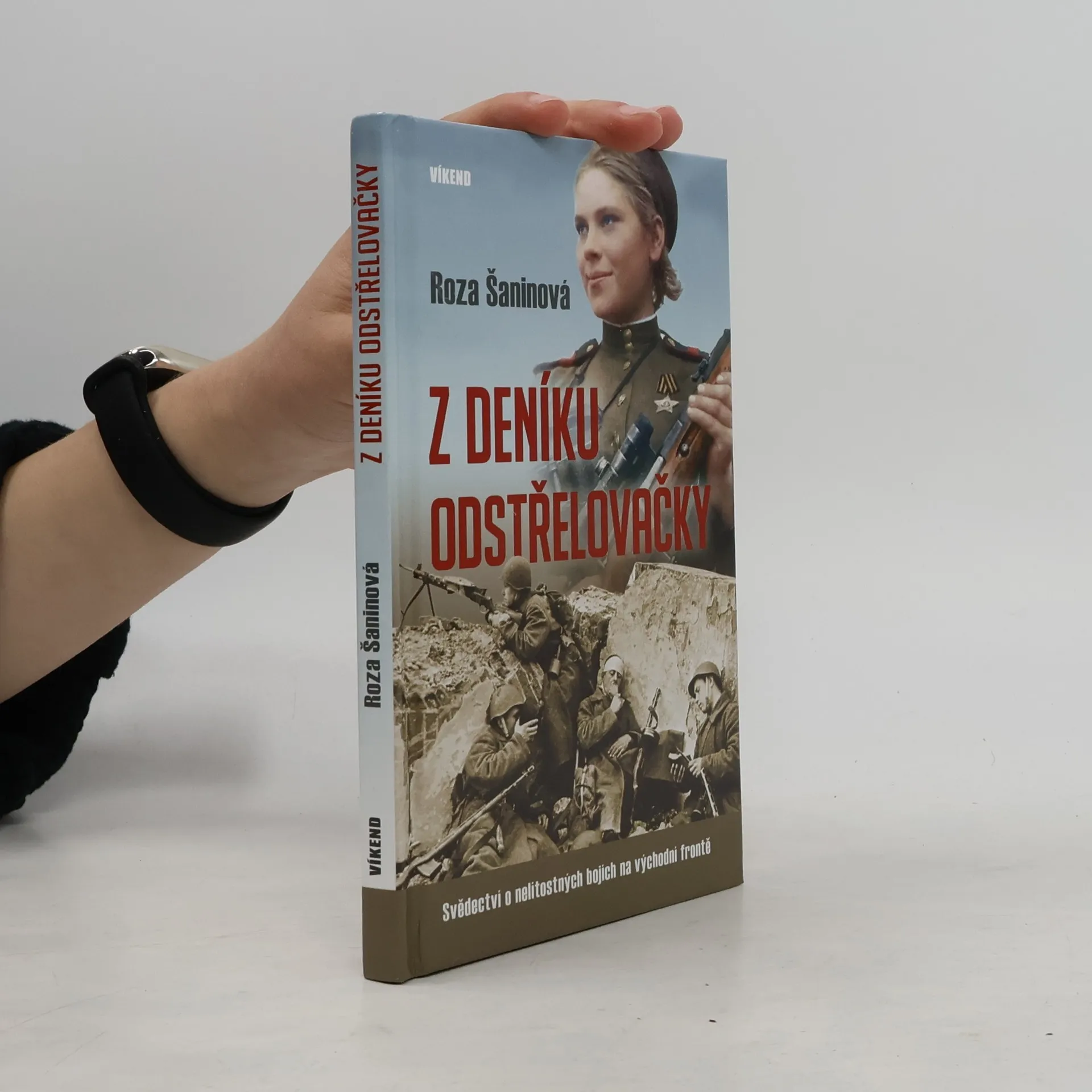
Svědectví o nelítostných bojích na východní frontě přináší vzpomínky Rozy Šaninové, jedné z nejznámějších sovětských odstřelovaček druhé světové války. Proslavila se nejen neobyčejnou odvahou, za kterou byla vyznamenána Řádem slávy druhého a třetího stupně, ale také krásou, kterou sovětská propaganda využívala k podpoře válečného úsilí. Roza, s neoficiálním počtem 75 či 76 zabití nepřítele, byla součástí skupiny Prchající trojka a patřila k přibližně dvěma tisícům odstřelovaček, které Sověti vycvičili a které měly zastřelit více než jedenáct tisíc Němců. Více než 250 mladých dívek, včetně Rozy, zaplatilo za své hrdinství životem. Její vzpomínky, zachycující službu od října 1944 do ledna 1945, dokumentují nejen hrdinství, ale i zoufalství a rozervanost, kterou prožívala, podmínky vojaček v sovětské armádě, jejich lásky, přátelství a zklamání z krutého života na frontě. Roza byla citlivá a talentovaná dívka, projevující zájem o literaturu a umění, která zahynula v pouhých jednadvaceti letech v těžkých bojích u Znamenského v Kaliningradské oblasti.
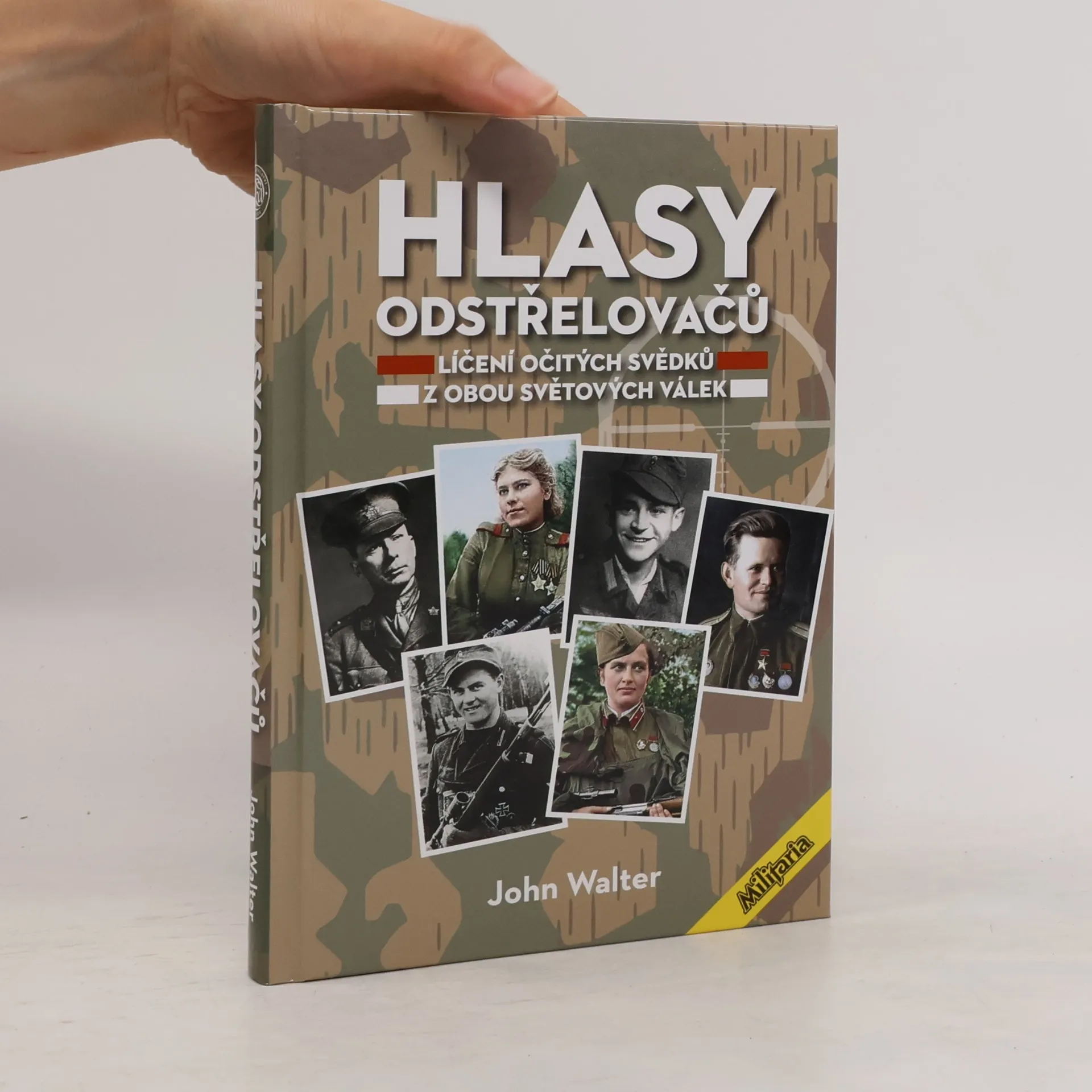
Tato unikátní sbírka výpovědí očitých svědků z první a druhé světové války vznikla na základě neuvěřitelné šíře svědectví z první ruky. John Walter vychází z pečlivého výzkumu a ze vzpomínek více než padesáti odstřelovačů, sleduje jejich cestu od náboru a výběru přes výcvik, boj a jeho následky, aby odhalil překvapivou společnou zkušenost odstřelovačů rozdílných národností. Text knihy odhaluje triumfy a brutalitu odstřelovačského řemesla a osobnosti a psychologii těch, kteří je praktikovali. Vezmeme-li v úvahu bezprostřední důsledky jak na psychiku odstřelovače, tak na širší dějiště války, je to fascinující, podrobný popis boje v první linii a zkušeností odstřelovačů v historickém kontextu. V závěru knihy je připojena ukázka z deníku ruské odstřelovačky Rozy Šaninové, která je dodnes oslavována pro svou pozoruhodnou přesnost střelby a udivující statečnost. Ukázka z deníku nabízí vzácný pohled na to, jak bylo složité být ženou odstřelovačkou v první linii.
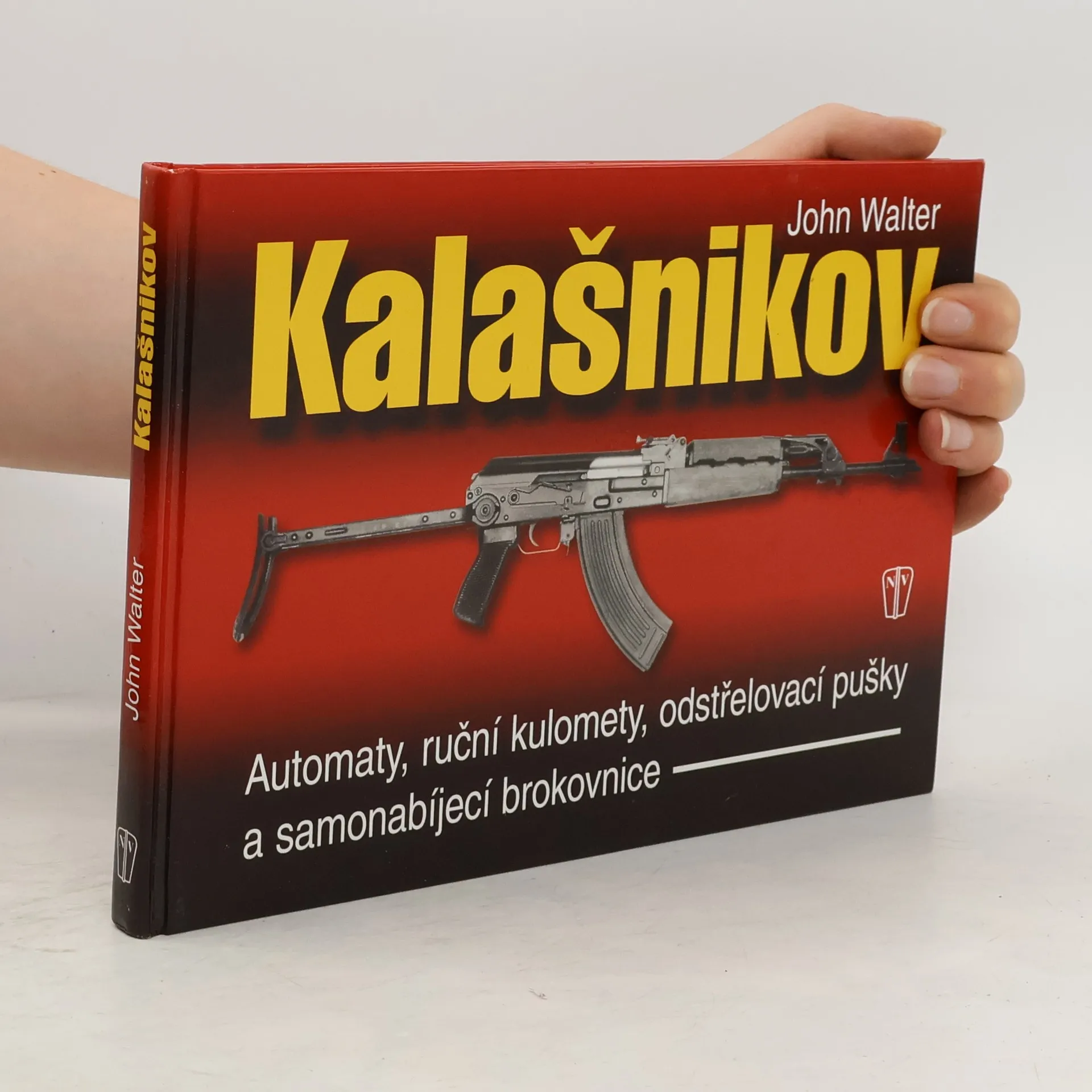
Kniha obsahuje historii vzniku a zdokonalování automatů Kalašnikov od roku 1945 do současnosti, takticko-technické charakteristiky 157 modelů a modifikací ručních palních zbraní, informace o konstrukcích vzniklých na základě AK-47, AKM a AK-74 v 74 státech celého světa a 4 podrobná schémata objasňující princip funkce a charakteristické zvláštnosti automatů Kalašnikov a modelů zkonstruovaných na jejich základě.
Kniha přináší výběr více než 350 nejvýznamnějších pistolí a revolverů v dějinách krátkých střelných zbraní. Sleduje jejich vývoj od primitivních ručních děl z 15. století až po moderní pistole a revolvery a vypráví tak i příběh osobních střelných zbraní v dějinách lidstva. Při popisu jednotlivých modelů si všímá i jejich výrobců, kteří změnili běh dějin.
Klasické tvary každé zbraně – včetně elegantně jednoduchého Coltu Peacemaker, ikonického Lugeru a charakteristického Mauseru – zprostředkuje zájemcům více než 400 fotografií pořízených speciálně pro tuto knihu. Pro snazší orientaci jsou u každé zbraně uvedeny v tabulce i její technické údaje (typ, ráže, kapacita zásobníku, délka a hmotnost).