


The bestselling author of "Genome" chronicles a new revolution in the world'sunderstanding of genes.
Matt Ridley Boeken
Matthew Ridley is een Engelse wetenschapsauteur en aristocraat wiens werk zich verdiept in de ingewikkelde onderwerpen van de menselijke natuur en vooruitgang. Met een sterke wetenschappelijke achtergrond onderzoekt hij hoe ons evolutionaire erfgoed hedendaagse samenlevingen en individuen vormt. Ridley's stijl staat bekend om zijn toegankelijkheid, waarbij hij complexe wetenschappelijke concepten vertaalt naar boeiende verhalen. Zijn schrijven zet lezers aan tot nadenken over de diepgaande vragen rondom ons verleden en onze toekomst.


A new virus emerged in 2019, causing unprecedented chaos and raising urgent questions about its origins. As the pandemic unfolded, initial hopes of quickly identifying how SARS-CoV-2 first infected humans faded. Nearly two years in, the mystery remains unresolved and increasingly complex. In this insightful exploration, a scientist and a writer collaborate to uncover how a virus, closely related to those found in bats in subtropical southern China, began spreading in Wuhan, over 1,500 kilometers away. They confront the perplexing absence of expected signs of an outbreak: no infected animals in markets, no early cases among travelers, no rural epidemics, and no rapid adaptation of the virus to humans. To unravel this pressing enigma, the narrative delves into the events from 2019 to 2021, examining animal markets, virology labs, and hidden records in Chinese theses and websites, as well as clues embedded in the virus's genetic code. The result is a captivating detective story that leads readers deeper into a metaphorical cave of mystery. The authors investigate various promising leads, only to find blind alleys, until they finally approach a shaft that hints at the truth.
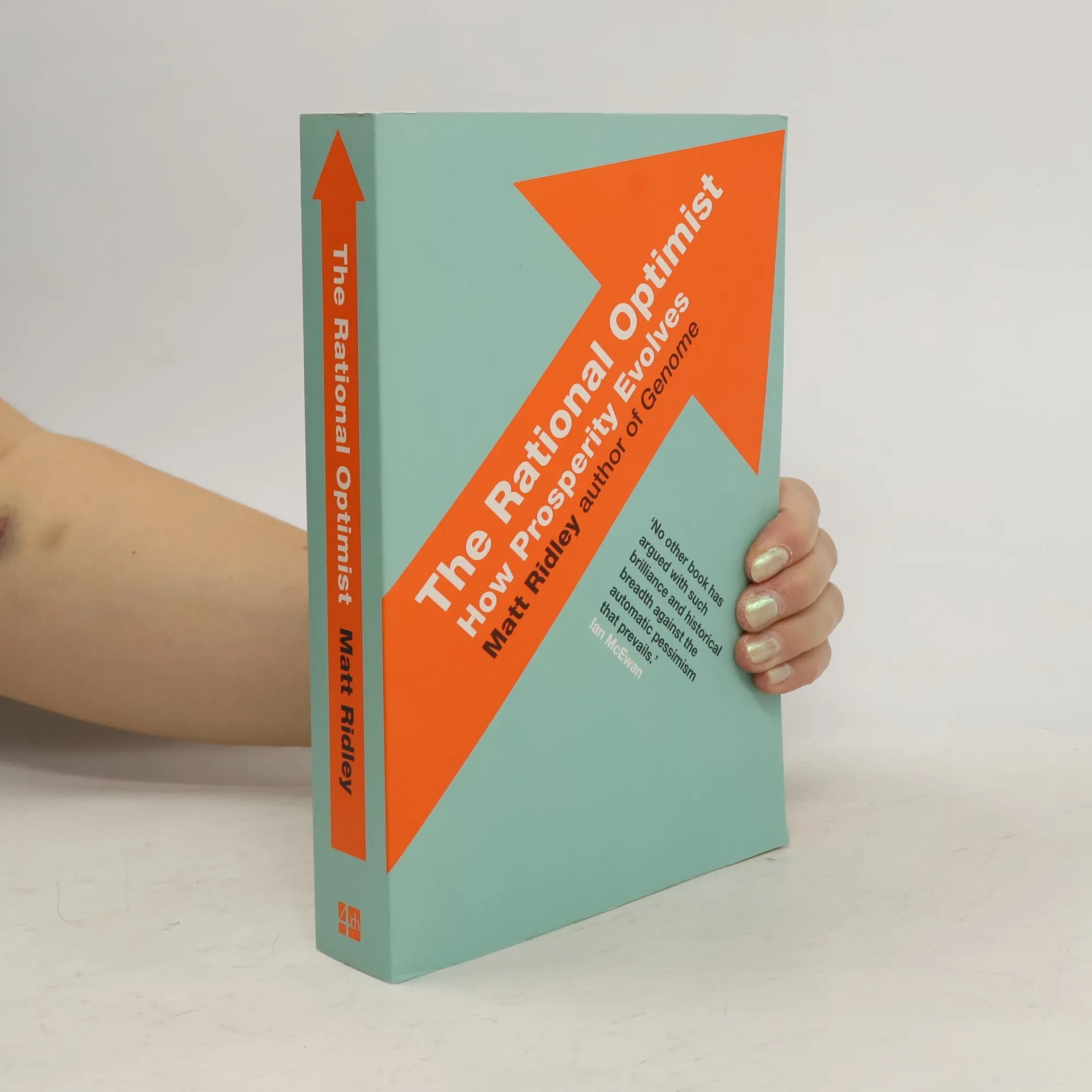
The "New York Times"-bestselling author of "Genome" and "The Red Queen" offers a provocative case for an economics of hope, arguing that the benefits of commerce, technology, innovation, and change--cultural evolution--will inevitably increase human prosperity.
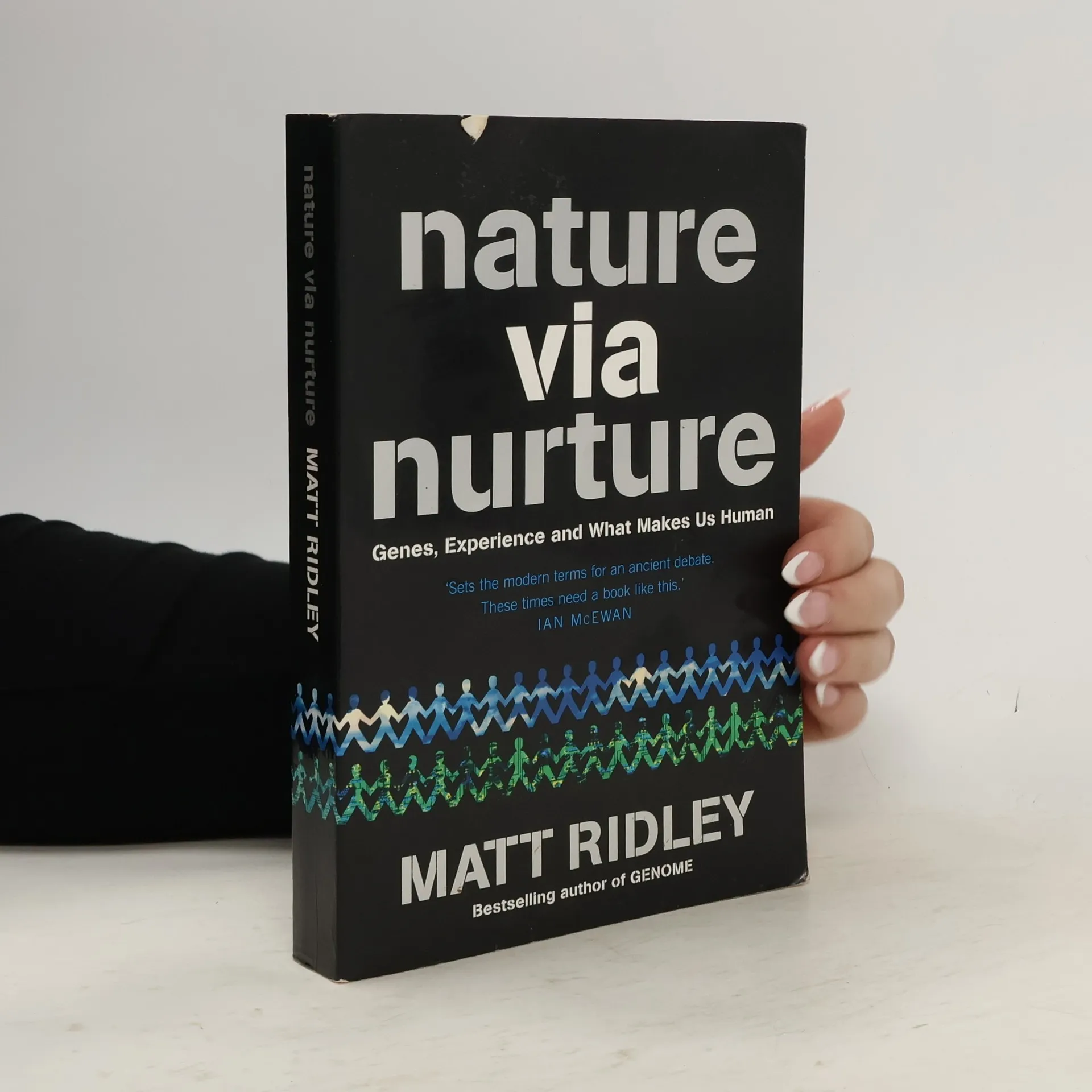
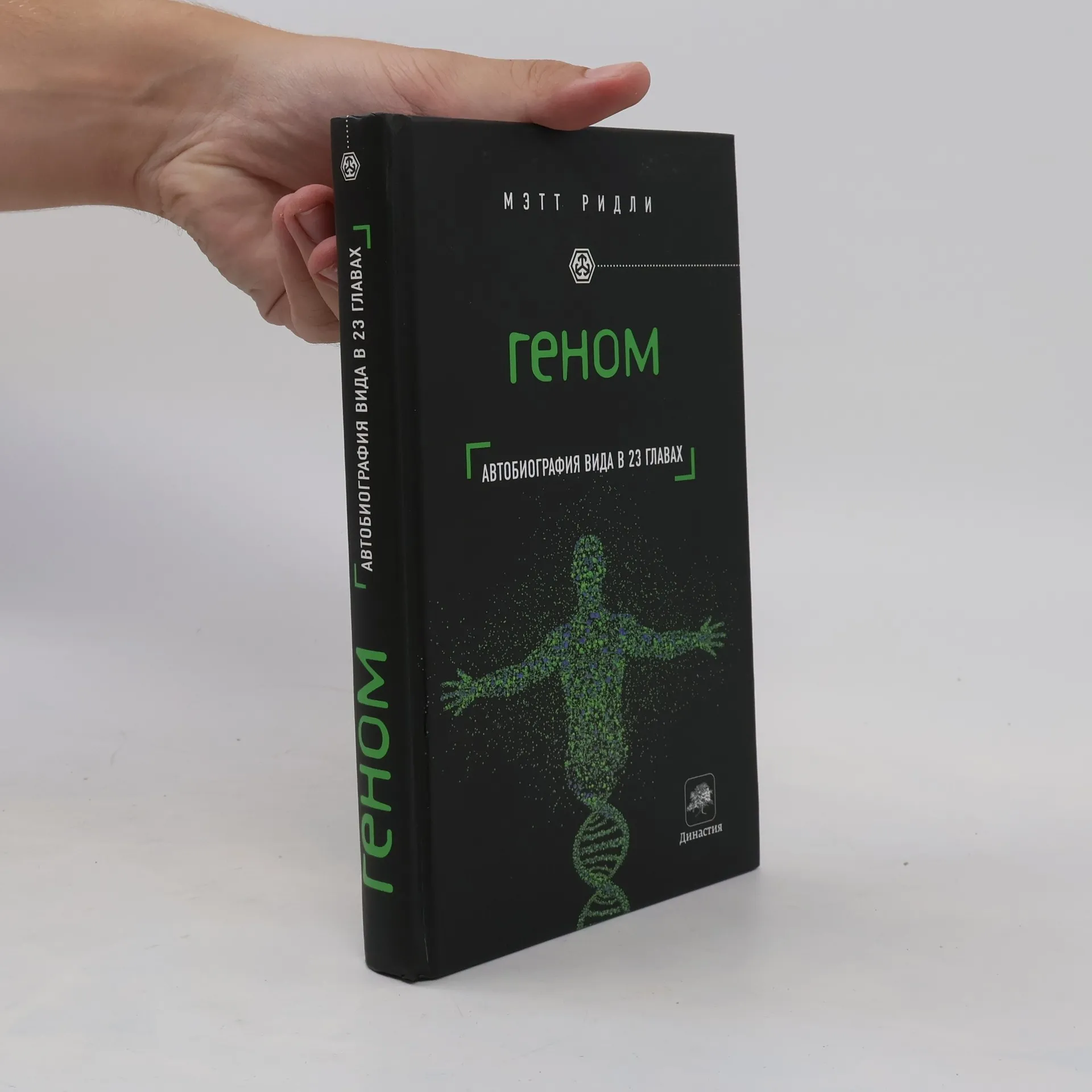
Armed with extraordinary new discoveries about our genes, acclaimed science writer Matt Ridley turns his attention to the nature-versus-nurture debate in a thoughtful book about the roots of human behavior. Ridley recounts the hundred years' war between the partisans of nature and nurture to explain how this paradoxical creature, the human being, can be simultaneously free-willed and motivated by instinct and culture. With the decoding of the human genome, we now know that genes not only predetermine the broad structure of the brain, they also absorb formative experiences, react to social cues, and even run memory. They are consequences as well as causes of the will.
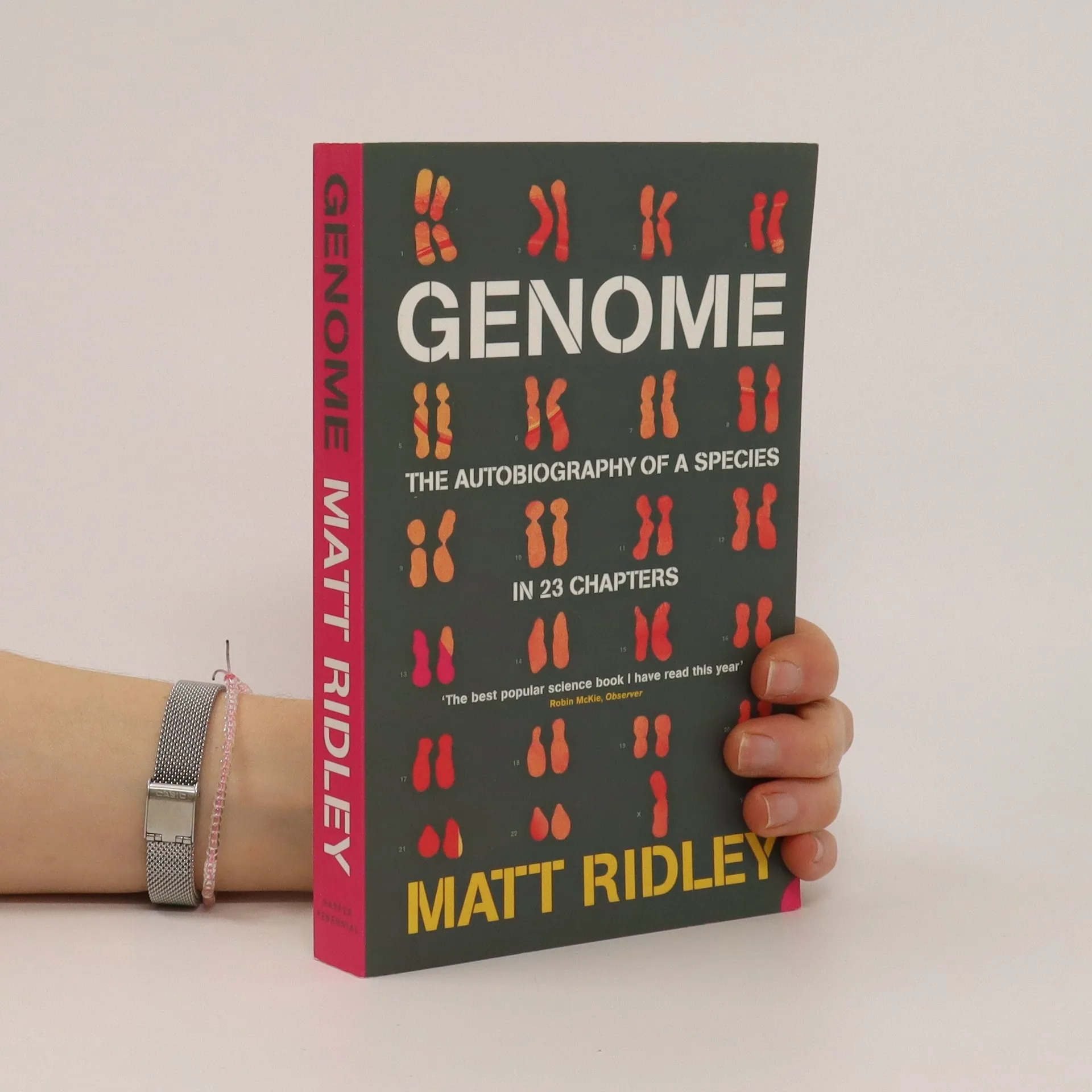
Genome
- 352bladzijden
- 13 uur lezen
Shortlisted for the Aventis Science Prize in 2000.
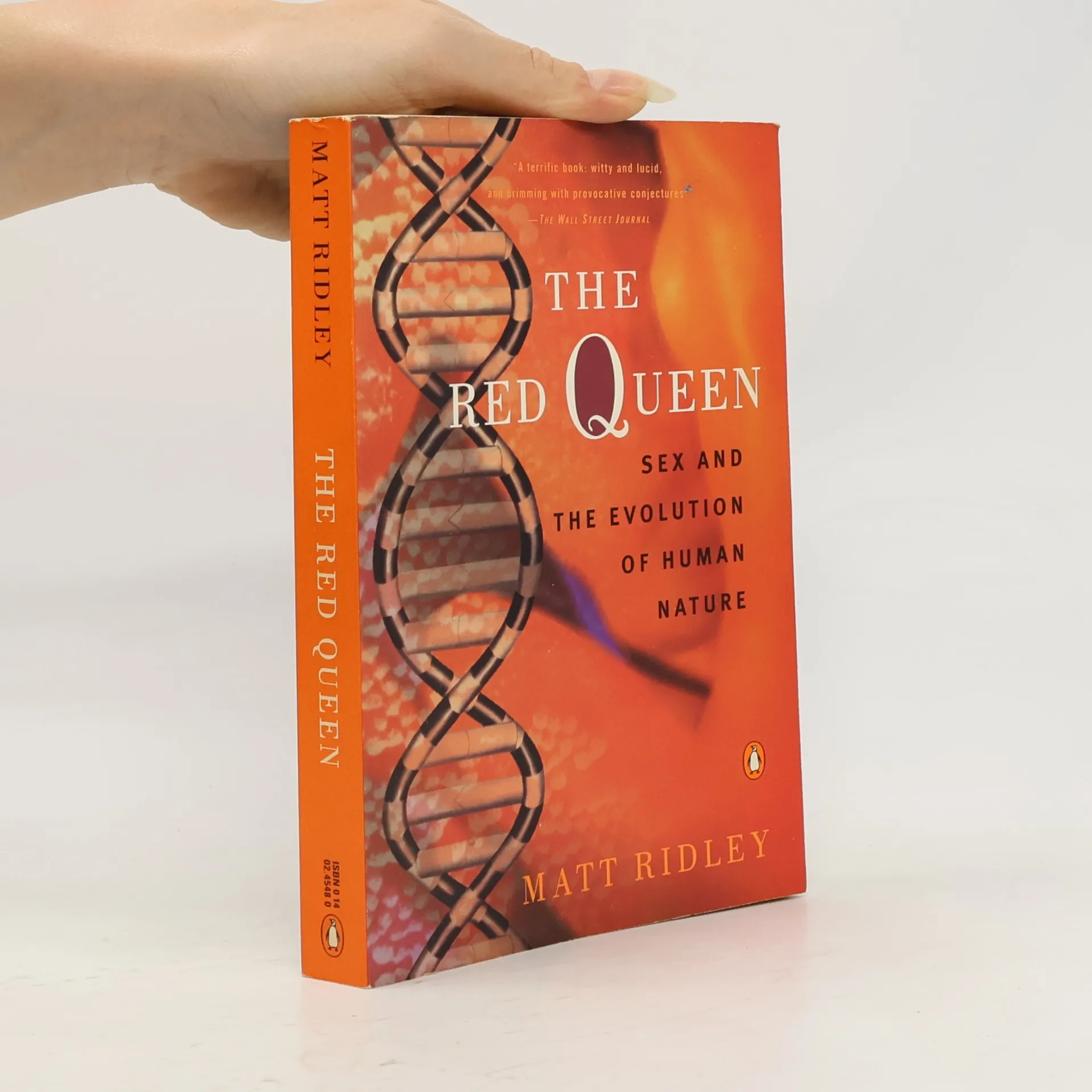
Sex is as fascinating to scientists as it is to the rest of us. A vast pool of knowledge, therefore, has been gleaned from research into the nature of sex, from the contentious problem of why the wasteful reproductive process exists at all, to how individuals choose their mates and what traits they find attractive. This fascinating book explores those findings, and their implications for the sexual behaviour of our own species. It uses the Red Queen from ‘Alice in Wonderland’ – who has to run at full speed to stay where she is – as a metaphor for a whole range of sexual behaviours. The book was shortlisted for the 1994 Rhone-Poulenc Prize for Science Books. ‘Animals and plants evolved sex to fend off parasitic infection. Now look where it has got us. Men want BMWs, power and money in order to pair-bond with women who are blonde, youthful and narrow-waisted … a brilliant examination of the scientific debates on the hows and whys of sex and evolution’ Independent.
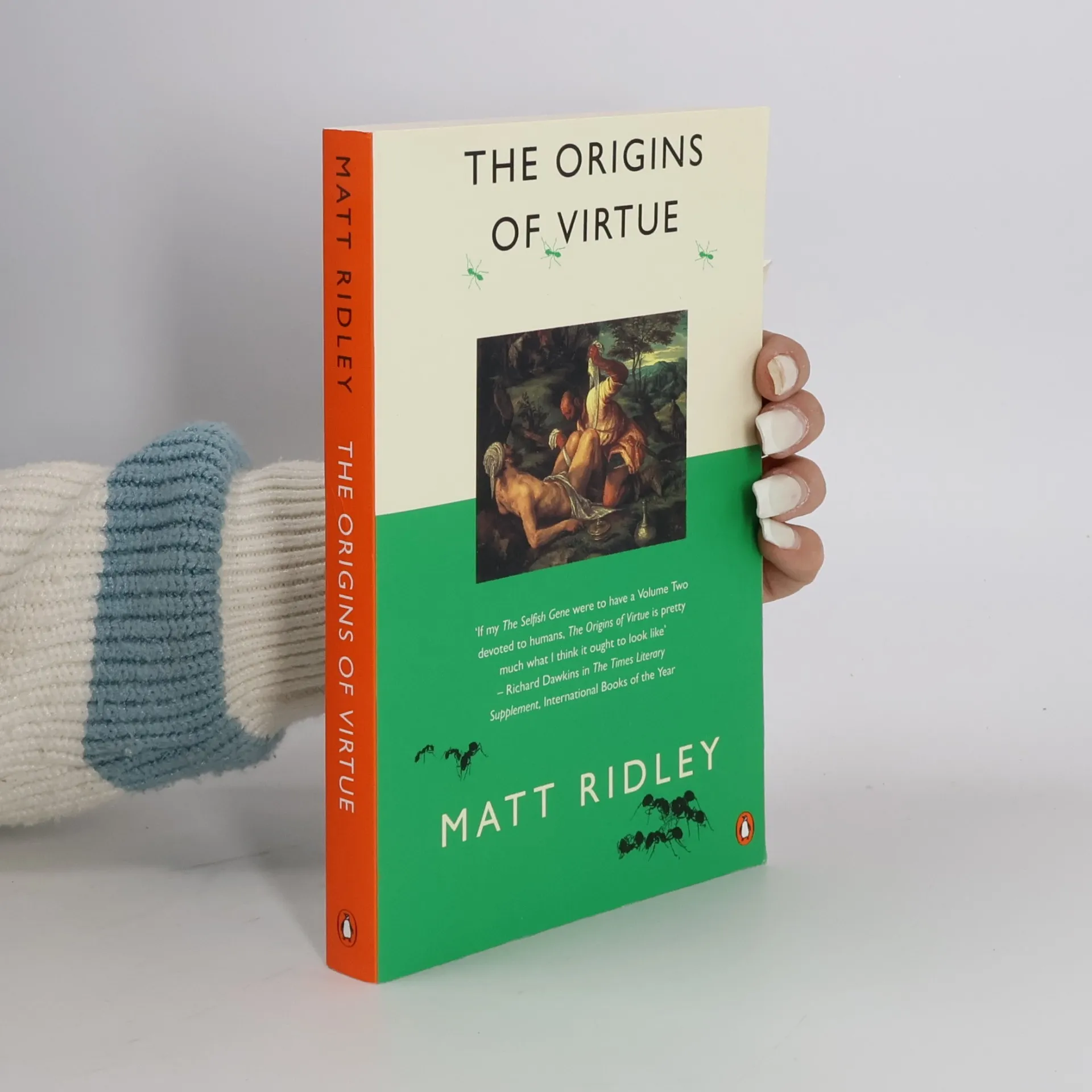
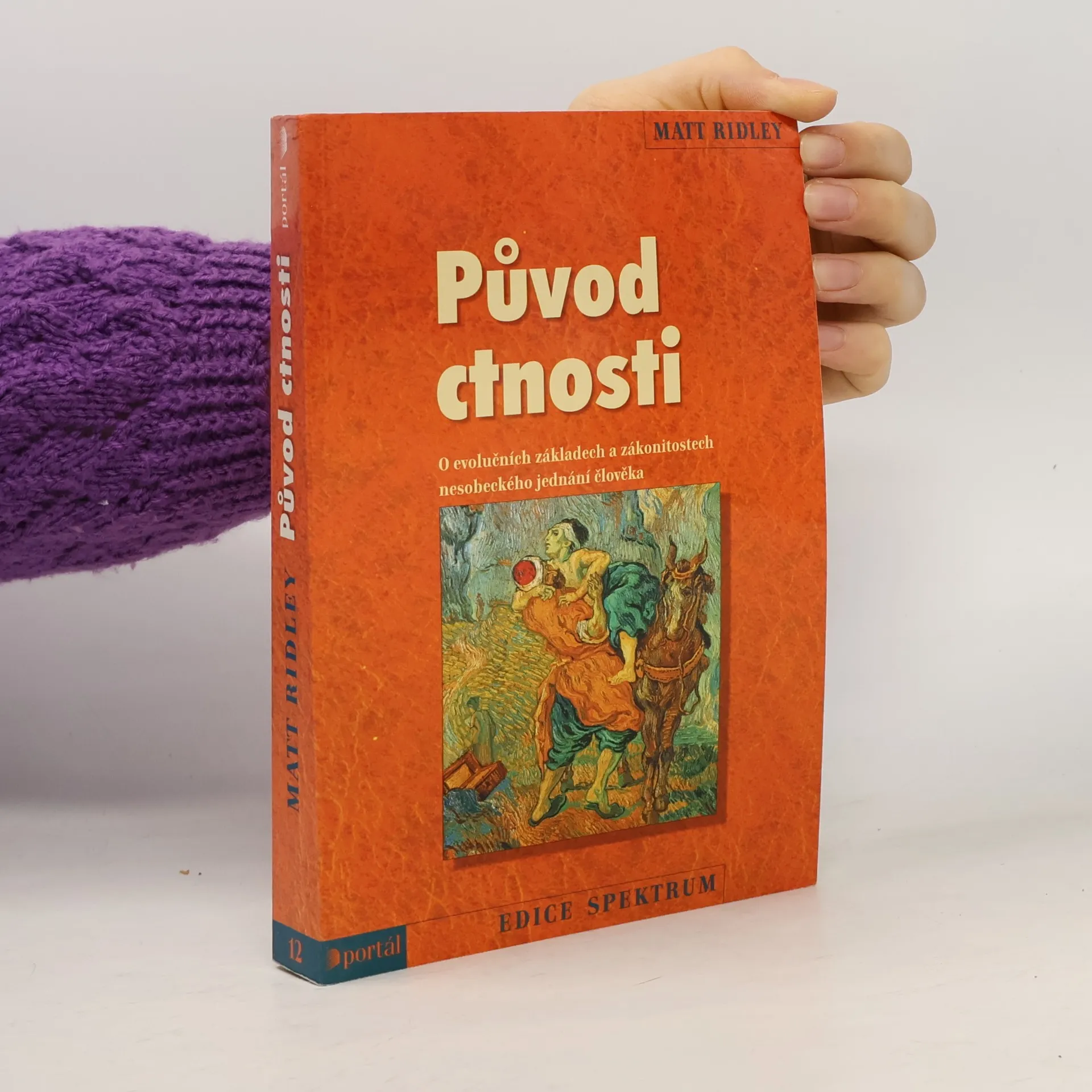
The Origins of Virtue
- 304bladzijden
- 11 uur lezen
Matt Ridley explores such perplexing conundrums as why, if humans are such egoistical beings, don't they behave as rational fools and forego the benefits of cooperation. He uses the findings of new research to look afresh at "Mankind".
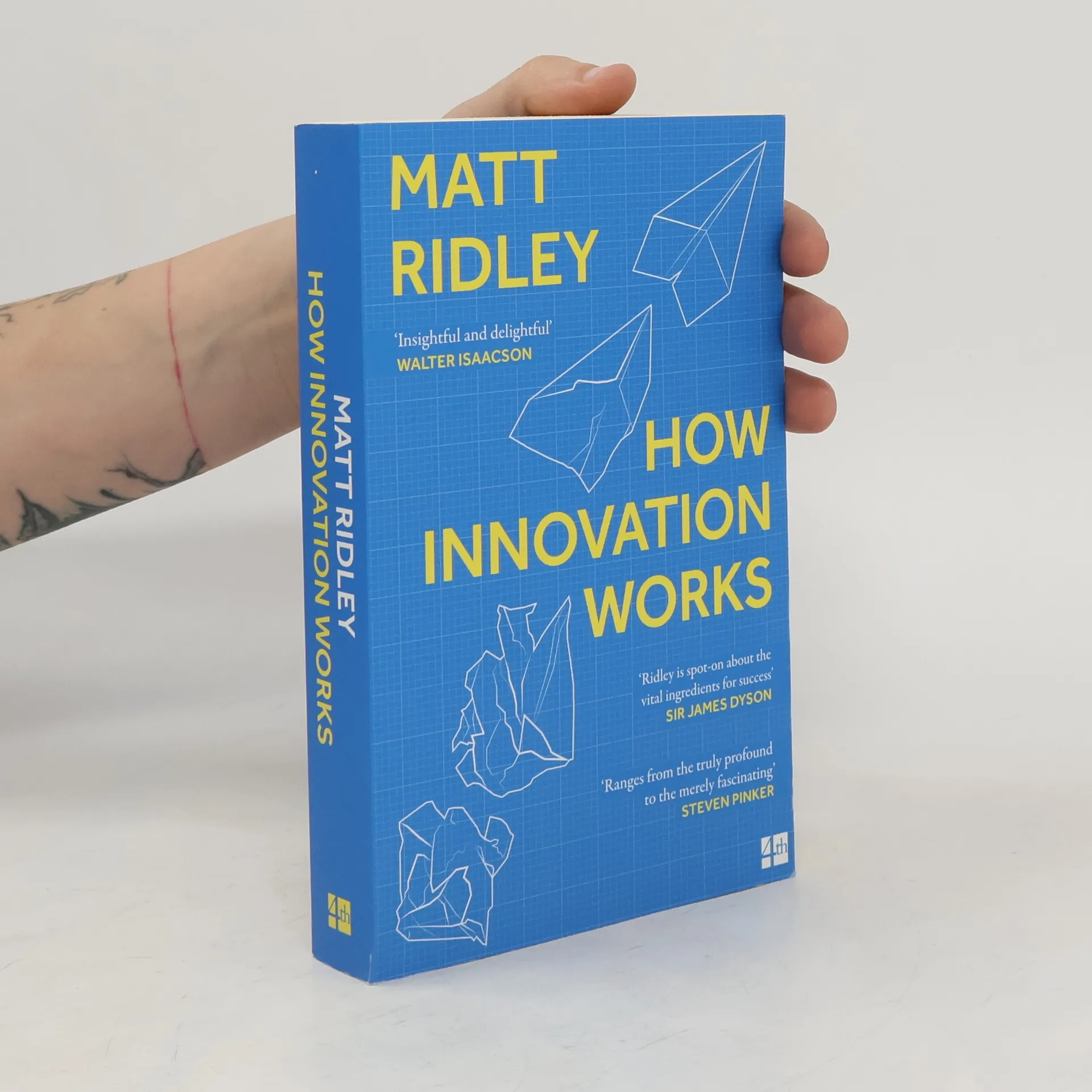
'Ridley is spot-on when it comes to the vital ingredients for success' Sir James Dyson Building on his bestseller The Rational Optimist, Matt Ridley chronicles the history of innovation, and how we need to change our thinking on the subject.
How Many Light Bulbs Does It Take to Change the World?
- 86bladzijden
- 4 uur lezen
The narrative challenges the common belief that Thomas Edison solely invented the light bulb, exploring the contributions of other inventors and the collaborative nature of innovation. It delves into the historical context of the time, highlighting the competition and advancements in electrical technology. By examining Edison's role alongside his contemporaries, the book provides a more nuanced understanding of the invention and its impact on society.
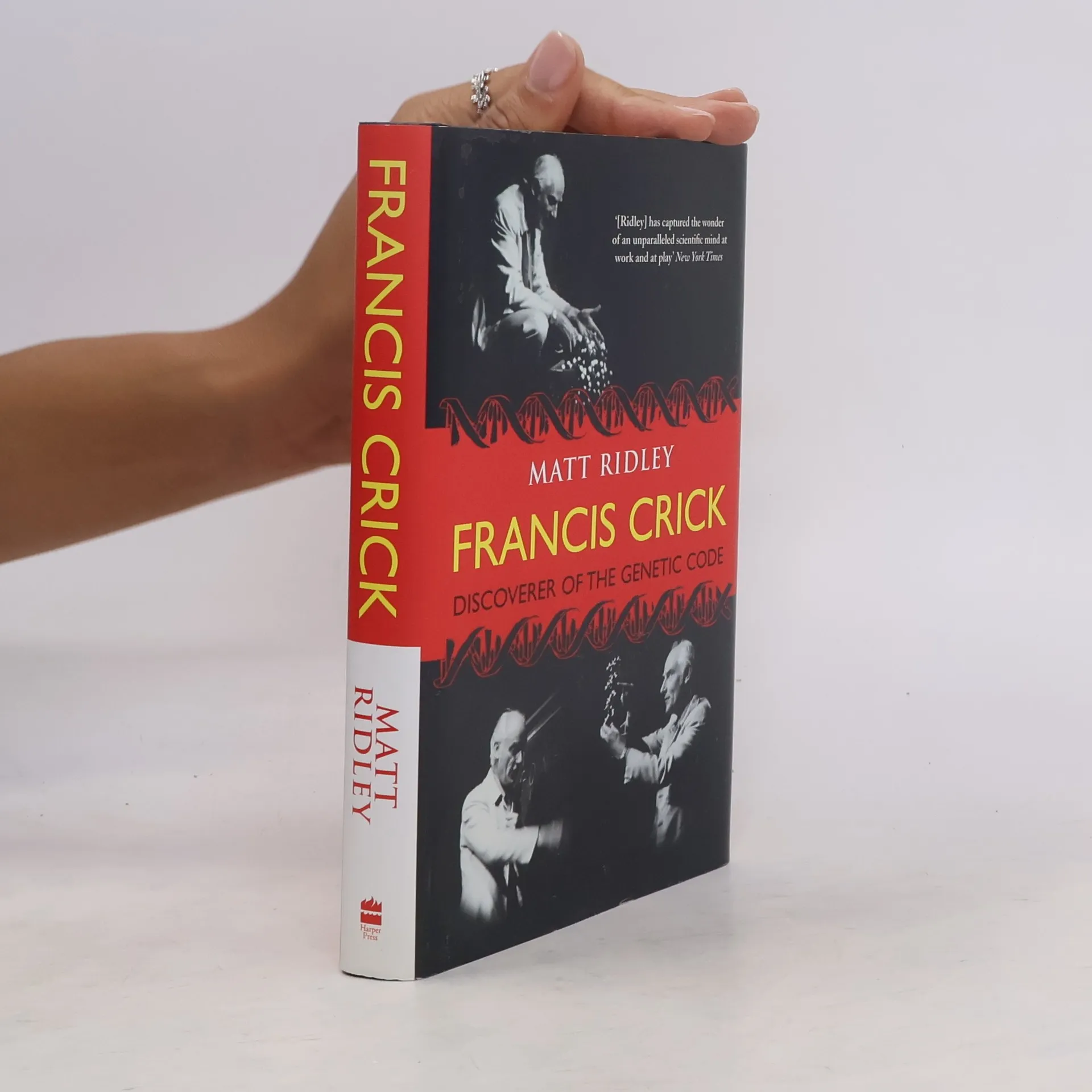
Ridley traces Crick's life from middle-class mediocrity through his leap into biology at the age of 31 and his co-discovery of the double helix structure of DNA.