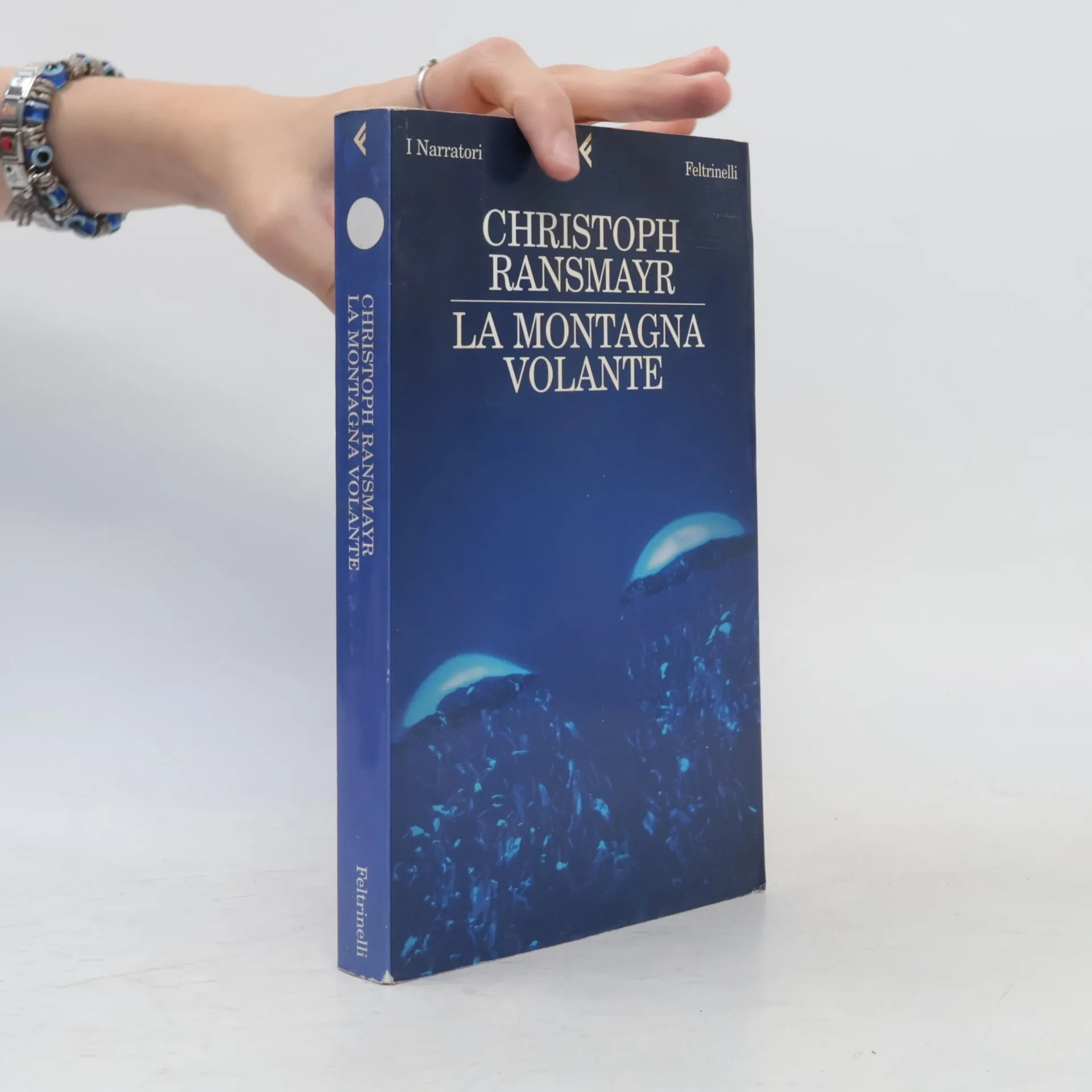
"Sono morto a 6840 metri sopra il livello del mare il quattro maggio dell'anno del Cavallo. Il luogo della mia morte si trovava ai piedi di una guglia rocciosa corazzata di ghiaccio, nel cui lato riparato dal vento avevo superato la notte."
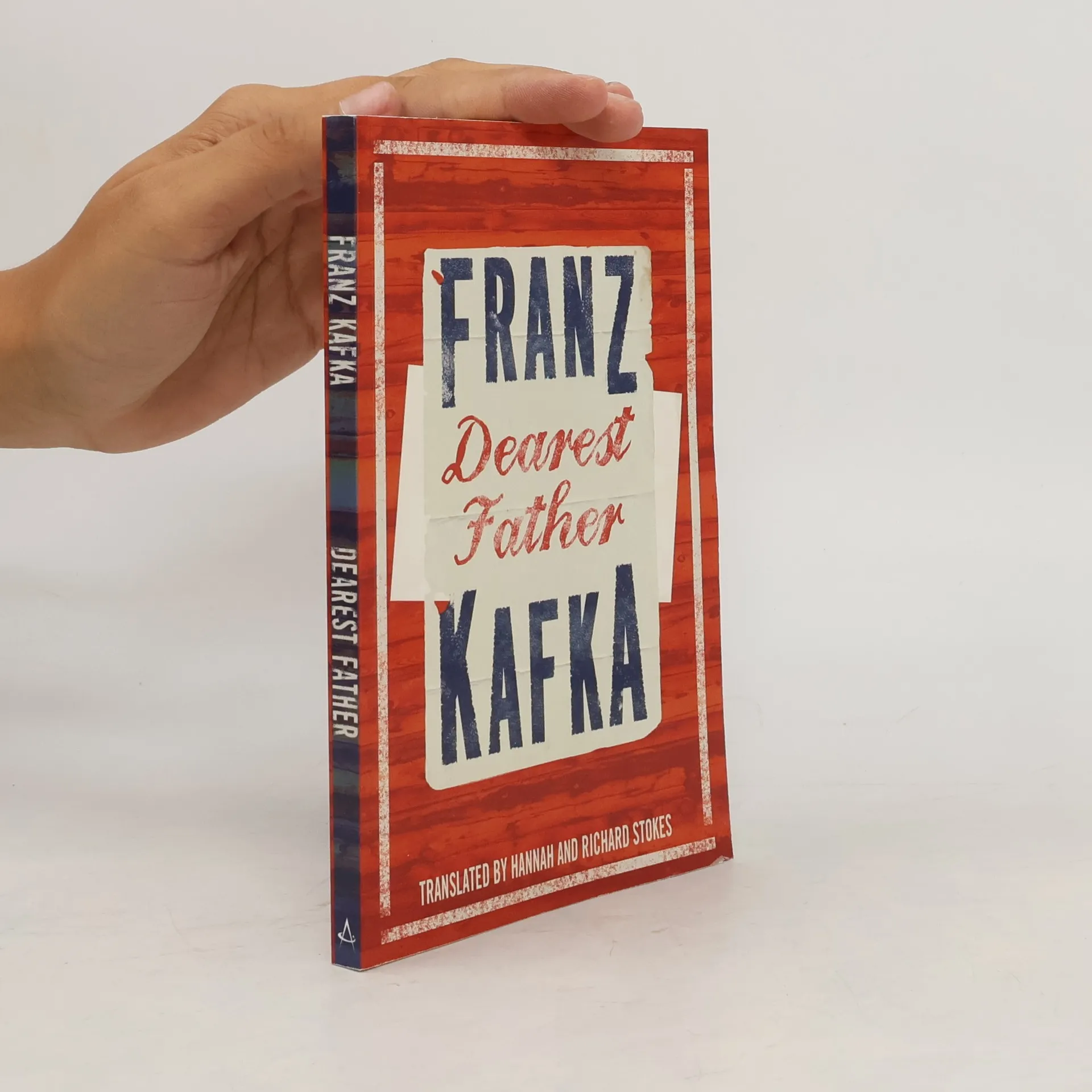
Conflict between father and son is one of the oldest themes in literature, and
in this open letter to his father - a letter which was never sent - Kafka
tries to come to terms with one of the most deeply rooted obsessions of his
troubled soul. Written as a long, tense and dramatic confession in which
writer and man are gathered together in front of an ambivalent figure of
authority, Dearest Father is a desperate attempt to retrace the origins of a
turbulent and highly conflicted relationship between an unflinching parent and
an extremely sensitive child. Both a merciless indictment of his father and an
impassioned appeal to him, Kafka's inspired work is one of the most lucid and
touching psychological documents of the twentieth century.
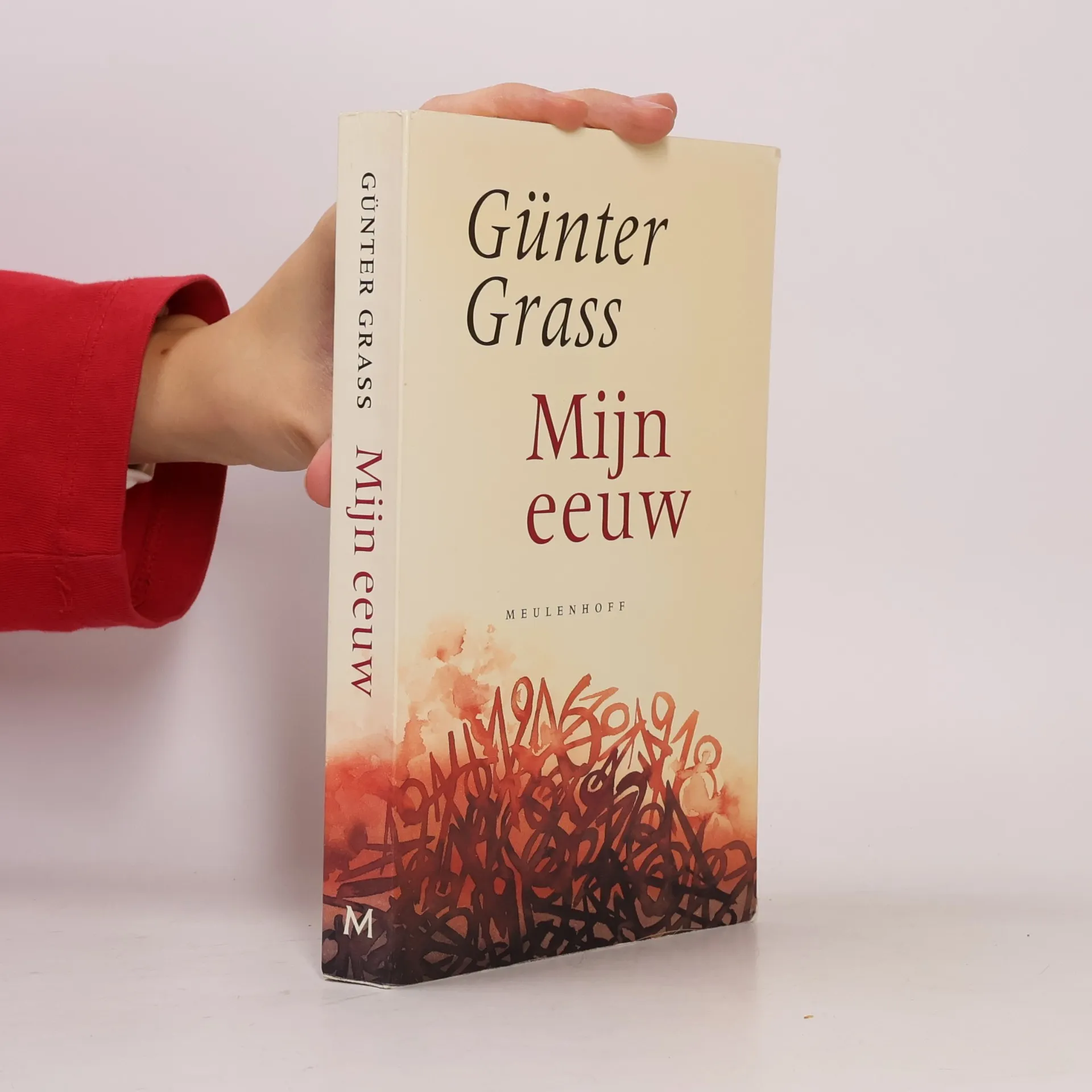
In negenennegentig verhalen geeft Günter Grass (1927) een beeld van deze eeuw, van 1900 tot 1999. Over elk jaar geeft de ik-figuur een verslag van of commentaar op kleine en grote gebeurtenissen van deze eeuw, beschrijvingen van belangrijke en onbelangrijke personen. Het boek is geen roman (zoals Geert Mak, 'De eeuw van mijn vader') maar een verhalenbundel, met afzonderlijke ooggetuigenverslagen over elk jaar. De lezer krijgt een buitengewoon boeiend en afwisselend beeld van de twintigste eeuw. Zeer goed te lezen, prima vertaald door Jan Gielkens en mooi uitgevoerd. MIJN EEUW is een boek vol verhalen, negenennegentig om precies te zijn: negenennegentig verhalen over de negenennegentig afgelopen jaren van de ten einde lopende eeuw. Door de ogen van telkens weer andere mensen vertelt Günter Grass over grote gebeurtenissen en ogenschijnlijke onbenulligheden, over technische uitvindingen en wetenschappelijke ontdekkingen, sportieve en culturele prestaties, grootheidswaan, vervolging en moord, oorlog en catastrofen, en over telkens weer een nieuw begin. Met elkaar leveren deze verhalen een levendig en verrassend afgerond beeld op van deze gruwelijke, fantastische eeuw.
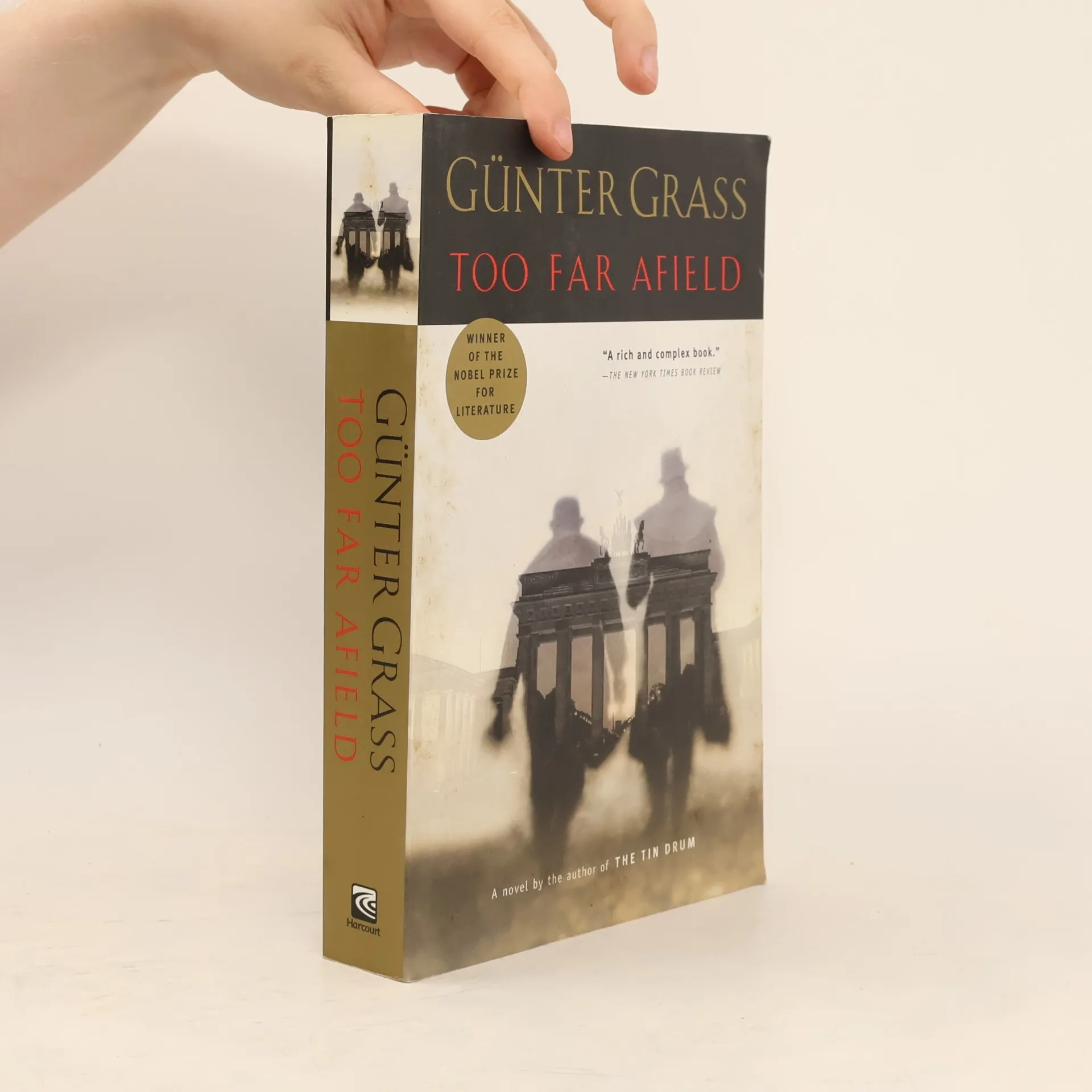
From the Nobel Prize-winning author of My Century and The Tin Drum, a novel of broad historical proportions set in Berlin during the years of German reunification.Two old men roam through Berlin observing life in the former German Democratic Republic after the fall of the Wall in 1989. Theo Wuttke, a former East German functionary, is a keen observer and a gifted speaker. Ludwig Hoftaller is a mid-level spy whose loyalties shift with each new regime. Together, both men see what the future is bringing as they try to save what they can from the past and understand the meaning of being German.A complex and challenging exploration of what Germany's reunification will mean-for Germans, for Europe, and for the world-Too Far Afield is a masterwork from one of Europe's greatest writers. Written with the wit, fantasy, literary erudition, and political acerbity for which Grass is celebrated, it is a deeply human story laced with pain and humor in equal measure.