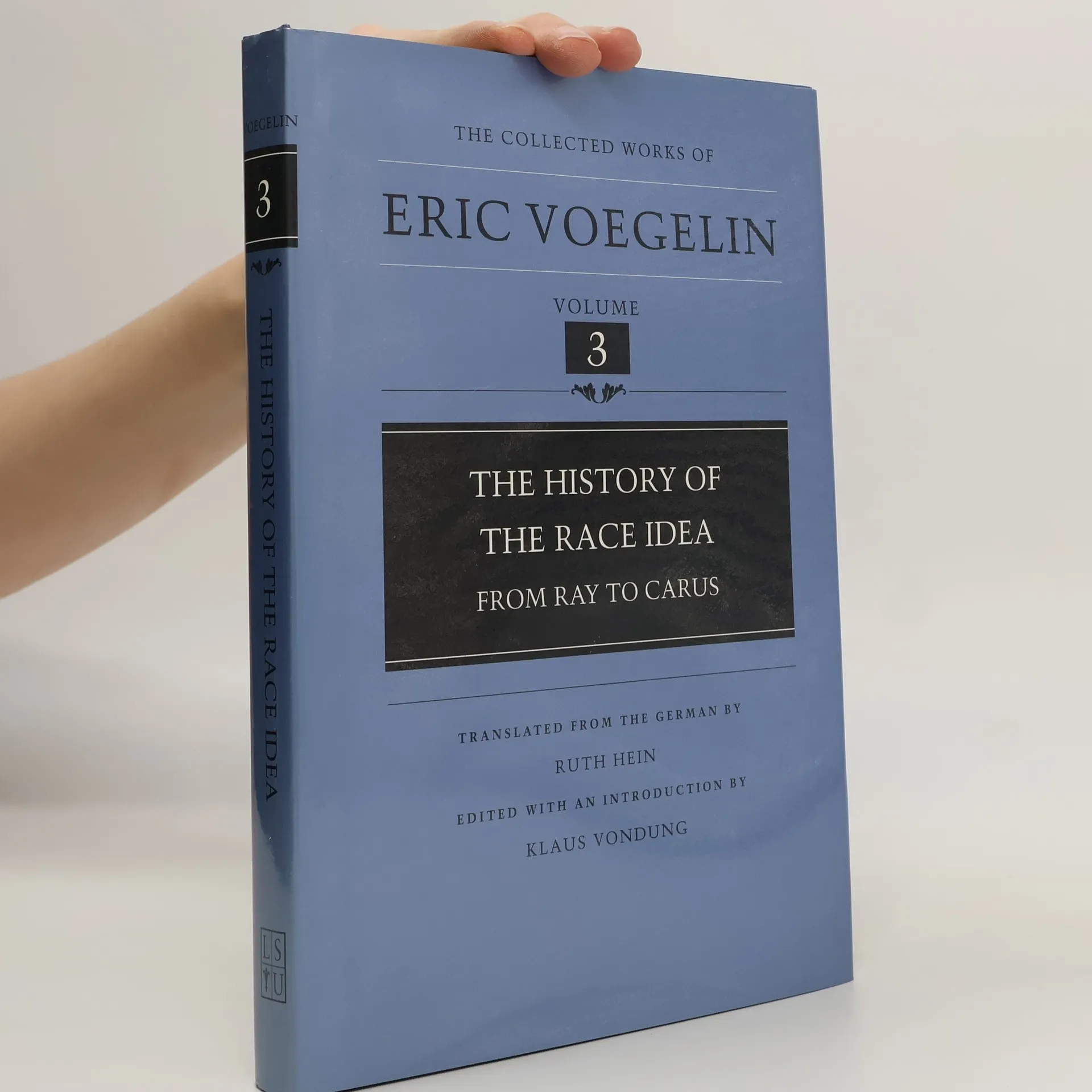
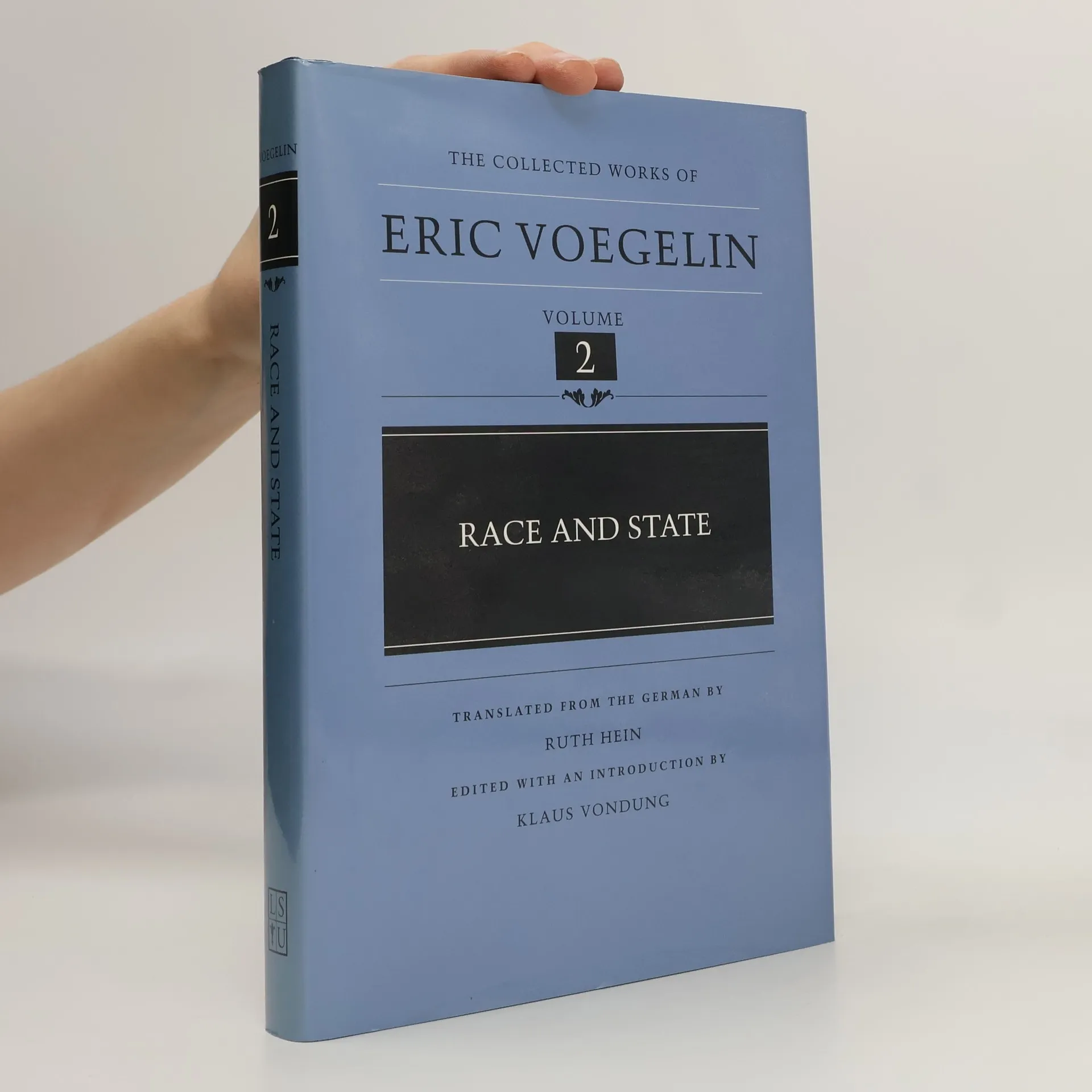
In Part II Voegelin deals with race ideas, which he distinguishes from race theories. Race ideas, like other political ideas, form a part of political reality itself, contributing to the formation of social groups and societies. Voegelin shows that the modern race idea is just one "body idea" among others, such as the tribal state and the Kingdom of Christ, each offering a different symbolic image of community.
By the middle of the eighteenth century the effort of philosophy was to place man, with his variety of physical manifestations throughout the world, within a systemic order of nature. Voegelin perceives the problem of race as the epitome of the difficulties presented by this new theoretical approach.
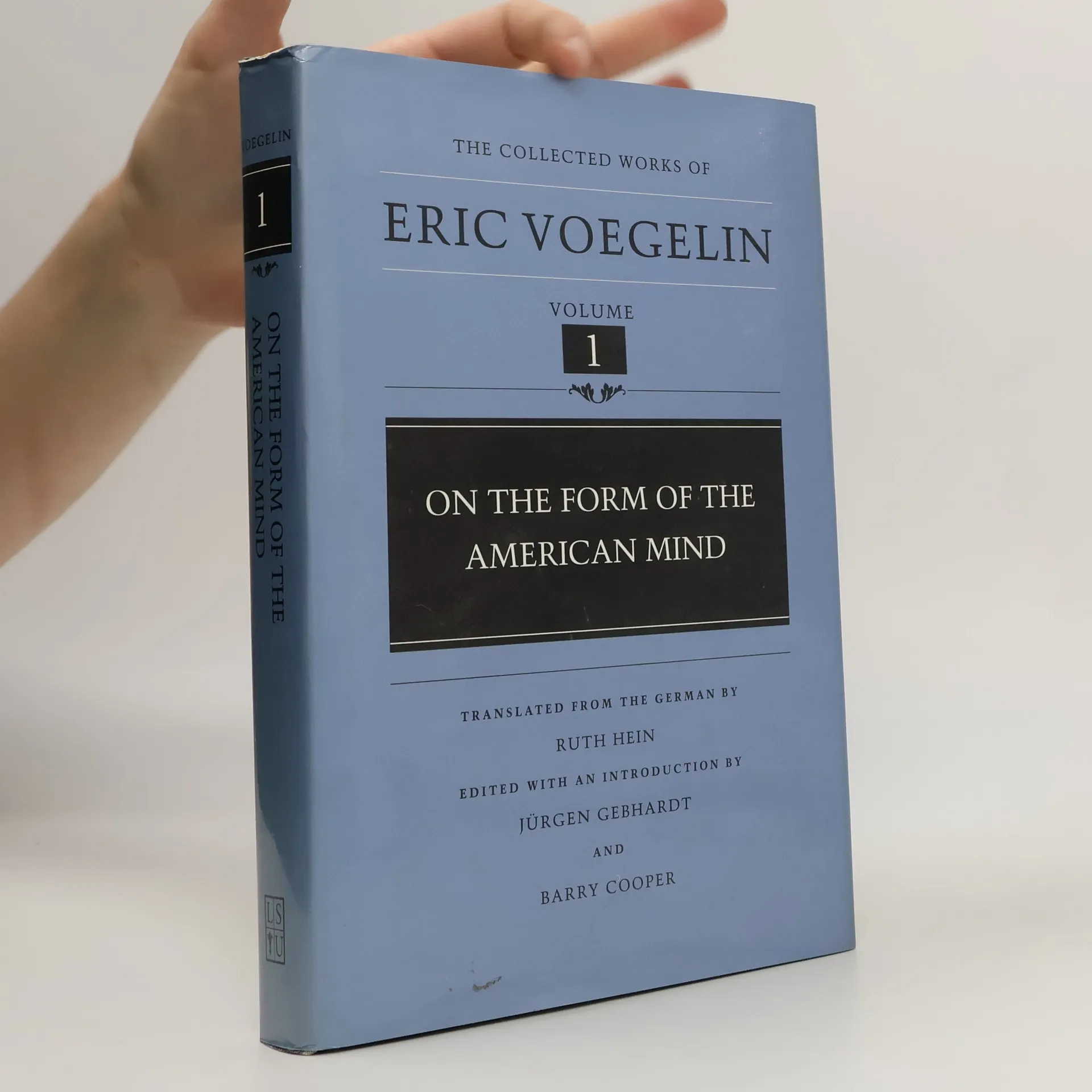
In 1924, Eric Voegelin, shortly after earning his doctorate from the University of Vienna, became a Laura Spelman Rockefeller Memorial Fellow, allowing him to pursue postdoctoral studies in the United States. Over the next two years, he collaborated with influential scholars at prominent universities, shaping his scholarly and personal perspectives. This experience culminated in the 1928 publication of his first major work, where his sharp insights and analyses are presented alongside a developing conceptual vocabulary. Voegelin explores the American mind's form, starting with a nuanced discussion of time and existence in European and American philosophy. He interprets George Santayana, examines the Puritan mystic Jonathan Edwards, analyzes Anglo-American jurisprudence, and considers John R. Commons' views on democracy's mental, political, social, and economic dimensions in modern America. Despite the seemingly disparate themes, Voegelin reveals their underlying unity, focusing on linguistic expressions of theoretical nature. His work integrates Lebensphilosophie with what Georg Misch termed the "philosophical combination of anthropology and history," contributing to a theoretical paradigm of philosophical anthropology. Jürgen Gebhardt and Barry Cooper's two-part introduction contextualizes Voegelin's study within the methodological debates of his time and compares it with contemporaneous works from the post-World War I era.