Pierre Manent is one of France's leading political philosophers. This first
English translation of his profound and strikingly original book La loi
naturelle et les droits de l'homme is a reflection on the central question of
the Western political tradition.
Exploring the philosophical depth of Montaigne's Essays, Pierre Manent highlights the subtle unity and radical ideas within the text. By comparing Montaigne to modern thinkers like Machiavelli and Rousseau, he examines the implications of a life devoid of state influence, a question pertinent to today's society. Manent emphasizes Montaigne's insights into the human condition, particularly his reinterpretations of virtue, pleasure, and mortality, ultimately presenting a new model for thoughtful living that underscores Montaigne's significance in modern philosophy.
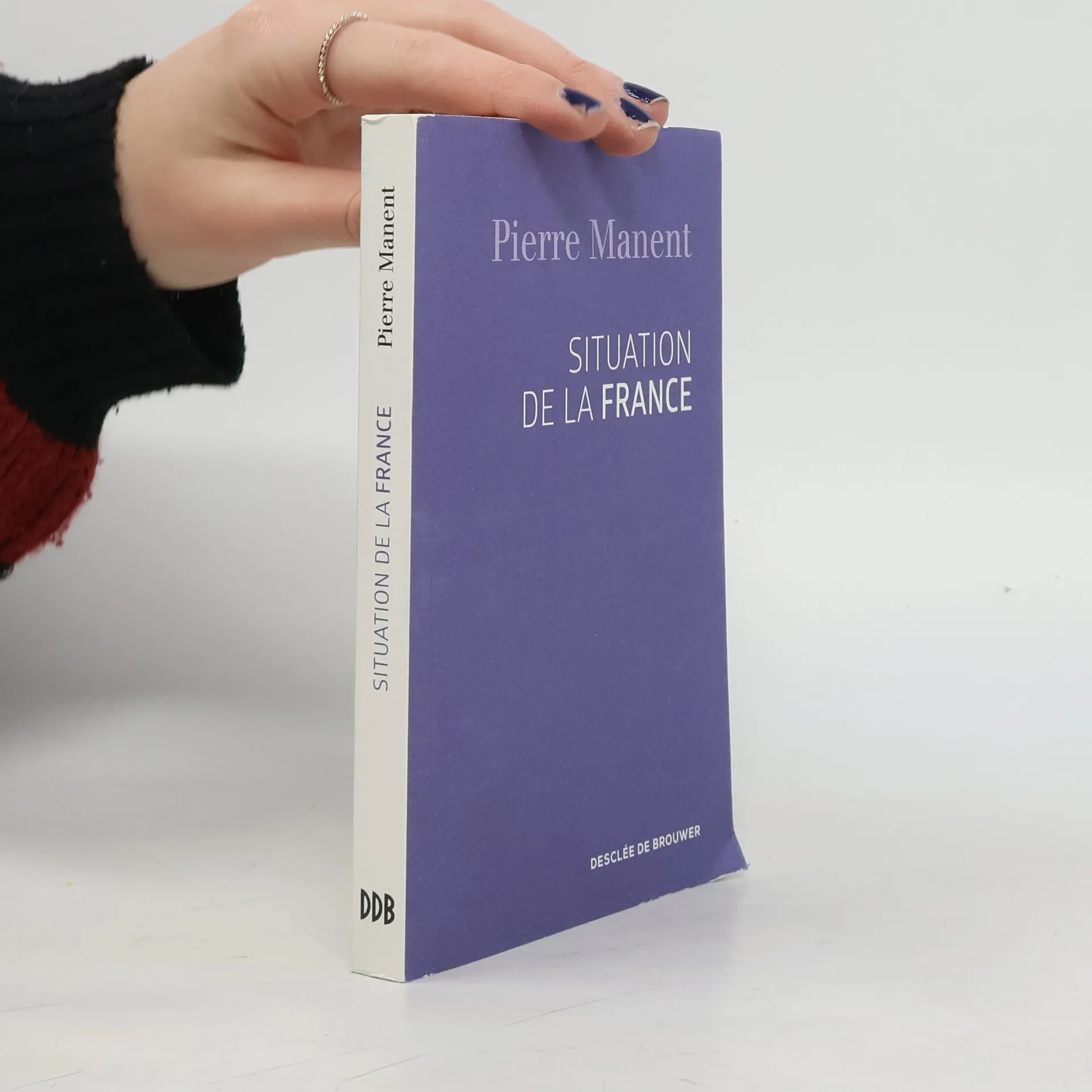
La réponse aux attentats de janvier 2015 exigeait un renouvellement des idées et des actions de notre pays. Cependant, des manières de penser paralysantes persistent, comme l'idée que la laïcité résoudrait le problème de l'islam et que l'effacement de la présence religieuse publique règlerait les problèmes liés aux religions. Cette thèse est erronée. Plutôt que de rechercher une neutralité illusoire, il est essentiel d'accepter et d'organiser la coexistence publique des religions et leur participation au débat civique. L'islam, en entrant dans la communauté nationale, fait partie d'une nation à forte empreinte chrétienne, où les juifs jouent également un rôle important. Ignorer cette réalité mène à l'échec et met en péril l'intégrité du corps civique. Il est donc crucial, tout en préservant la neutralité de l'État, de favoriser la coexistence et la collaboration de ces trois traditions spirituelles. Contrairement à l'idée que la mondialisation impose l'effacement de la nation et la neutralisation de la religion, c'est l'indépendance politique et spirituelle, ainsi que l'ouverture au religieux, qui permettront à la France de naviguer en toute sécurité à travers les dangers actuels. Pierre Manent, ancien directeur d'études à l'EHESS et membre fondateur de la revue Commentaire, a publié de nombreux ouvrages sur ces thèmes.
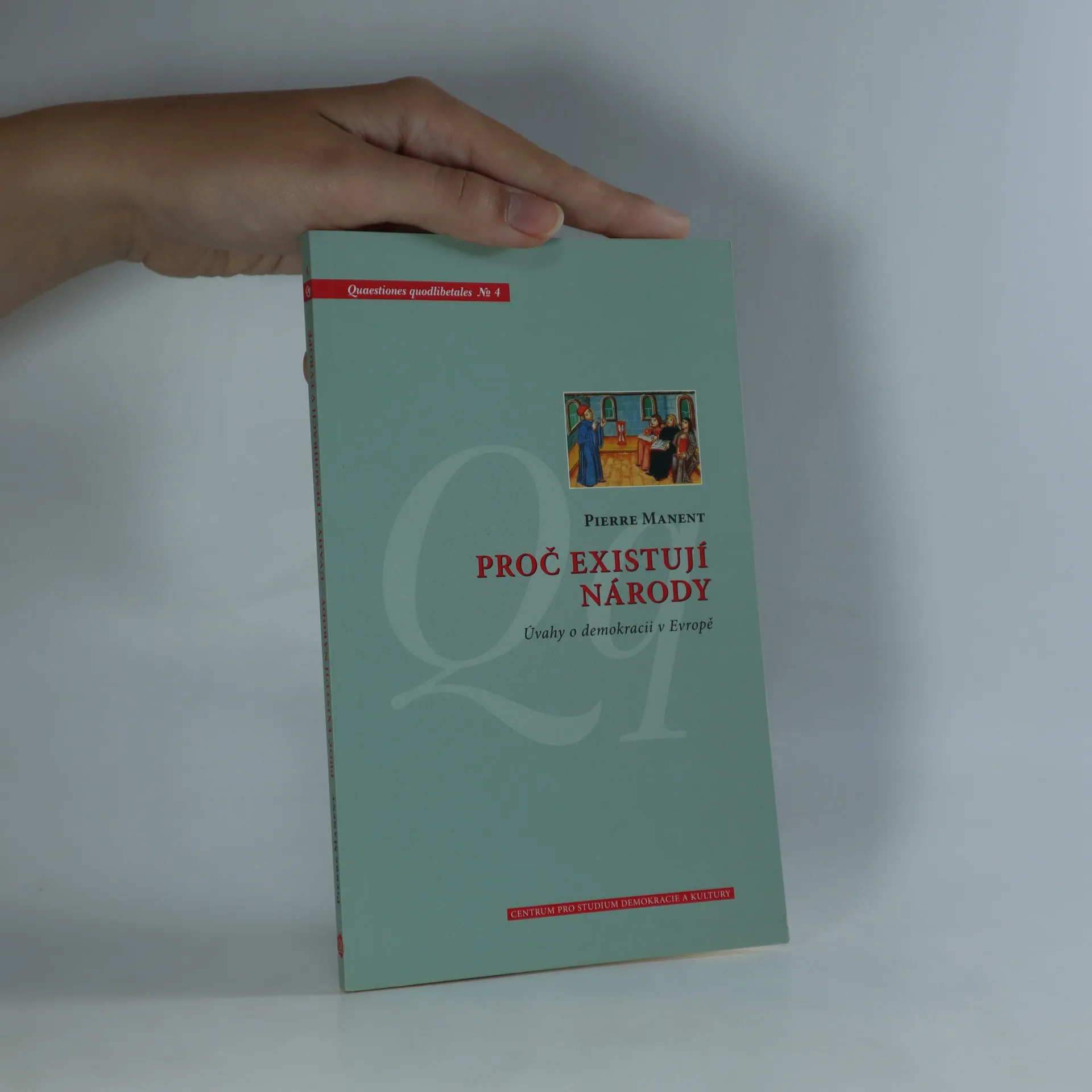
Kam jsme se vlastně dostali? Z jedné strany na nás tlačí náš starý národ, který nechceme opustit, a z druhé nová Evropa, jejíž součástí se chceme stát, a nevíme jak. Zastupitelská vláda má být nahrazena „demokratickým vládnutím“, které nám ani nevládne, ani nás nezastupuje. Lhostejně přihlížíme, jak se náš politický život rozkládá, protože se živíme iluzí o nějakém sjednoceném lidstvu, které bude držet pohromadě bez jakékoli politické formy. A už dávno nevíme, co si počít s náboženstvím. Jak dát této krizi naší společné existence smysl? Pierre Manent zkoumá dávné i nedávné dějiny národa, způsob, jak národ vstřebal a pěstoval demokracii a jak dnes jeho zánik ohrožuje samu tuto demokracii. Upozorňuje na paradoxní situaci náboženství, jehož brzký konec se v jednom kuse ohlašuje, a přitom je naše politické prostředí stále více ovlivňováno náboženskými třenicemi. Evropa by už dál neměla být „oblastí nízkého tlaku“, kde máme strach z vlastního stínu. Tento esej chce přispět k oživení povědomí a znalosti duchovních zdrojů, díky nimž má Evropa svou živoucí kontinuitu.
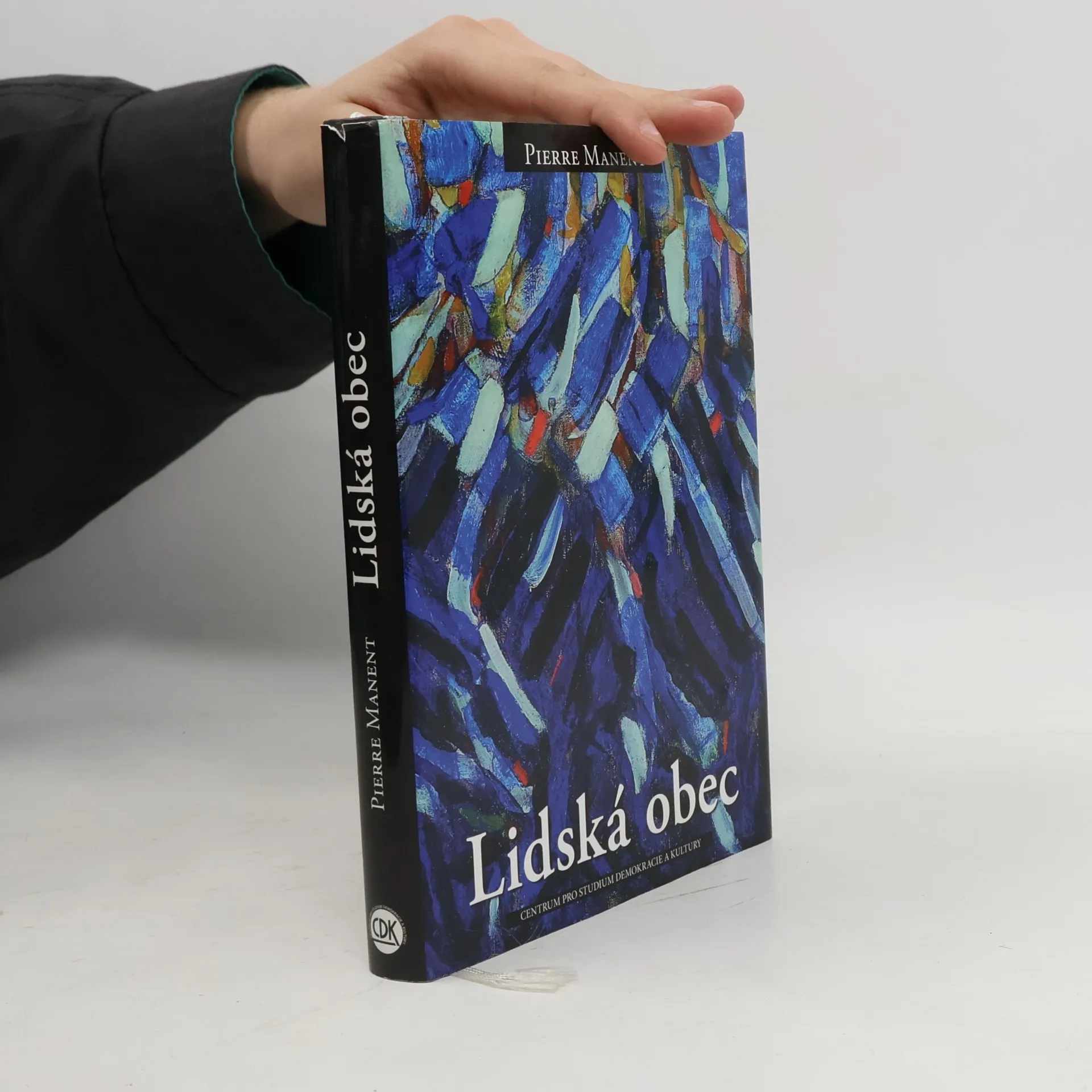
„Co si dnes skutečně představujeme pod slovem člověk, které tak často používáme? O kom to mluvíme, když hájíme lidská práva nebo když pěstujeme humanitní vědy? Na tuto otázku nejen že nemáme žádnou jednoznačnou odpověď, ale nevíme ani, jakým směrem a jakými postupy bychom se ji měli vydat hledat.“ Těmito slovy, které mají záměrně upomenout na svatého Augustina a jeho rozlišování lidské a boží obce, začíná významný současný francouzský historik a ..lozof, spoluzakladatel revue Commentaire a profesor na École des hautes études en sciences sociales, svou významnou knihu, v níž rozebírá tradice moderního liberálního a antiliberálního myšlení. Autora zajímá, jak se od 17. století proměňovaly koncepty, které stály v podloží moderny a které tudíž určují náš dnešní politický a kulturní život.