De bekentenissen van Kornel Esti
- 285bladzijden
- 10 uur lezen
De wonderlijke lotgevallen van een alter ego van de schrijver in Boedapest tussen de wereldoorlogen.


Péter Esterházy was een Hongaarse schrijver, die wordt beschouwd als een leidende figuur in de 20e-eeuwse Hongaarse literatuur. Zijn werken worden gezien als belangrijke bijdragen aan de naoorlogse literatuur, waarbij hij diepgaande existentiële vragen en de complexiteit van het menselijk bestaan verkent met een onderscheidende stijl en intellectuele diepgang.




De wonderlijke lotgevallen van een alter ego van de schrijver in Boedapest tussen de wereldoorlogen.
An elegant homage to Czech storyteller Bohumil Hrabal, this novel is a tribute to blues music, saxophones, and the complexities of domestic life, while also reflecting on the years of communism in Eastern Europe. It explores the relationship between God and humankind through the lens of a Hungarian writer and his wife, Anna, a blues-singing mother of three (soon to be four), who endures her husband's challenging writing endeavors. Anna shares her memories and reflections with Hrabal, her thoughts oscillating between domestic issues and the injustices her family faced during the Stalinist 1950s, police harassment, and marital strains. Her husband becomes so consumed by his project on Hrabal that he struggles to write it. The narrative evolves into a literary love triangle, with Hrabal as Anna's confidant and an unseen presence in their marriage. Two angels, disguised as secret policemen, monitor the household, communicating with God via walkie-talkie. Their mission is to prevent Anna from terminating her pregnancy. When uncertainty arises, God himself, known as Bruno, appears, engaging with Hrabal, taking saxophone lessons from Charlie Parker, and attempting to persuade Anna to keep her child. However, his lack of musical talent contrasts sharply with his passion for jazz and blues. Esterhazy's brilliant style intricately weaves language, tone, and perspective into a playful narrative.
In ninety-seven short chapters Péter Esterházy contemplates love and hate, sex and desire, from the point of a view of a narrator who considers himself a great lover, a man who may (or may not) be in love with all the women in the world.
The Esterházys, one of Europe's most prominent aristocratic families, are closely linked to the rise and fall of the Hapsburg Empire. Princes, counts, commanders, diplomats, bishops, and patrons of the arts, revered, respected, and occasionally feared by their contemporaries, their story is as complex as the history of Hungary itself. Celestial Harmonies is the intricate chronicle of this remarkable family, a saga spanning seven centuries of epic conquest, tragedy, triumph, and near annihilation. Told by Péter Esterházy, a scion of this populous clan, Celestial Harmonies is dazzling in scope and profound in implication. It is fiction at its most awe-inspiring. This P.S. edition features an extra 16 pages of insights into the book, including author interviews, recommended reading, and more.
A kötet fontos tanúságtétele Esterházy mindennapok finom rezdüléseire figyelő emberségének, kétségkívül európai szellemiségének. A benne foglalt írások maradandóságát pedig mi sem bizonyítja inkább, mint hogy az utolsó munka, A Kékszakállú herceg csodálatos élete múlhatatlanul az Esterházy-univerzum egyik központi darabja – a szerzői felolvasások közönségének legnagyobb gyönyörűségére. „Ez a kötet tulajdonképpen A kitömött hattyú (1988) folytatása, az azóta írtakat gyűjtöttem össze, mindent, ami nem regény és nem elefántcsonttorony-cikk. Az utóbbi kéthárom évben szívesen voltam afféle alkalom szülte tolvaj (olykor önmagamé; ezeket úgy hagytam, nem retusáltam). Ennek lehetőségét az új szabadság adta, mozgató erejét pedig a remény és a félelem, a remény, hogy itt most végre lesz valami, és a félelem, az aggódás, hogy nehogy nagyon félre menjen ez az egész. Remény, félelem – jut is, marad is. De most nem gondolom, hogy itt elvadulhat a helyzet, és nem gondolom, hogy élni tudnánk, ahogy mondani szokás, a történelmi eséllyel. Ahogy senkinek a világon, nekünk, magyaroknak sincs elképzelésünk, látomásunk a jövőről. Nem leszünk a szabadság laboratóriuma. Inkább a szabadság cselédjei…” Esterházy Péter
Soha könyvet nem övezett még akkora titoktartás, mint Esterházy Péter naplóját, amely 2000. január 30. és 2002 áprilisa között készült. Eddigi életművének csúcspontja a Harmonia Caelestis című regénye volt, amelyben édesapjának, Esterházy Mátyásnak állít emléket. Az új könyvből kiderül, hogy a regény kéziratának befejezése után Esterházy megtudta, hogy édesapja III/III-as ügynök volt, és ezt követően kezdte el írni a naplót. A könyv különleges napló, amelyben Esterházy közreadja az ügynöki jelentések részleteit és ezekhez fűzött jegyzeteit. A „melléklet a Harmonia Caelestishez” irodalmi mű, amely az apa és fiú viszonyát, a kommunista rendszer természetét, történelmünket, árulást, emberi magányt és szenvedést, istenkeresést, valamint a múlttal való szembenézést tárgyalja. A mű egy ember személyes és írói sorsának megrendítő fordulatáról számol be. Esterházy álmaiban apjának magyarázza, hogy meg kell írnia ezt a históriát, amelyről senki nem tehet, és amelyben apja a szenvedő alany. Az álom után csak a fázás marad, de a jónak csak az emléke él.
Péter Esterházy „Harmonia Caelestis“ című regényében bemutatott identitásjátékát itt a csúcsra járatja. Kornél Esti, a magyar irodalom legbájosabb regényhőse, a nagy író, Kosztolányi Dezső találmánya, Esterházy bőrébe bújik. A történet során a szerző hirtelen fordulatokat vesz, és minden esemény, minden gondolat Kornél Esti formáját öltögeti. Esti lehet egy diáklány, aki botrányosan rövid szoknyát visel, a Szűz Mária vagy akár egy imádkozó ponty. Ugyanakkor Péter Esterházy a saját regényes életrajzát is megírja, hiszen „Kornél Esti – c’est moi”. Egy igazi Esterházy!
Als die Einführung 1986 erschien, bedeutete dies einen Wendepunkt in der ungarischen Literatur: Esterházy vollendete eine durch die Diktatur zerstörte Entwicklung der Moderne - schon das erste Wort des 900seitigen Buchs war eine Hommage an James Joyce -, und gegen die offizielle Ideologie brachte er eine neue Literatur in Stellung. Anfang 1978 sah ich plötzlich ein , Gebäude vor mir, ein , Texthaus, an dem ich bis 1985 arbeitete. Zuerst fing ich an, die einzelnen Räume zu schreiben, also die Zimmer, Säle, breiten Treppenhäuser, und so erschienen die Vor-Bände Indirekt, Wer haftet für die Sicherheit der Lady?, Fuhrleute, Kleine Pornographie Ungarns, Die Hilfsverben des Herzens. Als ich damit fertig war, begann ich das große Gebäude zusammenzustellen, baute Treppen, Querkorridore, Fenster, kleine Gesimse. Manchmal zeigte es sich, dass das Wort zu wenig war, dann verwendete ich Bilder oder , graphische Einheiten. Immer wieder hatte ich den Gedanken, das Ganze sei ein Hypertext, ein mehrdimensionaler Raum." (P. E.) Das Buch ist eine Art Enzyklopädie aus 21 selbstständigen Prosateilen, die Esterházy durch Zitate, Marginalien, Fotos, Zeichnungen und Symbolen derart untereinander und mit der Weltliteratur vernetzt, dass es sich zu einem offenen, unbegrenzten literarischen Raum weitet.
Die Frage „Was ist Literatur?“ würde er hier und heute ungern beantworten. So begann Péter Esterházy seine Vorlesungen als Tübinger Poetikdozent des Jahres 2006. Würde man diese „brave Frage“ aber folgendermaßen umschreiben: „Was zum Teufel ist Literatur?“, dann wäre es ihm nicht so fremd, über diesen „Teufel“ zu sprechen. In der für ihn charakteristischen unvergleichlichen Mischung von Witz und Ernst, von spielerischer Ironie und kritischer Schärfe, stellte der große ungarische Schriftsteller drei Abende lang dem faszinierten Publikum seine Poetik des modernen Erzählens vor. Die Geschichte des europäischen Romans und der Wirklichkeitsbezug der Literatur werden darin genauso behandelt wie sein persönliches Verhältnis zur deutschen Sprache und sein zitierender Umgang mit Lieblingsautoren wie Danilo Kiš und Deszö Kosztolányi. Über allem aber steht die Frage, wie die Sprache des 21. Jahrhunderts beschaffen sein muss, des Jahrhunderts, „in dem die Überlebenden des Holocaust sterben werden“ und uns, die Nachgeborenen, in einem „furchteinflößenden neuen Alleinsein“ zurücklassen.
Publicistika, fejetony, eseje z let 1988–1996.
Druhý diel z tušeného radu Esterházyho Jednoduchých príbehov vedie prostredníctvom románového rozprávania čitateľa do polovice minulého storočia, na vidiek, do domu bývalého kulaka, ktorý je nútený prijať do svojho príbytku vysídlenú rodinu z Budapešti. Cez rozprávača, ktorým je malý nemý chlapec, sa dostávame in medias res vzťahov medzi rodičmi, vnímame napätie plynúce z novej životnej situácie a najmä neustále konfrontácie s hľadaním Boha a otázkami viery. Na pozadí každodenných príhôd sa v texte konfrontujú rozličné interpretácie a chápania Boha filozofov a mysliteľov: Pascala, Schellinga, Wittgensteina, Imreho Kertésza a iných. Tento text, ktorý má na pohľad skôr podobu klasického románu, než na akú sme si u Eszterházyho zvykli, ponúka strhujúce čítanie prostého príbehu so zložitými témami.
Der erste Roman Péter Esterházys, neben Harmonia Cælestis und Einführung in die schöne Literatur einer der drei Grundpfeiler seines Werks. Als er 1979 in Ungarn erschien, schlug er wie eine Bombe ein und erlangte Kultstatus.
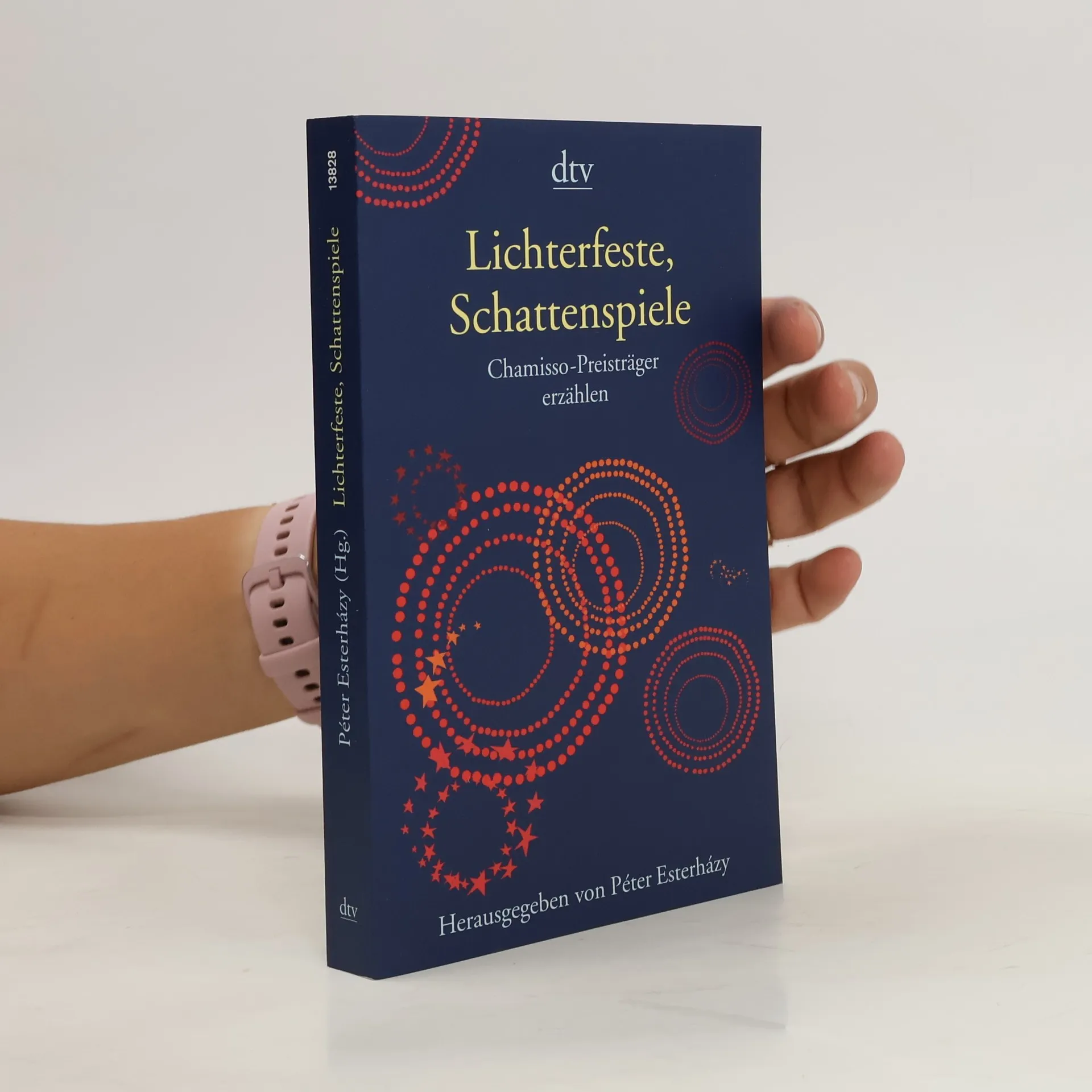
Alle hier versammelten Autoren schreiben auf Deutsch, ihre Muttersprache ist jedoch eine andere. Gilt es zu feiern – in der Familie, mit Freunden, in religiöser Gemeinschaft –, so werden die Unterschiede zwischen den Kulturen und den verschiedenen Traditionen spürbar. Wie wandeln sich Feste und Feiertage, wenn in dem Land, in dem man lebt und dessen Sprache man erlernt hat, nur wenige auf gleiche Weise feiern? Darüber schreiben die Autoren, die für ihre Literatur alle mit dem Chamisso-Preis ausgezeichnet wurden, mit großer Lust am Erzählen und am Feiern.
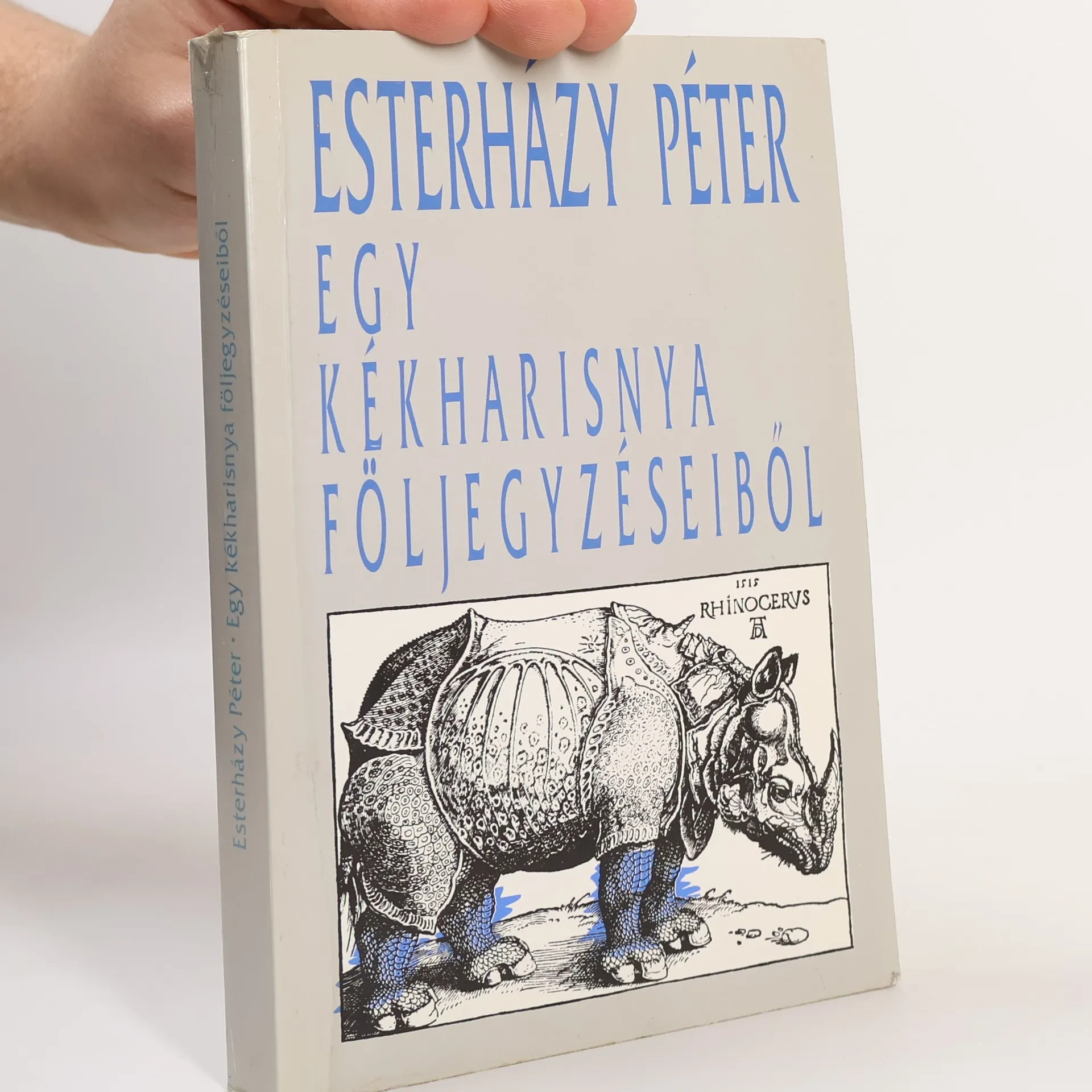
A kötet az 1991 és 1994 tavasza közt született Esterházy-írásokat tartalmazza, mindazt, ami nem regény és nincs Kertész Imrének ajánlva. A szerző némiképpen önkényesen csoportosította a szövegeket, meghagyva egyben és időrendben az Élet és Irodalom-beli ,,kékharisnyákat", melyek így talán a (velünk) múló időt is mutatják. Az önismétléseket se nagyon gyomlálta ki, mutassák csak, hogy így rakosgat.
"Hahn-Hahn grófnőről a gonosz Heine tesz említést a nőírókról szólva, mondván: azok egyik szeme a papíron, a másik mindig egy férfin - kivéve Hahn-Hahn grófnőt, aki félszemű. A regény e nem létező (?imaginárius) szem pillantását irigyli el, evvel nézi a világot. A regény főhőse az Utazó, aki profi utazó, azaz egy gazdagabb úr vagy szegényebb ország kibérelheti, és akkor ő utazni kezd."Nemcsak a Duna ősforrásához - a regény eredetéhez is visszavándorol új művében Esterházy Péter. Hivatásos utazójának beszámolója a műfajban is kalandozás: a reneszánsz kori csavargóregények, útirajzok XX. század végi persziflázsa, a stílus jellegzetesen esterházys érzéki bájával, fény és árnyék, irónia és megrendülés felhőjátékaival.
Péter Esterházy kutatási útra indul, hogy felfedezze a német futballlelkületet. Okos szemmel és baráti csodálattal fűzi össze a szurkolói szenvedélyt, a klubházban sörözőket és a taxiban utazó futballexpertet egy csillogó kaleidoszkóppá. „A valóság”, jut el arra a következtetésre, „többször hihetetlen.”
Als ich beschloss, die Geschichte meiner Mutter zu schreiben, über ihre verblüffende, auf jeden Fall aber ungewöhnliche Beziehung zum Fußball, wusste ich nicht, dass auch ich eine neue Geschichte haben würde.„ 1985 hatte Esterházy auf anrührende Weise in den Hilfsverben des Herzens vom Sterben seiner Mutter erzählt. Jetzt erweckt er sie wieder zum Leben. Fast jeden Tag sieht er sie, während er diese Erzählung schreibt, sie essen zu Mittag, reden. Und er erfährt neue Geschichten - über die fünfziger Jahre, über die Fußball- Wundermannschaft“ von Bern, ihre Freundschaft mit den Fußballgöttern Hidekuti und Puskás, der ihr den Hof machte und dem es 1951 gelang, die Familie vor der Deportation zu bewahren. Fußball ist ihr ganzes Leben, die Welt setzte sich im Kopf meiner Mutter aus den Vierecken des Fußballplatzes zusammen." Auf diesem Spielfeld lässt der Ich-Erzähler die uns bekannten Figuren aus seiner Familiengeschichte, Vater, Mutter, die Geschwister, auflaufen, aber in neuer Formation. Der Vater bekommt eine neue Geschichte, die Gnade des frühen Todes, der Sohn eine Liebesgeschichte, die vor 45 Jahren begann und deren düstere Schatten ihn noch heute verfolgen. Und wenn die Mutter ihm am Schluss den Text ihrer Todesanzeige diktiert hat, verlässt die Sprache das Spielfeld. Es bleibt, um im Bild zu bleiben, ein wunderbares neues Viereck, dieses Buch: eine Hommage an die Mutter, die im Herzen des Erzählers für ewig weiterlebt.
Orte und Literatur - das sind zwei der großen Themen Esterházys. Hinter dem Hinübergleiten in Erinnerungen und Phantasien verbirgt sich ein kluger Beobachter all dessen, was unsere Gegenwart prägt. Einer, der sich einmischt und der etwas zu sagen zu Liebe und Verlust, zu Politik und Spiel, zu den kleinen Momenten des Lebens - und den ganz großen.
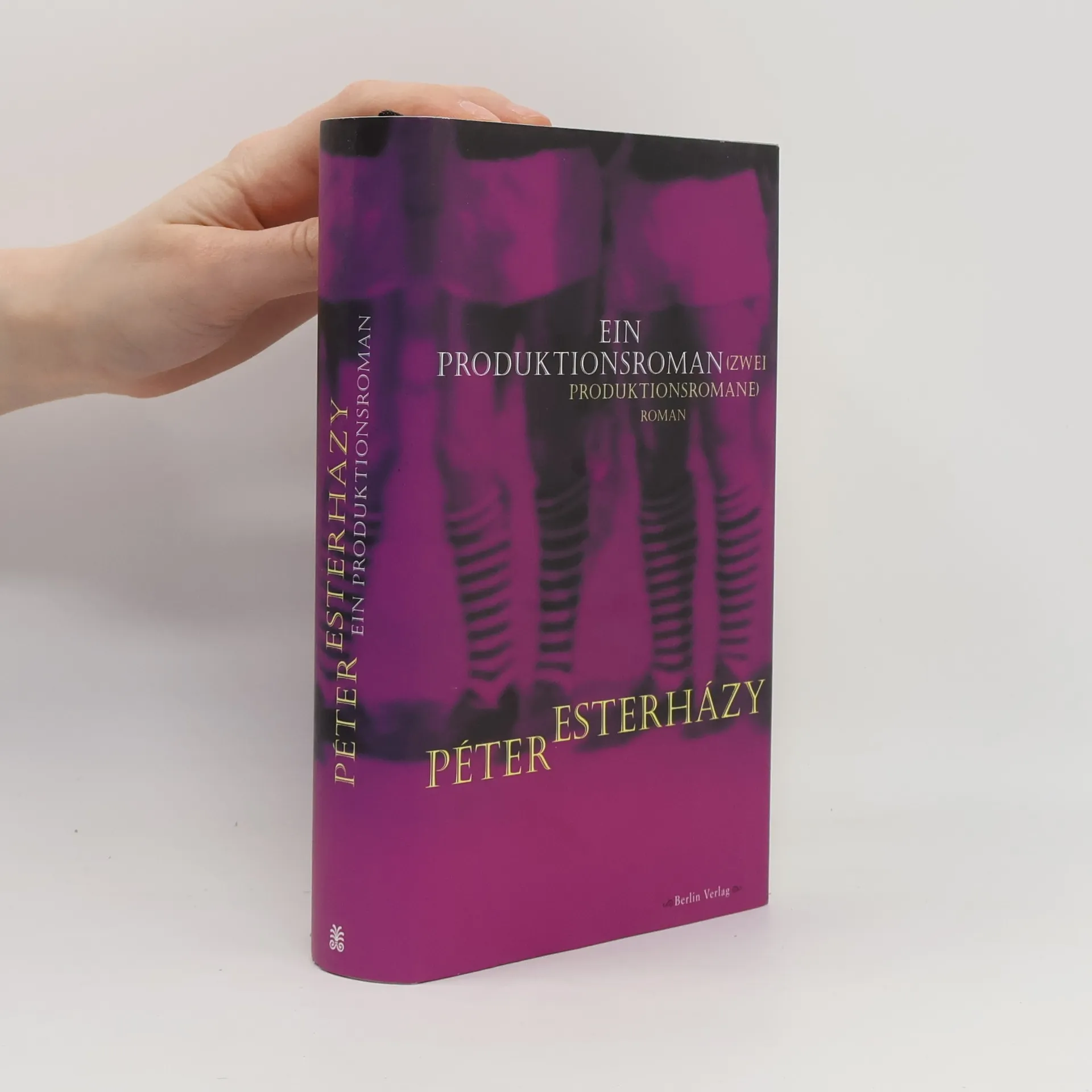
»Fancsikó und Pinta, der Produktionsroman, und Harmonia Cælestis sind Variationen über ein und dasselbe Bild, alle drei sind Familienromane.« (Péter Esterházy) Wer Harmonia Cælestis gelesen hat, glaubt zu wissen, was »die Familie« bedeutet. Wir erkennen die Mutter und den Vater in Fancsikó und Pinta, sie sind »meine Mutter« und »mein Vater«. Doch der Blick des jungen Autors bleibt uns unbekannt. Geschrieben zwischen 1972 und 1974, erschien das Buch 1976 in Ungarn als Debüt des damals 26-jährigen Esterházy. Die fünfziger und sechziger Jahre werden vertraut, doch die Perspektive ist neu. Kleine Erzählpartikel von ein bis drei Seiten ergeben ein Tableau, das den Vater mit seinen schönen Händen zeigt, die Mutter, die ihrem Sohn Waschanweisungen gibt, und die Eltern, die lachend zuschauen, während der Sohn mit Fancsikó und Pinta, den beiden ungezogenen Buben, ein Marionettenspiel aufführt. Die Titelhelden, altklug und dumm, könnten aus der Phantasie stammen oder real sein – eine irrelevante Frage, denn die Wörter existieren. Wo Phantasie und Wirklichkeit eins sind, liegt das Terrain der Unschuld. Das Buch ist, wie vielleicht jedes erste Buch, der Verlust der Unschuld.« (Péter Esterházy)
Introducción a las bellas letras
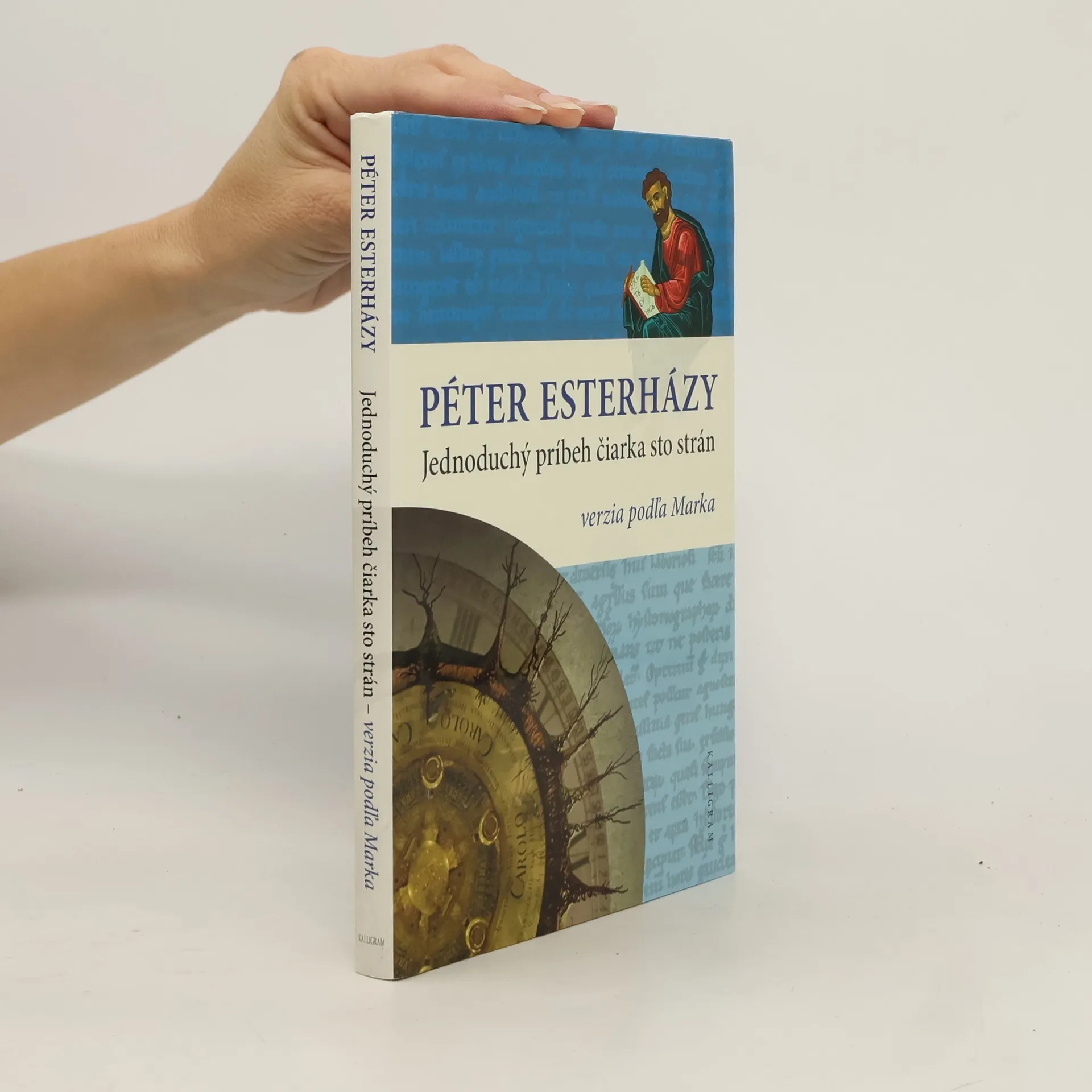
Der Erzähler dieses Markus-Evangeliums à la Esterházy macht sich nichts aus Worten. Er lässt seine Familie – Vater, Mutter, Stiefbruder, zwei Großmütter – in dem Glauben, er sei taubstumm. Und doch ist er der Chronist ihrer Geschichte. Als Volksfeinde gebrandmarkt, leben sie nach der Aussiedlung zusammengepfercht in einem einzigen Raum, aber Nähe gibt es nicht in dieser Enge. Alle sind sie einsam, sogar Gott. Der kann noch nicht einmal beten, zu wem sollte er? Eine Familiengeschichte mit allem, was dazugehört, auf jeden Fall Mord und Totschlag. Geschieht dies alles, auf dass die Schrift erfüllet werde? Aber welche? Nach diesen hundert Seiten Esterházy-Evangelium ahnen wir: Gott kommt aus Ungarn.
It is 1900, give or take a few years. The Vajkays—call them Mother and Father—live in Sárszeg, a dead-end burg in the provincial heart of the Austro-Hungarian Empire. Father retired some years ago to devote his days to genealogical research and quaint questions of heraldry. Mother keeps house. Both are utterly enthralled with their daughter, Skylark. Unintelligent, unimaginative, unattractive, and unmarried, Skylark cooks and sews for her parents and anchors the unremitting tedium of their lives. Now Skylark is going away, for one week only, it’s true, but a week that yawns endlessly for her parents. What will they do? Before they know it, they are eating at restaurants, reconnecting with old friends, attending the theater. And this is just a prelude to Father’s night out at the Panther Club, about which the less said the better. Drunk, in the light of dawn Father surprises himself and Mother with his true, buried, unspeakable feelings about Skylark. Then, Skylark is back. Is there a world beyond the daily grind and life's creeping disappointments? Kosztolányi’s crystalline prose, perfect comic timing, and profound human sympathy conjure up a tantalizing beauty that lies on the far side of the irredeemably ordinary. To that extent, Skylark is nothing less than a magical book.
Es war wie Pornographie: All das, was im literarischen und politischen Leben unausgesprochen bleiben musste. Péter Esterházy benennt in diesem Buch die Obszönitäten und Unzumutbarkeiten im Alltag des realexistierenden Sozialismus. Er liefert ein Verwirr- und Vexierbild von der ungarischen Vergangenheit und zugleich eine äußerst elegante und intelligente Abrechnung über die verordneten Lebensweisen in den Volksdemokratien.
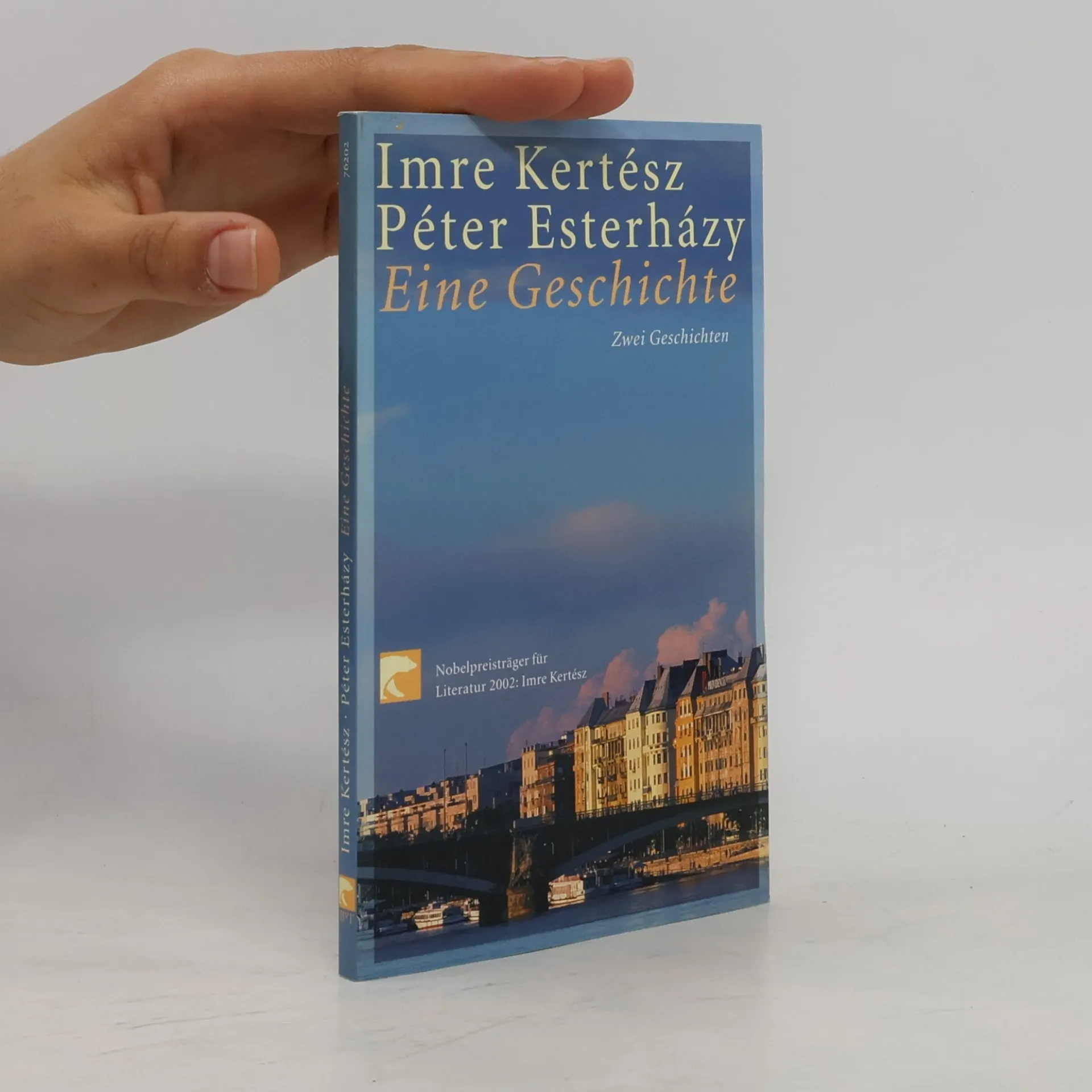
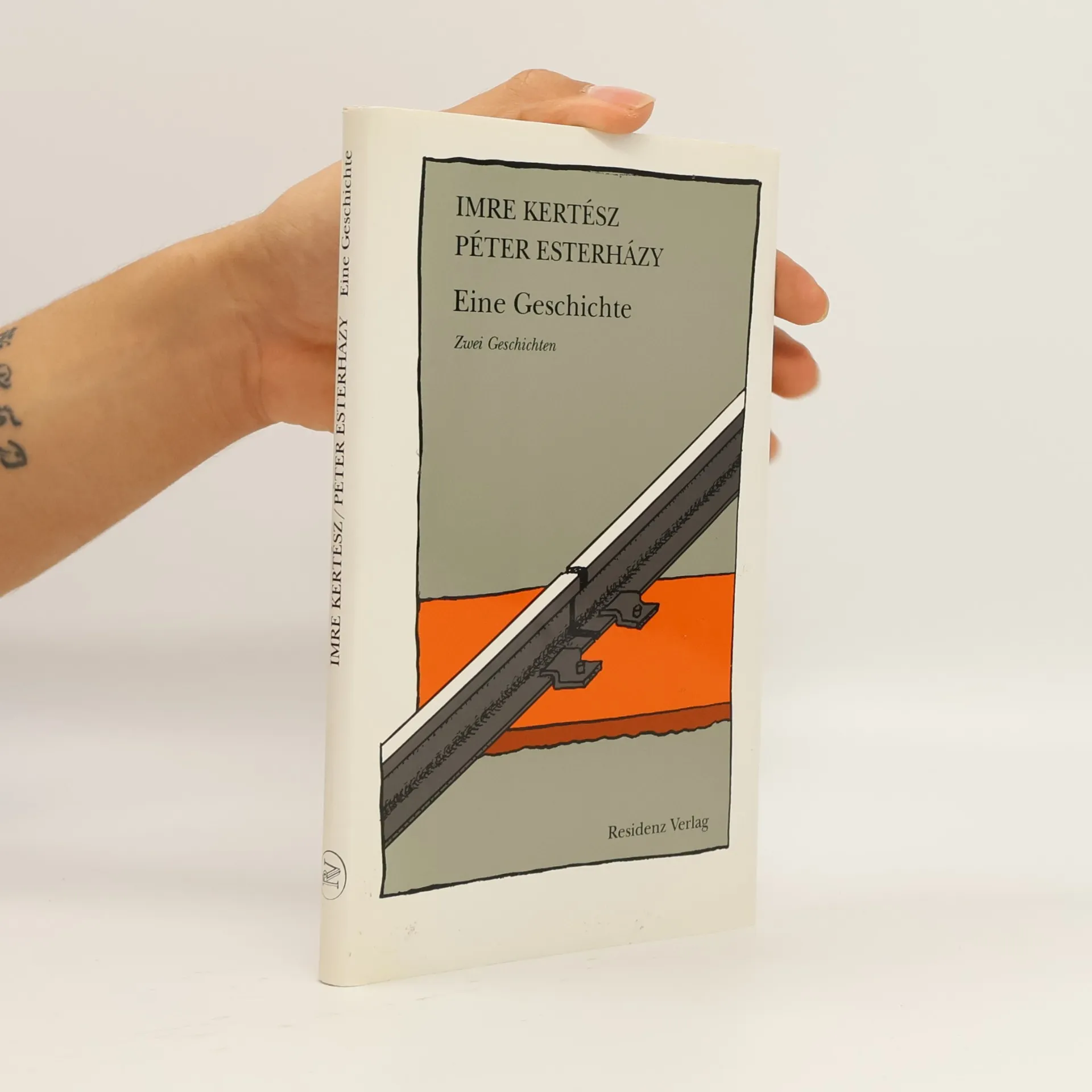
Věčné téma manipulace, zneužívání moci, totalitarismu, to je základním námětem kratičké povídky postavené na autentické epizodě ze života autora (I. Kertész) při jeho cestě vlakem z Budapešti do Vídně. Na půdorysu „běžného“, zdánlivě nicotného konfliktu se státní mocí v osobě celníka je rozvinuta deprimující a pesimistická úvaha o tom, jak hluboce jsou v nás zakořeněny agrese i strachy, které jsme mylně přisuzovali jen podmínkám nedemokratických poměrů. Téma pak po svém způsobu přebírá Péter Esterházy a zneklidňující povídka Imre Kertésze v povídce druhého autora začne žít svým vlastním životem. Není zcela zřejmé, zda jde o hru, o literaturu v životě nebo o život v literatuře.
Was geschieht, wenn Péter Esterházy sich vornimmt, eine einfache Geschichte zu erzählen? Er schreibt einen historischen Roman: Kutschen rauschen, von Spionen verfolgt, durch ein Mitteleuropa avant la lettre – wir befinden uns in den Jahren der Rückeroberung Budas zur Zeit der Türkenherrschaft –, kein noch so geheimes Treffen bleibt unbespitzelt. Denn sowohl Pál Nyáry, der über die Geschicke von Ungarn verhandeln soll, als auch sein Vertrauter, Hauptmannn Mihály Bárány, haben ihre Herzen leichtsinnigerweise der Liebe geöffnet … Natürlich pfeift Esterházy auf das historische Genre und hält sich an die Gegenwart, natürlich nutzt er jede sich bietende Gelegenheit für Abschweifungen voll wunderbarer Einfälle.
Péter Esterházys letztes Buch. Es ist das Tagebuch seiner Krankheit, in dem er seiner Erkrankung begegnet, wie er Gott und der Welt und dem Leben immer begegnet ist: aufrichtig und neugierig, spielend, voll Geist und Witz und Liebe zum Leben. Und mit dem Stift in der Hand: schreibend. Doch was ist, wenn sich der eigene Körper auf einmal gegen das Schreiben wendet? Wie hält der Schriftsteller, dessen Werk auf die Unentwirrbarkeit von Wirklichkeit und Dichtung aufbaut, seine Tage fest? Was passiert mit der „ontologischen Heiterkeit“, wenn die tödliche Krankheit zur täglichen Übung wird? Kann der Bauchspeicheldrüsenkrebs als Liebesgeschichte beschrieben werden? Keine einfache Geschichte.
Une revue européenne à Paris
Ez a kisregény egy könyvsorozat első darabja. Egyetlen mondat, függő beszédben. Az egyik legfontosabb felépítési módszere: a montázs. A könyv lapjairól kamaszok szabad világa tárul elénk, s ebben a világban nemcsak a hatvanas évek farmernadrágosai mozognak otthonosan, hanem Kosztolányi Dezső és Csáth Géza is.
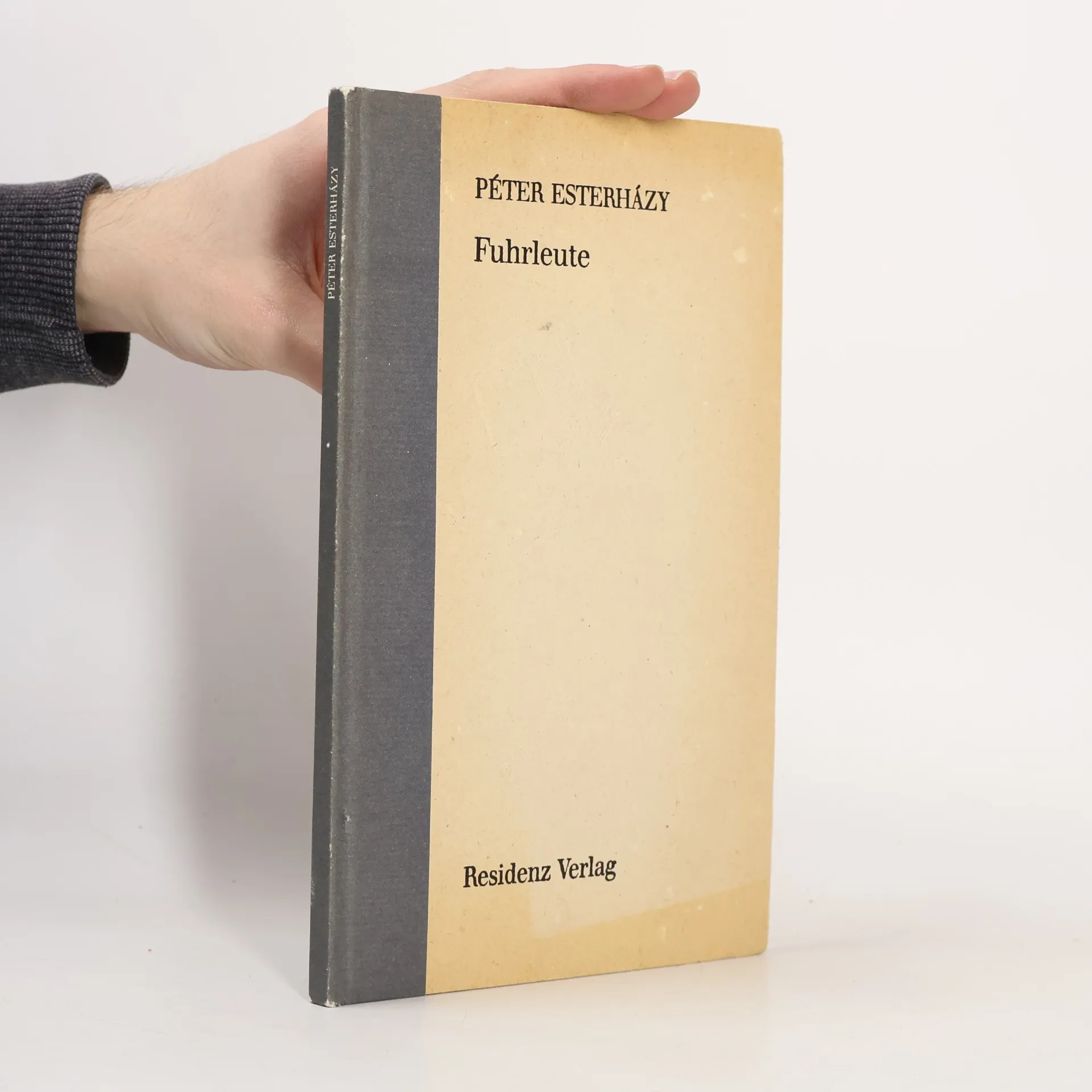
„Hát megjöttek! Hát megjöttek die Fuhrleute. Ihr Geschrei zerreißt die Morgendämmerung – zerrissen, grau, abgetragen – die Stille ist zerbrechlich und leer. Ich sah die schrecklichen Gesichter meiner Schwestern! – erbarmungslos! erbarmungslos! – Meine Lieben, um Gottes willen, was ist geschehen?” Mit dieser Frage beginnt das neue Werk aus der Reihe „Einführung in die Belletristik” von Esterházy. Was ist geschehen? Darauf antwortet natürlich das gesamte Schriftstück. Der Autor hat jedoch auch eine – scheinbar „andere” Frage: wie kann das Empfinden des Zeitablaufs, das vollständige Erzählen einer Geschichte von der Länge des geschriebenen Textes gelöst werden? Die Fuhrleute sind nämlich: ein wahrer Roman. Aber nicht, weil er „lang” ist.
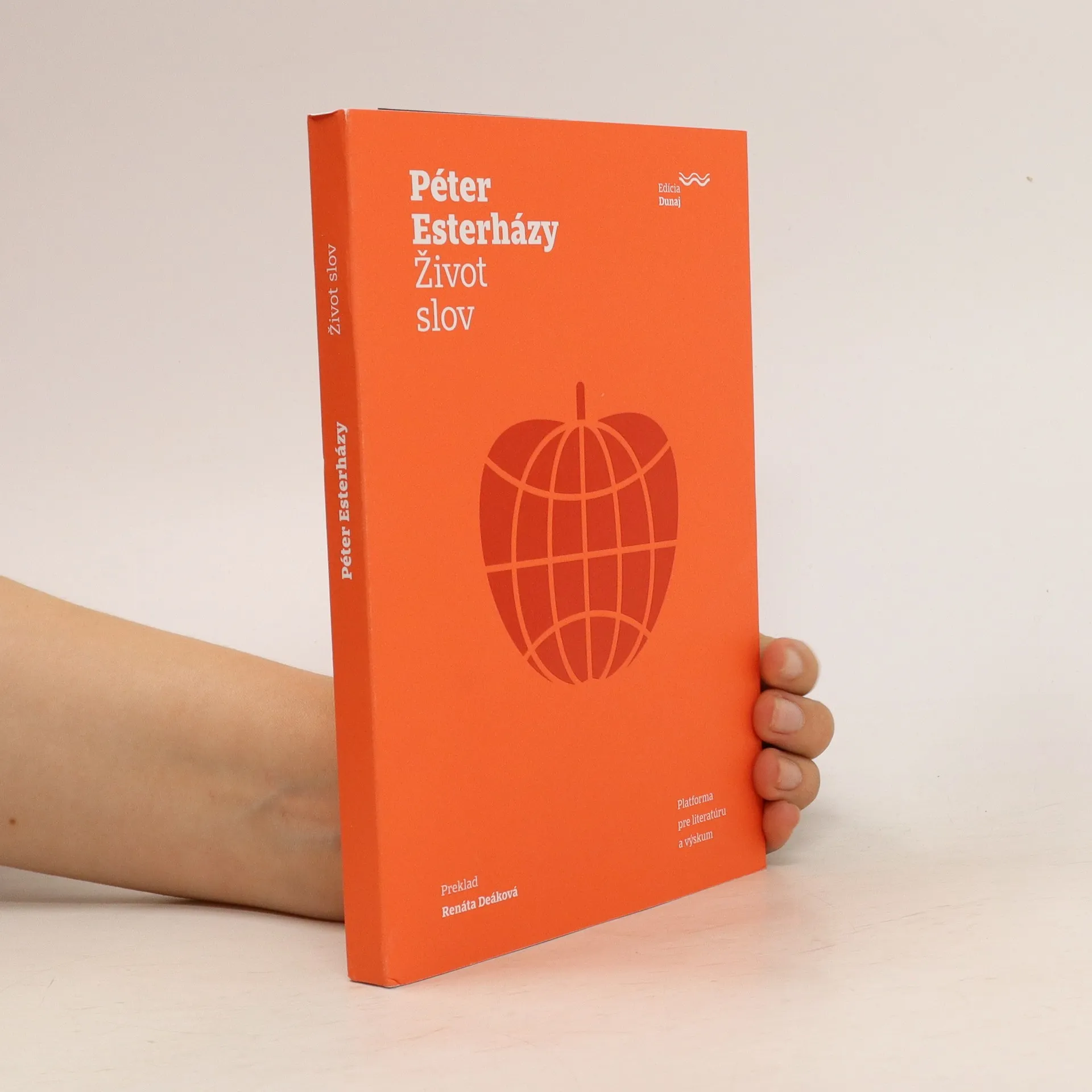
Slovenský výber z esejistiky, publicistiky a príležitostnej tvorby Pétera Esterházyho v preklade Renáty Deákovej obsahuje texty, ktoré vznikli v rokoch 2003 až 2016 pri rozličných príležitostiach a pre rôzne časopisy. Niektoré boli pôvodne verejnými vystúpeniami na oficiálnych podujatiach, iné publicisticky reagujú na konkrétne témy maďarského spoločenského a intelektuálneho života, ale nájdeme tu aj rozsiahlejšie analyticko-reflexívne eseje venované otázkam tvorby. Esterházyho texty dokazujú, že ani postmoderný spisovateľ sa nemusí bezvýhradne vzdať reflexie kultúrneho a spoločenského diania a skryť sa do bezpečnej záhrady estetickej autonómie umenia. Slovenským čitateľom sú povedomé mnohé otázky a situácie, s ktorými sa v knihe vyrovnáva. Veď aj u nás je hovorenie o literatúre spojené s politikou, „ktorá všetkým preniká“. Aj u nás by sme mohli sledovať a pomenovať stratégie a metódy vylučovania jednotlivých názorových skupín tými, ktorí si v národnej kultúre nárokujú na reprezentatívne pozície. Samozrejme, pre Esterházyho ako človeka postmodernej plurality a kritika falošných autorít sú podobné tendencie vďačným terčom demaskovania a ironizovania. Kniha vyšla ako druhý zväzok stredoeurópskej esejistickej edície Dunaj.
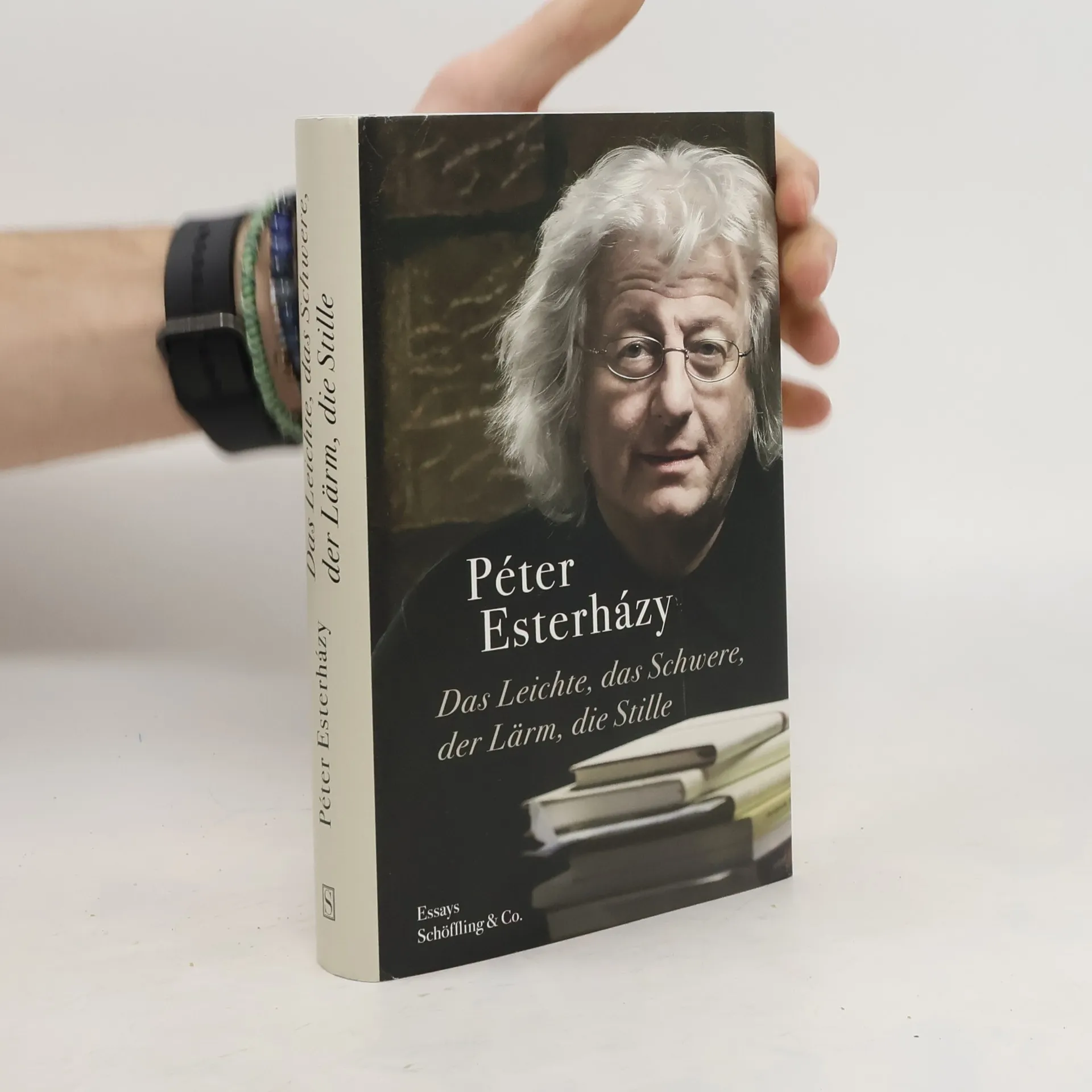
Er war ein großer Europäer und ein scharfsinniger Kommentator dessen, was die angebliche Randstellung und die Umbrüche seines Heimatlandes Ungarn ausmacht, wer sie definiert und wie man sich ihnen gegenüber verhält. Alswortmächtiger postmoderner Romancier und Erzähler nicht nur seiner wechselvollen Familiengeschichte hat Péter Esterházy sich international einen Namen gemacht. Aber auch in weithin wahrgenommenen Zeitungsartikeln hat ersich als Intellektueller selbstbewusst »Aus dem Elfenbeinturm« über »Leben und Literatur« geäußert, Bücher - von Imre Kertész und Péter Nádas bis hin zu Per Olov Enquist und Umberto Eco - diskutiert und voller Witz »Problems of dö raiter tudej« erörtert. Dabei ergreift er auch das Wort zupolitischen Themen, bezieht Stellung gegen den aufkommenden ungarischen rechtskonservativen Nationalismus und die mangelnde Verarbeitung der kommunistischen Diktatur. Endlich auch auf Deutsch zu entdecken ist Péter Esterházy als Essayist, der brillant und eigensinnig, polemisch und differenziertfür die Wahrheit eintritt und schon vor vielen heutenoch virulenten Entwicklungen hellsichtig gewarnt hat.
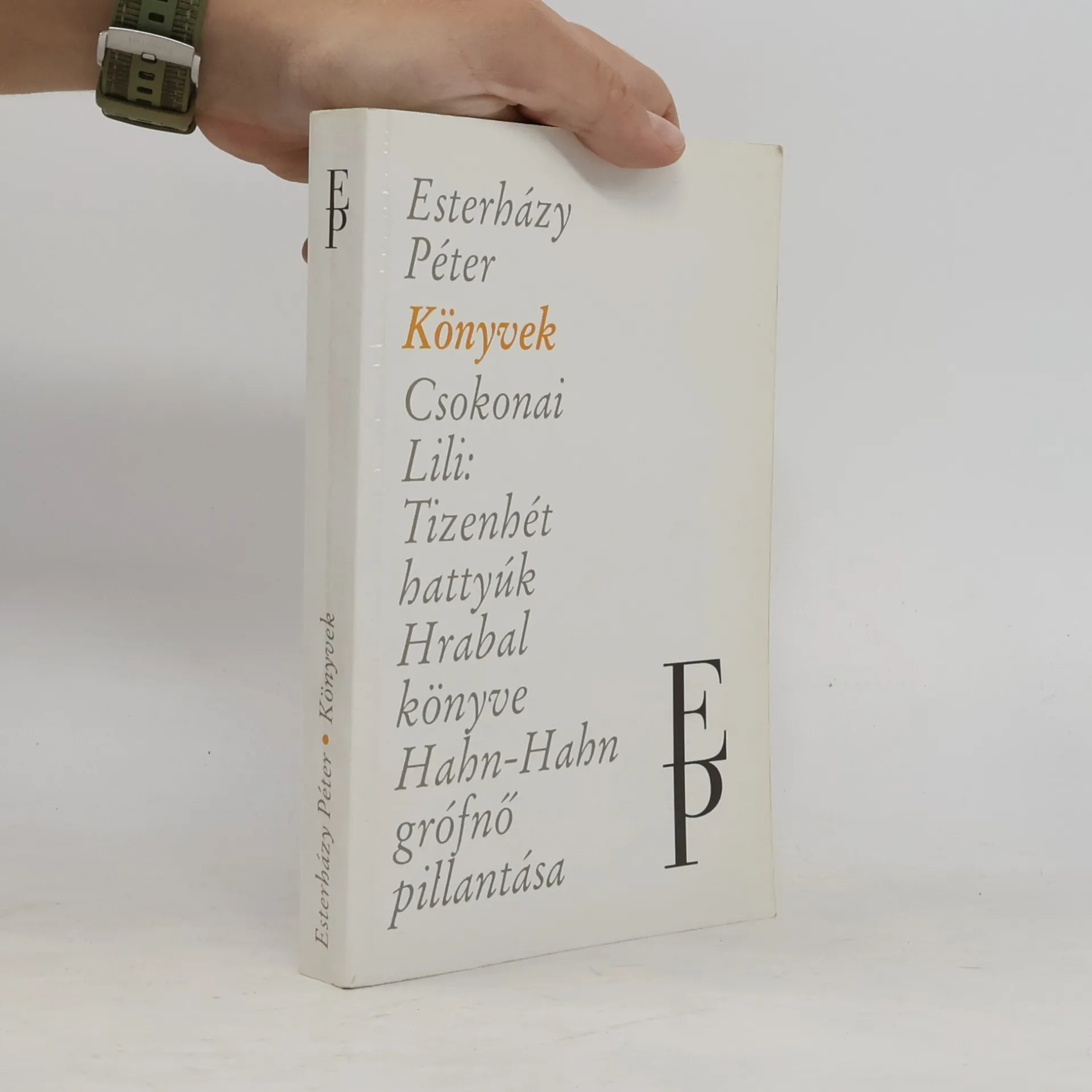
Csokonai Lili: Tizenhét hattyúk; Hrabal könyve; Hahn-Hahn grófnő pillantása
Három regény – három varázslat. Könyvek. Csokonai Lili könyve, Hrabal könyve s a Duna könyve. A Tizenhét hattyúk megjelenése 1987-ben irodalmi szenzáció volt. Ki rejtőzhet Csokonai Lili neve mögött? Esterházy akkor megmutatta, hogy mit jelent belébújni egy más sorsba, egy másik énbe, és persze nyelvezetbe, ami azért nem volt olyan nagyon „másik", végtelen stilizáltsága mögött sem... Sokan Weöres Psychéje mellé helyezték a regényt, annak prózapárját látták benne. A Hrabal könyve olvasásakor már meg sem lepődtünk azon, hogy Anna, az író felesége, negyedik gyermekének világrahozatalán töprengve, mitikus asszonyiságából kilépve, másfajta mítoszok szálait igazgatva, egyszercsak beleszeret a cseh írókollégába... végül is segít férjének, hogy vallomás tevődhessék Hrabal úrnak. (Sel-visszatűnik mitikus asszonyiságába, eldöntvén azt, mi eldöntetett már: megszüli gyermekét.) Súlyos kérdések fittyet hánynak a nehézkedés törvényeinek - mozarti regény. E kötetben a harmadik mű: a Duna-könyv. „Lefelé a Dunán". Főhőse az Utazó, kit „egy gazdagabb úr vagy szegényebb ország kibérelhet, és akkor ő utazni kezd". A reneszánsz csavargóregényeket megidéző Hahn-Hahn grófnő pillantása kalandozás nemcsak az időben s a térben, hanem a térségben is, a történelemben is. S föladja a leckét, a gondolkodni valót: mit is jelent, azaz mit is jelenthetne az a tény, hogy a Duna országokat köt össze...
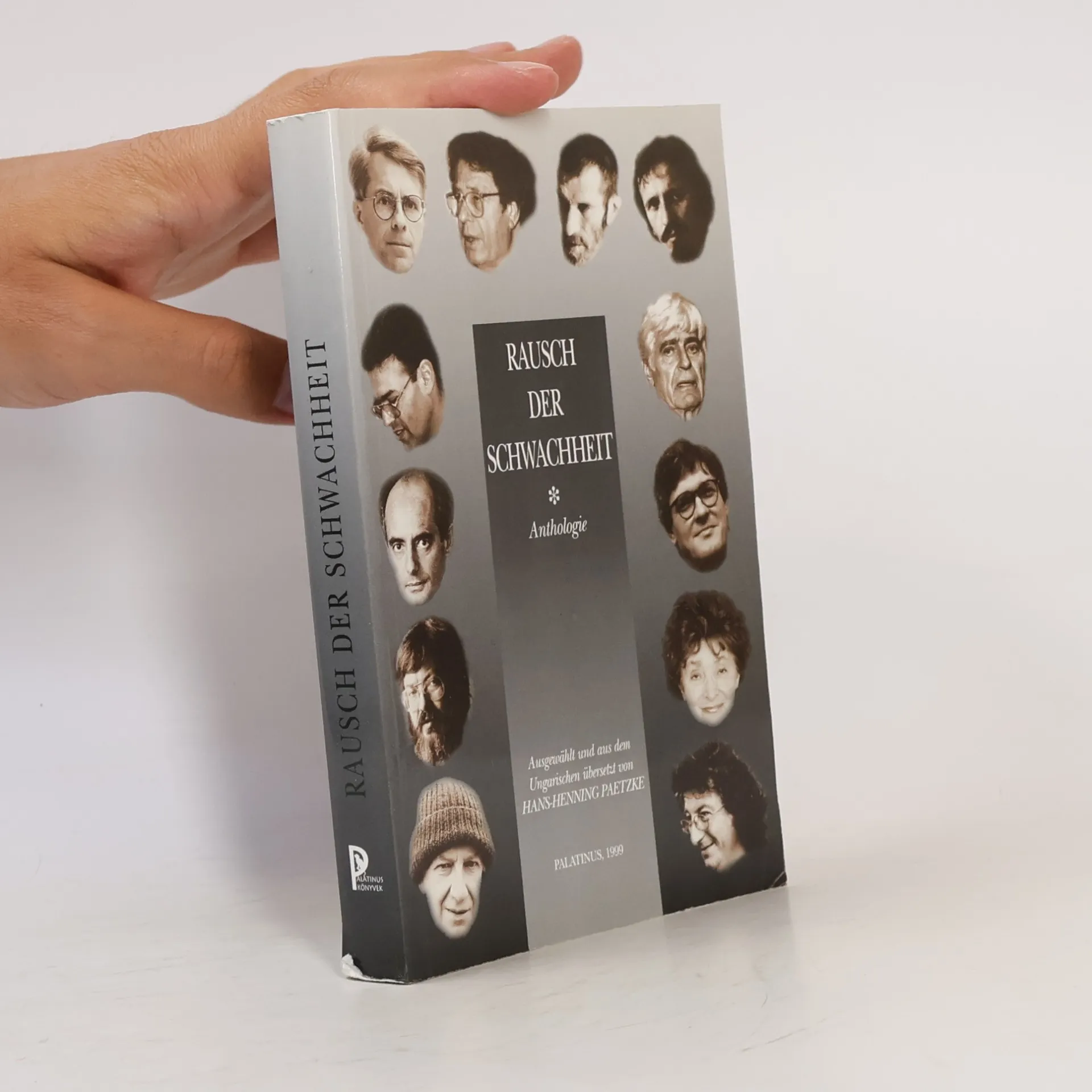
Anthologie - ausgewählt und aus dem Ungarischen übersetzt von Hans-Henning Paetzke
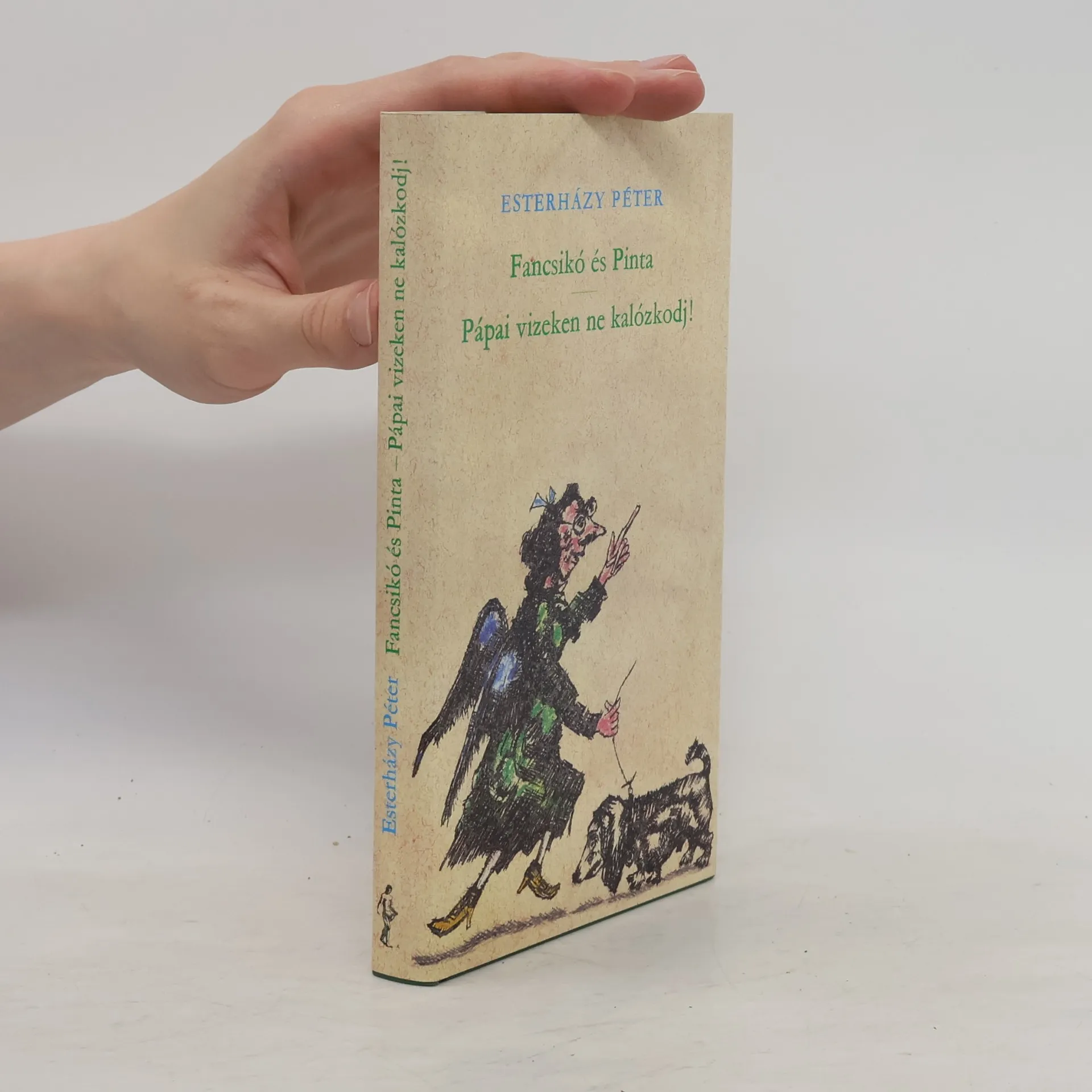
Pápai vizeken ne kalózkodj!
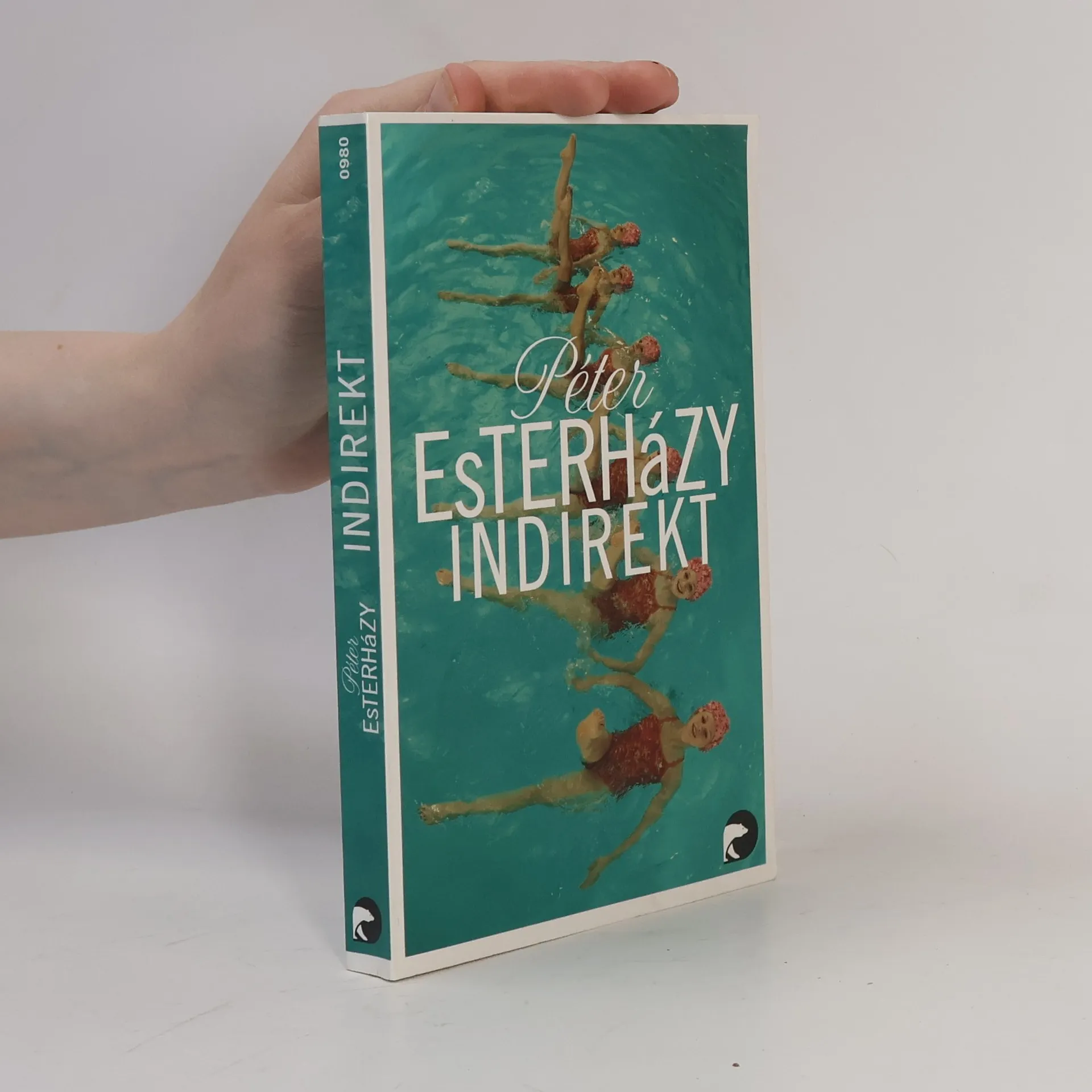
Indirekt, das bedeutet Schwindel und freie Assoziation, das bedeutet ein Puzzle aus zusammengesetzten Bildern und ein Mosaik aus Zitaten, eine erotische und zugleich literarische Erweckungsgeschichte und ein großer Spaß aus kleinen Derbheiten. Dieser frühe Prosatext stammt aus der Zeit des Sozialistischen Realismus, und Esterházy beweist hier einmal mehr, dass er der meisterhafteste Nicht-Vertreter dieses Genres ist.