

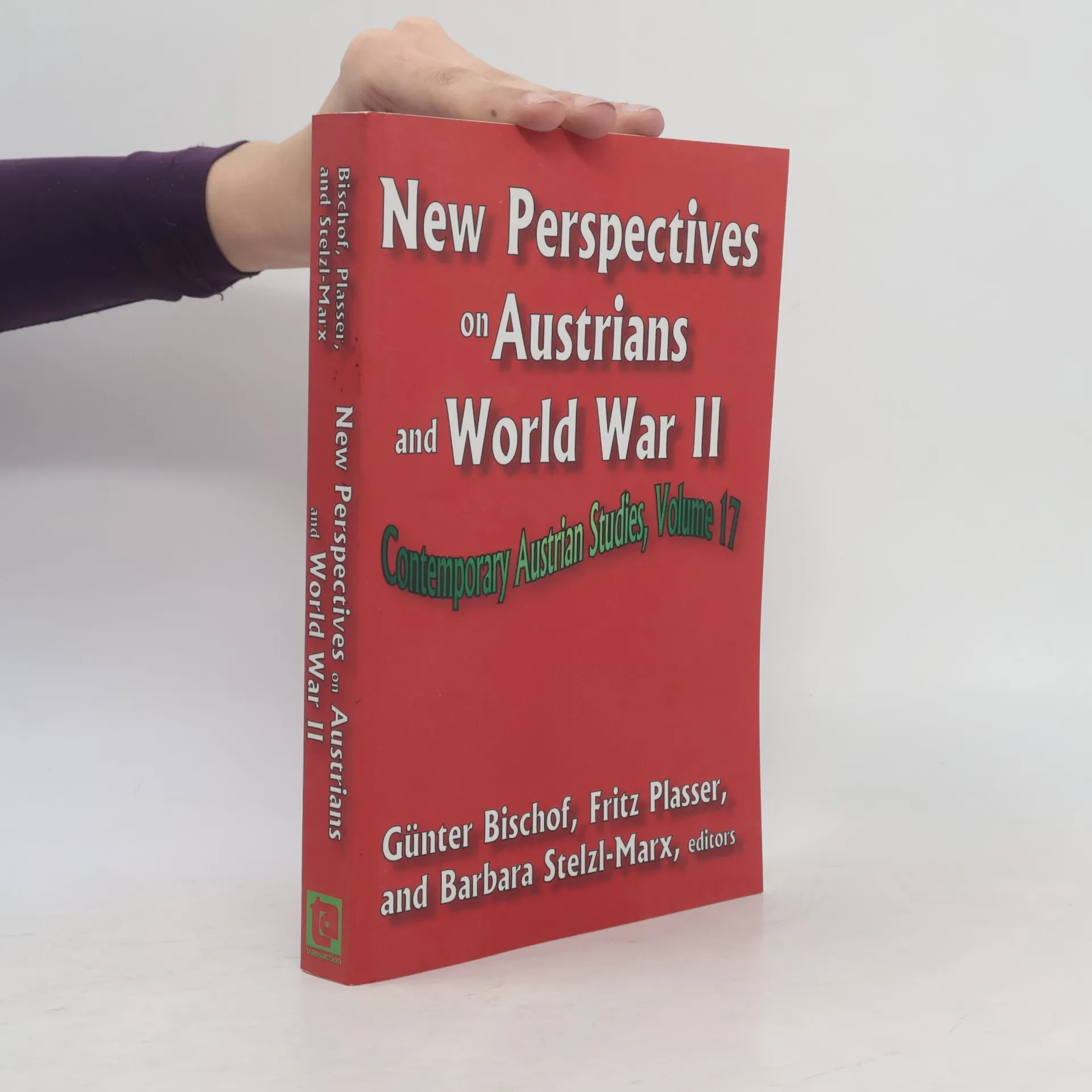
Contemporary Austrian Studies - 17: New Perspectives on Austrians and World War II
- 375bladzijden
- 14 uur lezen
For over a generation after World War II, many Austrians and official government doctrine maintained that they were victims of Nazi aggression in 1938, denying responsibility for German war crimes. In the past two decades, this narrative has evolved to acknowledge a more nuanced history with both Austrian perpetrators and victims. The first part explores Austrian soldiers in the German Wehrmacht, a history recently uncovered. Richard Germann details the units and theaters they fought in, while Thomas Grischany highlights their combat effectiveness. Ela Hornung presents case studies of soldiers who denounced their comrades, and Barbara Stelzl-Marx examines Austrian soldiers involved in resistance efforts at the war's end. Stefan Karner summarizes the treatment of POWs on the Eastern front. The second part addresses the challenging conditions on the Austrian home front, with Fritz Keller discussing food shortages in Vienna and Ingrid Bhler providing insights into small-town life. Andrea Strutz analyzes the experiences of Jewish refugees fleeing to the United States, while Peter Ruggenthaler and Philipp Lesiak investigate the use of slave labor. Brigitte Kepplinger reviews the Nazi euthanasia program. The final section focuses on the war's legacies, including postwar restitution and memory issues, featuring new sources from Soviet archives, analyses of war crimes trials, and surveys of property restitution, along with reflections