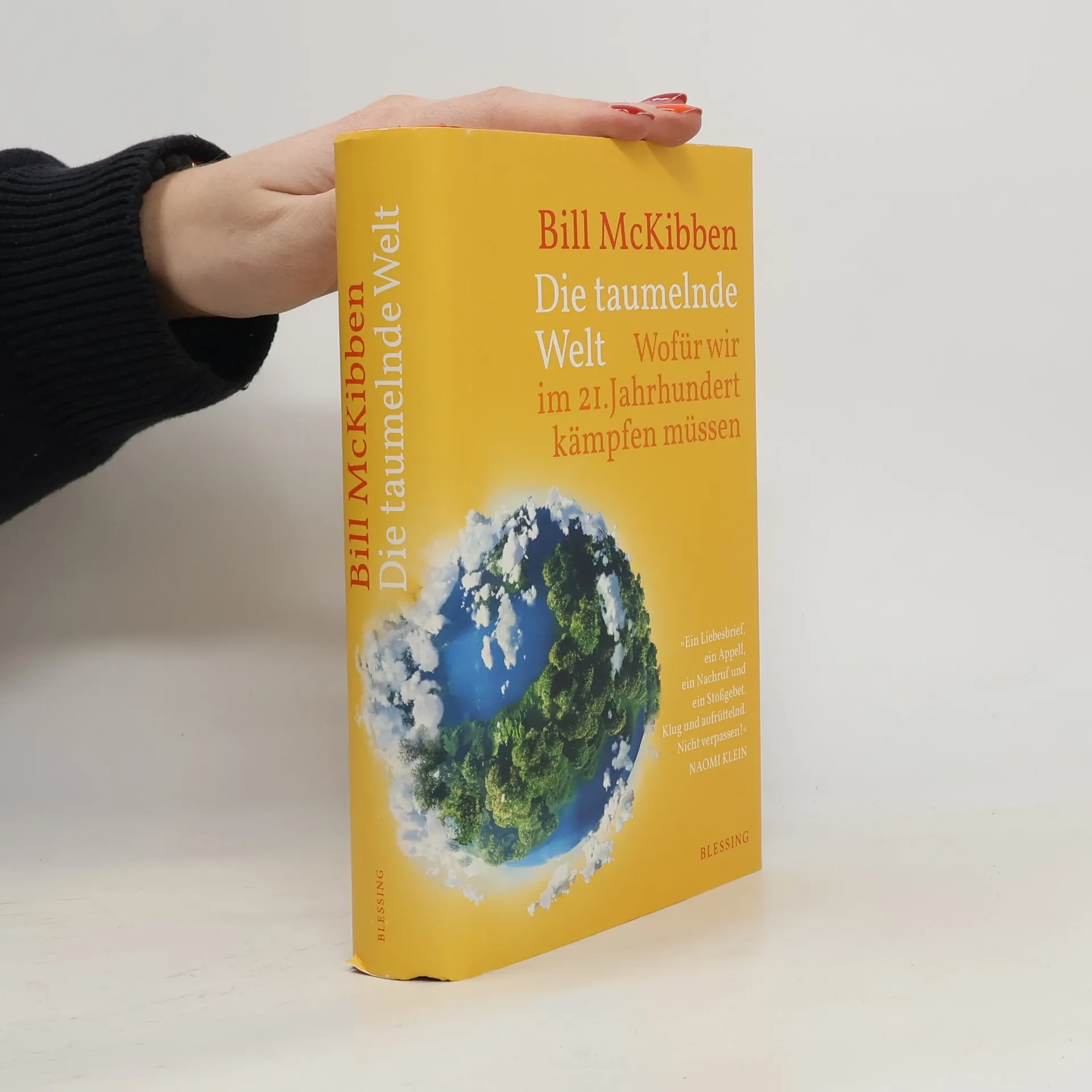

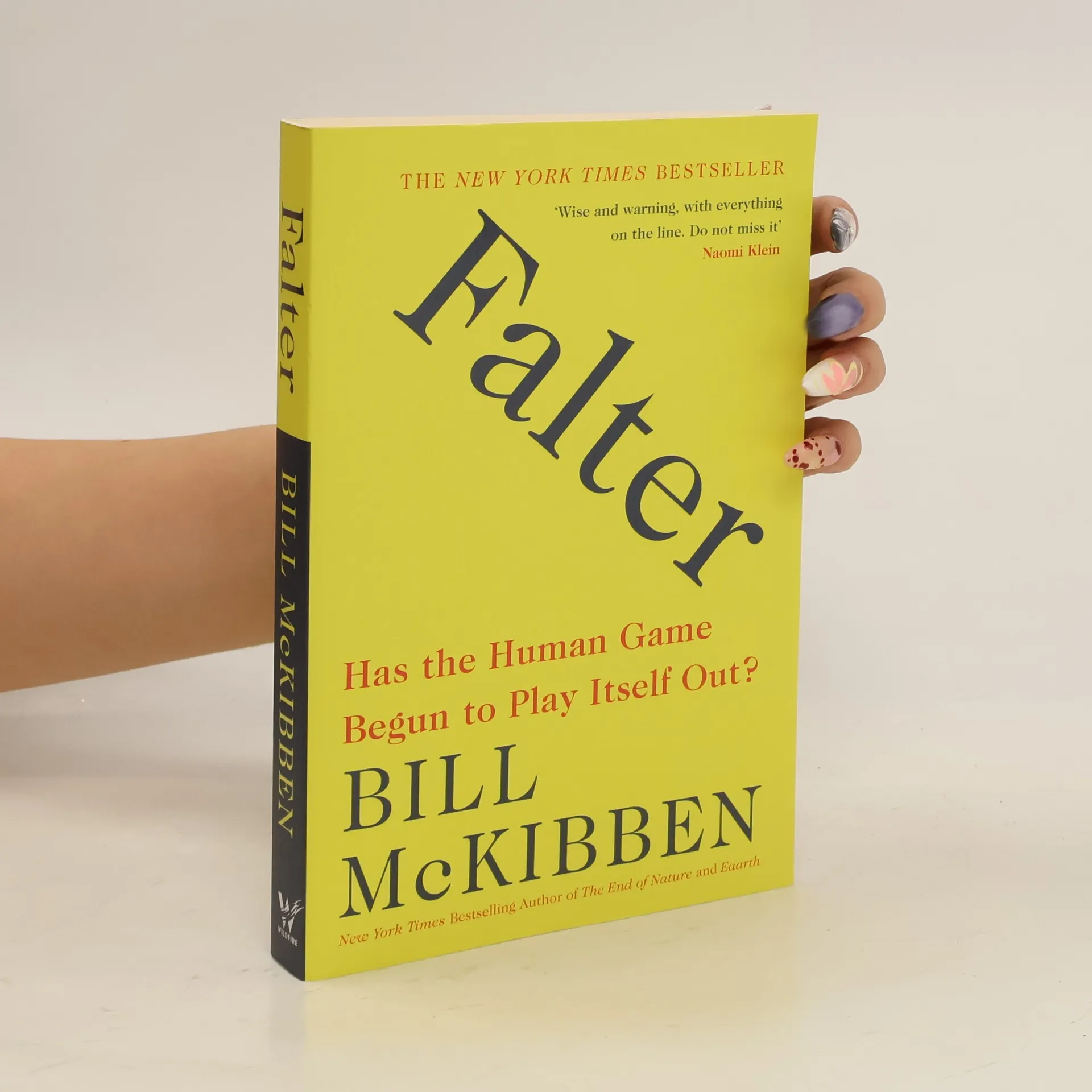
Bill McKibben is een toonaangevende stem in de milieuliteratuur, die zich sinds het begin van zijn carrière toelegt op de dringende kwesties van klimaatverandering. Zijn werk onderzoekt met scherpte de relatie tussen mensheid en natuur, en waarschuwt met duidelijkheid en urgentie voor de opwarming van de aarde. Met zijn meeslepende stijl en diepgaande begrip van ecologische zorgen heeft McKibben zich gevestigd als een sleutelfiguur in het maatschappelijk debat van onze tijd. Zijn werk nodigt lezers uit om na te denken over onze impact op de planeet en om actief de milieu-uitdagingen aan te gaan.
The book encourages a reimagining of the holiday season, emphasizing the importance of joy, intimacy, and spirituality over consumerism. Bill McKibben presents suggestions to shift focus from materialism to meaningful traditions and celebrations, aiming to restore the true essence of Christmastime. By exploring alternative ways to celebrate, he invites readers to embrace a more relaxed and fulfilling holiday experience.
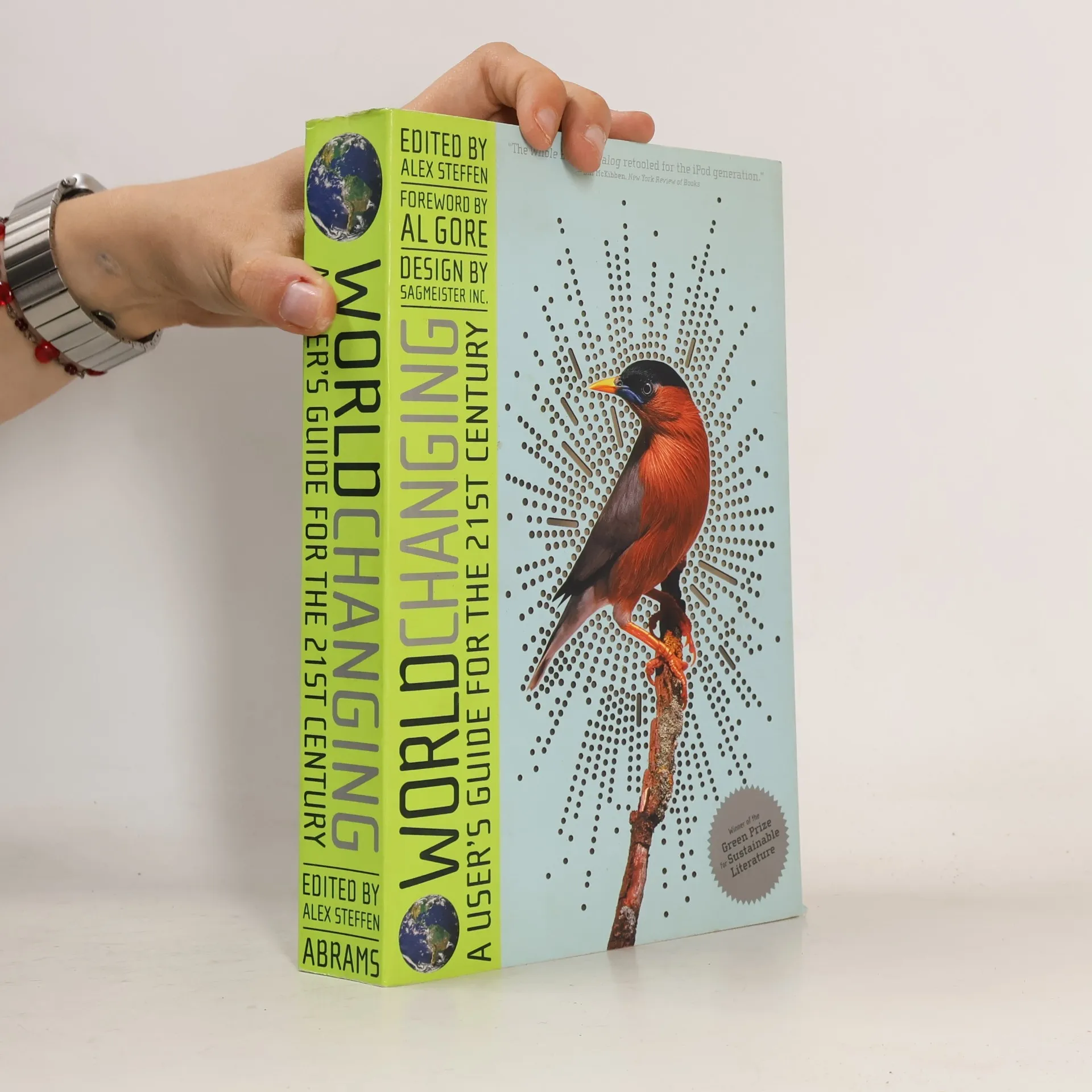
Five years after the initial publication of Worldchanging, the landscape of environmentalism and sustainability has changed dramatically. The average reader is now well-versed--even inundated--with green lifestyle advice. In 2011, green is the starting point, not the destination. This second edition of the bestselling book is extensively revised to include the latest trends, technologies, and solutions in sustainable living. More than 160 new entries include up-to-the-minute information on the locavore movement, carbon-neutral homes, novel transportation solutions, the growing trend of ecotourism, the concept of food justice, and much more. Additional new sections focus on the role of cities as the catalyst for change in our society. With 50 percent new content, this overhauled edition incorporates the most recent studies and projects being implemented worldwide. The result is a guided tour through the most exciting new tools, models, and ideas for building a better future
This collection features influential perspectives on global warming, tracing its historical development from the 19th century to contemporary discussions. Edited by renowned environmental writer Bill McKibben, it includes contributions from prominent figures like Van Jones, Al Gore, Elizabeth Kolbert, and Naomi Klein. The book highlights the urgency of climate issues and offers insights into the ongoing environmental crisis, making it a crucial read for understanding the complexities of climate change and the voices advocating for action.
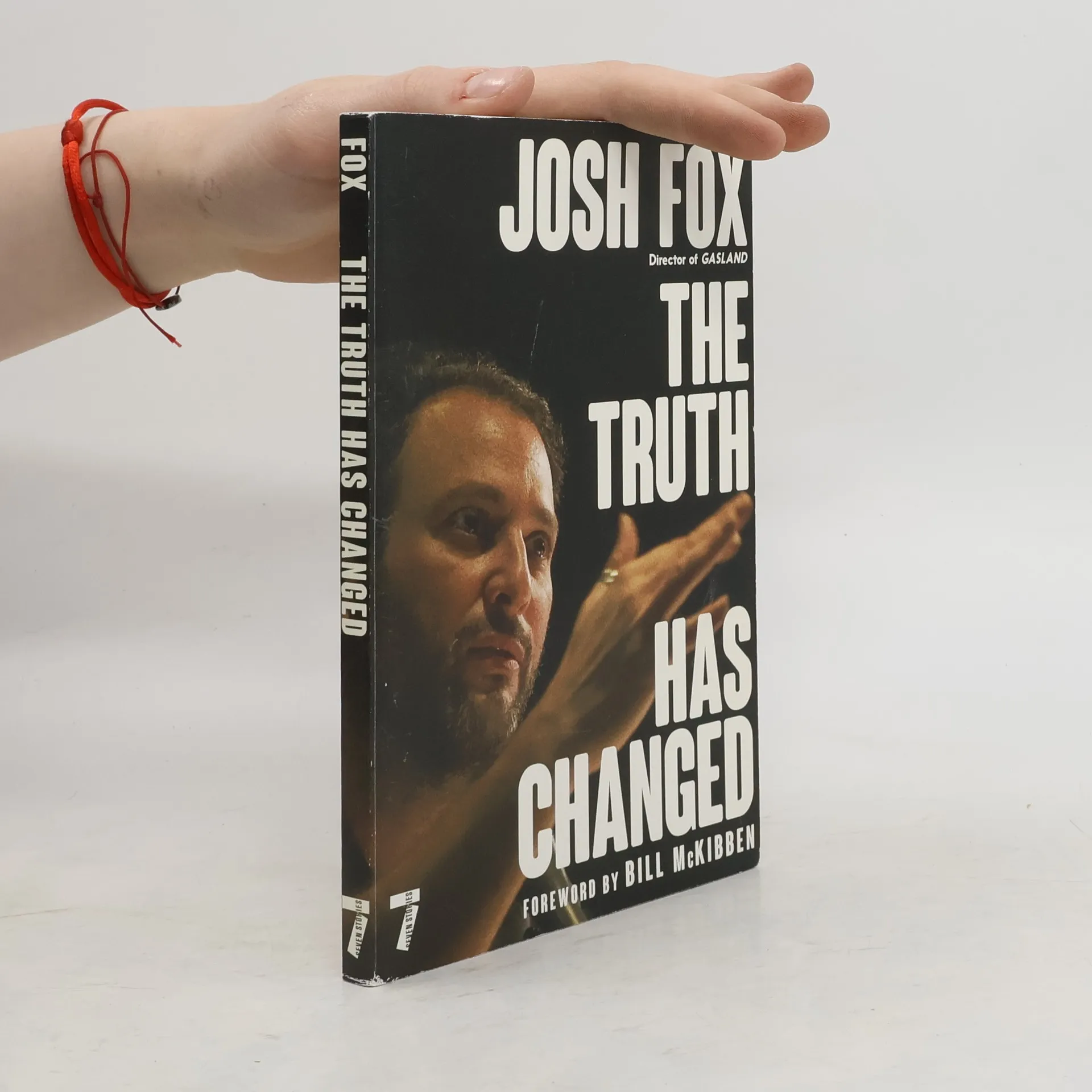
The Emmy Award–winning creator of GASLAND tells his intimate and damning, personal story of our world in crisis. With a foreword by Bill McKibben. The rules have changed. The water has changed. The climate has changed. The truth has changed. We must change. In The Truth Has Changed, Josh Fox turns the rapid-fire shocks that are remaking the very fabric of our lives—writing as a first responder, a reporter, a documentarian, and an activist—into art, literature, and at least one answer to the question of what the future holds. Our normal isn’t normal anymore. The paradigm shift that global warming represents parallels a paradigm shift in how we process truth. Both deeply affect democracy. Josh Fox has had a front row seat—a first responder after 9/11, filming the Deepwater Horizon spill close up from the air and on the ground, a member of Bernie Sanders’s delegation of the Democratic Platform Committee, risking his life to cross a bridge on Thanksgiving Day at Standing Rock, traveling the nation and the world, shooting his films, talking to people everywhere he goes. The Truth Has Changed is his first book, the companion to his new one-man show of the same title, and it’s beautiful.
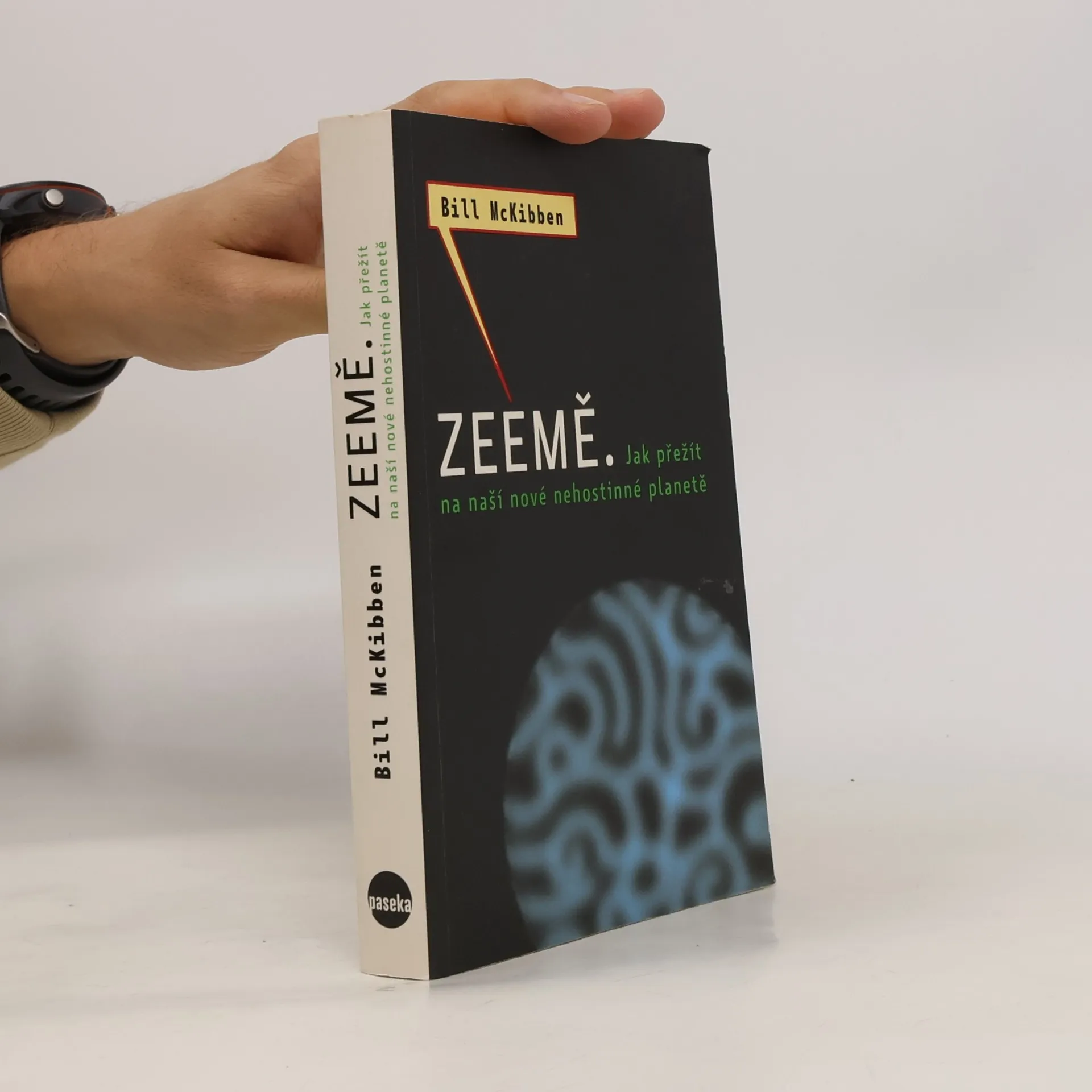
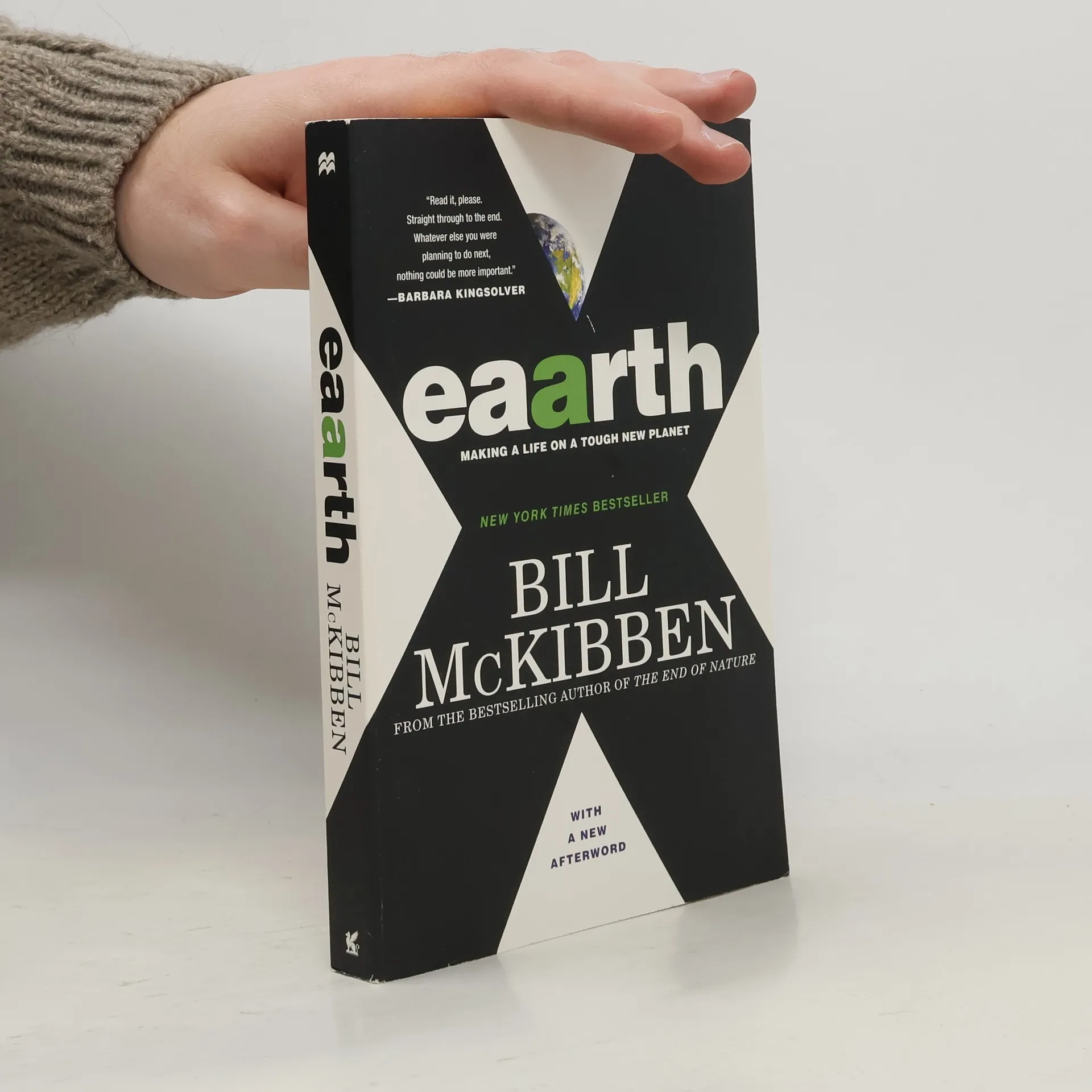
Argues that a large-scale shift in Earth's climate is unavoidable and explains how humans should live if they are going to sustain themselves on the new planet that their mistakes have created
One of the New Yorker's Best Books of 2022 So Far Bill McKibben—award-winning author, activist, educator—is fiercely curious. “I’m curious about what went so suddenly sour with American patriotism, American faith, and American prosperity.” Like so many of us, McKibben grew up believing—knowing—that the United States was the greatest country on earth. As a teenager, he cheerfully led American Revolution tours in Lexington, Massachusetts. He sang “Kumbaya” at church. And with the remarkable rise of suburbia, he assumed that all Americans would share in the wealth. But fifty years later, he finds himself in an increasingly doubtful nation strained by bleak racial and economic inequality, on a planet whose future is in peril. And he is curious: What the hell happened? In this revelatory cri de coeur, McKibben digs deep into our history (and his own well-meaning but not all-seeing past) and into the latest scholarship on race and inequality in America, on the rise of the religious right, and on our environmental crisis to explain how we got to this point. He finds that he is not without hope. And he wonders if any of that trinity of his youth—The Flag, the Cross, and the Station Wagon—could, or should, be reclaimed in the fight for a fairer future.
One of the earliest warnings about climate change and one of environmentalism's lodestars 'Nature, we believe, takes forever. It moves with infinite slowness, ' begins the first book to bring climate change to public attention. Interweaving lyrical observations from his life in the Adirondack Mountains with insights from the emerging science, Bill McKibben sets out the central developments not only of the environmental crisis now facing us but also the terms of our response, from policy to the fundamental, philosophical shift in our relationship with the natural world which, he argues, could save us. A moving elegy to nature in its pristine, pre-human wildness, The End of Nature is both a milestone in environmental thought, indispensable to understanding how we arrived here.
A book that's also the beginning of a movement, Bill McKibben's debut novel Radio Free Vermont follows a band of Vermont patriots who decide that their state might be better off as its own republic. As the host of Radio Free Vermont--"underground, underpowered, and underfoot"--seventy-two-year-old Vern Barclay is currently broadcasting from an "undisclosed and double-secret location." With the help of a young computer prodigy named Perry Alterson, Vern uses his radio show to advocate for a simple yet radical idea: an independent Vermont, one where the state secedes from the United States and operates under a free local economy. But for now, he and his radio show must remain untraceable, because in addition to being a lifelong Vermonter and concerned citizen, Vern Barclay is also a fugitive from the law. In Radio Free Vermont , Bill McKibben entertains and expands upon an idea that's become more popular than ever--seceding from the United States. Along with Vern and Perry, McKibben imagines an eccentric group of activists who carry out their own version of guerrilla warfare, which includes dismissing local middle school children early in honor of 'Ethan Allen Day' and hijacking a Coors Light truck and replacing the stock with local brew. Witty, biting, and terrifyingly timely, Radio Free Vermont is Bill McKibben's fictional response to the burgeoning resistance movement
From environmentalist and bestselling author Bill McKibben comes a hopeful, inspiring picture book celebrating the power of human cooperation and the beauty of life on Earth, beautifully illustrated by artist Stevie Lewis. When we work together, we humans can do incredible things. We share the responsibility to address climate change and our changing planet. It is critical that we act collectively to protect our beautiful, fragile world. Renowned environmentalist Bill McKibben and the incredibly talented artist Stevie Lewis team up to bring this gorgeous picture book to life. Celebrating the amazing things people can do, it’s an inspiring message of hope.